
You’ve probably sat through a Marvel movie or two and thought, “Come on, none of this is real.” Here’s the thing, though – nature has already written a far wilder script. From creatures that can freeze solid and walk away, to tiny ocean drifters that may literally never die, the animal kingdom is packed with abilities that make fictional superheroes look underprepared.
You don’t need a radioactive spider or a magic serum. You just need to look a little more closely at the world around you. What you’ll find is genuinely shocking. Let’s dive in.
1. The Axolotl: The Real-Life Regenerator
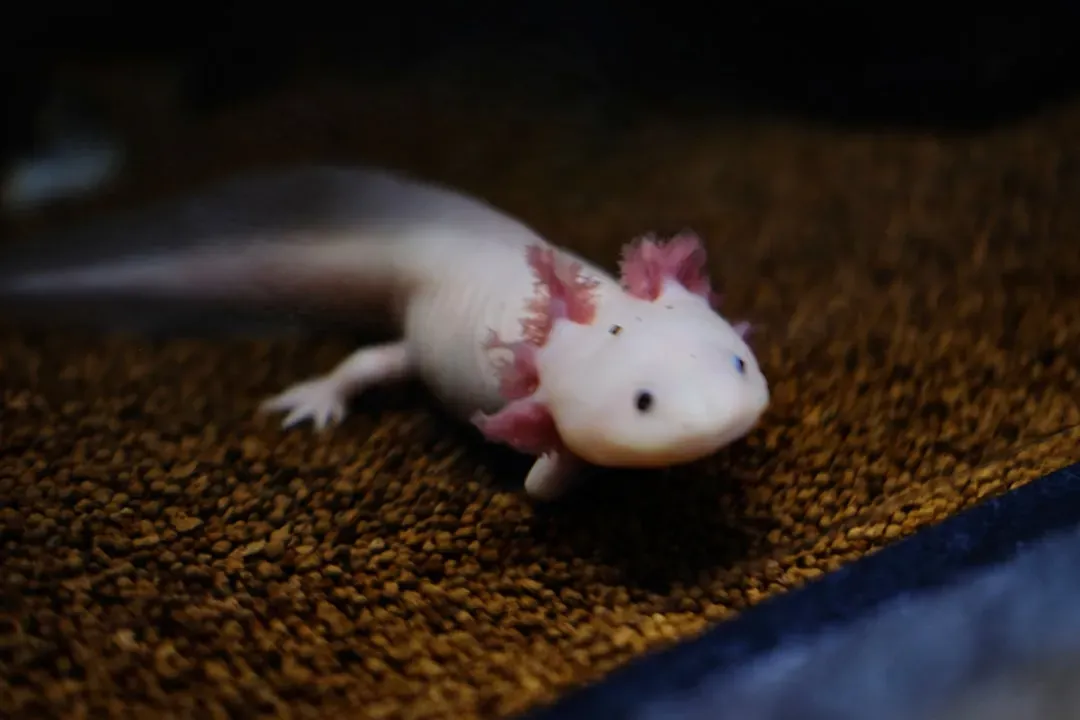
Imagine losing an arm and simply regrowing it – not a pale imitation, but a full, functioning, perfectly formed replacement. The axolotl’s superpower is complete limb regeneration, a feat unmatched by almost any other vertebrate. When it loses a leg or tail, the wound doesn’t scar. Instead, cells at the site revert to a stem-like state, forming a blastema – a miniature limb-making factory that reconstructs bones, muscles, nerves, and skin with flawless precision.
Axolotls can not only regrow lost limbs but also restore their spinal cord, heart, and other vital organs. This remarkable ability has piqued the interest of scientists studying the potentials of regenerative medicine. Axolotls are a critically endangered species found in wetland and lake habitats of southern Mexico, and are named after the Aztec god of fire and lightning, Xolotl. Honestly, a creature this extraordinary being endangered feels like the universe making a very bad joke.
2. The Mantis Shrimp: Nature’s Boxer and Rainbow-Eyed Wonder
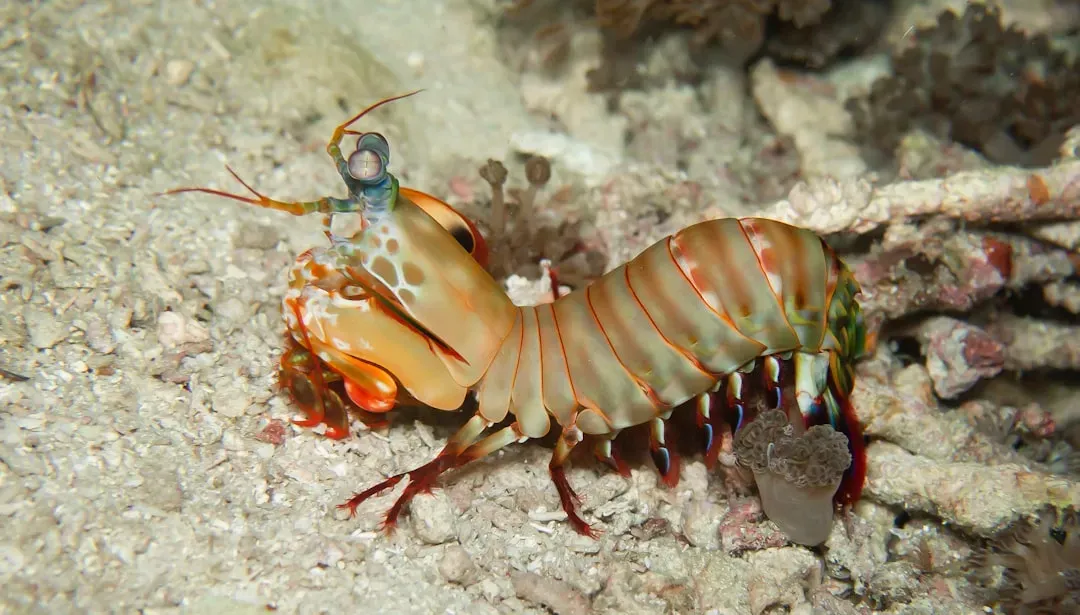
The mantis shrimp’s superpower lies in its punch’s sheer speed and force – the fastest strike in the animal kingdom. Its spring-loaded club can accelerate underwater at over 10,000 g (ten thousand times the force of gravity) and reach speeds of 23 meters per second. At impact, it delivers a blow exceeding 1,500 newtons, powerful enough to crack open crab shells or shatter aquarium glass.
The peacock mantis shrimp is the only known animal that can see circularly polarized light – a special type that allows them to visualize a very wide array of colors that humans cannot see. In total, they have sixteen photoreceptors that allow them to see visible light and UV light. Research has suggested that the mantis shrimp’s vision may contribute to the evolution of color vision, may lead to cancer detection, and boost technology like satellites and camera sensors. You’re looking at a creature that punches harder than a bullet and sees a world you cannot even imagine.
3. The Tardigrade: The Indestructible Microscopic Giant
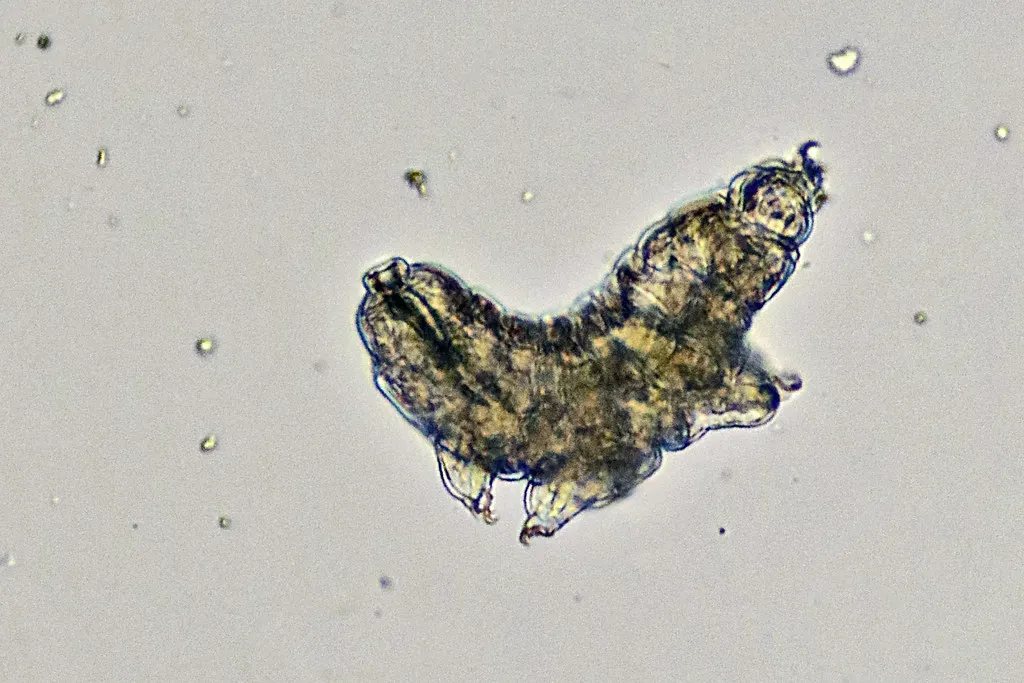
Tardigrades, also known as water bears or moss piglets, are microscopic eight-legged animals that are the most resilient creatures known to science. These extremophiles can survive in conditions that would be instantly fatal to almost any other organism, including extremes of heat, cold, pressure, and radiation. They can even survive in the usually uninhabitable vacuum of space.
Their bodies contain a protein unique to the tardigrade called DSUP (short for “damage suppressor protein”) that protects their DNA from harmful radiation. They also possess an amazing survival trick called cryptobiosis: a state of inactivity triggered by dry environments in which the tardigrade squeezes all the water out of its body, retracts its heads and limbs, rolls up into a little ball, and becomes dormant. Think of it as nature’s version of a hibernation mode – except far more extreme and frankly terrifying in the most admirable way.
4. The Immortal Jellyfish: Death Is Optional
Turritopsis dohrnii, also known as the immortal jellyfish, is a species of small, biologically immortal jellyfish found worldwide in temperate to tropic waters. It is one of the few known cases of animals capable of completely reverting to a sexually immature, colonial stage after having reached sexual maturity as a solitary individual. This hydrozoan is about 4.5 millimetres wide and tall – likely making it smaller than the nail on your little finger – and can actually reverse its life cycle.
Instead of dying, the jellyfish’s cells reorganize into a cyst, then rebuild into a young polyp colony. Transdifferentiation means mature cells – like nerve or muscle – turn into other types, effectively reprogramming themselves without becoming stem cells first. The species possesses unique mechanisms related to telomere maintenance, which play a significant role in its regenerative abilities. Turritopsis dohrnii maintains telomere length through specific cellular processes during its life cycle reversal, effectively resetting cellular aging. I think this is the most mind-bending entry on this entire list. A creature the size of a lentil may hold the key to biological immortality.
5. The Mimic Octopus: Master of a Thousand Disguises
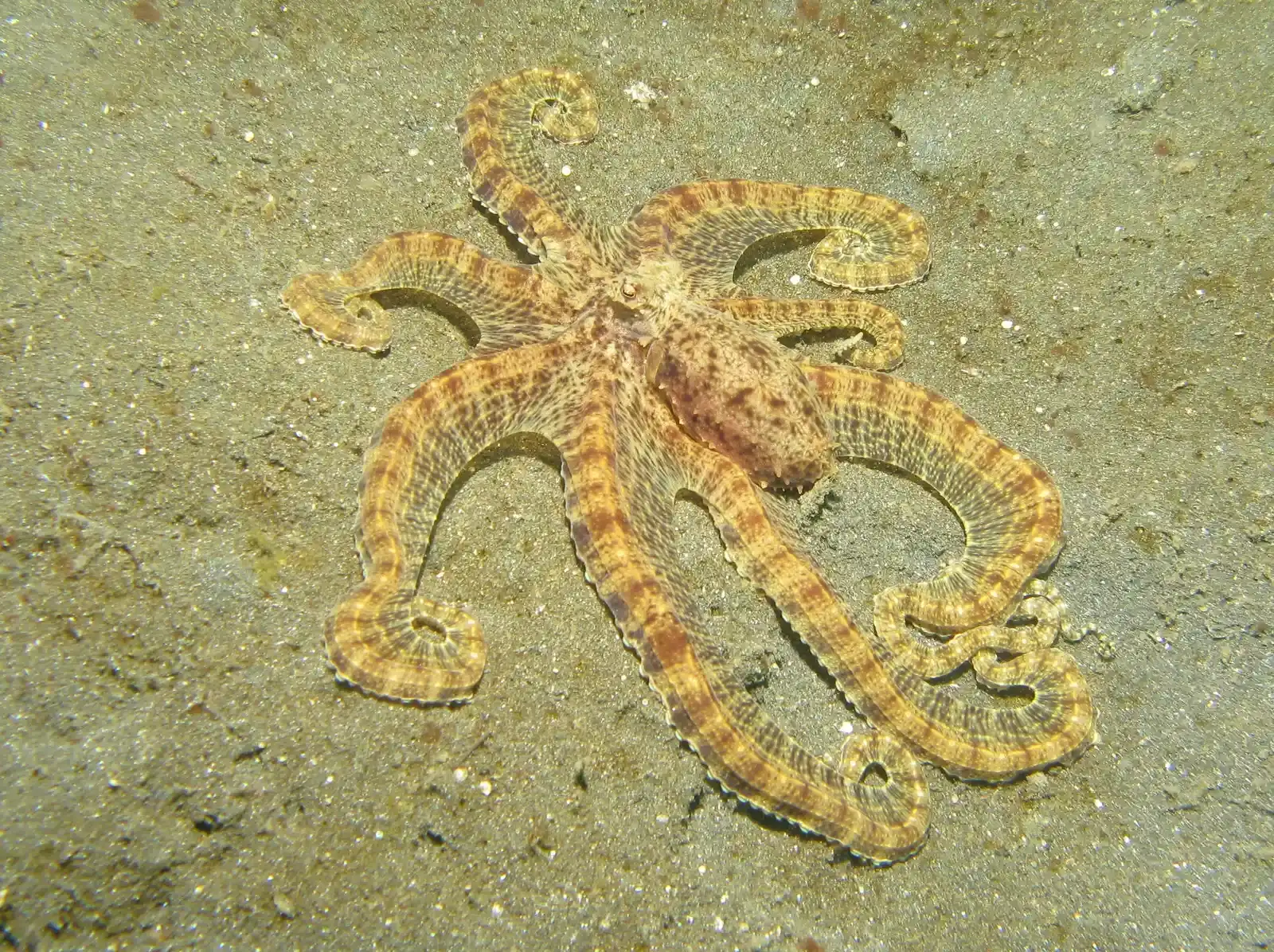
Discovered in 1998, the mimic octopus (Thaumoctopus mimicus) is a two-foot-long species that can parrot not just one but several toxic sea creatures. It’s the first animal of any kind known to shift between multiple imitations, a talent called dynamic mimicry. Depending on which predator is around, this cephalopod adjusts its posture by folding, splaying, or hiding its arms to copy the shape, texture, and motions of the banded sole, lionfish, or banded sea snake.
Scientists suggest that the mimic octopus may choose which animal to impersonate based on which predator is hovering nearby. For example, when bullied by territorial damselfish, an octopus was seen transforming into a sea snake, a well-known predator of damselfish. Most species that are able to mimic can only mimic a single animal, whereas the mimic octopus can switch between various disguises – up to 18 different marine animals. It’s less a camouflage act and more a full theatrical performance, with the octopus as director, costume designer, and lead actor all at once.
6. The Naked Mole Rat: The Oxygen-Free Cancer-Proof Rodent
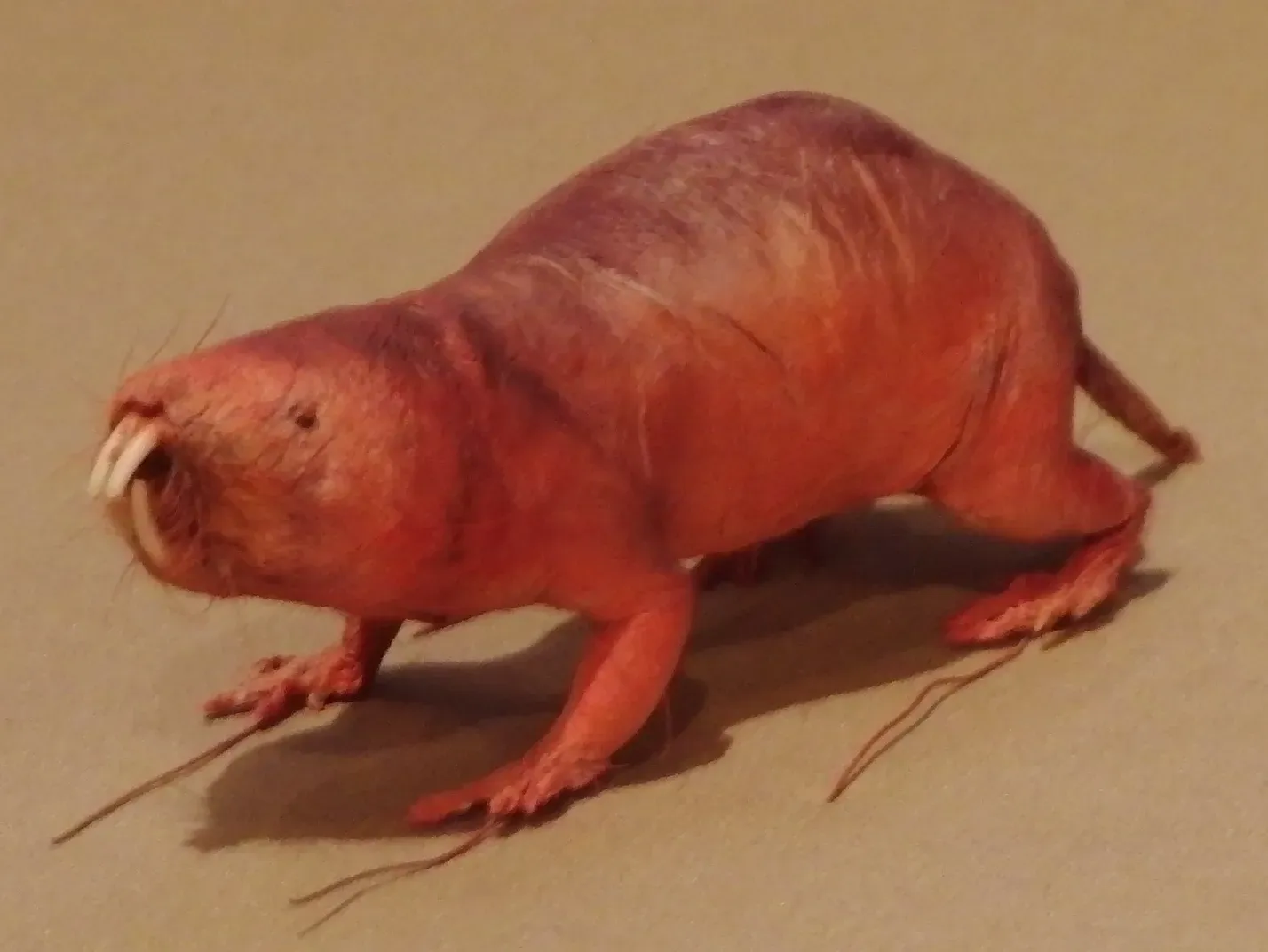
The naked mole rat’s superpower is its ability to survive without oxygen, a trait unheard of in mammals. Native to East Africa’s low-oxygen underground tunnels, this wrinkled rodent can endure up to 18 minutes without any oxygen by switching its metabolism from glucose to fructose-driven glycolysis, a process more commonly found in plants. This allows vital organs like the brain and heart to function even when air runs out.
Naked mole rats live for over 30 years, roughly ten times longer than similar-sized rodents, and show an extraordinary resistance to cancer. Scientists attribute this to their tissues being rich in high-molecular-mass hyaluronan, a sugar-like molecule that prevents uncontrolled cell growth. Let’s be real – a hairless wrinkled rodent that laughs in the face of cancer and survives without air is one of the most astonishing organisms on this planet, full stop.
7. The Gecko: The Wall-Crawling Gravity-Defier
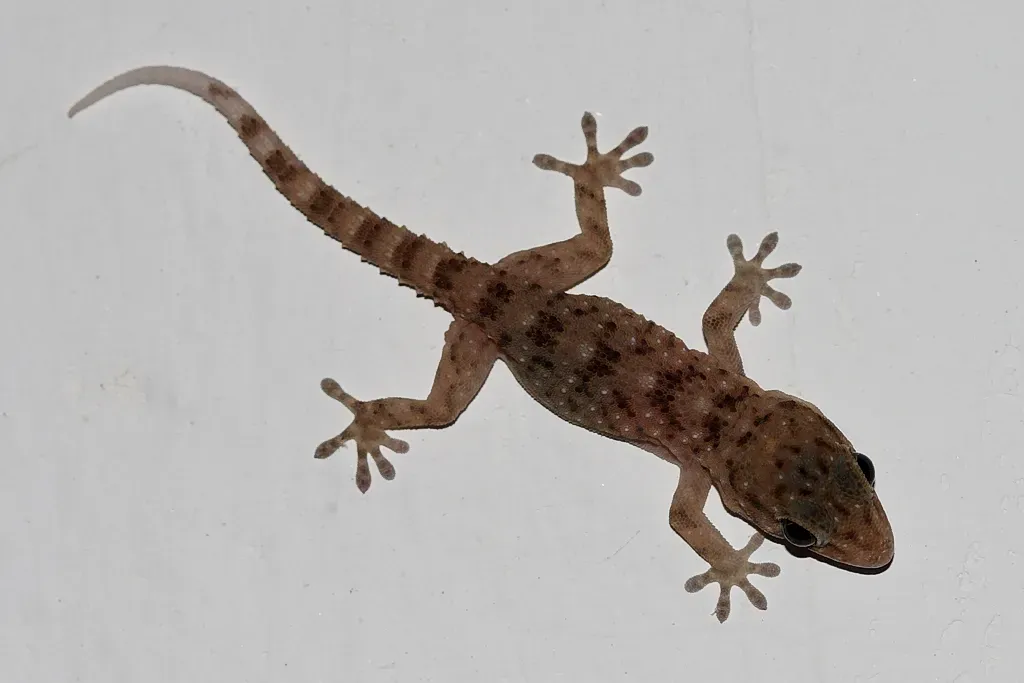
Geckos have the superhero-like ability to adhere to almost any surface, including vertical walls and even ceilings. This is possible due to the microscopic hairs on their feet, allowing them to exploit weak intermolecular forces to hold onto surfaces tightly. They are the best climbers in the world and can run on inverted and vertical surfaces with seemingly reckless abandon. They can also attach and remove their adhesive toes in milliseconds.
The study of these remarkable abilities has profound implications for science and technology. Biomimicry, the design of materials and structures modeled on biological entities, has looked to creatures like geckos to develop advanced adhesives and to improve optical technologies. Think Spider-Man’s wall-crawling ability – except geckos have been doing this for millions of years without a single lab accident. Nature filed the patent first.
8. The Electric Eel: Living Power Station
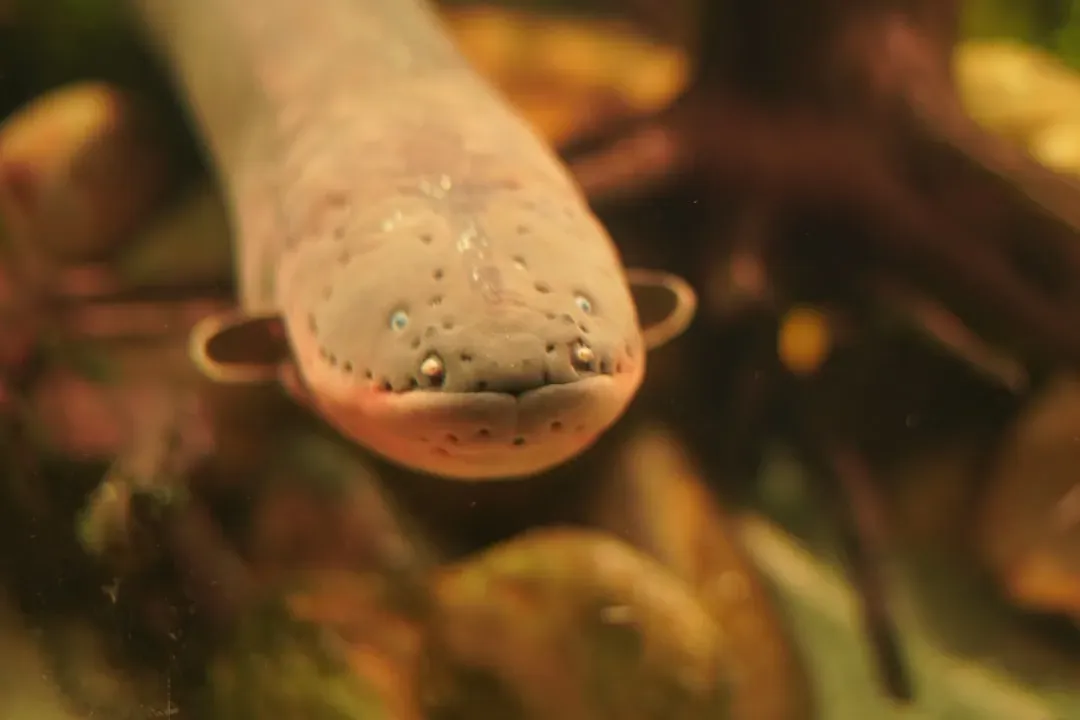
Electric eels, despite their name, are actually a type of knifefish. They can generate powerful electric shocks of up to 600 volts for hunting and self-defense, thanks to the specialized electric organs occupying most of their body. In the murky waters of the Amazon, the electric eel generates powerful electric shocks, which it uses for both hunting and self-defense. That’s roughly five times the voltage coming out of a standard wall socket in the United States.
These unexpected characteristics, which have been the consequence of billions of years of adaptive evolution, have led to a surge in interest in electric eel biomimetics as a means of creating novel configurations and parts for energy conversion and storage systems. Flexible batteries and moisture-enabled fully printable power sources were created, inspired by electric eels. It’s hard to say for sure where this research will go next, but the idea that a river animal is actively inspiring tomorrow’s battery technology is something worth pausing on.
9. The Mantis Shrimp’s Lesser-Known Cousin: The Pistol Shrimp and Its Sonic Weapon
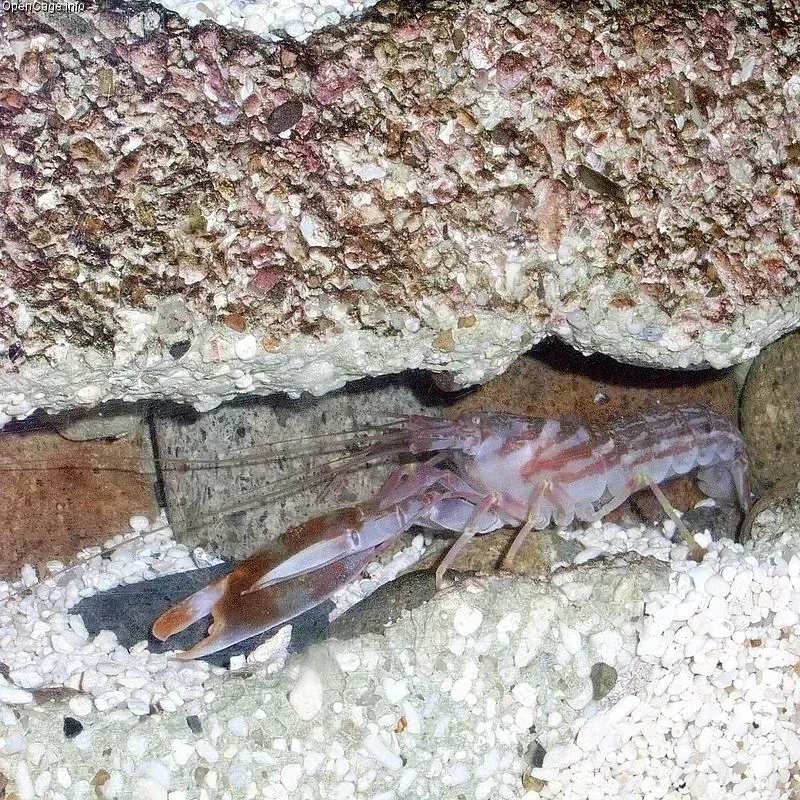
This unassuming shrimp wields a claw that snaps shut so fast it creates a cavitation bubble hotter than the sun’s surface. When the bubble collapses, it produces a shockwave that kills or stuns nearby prey. The resulting sound – over 200 decibels – rivals a gunshot. Pause for a second. A shrimp. A small, barely-visible ocean creature produces a sound louder than a firearm. Nature, you’ve outdone yourself.
The pistol shrimp’s underwater “gunfire” is so intense that large colonies can disrupt sonar equipment. What’s more, the shrimp uses this sonic energy to communicate, proving that power and finesse can exist in even the smallest creatures. It hunts, communicates, and disrupts military technology simultaneously. Honestly, if there were an Oscar for Most Overachieving Ocean Creature, the pistol shrimp would win it every year.
10. The Wood Frog: The Animal That Freezes and Walks Away
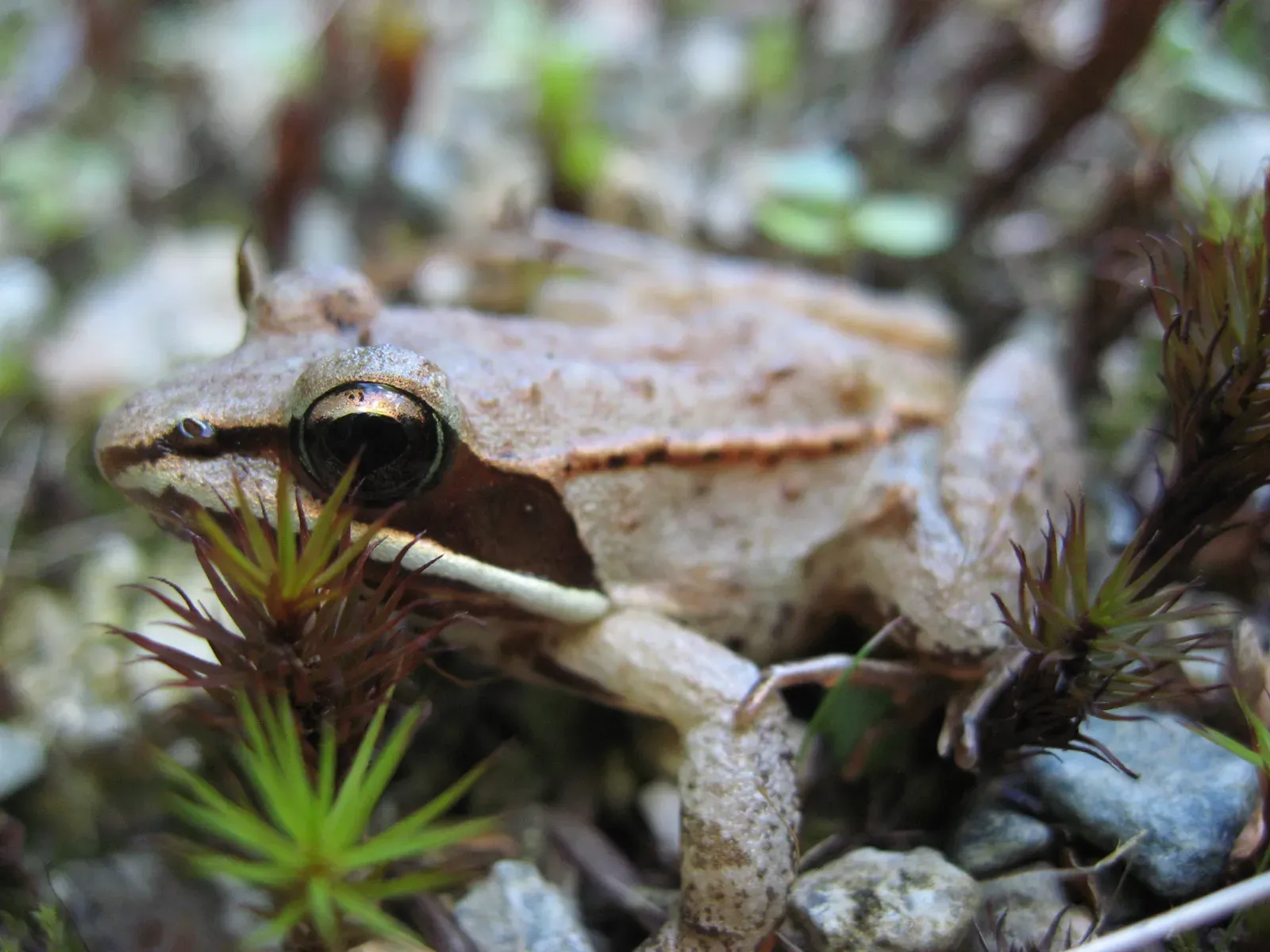
Every winter, the wood frog freezes solid – its heart stops beating, and its blood crystallizes. Yet come spring, it thaws out and hops away unharmed. This feat is made possible by special sugars in its cells that act like antifreeze, preventing lethal ice damage. The wood frog’s ability to endure total suspension of life is one of nature’s most profound demonstrations of survival through stillness.
The wood frog has a unique animal superpower that allows it to survive cold winter temperatures. While that might sound modest on paper, the reality is extraordinary – its heart literally ceases to beat, and yet it recovers completely. Imagine a human going completely frozen, organs stopped, blood crystallized, and then standing up a few months later asking what’s for breakfast. Scientists are actively studying this creature’s cellular antifreeze mechanisms for potential breakthroughs in organ preservation and surgery. The frog that dies every winter and keeps going anyway might one day save human lives.
Conclusion: Nature Already Wrote the Superhero Story
Here’s the takeaway from all of this: the animal kingdom is not a footnote to the story of life. It is the headline. Every creature on this list has evolved its “superpower” not through luck or fiction, but through millions of years of ruthless, creative adaptation. There are no shortcuts in evolution – just extraordinary results.
You don’t need to look to comic books for mind-blowing abilities. The pistol shrimp is already blasting sonic shockwaves. The axolotl is already regrowing its brain. The immortal jellyfish is already pressing reset on death itself. These animals remind us that reality, when you actually look closely enough, is stranger and more spectacular than anything we could invent.
So the next time someone tells you science fiction is far-fetched, point them toward the ocean, the rainforest, or even the puddle in your garden. Which of these ten creatures surprised you the most? Drop your thoughts in the comments – because honestly, picking a favorite here feels nearly impossible.