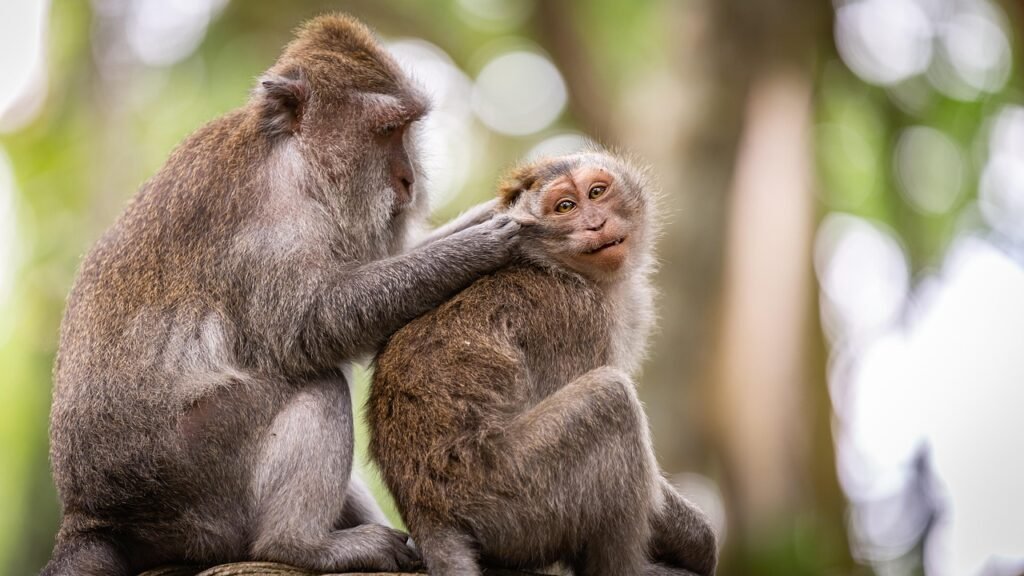

You might think you know everything about animals. You watch nature documentaries, scroll through wildlife videos on social media, and maybe even volunteer at your local zoo. Here’s the thing, though – no matter how much we learn about the natural world, it keeps throwing curveballs our way. The creatures sharing this planet with us continue to shock scientists with behaviors that defy logic, challenge what we thought we knew, and sometimes just seem downright bizarre.
From fish that scale vertical waterfalls to wolves that dive underwater to steal seafood, the animal kingdom is bursting with surprises. These aren’t just random quirks either. They’re survival strategies, social experiments, and evolutionary masterpieces that have taken millions of years to perfect. Let’s dive in and see which of these astonishing behaviors might change how you look at wildlife forever.
Tiny Catfish Climbing Massive Waterfalls
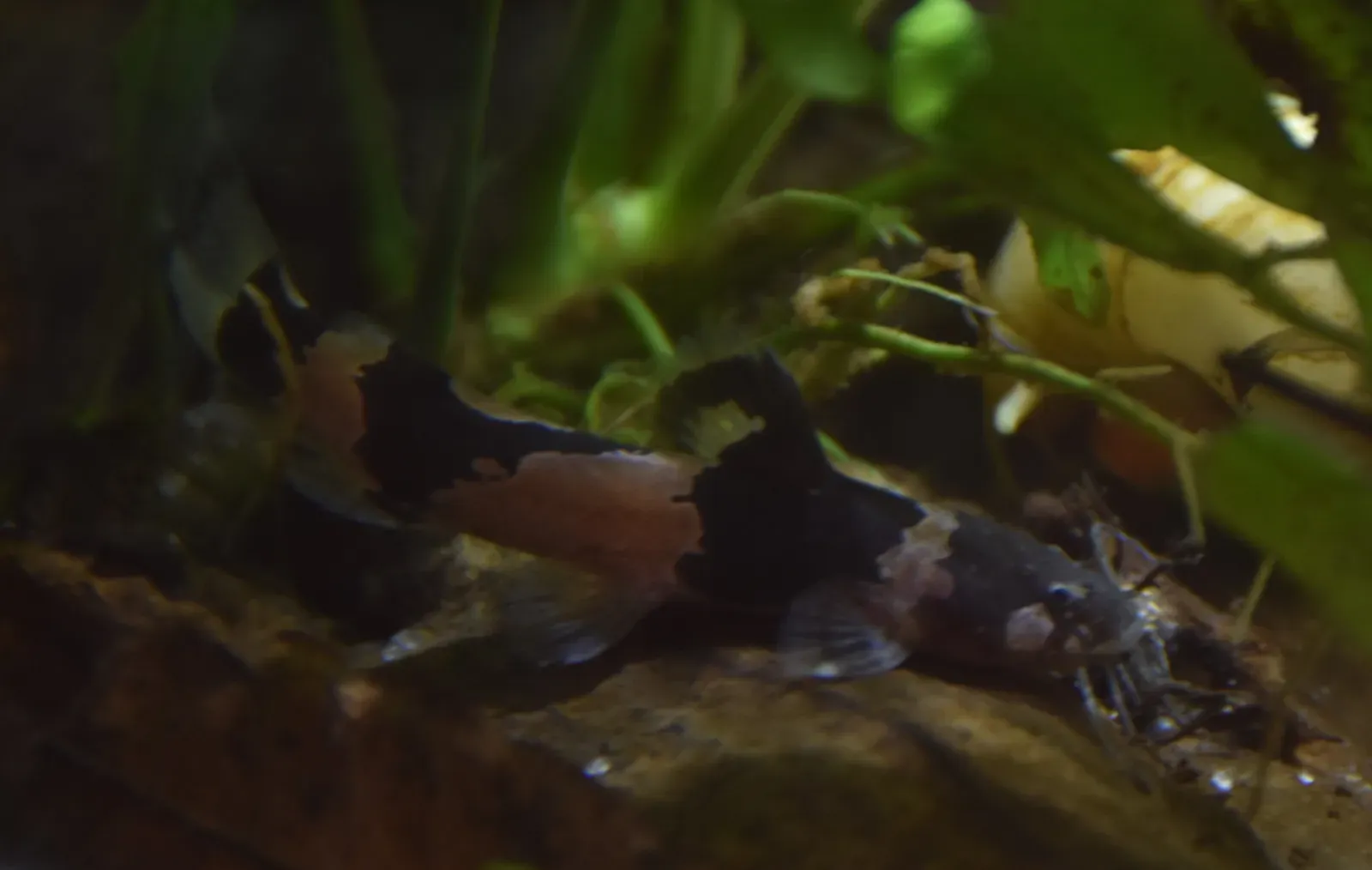
Scientists recently observed something they never expected to see: small bumblebee catfish climbing up waterfalls in Brazil in massive numbers. Picture this – hundreds of tiny fish, each no bigger than your thumb, defying gravity as they scale rushing water.
These Rhyacoglanis species are considered rare and researchers don’t know much about their biology, making the observation especially valuable. Scientists believe the fish were likely heading upstream to spawn. It’s hard to say for sure, but witnessing such determination in creatures so small really puts things in perspective.
Wolves Swimming Underwater to Steal Crabs
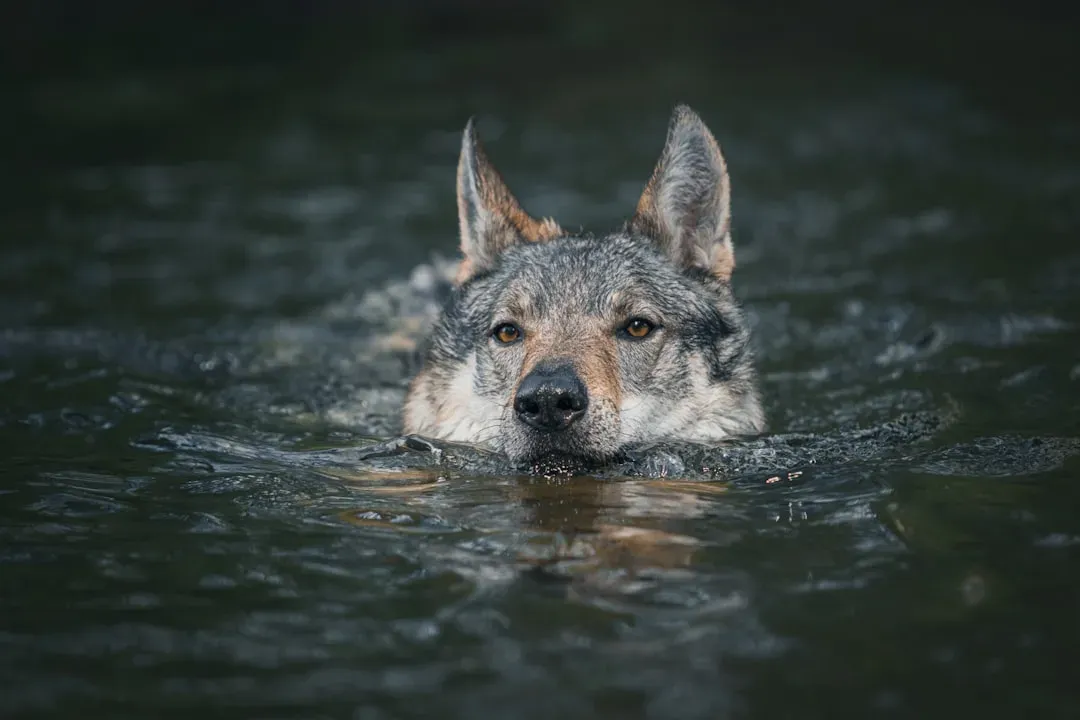
In Canada, Indigenous guardians and scientists captured video showing a female wolf swimming with a trap’s rope in her mouth, pulling it to shore, then opening the trap and eating the herring bait inside. Let’s be real – wolves aren’t exactly known for their aquatic adventures.
This discovery challenges what we thought we knew about wolf behavior. These land predators are apparently willing to take the plunge, literally, when food is involved. The footage showed a level of problem-solving that’s genuinely impressive, revealing wolves can be far more adaptable than we give them credit for.
Ocelots and Opossums: An Unlikely Friendship
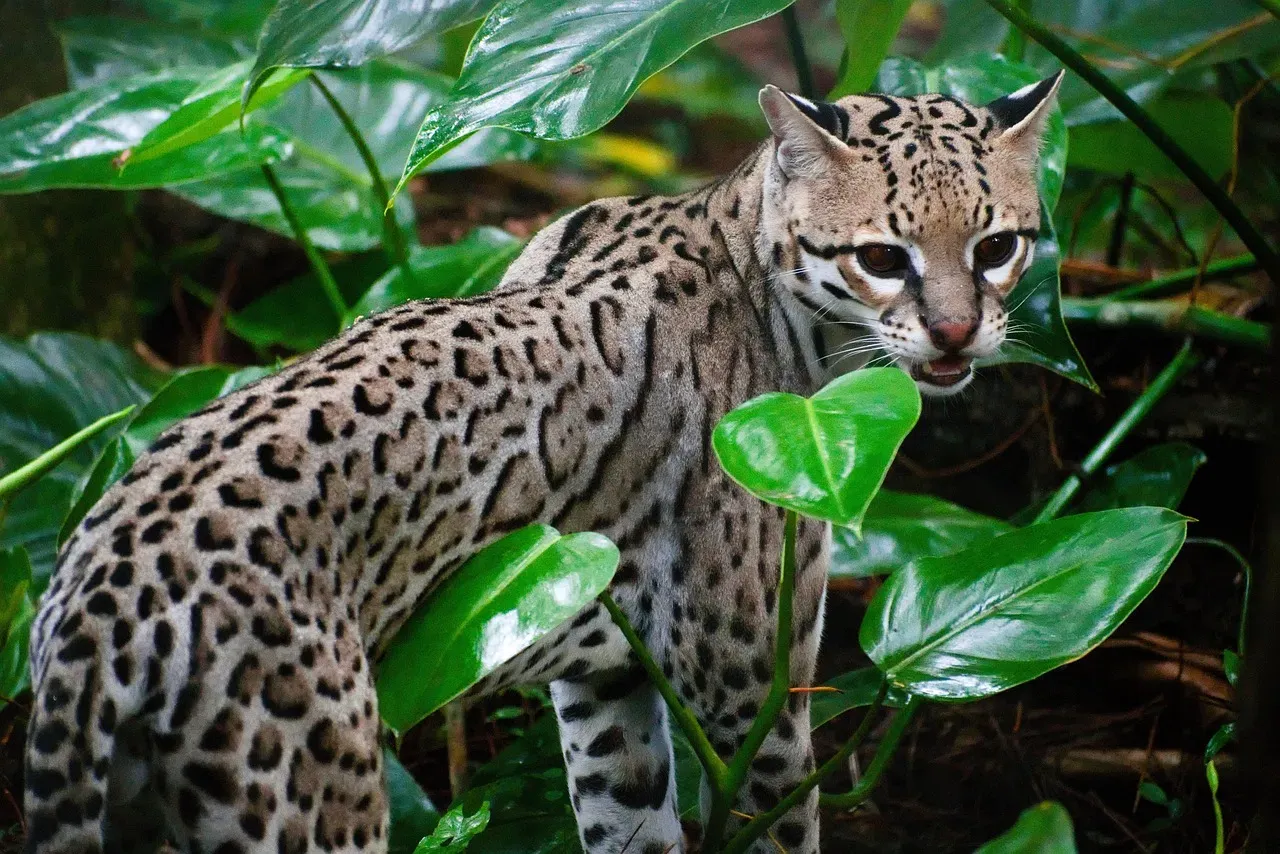
Here’s something that sounds completely made up. Using camera traps in the Peruvian Amazon, researchers captured a predator – the solitary ocelot – strolling alongside its prey, the common opossum, several times. You read that right. Predator and prey, just hanging out like old friends.
Researchers say the unusual partnership could be due to two possibilities: opossums may benefit from the ocelot’s hunting prowess, while the ocelot may gain from masking its scent with the opossum’s pungency. The footage shows how little we understand about rainforest dynamics. Nature sometimes feels like it’s actively trying to confuse us.
Capuchin Monkeys Kidnapping Babies
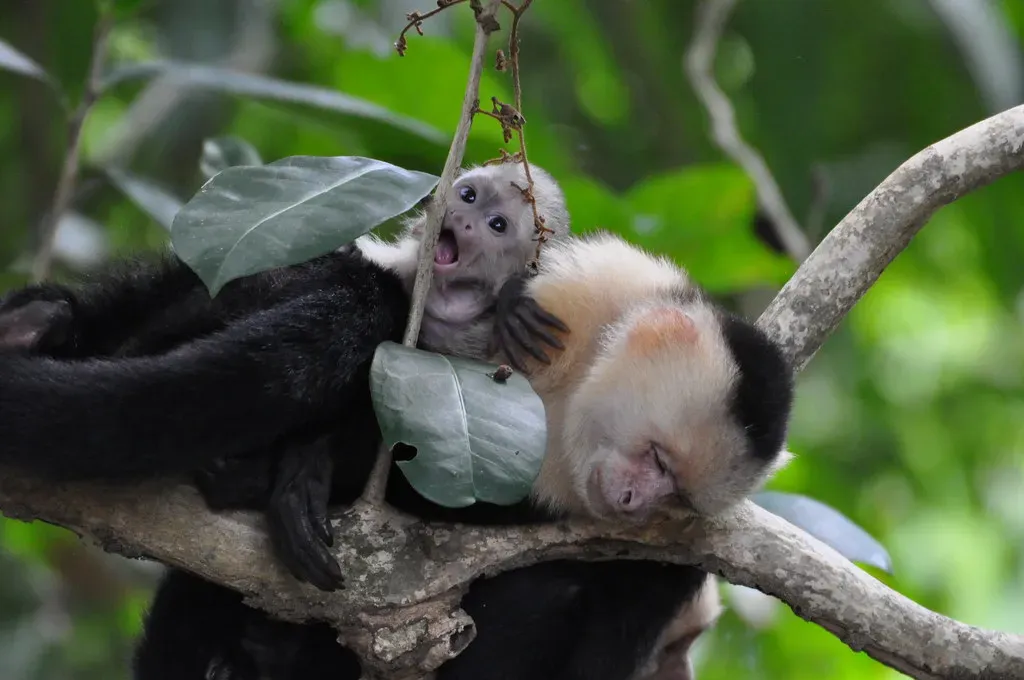
On a remote Panamanian island, researchers captured footage of young male capuchin monkeys stealing howler monkey babies for the very first time. Now this one might sound disturbing, but bear with me – it gets interesting.
The observations suggest necessity isn’t always the driver of new behaviors, especially on islands where both need and free time are often abundant. Essentially, these young males might be engaging in this behavior out of boredom or curiosity rather than survival instinct. It’s a bit like teenagers getting into trouble because they have nothing better to do.
Spiders That Vomit Their Victims to Death
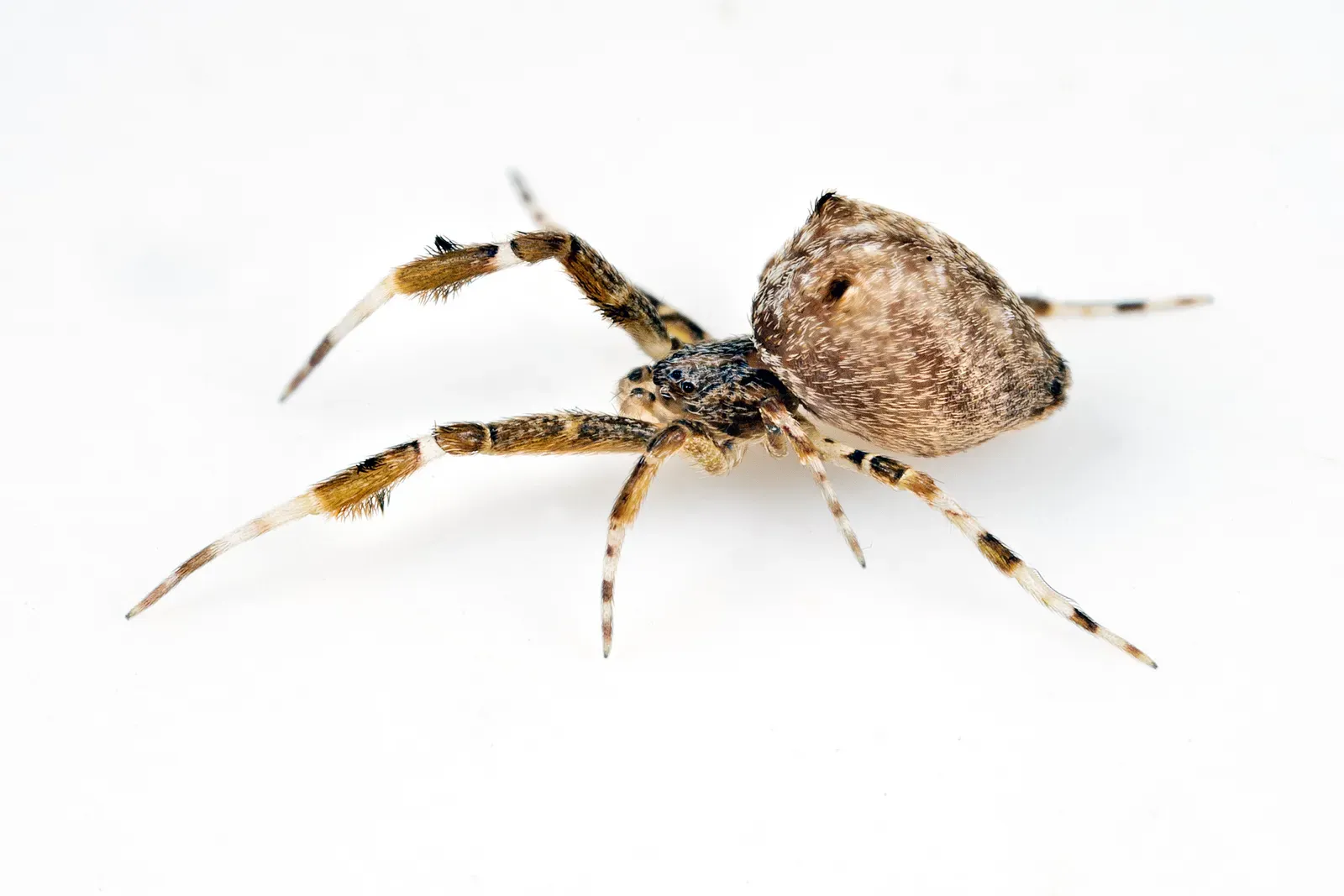
A spider called a feather-legged lace weaver doesn’t kill its prey by injecting venom with fangs – instead, it weaves a tight silken shroud around living prey and then vomits toxic fluids from its digestive tract all over the package. I know it sounds crazy, but hear me out.
The puke is powerful – the weaver’s final blow is just as fatal as the venom of the common house spider. This spider essentially created its own method of hunting that’s equally effective but completely different from its cousins. Talk about thinking outside the web.
Orcas Teaming Up With Dolphins to Hunt
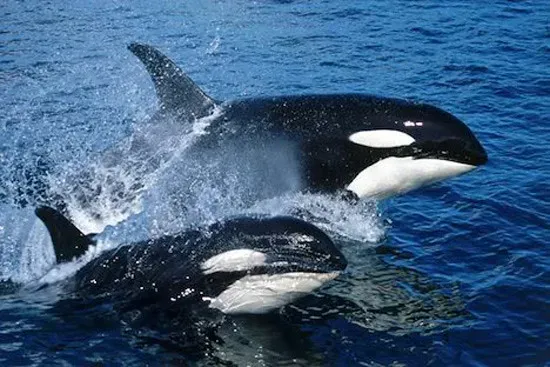
Scientists used drones and underwater cameras to reveal a new orca behavior showing at least 25 examples of orcas teaming up with white-sided dolphins to hunt down salmon. Orcas are already known as apex predators, but this cooperative hunting takes things to another level.
Scientists think orcas’ boat ramming habit might simply be a form of play. These intelligent marine mammals continue to surprise us with their social complexity and strategic thinking. Honestly, the more we learn about orcas, the more they seem like the geniuses of the sea.
Wood Frogs Freezing Solid and Coming Back to Life
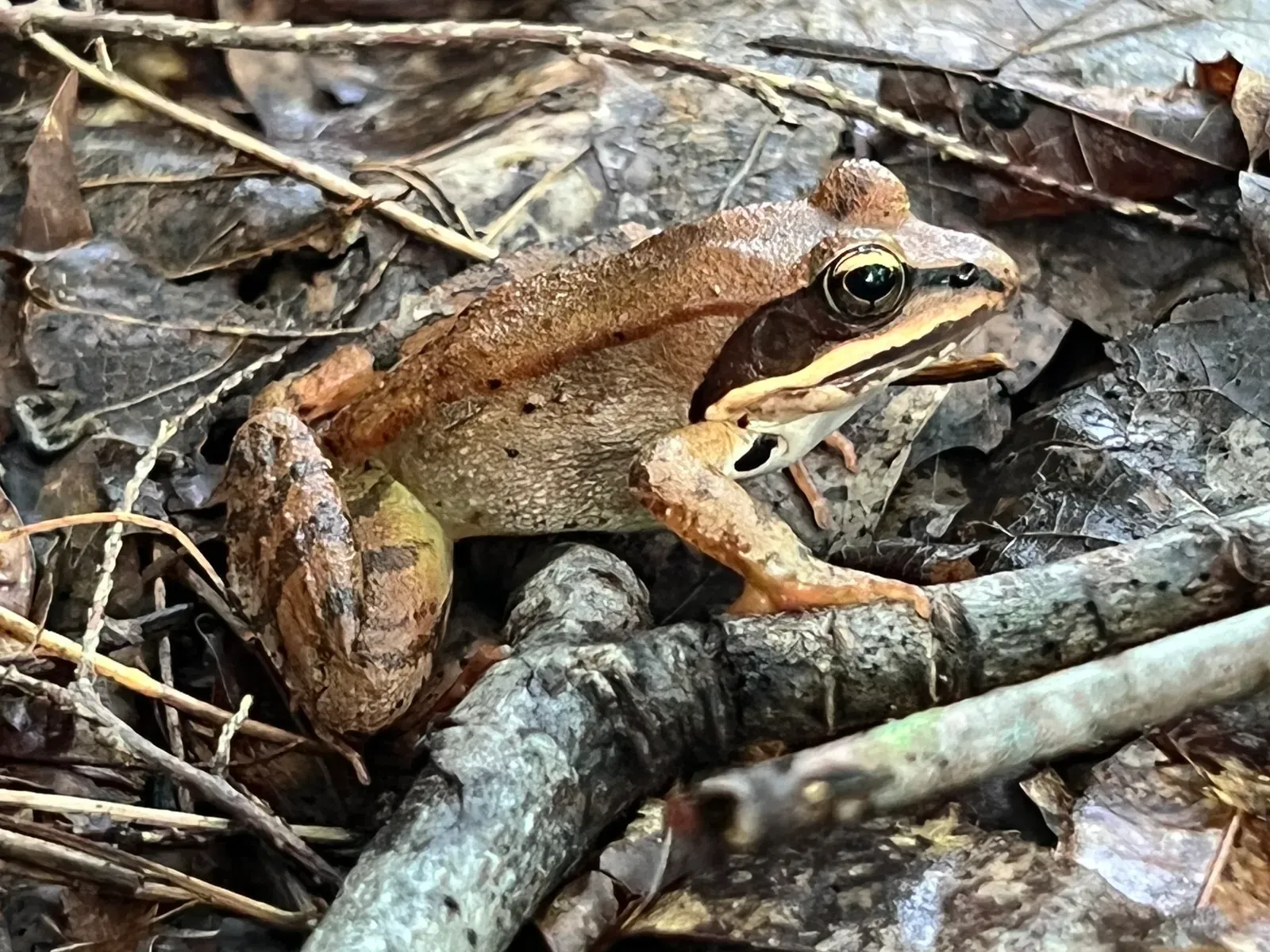
Wood frogs have adapted to remain frozen for up to eight months of the year – ice fills their abdominal cavity and forms between their layers of skin and muscle while their liver produces large amounts of glucose to prevent their cells from freezing. This sounds like something from a science fiction movie, but it’s completely real.
When hibernating, wood frogs have no heartbeat and do not breathe, but in spring, once they thaw, their hearts start beating again. Imagine being able to shut down completely and then just restart when conditions improve. These little amphibians have basically mastered suspended animation.
Fish Using Tools and Collaborating
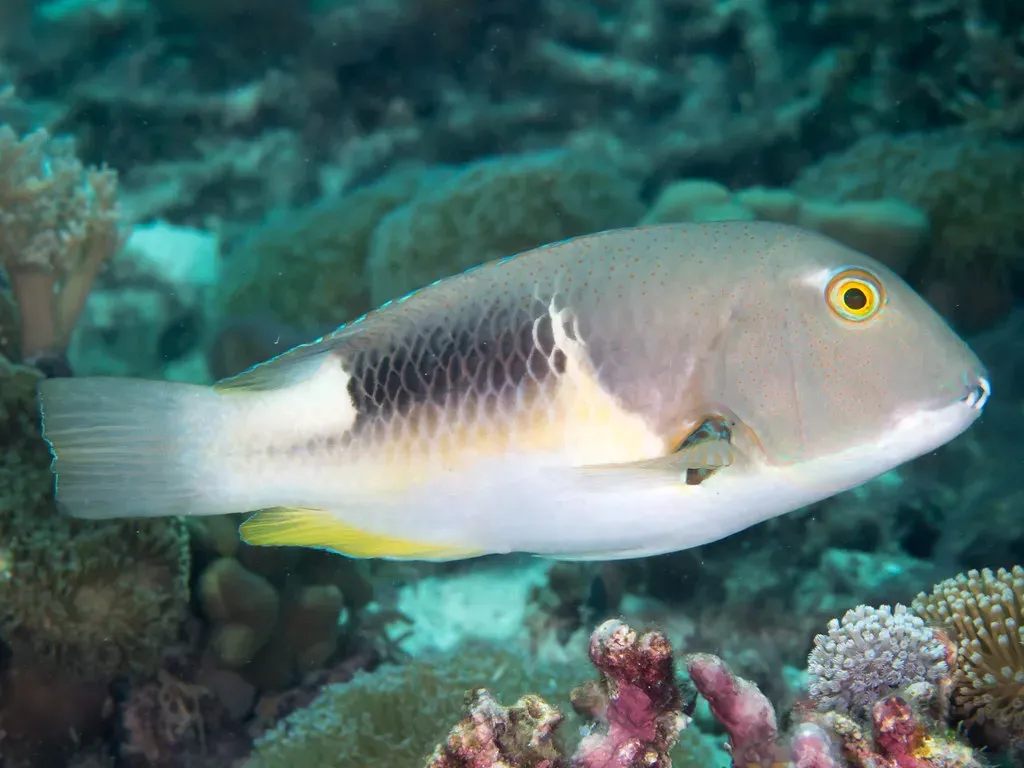
Marine biologists were astonished when they documented tool use in fish – tuskfish were filmed using rocks as anvils to crack open clams, carefully selecting appropriate stones and transporting them to feeding areas. The whole “fish brain” insult suddenly doesn’t make much sense anymore.
Groupers and moray eels engage in cooperative hunting, with groupers using specific head gestures to recruit morays and then waiting for them to flush prey from crevices, then the two species share the catch. This demonstrates genuine communication and teamwork between different species. It’s cooperation that would make most humans jealous.
Gorillas Disabling Poachers’ Traps
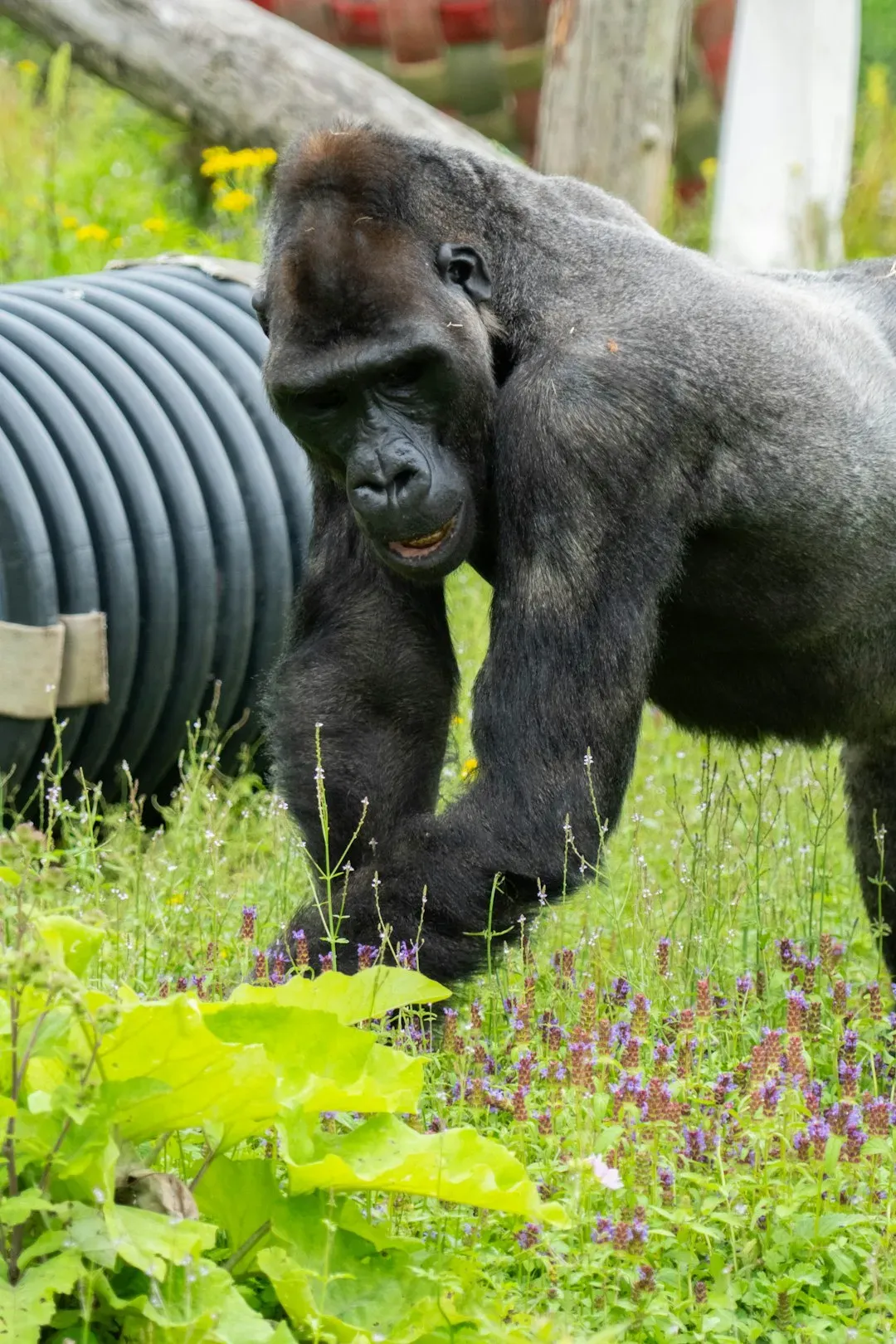
Gorillas in Rwanda were observed disabling snares set by poachers – conservationists were surprised to see that the gorillas were able to recognize and disable the traps, having developed a quick, systematic way of destroying any threats they found. This isn’t just smart – it’s strategic problem-solving.
These gorillas didn’t just stumble upon this solution. They actively recognized danger, understood how the traps worked, and figured out how to neutralize them. The level of intelligence required for this behavior suggests gorillas possess cognitive abilities that mirror our own in surprising ways.
Pistol Shrimp Creating Underwater Explosions
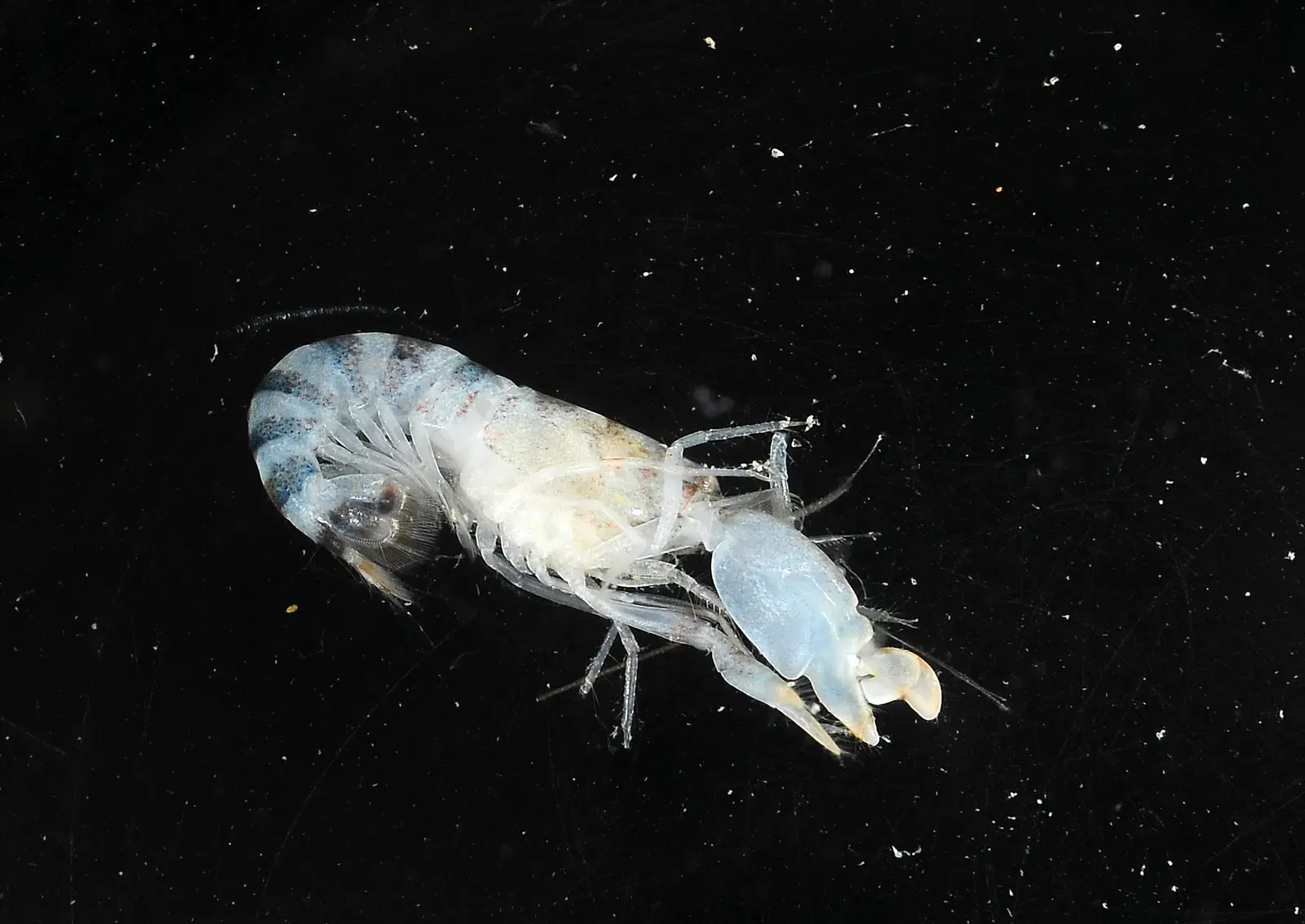
The pistol shrimp wields a snapping claw capable of creating a burst of sound strong enough to stun or kill prey – the snap generates a cavitation bubble that collapses with heat and light comparable to the sun’s surface temperature. A creature smaller than your pinky finger is basically creating miniature suns underwater.
Found in tropical and subtropical waters, these shrimp often form symbiotic relationships with goby fish, working together for mutual survival. It’s fascinating how something so small packs such incredible power. The shrimp’s snap is one of the loudest sounds in the ocean, proving that size definitely doesn’t matter when you’ve got the right tools.
Final Thoughts
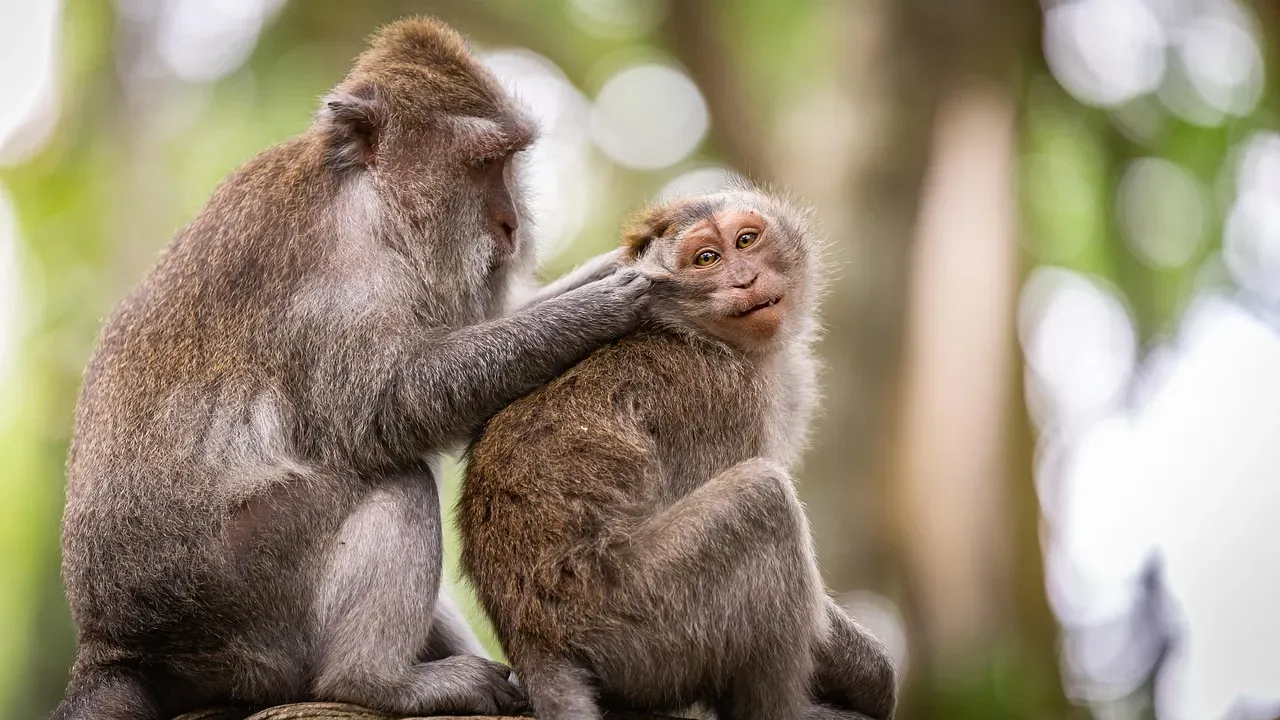
The natural world never stops surprising us. Every year, researchers uncover behaviors that challenge our understanding and remind us how much we still don’t know. These ten examples barely scratch the surface of what’s happening in ecosystems around the globe.
What makes these discoveries so compelling is they force us to reconsider what animals are truly capable of. From problem-solving to cooperation to sheer physical feats that seem impossible, wildlife continues to evolve and adapt in ways that leave scientists scratching their heads. Nature’s creativity is genuinely unmatched.
What do you think about these wild behaviors? Which one surprised you the most?