There’s something eerie about realizing that animals you grew up thinking were permanent parts of the landscape could quietly vanish within your lifetime. Not move away, not migrate – just be gone. No more tracks in the mud, no more shadow slipping between trees, no more story to tell your kids except, “We used to have those here.”
In the United States, some of the most distinct and irreplaceable species are hanging on by a thread. They’re not just rare curiosities; they’re living test results of how healthy – or unhealthy – our land, water, and climate really are. When they disappear, they take entire relationships with them: with plants, with predators, with us. Here are ten of the most unique American animals on the brink, and why losing each one would mean more than just one less name in a field guide.
Red Wolf – The Ghost of the American South
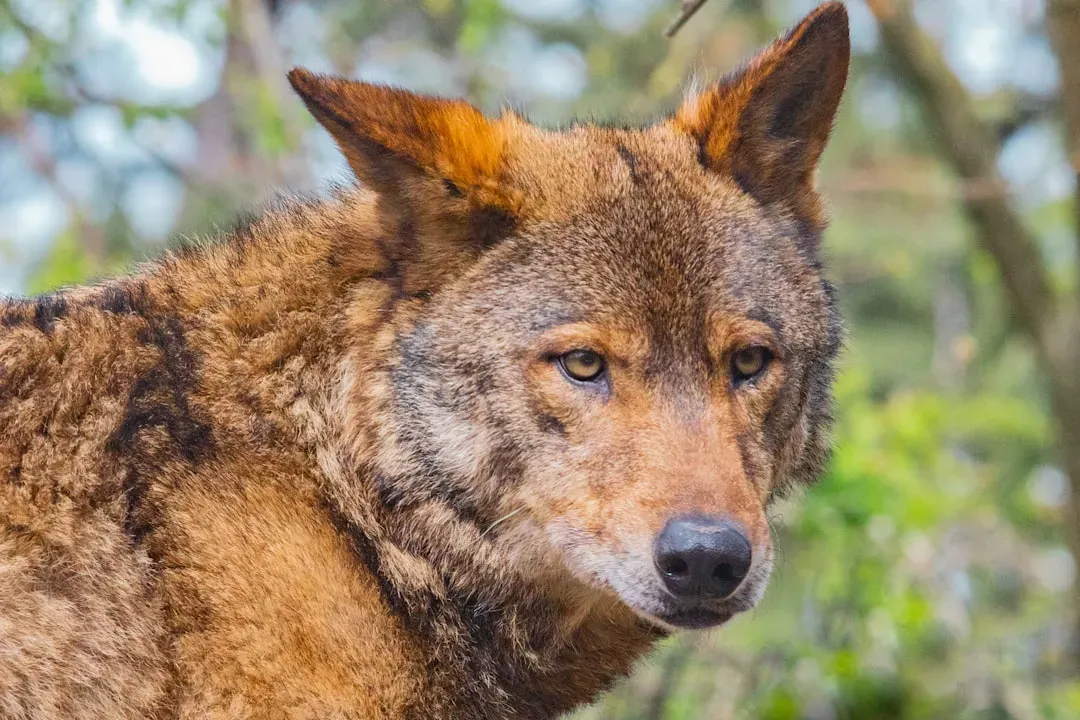
The red wolf is one of the most endangered wild canids on the planet, and it’s native to the southeastern United States. At one point, it ranged from Texas to the Atlantic, but by the late twentieth century, it was nearly wiped out by hunting, habitat loss, and interbreeding with coyotes. Today, only a very small number roam free in North Carolina, with a carefully managed captive population standing by as a kind of living insurance policy.
The red wolf matters because it’s a top predator shaped specifically by southern forests and wetlands, not just a coyote with better PR. Predators like red wolves help keep deer and smaller mammals in balance, which protects young trees, wetlands, and even farmers’ crops. Their story is also a test of our willingness to coexist with large carnivores in a crowded landscape. If we can’t find room for a shy, elusive wolf in millions of acres of habitat, what does that say about how we share space with wildness at all?
Florida Panther – A Big Cat in a Shrinking World
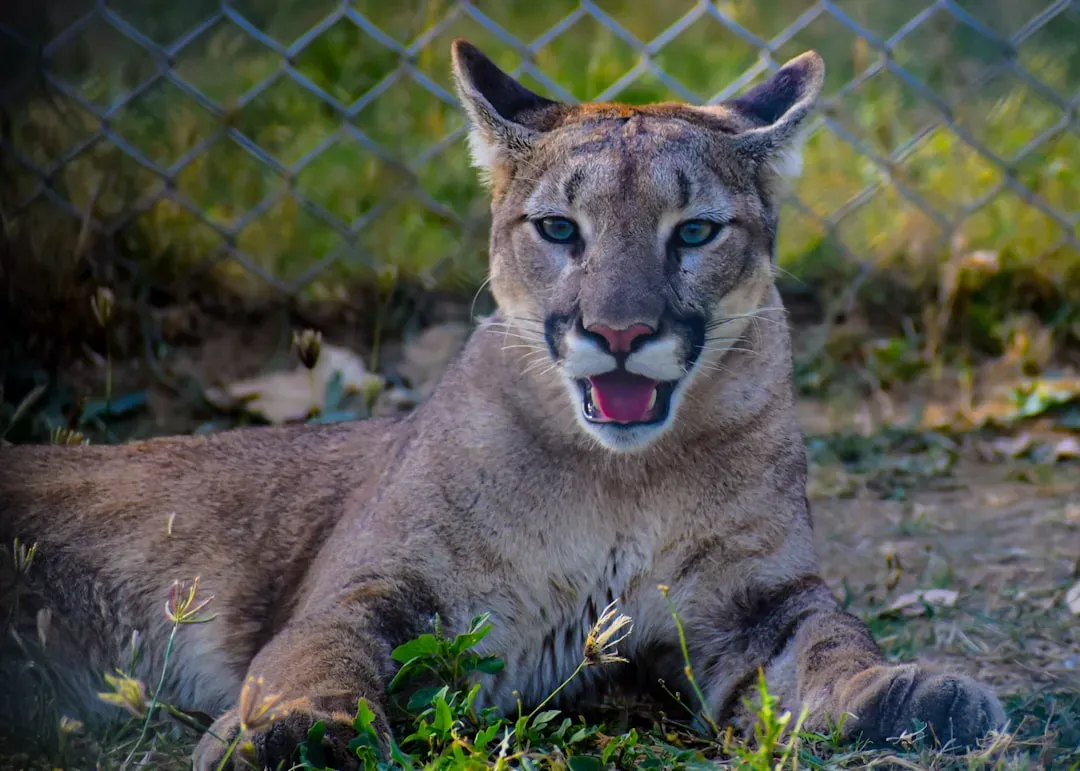
The Florida panther is a subspecies of cougar that survives only in the swamps and forests of southern Florida. By the early 1990s, their numbers had dropped so low that inbreeding was causing serious health problems: heart defects, kinked tails, low fertility. Wildlife managers had to intervene by bringing in related cougars from the West to restore genetic diversity, essentially rescuing the panthers from their own isolation.
These panthers matter because they are one of the last large cats roaming the eastern United States, holding onto a role that once stretched from Canada to the Gulf. They help control populations of deer and feral hogs, which in turn affects vegetation, wetlands, and even traffic collisions. Their struggle is also a blunt reminder of how highways, subdivisions, and fences carve up habitat into deadly puzzle pieces. Every documented panther roadkill is more than a number; it’s a symbol of the collision between growth and survival.
Hawaiian Monk Seal – A Survivor Surrounded by Plastic and Warming Seas
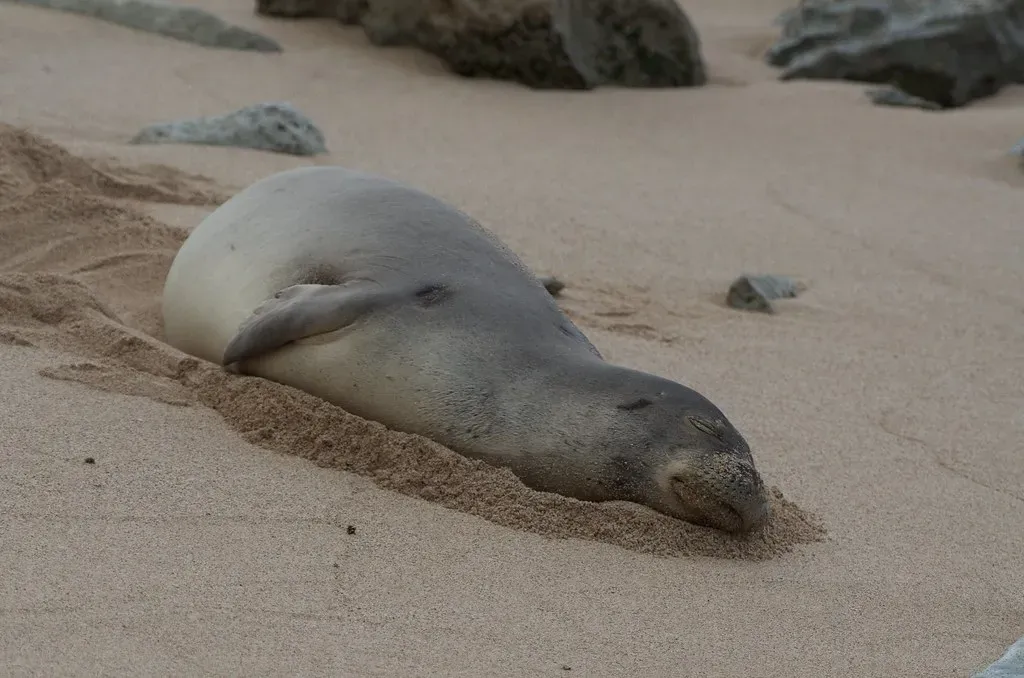
The Hawaiian monk seal is one of the only monk seal species left on Earth and the only one living entirely within U.S. waters. It evolved in isolated Pacific islands, and now it’s trying to survive in waters crowded with fishing gear, marine debris, and rising temperatures. Many pups die from malnutrition, entanglement, or disease before they ever reach adulthood, and adults struggle with shrinking sandy beaches and changes in prey.
This seal matters not just because it’s rare, but because it reflects the health of the remote Pacific and coral reef ecosystems. When monk seals can’t find enough fish or get tangled in nets, it tells us that even far-flung islands aren’t really remote anymore. They’re also a cultural touchstone in Hawaii, tied into traditional stories and modern identity as a native creature found nowhere else in the world. If we lose them, we lose a piece of what makes Hawaii uniquely itself.
Hellbender – America’s Giant Salamander and Clean-Water Alarm
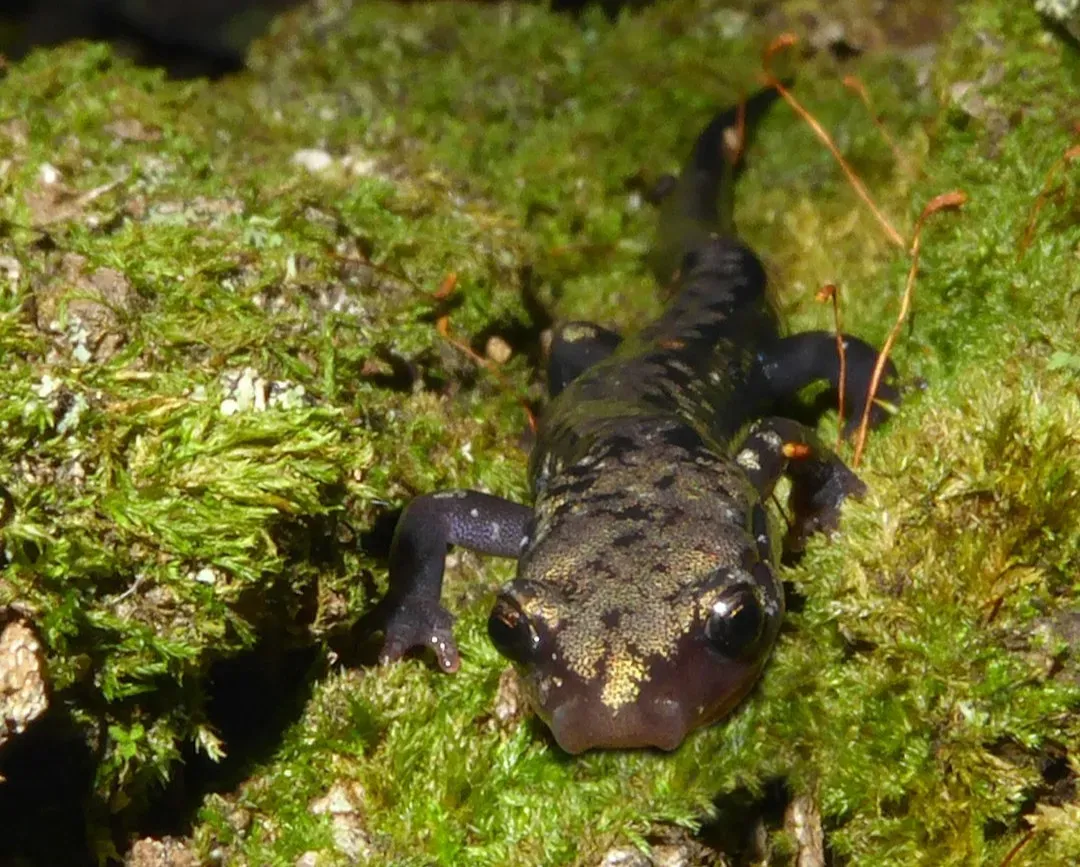
The hellbender is a massive, flat-bodied salamander that can grow longer than your forearm, living in cold, fast-moving streams in the eastern and central United States. It spends most of its life under rocks, breathing through its wrinkled skin and relying on clear, oxygen-rich water to survive. Siltation from construction, dams, runoff, and pollution has smothered many of its former streams, leaving only scattered, struggling populations behind.
Hellbenders matter because they are like a live report card for river health. If they’re thriving, the stream is usually clean, cold, and stable; if they’re gone, something is seriously wrong with the water. They also eat crayfish and aquatic insects, connecting the bottom of the food chain to larger animals like fish and birds. Their decline is basically a neon warning sign that the streams we fish in, drink from, and send our kids to play in are under stress, whether we want to see it or not.
Ivory-billed Woodpecker – Hope, Doubt, and Vanishing Forests
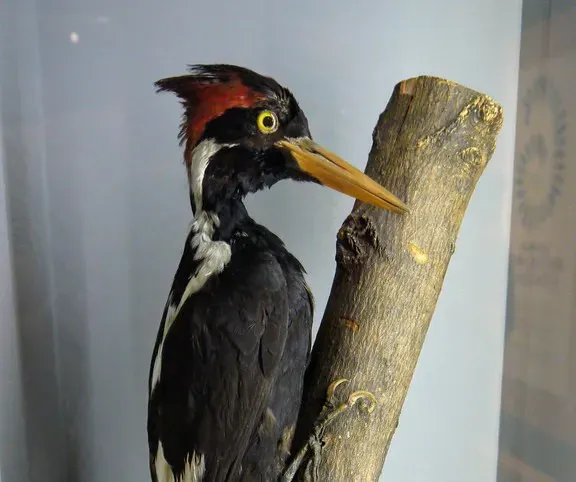
The ivory-billed woodpecker is the bird that hovers between legend and reality. Once found in the hardwood swamps of the Southeast, it was presumed extinct for decades after logging destroyed much of its habitat. Reports and possible sightings in recent years have sparked waves of excitement and skepticism, turning the bird into a symbol of both stubborn hope and painful loss.
Whether the ivory-billed still survives or not, it matters as a reminder of how fast we can erase something spectacular. This bird depended on immense tracts of old-growth swamp forest – massive dead trees, tangled wetlands, and complex ecosystems. Saving places like that is about more than nostalgic attachment; those forests store carbon, slow floods, and support countless other species. The ivory-billed’s story forces us to ask whether we only act when things are comfortably rare, or if we’re willing to act before it’s too late.
American Burying Beetle – The Tiny Undertaker That Cleans Up the Land
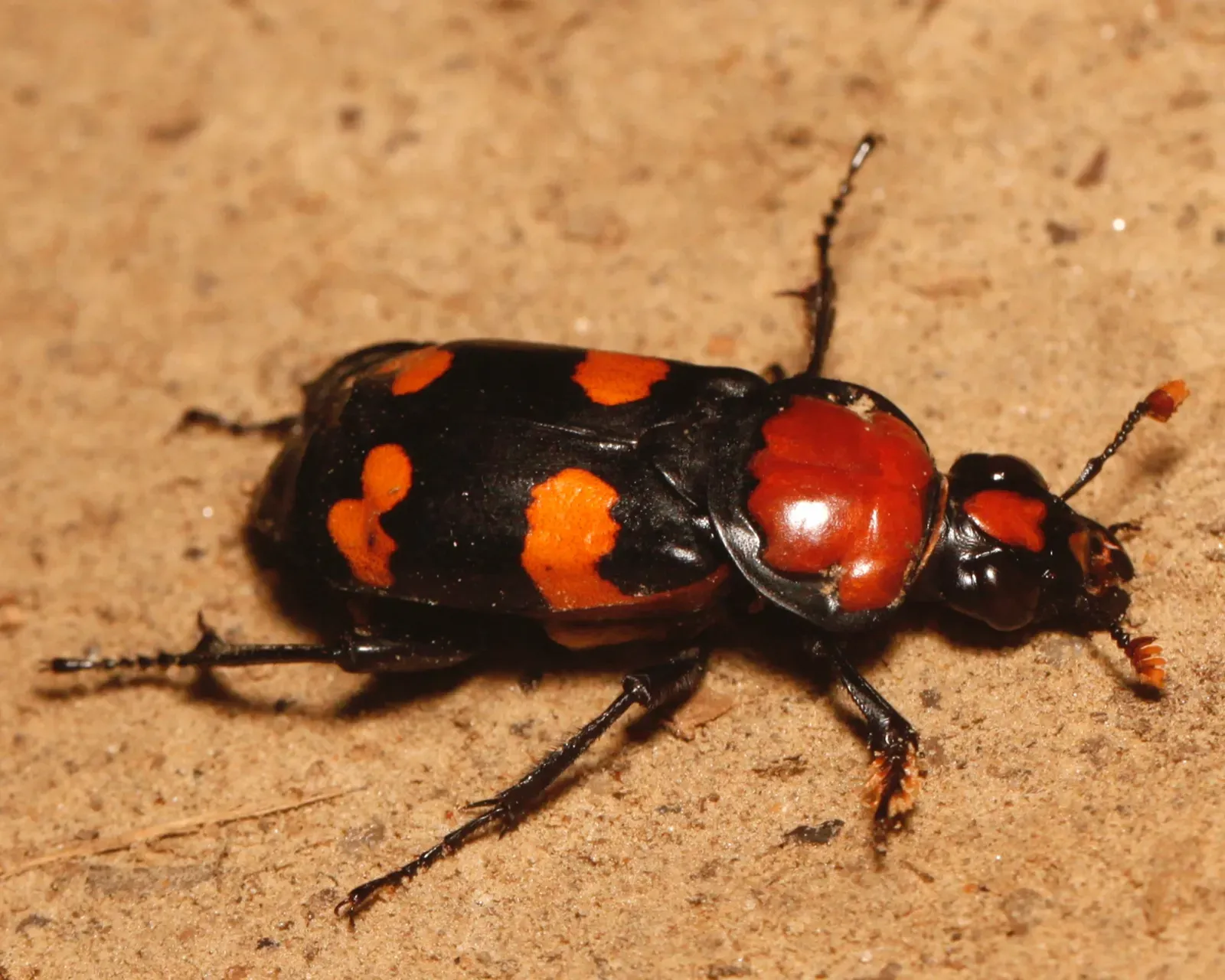
The American burying beetle looks almost too bold to be in trouble: glossy black with bright orange patches, like someone hand-painted it. It used to be widespread across much of the eastern and central United States but is now found only in scattered pockets, partly due to habitat loss, pesticides, and declines in the small mammals and birds it relies on. It reproduces in a surprisingly intimate way – pairs bury small carcasses and raise their young on them, even caring for them like tiny, armored parents.
This beetle matters because it is nature’s cleanup crew, quietly recycling dead animals into nutrients that feed the soil. Without insects like this, carcasses linger longer, and ecosystems become less efficient at turning death back into life. The beetle also embodies how easily we overlook the small, unglamorous parts of nature until they are almost gone. Its decline shows that conservation cannot just be about big charismatic animals; the system falls apart if we ignore the tiny workers holding it together.
Dusky Gopher Frog – A Rare Amphibian with a Very Specific Address
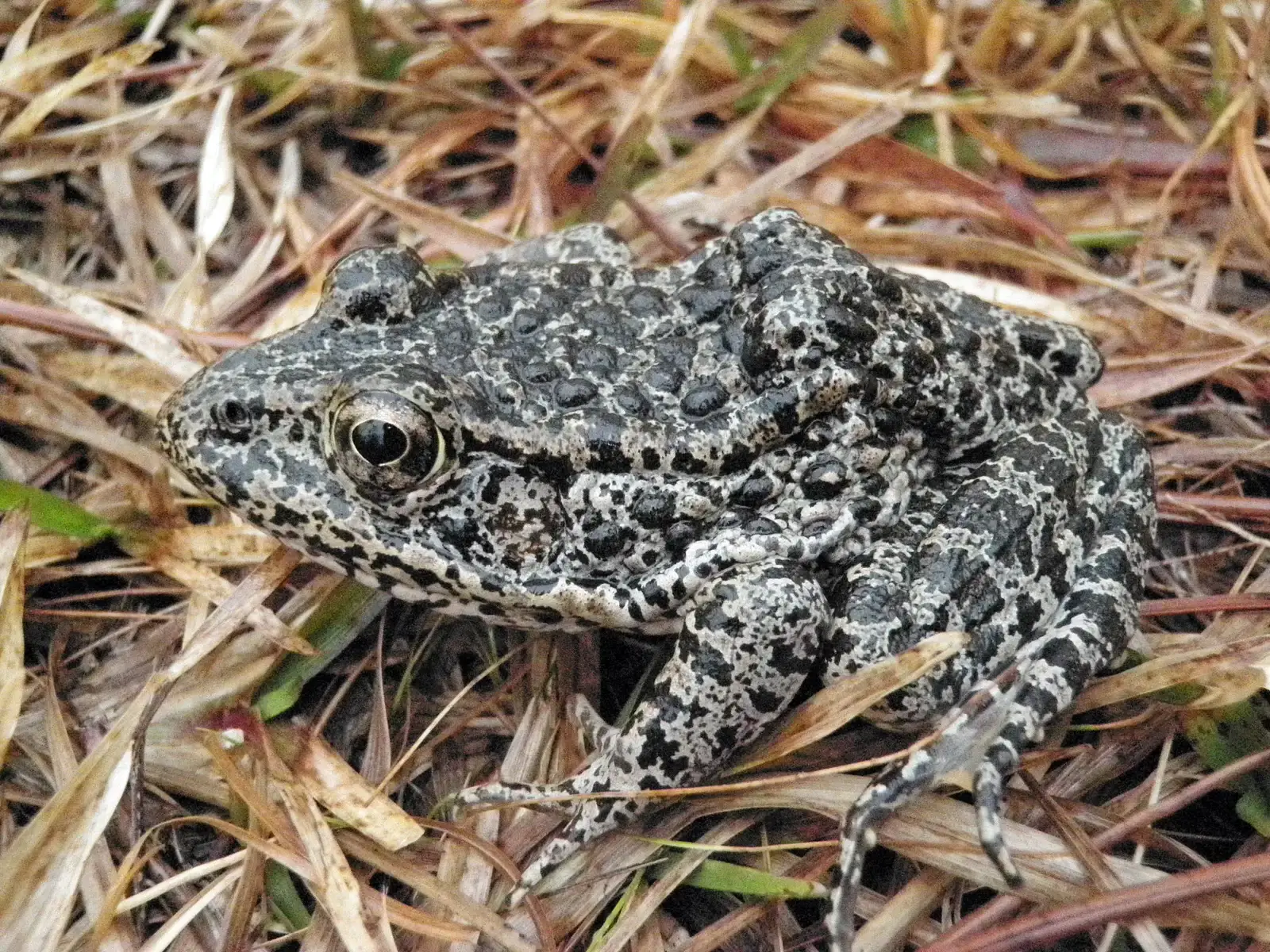
The dusky gopher frog lives an oddly picky life. It spends most of its time in burrows in longleaf pine forests, often using tortoise burrows, and then depends on temporary, fishless ponds for breeding. Those ponds fill with rainwater and then dry out later, creating a safe nursery where tadpoles can grow without being eaten by fish. As longleaf pine forests were replaced by development, plantations, and roads, the frog’s entire lifestyle got squeezed into just a handful of sites in the Deep South.
This frog matters because it represents an entire disappearing ecosystem: the longleaf pine savanna that once dominated huge swaths of the Southeast. That landscape is home to countless plants, insects, birds, and reptiles that all evolved with periodic fire and open, grassy understories. Protecting the dusky gopher frog means protecting those fire-shaped forests, which in turn can help buffer communities from extreme weather and support pollinators and other wildlife. In a way, this tiny frog is a legal and moral stand-in for a whole world of life that cannot speak for itself.
Vaquita – The World’s Rarest Porpoise on the U.S. Doorstep
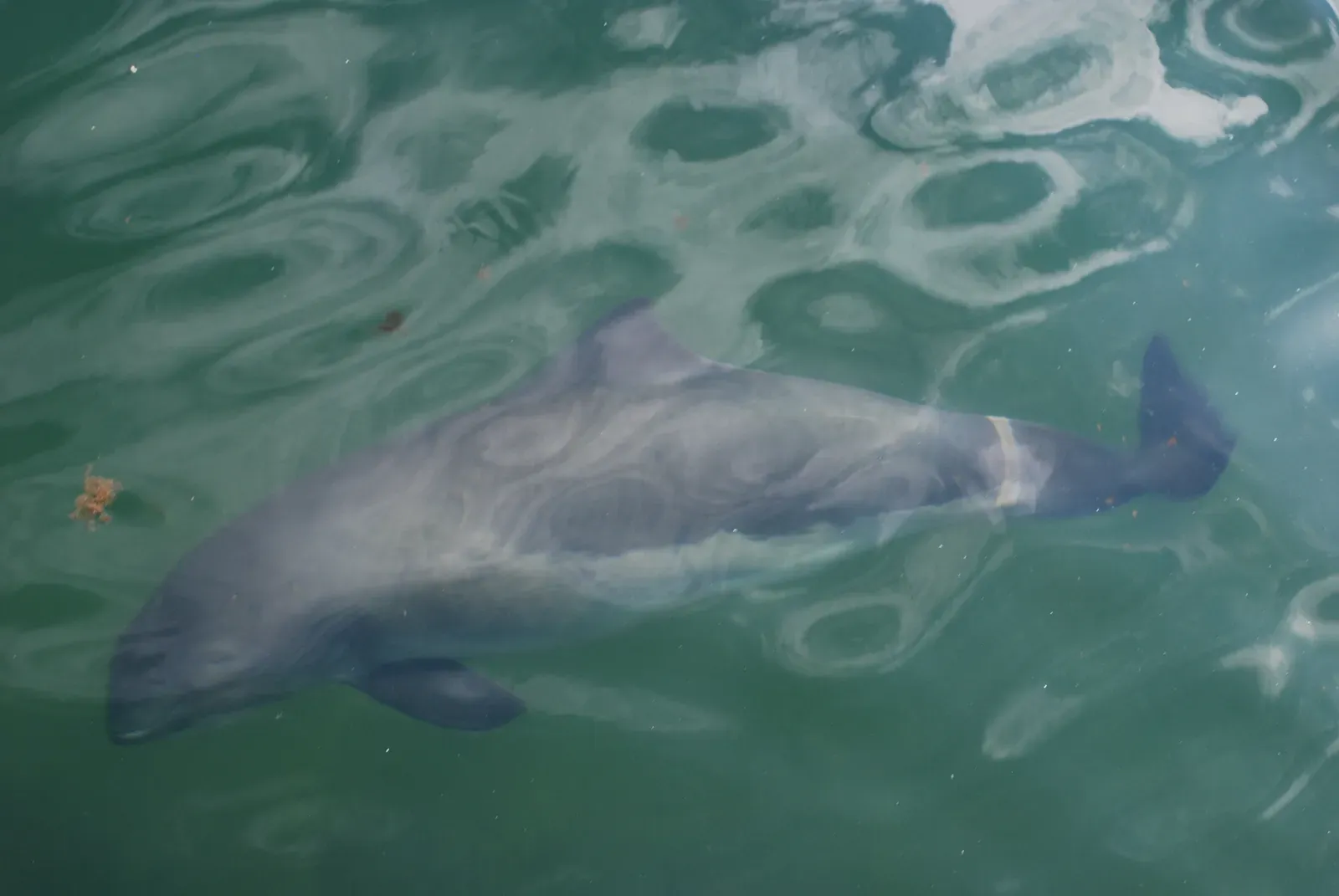
The vaquita is not found in U.S. waters, but it lives just south of the border in Mexico’s Gulf of California and is deeply linked to North American trade, policy, and consumption. It’s a small porpoise with dark eye patches, and only a tiny number are believed to be left, making it one of the most endangered marine mammals on Earth. The main killer has been illegal fishing gear intended for another species, with vaquitas drowning as accidental bycatch.
The vaquita matters to Americans because our appetite for seafood and cross-border commerce helps shape what happens in those waters. Its decline is a raw illustration of how a single type of fishing net can drag an entire species toward the edge. Saving it requires cooperation between countries, honest enforcement, and consumers willing to care where their seafood comes from. The vaquita is a test of whether we can respond in time when the warning lights are not just blinking but blaring.
Black-footed Ferret – The Prairie Dog Town Phantom
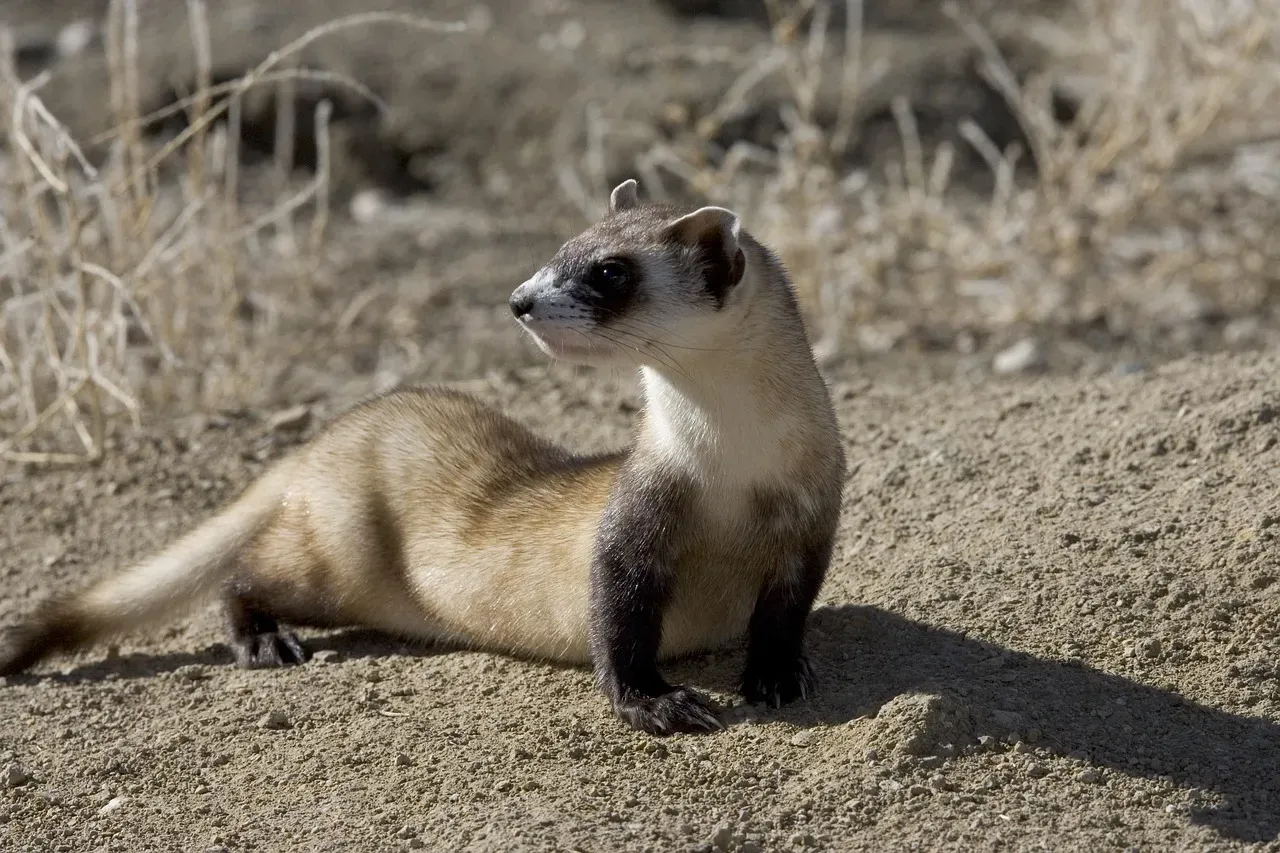
The black-footed ferret is a slender, masked predator that depends almost entirely on prairie dogs for food and shelter. When prairie dog colonies were poisoned, plowed under, and fragmented, the ferrets nearly vanished with them. By the late twentieth century, they were thought extinct in the wild until a tiny remnant population was discovered, sparking a long-running captive breeding and reintroduction effort across the Great Plains.
This ferret matters because it is a specialist that reveals the health of the grassland web of life. Prairie dogs aerate soil, provide food for hawks and coyotes, and create a bustling underground city that ferrets slip through like shadows. When we remove prairie dogs as “pests,” we are also pulling a key piece out of the ecosystem that supports ferrets and many other species. Keeping black-footed ferrets on the landscape means choosing a vision of prairies that are busy, noisy, and alive, not just empty fields.
Kemp’s Ridley Sea Turtle – A Tiny Turtle with a Massive Journey
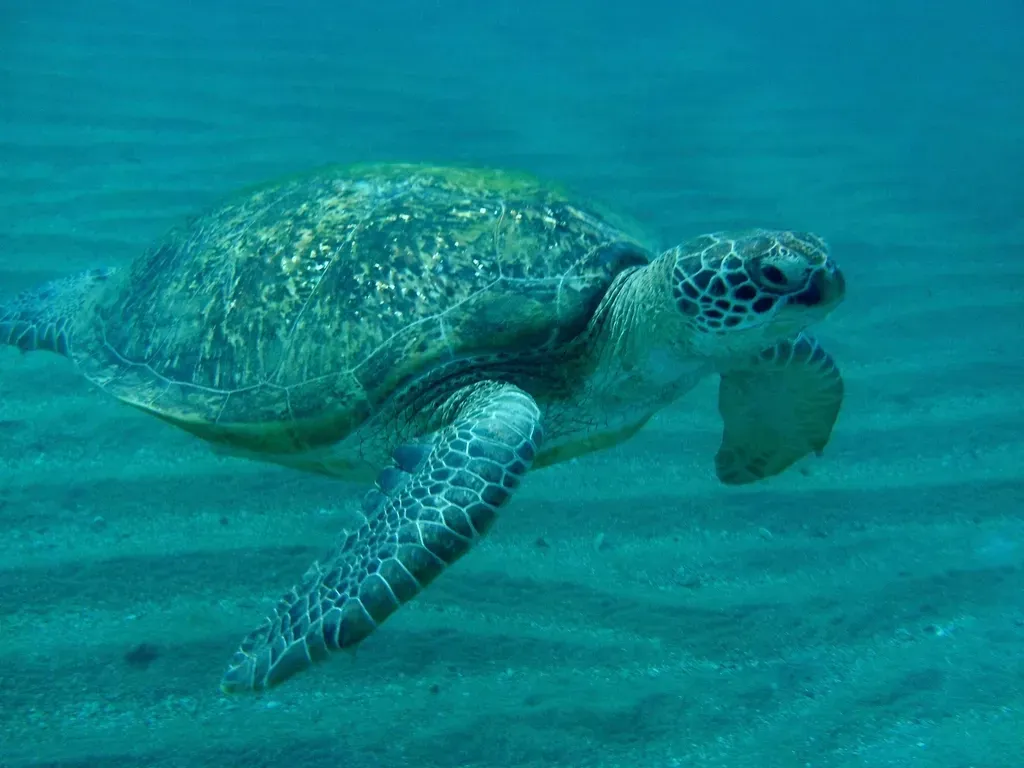
Kemp’s ridley is the smallest and one of the most endangered sea turtles in the world, nesting mostly along the Gulf of Mexico. Its nesting behavior is dramatic: females come ashore in mass nesting events, laying eggs in broad daylight on sandy beaches. For years, egg collecting, habitat loss, shrimp trawling, and pollution hammered their numbers down, and while nesting has increased in some places, they’re still extremely vulnerable to oil spills, climate change, and fishing gear.
This turtle matters because its life touches multiple countries, ecosystems, and industries. Hatchlings swim out into ocean currents that can carry them far from where they were born, making them ambassadors of how connected the Gulf and Atlantic truly are. The success or failure of Kemp’s ridley conservation reflects our willingness to modify fishing practices, protect nesting beaches, and respond to disasters like oil spills with long-term care, not just short-term headlines. When you see one, you’re looking at the result of decades of work and the fragile promise that we can turn a species around before it’s too late.
These animals are not just rare collectibles in nature’s cabinet; they’re signals, stories, and responsibilities. They tell us what kind of country we are, how we treat the land and water we depend on, and whether we’re willing to act before silence replaces their presence. Which of them did you think was safest – and did that surprise you?