
Every once in a while, the universe does something so strange that even our best instruments and brightest minds just shrug and stare. Astronomers spend their careers trying to make sense of the sky, yet some events remain like cosmic splinters in science’s side: persistent, irritating, and impossible to ignore. These mysteries don’t just challenge our equations; they poke at our sense of certainty about how reality is supposed to work.
What follows isn’t a list of alien encounters or wild fantasies, but real observations: documented, studied, argued over, and still not fully explained. Some of them happened long before modern science existed; others were recorded with cutting‑edge telescopes. Together, they form a kind of greatest-hits album of the universe being weird. As you read, try to imagine what it felt like to be the person who first saw these things and realized, in a quiet, unsettling moment: “We don’t actually know what that is.”
The Great Comet of 1577: A Sky That Wouldn’t Behave
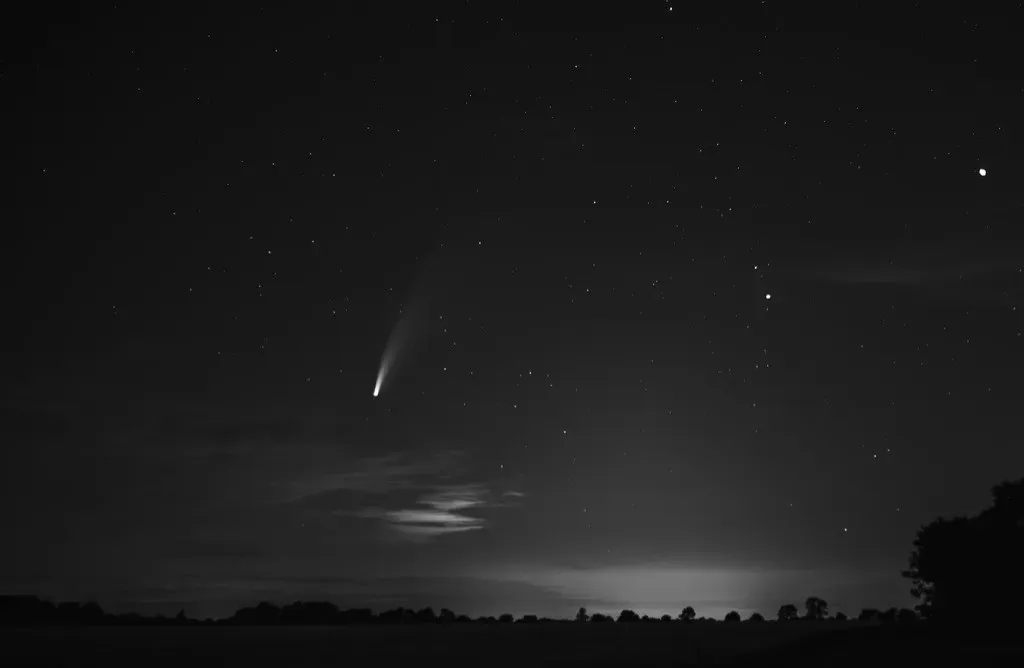
Imagine standing in a dark field in November 1577, looking up, and seeing a blazing tail stretch across the heavens for weeks on end. That was the Great Comet of 1577, observed by people across Europe, Asia, and beyond, including the meticulous Danish astronomer Tycho Brahe. The comet was so bright and so huge that many thought it was a sign from the heavens, a literal message scrawled across the sky. It didn’t move like the planets, and it didn’t fit neatly into the crystal-sphere model of the cosmos that most scholars at the time believed in.
Tycho tried to measure its distance and found something shocking for that era: it had to be farther away than the Moon, which meant comets moved through what people thought were perfect, unchanging celestial spheres. That single conclusion helped shatter an old model of the universe, but it didn’t actually answer the core questions: where exactly did it come from, and what was driving such a giant, dramatic tail? Today, we understand comets far better, yet the detailed origin and orbital history of the 1577 comet remain fuzzy, because the records are incomplete and inconsistent. It stands as a reminder that even when an event flips science on its head, it can still refuse to give up all its secrets.
The Tunguska Event: The Blast That Left No Crater

In June 1908, a massive explosion flattened trees across more than a thousand square miles of Siberian forest near the Tunguska River. People hundreds of kilometers away reported a flash like the sky tearing open, followed by a shockwave that broke windows and knocked people off their feet. Yet when explorers finally reached the site years later, they found no impact crater, no obvious chunk of rock from space, just a vast zone of devastation and trees laid out like matchsticks. It was like finding the aftermath of a bomb with no bomb.
The leading explanation is that a space rock or icy body, maybe a few dozen meters wide, exploded in the atmosphere in what’s called an airburst, releasing energy comparable to a large nuclear weapon. But even now, the exact nature of that object is still debated: was it a comet, a stony asteroid, a metallic one, or something else entirely? The lack of recovered fragments and the remoteness of the site keep the mystery alive. It’s unsettling to realize that something so powerful arrived out of nowhere, left a scar on the Earth, and then essentially vanished without a trace.
The Carrington Event of 1859: When the Sun Attacked the Telegraph
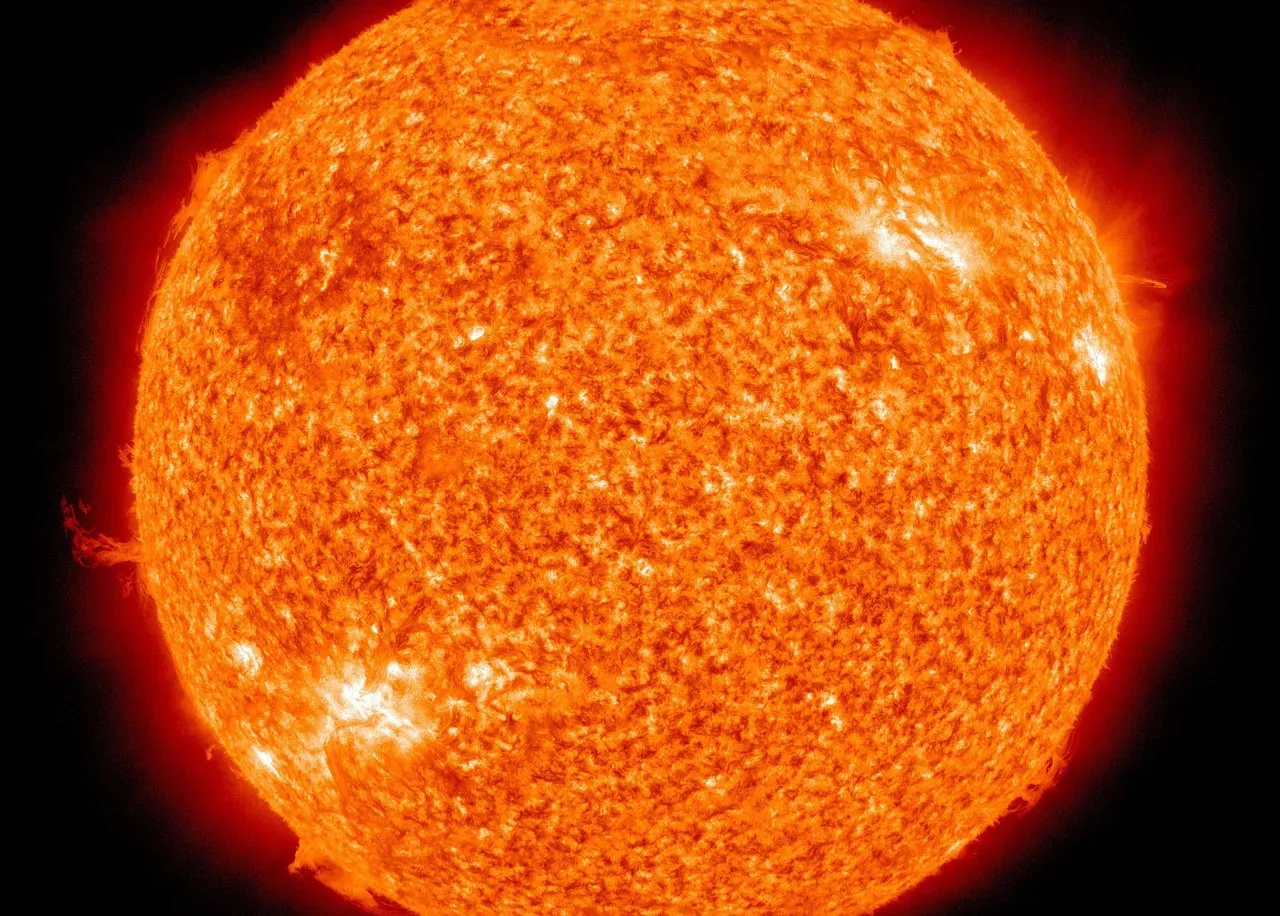
On a late summer day in 1859, English astronomer Richard Carrington watched a sudden, intense brightening on the surface of the Sun, a powerful solar flare. Within hours, Earth’s magnetic field went wild. Auroras appeared far closer to the equator than usual, seen in places like the Caribbean and southern Europe, glowing so strongly that people reportedly read newspapers at night by their light. Telegraph systems across North America and Europe sparked, caught fire, and in some cases kept working even after operators disconnected their power supplies, as if the planet itself had become an enormous generator.
We now classify this as the most intense geomagnetic storm ever recorded, likely triggered by a massive coronal mass ejection slamming into Earth’s magnetic field. But what exactly made this one so extreme when other large solar eruptions have been far weaker at Earth? The precise timing, direction, and structure of the ejected solar material are still being investigated using modern computer models. In the age of satellites and power grids, this old mystery feels freshly urgent: we know it happened once, we know it can happen again, but we still can’t reliably predict when a storm of that scale will hit us next.
The Wow! Signal: A 72-Second Cosmic Whisper
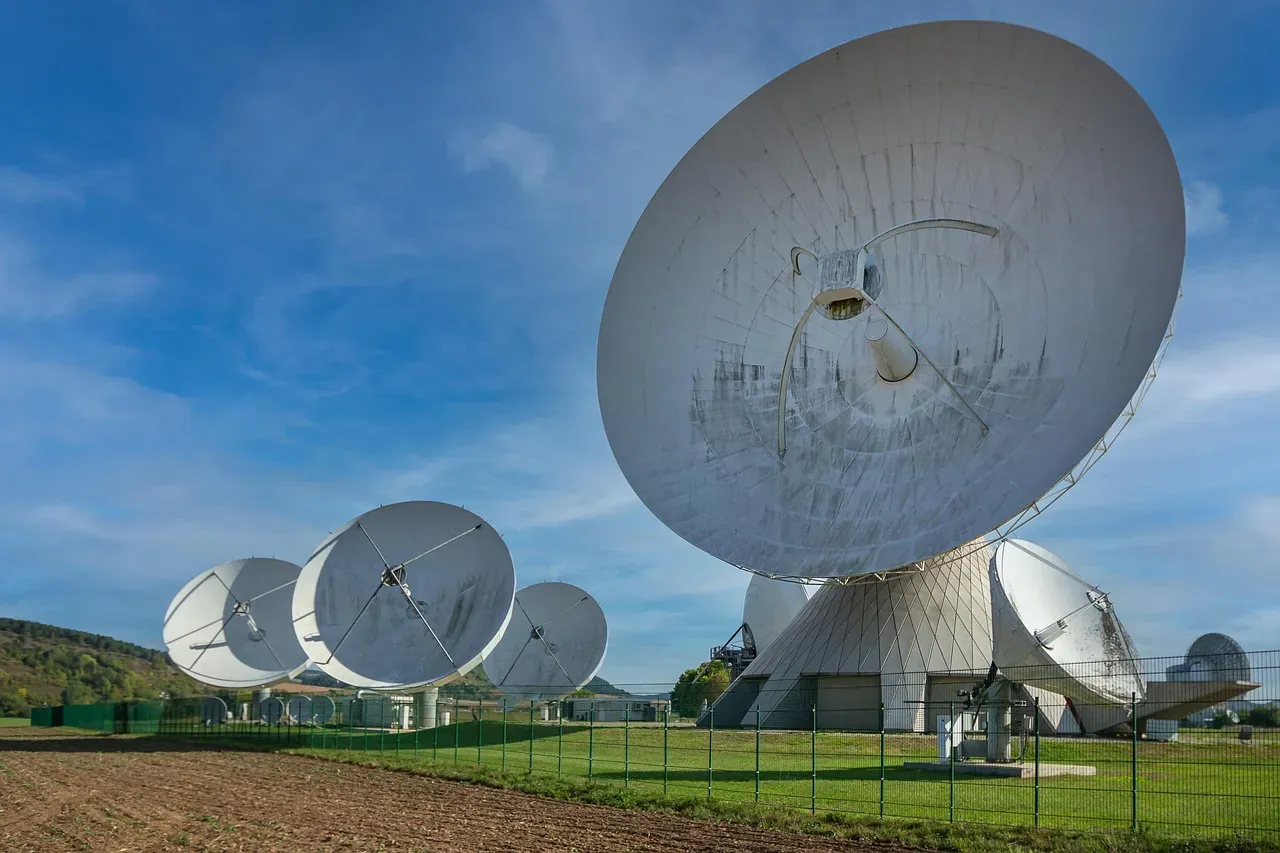
In August 1977, a radio telescope in Ohio picked up a narrowband signal from space so clean and so strong that the astronomer reviewing the printout circled it and wrote a single stunned word in the margin. For seventy‑two seconds, the telescope heard a sharp spike in radio intensity, right in a frequency range astronomers had theorized might be attractive for any civilization trying to send a clear, universal message. Then it faded away and never returned. Decades later, that “Wow!” moment is still one of the most famous riddles in the search for extraterrestrial intelligence.
Researchers have tried to explain it with every natural cause they can think of: satellites, reflections off space junk, atmospheric interference, or emissions from known astronomical sources. None of those explanations has fully matched the characteristics of the signal, and repeated attempts to re‑observe the same patch of sky have turned up nothing similar. On the other hand, it’s just one elusive event, and scientists are rightly cautious about calling it anything more than an anomaly without repetition or a pattern. It sits in an uncomfortable space between hope and skepticism, like a half-heard voice in a crowded room that you can’t be sure you really heard at all.
Fast Radio Bursts: Millisecond Thunderclaps from the Deep
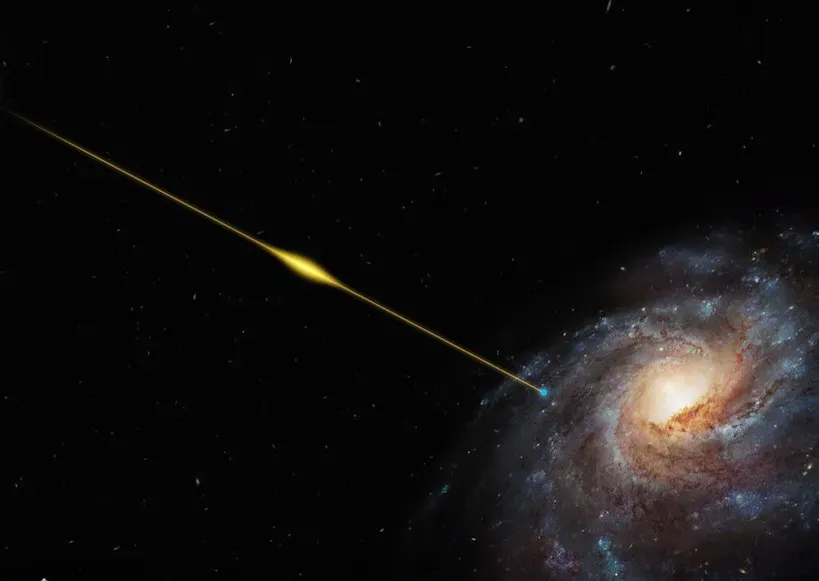
For years, a weird blip in old radio telescope data was treated almost like a glitch: a tiny, brief flash of radio waves that lasted only milliseconds and then disappeared. Once astronomers started looking carefully, they realized these flashes were real, and they weren’t rare. Now known as fast radio bursts, or FRBs, they seem to come from far outside our galaxy, with some arriving from billions of light years away. In that fraction of a second, a single burst can release as much energy as the Sun emits over days or even weeks.
Some FRBs repeat; others have only been seen once. A few have been traced back to magnetars, ultra‑magnetized dead stars, suggesting at least some bursts have a violent but natural origin. Still, the full zoo of FRBs doesn’t line up neatly under one explanation, and there may be multiple kinds of sources producing similar-looking signals. What exactly triggers such an intense, focused outpouring of energy in such a tiny moment is still a major unsolved problem. The universe seems to be snapping its fingers at us, and we’re still trying to work out why.
Tabby’s Star: The Bizarre Dimming That Sparked Wild Ideas
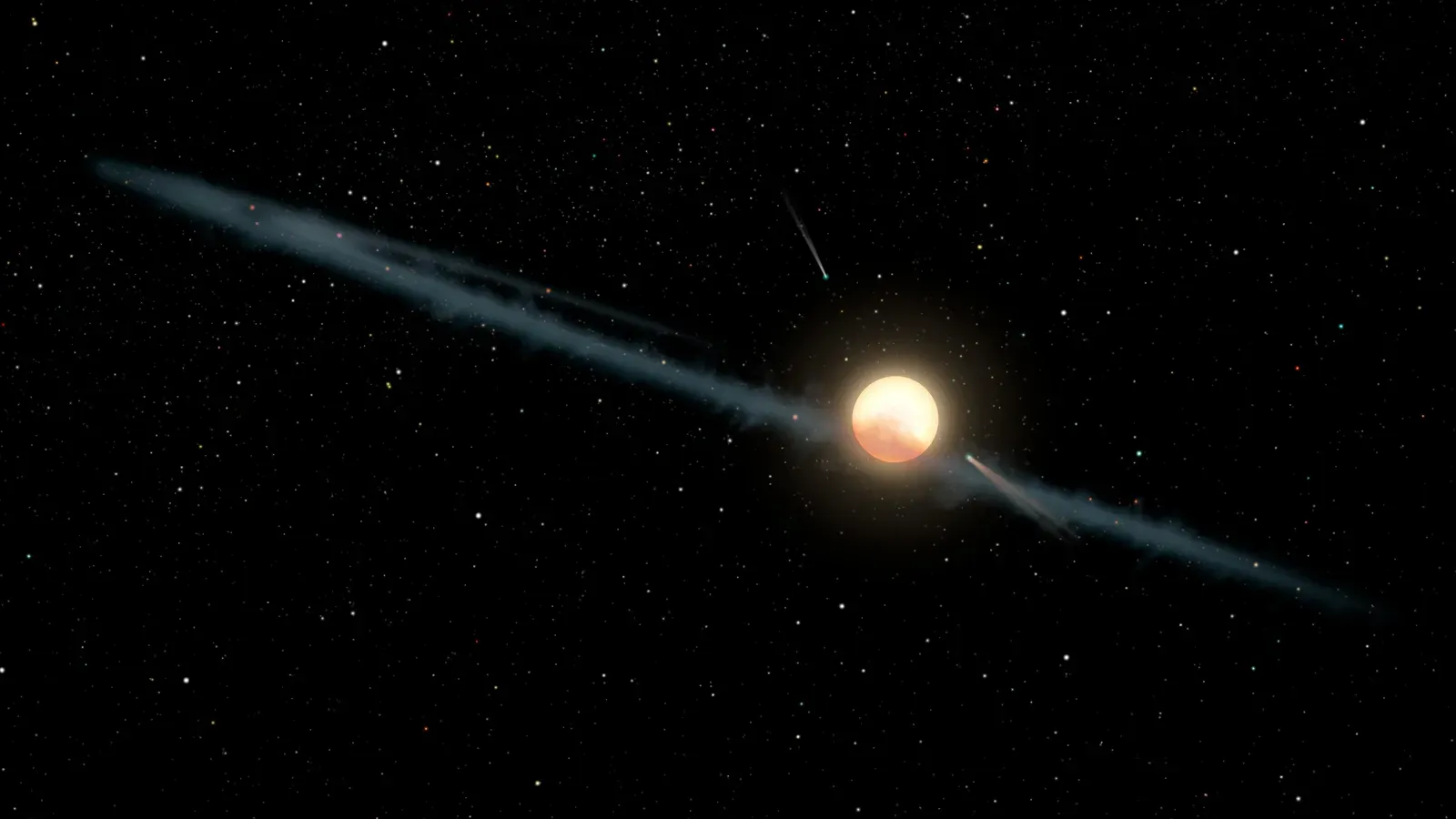
In the mid‑2010s, astronomers sifting through data from the Kepler space telescope noticed a star with behavior that looked downright wrong. Instead of dimming in a regular pattern as a planet passed in front of it, this star – nicknamed Tabby’s Star – flickered in messy, irregular dips. Sometimes it lost a small fraction of its brightness, sometimes a large chunk, and it did so on no obvious schedule. Even more strangely, historic data suggested it might have been slowly fading over decades, like a cosmic lightbulb dying in slow motion.
Natural explanations have been put on the table: swarms of dusty comets, clumps of dust clouds, or debris from shattered planets drifting through our line of sight. Some of those ideas explain parts of the behavior, but none neatly thread the needle of all the observations without issues. That gap is what originally fueled more exotic speculation, including the idea of enormous artificial structures. Most astronomers lean toward complex dust scenarios now, but the star still won’t quite sit comfortably inside a tidy model. It’s a good example of how one odd object can force science to admit, reluctantly, that it doesn’t yet have all the pieces.
Gamma-Ray Bursts: Cosmic Explosions That Shouldn’t Be That Strong
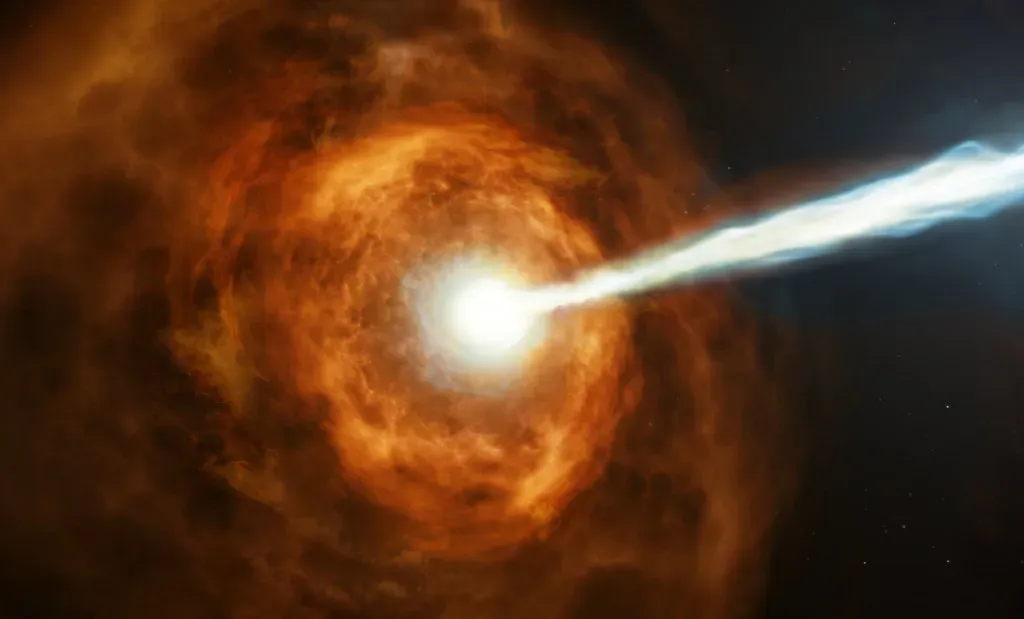
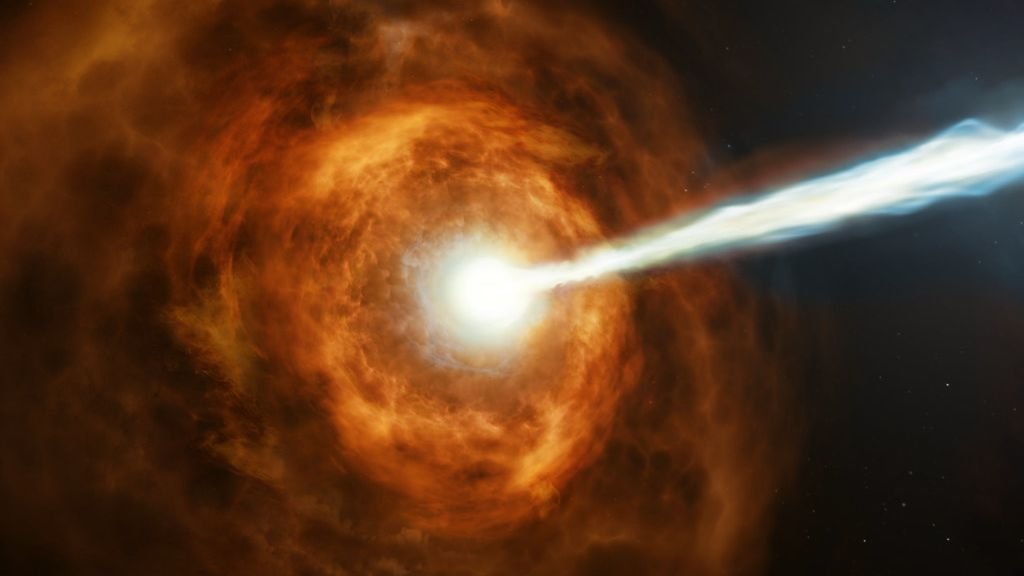
In the late twentieth century, military satellites designed to spot nuclear tests on Earth began picking up powerful blasts of gamma rays from deep space instead. These gamma-ray bursts, or GRBs, were so intense that at first they seemed almost unreal: short, violent flashes of the most energetic light we know, coming from random directions in the sky. Once astronomers aimed dedicated instruments at them, they found GRBs were among the most luminous events in the universe, outshining entire galaxies for brief moments.
We now think many long-duration GRBs come from massive stars collapsing into black holes, while shorter ones seem linked to mergers of neutron stars. But even those leading theories leave awkward questions. How, exactly, do the jets get collimated so tightly that they appear this bright from such enormous distances? Why do some bursts have strange afterglows or puzzling precursor flashes? There’s a sense that we’ve sketched the outline of the story but keep bumping into odd details that do not quite fit the script. These events feel like the universe is detonating physics experiments on a scale we can barely grasp.
The Lunar Flash Reports: Strange Lights on the Moon
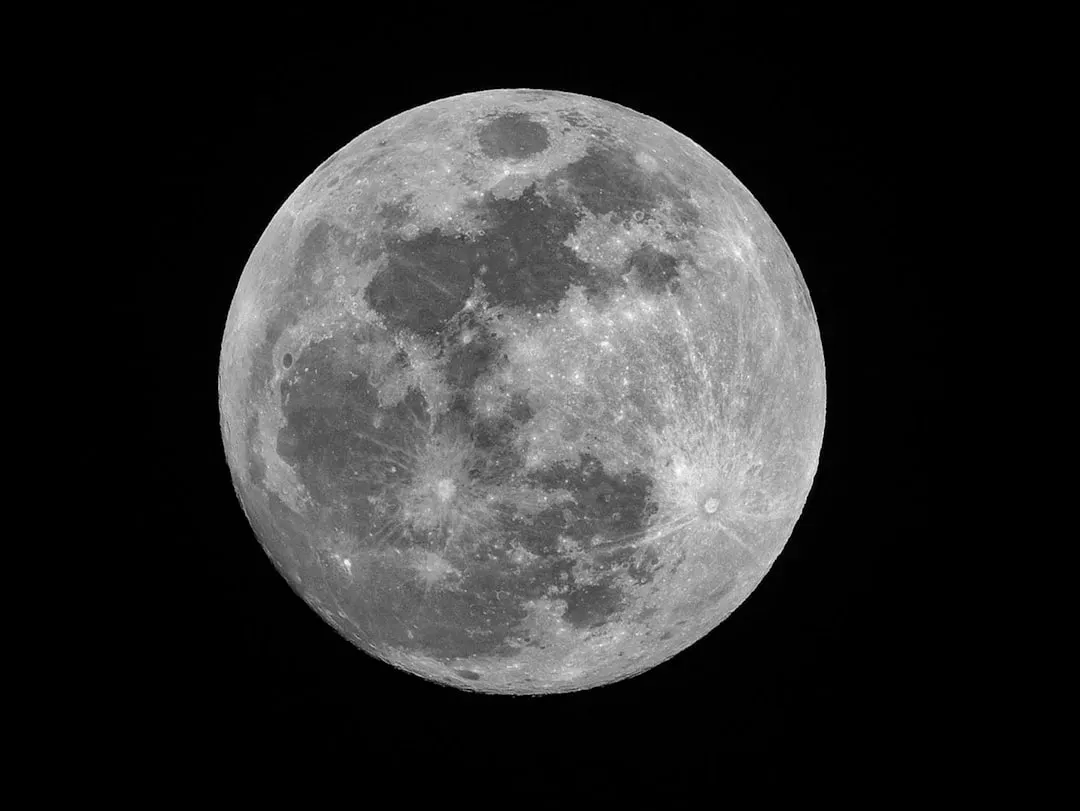
For centuries, observers have reported brief, mysterious flashes and glows on the surface of the Moon, sometimes called transient lunar phenomena. These are not the slow changes of phases, but sudden bright spots, color shifts, or short-lived hazes in particular regions. With older telescopes and human eyes, it was easy to dismiss many of these as illusions, instrument problems, or wishful thinking. Yet even in the modern era, some carefully recorded events have kept the idea alive that something transient occasionally happens up there.
Proposed explanations range from gas releases from the lunar interior, to impacts of small meteoroids, to charged dust being lofted into temporary clouds by electrical effects. Spacecraft have recorded impacts on the Moon, and those definitely produce flashes, but linking historical events to precise physical causes remains hard. The Moon has no weather in the traditional sense, which makes any change stand out like a light switching on in an empty room. These puzzling lights, rare and fleeting, highlight just how much mystery can still cling to a place we think we know well enough to have walked on.
The Great Dying Stars: Supernovae That Break the Rules
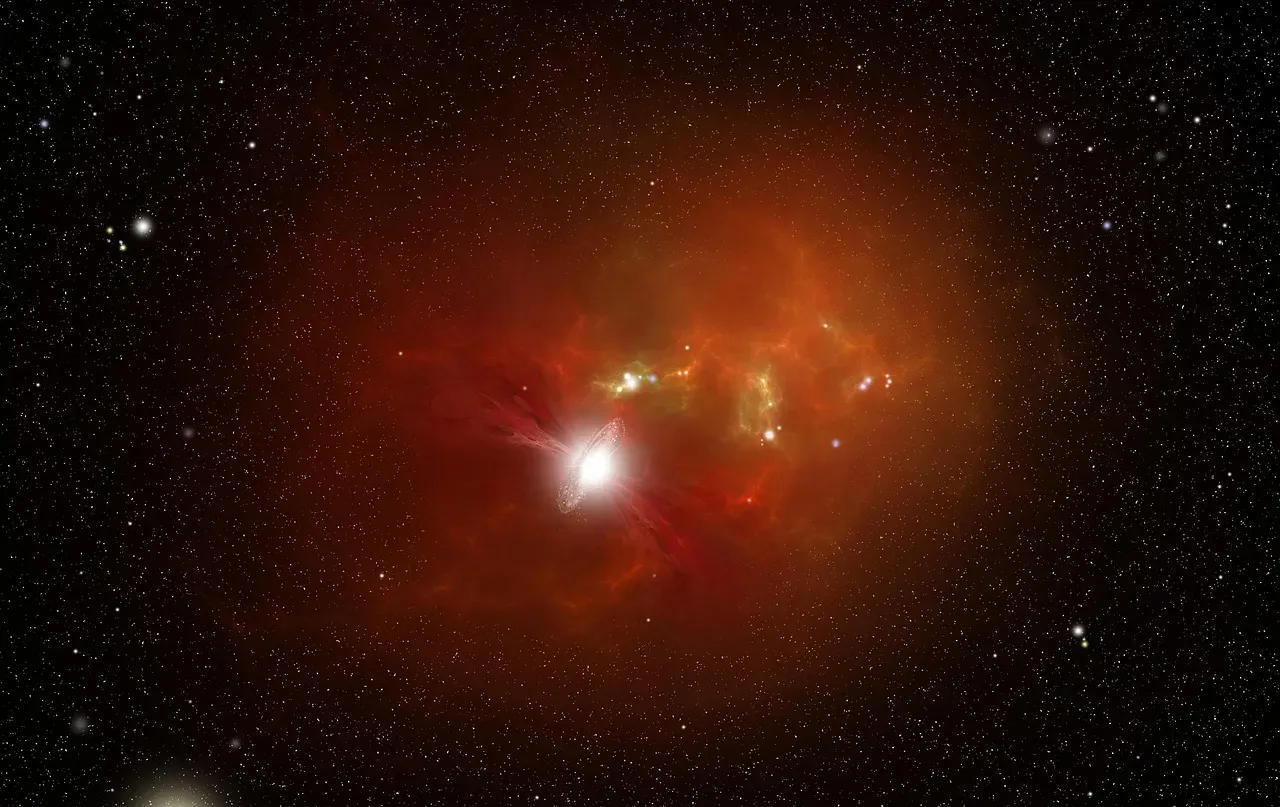
Supernovae are already dramatic by definition: stars ending their lives in titanic explosions that temporarily make them shine brighter than their entire host galaxies. Over the years, astronomers built a classification system that explained different types fairly well. Then, a series of deeply strange events started showing up: superluminous supernovae that were far too bright, explosions in environments where the progenitor stars shouldn’t have existed, and events that seemed to flicker or recur in ways that did not fit the standard story of a one-time catastrophic death.
Some of these explosions may be powered by rapidly spinning magnetars or repeated eruptions from unstable massive stars, while others might involve interactions with dense shells of material the star shed in the centuries before it died. Still, the details are uncertain enough that every new outlier forces a patch or rethink of existing theories. It’s like having a rulebook where new pages keep getting stapled in crookedly. The unsettling part is that these events are not just curiosities; they are tied to how heavy elements are created and spread across the cosmos, including the ones in our own bodies.
Oumuamua: The Object That Didn’t Act Like a Rock
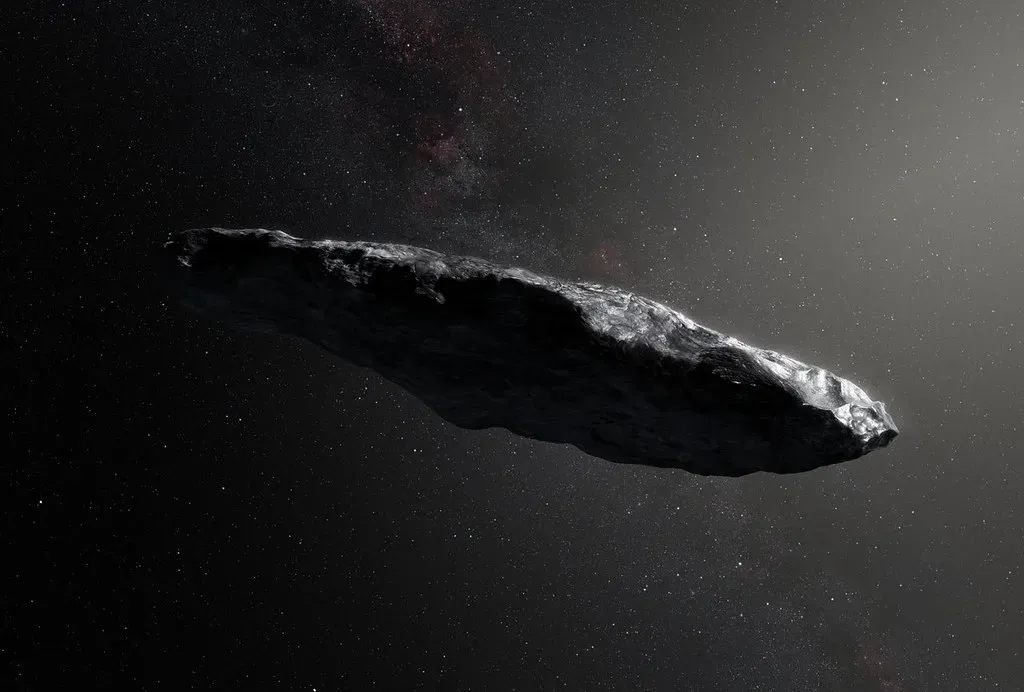
In 2017, astronomers spotted the first confirmed interstellar object passing through our solar system, a visitor from another star system on a fast, open-ended trajectory. Named Oumuamua, it immediately defied expectations. It was oddly shaped, with measurements suggesting either a very long, thin form or a flat, pancake-like body, depending on the model. Even stranger, its path showed a small but measurable push that couldn’t be explained fully by gravity alone, yet there was no obvious tail or outgassing like you’d expect from a normal comet.
Several natural explanations have been proposed: a fragment of nitrogen ice from a Pluto-like world, a hydrogen iceberg, a fluffy shard of compressed dust, or a weird comet shedding material in an unfamiliar way. Each idea can match some of the data but struggles with other parts, like how it could survive a journey through interstellar space. That’s what kept the more speculative ideas alive, including the notion that it might be artificial, though most researchers treat that as a last-resort explanation. Oumuamua slipped past us quickly, too small and too faint for detailed follow-up, leaving behind a trail of arguments and the uneasy sense that we caught the universe doing something strange and then looked away too soon.