You’ve probably heard about Stonehenge or the pyramids. Everyone has. These ancient monuments dominate documentaries, textbooks, and countless tourist brochures. What you might not know is that there are dozens more archaeological sites around the world that remain equally mysterious, if not more so. Places where modern science still struggles to explain how they were built, why they were abandoned, or what purpose they served.
These aren’t just piles of old rocks. These are sophisticated structures that challenge everything we think we know about our ancestors’ capabilities. Some predate agriculture itself. Others feature engineering precision that would be difficult to replicate even today. Let’s dive into the world’s most baffling archaeological mysteries, the ones that keep archaeologists awake at night.
1. Göbekli Tepe: The Temple That Shouldn’t Exist
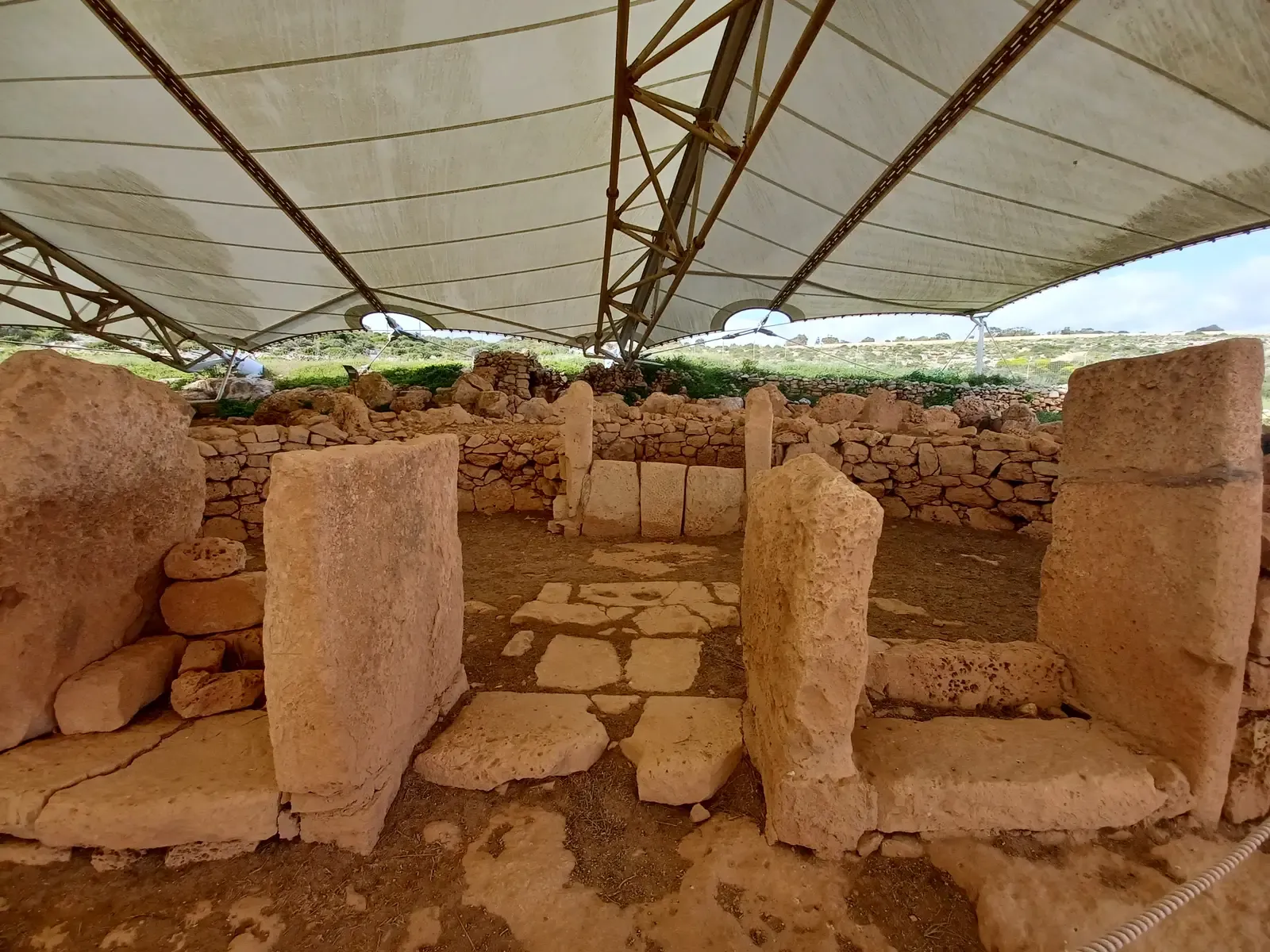
More than 11,000 years ago, hunter-gatherers built a monumental stone complex that is thought to be the world’s first temple in what is now southeastern Turkey, known as Göbekli Tepe. The megalithic settlement contains elaborate circular enclosures constructed of massive T-shaped limestone columns and is two times older than Stonehenge.
Let’s be real, this discovery completely upended what historians believed about ancient civilizations. The site was inhabited from around 9500 BCE to at least 8000 BCE, marking the appearance of the oldest permanent human settlements anywhere in the world. Before Göbekli Tepe, scholars thought you needed agriculture and permanent settlements before you could build monuments. This site proves that theory backward.
The columns stand up to 18 feet tall, weigh as much as 50 tons each, and were completed with only stone hammers and flint blades. No metal tools. No wheels. Just sheer determination and an organizational capacity we didn’t think hunter-gatherers possessed. Many pillars feature intricate carvings of abstract symbols and wild animals, including lions, foxes, gazelles and birds. Then, for reasons no one understands, the entire complex was deliberately buried.
2. Nazca Lines: Messages for the Gods
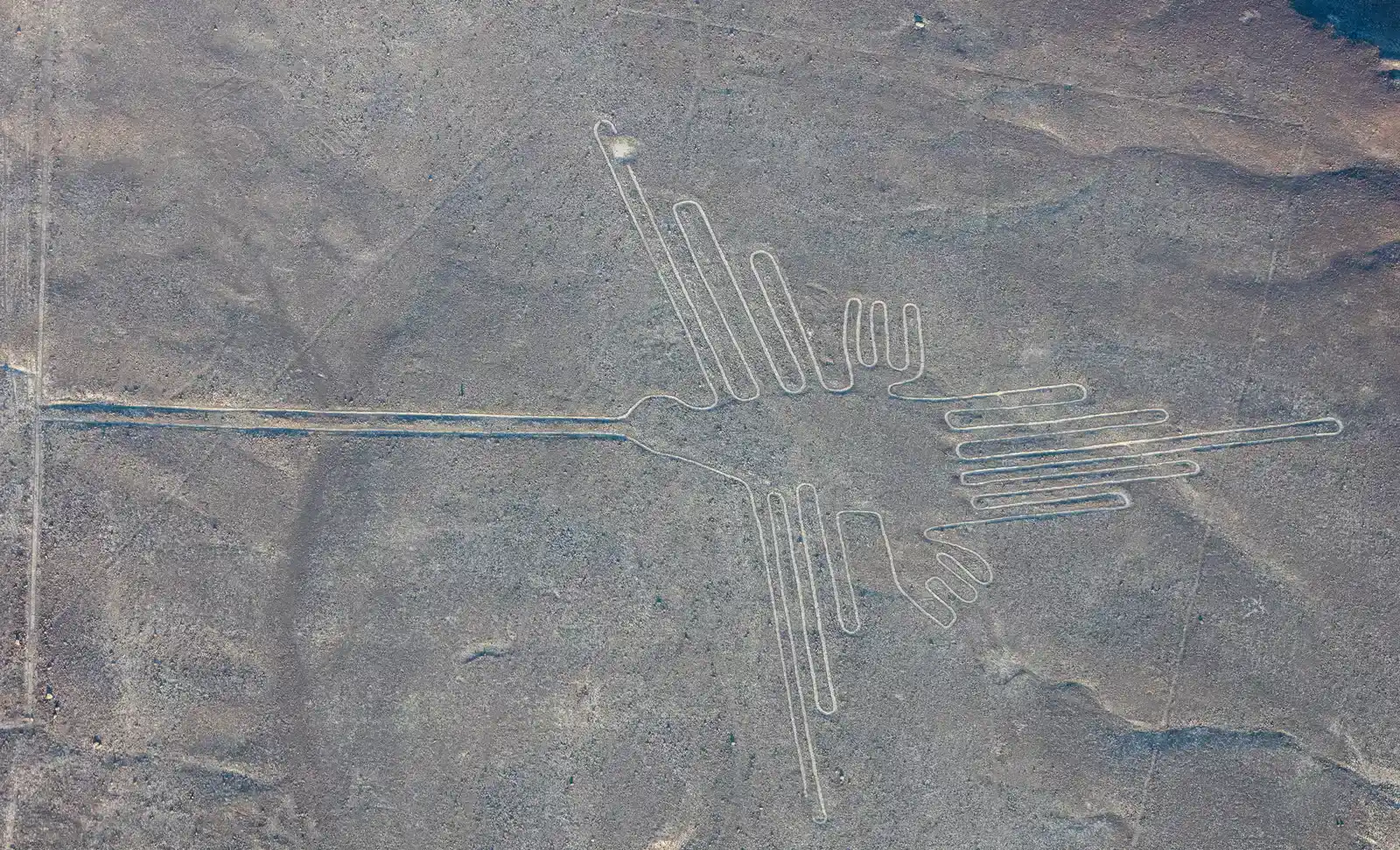
Located in the arid Peruvian coastal plain, the geoglyphs of Nazca cover an incredible 450 square kilometers. They depict living creatures, stylized plants and imaginary beings, as well as geometric figures several kilometres long. Some of these designs are so massive they can only be fully appreciated from the air, which raises an obvious question: why would a culture without flight create artwork meant to be seen from above?
Archaeologists added hundreds more to the mix in 2024 thanks to the scanning power of AI, which identified 303 more shapes in the region over just six months. We’re still discovering new lines after decades of study. The Nazca people created these between 200 BC and 650 AD by removing reddish surface pebbles to reveal lighter ground beneath.
Honestly, the purpose remains anyone’s guess. Archaeologists have suggested they look like enlarged textile designs, or that they might mark water sources or ritual pathways, but perhaps the most popular theory is that they are representations of the constellations. What we do know is that they’ve survived remarkably well thanks to one of the driest climates on Earth.
3. Mohenjo-Daro: The City With No King
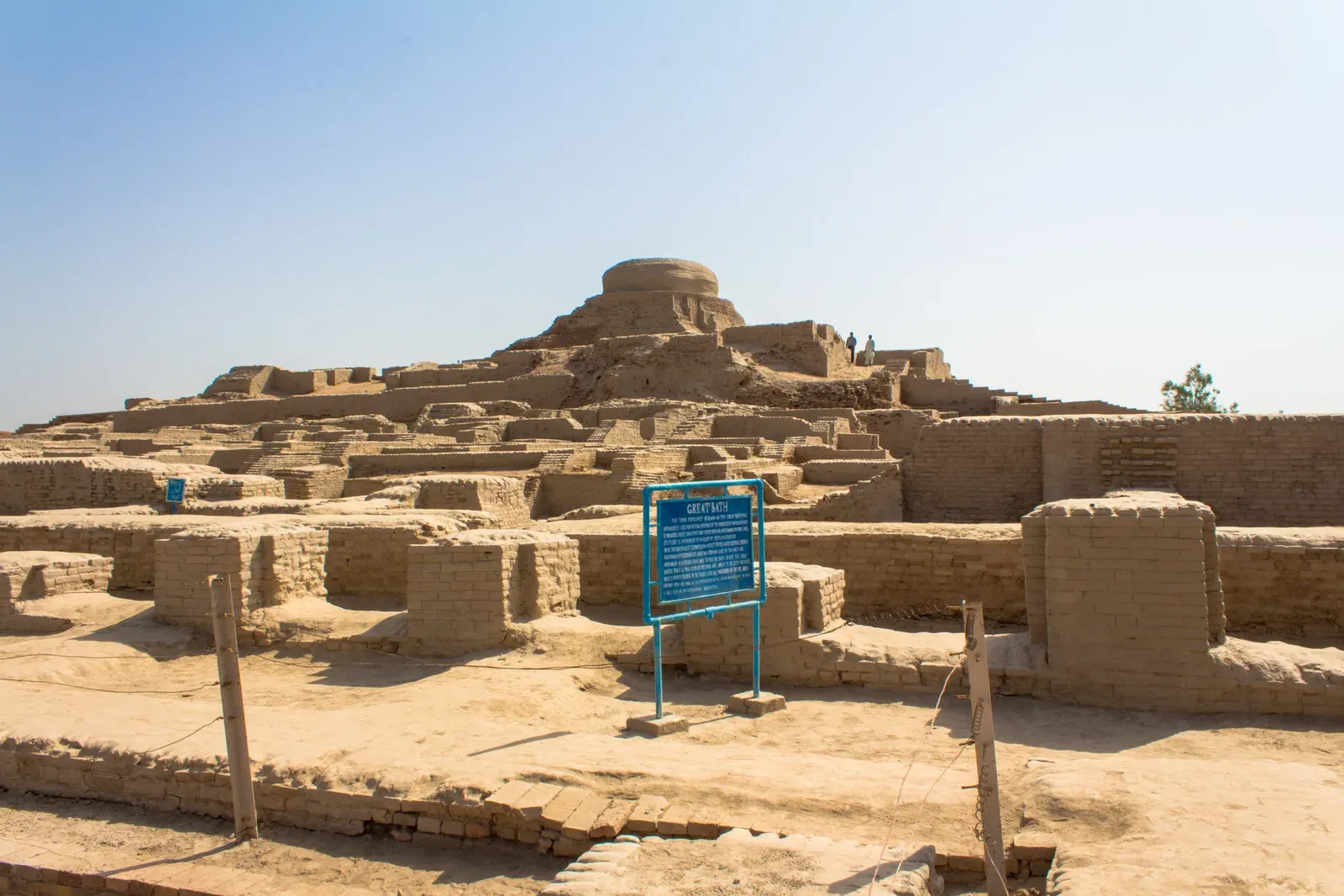
Built around 2500 BCE in what is now Pakistan, it was one of the largest settlements of the ancient Indus Valley Civilisation and one of the world’s earliest major cities, contemporaneous with ancient Egypt and Mesopotamia. Here’s what makes Mohenjo-Daro truly bizarre: there’s no palace, no temple complex, no monuments to rulers.
There are no ostentatious palaces, mosques, or statues in the city. There is no visible central government seat or signs of a king or queen. Modesty, discipline, and cleanliness seemed to be favored. The entire city was built with an advanced grid system, sophisticated drainage, and private bathrooms. Imagine that. Indoor plumbing roughly 4,500 years ago, yet no evidence of who organized all this.
With an estimated population of at least 40,000 people, Mohenjo-daro prospered for several centuries, but by around 1700 BCE had been abandoned. Why? Nobody knows for certain. Some theories suggest catastrophic flooding, others point to climate change or shifting trade routes. The mystery of its abandonment is almost as compelling as the mystery of its governance.
4. Pumapunku: Precision Beyond Belief
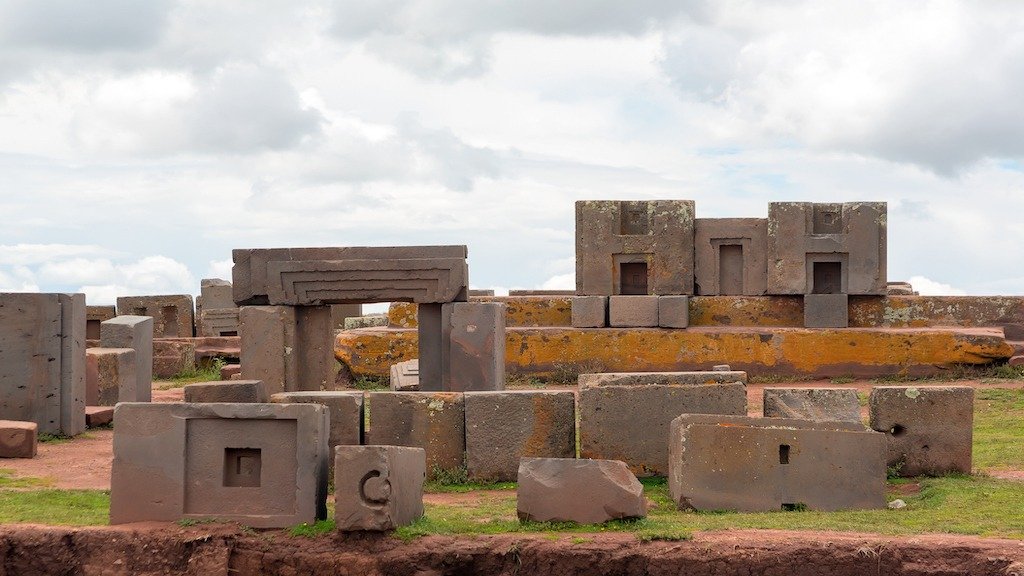
Deep in the Bolivian highlands sits Pumapunku, part of the larger Tiwanaku complex. Pumapunku is a 6th-century T-shaped and strategically aligned man-made terraced platform mound, and construction is believed to have begun after AD 536. What sets this place apart is the stonework. We’re talking about massive blocks weighing over 100 tons with cuts so precise they seem machine-made.
The mystery here is how the builders calculated and cut such precise stonework, working only with stone tools. Their stonework is so regular that some historians have suggested they may have mass-produced temple parts like building blocks. The H-shaped blocks fit together without mortar, with tolerances that would make modern engineers jealous.
It’s hard to say for sure, but the level of precision is genuinely unsettling. The site contains the largest stone slab in the Pumapunku and Tiwanaku Site, measuring 7.8 metres long, 5.2 metres wide and estimated to weigh 131 tonnes. How did they move these stones at an altitude of over 12,000 feet? Your guess is as good as mine.
5. Yonaguni Monument: Japan’s Underwater Enigma
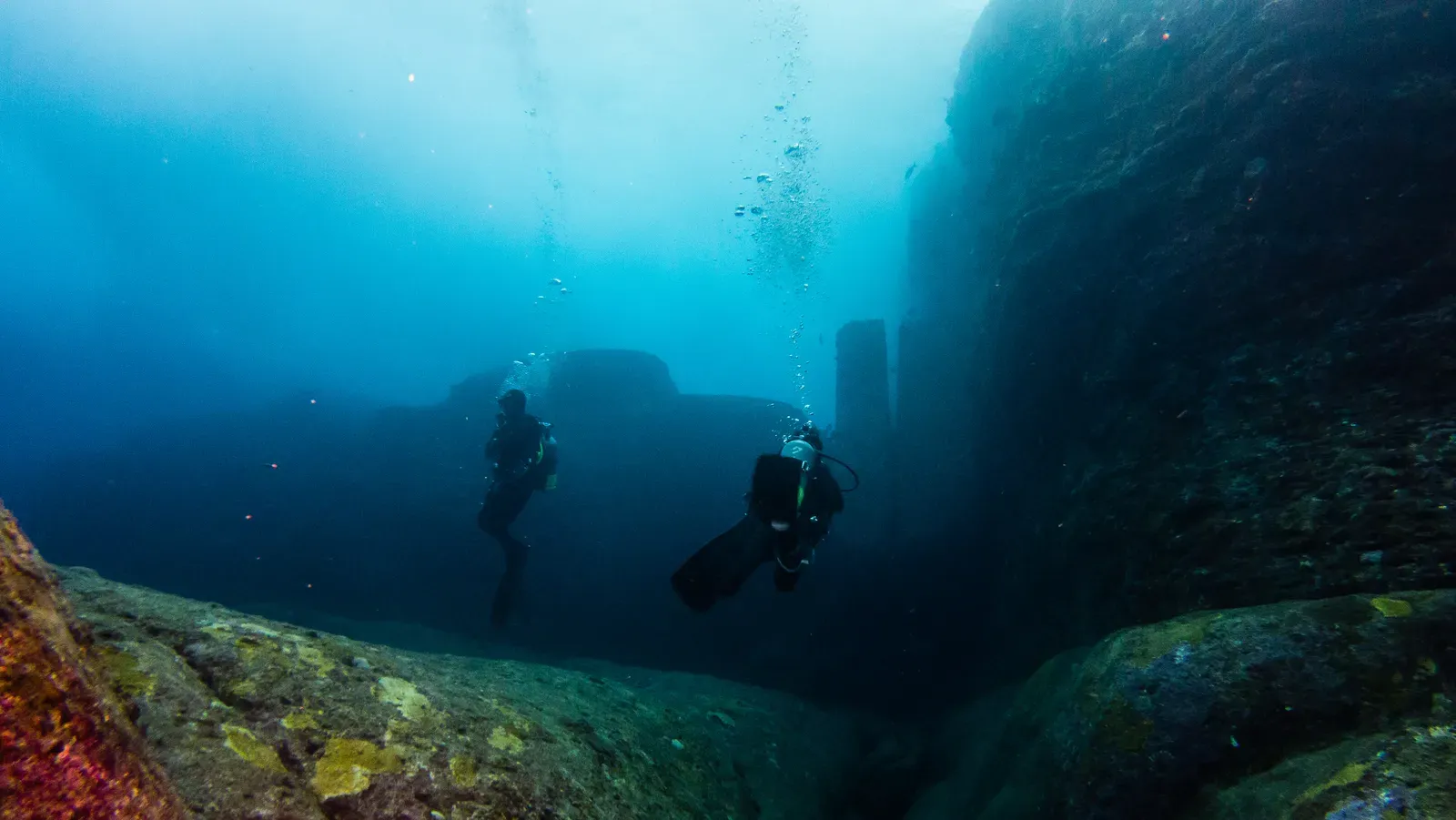
The Yonaguni Monument is a submerged rock formation off the coast of Yonaguni, the southernmost of the Ryukyu Islands, in Japan, lying approximately 100 kilometres east of Taiwan. Discovered in 1986 by a diver searching for hammerhead sharks, this underwater structure resembles a stepped pyramid with terraces, right angles, and what appear to be roads.
The debate is fierce. Marine geologist Masaaki Kimura claims that the formations are man-made stepped monoliths, while geologist Robert Schoch believes it is most likely natural. Those who support the natural formation theory point to earthquake activity in the region and how sandstone naturally fractures. Although Yonaguni Monument may look like an artificial construction, it is a natural feature formed by weathering and erosional processes acting on bedding and linear joints in sandstone, with similar features found at Sanninudai geosite.
Yet the monument features structures that look suspiciously like stairways and carved animals. The process revealed many surprising findings including what appears to be a massive arch or gateway of huge stone blocks, carvings and what appeared to be stairways, paved streets and crossroads. If it is natural, it’s an extraordinary coincidence. If it’s man-made, it would rewrite what we know about ancient Japanese civilizations.
6. Stonehenge: The Classic Mystery
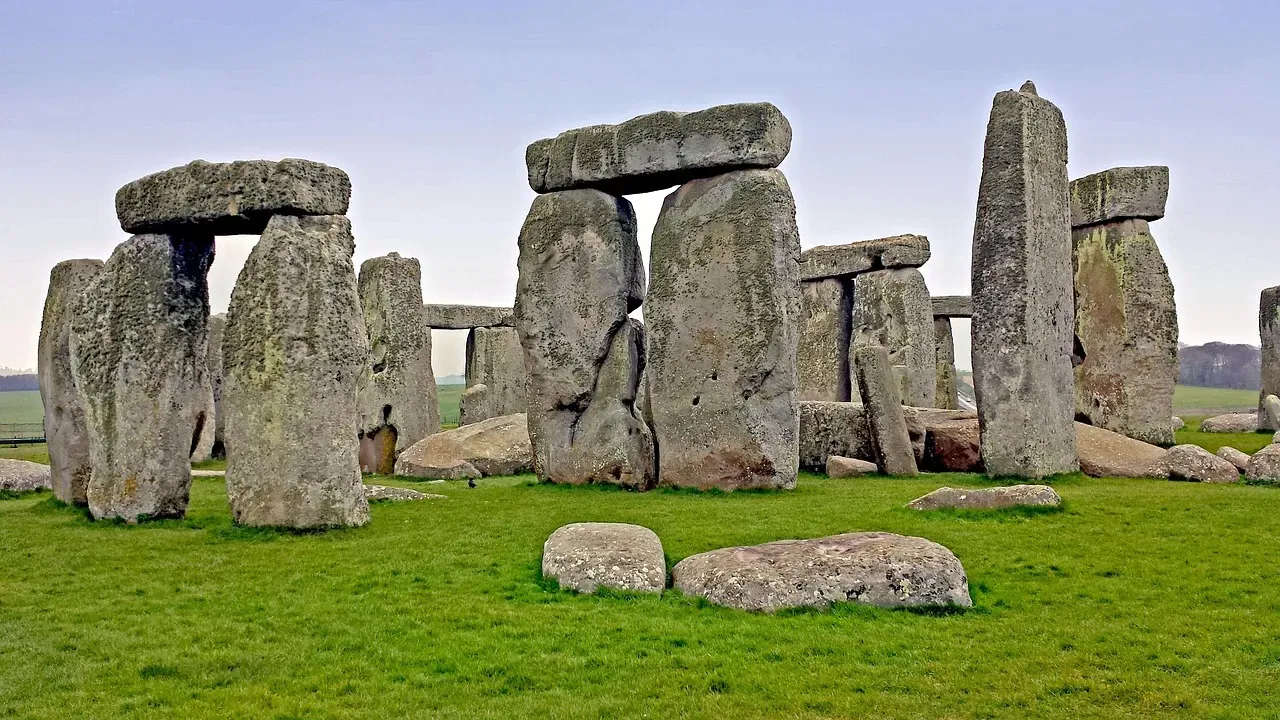
Yes, I know. Stonehenge is famous. That doesn’t make it any less mysterious. Construction began some 5,000 years ago, before England even entered the Bronze Age, and most researchers agree it functioned as a burial site, with the massive stones’ origins now known. Knowing where the stones came from doesn’t solve how they were moved.
The ring of megalithic stones was built approximately 4,000 years ago and was an impressive feat for the primitive people who constructed it but that’s about all archaeologists know for sure. The largest stones weigh roughly 25 tons. They were transported from Wales, over 150 miles away. Think about that distance without trucks, cranes, or even wheels.
The purpose remains speculative. Astronomical observatory? Temple? Burial ground? Healing center? Scientists aren’t fully sure when exactly Stonehenge was erected, with dates ranging from 5,000 to 4,000 years ago, and the biggest questions are how it was made and who even made it. After thousands of years of study, we still don’t have definitive answers.
7. Plain of Jars: Laos’ Stone Mystery
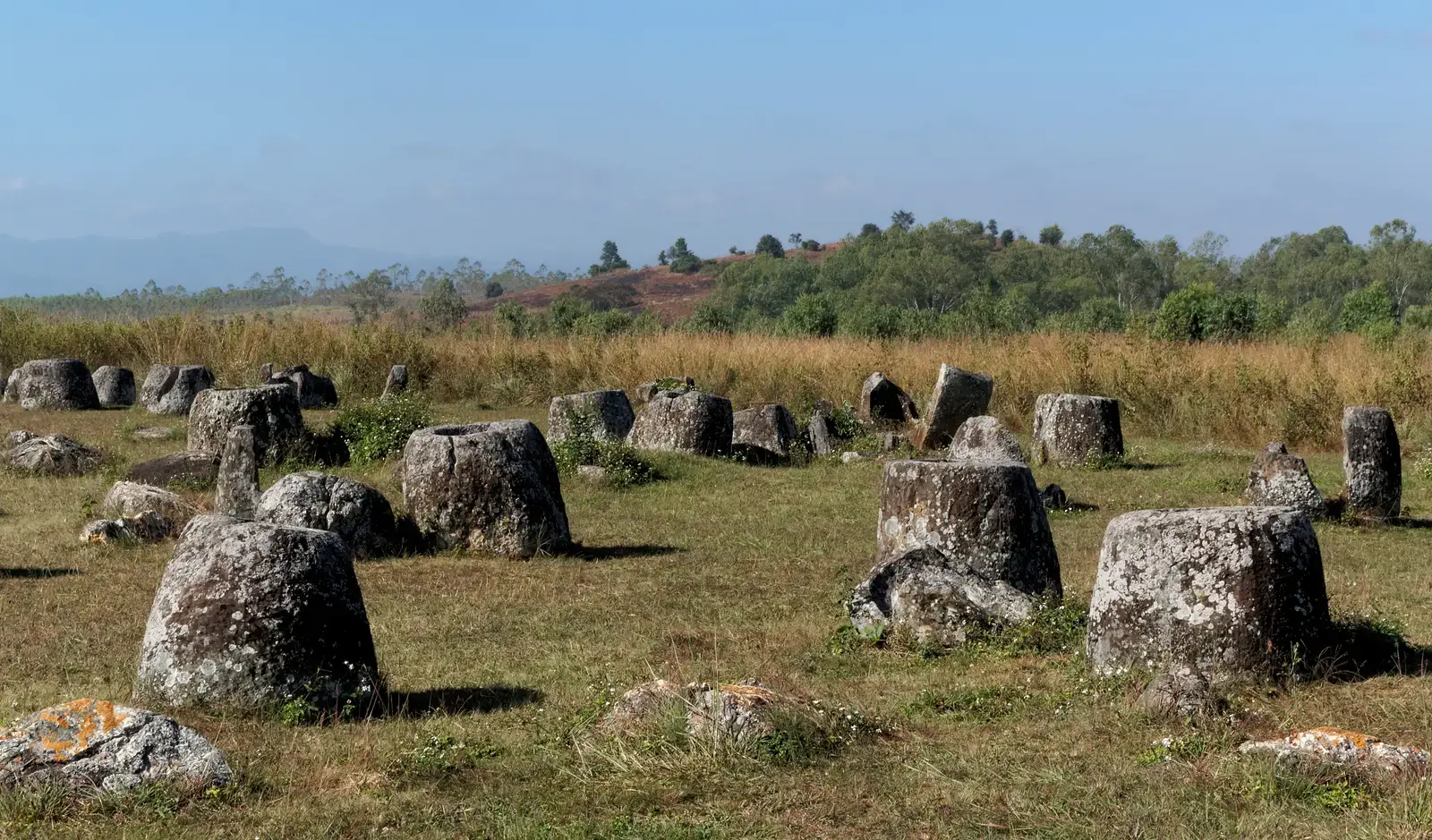
Scattered across the hills of Laos, thousands of massive stone jars dot the landscape, their purpose still unknown, and no one knows who created them or how they transported these multi-ton structures. Many of the jars are found in locations heavily bombed during the Vietnam War, further complicating their study.
These aren’t small vessels. Some jars are ten feet tall. Thousands of Iron Age carved jars ranging in size from 3 to 10 feet tall have been identified at nearly 100 sites, dating to between 500 BC and 500 AD, although archaeologists have not been able to pinpoint when they were created or for what purpose. It is speculated that the jars were perhaps used as part of the burial process.
Several theories exist. Food storage? Water collection? Funeral urns? The jury’s still out. What makes it truly frustrating is that the region’s history has been so disrupted by modern warfare that systematic archaeological study has been challenging. These jars have sat there for potentially 2,500 years, and we’re no closer to understanding their function.
8. Great Pyramids of Giza: Engineering Impossibility
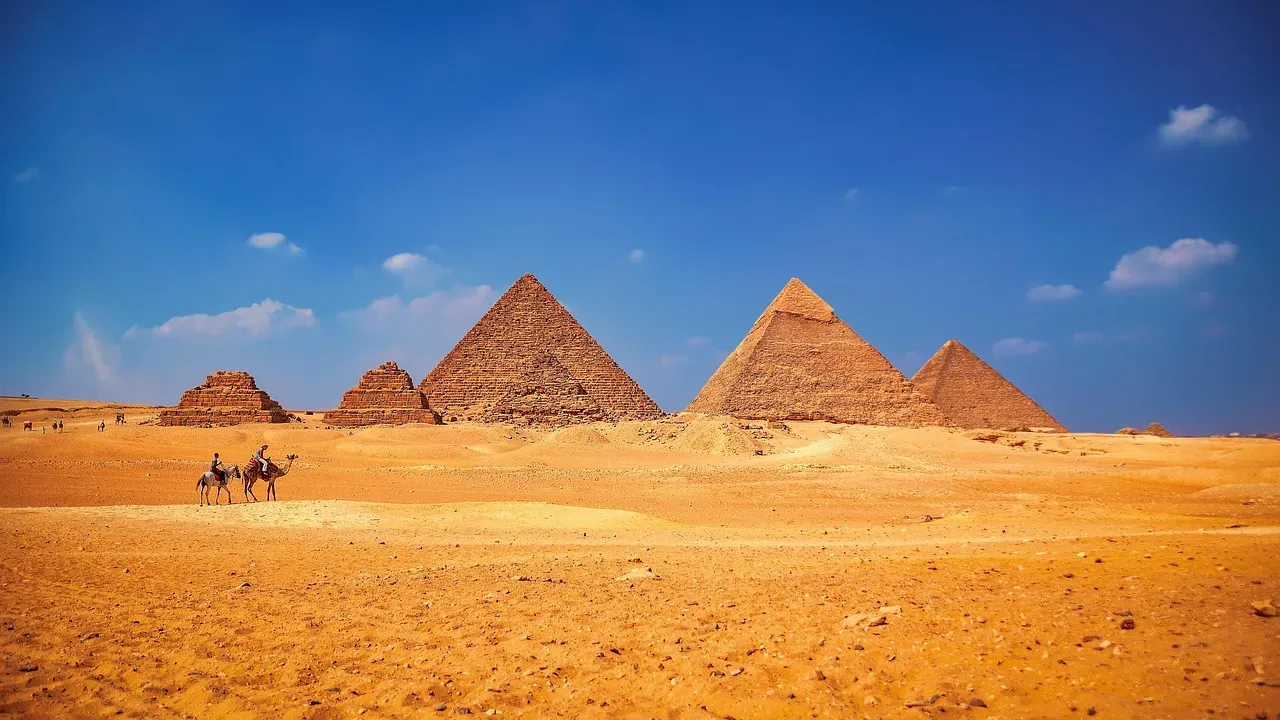
You expected this one. The pyramids are so iconic they’ve become clichéd, but that familiarity shouldn’t obscure how genuinely baffling they are. Finished over 4,600 years ago near modern-day Cairo, this extremely well-known ancient structure still perplexes archaeologists and engineers alike, with the biggest mystery being its construction, a feat that we have still not been able to conclusively understand.
The largest pyramid, the Pyramid of Khufu, rises about 450 feet, and among the mysteries still unsolved are precisely how the limestone and granite structures were constructed, how many people it took to build them, and what treasures these structures once contained. Theories range from ramps to levers to more exotic explanations involving sonic levitation or extraterrestrial assistance.
The alignment is another puzzle. The pyramids align almost perfectly with true north, achieving a precision that’s difficult to explain without sophisticated surveying equipment. Theories on how the giant stone blocks were moved and positioned range from the expert use of levers to some more eccentric explanations, like long-lost sound devices that can levitate objects or aliens offering advanced otherworldly technology. Whatever the method, it required extraordinary planning and engineering knowledge.
9. Derinkuyu: The Underground City
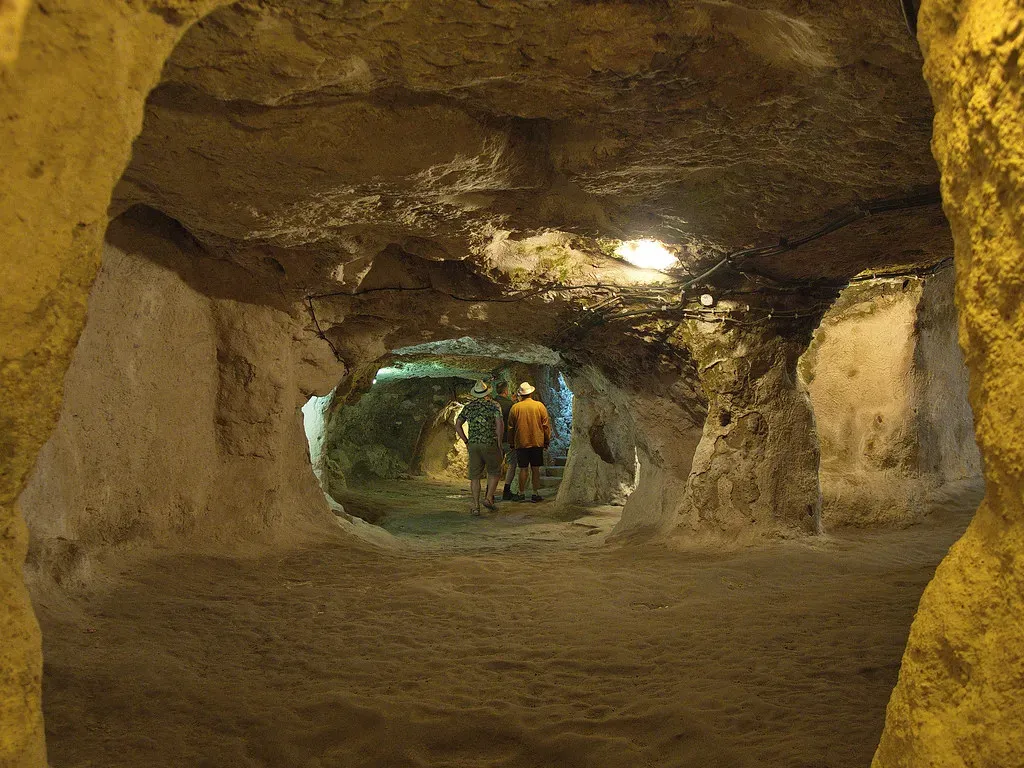
Derinkuyu in Cappadocia in Turkey is probably the largest underground city that has been discovered to date, spanning more than 8 levels going as deep as 80 meters with more than 600 entrances to the surface. This isn’t a few tunnels carved into hillsides. This is a fully functioning subterranean metropolis.
Carved from tuff, a soft rock formed from volcanic ash, the eighteen level complex was created by ancient inhabitants of Anatolia who realized they could carve out their homes underground. Researchers found kitchens, bathrooms, dwellings, food storage rooms, wine presses, churches, schools and weapons storage areas, with the underground city having a capacity of up to 20,000 people.
Why go to such extraordinary lengths? Protection from invaders seems logical, but the scale is staggering. Entire communities could hide here for extended periods. Archaeologists have uncovered thousands of Stone Age underground tunnels stretching across Europe, and legends of vast underground cities appear in myths and legends of multiple continents from Egypt to America to China. Perhaps these networks served purposes we haven’t even considered yet.
10. Çatalhöyük: The First City
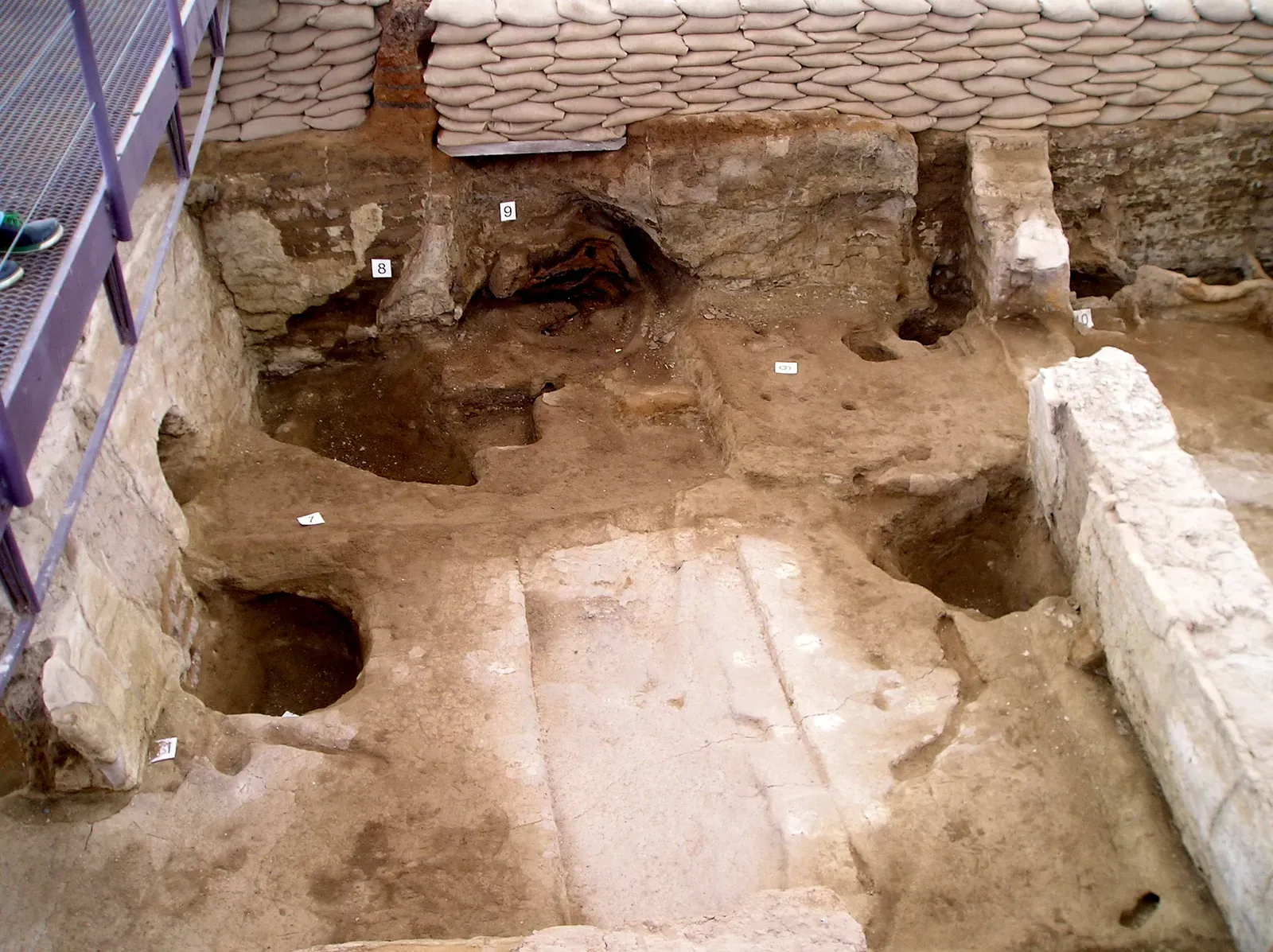
Çatalhöyük stands out as the oldest city on Earth, built between 7100-5700 BCE, long before humans had even invented farming, writing, wheels, or metals. So what were they doing there? That’s the million-dollar question.
The people of Çatalhöyük were probably nomadic hunter-gatherers who maybe only lived indoors during the winter, and the remains show very little social division with a very equitable, communal lifestyle. Houses were packed tightly together without streets between them. You entered through the roof via a ladder.
Here’s where it gets weird: They were scrupulously clean, but perhaps unsettlingly, they buried their dead under the floors of their own homes. Why build a proto-city before agriculture existed? Why live with your deceased relatives beneath your feet? These questions remain unanswered. Çatalhöyük represents a transitional moment in human history that we still don’t fully grasp.
Conclusion
These ten sites represent just a fraction of the archaeological mysteries scattered across our planet. Each one challenges our assumptions about ancient peoples and their capabilities. Were they more advanced than we give them credit for? Did they possess knowledge or techniques that have been lost to time? Or are we simply projecting our modern limitations onto societies that approached problems differently?
What’s remarkable is how much we still don’t know. Despite decades of excavation, carbon dating, and advanced imaging technology, these places guard their secrets jealously. Maybe future discoveries will unlock the answers. Or maybe some mysteries are meant to endure, reminding us that human history is far stranger and more complex than any textbook can capture.
These ancient builders left behind monuments that have outlasted empires, religions, and entire civilizations. They speak to us across millennia, but we’re still struggling to understand their language. What do you think explains these impossible structures? Tell us in the comments.