Across the United States, a quiet revolution is happening in the dirt beneath our feet. As construction booms, climate patterns shift, and new technologies scan deeper into the ground, archaeologists are stumbling on objects that do not fit neatly into any known timeline or cultural playbook. Some of these finds are probably the result of trade, chance, and human creativity; others seem to resist tidy explanation even after years of study. What they all share is the power to unsettle the stories Americans thought they knew about who lived here, how they lived, and what they understood. In a country obsessed with looking forward, these mysterious artifacts demand that we look back – carefully, skeptically, and with a sense of wonder.
The Hidden Clues Beneath a Texas Highway
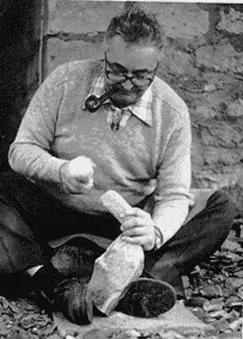
It started, as so many discoveries do, with a bulldozer. During highway work in central Texas, crews exposed a deeply buried layer of stone artifacts and burned rock features that turned out to be significantly older than the better-known clovis-age tools long treated as the benchmark for the first Americans. The site, which has yielded unusually dense clusters of tools, plant remains, and fire pits, includes a handful of stone objects whose style and wear patterns do not match typical regional toolkits. Some tools appear shaped for purposes that are not obvious – too blunt for cutting, too smooth for scraping, with polish suggesting repeated handling rather than work on bone or hide. For archaeologists, these anomalous objects serve as quiet warnings that even at well-studied sites, not everything fits the textbook. They suggest behaviors, rituals, or technologies that left only faint fingerprints in the ground.
What makes this kind of site so disruptive is the way it forces a rethinking of timelines. For decades, a narrow window of early occupation dominated discussions of when people first settled North America; now, with older layers and strange tools in the mix, the story is less like a straight line and more like a braided river of overlapping traditions. Some researchers argue that these enigmatic tools could represent short-lived experiments or specialized tasks, the Stone Age equivalent of custom gadgets. Others lean toward ritual explanations, suggesting those objects might have been handled in ceremonies, passed hand-to-hand as symbols of group identity or memory. The truth may never be pinned down with absolute confidence, but the questions they raise continue to push excavation, dating, and microscopic analysis further than anyone expected even twenty years ago.
Mystery Effigy Pipes of the Ohio Valley
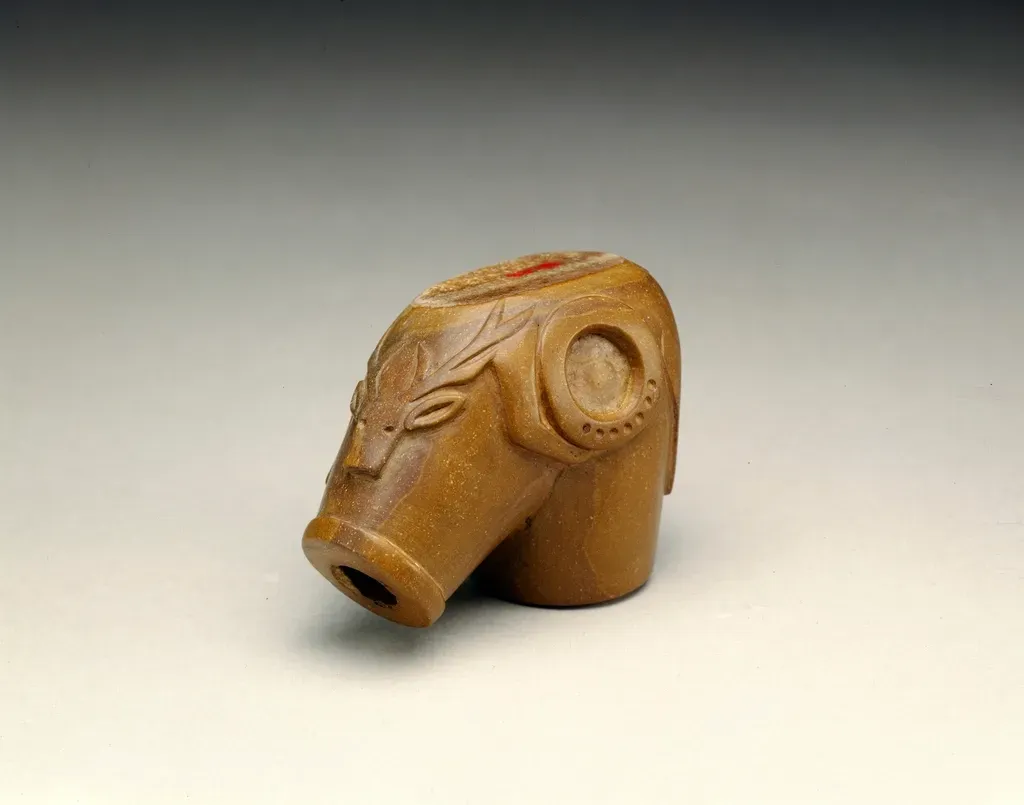
In museum drawers and local historical societies across the Ohio Valley, carved stone pipes modeled as animals and abstract beings sit in neat rows, labeled and cataloged but not fully understood. Many were found in nineteenth- and early twentieth-century digs at earthwork complexes in present-day Ohio and surrounding states, often with sparse records that would make any modern archaeologist wince. Some of the pipes show animals in stunning detail – owls with tightly incised feathers, cougars frozen mid-pounce, birds with anatomically precise beaks – while others depict composite beings that do not map cleanly onto any known creature. The precision of the carving and the effort to quarry and shape large pieces of stone suggest these were not casual smoking tools but charged objects with layered meaning. Yet archaeologists still debate what exactly they were meant to convey, and whether specific clans, rituals, or seasonal ceremonies are encoded in their designs.
Modern imaging tools, including surface scanners and micro-wear analysis, have revealed that some pipes show clear evidence of use, while others appear almost untouched, as if they were made to be seen but not smoked. This odd split has stirred arguments: were the pristine objects offerings, diplomatic gifts, or symbols of authority? Researchers have also noticed that a few designs echo motifs from distant regions, hinting at travel or long-distance exchange that was once dismissed as unlikely. What remains unexplained is how far those networks ran and how the people who made these pipes understood the animals they so carefully rendered – were they literal, spiritual, or both at once? The effigies are like a visual language we can see but not fully read, and every new pipe coming out of a private collection or fresh field survey adds a few more cryptic words to the page.
The Copper Enigma of the Great Lakes
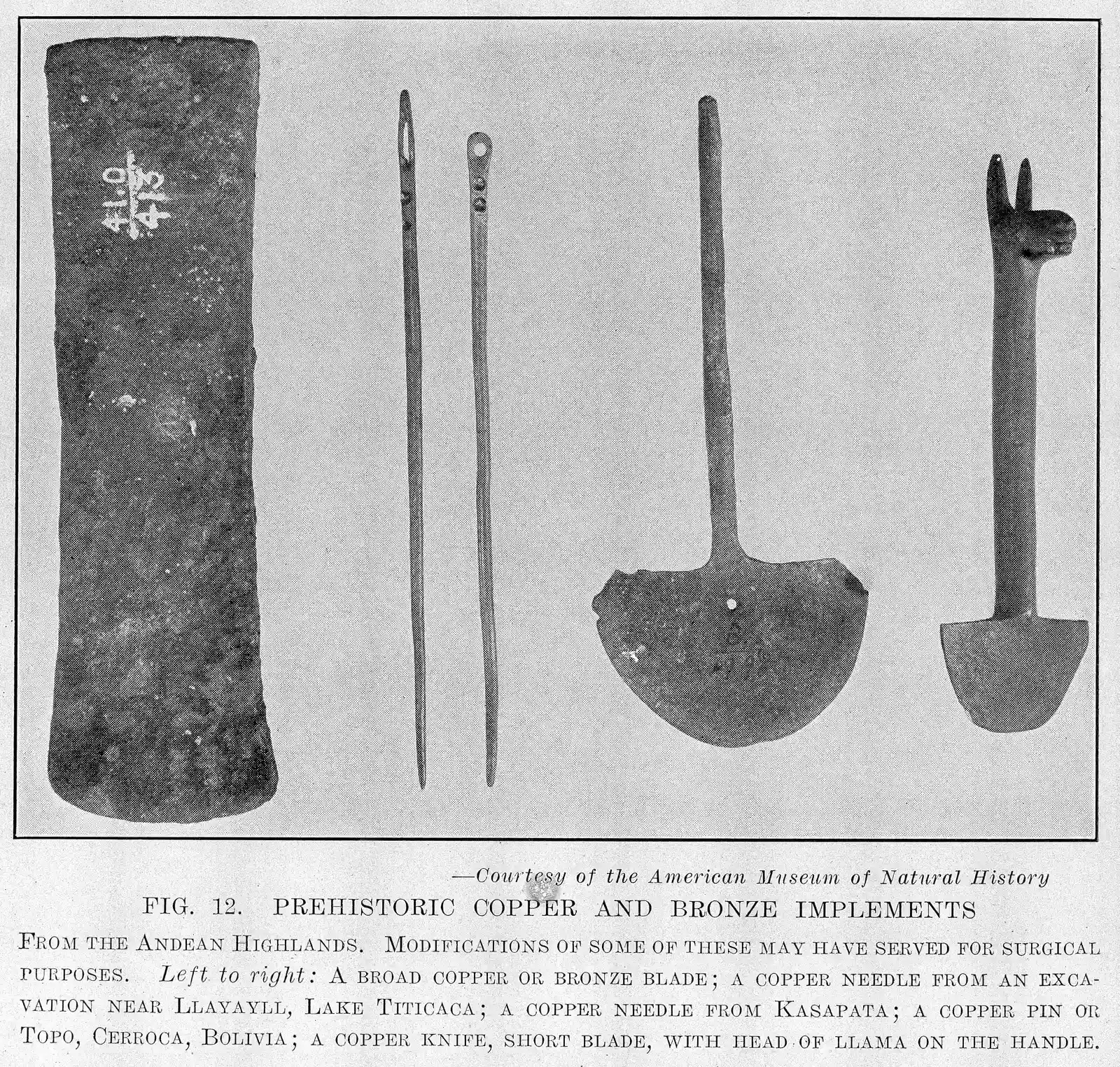
Around the shores and islands of the western Great Lakes, archaeologists and metal specialists have been wrestling with a set of questions raised by early copper artifacts. Native communities in this region were working native copper thousands of years ago, hammering it into tools, ornaments, and possibly ritual objects long before smelting technologies appeared in other parts of the world. What puzzles researchers today is not that copper was used, but how certain objects – awls, fishhooks, and delicate beads – were produced with surprising consistency and, in some cases, intriguing microscopic marks that are hard to replicate. While most artifacts clearly show cold-hammering and annealing, a handful of items hint at techniques that some metallurgists argue look almost like primitive, experimental heat control verging on smelting.
Alongside this technical puzzle is the mystery of scale. A striking quantity of Great Lakes copper appears to have been extracted from prehistoric mines, yet only a fraction has been found in archaeological contexts, leaving open questions about where the rest went. Some copper objects show up hundreds of miles away, implying trade networks that moved not only raw material but finished pieces with particular styles. The most enigmatic objects are small, finely made items with no obvious utilitarian use, including tiny spirals and carefully rolled tubes that could have been beads, tinkling adornments, or components of larger composite items now lost. These objects suggest a very old metalworking tradition that was not static but experimental and responsive, and whose full social meaning is still just out of reach despite decades of excavation and laboratory work.
Carved Stones and Possible Calendars in the Southwest
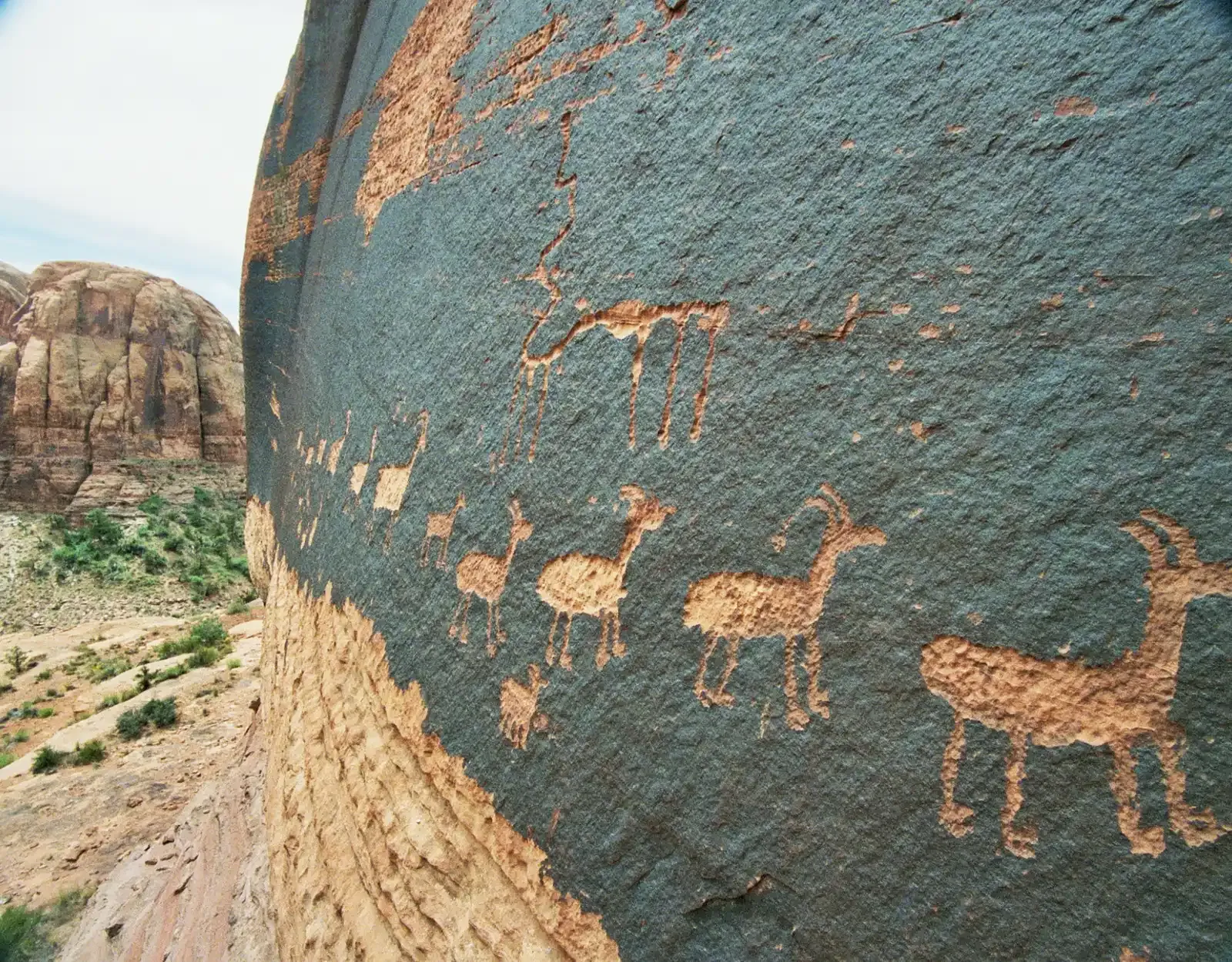
In the American Southwest, where cliff dwellings and kiva murals already attract global attention, quieter enigmas hide in plain sight on boulders and sandstone walls. At several ancestral Puebloan sites, archaeologists and archaeoastronomers have documented carved or pecked stone markers that seem to align with solstice and equinox light patterns, casting blades of light or patches of shadow on specific symbols at key times of year. These alignments are impressive, but some elements defy easy categorization: nested circles, spirals with unusual branch lines, and geometric clusters whose function is not obvious. A few stones appear deliberately modified in ways that do not match standard rock art, as if they were meant to be read in three dimensions rather than as flat images.
Debates here are especially fierce, because the line between solid evidence and wishful pattern-hunting can get thin. Some researchers see in these objects the traces of complex calendrical systems used to predict agricultural seasons and ritual cycles, arguing that certain carved features correspond to lunar standstills or other long-term astronomical events. Others caution that we may be imposing modern expectations on ancient designs, and that what looks to us like a “calendar” might have been a more flexible mnemonic or storytelling device. The most intriguing objects are portable carved stones found out of clear architectural context, bearing motifs similar to those on fixed markers but with no obvious way to use them for observing the sky. Were they teaching tools, traveling versions of celestial knowledge, or something entirely different? No single explanation yet covers the full range of examples scattered across mesas, cliff faces, and museum shelves.
Shell Gorgets and the Puzzle of Mississippian Symbols
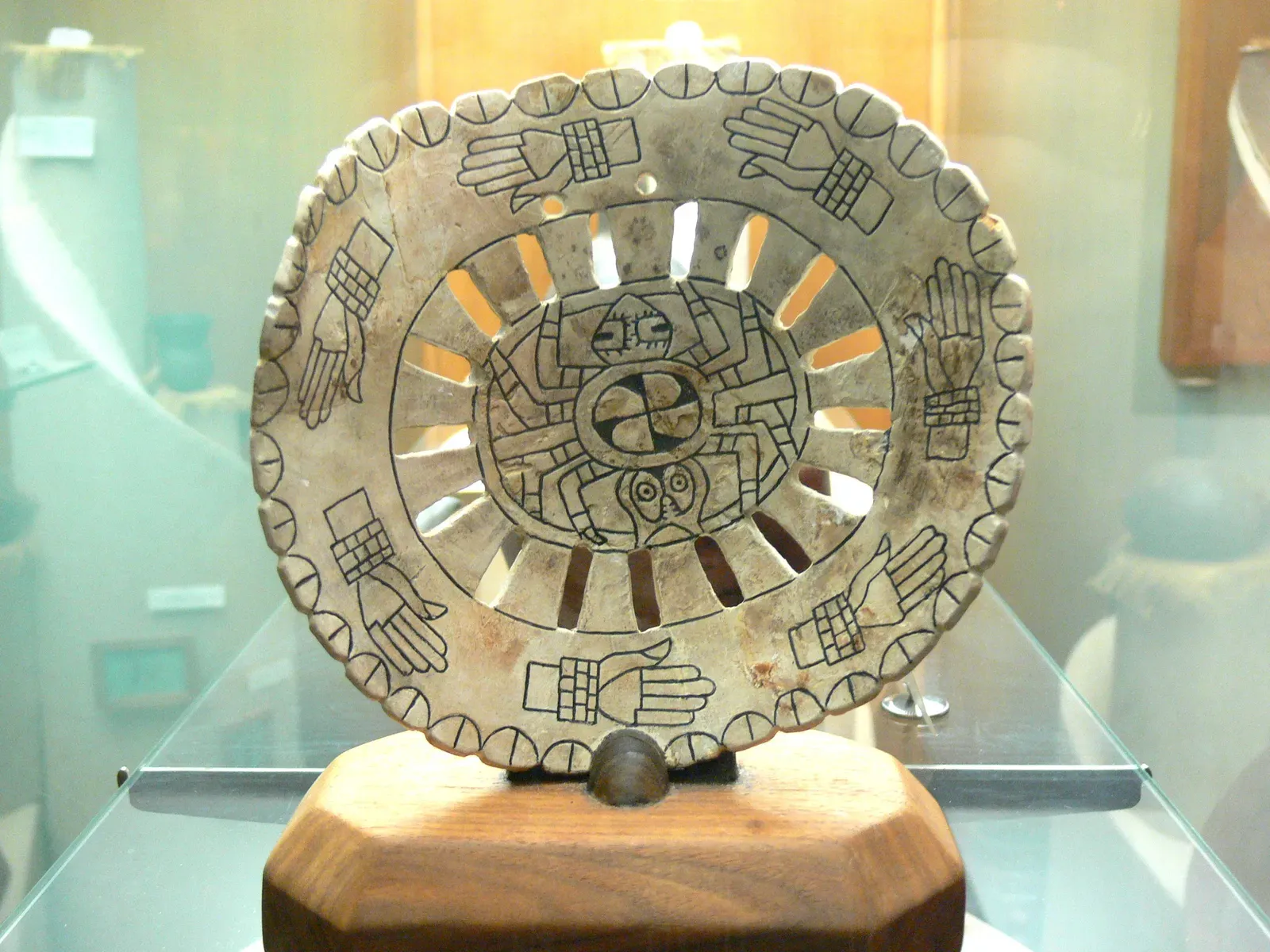
From the Mississippi Valley to the Southeast, intricately engraved shell gorgets – pendant-like ornaments cut from marine shells – pose one of the most persistent symbolic mysteries in U.S. archaeology. Many depict stylized warriors, birds of prey, coiled serpents, or complex cross-like shapes with swirling arms, rendered with remarkable precision using stone tools. These images recur over large distances with enough variation to suggest local schools or workshops, yet enough consistency to imply a shared symbolic language. The puzzle lies in what that language meant in day-to-day life: were these gorgets reserved for elites, worn only during specific ceremonies, or given to mark age, achievement, or allegiance?
Despite decades of comparative study, some designs still refuse to map cleanly onto known mythological or ethnographic patterns. Certain gorgets combine elements in ways that look like narrative scenes, but without accompanying texts, archaeologists are left reconstructing stories from fragments. A few rare examples have been discovered in unexpected locations, far from major Mississippian centers, hinting at personal journeys, diplomatic exchanges, or even looting long before Europeans arrived. The gorgets’ marine origins add another layer of intrigue, since many were found hundreds of miles inland, evidence of trade routes that funneled not just goods but ideas. Each new excavation that yields a shell gorget forces researchers to ask whether they are looking at a badge of identity, a portable piece of cosmology, or both at the same time.
The California Burials with Anomalous Artifacts
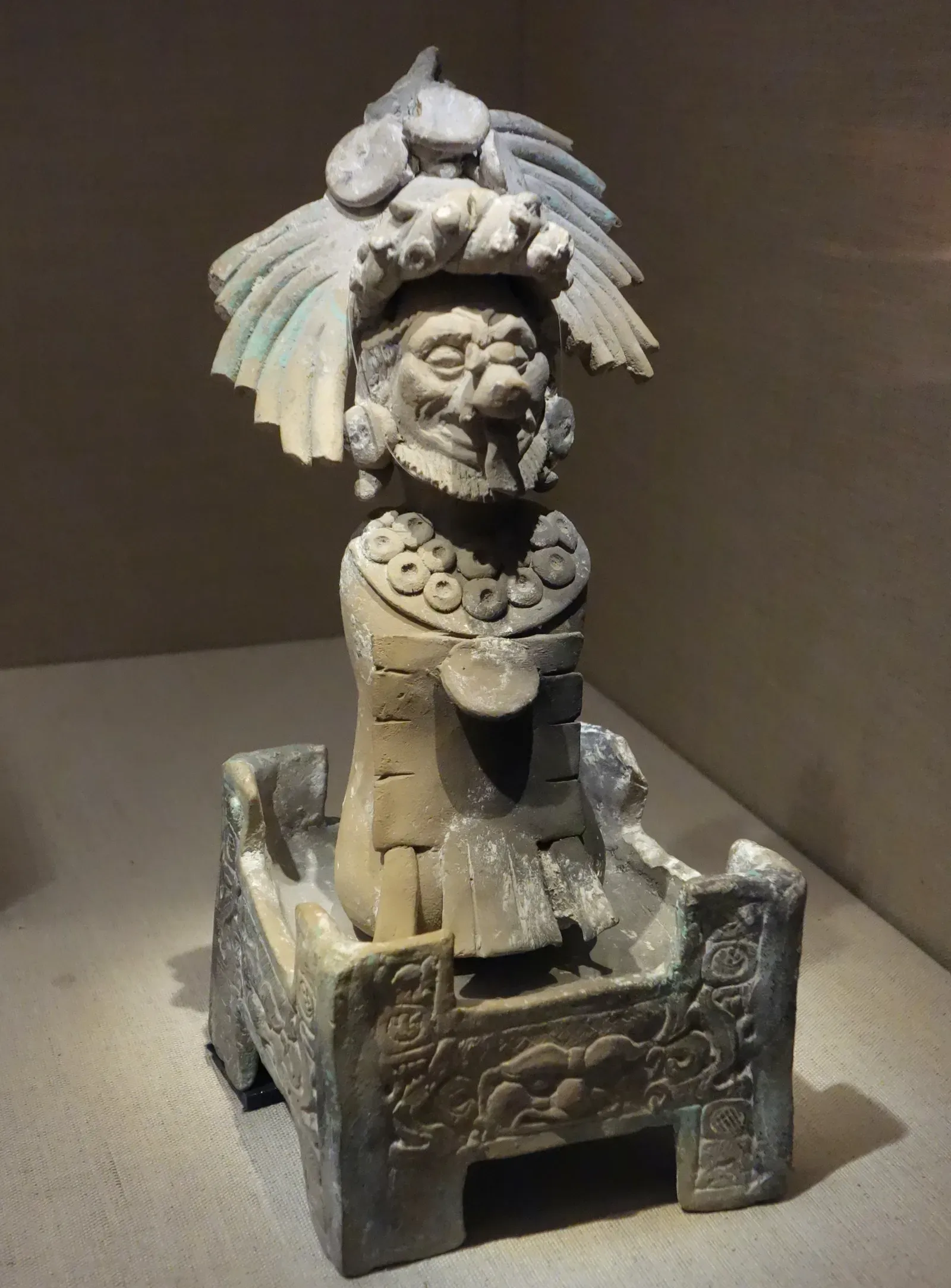
Along parts of the California coast, a number of burials excavated over the past century have produced grave goods that archaeologists still struggle to interpret cleanly. Among the more baffling are finely worked stone objects that do not resemble typical regional tools, along with pierced stones and ornaments that appear to have been curated for generations before burial. In some cases, grave goods include materials from far inland and even from beyond the Sierra Nevada, suggesting a mobility and network reach that were once underestimated. The fact that these items cluster in particular cemeteries, rather than being evenly distributed across coastal sites, has led to theories about distinct groups, specialized roles, or long-distance visitors choosing to settle and die by the ocean.
What keeps these burials in scholarly conversation is not just the objects themselves, but their combinations. Some individuals are interred with what looks like a mix of everyday tools, exotic adornments, and a few idiosyncratic items that do not easily match any known artifact type. These odd assemblages have prompted new methods, including isotopic analysis of teeth and bones to track where individuals grew up and how much they moved. Early findings hint that at least some people with unusual grave goods were not local by birth, opening the door to stories of migrants, refugees, or traders settling into new communities. Yet even with cutting-edge lab work, the precise meanings of individual objects – particularly the most unusual carved stones – remain stubbornly out of reach, a reminder that identity in the past was just as complicated and layered as it is today.
Why These Unexplained Objects Matter
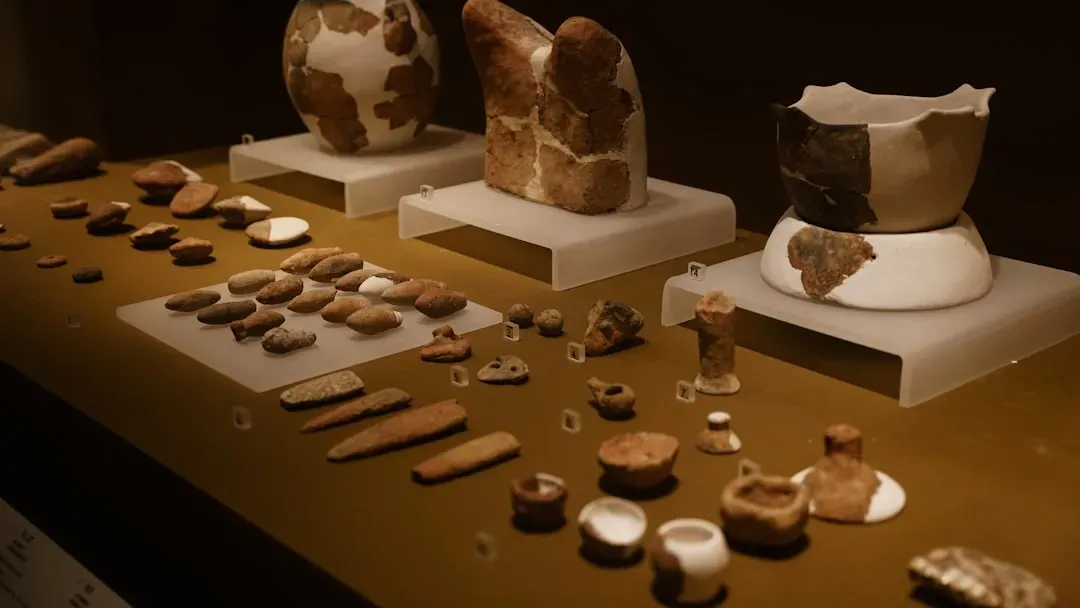
It can be tempting to treat unclassified artifacts as oddities, the archaeological equivalent of unsolved riddles filed away in museum drawers. But in practice, they act more like stress tests for our grand narratives about the peopling of the Americas and the development of complex societies. When a single object does not fit an expected pattern, it might simply be a quirk; when similar anomalies appear in region after region, it suggests that our models are missing something – perhaps a whole layer of cultural experimentation or regional diversity. Compared with older, more rigid frameworks that framed North American prehistory as a simple march from big-game hunters to farmers to city-builders, these mysterious finds point to a messier reality of overlapping traditions, failed experiments, and hybrid identities.
From a scientific standpoint, unexplained objects force archaeologists to refine their methods and challenge their assumptions. Questions raised by an unusual copper object or an odd burial assemblage can drive new radiocarbon dating campaigns, microscopic studies of tool edges, or collaborations with Indigenous knowledge holders who may recognize patterns academic typologies overlook. They also highlight how easily data can be skewed by which sites are excavated, which artifacts are saved, and how they are labeled. The broader importance goes beyond professional circles: these objects complicate national myths that have often preferred tidy timelines and simple origin stories. In a moment when public debates over history and identity can turn heated, the stubborn ambiguity of the archaeological record is a healthy reminder that the past is not a single straight story, but a chorus of voices – many of which we are only beginning to hear.
From Shovels to Scanners: The Future of Solving the Mysteries
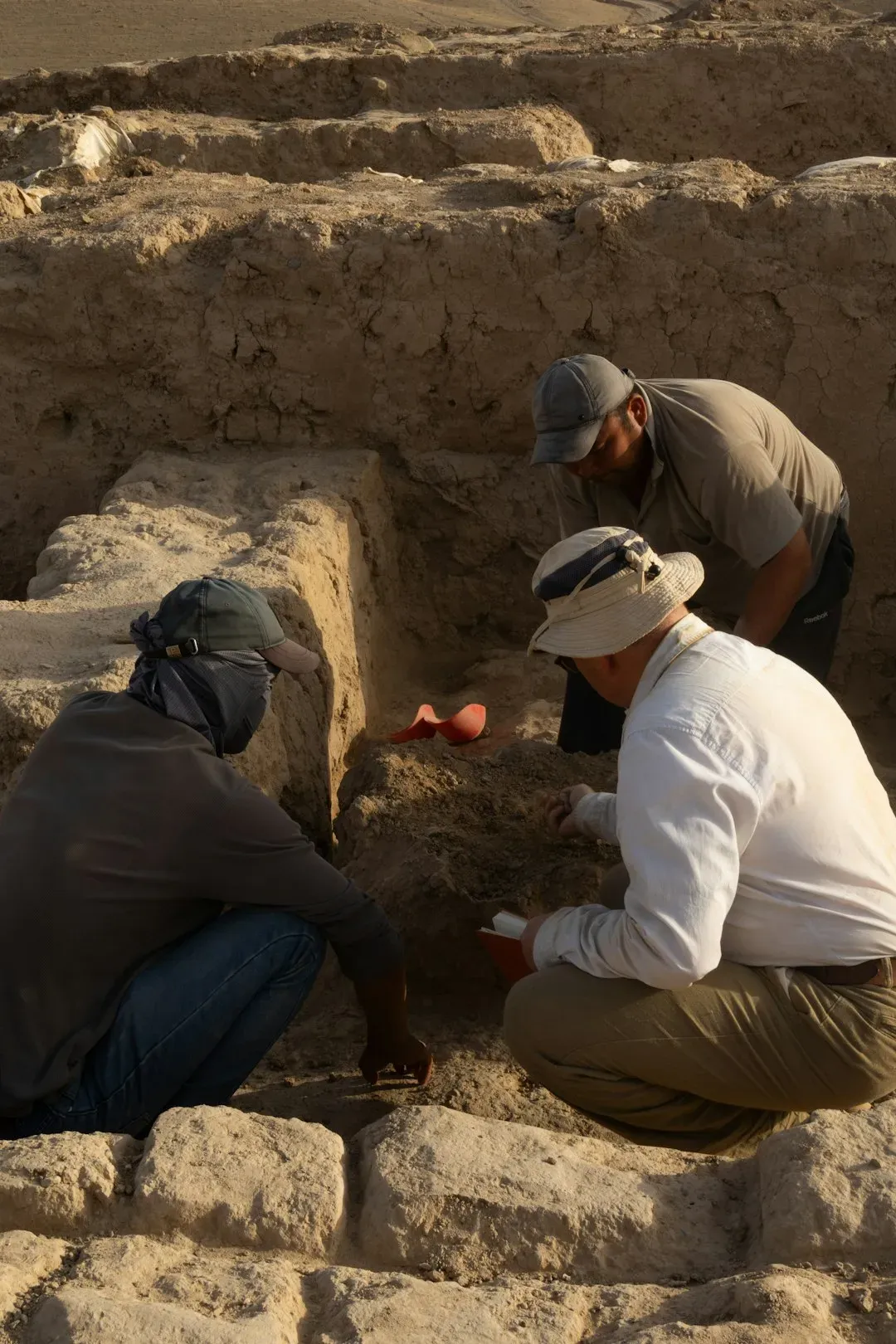
One reason so many of these objects remain unexplained is simply that the tools to investigate them did not exist a generation ago. Today, noninvasive methods like ground-penetrating radar, magnetometry, and drone-based imaging are helping researchers locate buried features and context before a single shovel goes into the soil. That context can make the difference between treating an artifact as an isolated curiosity and understanding its full life history within a settlement, ritual complex, or landscape. In the lab, techniques such as high-resolution 3D scanning, residue analysis, and isotopic fingerprinting are capable of revealing microscopic traces of use, origins of raw materials, and even aspects of diet and movement for the people who handled these objects.
Looking ahead, archaeologists expect advances in machine learning to play a bigger role in spotting patterns that the human eye might miss. Algorithms trained on thousands of known artifacts could flag unusual combinations or subtle stylistic links between objects scattered across distant collections. At the same time, collaboration with Tribal nations and descendant communities is reshaping which questions get asked and how artifacts are interpreted, with more attention to cultural responsibilities and to the possibility that some objects are not meant for public display or endless probing. There are also hard challenges: climate change, looting, and rapid development threaten to destroy sites before they can be properly documented, potentially erasing context that no technology can restore. The likely future is not one where every artifact is neatly explained, but one where the tools to investigate them are sharper, more ethical, and more responsive to the people whose histories are at stake.
How Readers Can Engage with America’s Deep Past
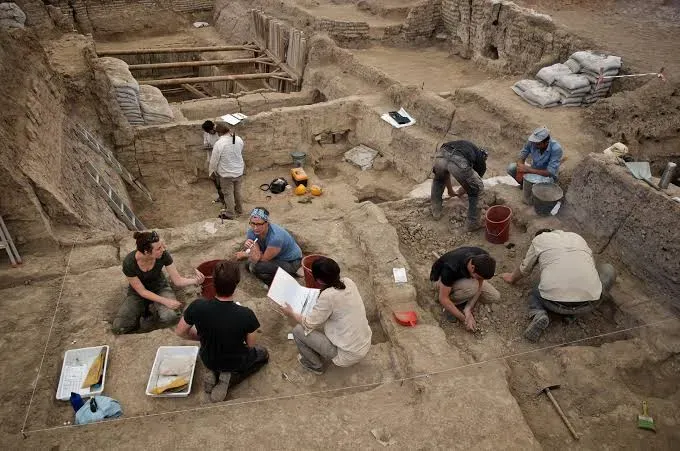
It is easy to assume that archaeology happens in remote deserts or behind closed doors in university labs, but ordinary people shape the fate of unexplained artifacts every day. Construction workers, farmers, hikers, and even curious kids turning over rocks in their backyard are often the first to encounter objects that do not belong to the present. Knowing when to stop digging, take a photo, and contact local authorities or Tribal offices can mean the difference between an artifact disappearing into a private curio cabinet and becoming part of a carefully documented discovery. Public support for museums, Tribal cultural centers, and state archaeological programs also matters, since these institutions maintain the collections, records, and expertise needed to study puzzling finds over decades rather than weeks.
There are also quieter forms of engagement that do not involve finding anything at all. Visiting smaller regional museums, reading exhibit labels closely, and attending talks by archaeologists or Tribal historians builds a more nuanced sense of how complex and contested the story of the past really is. When discussions arise about protecting sites from looting or development, informed citizens can push for policies that balance growth with preservation instead of assuming that history beneath the soil is expendable. Even something as simple as questioning sensational claims about supposed “out-of-place” artifacts encourages a healthier skepticism that supports real science rather than conspiracy. In a country built on layers of overlapping histories, paying attention to these unexplained objects is one small but powerful way to honor the people who came before – and to recognize how much of their world still lies just under the surface.
Suhail Ahmed is a passionate digital professional and nature enthusiast with over 8 years of experience in content strategy, SEO, web development, and digital operations. Alongside his freelance journey, Suhail actively contributes to nature and wildlife platforms like Discover Wildlife, where he channels his curiosity for the planet into engaging, educational storytelling.
With a strong background in managing digital ecosystems — from ecommerce stores and WordPress websites to social media and automation — Suhail merges technical precision with creative insight. His content reflects a rare balance: SEO-friendly yet deeply human, data-informed yet emotionally resonant.
Driven by a love for discovery and storytelling, Suhail believes in using digital platforms to amplify causes that matter — especially those protecting Earth’s biodiversity and inspiring sustainable living. Whether he’s managing online projects or crafting wildlife content, his goal remains the same: to inform, inspire, and leave a positive digital footprint.