
If you’ve ever sliced your finger cutting vegetables and then stared, half grossed out and half amazed, as the skin pulled itself back together in a few days, you’ve already seen your body’s quiet genius at work. But that’s just the obvious stuff. Modern research is showing that your body is constantly repairing, recalibrating, and cleaning house in ways that are far stranger and more impressive than a simple scab.
What surprised me most, digging into this science, is how often healing looks like controlled damage: tiny breaks in muscle, microscopic tears in DNA, even cells deliberately self-destructing for the greater good. It’s like your body is running a construction site inside you twenty-four hours a day – with demolition, cleanup, and rebuilding all happening at once. Let’s walk through ten of the most unexpected ways your body heals itself, many of which are quietly at work right now, whether you take care of yourself or not (though it definitely helps if you do).
Your Immune System Remodels Old Scars From the Inside
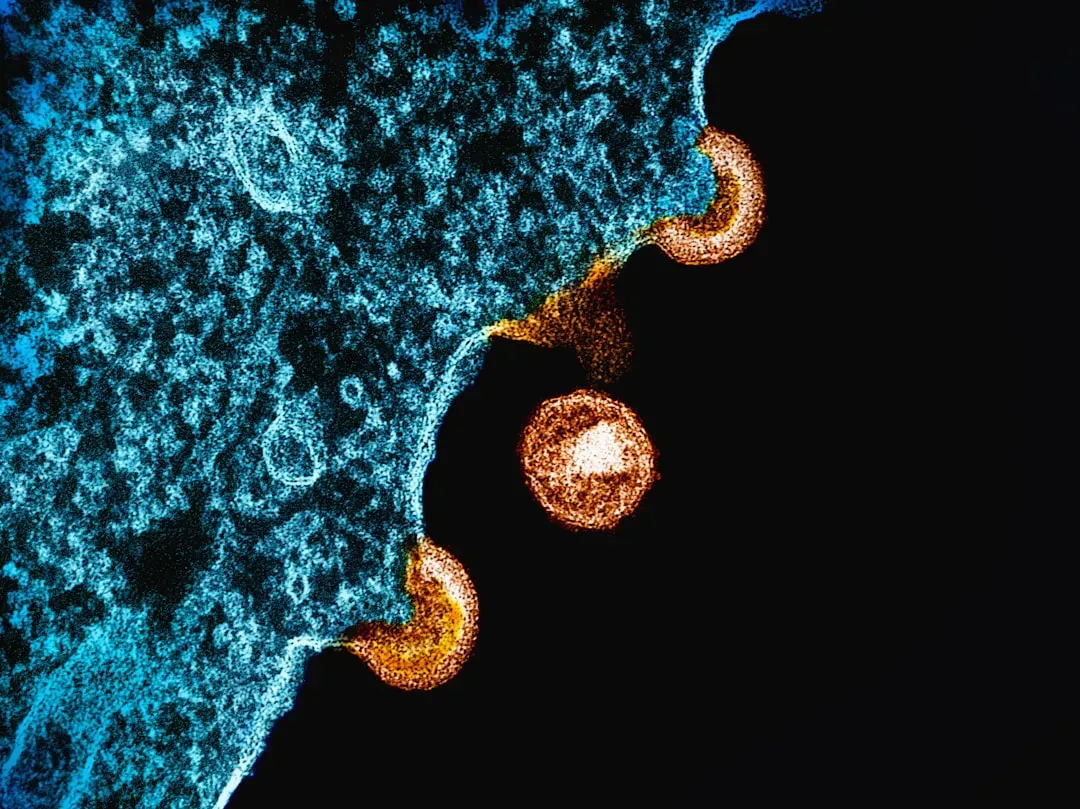
Most of us think of scars as permanent, like someone scratched your skin’s hard drive and the file can never be restored. New research suggests it’s not that simple. Under the surface, immune cells continue to patrol old injury sites, nudging scar tissue to soften and, in some cases, partially remodel over time. Macrophages, sometimes called the “cleanup crew” of your immune system, don’t just mop up debris; they also send signals that can tell fibroblasts when to lay down more collagen and when to calm down.
In plain language, that raised, stiff scar on your knee from childhood? It’s not frozen in time; there’s a quiet negotiation still happening between immune cells and tissue cells. Studies in skin and even heart tissue suggest that shifting the balance of certain immune messengers can change whether a wound ends up as a tough scar or something closer to normal tissue. This is why treatments that modulate inflammation – like silicone gel sheets, pressure therapy, or newer biologic drugs – can gradually change how a scar looks and feels, even months after it formed.
Your Gut Lining Rebuilds Like a Self-Resetting Wall

The lining of your gut is like a border crossing that’s open all day but still somehow secure. It has to let in nutrients while blocking bacteria, toxins, and half-digested chaos. To pull this off, your intestines replace their lining at a mind-bending pace: many of the cells on the inner surface only live for a few days before they’re shed and replaced. Stem cells buried in the base of tiny gut folds, called crypts, are constantly dividing and pushing fresh cells upward, like a conveyor belt of new wallpaper.
That means every time your gut gets mildly irritated – by a questionable takeout meal, a rough patch of stress, or a medication – it has a built-in reset button. Recent research links gut healing to a mix of signals from the microbiome, diet, and immune system. Certain gut bacteria even produce short-chain fatty acids that encourage repair and strengthen the barrier. It’s not magic; it’s nonstop renovation. When people talk about “healing their gut,” at a biological level they’re really talking about supporting this daily reconstruction project so it can run without constant emergencies.
Your Brain Quietly Rewires Around Injury and Stress
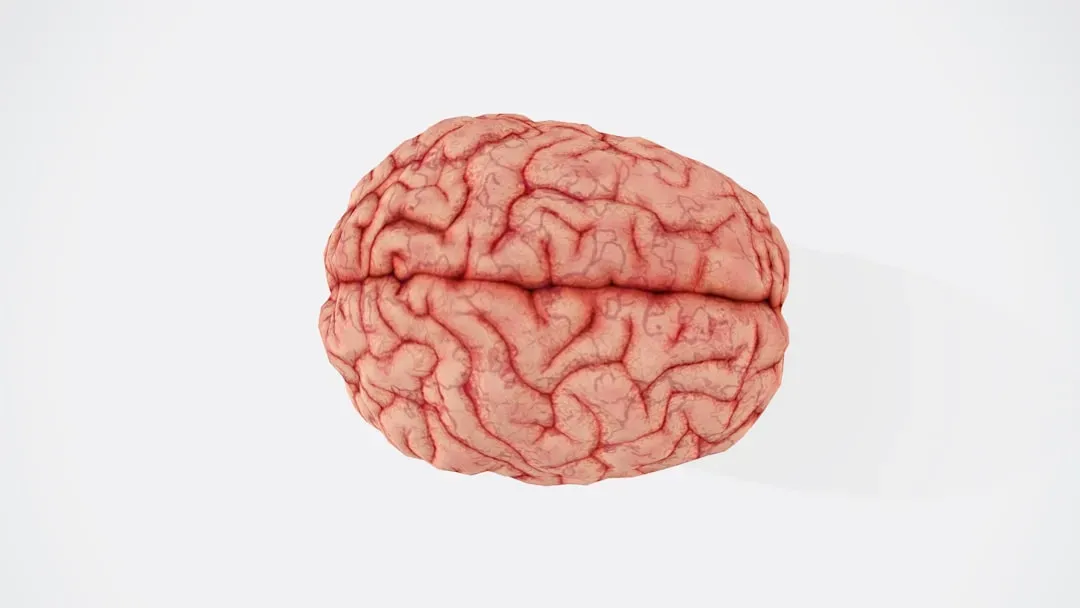
For a long time, people were told that brain cells don’t regenerate and whatever wiring you had by adulthood was basically your life sentence. That story is outdated. While neurons don’t regrow like skin or liver cells, your brain heals itself in a more subtle way: it re-routes, rewires, and strengthens alternate paths. This process, known as neuroplasticity, allows other regions to take over functions lost to small injuries, strokes, or chronic stress. It’s more like traffic detouring around a blocked bridge than rebuilding the bridge from scratch.
Therapies that repeat movements, sounds, or tasks tap into this plasticity and encourage the brain to lay down new connections. What’s especially unexpected is that even in later life, brains show this capacity to adapt. People who practice new skills – languages, music, balance exercises – seem to build up a kind of “backup network” that can soften the impact of age-related changes. At night, deep sleep and certain brain waves help fine-tune these circuits, pruning some connections and reinforcing others, like a gardener shaping a tangled hedge into something more functional.
Your Microbiome Acts Like a Repair Partner, Not Just a Passenger
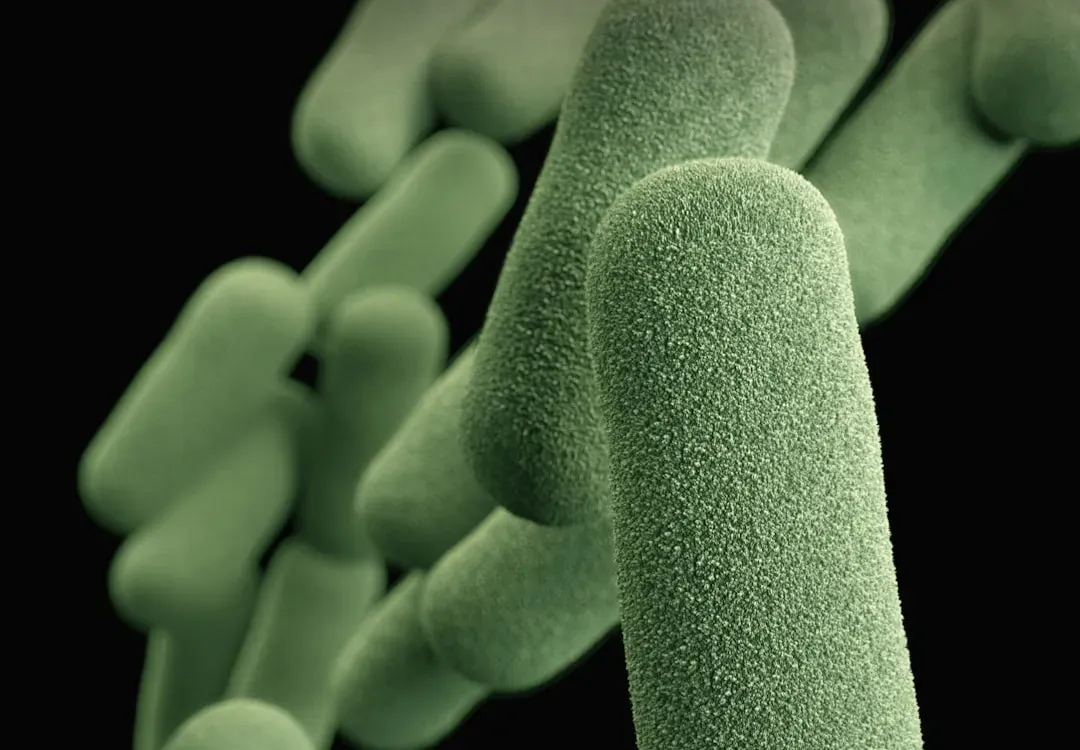
We grow up hearing that germs are the enemy, but a huge portion of the microbes living on and inside you are actually part of your healing team. The bacteria in your gut, on your skin, and in your mouth produce molecules that talk directly to your immune system and your cells. Some strains help control inflammation so it doesn’t burn out of control during an infection or after an injury. Others make vitamins, support the gut barrier, or compete with harmful bacteria so they can’t take over when you’re vulnerable.
When your microbiome gets shaken up – after antibiotics, illness, or a big diet change – it often finds a way to bounce back toward balance. Diversity tends to return over time, especially if you’re eating fiber-rich foods and not constantly hammering it with ultra-processed junk. Research in the last few years has even shown that certain microbes seem to boost the effectiveness of cancer treatments and help reduce side effects by guiding how the immune system responds. It’s less that your body heals alone, and more that it’s in a long-term partnership with trillions of tiny, mostly helpful tenants.
Your DNA Has Built-In Repair Crews Patrolling for Damage
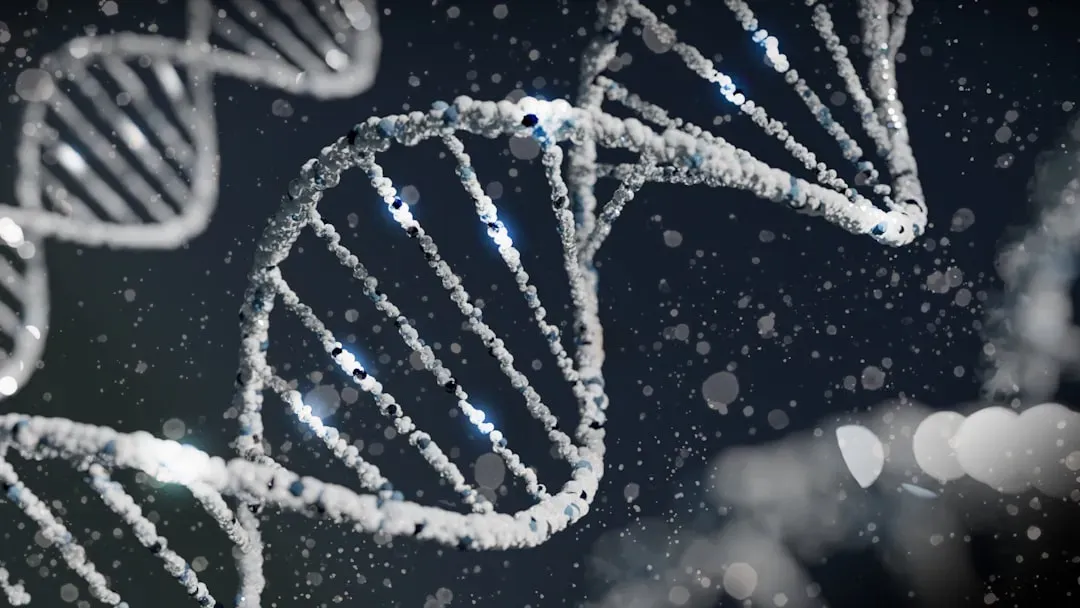
Every day, your DNA takes a beating from sunlight, pollution, normal metabolism, and just plain bad luck. If nothing fixed this damage, your cells would quickly become dysfunctional or cancerous. Instead, your body runs multiple DNA repair systems around the clock. Some scan for broken strands and stitch them back together, others patch individual bases, and still others pause the cell cycle so errors can be corrected before a cell divides. It’s like having several layers of proofreading on the most important document you own.
Newer research has revealed that lifestyle choices can subtly affect how well some of these repair processes work. Chronic sleep deprivation, for example, has been linked to poorer clearance of certain kinds of cellular stress, while regular exercise seems to encourage more efficient DNA maintenance in some tissues. You don’t consciously feel any of this happening, of course, but when you recover from a sunburn without developing skin cancer, you’re seeing the end result of these microscopic rescue missions. The fact that most of your cells remain stable over decades, despite constant hits, is a quiet everyday miracle.
Your Bones Are Constantly Broken Down and Built Back Stronger
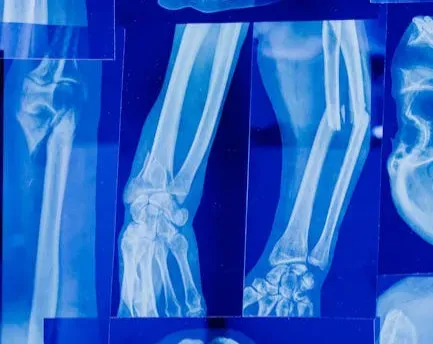
We tend to think of bones as rigid, static sticks holding us up, but they’re actually living, dynamic tissue. Tiny cells called osteoclasts are always nibbling away at old, micro-damaged bone, while osteoblasts lay down fresh mineral-rich matrix behind them. This remodeling speeds up in areas that bear more weight or stress, which is why strength training and impact exercise can lead to denser, stronger bones – your skeleton is literally listening to your lifestyle and adjusting.
When you fracture a bone, the body ramps this process into overdrive. Blood clots form a temporary bridge, specialized cells invade, and a soft callus of cartilage appears before being replaced by harder bone. Over months, the remodeled bone can become as strong, or in some cases stronger, than before. What’s surprising is that even without a dramatic injury, your bones are constantly healing countless microscopic cracks caused by daily life. If they didn’t, every step and jump would slowly shred your skeleton like stress fractures in an overused bridge.
Your Liver Regenerates Like a Built-In Backup Organ
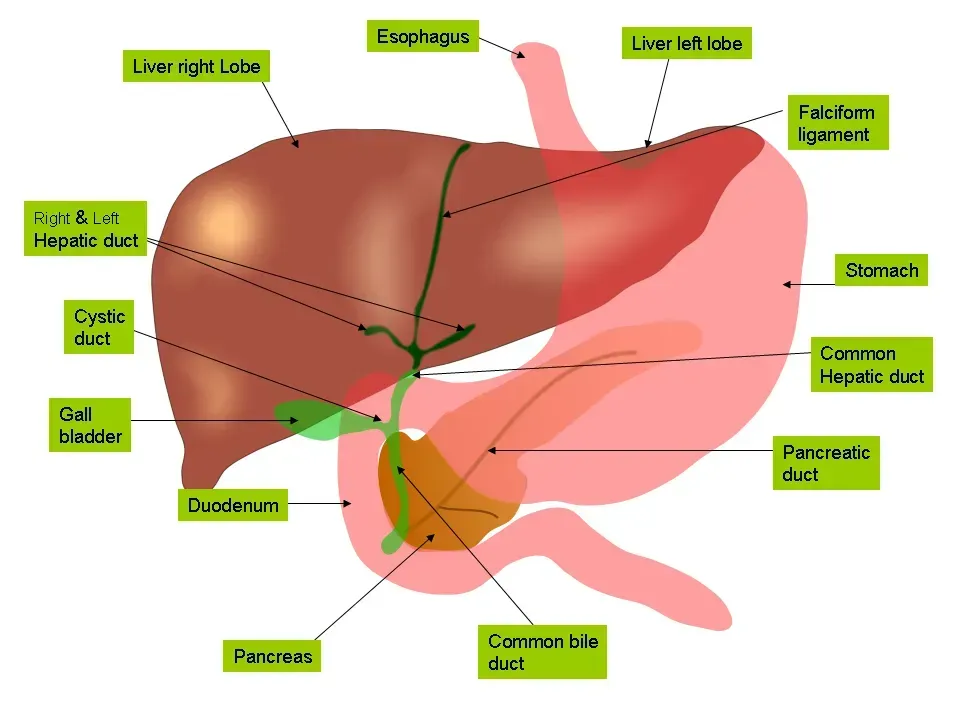
The liver is the overworked, underappreciated multitasker of your body. It filters toxins, processes nutrients, manages hormones, and more. What sets it apart from most organs is its ability to regenerate. If a portion of the liver is damaged or removed, the remaining cells can grow and divide until the organ regains its mass and much of its function. It’s less like a lizard regrowing a tail and more like a neighborhood of houses expanding to fill empty lots after a storm.
Of course, that doesn’t mean the liver is invincible; chronic heavy drinking, viral hepatitis, and long-term fat accumulation can overwhelm its repair abilities and lead to scarring, known as cirrhosis. But the same organ that takes the hit from a rough weekend or a course of strong medication also works behind the scenes to restore balance once the assault stops. Recent advances in imaging and molecular biology are revealing how liver cells switch gears between everyday work and emergency regeneration, which may lead to new treatments that help the organ recover earlier, before damage becomes permanent.
Your Sleep Cycles Act Like an Overnight Cleanup and Repair Service

Sleep can feel like a waste of time when you’re busy, but biologically, it’s when a ton of repair work happens. During deeper stages of sleep, your body releases growth hormone and other signals that support tissue repair, muscle recovery, and immune function. At the same time, inflammatory chemicals that rise during the day often fall. It’s a controlled ebb and flow that lets your system recover from the small hits of daily life, from a tough workout to emotional stress.
In the brain, sleep triggers a kind of rinse cycle. The spaces between brain cells expand slightly, and cerebrospinal fluid washes through, helping clear out metabolic waste products. Some of these leftovers, when allowed to build up chronically, have been linked to neurodegenerative diseases. So while you might feel like you’re just knocked out and dreaming weird stuff, your body is actually running a night shift crew – repairing, cleaning, recalibrating hormones, and preparing you to face another round of sunlight, gravity, and other humans.
Your Skin Uses Controlled Inflammation to Repair Micro-Insults
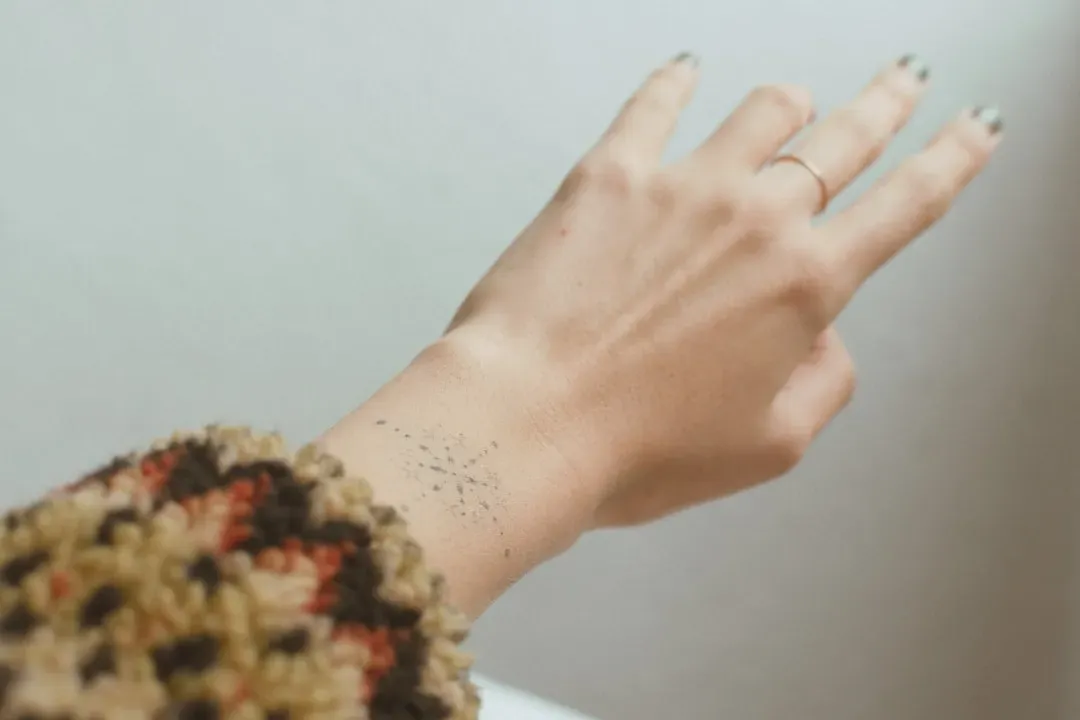
Even on a day when you never cut, scrape, or obviously injure yourself, your skin is getting dinged constantly. Sunlight, friction from clothing, dry air, and pollution cause tiny injuries you never see. Your body responds with little bursts of controlled inflammation that bring in immune cells and growth factors to fix the problem before you ever notice. This is happening at a microscopic level all the time, especially on exposed areas like your face and hands.
When a wound is more obvious – a paper cut, a popped pimple, a razor nick – this same system just scales up. Blood vessels widen, platelets form a plug, and specialized cells start coordinating the rebuilding of the outer barrier. New science suggests that how quickly your skin turns off that inflammation is just as important as how strongly it turns it on. If the “on” switch gets stuck, healing stalls and chronic issues like eczema, acne, or slow-healing wounds can develop. Healthy skin is less about perfection and more about agile, well-timed repairs.
Your Body Prunes Damaged Cells With a Built-In Recycling Program
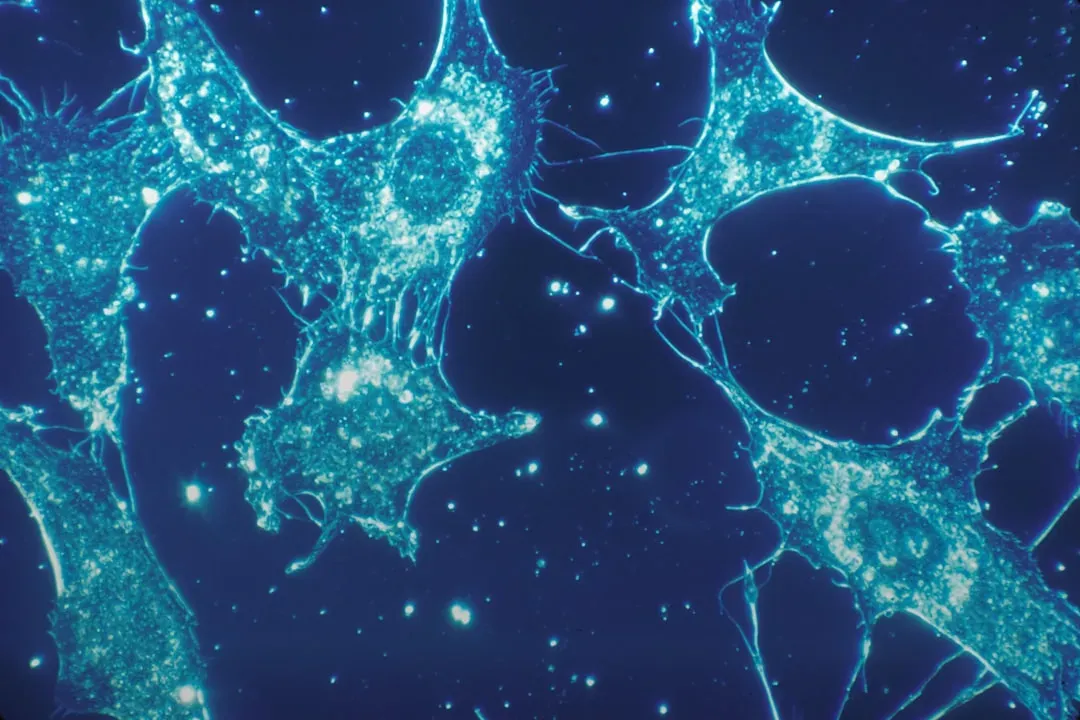
Not all healing is about patching things up; sometimes the safest move is to tear something down and start fresh. Your body uses processes like apoptosis (programmed cell death) and autophagy (cellular self-cleaning) to remove damaged or dangerous cells before they cause trouble. In apoptosis, a cell basically receives a kill signal, packages itself neatly, and lets immune cells carry it away. In autophagy, cells digest and recycle their own worn-out parts, using the raw materials to rebuild healthier components.
This isn’t just some obscure lab concept – it’s happening in your muscles after a workout, in your immune system after an infection, and in your organs as they adapt to changes in diet or hormones. Research in the last decade has tied efficient autophagy to healthier aging and better resilience to stress, while failures in these systems are linked to conditions like cancer and neurodegenerative diseases. It’s a bit brutal when you think about it, but this quiet, ruthless cleanup is one of the main reasons your body can keep going for decades without collapsing under its own cellular clutter.
Conclusion: Your Body Is Less Fragile – and More Active – Than It Feels

When you zoom out and look at all these repair systems working together – DNA repair, brain rewiring, microbiome support, bone and liver regeneration, overnight cleanup cycles – it becomes hard to see your body as fragile glass. It’s more like a well-run city constantly fixing potholes, upgrading power lines, rerouting traffic, and quietly tearing down unsafe buildings before anyone gets hurt. You notice the big repairs, like a broken bone or a major illness, but the majority of healing never shows up on your radar at all.
That doesn’t mean you can treat your body like a rental car and expect no consequences; even the best repair crews burn out if the damage never stops. But it does mean that every time you sleep a bit more, choose food that feeds your gut, move your body, or manage stress even slightly better, you’re giving these systems room to do what they’re already trying to do: keep you going, day after day. Knowing all this, does it change how you see the quiet work your body is doing for you right now?