
If you think communication is all about words, phones, and emojis, the animal world is about to blow your mind. Beneath the obvious roars, chirps, and barks, there’s an entire secret universe of messages being sent in ways we barely notice: through electricity, color changes, tiny vibrations, and even carefully timed silence. Once you start to see it, every walk outside feels less like a quiet stroll and more like stepping into a crowded, buzzing conversation.
I still remember the first time I learned that some fish literally talk with electricity – it felt like discovering a hidden language under the surface of a lake. Since then, every strange animal behavior I come across makes me wonder: what are they really saying to each other? Here are ten of the most surprising, almost unbelievable ways animals communicate, each one a reminder that we’re not nearly as special or alone in our “cleverness” as we like to think.
1. Electric Fish That Talk In Sparks
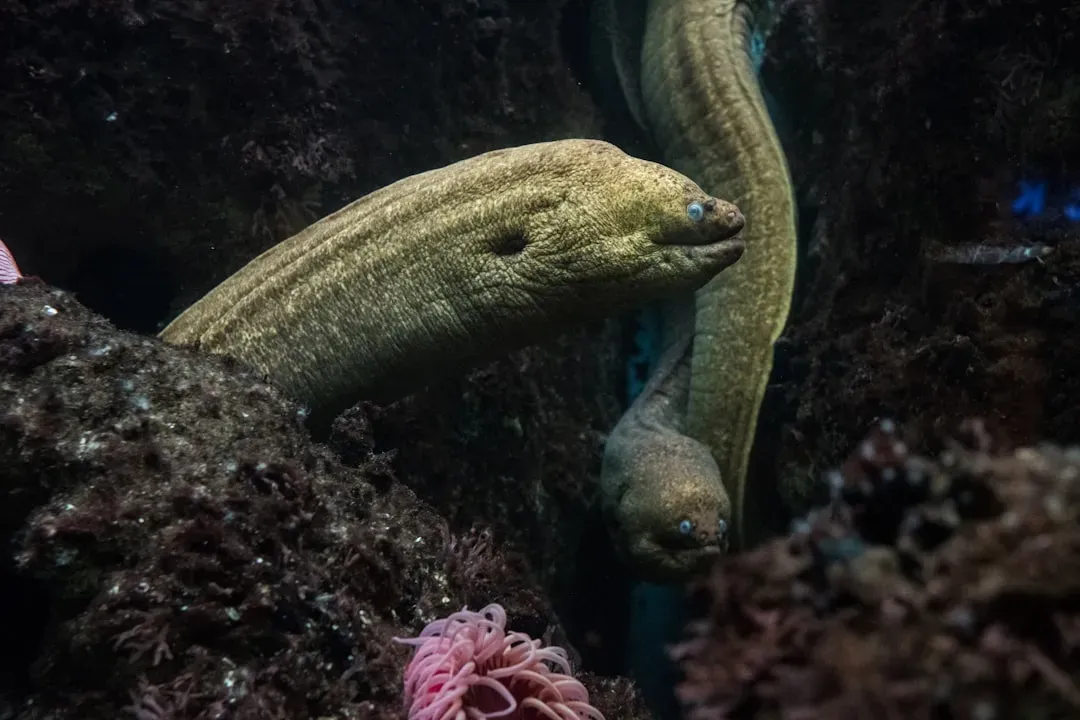
It sounds like science fiction, but some fish use electricity the way we use text messages. Weakly electric fish in Africa and South America, like elephantnose fish and knifefish, generate small electric fields around their bodies and then change the pulses to send different signals. A faster rhythm can mean excitement or aggression, while a slower pattern may signal calm or even courtship. They’re not just zapping blindly; they’re shaping a coded electric conversation in the dark.
This system is especially powerful in murky waters where vision is almost useless. The fish can sense each other, avoid obstacles, and even identify specific individuals based on their unique electric “signature.” Imagine if every time you walked into a room, your presence made a subtle glow that your friends could instantly recognize. For these fish, a silent river at night is actually full of invisible chatter.
2. Bees Dancing Detailed Directions
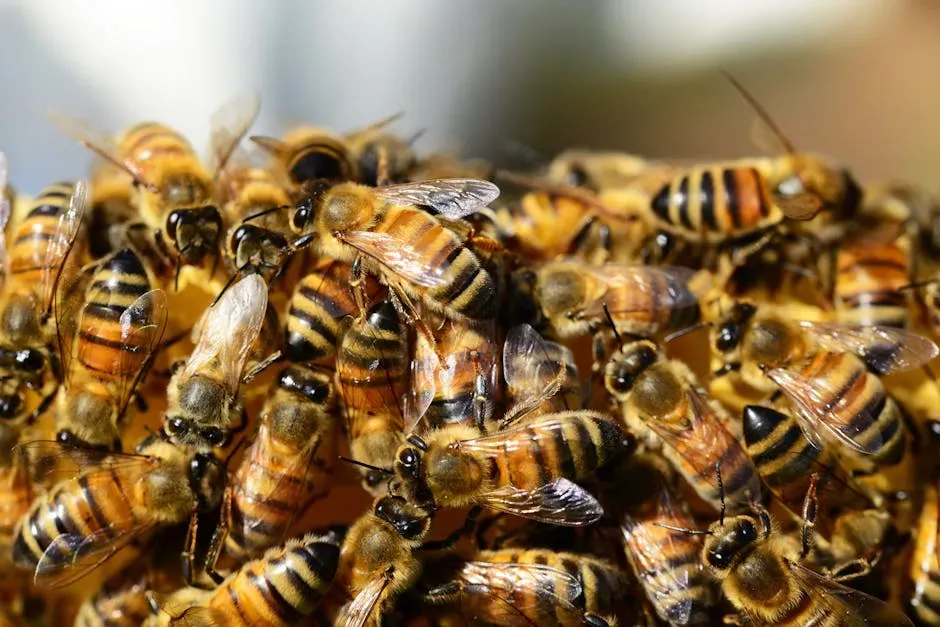
You’ve probably heard of the “waggle dance,” but the reality is far stranger and more precise than it sounds. Honeybees use a specific pattern of shaking, turning, and running in circles on the comb to describe exactly where food is located outside the hive. The angle of the waggle in relation to gravity tells other bees which direction to fly relative to the sun, and the duration of the waggle can signal how far the reward is. It’s like a living, vibrating GPS pinned onto a wax floor.
What’s astonishing is how bees adjust this dance as the sun moves across the sky, constantly recalculating what “this direction” means. Other bees watch, feel, and sometimes even bump the dancer, then launch into the air and actually find the advertised spot. Think about that: a brain smaller than a grain of rice encoding distance, direction, and even resource quality with a short dance on a dark surface. It makes our tendency to get lost with a full map app feel a bit humbling.
3. Octopus Skin That Speaks In Color And Texture
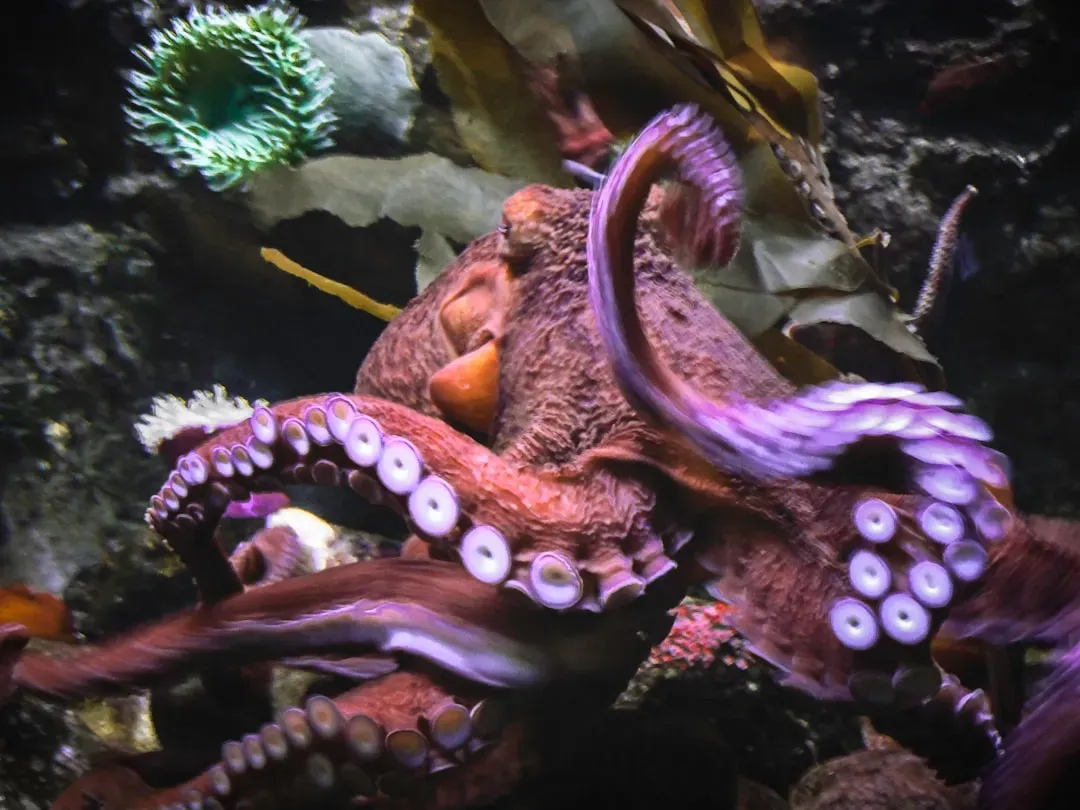
Octopuses don’t just blend in – they broadcast moods, intentions, and warnings through their skin like living billboards. Tiny pigment cells called chromatophores expand and contract to shift colors in milliseconds, while specialized muscles can raise or flatten skin to create bumps, ridges, or a smooth surface. A calm octopus might drift in muted browns, but an annoyed one can flash sharp contrasts of white and dark that scream “back off” without making a sound.
Researchers have watched octopuses change patterns in social situations, sometimes displaying one message toward a rival and another toward a potential mate at the same time. They can create moving stripes, rippling waves, or sudden color bursts that travel across their body like a mood running down their arms. It’s as if their entire skin is a living mood ring mixed with a digital screen, constantly updating their status to anyone paying attention underwater.
4. Ants Laying Invisible Scent Maps
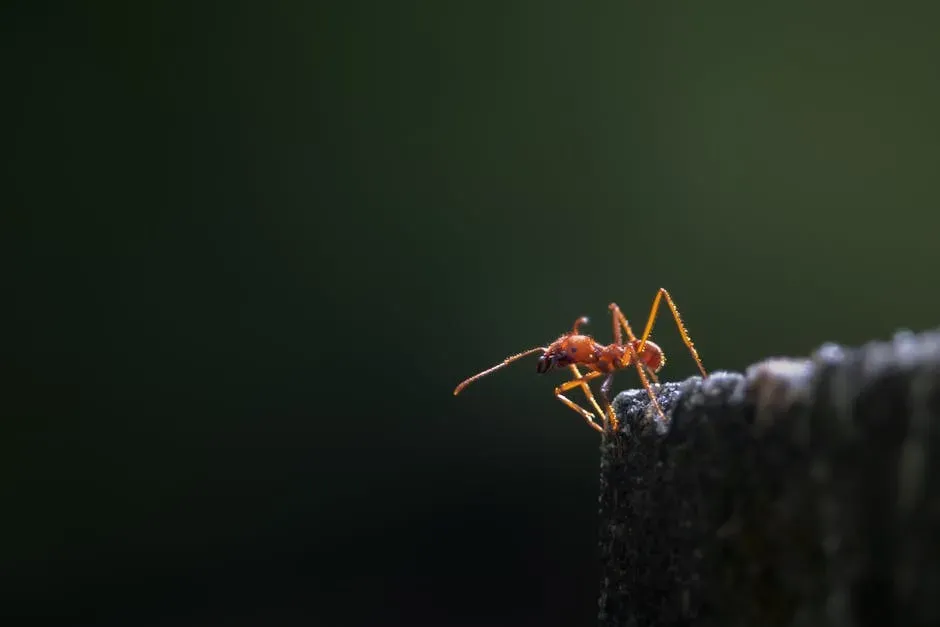
Ants may look like aimless dots on a sidewalk, but a lot of what’s happening is completely invisible to us. They use chemical trails – pheromones – to guide each other to food, alert the colony to danger, and even mark which paths are “approved” highways and which are dead ends. When an ant finds food, it lays down a scent line back to the nest, and other ants follow, reinforcing that path with more scent. Over time, the shortest and most efficient routes become chemically brighter, while less useful ones fade away.
Inside the nest, different pheromones signal roles, mating status, and even who should care for which brood. To an ant, the world is soaked in smells layered over time, like a constantly updated map drawn in invisible ink. We see chaos; they sense a well-organized city of scented streets and signposts. It’s a little like traffic lights and road signs for us, just completely hidden from our eyes and locked into their noses.
5. Spiders Using Webs As Vibrating Telephones
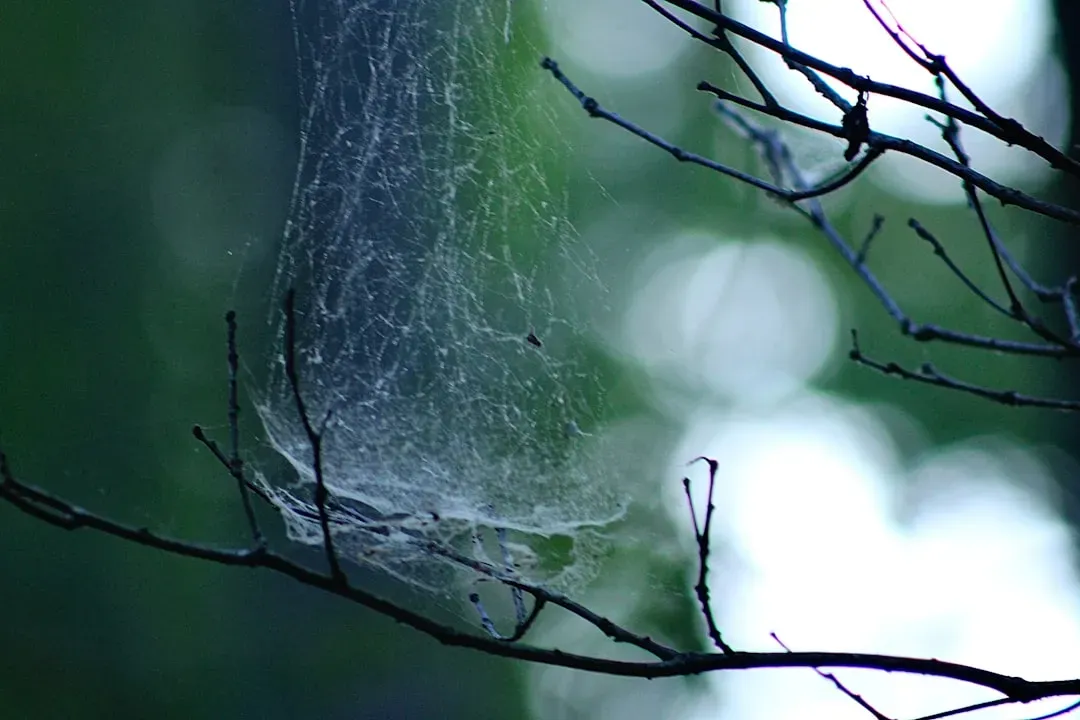
For many spiders, the web isn’t just a hunting tool – it’s also a communication line. Spiders can detect incredibly subtle vibrations traveling through silk, telling them if a disturbance is from wind, a struggling insect, a curious bird, or a potential mate. Some species even “tune” their webs by tightening or loosening certain threads, adjusting sensitivity like changing the tension on a guitar string. Each kind of vibration carries a different message that the spider can read with remarkable precision.
Male spiders often send carefully patterned vibrations to females, essentially tapping out a “please don’t eat me, I’m here to court you” rhythm. These courtship signals can involve specific pauses, intensities, and directions that travel through the web like a coded knock on a door. The idea that a creature can sit motionless in the center of a web and feel the world’s events as vibrations – a bug’s last struggle, a lover’s arrival, a leaf’s soft fall – is both eerie and beautiful at the same time.
6. Bats Reading Space With Ultrasonic Calls
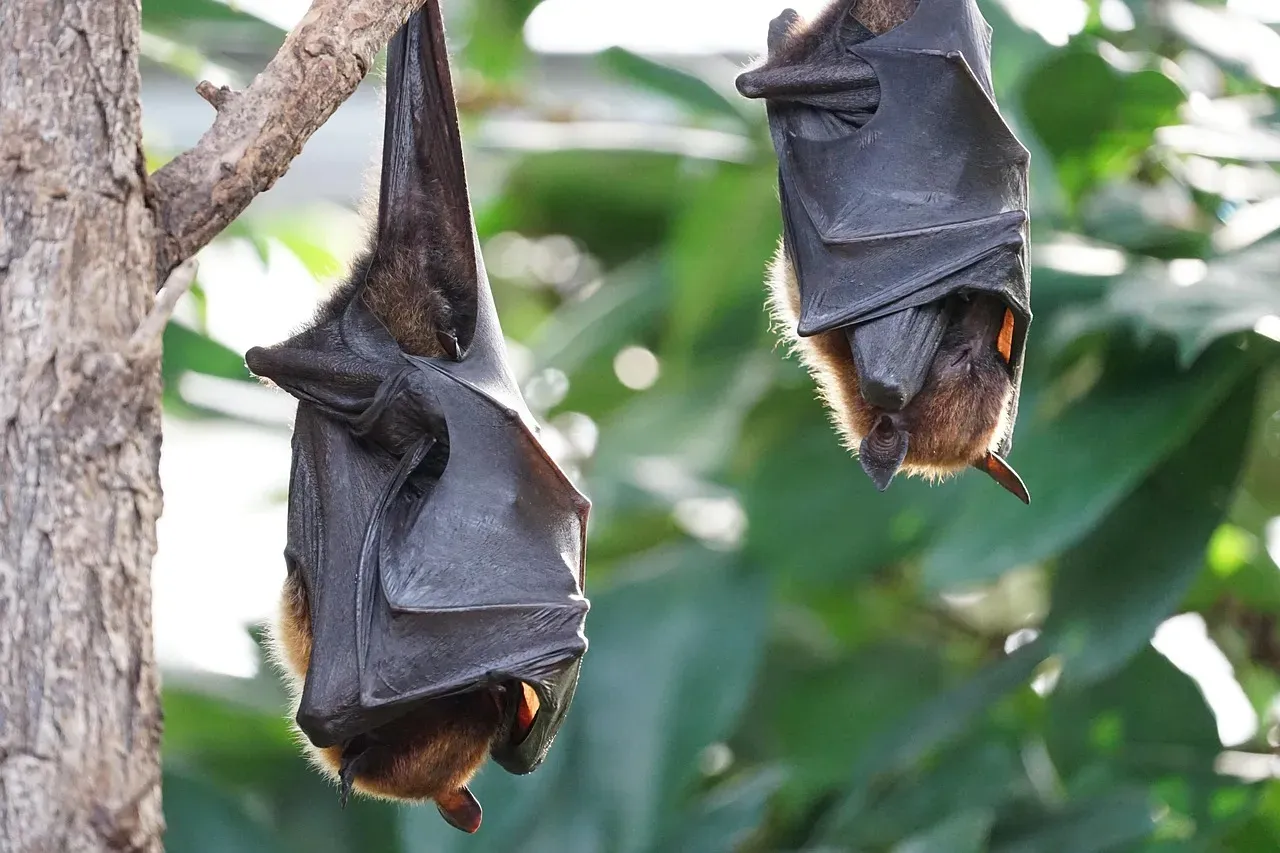
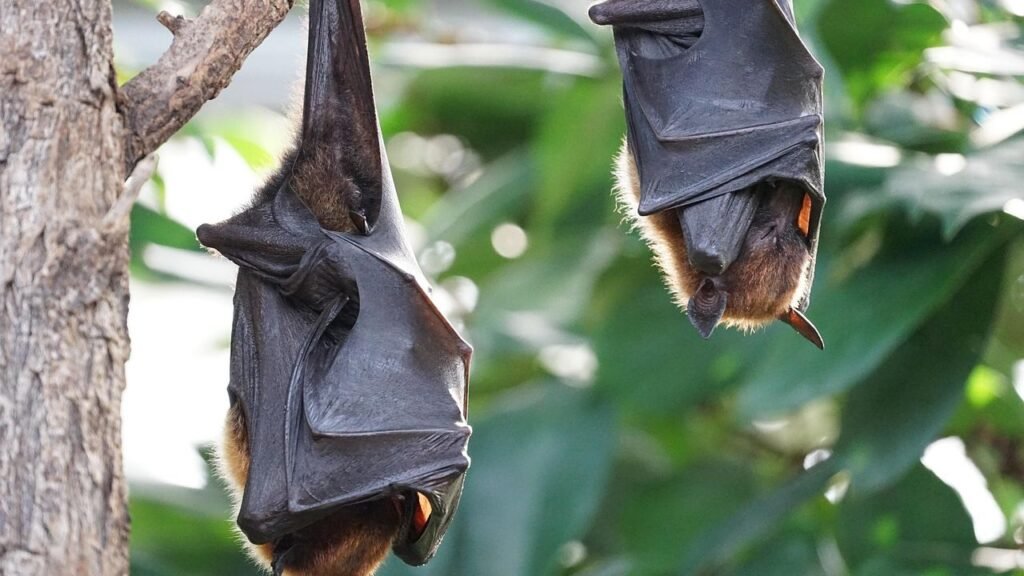
Bats famously use echolocation to navigate, but it’s easy to underestimate just how complex and communicative those ultrasonic calls really are. They emit high-frequency sounds, far above what humans can hear, then analyze the returning echoes to construct a detailed acoustic map of the world. Slight changes in pitch, timing, and repetition rate can reflect not just where objects are, but their size, texture, and speed. It’s a bit like constantly shouting into a canyon and instantly decoding the echo into a 3D blueprint.
On top of that, many bat species modulate their calls in ways that carry social meaning. Some calls are used to keep groups together in the dark; others signal aggression over feeding spots or help mothers and pups identify each other. In crowded airspace, bats can even adjust call frequencies to avoid “jamming” one another, like pilots changing radio channels midflight. The night sky, to them, isn’t silent at all – it’s full of overlapping, high-speed acoustic messages we can’t even begin to hear without specialized equipment.
7. Prairie Dogs Using A Remarkably Detailed “Alarm Language”
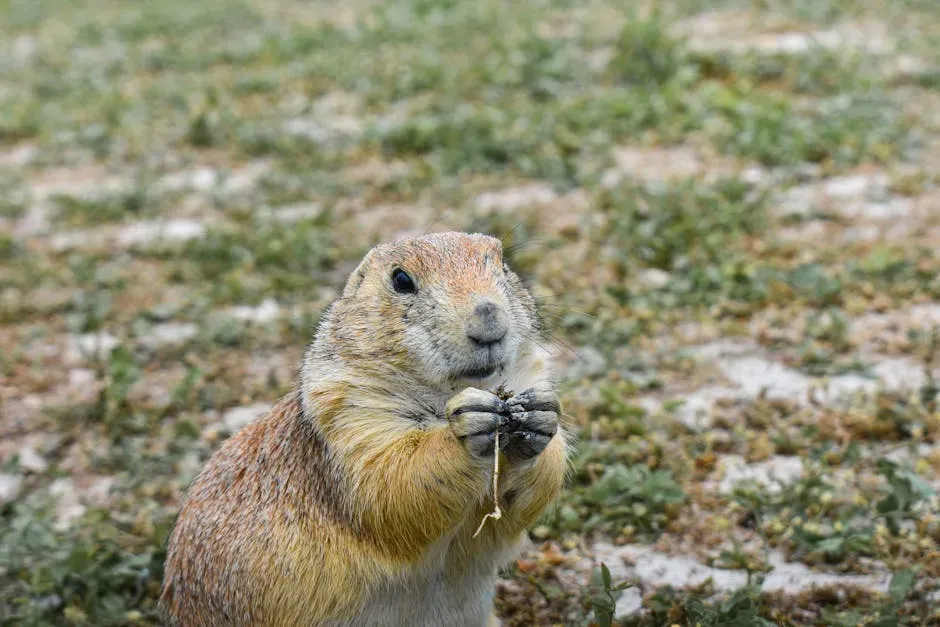
Prairie dogs look cute, but the way they call out danger is startlingly sophisticated. Their alarm calls aren’t just generic shouts of “predator!” – they contain specific information about what kind of threat is coming, how fast it’s moving, and even subtle physical details like size and shape. Experiments have shown that they produce noticeably different call structures for, say, a human in a blue shirt versus one in a yellow shirt. To the rest of the colony, these differences seem to matter.
When a predator approaches, the colony can react in nuanced ways depending on what the call implies: diving underground immediately for a fast hawk, or standing upright and scanning for a slower-moving coyote. It’s as if someone yelled not just “look out!” but “tall person jogging from the north wearing red” in one breath. Watching a whole colony coordinate in response to these layered calls makes the dusty grassland feel like a neighborhood wired with a surprisingly efficient early-warning system.
8. Whales Sending Songs Across Oceans
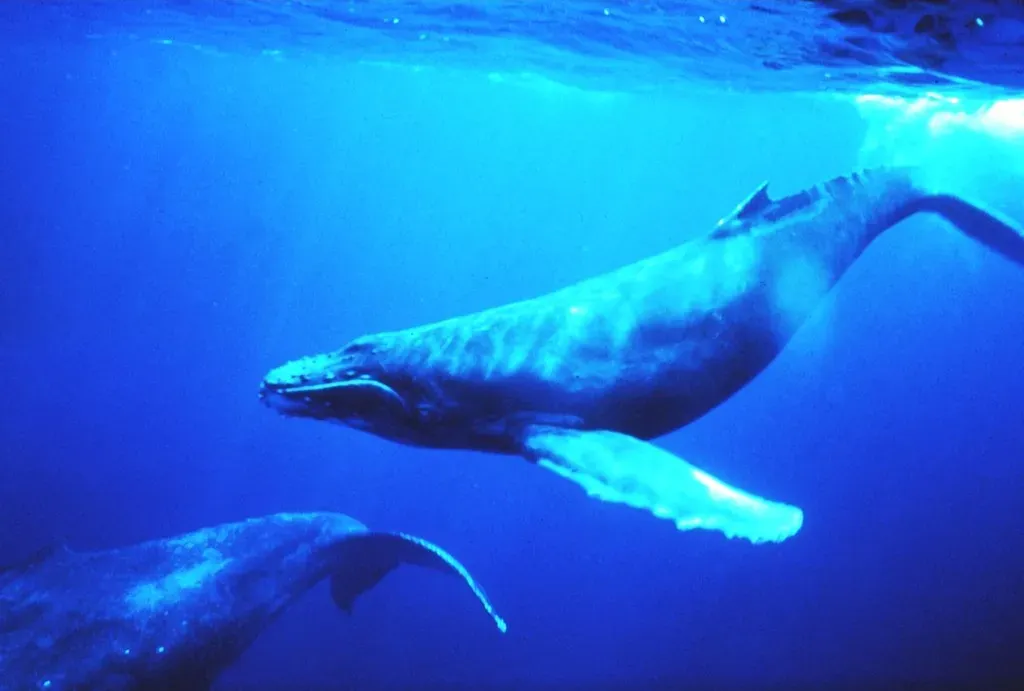
Whales, especially humpbacks, are famous for their haunting songs, but the scale of this communication is still profound when you actually picture it. These songs can last for minutes to hours and are made up of repeated phrases that form intricate patterns, evolving over months and years. Low-frequency sounds used by some large whales can travel over huge distances underwater, sometimes across entire ocean basins, thanks to how sound moves through seawater. One whale’s call can, in the right conditions, reach others far beyond the horizon.
Some species show regional “dialects” and songs that change over time, almost like cultural trends spreading through populations. Males often sing during breeding seasons, but the precise purpose – whether it’s to attract mates, compete with rivals, coordinate movement, or all of the above – is still being debated. What’s clear is that oceans we think of as vast, empty blue deserts are crisscrossed by long-distance acoustic signals. Picture a world where your voice could roll over continents like a slow sonic wave – that’s normal life for them.
9. Fireflies Synchronizing Their Flashes Like Light Conversations
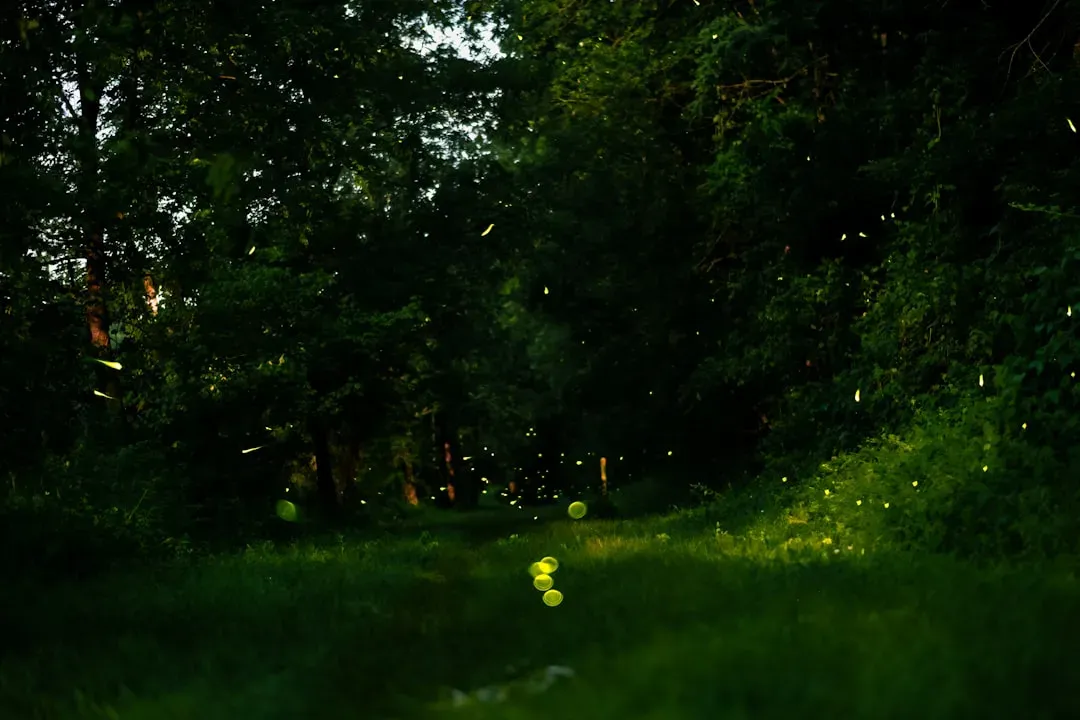
On a warm summer night, seeing a few fireflies blinking in the dark feels magical, but some species take it much further and synchronize their flashes in massive groups. Each male sends a patterned series of flashes to attract females, and when enough of them gather, the pulses can fall into rhythm, creating waves of light washing across trees and fields. It looks almost like a natural light show, but behind it sits a very practical mating conversation in coded timing and pattern choices.
Females often reply with subtle, delayed flashes of their own, and specific timing differences can indicate which male they’re answering. In some species, rival males will adjust their patterns to stand out, speeding up or changing the tempo slightly. Humans use stadium wristbands or drone shows to create synchronized light displays; these insects do it with tiny bodies and simple neural circuits, turning forests into glowing, pulsing chat rooms where every flash means something.
10. Ravens And Crows Using Tools As Messages
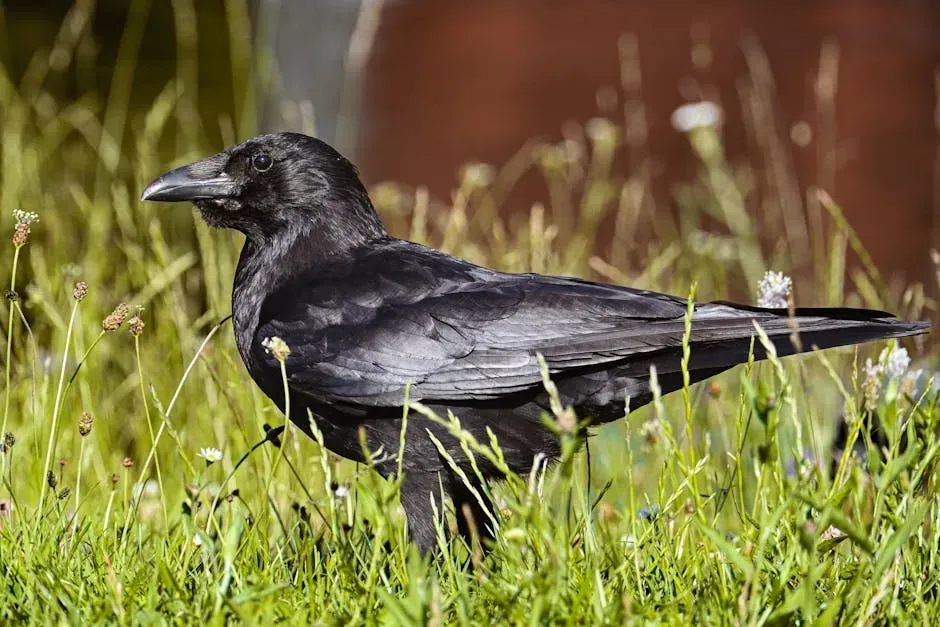
Ravens and crows are already known for their problem-solving abilities, but their communication goes beyond caws and calls. They can use tools – sticks, leaves, even bits of wire – to get food, and there’s growing evidence that how and when they use these tools can act as a kind of social signal. Young birds often watch experienced ones manipulate objects, learning not only techniques but also where the good food spots and safe areas are. In a way, each smart tool use is both a solution and a performance others can learn from.
They also seem to remember humans who treat them well or badly, sometimes sharing this knowledge with other birds in the area through specific alarm calls and group behavior. If a person consistently feeds them, they may gather or approach more boldly; if someone threatens them, groups may actively mob or avoid that individual for years. It feels uncomfortably close to gossip: who is dangerous, who is generous, who is worth following. For a bird perched on a lamppost, the city below isn’t anonymous at all – it’s a network of reputations and silent, watchful judgment.
Conclusion: A Planet Buzzing With Hidden Conversations
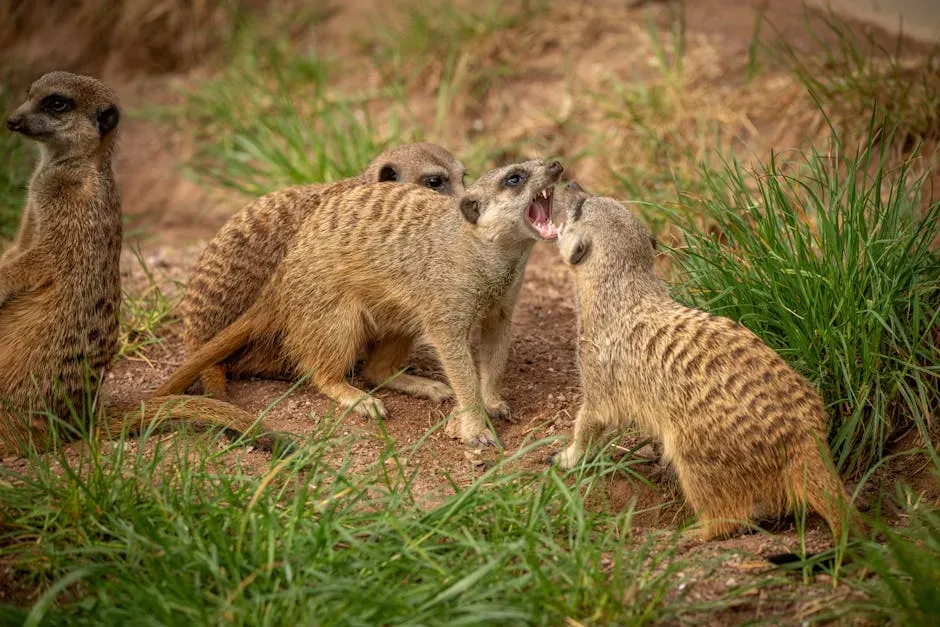
Once you see how wildly creative animals are in the ways they send and receive messages, it becomes hard to think of Earth as a quiet place. Electric fields humming in muddy rivers, pheromone highways underfoot, vibrating webs, and color-shifting skin are all different answers to the same basic problem: how do I make myself understood in this particular world, with this particular body? Our language is just one branch on a much bigger communication tree.
The next time you watch birds arguing at a feeder, bees hovering around flowers, or ants marching along a crack in the pavement, it might be worth pausing and wondering what messages are passing right under your radar. The world hasn’t suddenly become louder; you’ve just learned to suspect the conversations hiding in plain sight. What other silent languages do you think we’re still missing?