
When you picture pest control, you probably imagine exterminators with spray bottles or sticky traps scattered around your home. But nature has been perfecting the art of pest management for millions of years, long before humans even existed. From the tiniest insects to surprisingly large mammals, our planet is filled with creatures that dedicate their entire lives to keeping harmful pests in check. These natural predators don’t just hunt for survival – they’re actually maintaining the delicate balance that keeps entire ecosystems healthy and thriving.
The Tiny Powerhouse: Ladybugs
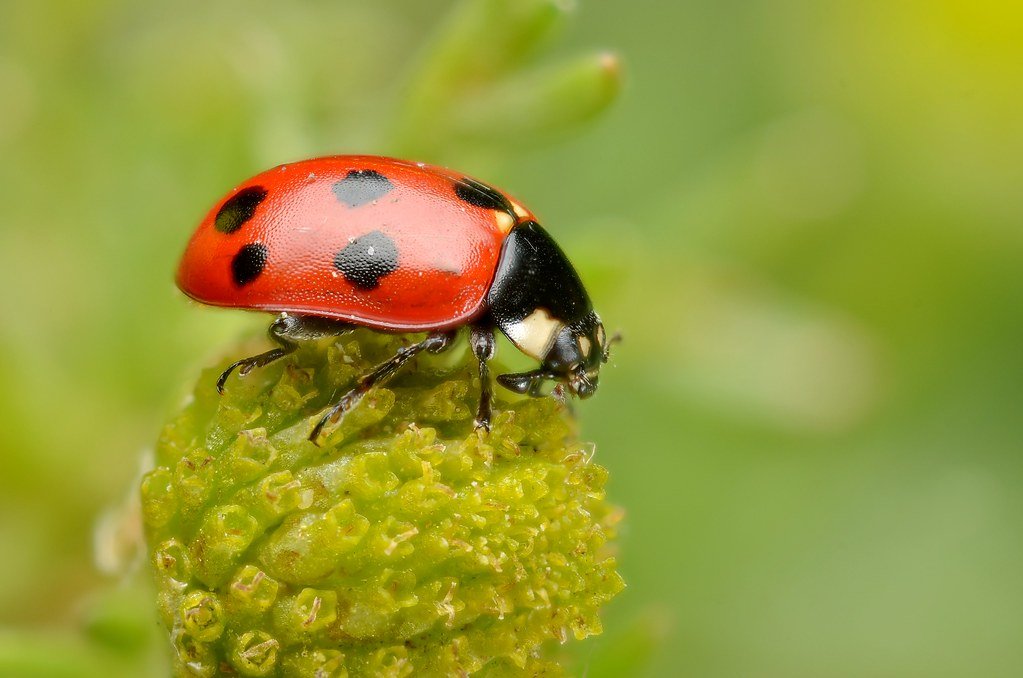
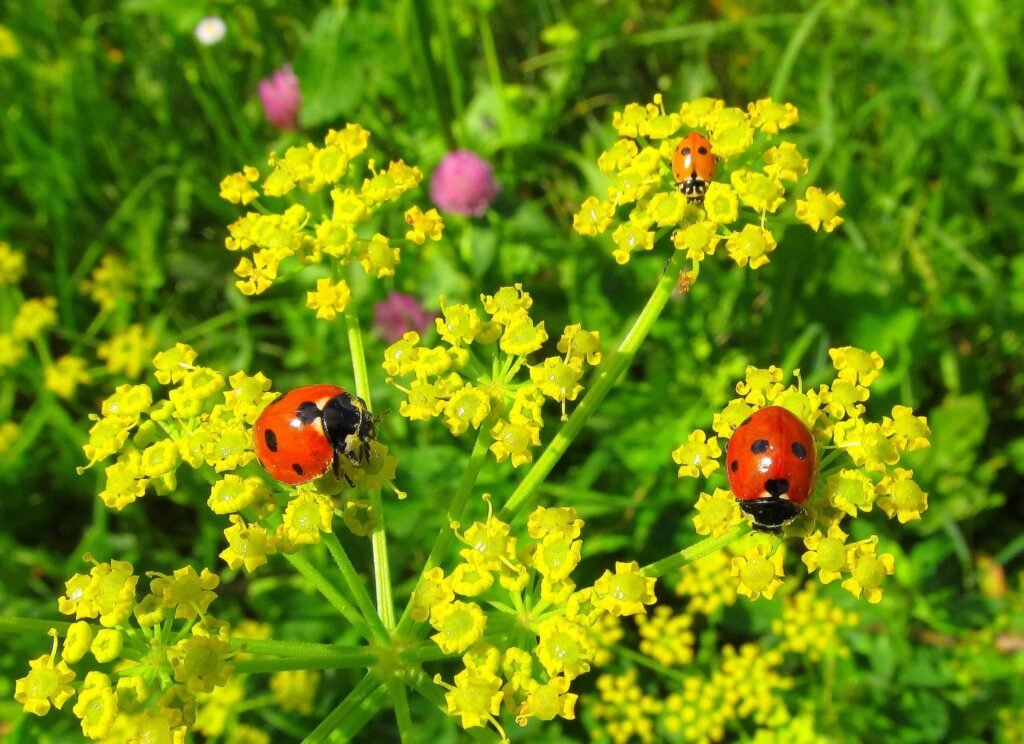
Those adorable red and black spotted beetles crawling through your garden aren’t just there for decoration. A single ladybug can devour up to 5,000 aphids in its lifetime, making them one of nature’s most efficient pest control agents. These small warriors don’t stop at aphids either – they’ll happily munch on scale insects, mites, and other soft-bodied pests that can destroy crops and garden plants.
What makes ladybugs particularly fascinating is their incredible appetite during their larval stage. Young ladybug larvae look nothing like their spotted parents, resembling tiny alligators with spiky bodies. During this phase, they’re absolute eating machines, consuming hundreds of aphids per day. Many farmers and gardeners now purchase ladybugs specifically to release in their fields, creating a natural and chemical-free approach to pest management.
The Silent Hunter: Praying Mantis

With their alien-like appearance and lightning-fast reflexes, praying mantises are the ultimate ambush predators of the insect world. These masters of camouflage can remain perfectly still for hours, waiting for unsuspecting prey to venture within striking distance. When they do strike, their powerful forelegs can snatch insects out of mid-air with incredible precision.
Praying mantises aren’t picky eaters, which makes them incredibly valuable for pest control. They’ll consume flies, moths, beetles, grasshoppers, and even small rodents if the opportunity arises. Some species have been observed catching and eating hornets and wasps, insects that most other predators avoid due to their dangerous stings.
Their hunting efficiency is so impressive that many gardeners actively encourage mantises to take up residence in their yards. A single mantis can clear an area of numerous pest insects throughout the growing season, providing ongoing protection without any human intervention required.
The Acrobatic Assassin: Dragonflies

Dragonflies are nature’s fighter jets, capable of incredible aerial maneuvers that would make military pilots jealous. These ancient insects have been perfecting their hunting techniques for over 300 million years, and their success rate is absolutely staggering. Studies show that dragonflies catch their prey 95% of the time, making them one of the most successful predators on Earth.
What makes dragonflies so effective is their incredible vision and flight capabilities. They can see in nearly 360 degrees and can fly backwards, sideways, and even upside down. This allows them to intercept flying insects with remarkable precision, often catching mosquitoes, flies, and gnats that other predators can’t reach.
A single dragonfly can consume hundreds of mosquitoes per day, making them invaluable allies in controlling disease-carrying insects. Their voracious appetite extends to their aquatic larval stage as well, where they hunt underwater for several years before emerging as adults.
The Underground Army: Ground Beetles
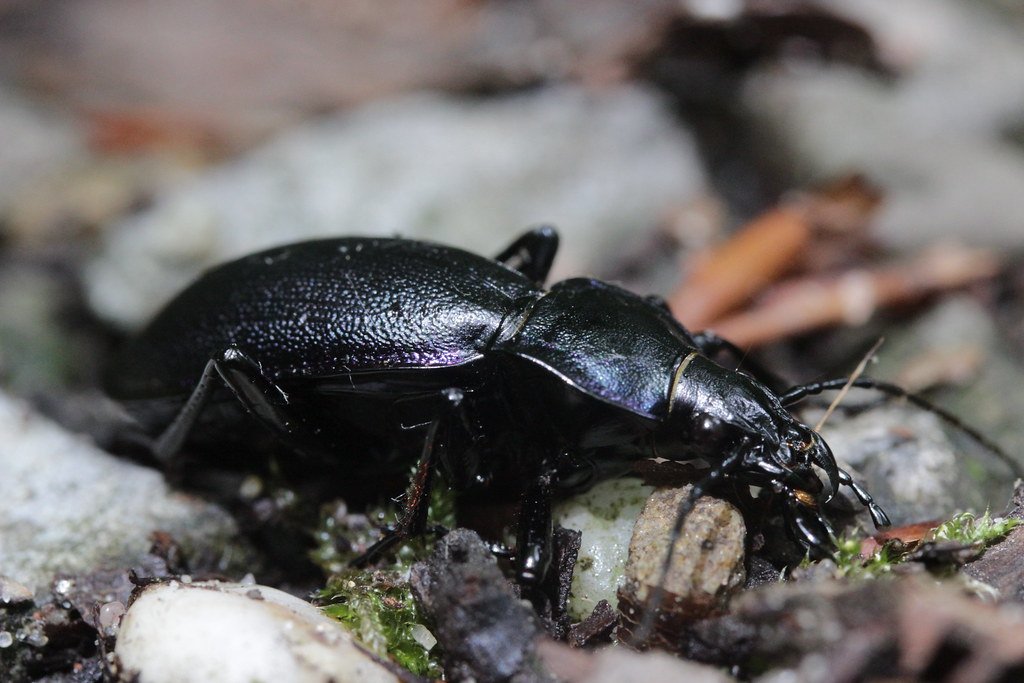
Beneath your feet, an army of sleek, dark beetles is working tirelessly to keep pest populations under control. Ground beetles are nocturnal hunters that emerge after dark to patrol gardens, fields, and forests in search of prey. These industrious insects can consume vast quantities of slugs, snails, caterpillars, and other garden pests that cause significant damage to plants.
Most ground beetles are flightless, but what they lack in aerial ability, they make up for in speed and determination. They’re incredibly fast runners and can pursue prey across considerable distances. Some species even climb into trees and shrubs to hunt for caterpillars and other leaf-eating insects.
The diversity of ground beetle species is remarkable, with over 40,000 known species worldwide. Each species has evolved to fill specific ecological niches, ensuring that virtually no pest insect can escape their collective hunting efforts. Their presence in agricultural areas has been shown to significantly reduce crop damage and increase yields.
The Feathered Vacuum: Purple Martins
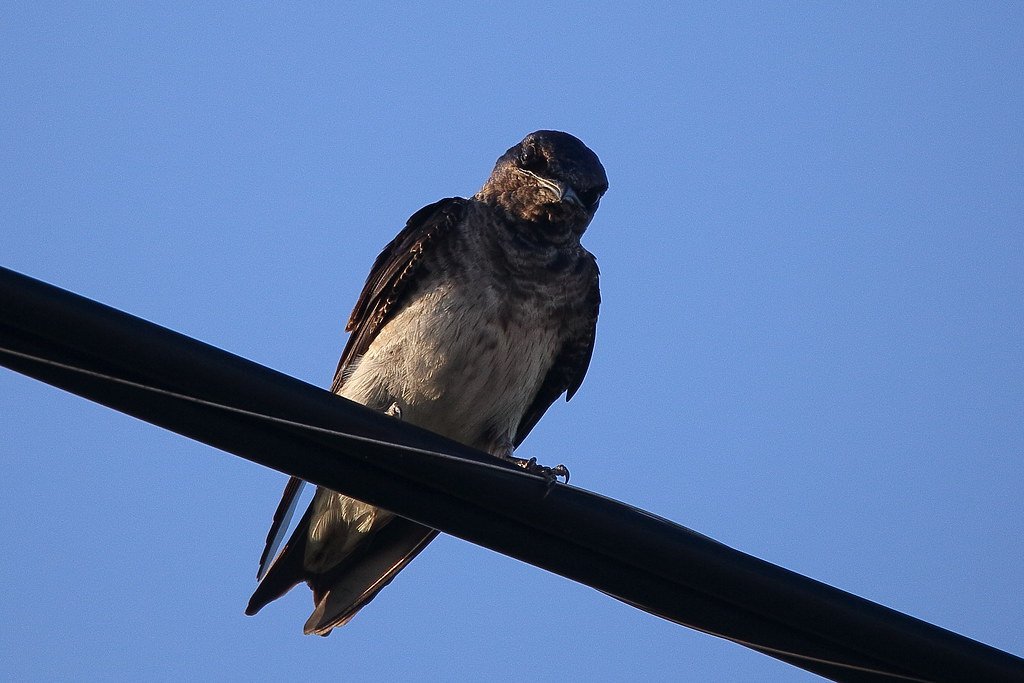
Purple martins are often called the “farmers’ friend” because of their incredible appetite for flying insects. These elegant birds can consume up to 2,000 insects per day during peak feeding times, making them one of the most effective natural pest control agents for large areas. Their diet consists primarily of flying ants, beetles, moths, and other aerial insects that can damage crops or bother humans.
What sets purple martins apart from other insect-eating birds is their social nature and aerial hunting style. They live in large colonies and spend most of their time in flight, continuously hunting for insects throughout the day. Their streamlined bodies and powerful wings allow them to catch insects that other birds can’t reach, including high-flying moths and beetles.
Many farmers have recognized the value of purple martins and actively encourage them to nest on their property by providing specialized housing. A single colony of purple martins can protect hundreds of acres from flying pest insects, providing natural pest control on a scale that would be impossible to achieve through other methods.
The Tiny Terror: Parasitic Wasps
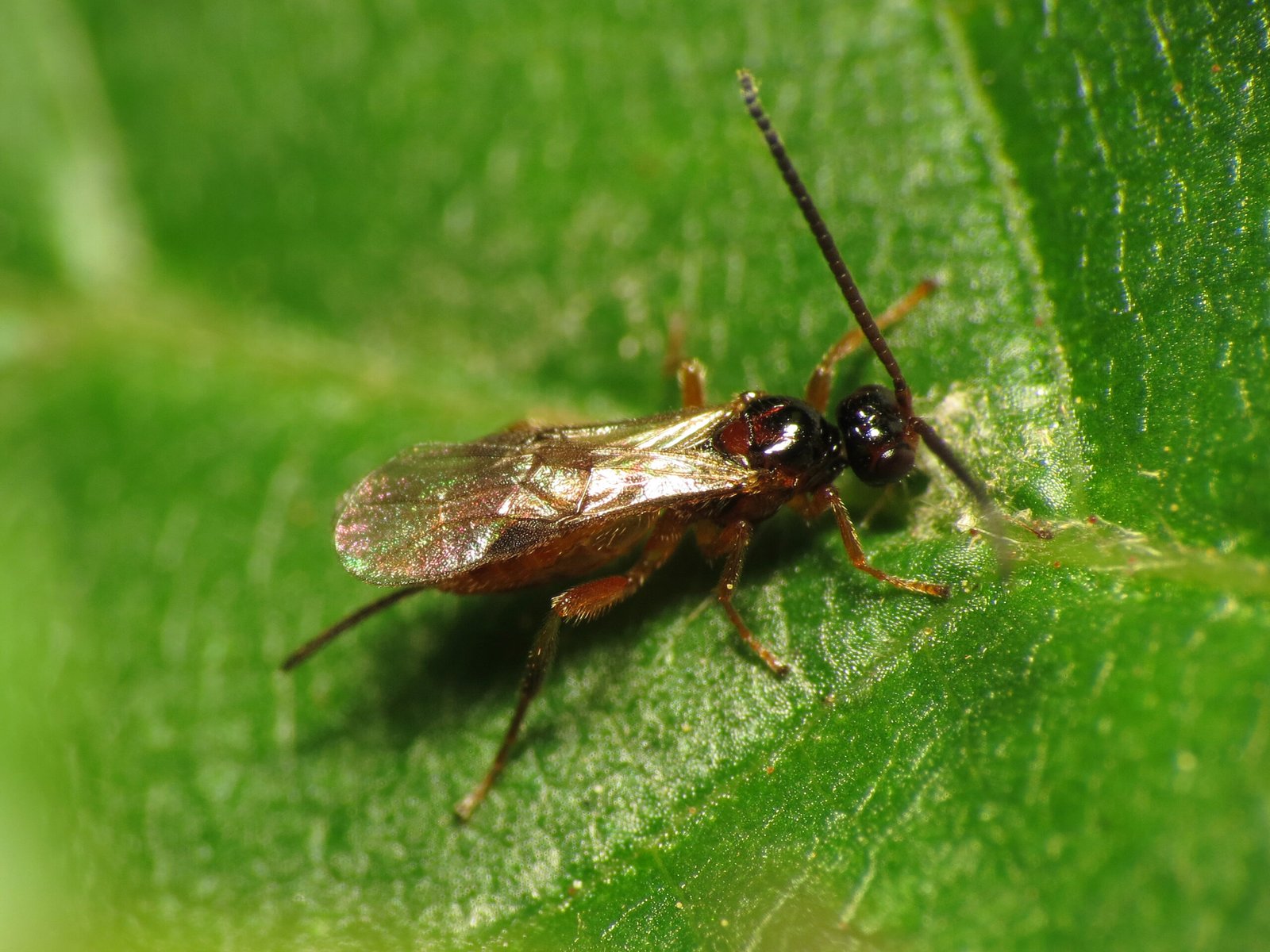
While most people think of wasps as dangerous pests, many species are actually incredibly beneficial insects that specialize in controlling other pest populations. Parasitic wasps are tiny creatures, often smaller than a grain of rice, but they’re absolute masters at finding and eliminating pest insects. These specialized hunters lay their eggs inside or on other insects, effectively turning their victims into living nurseries for their offspring.
The precision and efficiency of parasitic wasps is truly remarkable. Many species are so specialized that they target only specific types of pests, such as aphids, caterpillars, or beetle larvae. This targeted approach makes them incredibly effective biological control agents, as they can find and eliminate pest insects even when populations are low.
Some parasitic wasps have been successfully used in large-scale agricultural pest control programs. They’ve helped eliminate invasive species and control crop-damaging insects across millions of acres, proving that sometimes the smallest creatures can have the biggest impact on ecosystem health.
The Unexpected Ally: Bats
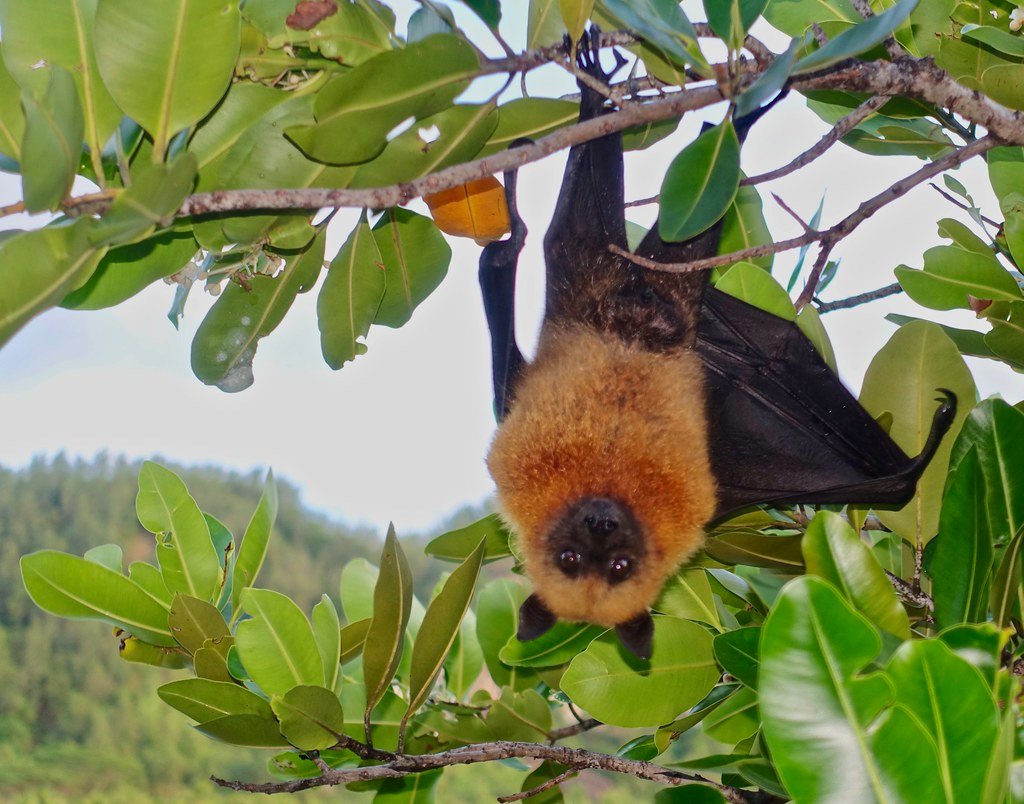
When the sun sets, millions of bats emerge from their roosts to begin one of nature’s most impressive pest control operations. A single bat can consume up to 1,000 mosquitoes in just one hour, and large colonies can eliminate billions of insects in a single night. Their echolocation abilities make them incredibly efficient hunters, capable of detecting and catching insects in complete darkness.
Different bat species specialize in hunting different types of insects, creating a comprehensive pest control system. Some species focus on moths and beetles, while others prefer flies and mosquitoes. This diversity ensures that virtually no nocturnal pest insect can escape their collective hunting efforts.
The economic value of bats as pest controllers is enormous. Studies have shown that bats save farmers billions of dollars annually by reducing crop damage and the need for chemical pesticides. Despite their fearsome reputation, bats are actually gentle creatures that pose no threat to humans while providing invaluable ecological services.
The Aquatic Hunter: Mosquito Fish
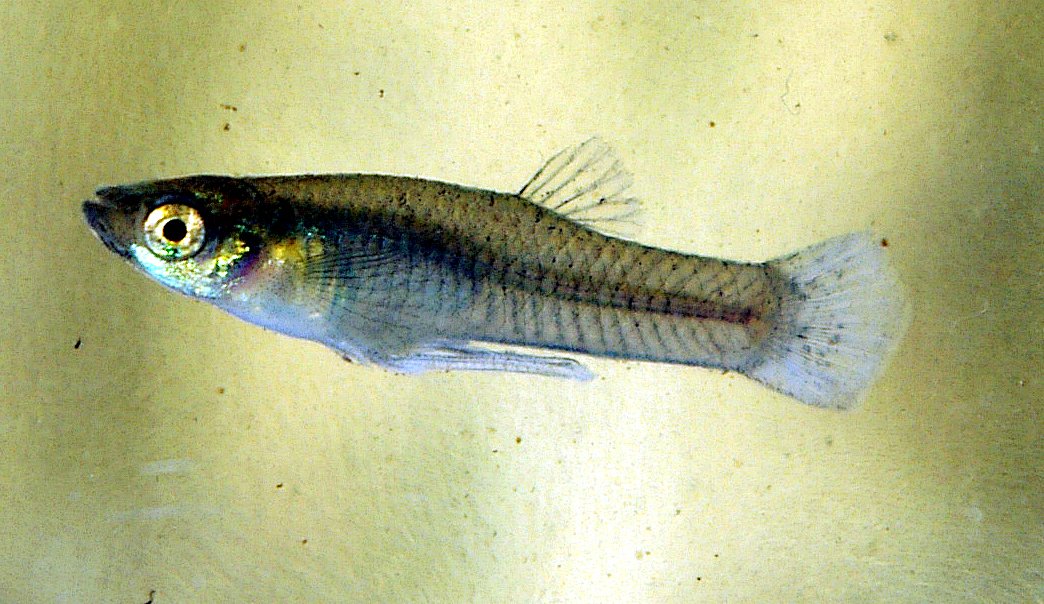
In ponds, streams, and other freshwater environments, mosquito fish are waging a constant battle against one of humanity’s most annoying pests. These small, unassuming fish have an enormous appetite for mosquito larvae, with a single fish capable of consuming hundreds of larvae per day. Their presence in water bodies can dramatically reduce mosquito populations before they even have a chance to become flying adults.
Mosquito fish are incredibly hardy and adaptable, able to survive in various water conditions where other fish might struggle. They’re particularly effective in stagnant water areas where mosquitoes prefer to breed, such as ponds, water gardens, and irrigation ditches. Their ability to reproduce quickly means that small populations can rapidly expand to provide ongoing pest control.
These remarkable fish have been introduced to water bodies around the world specifically for mosquito control purposes. Their success has been so impressive that they’re now considered one of the most effective biological control agents for managing mosquito populations in aquatic environments.
The Garden Guardian: Hedgehogs
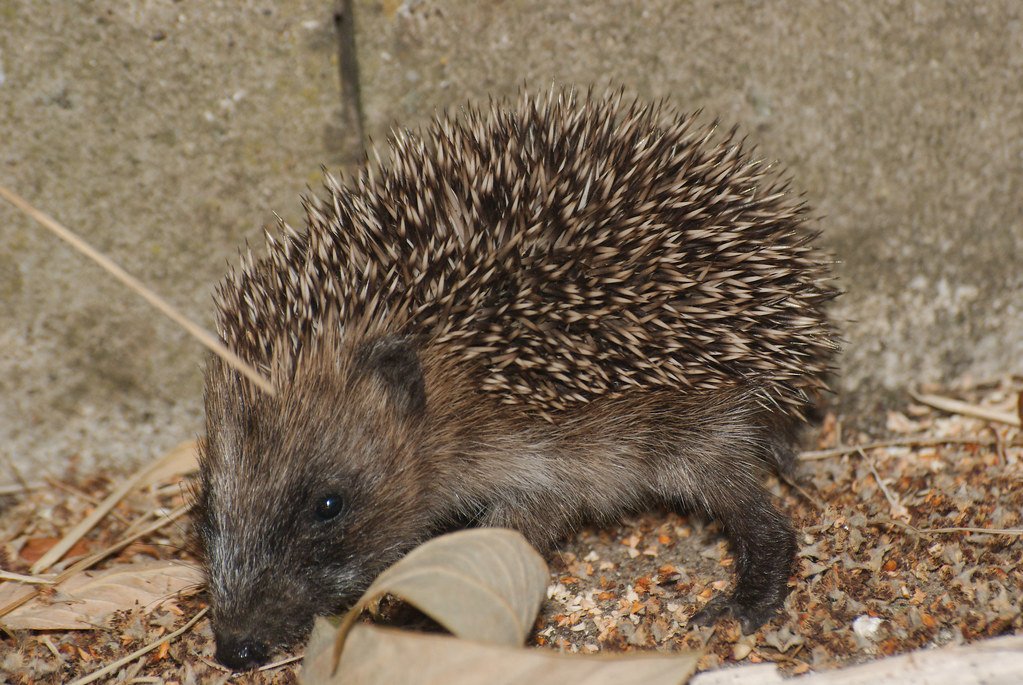
These spiky little mammals might seem like unlikely pest control experts, but hedgehogs are actually voracious insect eaters that can consume thousands of pests in a single night. Their diet consists primarily of beetles, caterpillars, slugs, and other garden pests that can cause significant damage to plants and crops. A single hedgehog can clear an entire garden of harmful insects over the course of a growing season.
Hedgehogs are particularly effective at controlling ground-dwelling pests that other predators often miss. Their keen sense of smell allows them to locate insects hiding under logs, leaves, and other garden debris. They’re also one of the few animals that will actively hunt and eat slugs, which are notoriously difficult pests to control.
Unfortunately, hedgehog populations have declined significantly in many areas due to habitat loss and other human activities. Garden enthusiasts who want to attract these beneficial creatures can create hedgehog-friendly spaces by providing shelter and avoiding the use of chemical pesticides that could harm both the hedgehogs and their insect prey.
The Amphibian Assassin: Frogs and Toads
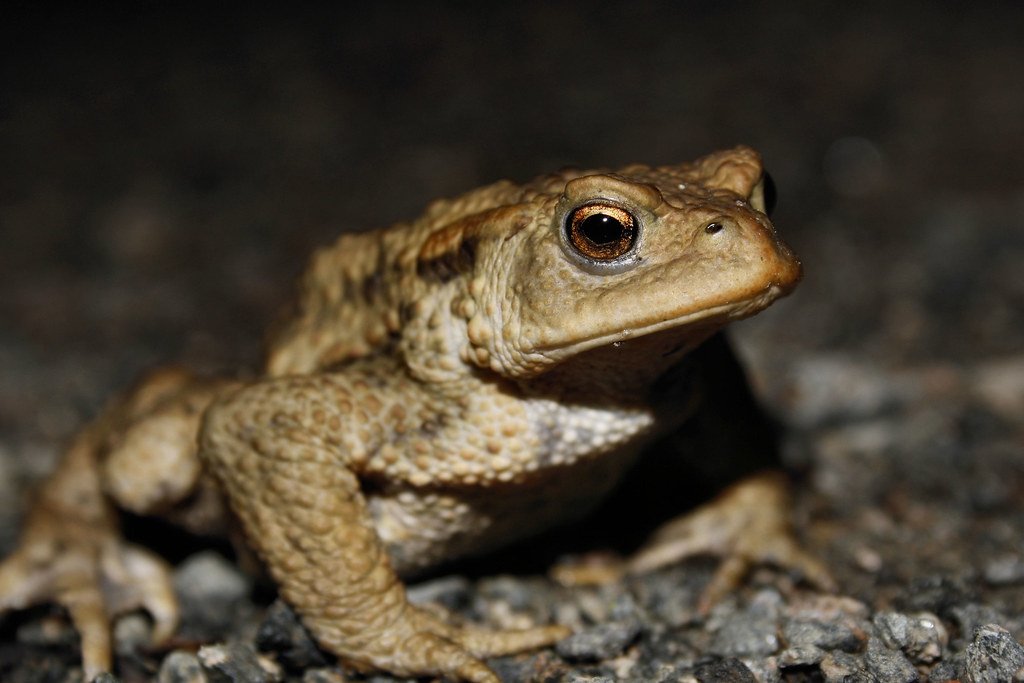
Frogs and toads are nature’s original pest control specialists, with some species capable of consuming thousands of insects per month. These amphibians have incredibly sticky tongues that can shoot out with lightning speed to capture prey, and their diverse diets include many insects that are considered serious agricultural pests. From mosquitoes and flies to beetles and caterpillars, frogs and toads are constantly hunting for their next meal.
What makes these amphibians particularly valuable is their ability to hunt both day and night, depending on the species. Tree frogs excel at catching flying insects, while ground-dwelling toads specialize in hunting crawling pests like slugs and beetles. Their varied hunting strategies ensure that different types of pest insects are controlled throughout the entire 24-hour cycle.
Many species of frogs and toads also serve as indicators of environmental health, with their presence signaling a balanced ecosystem. Unfortunately, amphibian populations worldwide are facing significant challenges from habitat loss, pollution, and climate change, making it more important than ever to protect these valuable pest control allies.
The Surprising Predator: Spiders
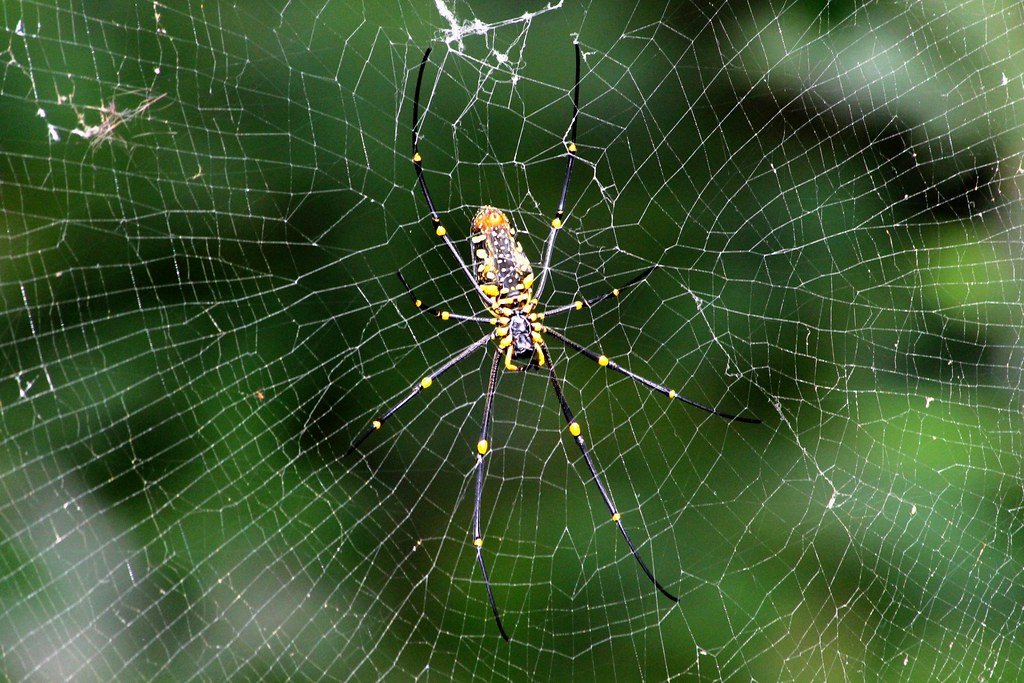
While many people have an instinctive fear of spiders, these eight-legged creatures are actually among nature’s most effective pest control agents. Spiders consume an estimated 400-800 million tons of insects annually worldwide, making them one of the most important predator groups on the planet. Their diverse hunting strategies, from web-building to active hunting, ensure that virtually no insect pest can escape their reach.
Different spider species have evolved to hunt in different ways, creating a comprehensive pest control system. Orb weavers build intricate webs that catch flying insects, while wolf spiders actively hunt ground-dwelling pests. Jumping spiders use their excellent vision and athletic abilities to catch prey that other spiders might miss.
The presence of spiders in agricultural areas has been shown to significantly reduce pest insect populations and increase crop yields. A single spider can consume hundreds of insects per year, and their ability to reproduce quickly means that spider populations can rapidly respond to increases in pest insect numbers.
The Nocturnal Cleanup Crew: Raccoons

Though often considered pests themselves, raccoons actually provide valuable pest control services by consuming large quantities of insects, grubs, and other invertebrates. These intelligent mammals are opportunistic feeders with incredibly dexterous paws that allow them to capture prey that other animals might miss. Their diet includes many insects that are considered agricultural pests, such as Japanese beetles, grubs, and various caterpillars.
Raccoons are particularly effective at controlling ground-dwelling pests, using their sensitive paws to locate and extract insects from soil, bark, and other hiding places. Their nocturnal habits mean they’re active when many pest insects are most vulnerable, providing pest control services during hours when other predators are less active.
While raccoons can sometimes cause problems in urban areas, their pest control benefits in agricultural and natural settings are significant. Their presence helps maintain balanced insect populations and reduces the need for chemical pest control methods.
The Aerial Acrobat: Swallows
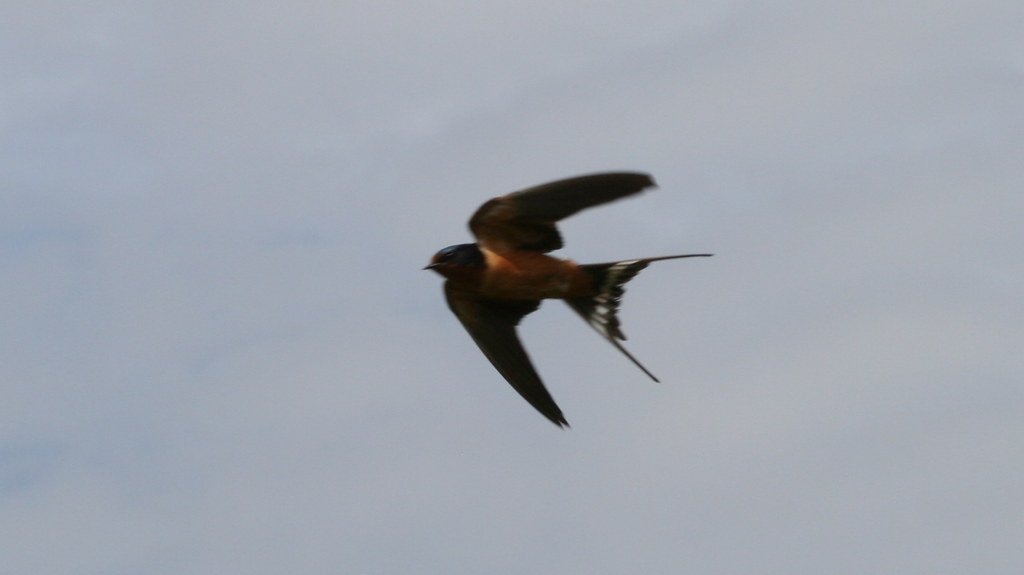
Swallows are masters of aerial insect hunting, with streamlined bodies and incredible flight capabilities that allow them to catch insects on the wing with remarkable precision. These birds can consume hundreds of flying insects per day, including many species that are difficult for other predators to catch. Their diet consists primarily of flies, mosquitoes, flying ants, and other aerial pests that can cause problems for both agriculture and human comfort.
The hunting efficiency of swallows is truly impressive, with their ability to perform complex aerial maneuvers while pursuing prey. They can catch insects in mid-air, dive to snatch prey from near the ground, and even skim insects from water surfaces. Their social nature means they often hunt in groups, creating coordinated attacks on insect swarms.
Many farmers and property owners actively encourage swallows to nest in their areas by providing suitable nesting sites. Barn swallows, in particular, are welcomed by farmers because of their incredible appetite for flying insects that can damage crops or bother livestock.
The Unexpected Marine Hunter: Sea Turtles

While not typically thought of as pest controllers, sea turtles play a crucial role in maintaining balanced marine ecosystems by consuming jellyfish and other marine organisms that can become problematic when their populations grow unchecked. Some species of sea turtles consume hundreds of jellyfish per day, helping to control populations of these creatures that can impact fish populations and marine tourism.
Sea turtles’ role in pest control extends beyond just jellyfish consumption. They also feed on various marine invertebrates and algae, helping to maintain the health of seagrass beds and coral reefs. Their grazing activities prevent certain species from becoming overly dominant and disrupting marine ecosystems.
The decline of sea turtle populations due to human activities has led to noticeable changes in marine ecosystems, including increases in jellyfish populations in some areas. This demonstrates the important role these ancient mariners play in maintaining natural balance in ocean environments.
The Miniature Warrior: Assassin Bugs
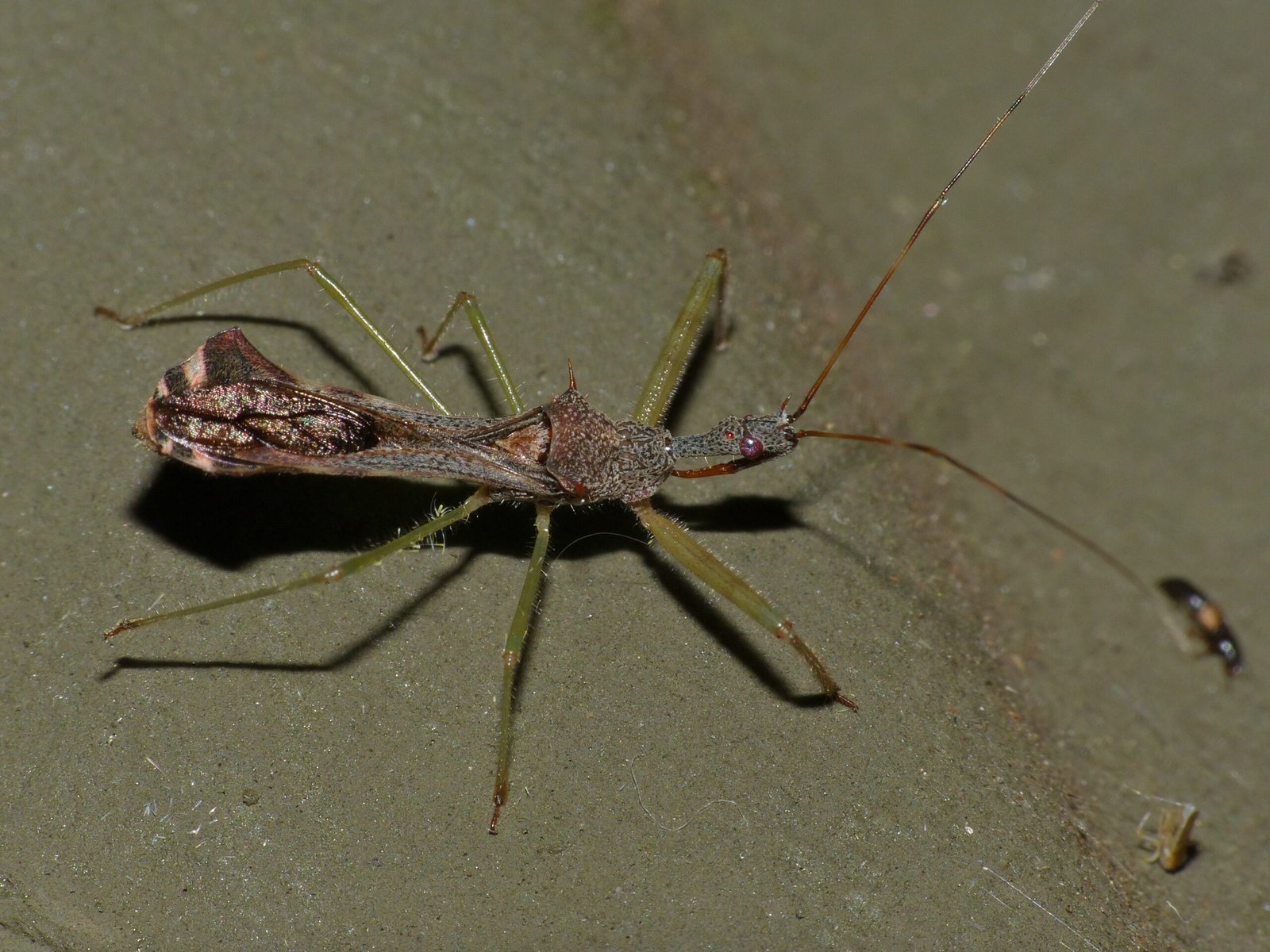
Assassin bugs are aptly named predators that specialize in hunting other insects with deadly efficiency. These fierce hunters use their needle-like mouthparts to inject venom into their prey, quickly paralyzing and then consuming insects that are often much larger than themselves. Their diverse diet includes many insects that are considered serious agricultural pests, making them valuable allies in natural pest control.
What makes assassin bugs particularly effective is their patience and hunting strategy. They often remain motionless for long periods, waiting for prey to come within striking distance before launching lightning-fast attacks. Some species even use clever hunting techniques, such as covering themselves with debris to camouflage their presence.
Different species of assassin bugs have evolved to hunt in different environments, from ground-dwelling species that patrol soil surfaces to tree-dwelling species that hunt among leaves and branches. This diversity ensures that assassin bugs can control pest insects across various habitat types and elevations.
The Collective Force: Ants

While some ant species can be pests themselves, many ants are actually beneficial predators that help control other insect populations. Army ants, for example, are legendary for their ability to consume everything in their path, including many insects that are considered agricultural pests. Their coordinated hunting strategies allow them to overwhelm prey that individual predators couldn’t handle alone.
Certain ant species have developed specialized relationships with plants, where they protect the plant from herbivorous insects in exchange for food or shelter. These mutualistic relationships create natural pest control systems that benefit both the ants and the plants they protect. The ants patrol the plants continuously, attacking any insects that attempt to feed on their host.
The collective hunting power of ant colonies is truly remarkable, with some colonies containing millions of individuals all working together to find and capture prey. Their ability to communicate through chemical signals allows them to coordinate complex hunting strategies and quickly respond to changes in pest insect populations.
Nature’s Pest Control Network
The intricate web of natural pest control that exists in healthy ecosystems is far more complex and effective than any human-designed system. These ten unexpected animals represent just a small fraction of the countless species that work together to maintain balance in nature. From the tiniest parasitic wasp to the largest bat colony, each creature plays a vital role in keeping pest populations in check without the need for harmful chemicals or artificial interventions.
The economic and environmental benefits of these natural pest controllers are immeasurable. They save farmers billions of dollars annually in crop protection while maintaining soil health and preventing the development of pesticide-resistant insects. Their presence indicates healthy ecosystems where natural processes can function as they have for millions of years.
Perhaps most importantly, these creatures remind us that nature has already solved many of the problems we face today. By protecting and encouraging these natural pest control agents, we can work with nature rather than against it. The next time you see a spider in your garden or hear bats flying overhead at night, remember that you’re witnessing some of the most sophisticated and effective pest control experts on Earth in action.