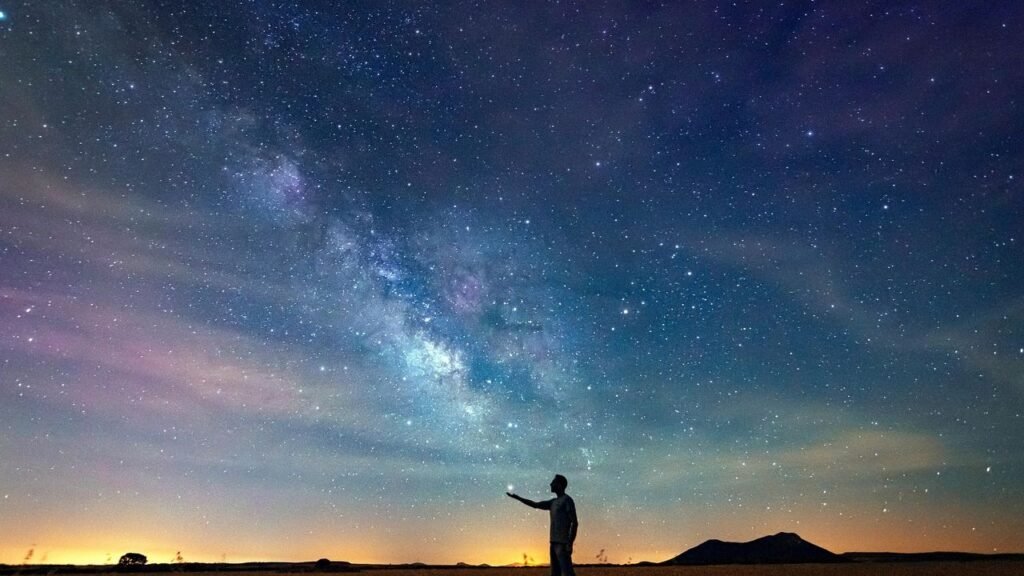

If you’ve ever stared up at the night sky and felt strangely small, you’re not alone. The more scientists discover about the cosmos, the weirder, wilder, and more unsettling it becomes. The universe isn’t just big; it plays by rules that feel almost alien to our everyday experience. Time stretches, space bends, stars explode, and entire galaxies collide in slow-motion fireworks we can barely wrap our heads around.
What surprised me most, when I first dug into modern astrophysics, wasn’t just the scale of everything out there – it was how wrong my “common sense” was about nearly all of it. Gravity isn’t just “stuff falling,” black holes aren’t just cosmic vacuum cleaners, and the universe itself might not only be expanding, but accelerating in a way that suggests something deeply mysterious is at work. Let’s walk through ten hard-to-believe facts that might permanently change how you look at the sky above you.
1. Most of the Universe Is Completely Invisible
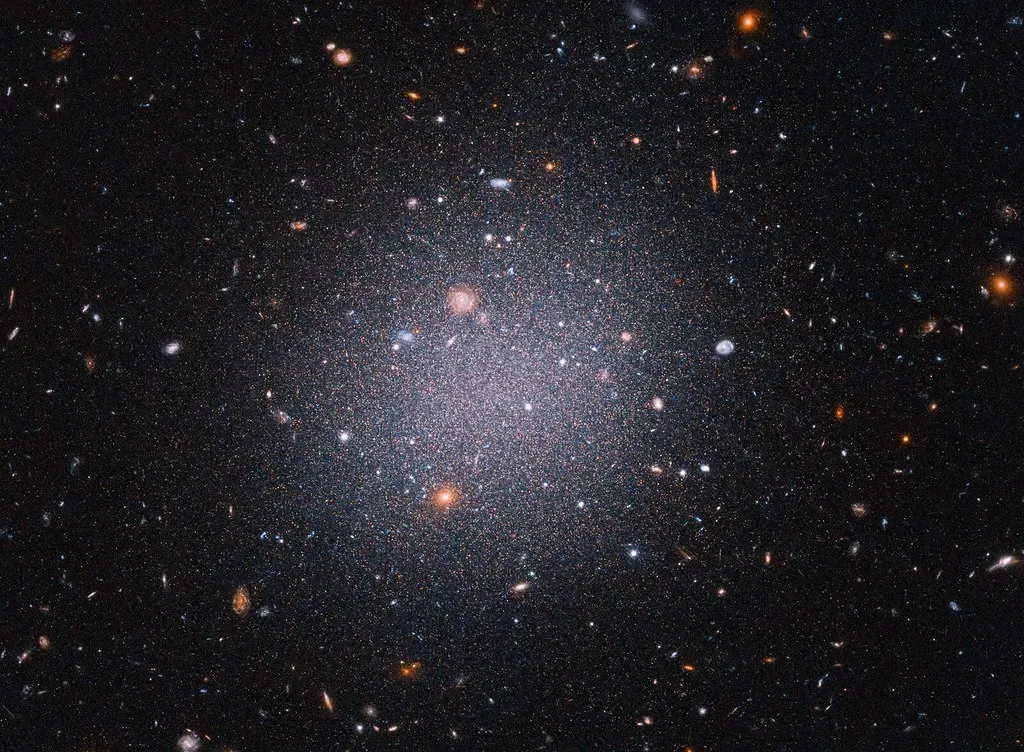
Here’s the first mind-bender: almost everything you see – stars, planets, nebulae, gas clouds, you, your phone, all of it – adds up to only a tiny fraction of what actually exists. Astronomers have found that normal matter, the kind made of atoms, accounts for just a small slice of the total cosmic pie. The rest is dominated by two strange components called dark matter and dark energy, which we can’t see directly and still don’t fully understand.
Dark matter shows up through its gravity: galaxies spin so fast that, without a hidden mass holding them together, they’d fly apart. Dark energy is even stranger; it seems to be driving the accelerated expansion of the universe itself. The wild part is that these invisible ingredients shape everything we see, like the unseen scaffolding behind a giant stage. When you look at the Milky Way, you’re really just seeing the glowing tip of an enormous, mostly invisible iceberg.
2. You Are Literally Made of Star Debris
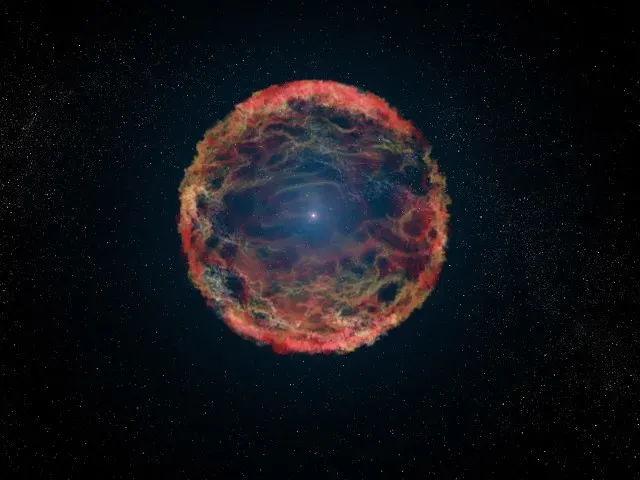
The iron in your blood, the calcium in your bones, the oxygen in your lungs – none of it was born on Earth. In the early universe, there was mostly hydrogen and helium, the simplest elements. Heavier elements like carbon, nitrogen, and iron were forged much later inside the hot, dense cores of stars, and in the violent explosions when massive stars died as supernovae.
Over billions of years, those exploded stars scattered their enriched guts across space, seeding future generations of stars, planets, and eventually, life. Every breath you take carries atoms that once sat in the heart of a star that died long before the Sun was born. When I first learned that, it turned the idea of “looking up at the stars” into a kind of family reunion. You’re not just in the universe; the universe is literally in you.
3. Time Moves Differently in Space Than It Does on Earth
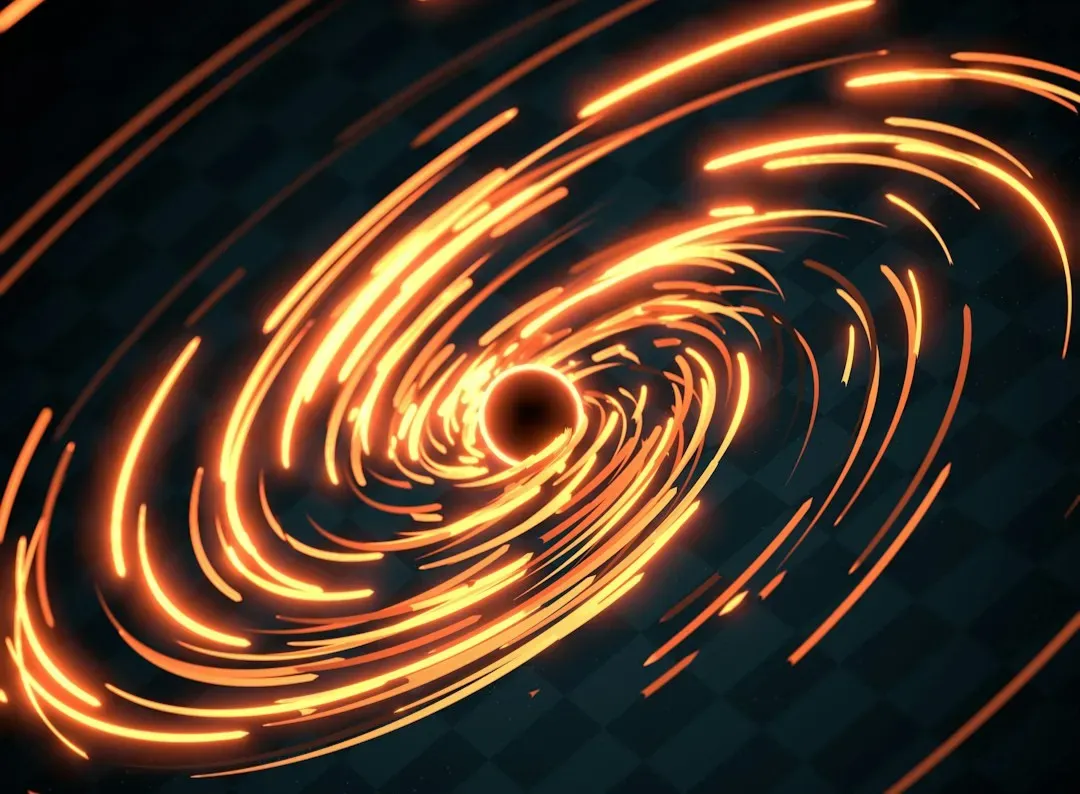
Time feels like the most reliable thing we have – tick, tock, one second after another. But in the universe, time is stretchy. According to Einstein’s theory of relativity, time passes differently depending on how fast you’re moving and how strong gravity is where you are. Clocks on GPS satellites actually tick slightly faster than clocks on Earth’s surface because they’re farther from our planet’s gravity well, and scientists have to correct for that or your navigation would slowly drift off course.
Near a black hole, this effect becomes extreme. For someone far away, a person falling toward a black hole would appear to slow down, almost freezing as they approach the boundary where not even light can escape. In a sense, they’d fade into the past while you keep moving forward. It’s not science fiction; it’s a measured, tested consequence of how gravity and motion shape the flow of time itself.
4. There Are Rogue Planets Wandering the Galaxy in Darkness
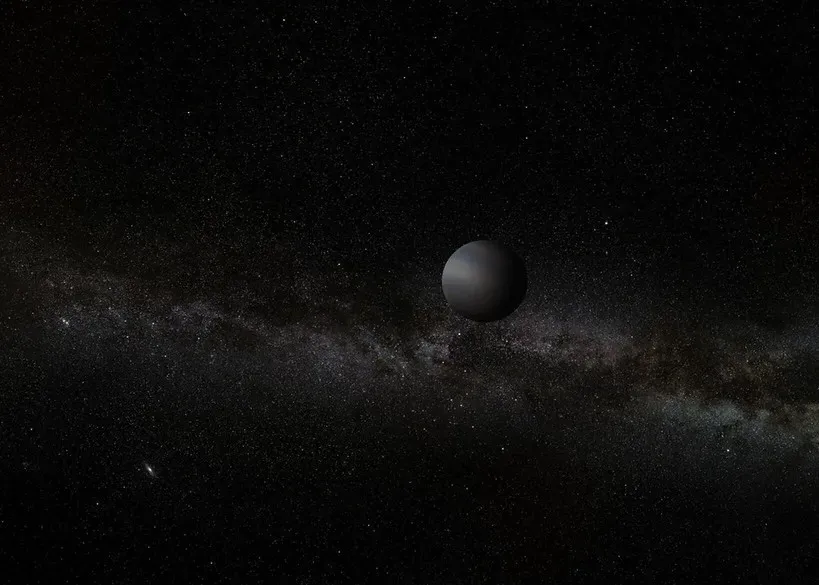
Not every planet orbits a star like Earth orbits the Sun. Astronomers have found evidence of so-called “rogue planets,” worlds that drift freely through space, unbound to any solar system. Some were probably kicked out of their original planetary systems by gravitational interactions; others might have formed on their own in the dark. Estimates suggest that there could be more rogue planets in our galaxy than there are stars.
Imagine a lonely, frozen Earth-sized world, wandering endlessly through interstellar night with no sunrise, no sunset, just the faint glow of distant stars. Some of these planets might still have internal heat from their formation or from radioactive elements, potentially keeping underground oceans liquid beneath thick layers of ice. It turns the romantic idea of “planet” on its head: a world doesn’t need a sun to exist, only gravity – and a very long, very cold journey through the void.
5. Neutron Stars Are So Dense a Teaspoon Weighs a Mountain
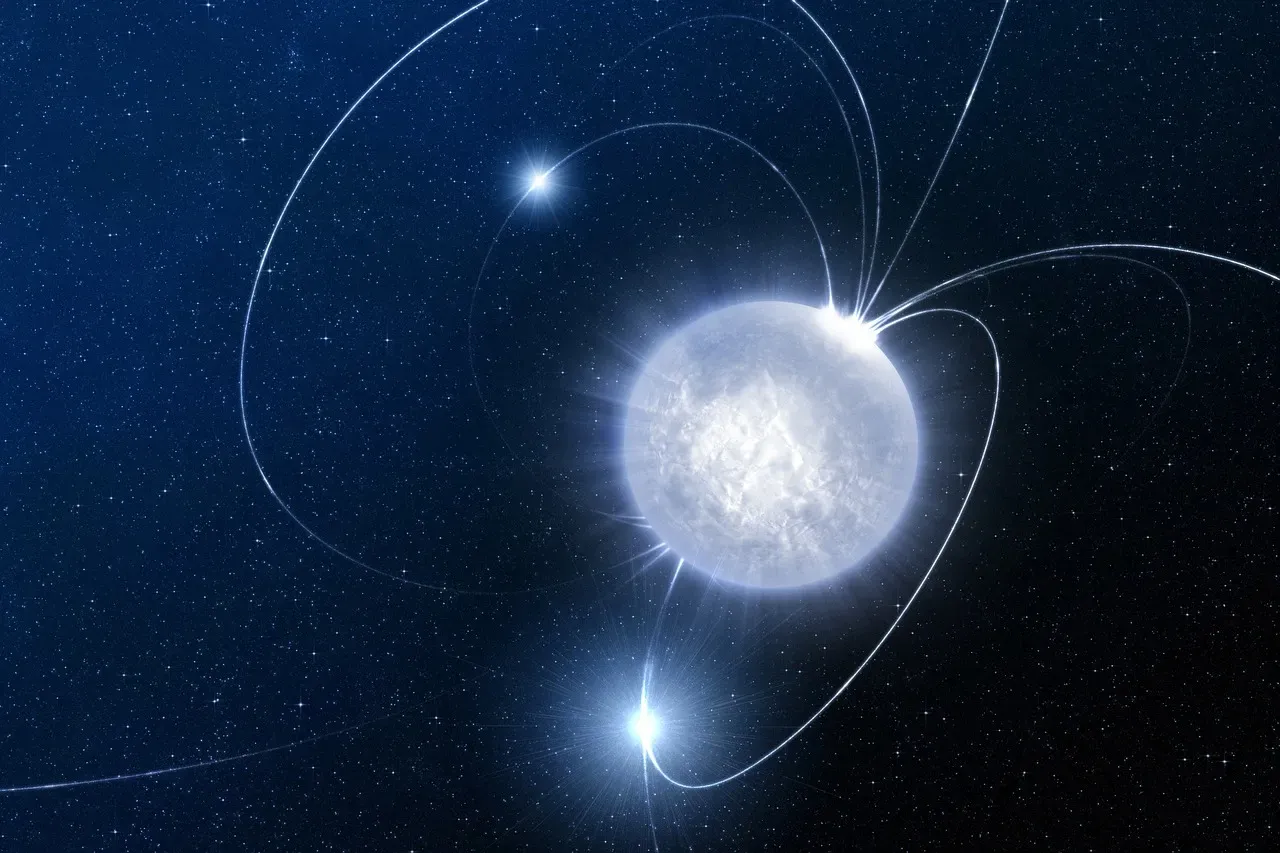
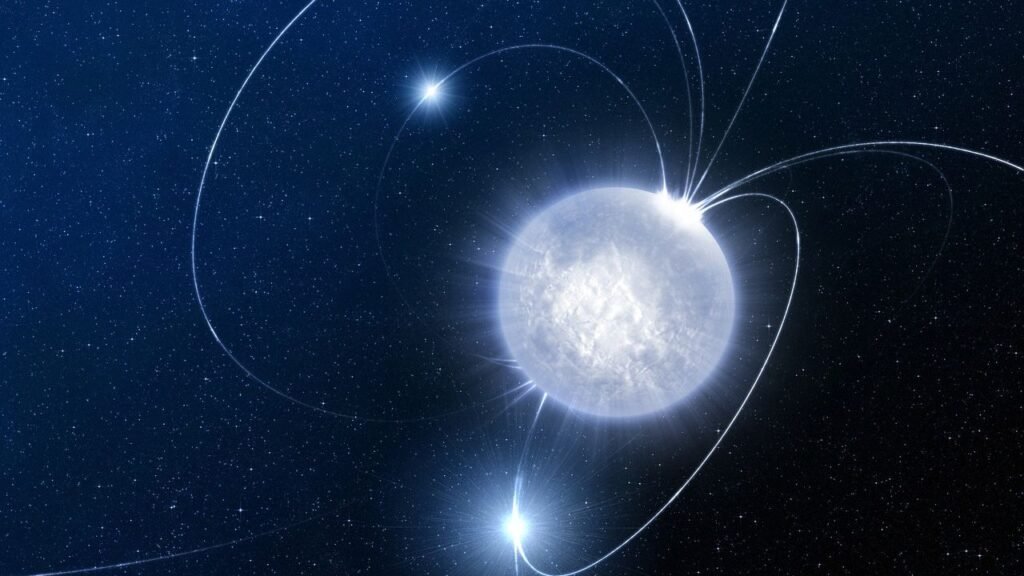
When a massive star reaches the end of its life, its core can collapse into an object called a neutron star. This thing is only about as wide as a big city, but it can pack in more mass than our Sun. In a neutron star, matter is crushed so tightly that protons and electrons combine into neutrons, creating a kind of giant atomic nucleus. The result is a density that’s almost impossible to truly imagine.
If you could somehow scoop up just a teaspoon of neutron star material and magically bring it to Earth (you can’t, but go with it), that tiny amount would weigh as much as a mountain range. The surface gravity would be so strong that if you fell from just a meter above, you’d hit the ground at a huge fraction of the speed of light. These objects also spin incredibly fast and emit beams of radiation, turning into cosmic lighthouses called pulsars that sweep the galaxy with clock-like precision.
6. Black Holes Can Grow to Absolutely Monstrous Sizes
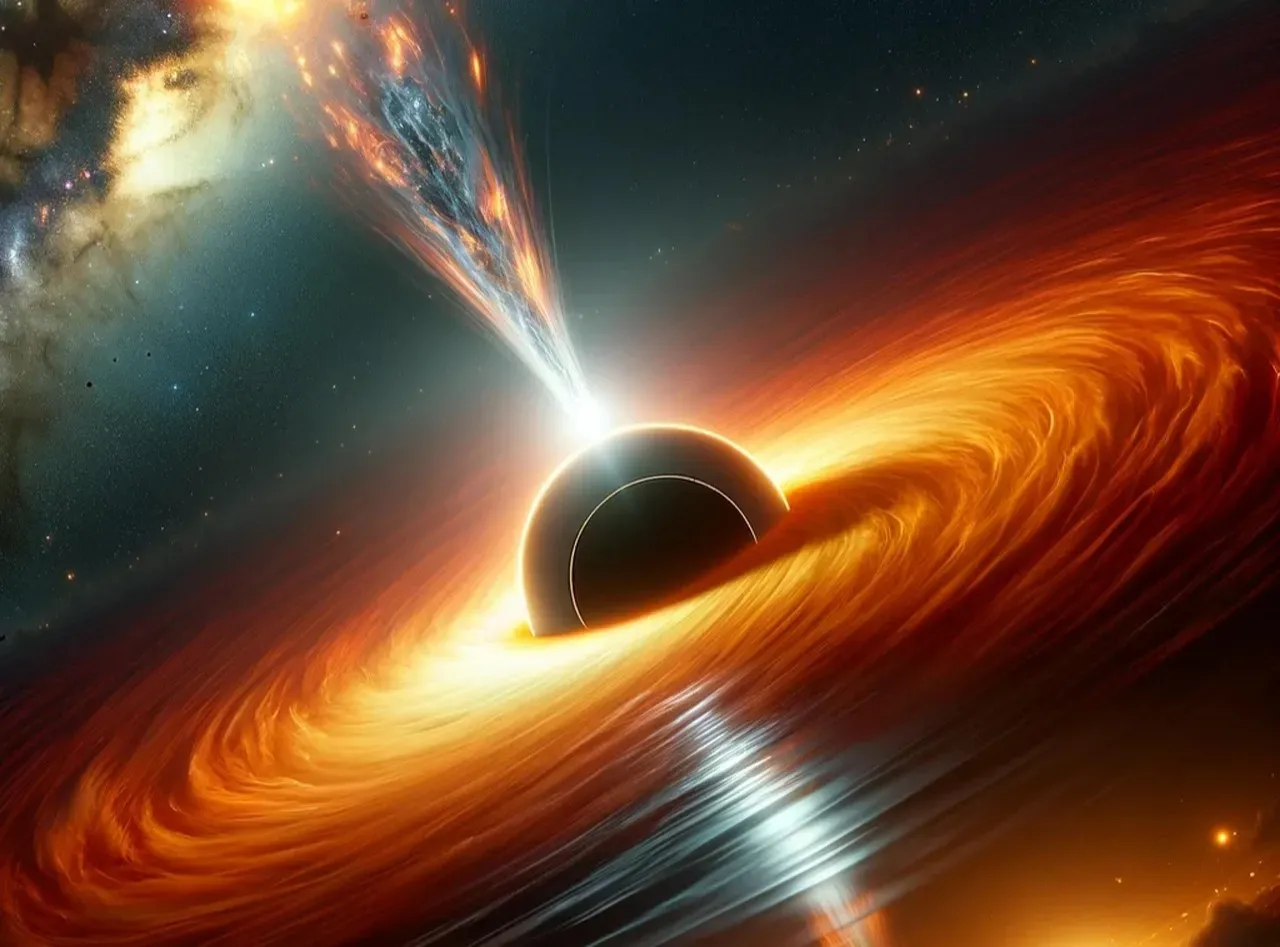
Black holes are already infamous, but the supermassive ones take the concept to a terrifying new level. At the centers of most large galaxies, including our own Milky Way, lurk black holes millions to billions of times more massive than the Sun. These giants grow by swallowing gas, dust, stars, and sometimes even other black holes, turning the surrounding regions of space into chaotic maelstroms of hot, swirling matter.
In 2019, astronomers produced the first direct image of a black hole’s shadow in a distant galaxy, showing a bright doughnut of light around a dark center roughly the size of our entire solar system. Even more extreme monsters have been measured since then. These supermassive black holes can power quasars – distant beacons so bright they outshine entire galaxies. The idea that such a thing sits quietly at the heart of the Milky Way, with everything we know circling around it, is both unsettling and strangely beautiful.
7. The Universe Is Not Just Expanding – It’s Accelerating
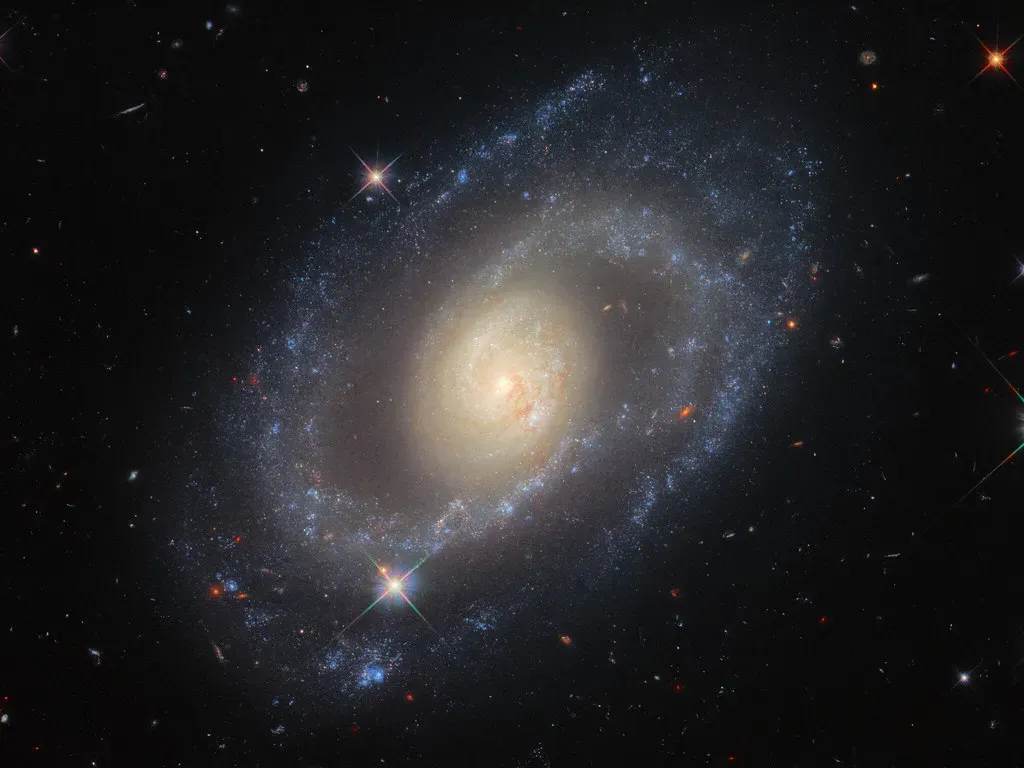
For a long time, astronomers assumed the universe’s expansion was slowing down over time. That would make sense: gravity should be pulling everything back together, or at least putting on the brakes. But in the late twentieth century, observations of distant exploding stars revealed something shocking: the expansion of the universe is speeding up. Galaxies are not just drifting apart; they’re racing away from each other faster and faster.
This acceleration is attributed to dark energy, a mysterious form of energy that seems to be woven into the fabric of space itself. No one really knows what dark energy is, only that its effects can be measured on cosmological scales. If this continues indefinitely, distant galaxies will eventually slip beyond our observable horizon, leaving future observers in a universe that appears emptier and lonelier. It’s like the cosmos is quietly turning the dimmer switch down, one distant galaxy at a time.
8. There May Be More Habitable Worlds Than Grains of Sand on Earth
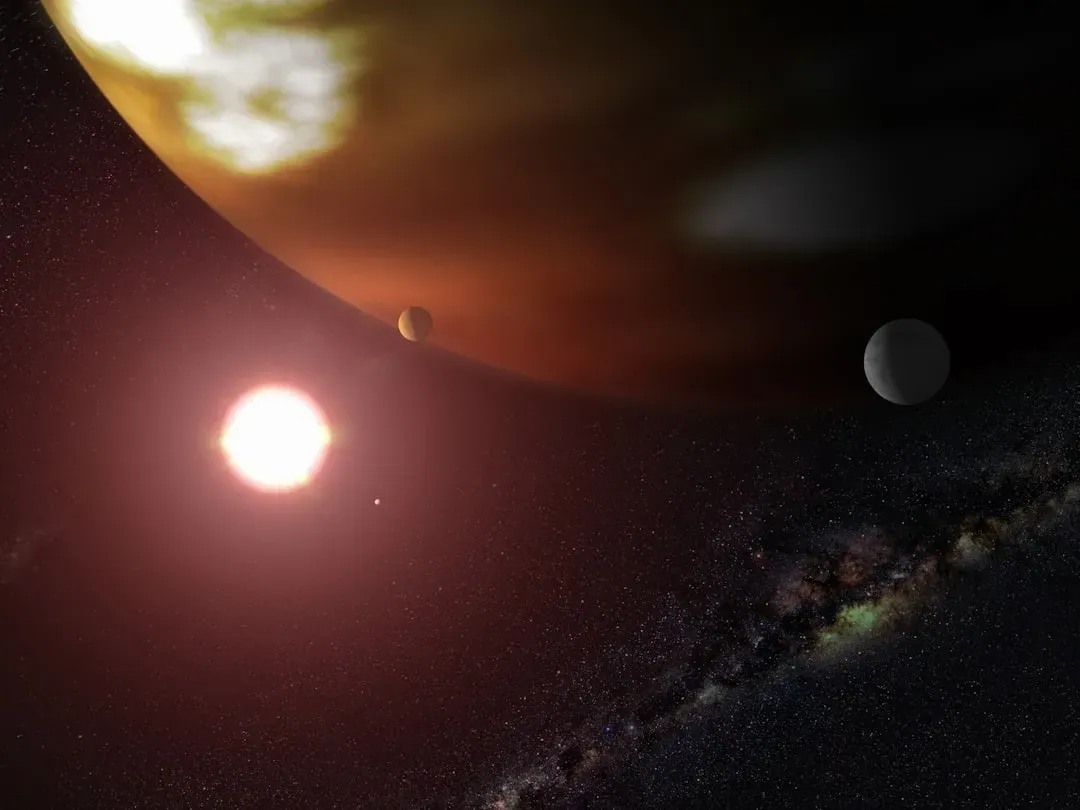
Thanks to space telescopes and clever detection methods, astronomers have discovered thousands of planets orbiting other stars, called exoplanets. A significant chunk of those are in the so-called habitable zone, where temperatures might allow liquid water on the surface. When scientists scale up what we’ve found to the entire Milky Way, the numbers get dizzying: there could be billions of potentially habitable planets in our galaxy alone.
And that’s just one galaxy among hundreds of billions in the observable universe. Even if only a small fraction of those worlds are actually suitable for life, the sheer number is overwhelming. I remember the first time I saw a catalog of exoplanets; it felt like flipping through a real estate listing for the galaxy. It raises a hard-to-avoid question: in a universe so generously stocked with possible homes, is it really likely that we’re the only ones here?
9. Some Stars Are So Big They Would Swallow Our Solar System
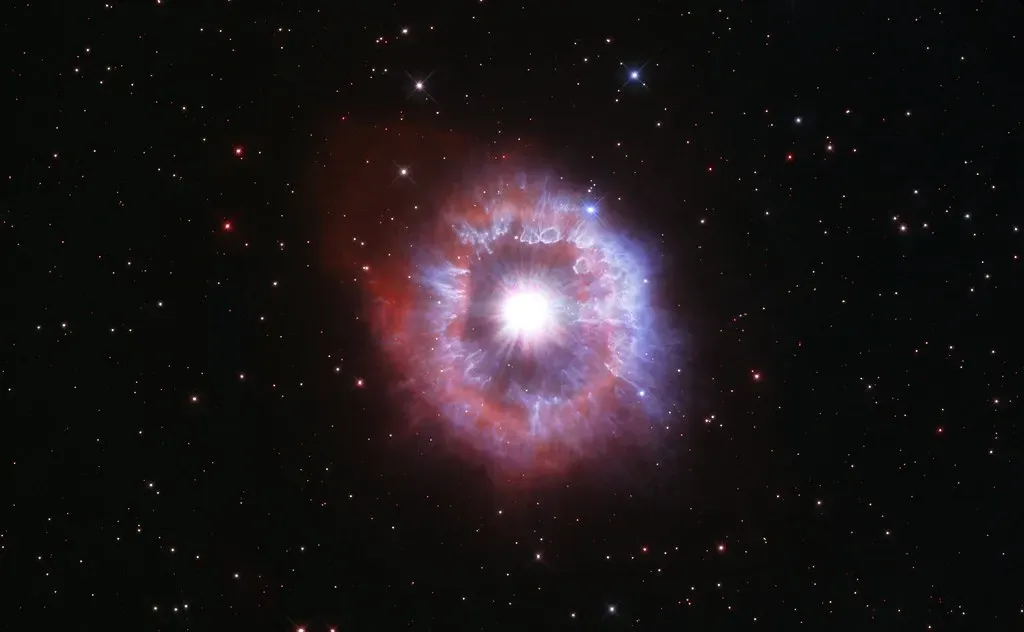
The Sun feels enormous to us, but it’s actually a fairly average-sized star. Out there, astronomers have observed true giants – supermassive stars so bloated that if one were placed where our Sun is, it would engulf the orbits of Mercury, Venus, Earth, and possibly even Mars. These stars burn incredibly hot and bright, living fast and dying young in spectacular explosions that can briefly shine as bright as an entire galaxy.
Because they’re so unstable, these stellar monsters constantly shed material, blowing powerful winds of gas and dust into space. Their violent lives help sculpt their surroundings, triggering the birth of new stars and planets. It’s humbling to realize that our entire planetary system would fit neatly inside some of these stars, like a marble swallowed by a bonfire. What we think of as “big” is clearly a matter of perspective.
10. We Might Only See a Tiny Patch of a Much Bigger Reality
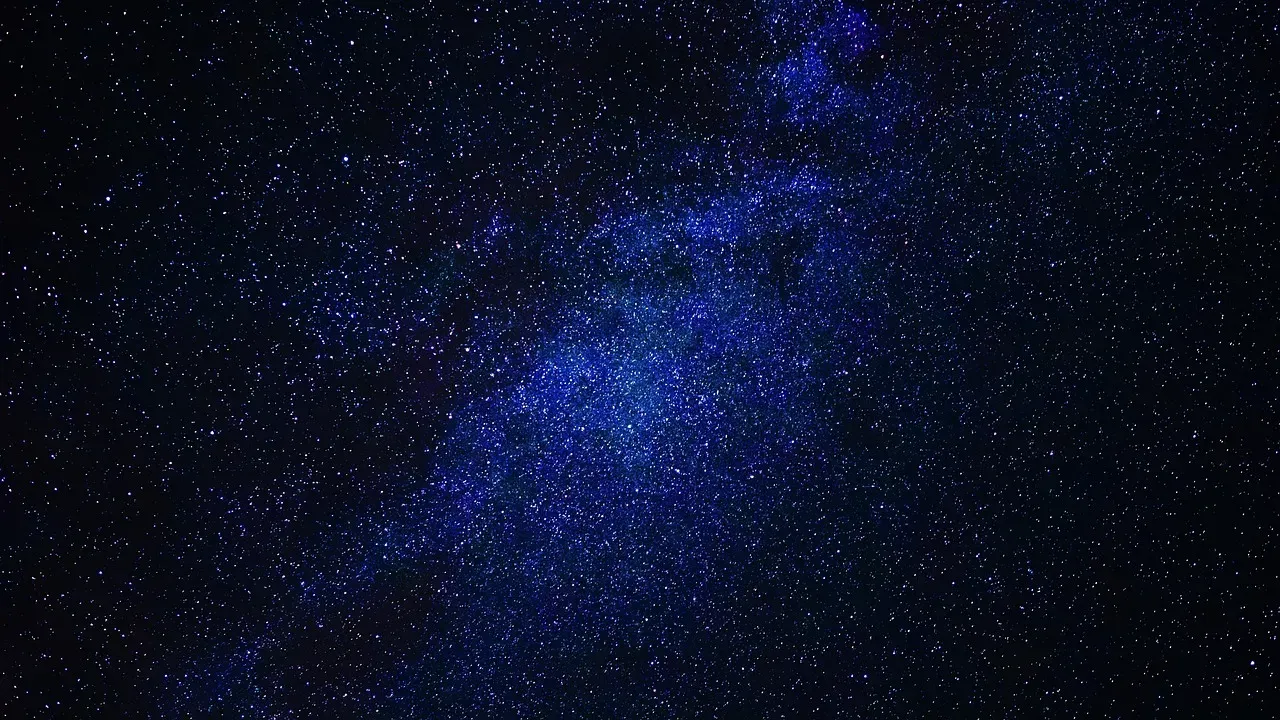
The part of the universe we can observe is limited by the speed of light and the age of the cosmos. Light has only had so long to travel, so there’s a horizon beyond which we simply can’t see. That observable universe is already unimaginably huge, but many cosmologists think it’s just a small bubble in a far larger, maybe even infinite, cosmos. In other words, everything we’ve ever seen might be just one patch in a much larger cosmic quilt.
On top of that, some theories suggest there could be multiple universes with different physical laws, a broader “multiverse” where our universe is only one of many. We don’t have firm evidence for that yet, but even the possibility is enough to twist your brain into knots. It’s like realizing the map you thought was of the whole world might just be a single neighborhood. Space doesn’t just challenge our sense of size; it challenges our sense of what “everything” even means.
The Universe Is Stranger Than We’re Built to Imagine
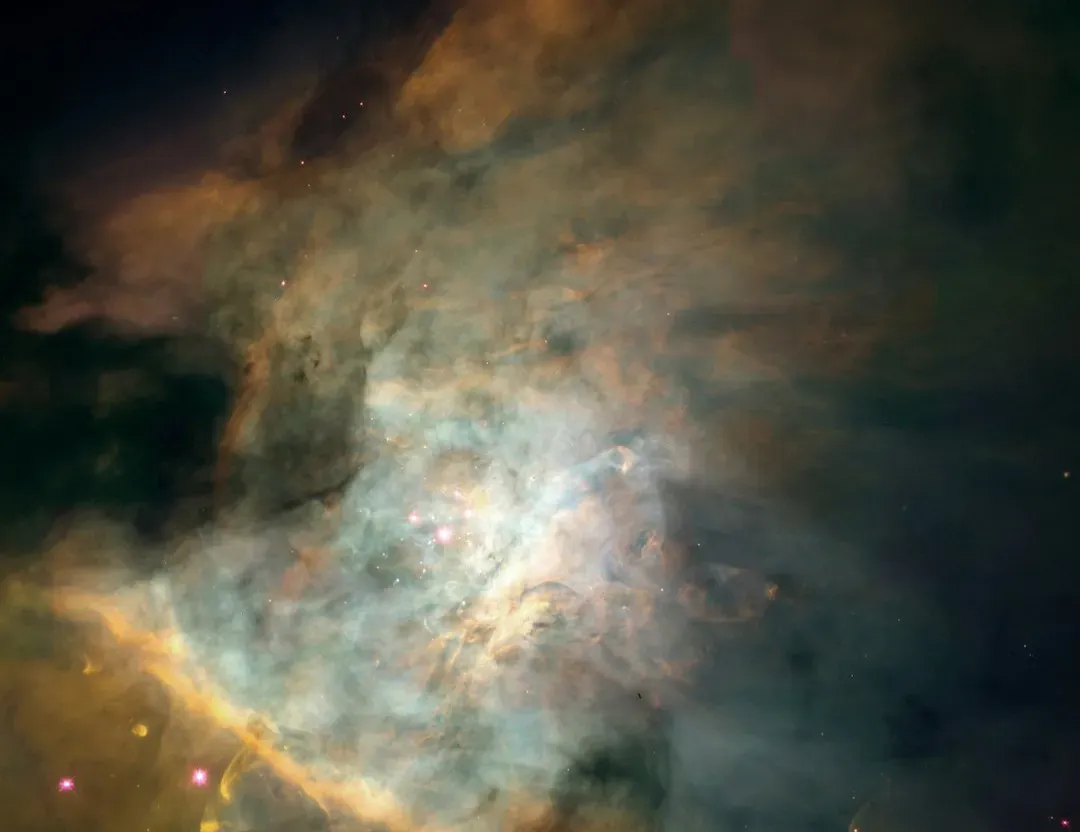
The more precisely we measure the cosmos, the less it behaves like the simple, tidy place we might wish it to be. Invisible matter and energy dominate reality, time bends under gravity, planets wander starless, and whole galaxies race away into the dark. We are made from exploded stars, circling a black-hole-centered galaxy, inside a universe that may itself be only a piece of something larger.
And yet, from this tiny, fragile planet, we’ve managed to figure out even this much, stitching together clues from faint starlight and ghostly particles. The universe doesn’t owe us answers, but it keeps offering questions big enough to reshape how we see ourselves. After all of this, when you look up at the night sky now, does it feel a little different than it did before?