You probably grew up hearing that humans are the smart ones and animals just run on instinct. But when you take a closer look at how other creatures solve problems, communicate, and even plan for the future, that simple story starts to fall apart. Once you see what some animals can really do, it gets harder to draw a sharp line between “our” kind of intelligence and “theirs.”
As you explore these behaviors, you may catch yourself feeling unsettled in the best possible way. You’ll meet birds that use tools better than many toddlers, octopuses that act like escape artists, and fish that literally use other fish as cleaning services. By the end, you might not only see animals differently – you might also question what intelligence even means and whether you’ve been underestimating the minds around you all along.
1. Crows That Use Tools And Even Improve Them
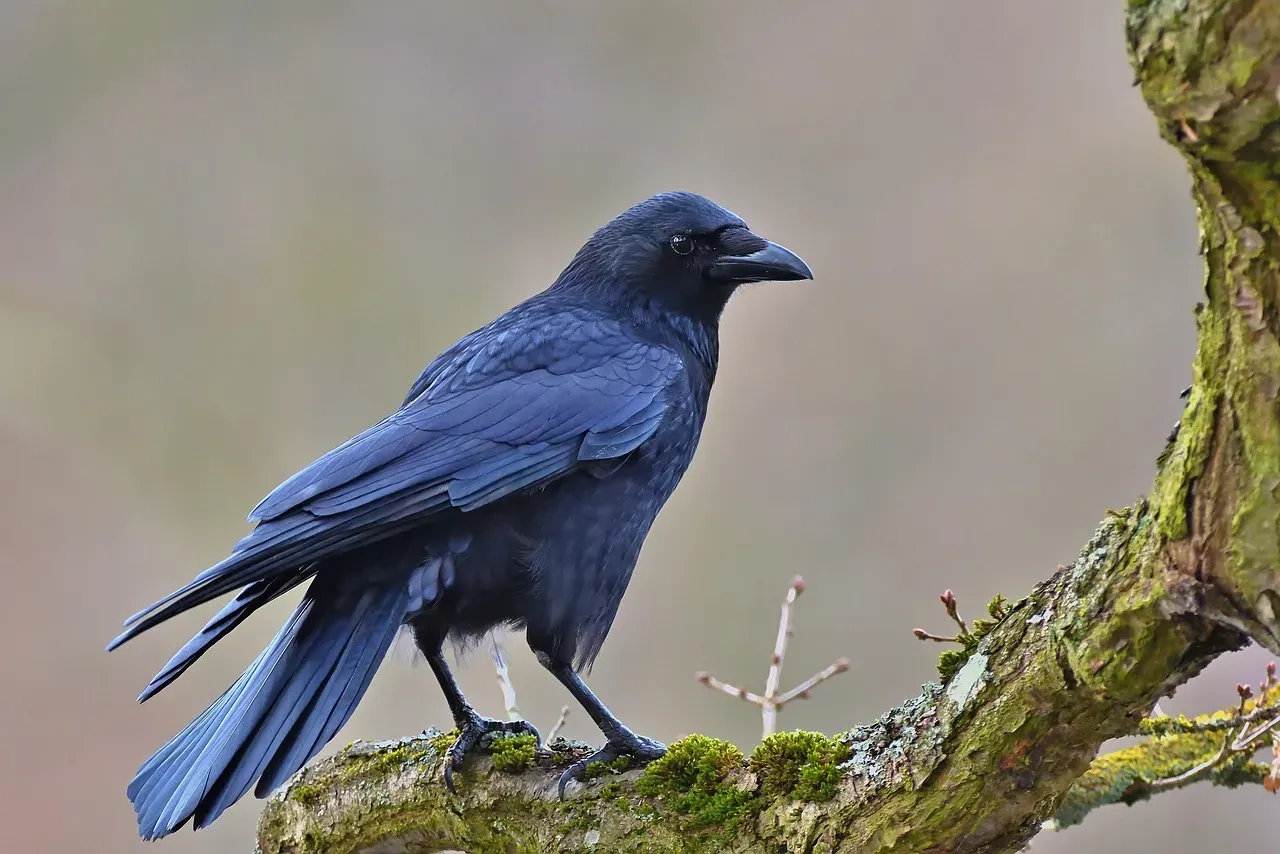
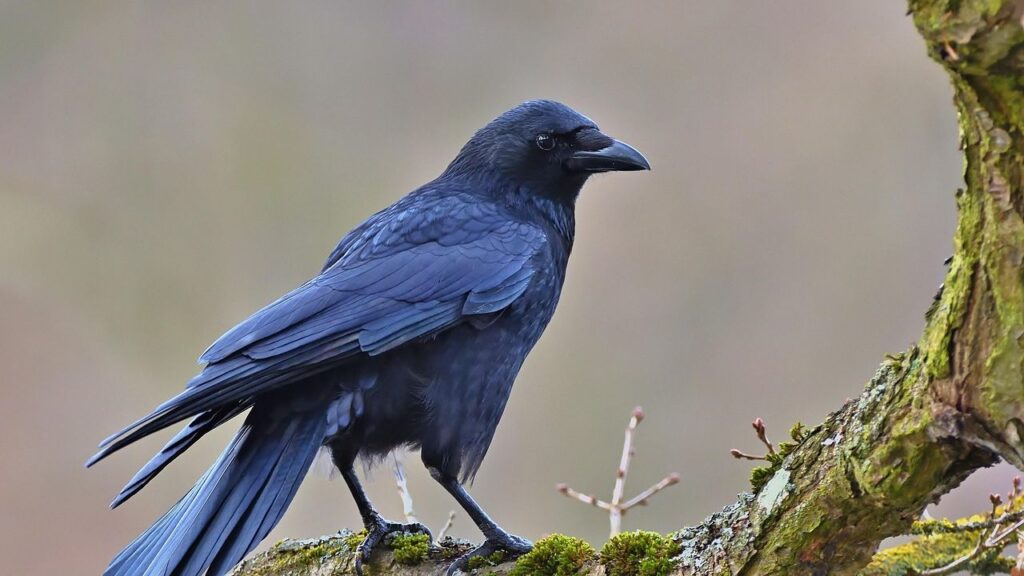
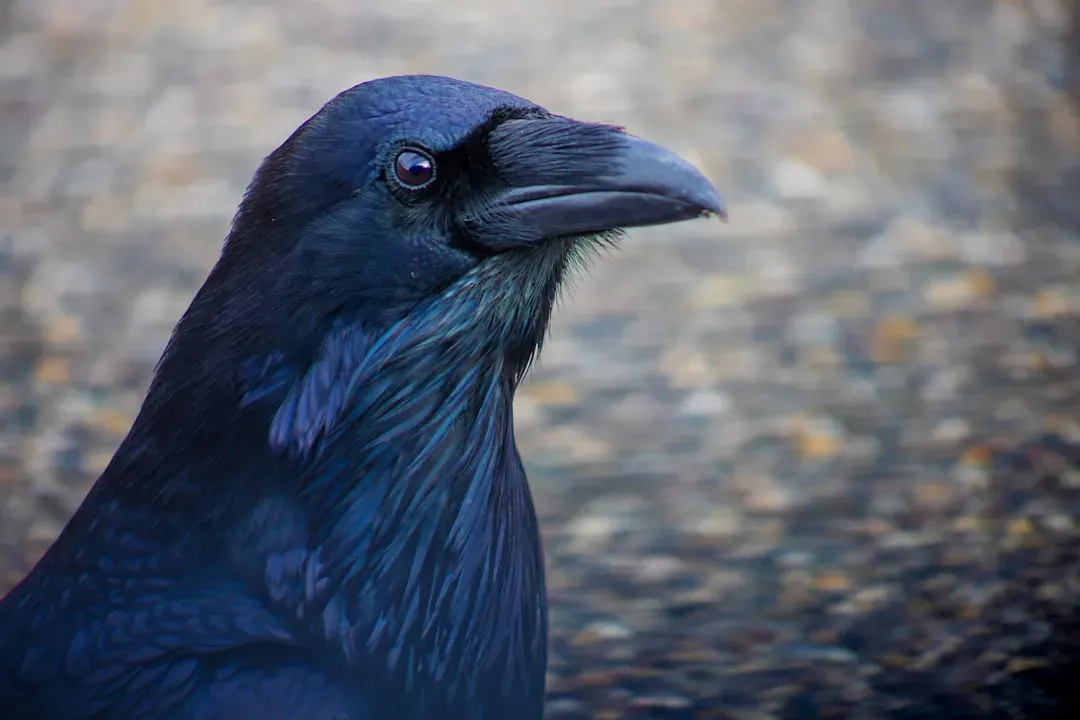
When you picture tool use, you probably think of humans with hammers or maybe chimps with sticks. But some crows and ravens are in a league that will genuinely make you rethink the phrase “bird brain.” You can find crows bending bits of wire into hooks to pull food out of tubes, choosing the right tool from a set of options, and even using one tool to get another tool that they then use to reach food. That is not random pecking; that’s planning several steps ahead.
If you watch closely, you’ll notice that these birds do not just follow a fixed script. They adapt. When the shape or length of a stick changes, they adjust how they use it. Young crows often learn by watching older birds, much the way a child copies an adult using a screwdriver. You start to realize that some corvids are not just reacting to the world; they’re experimenting with it, testing possibilities, and sometimes inventing new tricks that spread socially through the group.
2. Octopus Escape Artists With Problem-Solving Minds
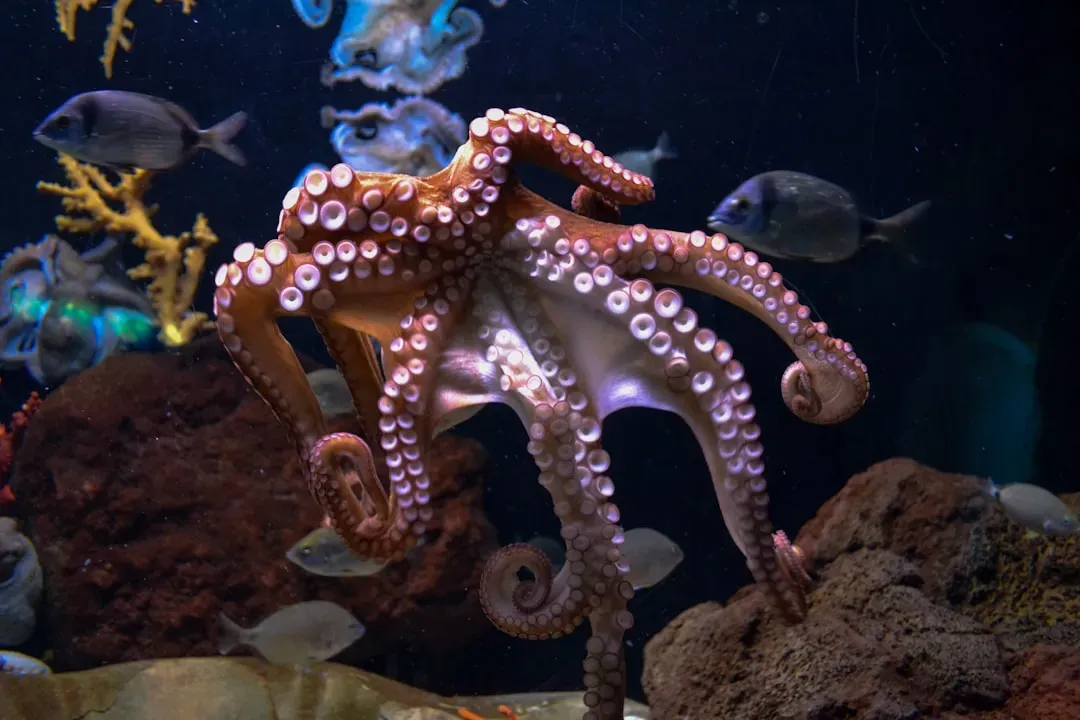
If you ever doubted that a creature with no bones and three hearts could outthink you, an octopus will happily prove you wrong. In aquariums and labs, octopuses have opened screw-top jars from the inside, navigated complex mazes, and remembered which symbols or shapes lead to food rewards. They use their flexible arms almost like a set of eight curious hands, feeling, testing, and learning as they go. You can see their problem-solving in real time as they try different strategies instead of just doing the same thing over and over.
What makes it even stranger is where their intelligence lives. A huge chunk of an octopus’s nervous system is in its arms, so each arm can process information semi-independently. That means you’re looking at an animal whose “mind” is more spread out than yours, yet it can still plan, explore, and adapt. Some octopuses have even been seen collecting coconut shells or other objects and carrying them for later use as portable shelters, which looks a lot like forward planning instead of simple reflex.
3. Dolphins Calling Each Other By Individual “Names”
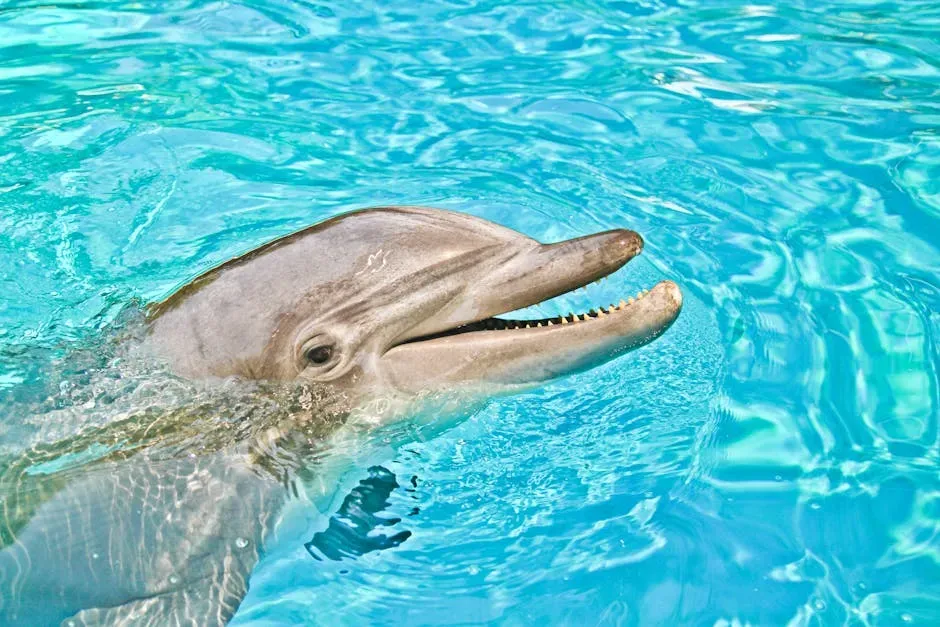
You already know dolphins are smart, but their communication goes deeper than most people realize. Bottlenose dolphins use what researchers call signature whistles – unique sound patterns that function much like names. A dolphin develops its own whistle and uses it consistently, and other dolphins will copy that whistle when they want to get that individual’s attention. You’re not just listening to noise; you’re hearing something that behaves like a spoken label for a particular individual.
Even more intriguing, dolphins seem to remember these signatures for years, possibly even decades. That suggests long-term social memory and complex relationships, not fleeting associations. When you think about it from your own perspective, it is as if they are maintaining a mental directory of their social world, storing not only faces but also personal signals. Once you realize they might be calling each other rather than just calling out, it becomes harder to see them as anything less than sophisticated social thinkers.
4. Elephants Mourning Their Dead And Remembering For Years
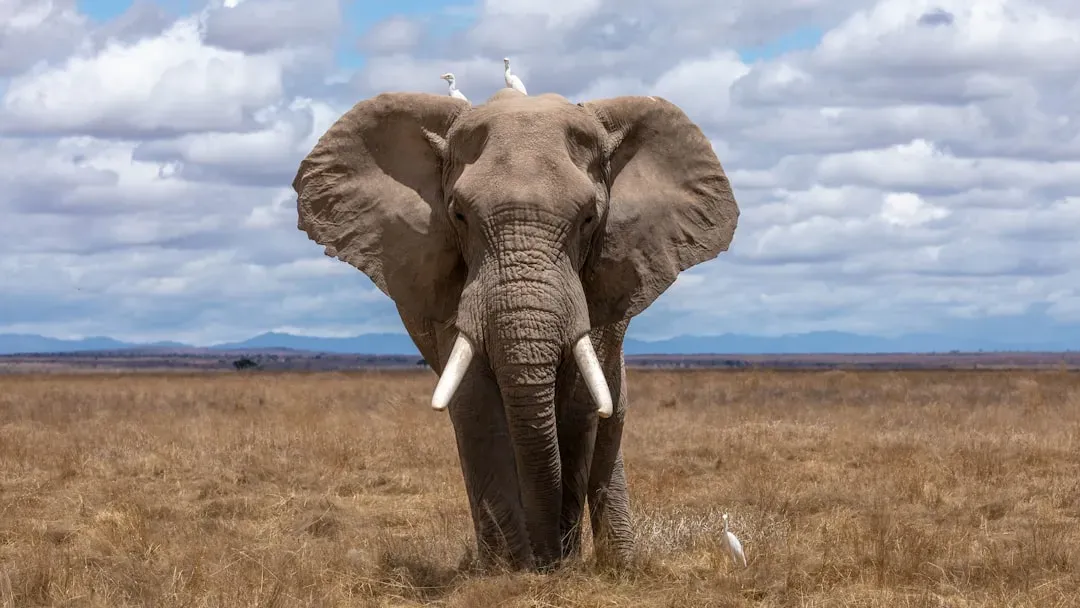
When you watch elephants around the bones or body of a dead companion, it’s difficult not to feel that you’re witnessing something deep. Elephants have been seen gently touching skulls and tusks with their trunks, lingering quietly, and revisiting the remains of deceased herd members months or even years later. You see behaviors that look hauntingly like grief: withdrawal, lowered energy, and extended, almost ceremonial attention to the body or bones.
The emotional side is paired with serious cognitive power. Elephants remember water sources and travel routes over huge distances and timespans, and they can recognize individuals after long separations. Some have been documented responding differently to the bones of their own species than to those of other animals, suggesting they distinguish “us” from “other” even in death. When you put this together – memory, social bonds, and ritual-like behavior – you start to see an inner life that feels uncomfortably close to your own.
5. Parrots That Understand Words Instead Of Just Mimicking
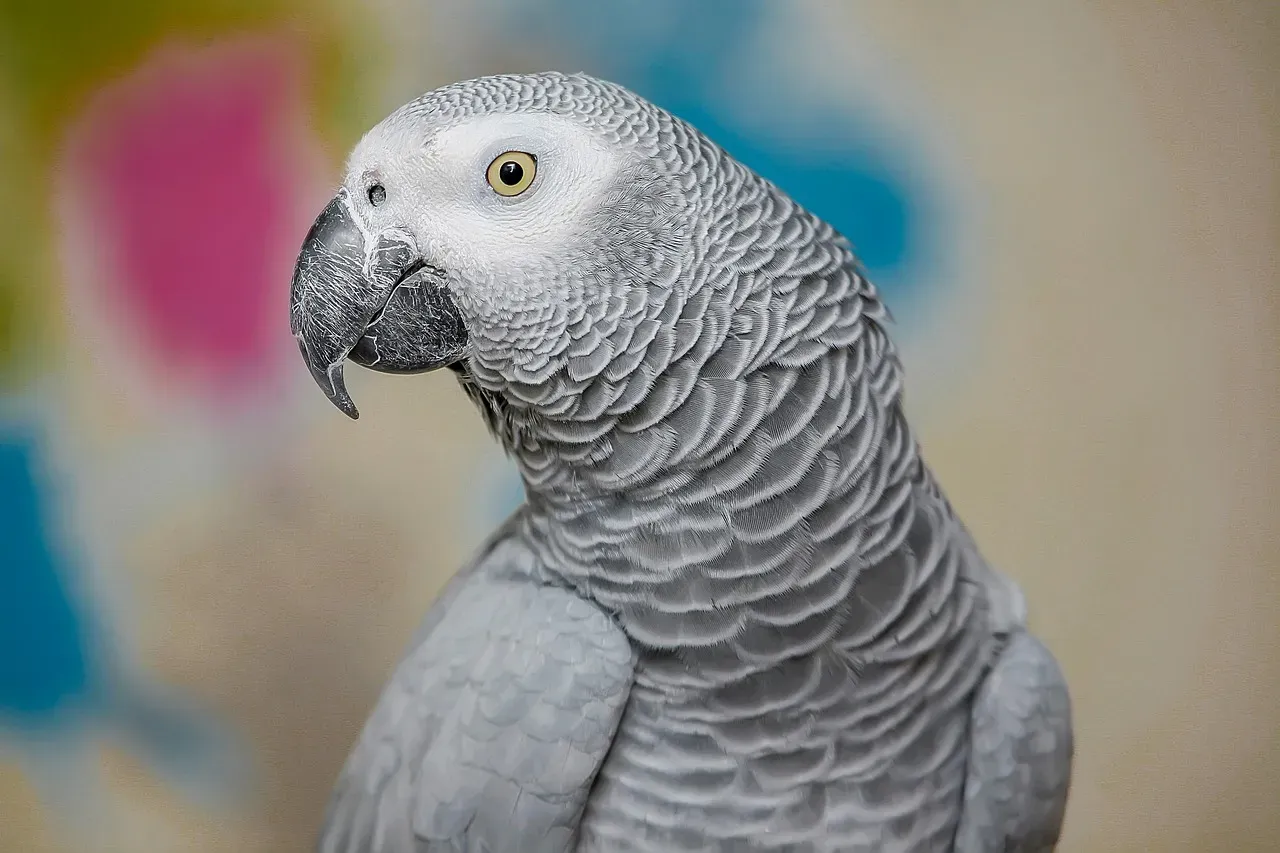
What really hits you is when a parrot uses words flexibly, combining concepts or applying them in new contexts. Some birds have been trained to answer questions like which object is bigger or what something is made of, and they can give the correct spoken response without being cued by obvious tricks like body language. When you see that, it starts to feel less like mimicry and more like a child using vocabulary to navigate the world, hinting at symbolic thinking in a brain completely unlike your own.
6. Ant Colonies Acting Like A Single Super-Organism
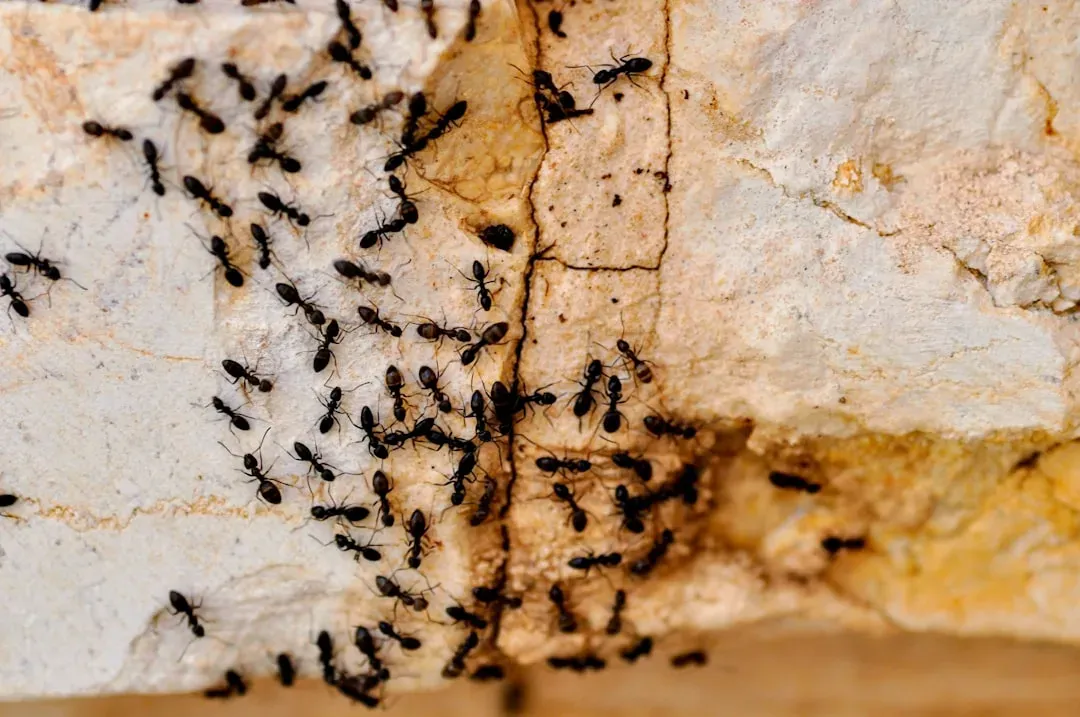
On an individual level, an ant looks simple. But when you zoom out to the scale of the colony, you’re suddenly watching something that behaves almost like a single, distributed mind. Ants coordinate building complex nests, allocating workers to different tasks, exploring for food, and defending territory, all without a leader barking orders. Each ant follows simple rules, but together those rules add up to something that looks eerily like collective intelligence.
You can see this most clearly in how ant trails and foraging patterns emerge and change. As ants find food, they lay chemical trails that guide others, and those trails get reinforced or abandoned dynamically, which lets the colony shift to better options. It’s as though the group is running a constant, decentralized experiment, comparing paths and resources. When you recognize that a swarm of tiny insects can solve problems like traffic routing and resource allocation with no central planner, it challenges your idea that intelligence has to sit inside a single skull.
7. Cleaner Fish Running Underwater “Service Stations”
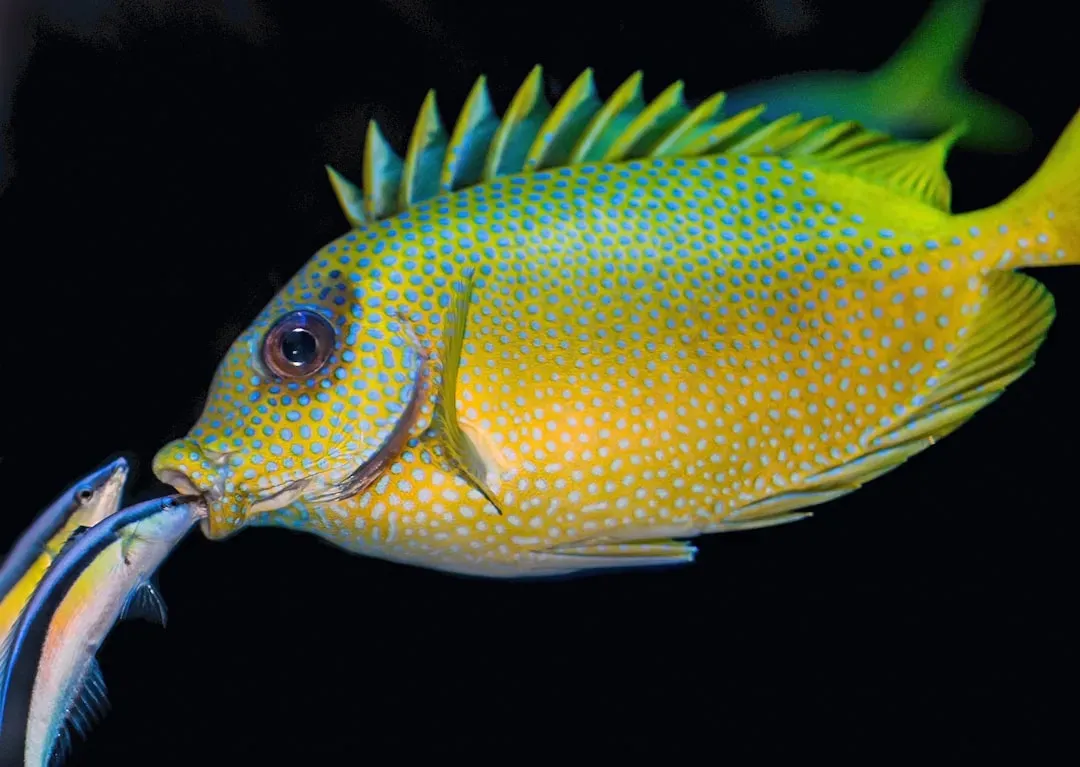
If you think complex social contracts require a big mammal brain, cleaner fish would like a word. On coral reefs, small fish known as cleaners set up stations where larger “client” fish line up to have parasites and dead tissue removed. The cleaners get a meal, and the clients get health benefits. It’s a mutual service relationship that depends on trust and reputation, which is already impressive for a little fish you might otherwise ignore.
It gets wilder when you see how cleaners manage that trust. They tend to treat local, repeat clients more carefully and may cheat by taking a tasty bite of healthy tissue from less likely return customers. They also seem to pay attention to who is watching; when potential new clients can see them, they behave more honestly, almost like a business protecting its public image. You’re essentially looking at negotiation, strategic behavior, and social awareness playing out under the surface of the ocean.
8. Scrub Jays That Cache Food And Worry About Theft
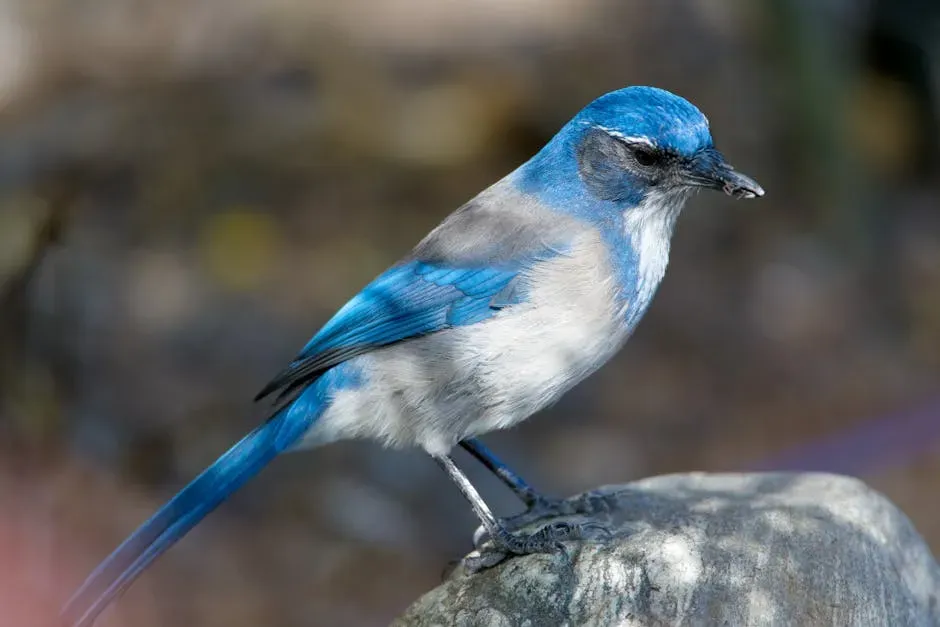
Scrub jays, another clever member of the crow family, hide food in scattered spots so they can recover it later. That alone shows memory and planning, but the real twist comes when you look at how they deal with the risk of theft. If a jay hides food while another bird is watching, it often comes back later, when unobserved, and moves the stash to a secret location. In other words, it behaves differently depending on what it knows another individual has seen.
That behavior suggests something close to perspective-taking: the jay seems to track not just the world, but what another bird might know about the world. Even more intriguingly, jays that have previously stolen from others are the ones most likely to re-hide their own caches after being observed, as if they project their own sneaky tendencies onto their rivals. When you see that, you realize you’re brushing up against a primitive version of what you would call theory of mind, the ability to think about what others are thinking.
9. Rats Showing Empathy And Prosocial Choices
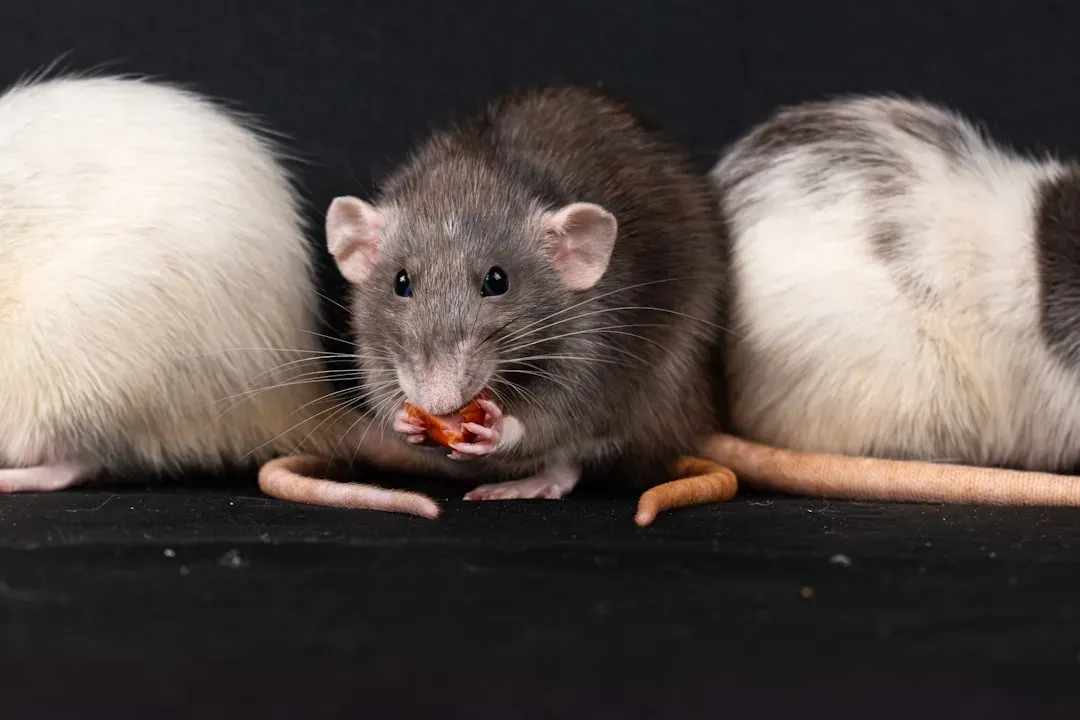
Rats do not have a great public image, but their behavior can be surprisingly compassionate. In experiments, rats have been known to work to free a trapped cage mate, even when there is no obvious reward for doing so. Sometimes they will choose to help another rat before accessing treats for themselves, which implies that another individual’s distress matters enough to influence their choices. That starts to sound uncomfortably like basic empathy.
Rats also show emotional contagion, meaning they can pick up on and mirror the emotional states of others. When a companion is stressed or in pain, a nearby rat may become more anxious or change its behavior in response. You might dismiss that as a simple reflex, but when it leads to consistent helping actions, it begins to look like a social understanding of suffering. It is hard not to see a blurred line between your own tendency to comfort a friend and a rat’s drive to free a struggling partner.
10. Bees Communicating Maps Through The “Waggle Dance”
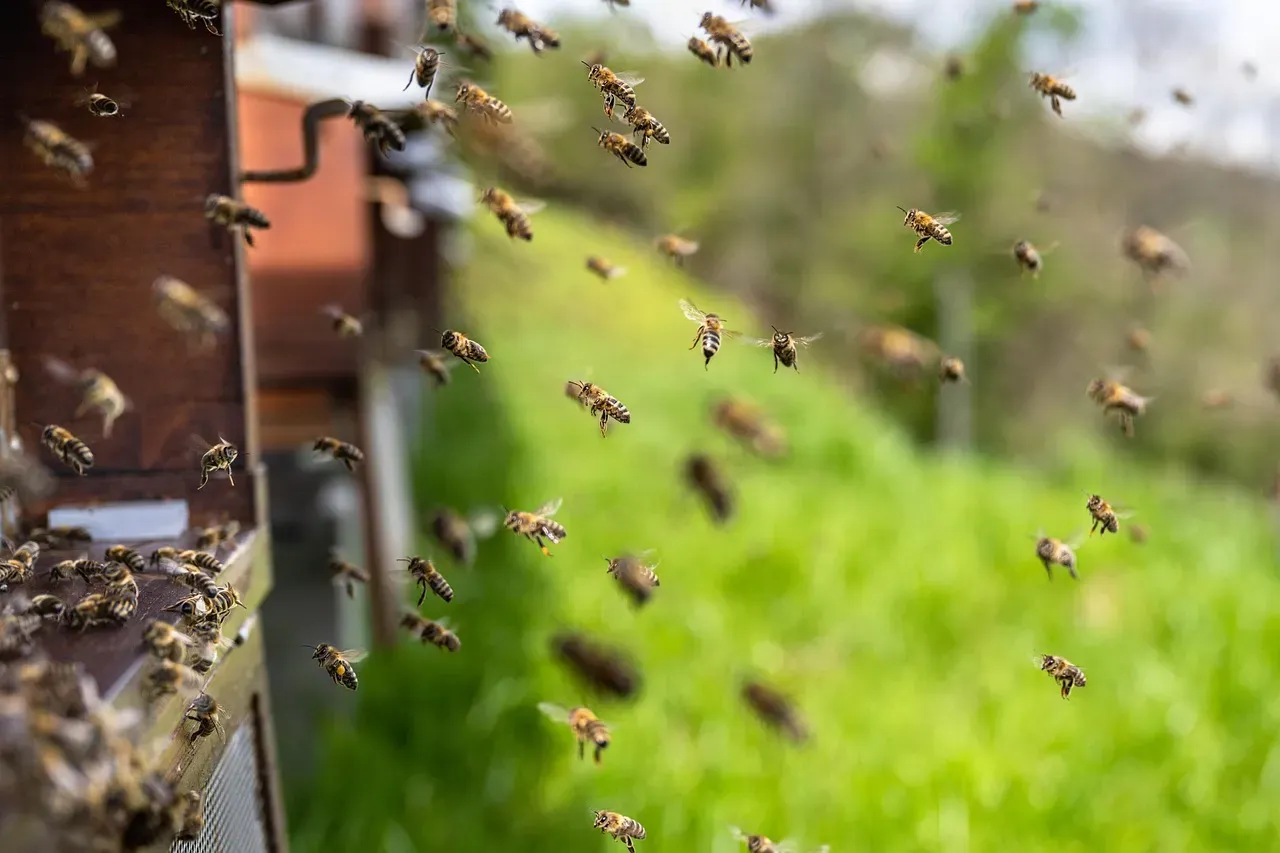
Honeybees have tiny brains, but they pull off one of the most astonishing communication feats in the animal kingdom. When a foraging bee finds a good patch of flowers, it returns to the hive and performs a specific pattern of movements known as the waggle dance. The direction and duration of the dance encode information about where the food is located relative to the sun and the hive. Other bees watch and then fly out to that exact area, using the encoded “map” to find the source.
What you are seeing is a symbolic communication system that conveys distance and direction without sound or words. It’s not flexible language the way you use it, but it’s also far beyond a simple stimulus-response chain. The fact that a nervous system as small as a bee’s can support navigation, complex social roles, and this kind of spatial code forces you to reconsider how much brain is truly required for sophisticated behavior. Instead of thinking of intelligence as an all-or-nothing human trait, you begin to see it as something that can be built in many different ways, even from a handful of neurons.
Conclusion: Rethinking What It Means To Be “Smart”
When you line up these stories – tool-making crows, planning octopuses, name-using dolphins, grieving elephants, and map-dancing bees – your neat hierarchy of “humans at the top, everyone else far below” starts to crumble. You realize that intelligence is not one single thing, and it does not only come in the human model. Some animals excel at social insight, others at navigation, others at problem-solving, and still others at cooperation, often in environments you could never survive in for more than a few minutes.
Once you see that, it becomes harder to shrug off other species as mere background to your own story. You start to notice that you share the planet with minds that are alien yet clearly capable, each shaped by different pressures and needs. Maybe the real challenge is not proving that animals are smart, but letting go of your need to measure them only against yourself. After everything you have just learned, do you still feel as sure that humans are the only true thinkers on Earth – or are you starting to wonder what other kinds of intelligence you have been missing all along?