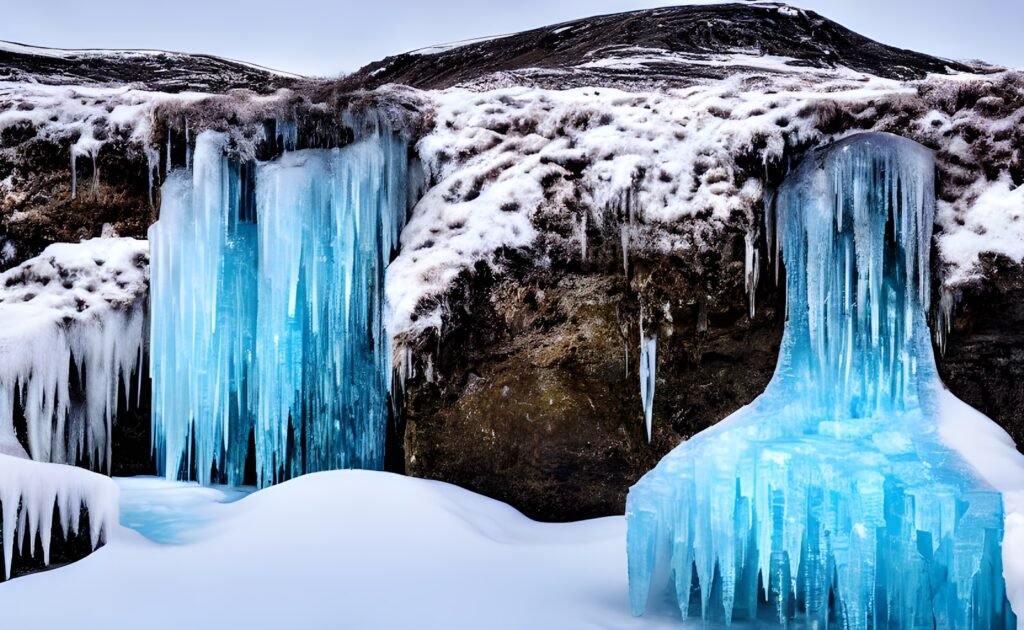

Every winter, a handful of American waterfalls pull off a dramatic vanishing act, trading roaring curtains of water for glassy towers of ice. The transformation looks simple, almost theatrical, yet the physics behind it is anything but. As Arctic air sinks across valleys and river gorges, droplets supercool, spray crystallizes midflight, and a rigid shell slowly seals the flow. The spectacle raises a deceptively tricky question: when a waterfall looks frozen solid, how much water is still moving inside? Here’s what we’re learning, and where to see nature’s most arresting cold-weather illusions.
Minnehaha Falls, Minnesota – The Hidden Clues
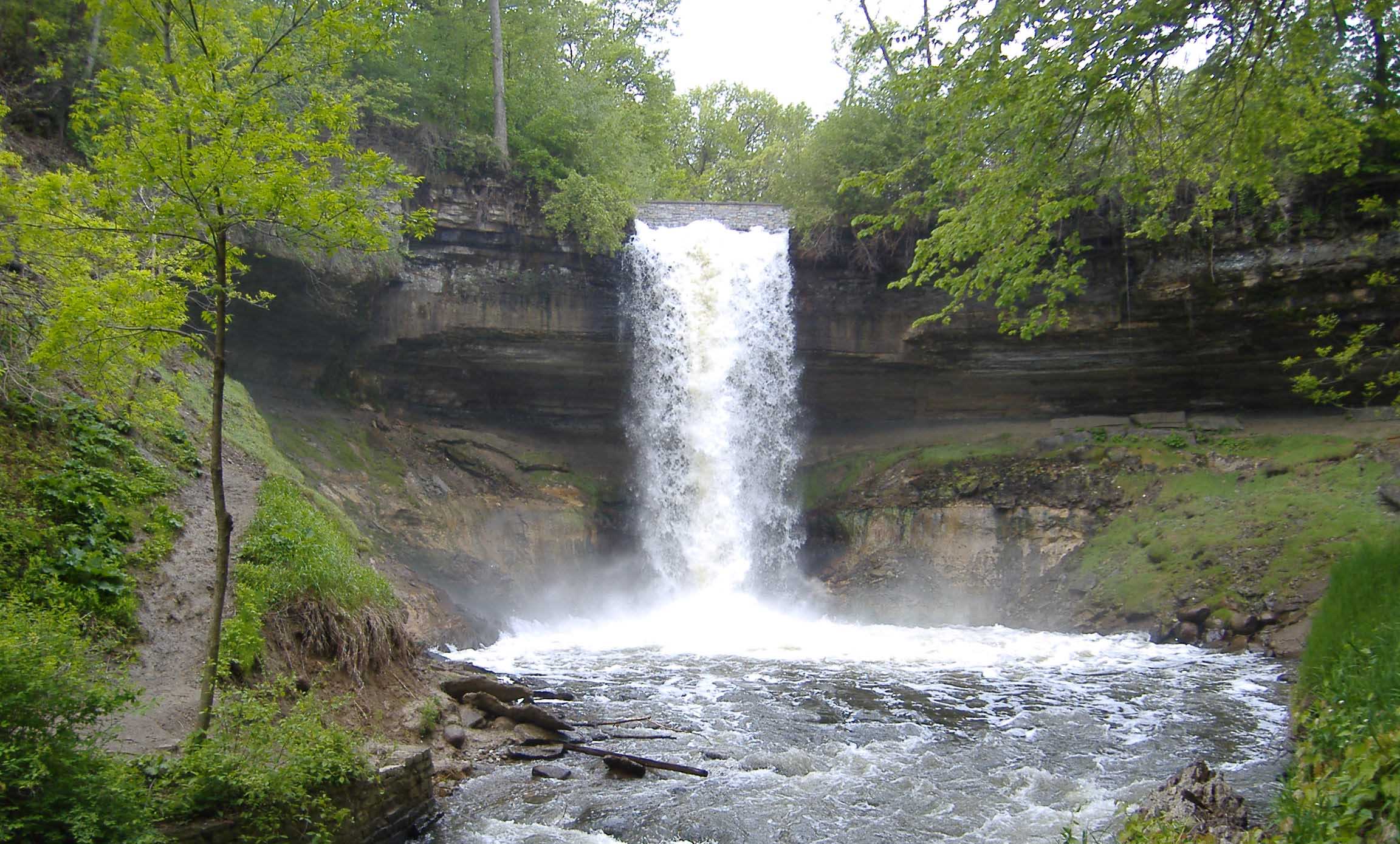
On midwinter mornings in Minneapolis, Minnehaha Falls can appear locked in place, a pale-blue curtain hiding a heartbeat of liquid water. The frozen facade forms from spray that chills faster than the main torrent, building outward layer by layer like masonry. As the curtain thickens, heat exchange drops, and the flow behind it slows enough to let frazil ice clump and crawl. Stand back and you may hear a muffled thrum; that’s the stream still threading through tunnels inside the ice.
The physics offers a neat reminder: wind chill doesn’t cool water below air temperature, but it does accelerate convective heat loss from exposed spray. That’s why cold, dry snaps after storms create the fastest ice growth here, even more than just low temperatures alone.
Munising Falls, Michigan – From Ancient Tools to Modern Science
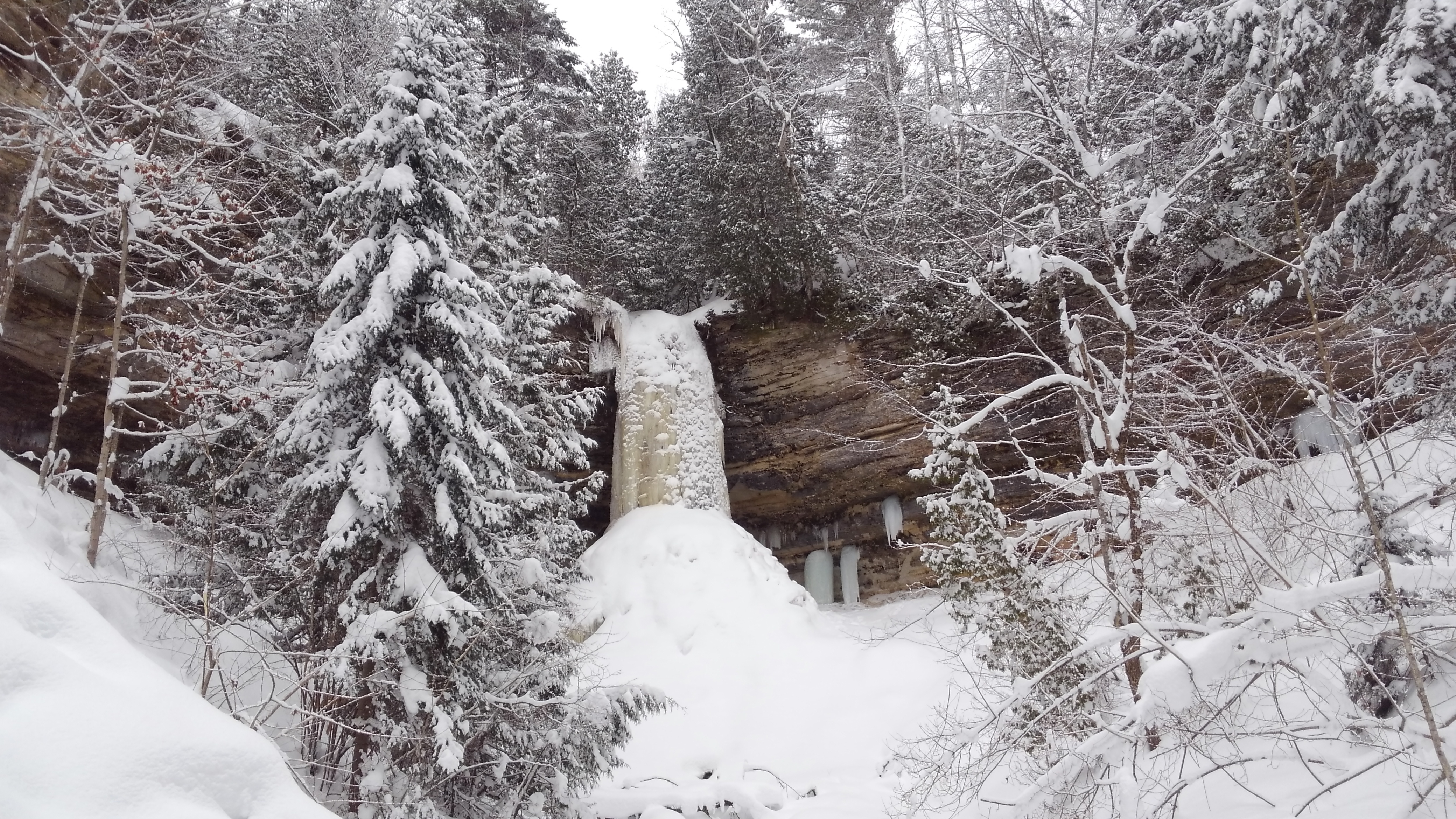
On Lake Superior’s south shore, Munising Falls stacks into a creamy column that climbers and photographers know well. Indigenous winter travelers once read river ice like a map, gauging thickness by color and sound; today, researchers use temperature loggers and time-lapse cameras to watch the ice skin advance. The key is supercooled droplets that freeze on impact, a process called rime accretion, which turns spray into scaffolding. Beneath it, anchor ice grips the streambed and lifts into shelves that fuse with the fall.
Lake-effect cold helps, but so does the canyon geometry that traps chilled air. The result is a sculpture that can look monolithic while quietly flexing as hidden water pulses through the core.
Bridal Veil Falls, Telluride, Colorado – Why It Matters
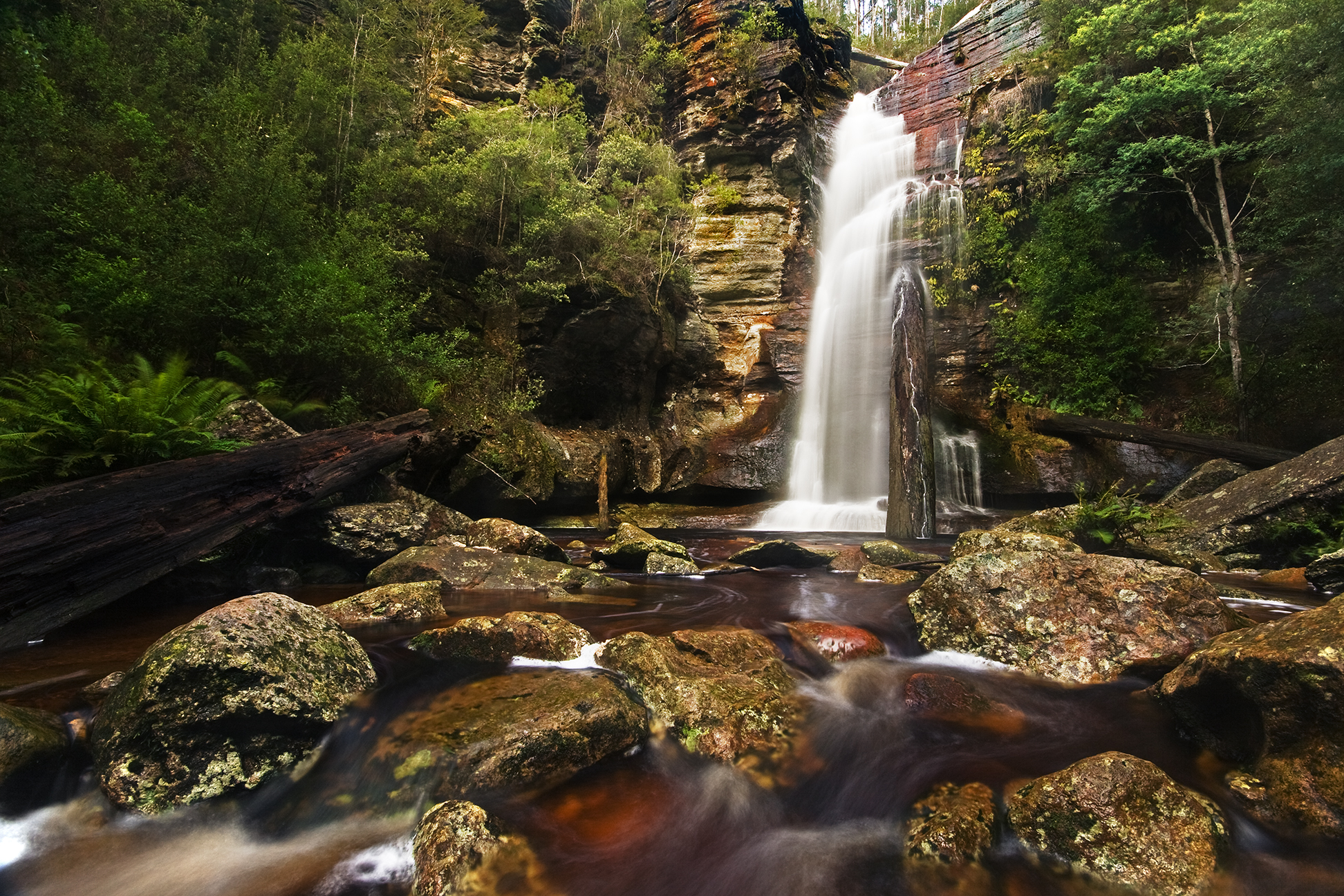
High above Telluride, Bridal Veil’s winter armor tells a larger story about mountain hydrology. When the fall encases itself, evaporation plunges and the stream loses one of its fastest winter heat pathways; that can shift ice timing downstream and nudge when creeks wake in spring. Shorter cold spells in recent decades mean fewer weeks with that sealed facade, and local water managers track such windows because they influence midwinter flow variability.
For visitors, the takeaway is simple but consequential: a waterfall that reads frozen isn’t dead water, it’s buffered water. That difference shapes winter habitats for trout and insects, and it quietly affects how much flow communities can expect during late-season thaws.
Rifle Falls, Colorado – The Physics on Display
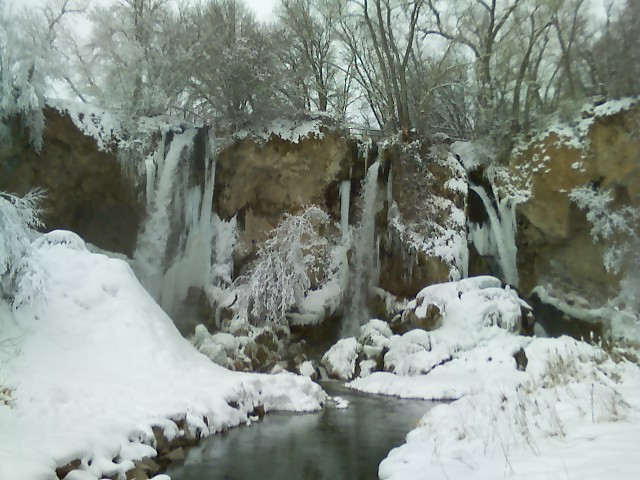
Rifle Falls splits into three side-by-side curtains, which makes it a nice natural lab for freeze mechanics. With roughly equal drop heights, the trio shows how slight changes in spray patterns and rock overhangs alter icing rates. One channel may armor early if mist lingers, while another stays stubbornly wet because turbulence sheds ice crystals before they can stick. Watch closely and you’ll see frozen “onion skins” recording shifts in temperature and wind like tree rings.
Thermal inertia matters too, because limestone holds the cold; once the rock face chills, new ice clings faster. That feedback loop can turn an overnight chill into a weekend-long spell of near-solid ice.
Taughannock Falls, New York – When Scale Meets Cold
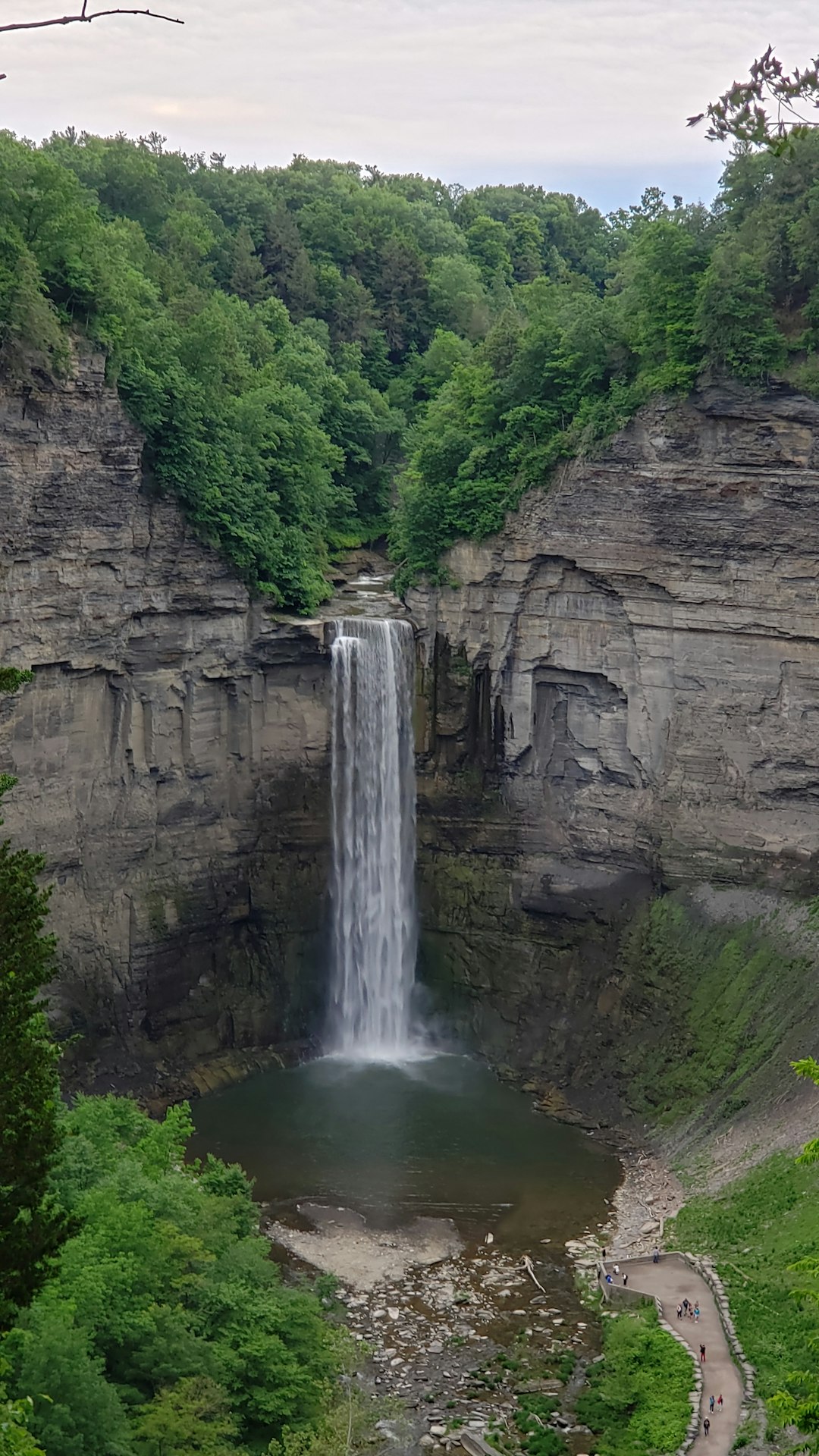
East of the Finger Lakes, Taughannock’s towering plume often builds a giant cone at its base, a frozen volcano swallowing the plunge pool. The cone rises as splash freezes where it lands, layer on layer, sometimes reaching the height of nearby trees by February. Meanwhile, the fall’s main sheet plates over, leaving ribbons of flow that sneak behind the facade. The apparent paradox – immobility beside motion – helps scientists model how spray freezing outpaces bulk flow cooling.
It also makes the gorge acoustically strange, as the ice muffles echoes and amplifies small cracks. You feel the cold differently here: not just as temperature, but as architecture reshaping sound and space.
Ricketts Glen, Pennsylvania – A Living Laboratory
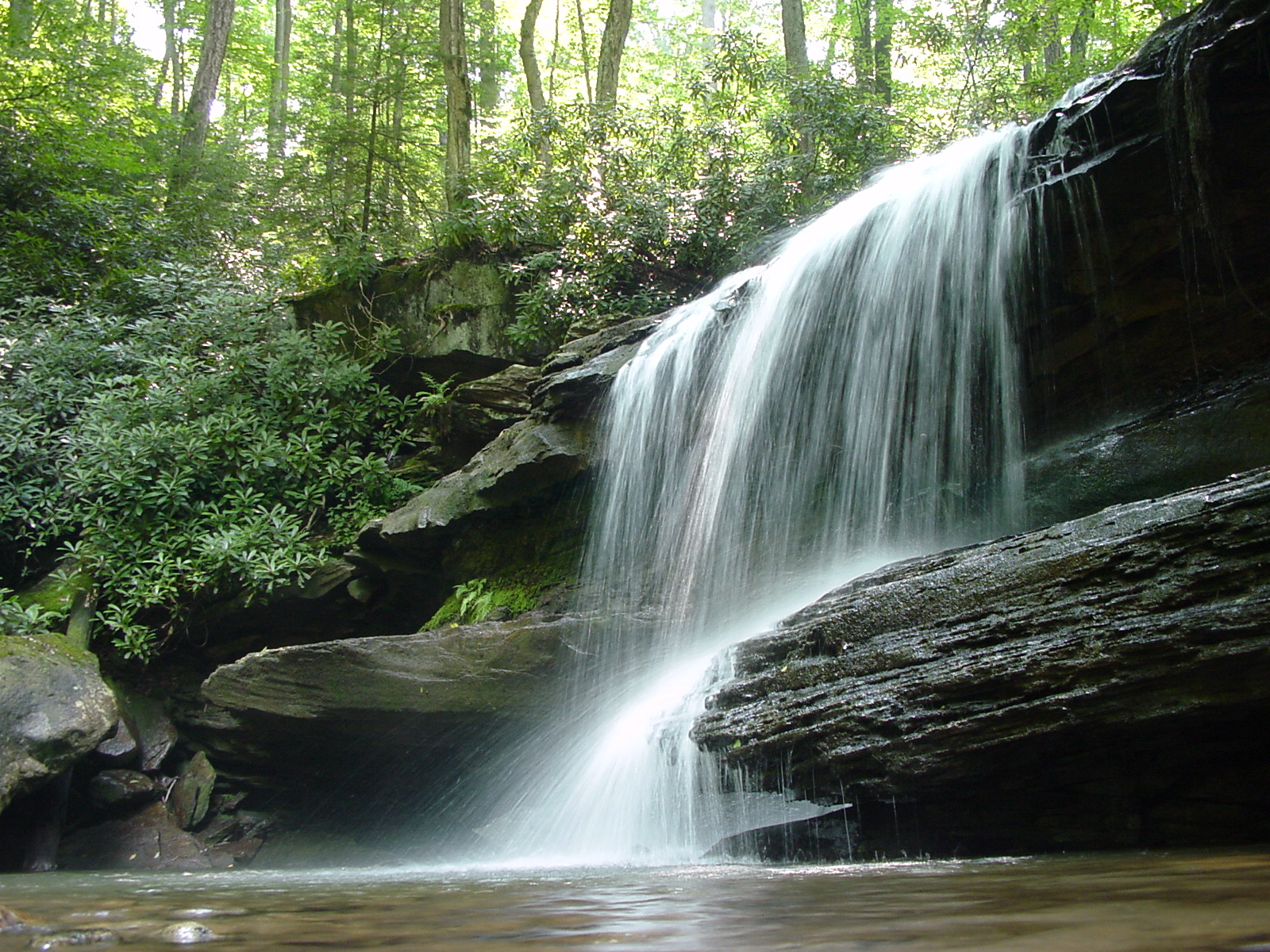
Ricketts Glen strings 21 falls along a steep ravine, and in midwinter the place turns into a gallery of ice textures. Thin-lipped cascades glaze into glass, fan-shaped pours stack into fluted columns, and the larger drops form stout curtains. Because each fall has its own slope, pool depth, and spray plume, the park becomes a field course in how geometry controls icing. Hikers see what textbooks say: slower water freezes easier, but mist makes up the difference by building outward from the air.
Park crews stress caution for good reason, since the same spray that grows ice also makes trails treacherous. The science lesson fits the safety message – where you see beauty, assume hidden physics and hidden risk.
Bridal Veil Falls, Spearfish Canyon, South Dakota – Wind, Spray, and Ice
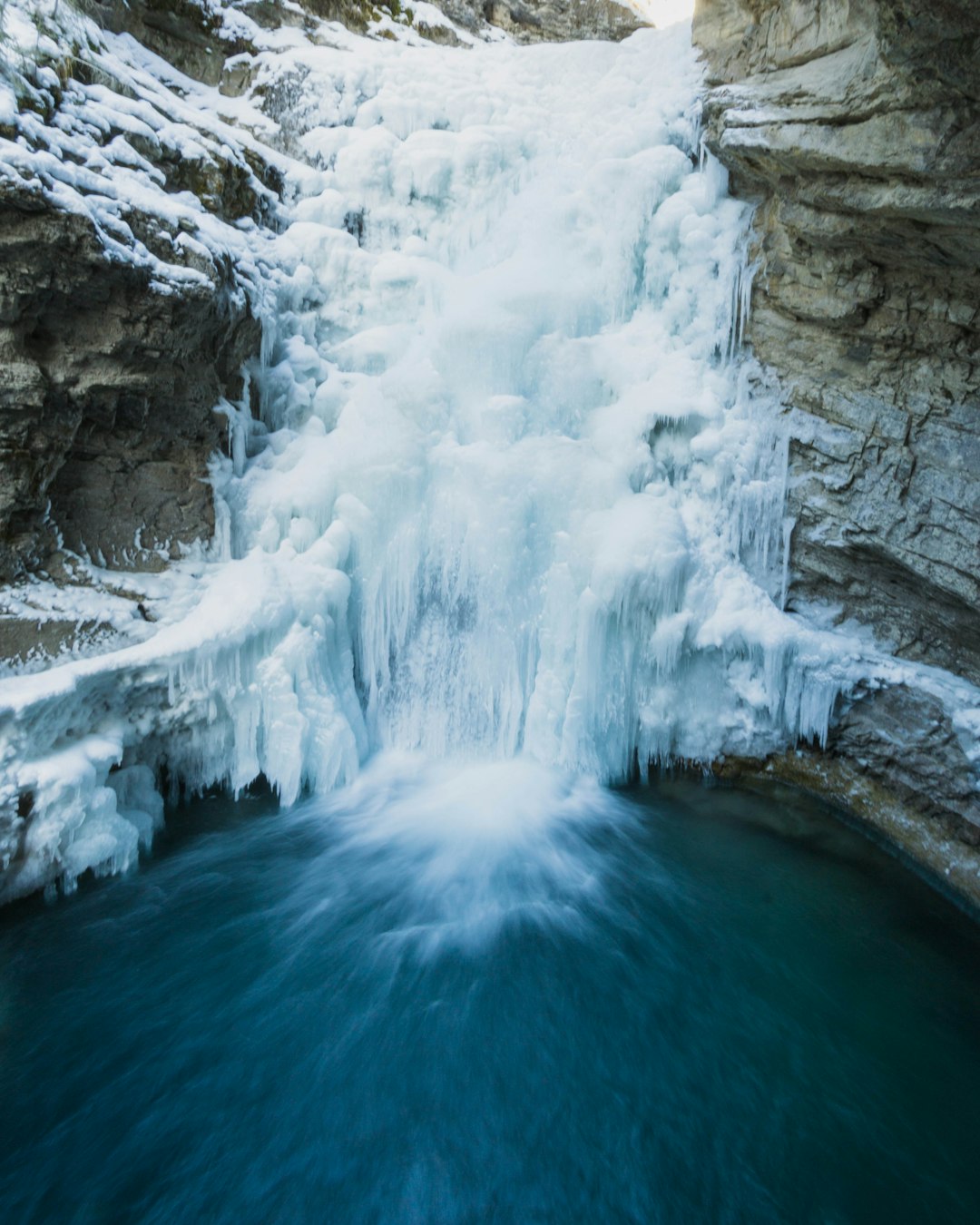
Spearfish Canyon funnels prairie winds into mountain chill, and Bridal Veil uses that to stage a reliable freeze. Gusts shred the cascade into microdroplets that give up heat fast, creating a crystalline wall that can look architectural. The wall often thickens first at the edges where rock cools the flow, then races inward as rime bridges the gap. By the time it reads solid, a narrow channel remains inside, keeping pressure from building dangerously.
The setting offers a clean example of why humidity matters: drier air speeds evaporation and cooling before droplets land. In cold snaps, that turns wind into a sculptor more than a saboteur.
St. Louis Canyon Falls, Starved Rock, Illinois – Community and Risk
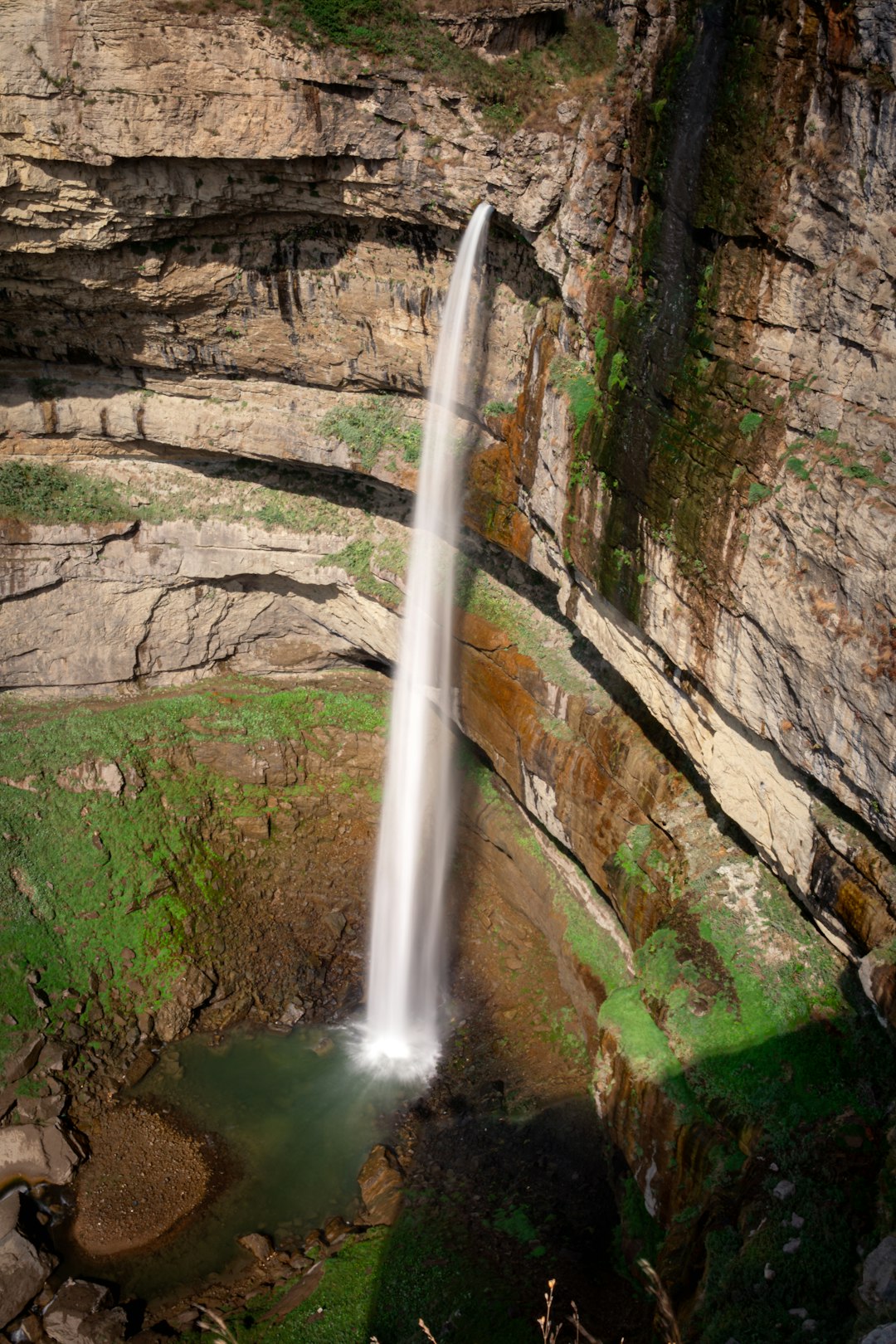
In deep freezes along the Illinois River, a pale-green pillar forms in St. Louis Canyon, drawing weekend crowds from Chicago. The pillar grows upward from the pool as well as downward from the lip, a quiet collaboration between splash ice and icicles. Locals trade tips on the best week to see it, though conditions can change overnight when sun angles shift or a warm front sneaks in. Rescue teams remind visitors to give the formation room; a small fracture high on the column can send plates sliding without warning.
What sticks with you is how a simple creek becomes a winter landmark that anchors community routines. A frozen fall is geology you can watch on the scale of days, not millennia.
Looking Glass Falls, North Carolina – Southern Cold Snaps
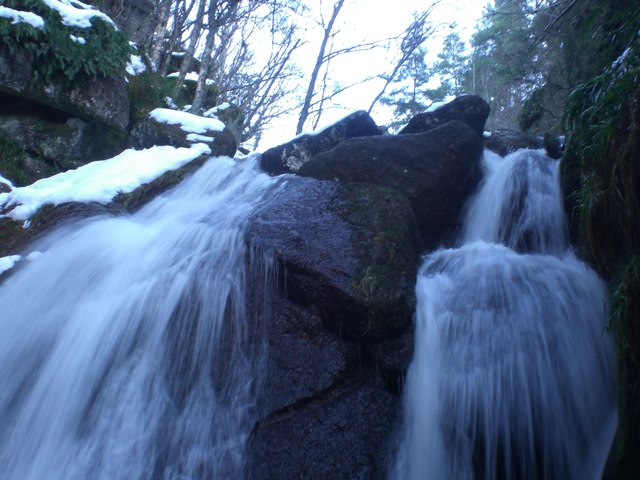
When polar air dips far enough south, Looking Glass Falls flips from misty postcard to frosted amphitheater. The surrounding rock chills quickly in shade, and a brittle apron of ice creeps across the pool, welding to the fall’s lower veil. Even in the Southeast, short-lived cold blasts can make solid-looking ice thanks to spray accretion, not because the entire water column freezes from top to bottom. That distinction is why thaw can seem instantaneous, with the facade collapsing as soon as the air swings warm.
These brief freezes are sensitive sentinels; a few less hours below freezing and the sculpture never forms. For scientists, that makes the South a useful barometer for how winter extremes are changing.
Suhail Ahmed is a passionate digital professional and nature enthusiast with over 8 years of experience in content strategy, SEO, web development, and digital operations. Alongside his freelance journey, Suhail actively contributes to nature and wildlife platforms like Discover Wildlife, where he channels his curiosity for the planet into engaging, educational storytelling.
With a strong background in managing digital ecosystems — from ecommerce stores and WordPress websites to social media and automation — Suhail merges technical precision with creative insight. His content reflects a rare balance: SEO-friendly yet deeply human, data-informed yet emotionally resonant.
Driven by a love for discovery and storytelling, Suhail believes in using digital platforms to amplify causes that matter — especially those protecting Earth’s biodiversity and inspiring sustainable living. Whether he’s managing online projects or crafting wildlife content, his goal remains the same: to inform, inspire, and leave a positive digital footprint.