Across the American landscape, a quiet revolution is running on smoke and science. After decades of trying to stamp out every spark, land managers are bringing back planned, low-intensity burns – prescribed fire – to head off the infernos that turn skies orange and towns anxious. These carefully timed burns mimic the small, frequent fires that once shaped many ecosystems, pruning fuels and rebooting habitats. The strategy isn’t flashy, but the results are adding up: cooler flames, safer edges, stronger forests. Here’s what that looks like right now in ten national forests, and what these efforts are teaching us about living with fire instead of running from it.
Apalachicola National Forest, Florida: The Hidden Clues of a Fire-Dependent Forest
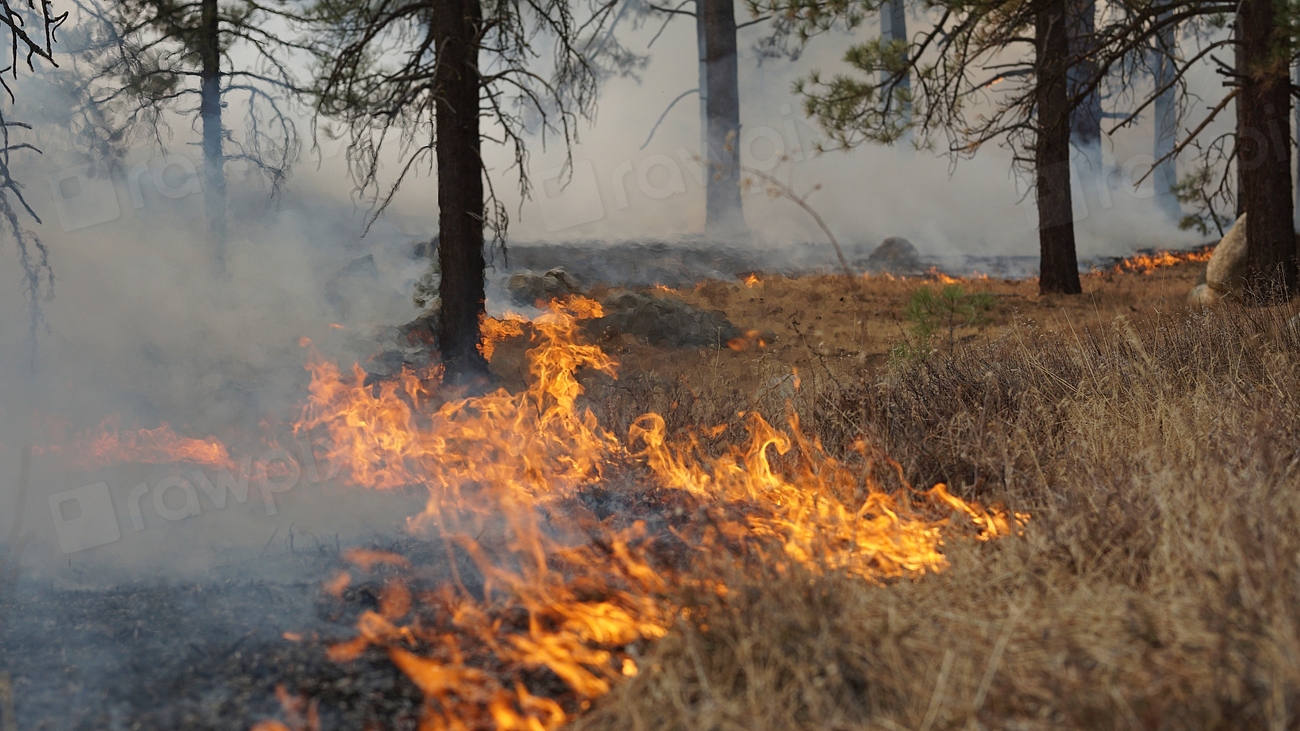
Here, flame is less a villain than a gardener with a steady hand. Managers burn on frequent cycles to maintain the open, grassy longleaf pine savannas that historically relied on frequent, low flames to thrive. After burns, wiregrass rebounds, hardwood sprouts are checked, and the understory looks like a tidy mosaic rather than a tangled fuse. Wildlife tied to open pine, from ground-nesting birds to small reptiles, tracks closely with these safer, cooler fire patterns.
Operationally, crews choose days when wind, humidity, and fuel moisture align so flames crawl instead of run. Over repeat cycles, ladder fuels shrink, flame lengths fall, and later lightning strikes tend to skim the surface instead of racing to the crowns. In a region where summer thunderstorms are inevitable, that shift is a lifesaver – turning potential blowups into routine cleanups.
Ocala National Forest, Florida: From Ancient Tools to Modern Science

In scrub country, prescriptions are tuned like a radio dial – too cool, and dense sand pine chokes out habitat; too hot, and you scorch the very plants that need space and light. Burn bosses now combine traditional knowledge with weather models, infrared mapping, and on-the-ground scouting to hit the ecological sweet spot. The result is patchy burn patterns that reset scrub structure while sparing pockets of refuge for insects and small mammals.
After a rotation or two, crews see clearer fire lines, less volatile fuel beds, and a safer perimeter around recreation sites. The forest’s signature species that depend on open, sunlit scrub benefit as shrubs resprout with vigor instead of stagnating in shade. The science here is practical: good fire, applied consistently, keeps an unruly system within the bounds that people and wildlife can live with.
Kisatchie National Forest, Louisiana: Why It Matters in Longleaf Country
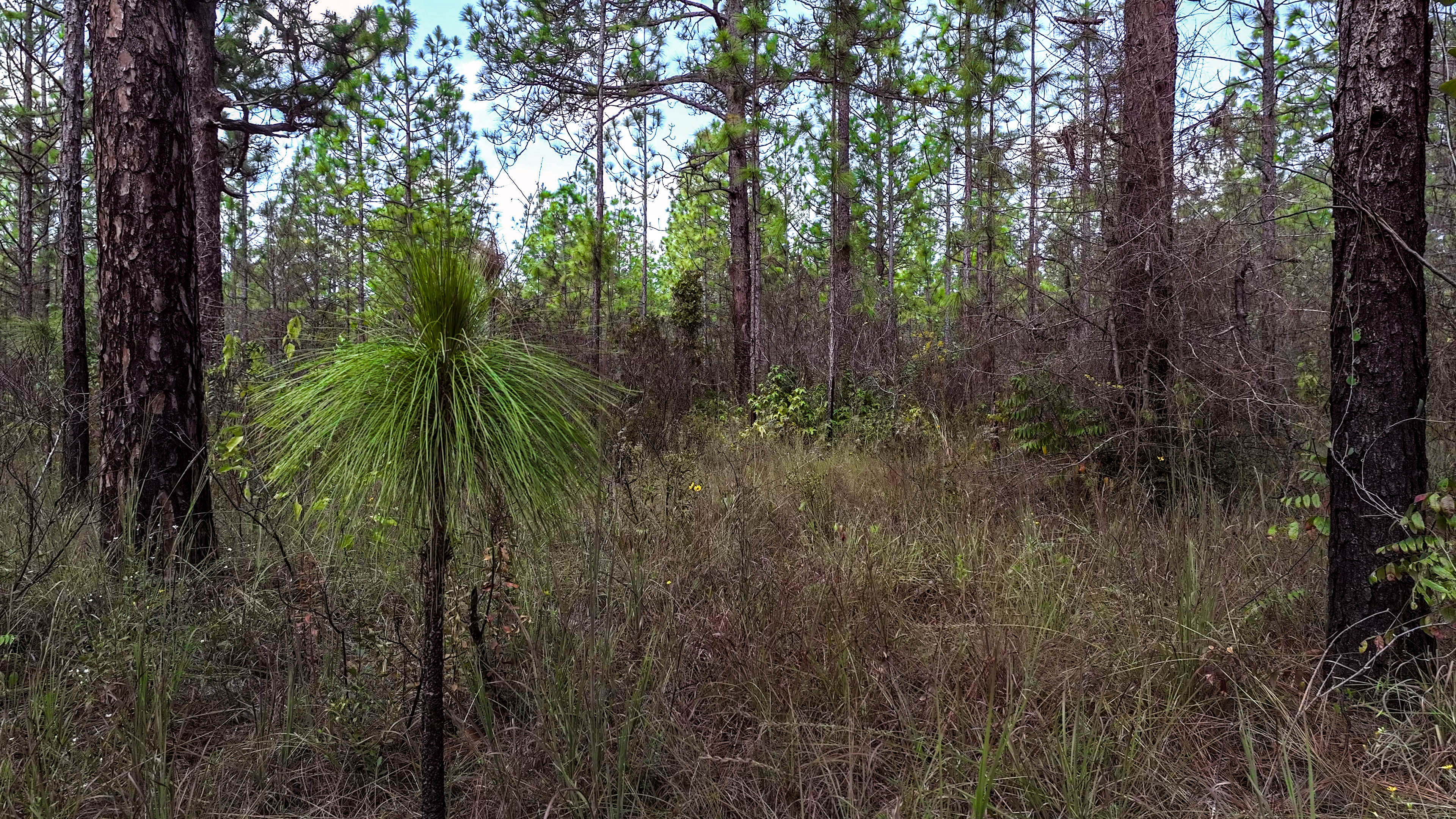
Longleaf pine ecosystems once stretched like a sea across the Gulf states, and fire was their tide. At Kisatchie, returning that rhythm with regular prescribed burns prunes dense midstory, protects mature pines, and lets heat-tolerant grasses and forbs surge back. Each cycle trims the probability that a dry, windy day will deliver a crown run that firefighters can’t stop.
The benefits aren’t just botanical; they’re strategic. Roads, ridges, and previously treated blocks become anchor points during wildfire response, giving crews safe places to work and better odds of success. In a humid state better known for rain than fire, these results show that living with flame is about timing and tactics, not fear.
Chattahoochee-Oconee National Forest, Georgia: Building Buffers Where People Live
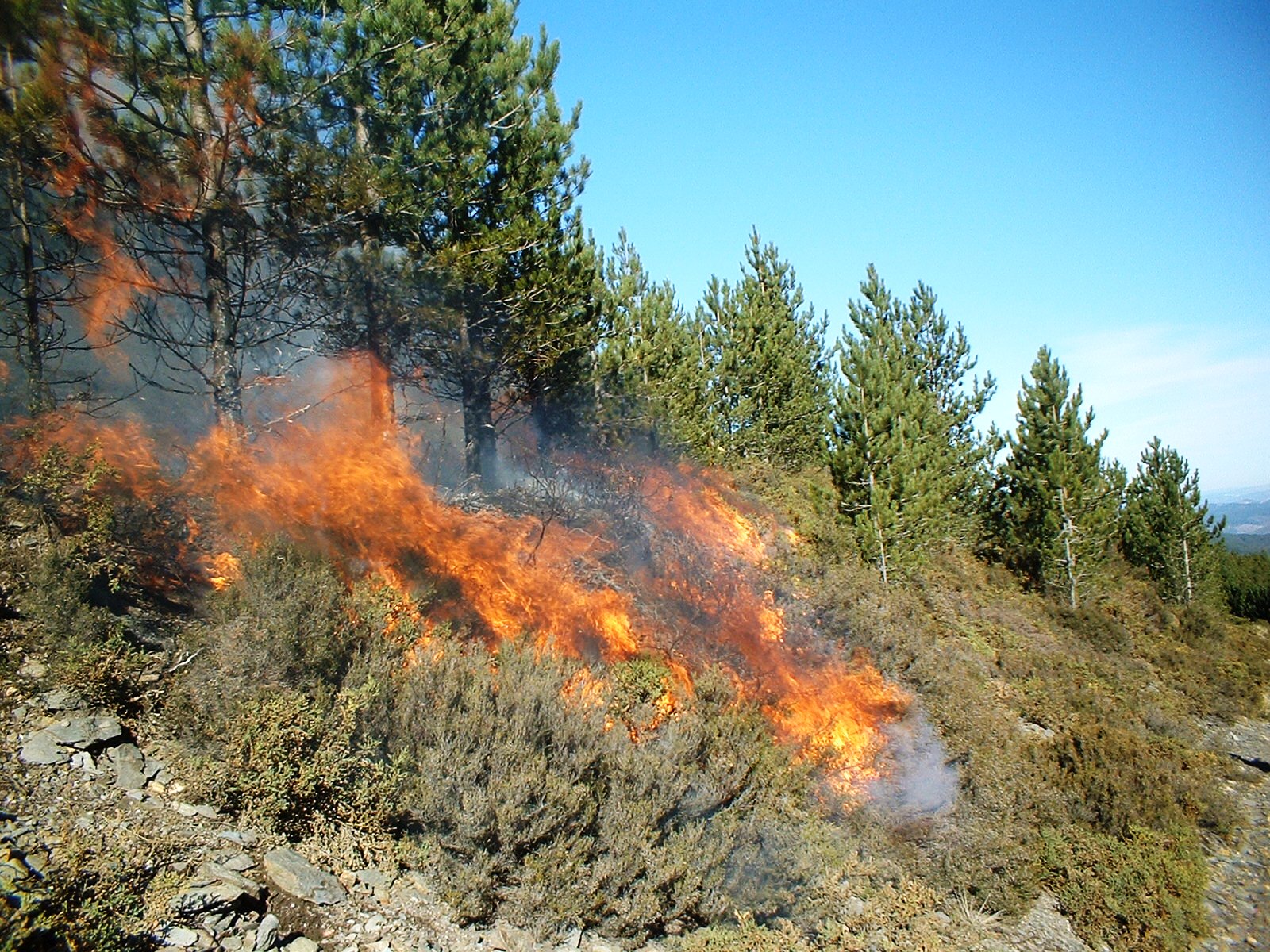
North Georgia’s rolling foothills are a patchwork of small towns, cabins, and forest edges – classic wildland–urban interface. Here, prescribed burning pairs with thinning to create stepped “speed bumps” for fire that moves out of the backcountry. When embers ride a gust, they’re more likely to encounter open, blackened ground than a ladder of dry branches aiming at a roofline.
Residents often notice the difference after a season or two: cooler understories, cleaner sightlines, and less smoke during peak wildfire months. These are practical metrics, but they add up to public safety. Good fire reduces the odds that a bad day becomes a community’s worst day, which is ultimately the measure that matters.
Mark Twain National Forest, Missouri: Oak Woodlands Reborn
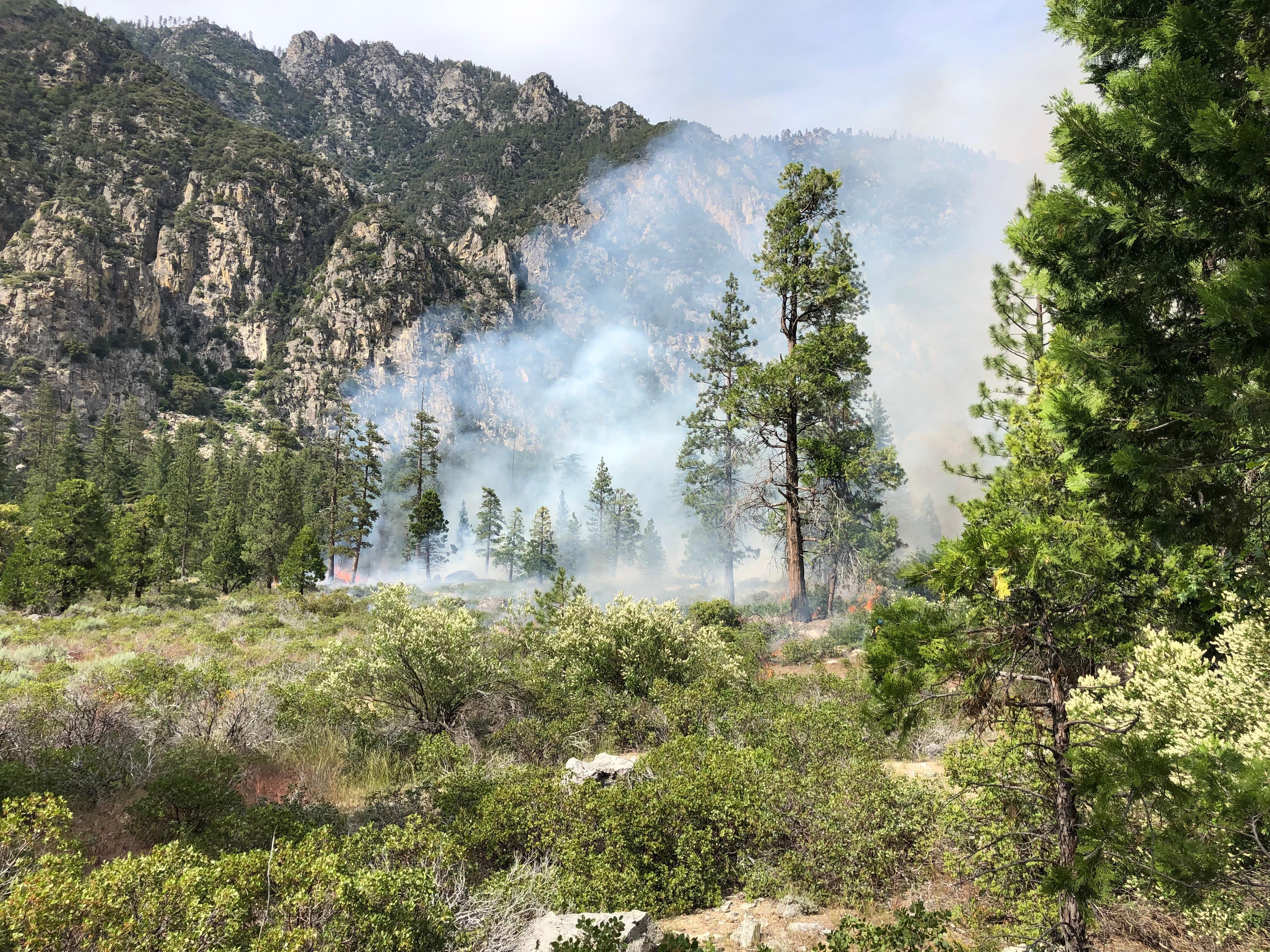
In the Ozarks, a quiet crisis unfolded for decades as oaks lost ground to shade-loving maples and elms. Prescribed fire, paired with selective thinning, is swinging the pendulum back by opening the canopy and stimulating oak seedlings that need light and heat pulses to compete. After burns, glades brighten, native grasses return, and spring wildflowers pop where leaf litter used to lie heavy.
The fuel story improves in tandem. Leaf layers thin, fallen branches are consumed in manageable doses, and future lightning or human-caused ignitions face fewer pathways to escalate. What looks like a cosmetic cleanup is actually a structural reset, rewriting the conditions that determine how the next fire behaves.
Monongahela National Forest, West Virginia: Cool-Season Windows, Hot Results
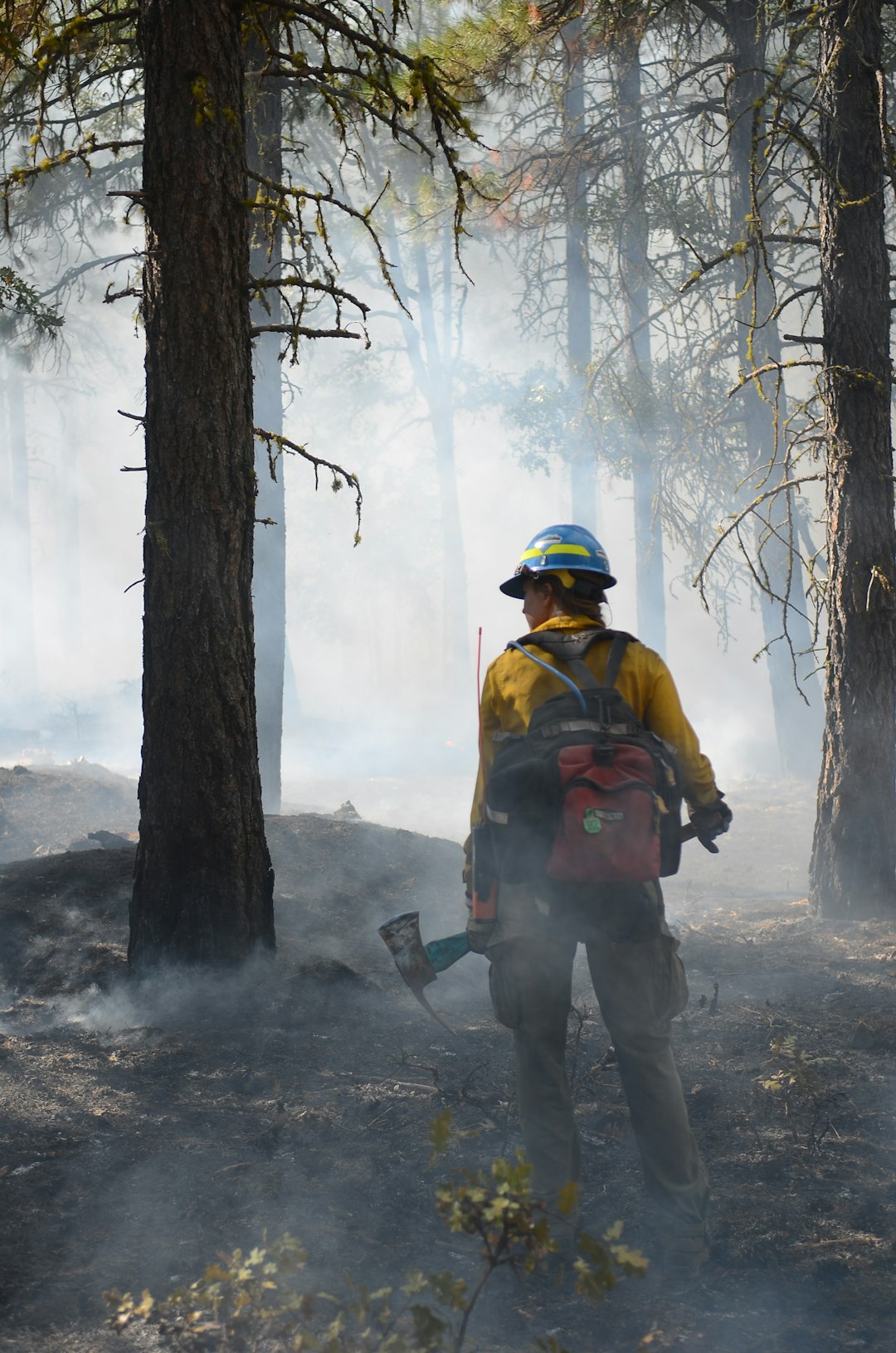
On ridges that catch Appalachian winds, managers capitalize on late fall and early spring burn windows when humidity is higher and nights are long. These cool-season fires creep through oak–pine slopes, curbing saplings that would otherwise build ladders toward the canopy. The burn pattern leaves a mottled floor – black, brown, and green – that resists large, uniform flame fronts.
Over time, crews report steadier fire behavior and easier containment when dry spells arrive. Oak regeneration improves, wildlife forage increases, and the forest carries itself like an athlete that trains year-round instead of sprinting and collapsing. It’s proof that small, well-timed doses of heat can inoculate a landscape against worse outcomes.
George Washington & Jefferson National Forests, Virginia: Lessons from the Appalachians
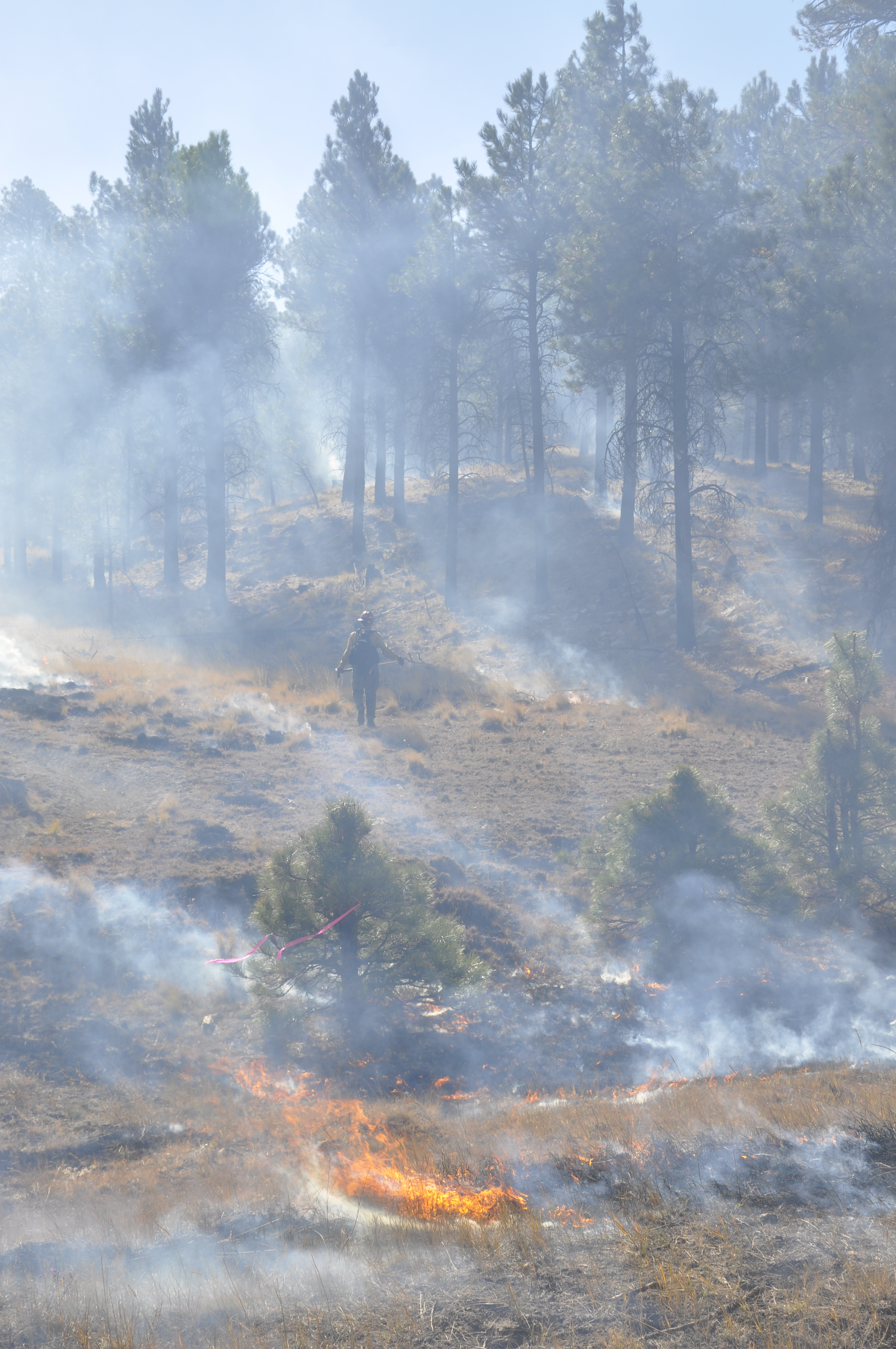
These sprawling forests straddle watersheds and communities, so prescribed burning doubles as watershed protection. By reducing heavy fuels and thinning understory tangles, managers shrink the odds of soil-scorching wildfires that can send ash and sediment downstream. Trails and ridgetops often serve as control lines, turning familiar places into strategic fire infrastructure.
The ecological dividend is equally clear: more sunlight on the forest floor, more herbaceous plants, and renewed habitat complexity. When a dry front presses in, treated stands tend to host smaller flames that crews can flank rather than flee. The lesson, repeated over seasons, is that prevention doesn’t just cut risk – it grows resilience.
Coconino National Forest, Arizona: Ponderosa Pine and the Patchwork Fire
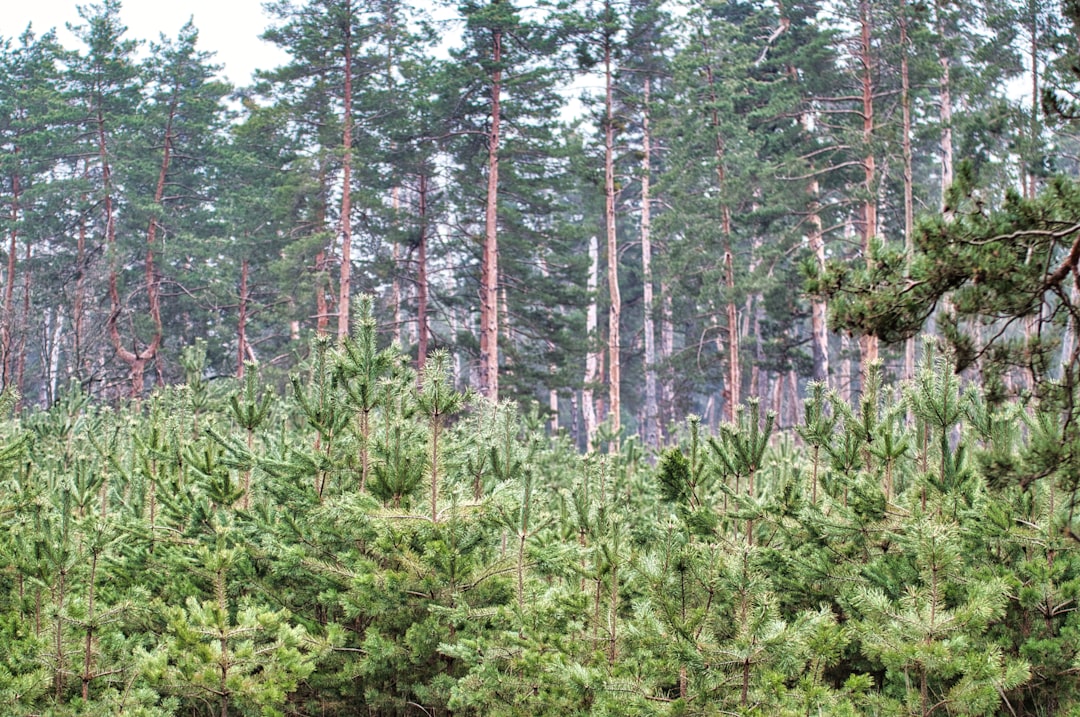
High on the Mogollon Rim, the story is about restoring a missing rhythm. Ponderosa pine evolved with frequent, gentle burns that nibbled at needles and cones but spared big, fire-scarred trunks. Through a mix of mechanical thinning and prescribed fire, managers are rebuilding that patchwork so embers meet gaps, not ladders, when winds rise.
Flagstaff’s community-backed work shows how policy, funding, and operations can align to shift outcomes across an entire watershed. Post-burn monitoring often finds shorter flame lengths and fewer torching trees when wildfires do arrive. The forest looks more open, the risk profile tilts downward, and firefighters gain crucial options when conditions tighten.
Deschutes National Forest, Oregon: The Future Landscape of Good Fire
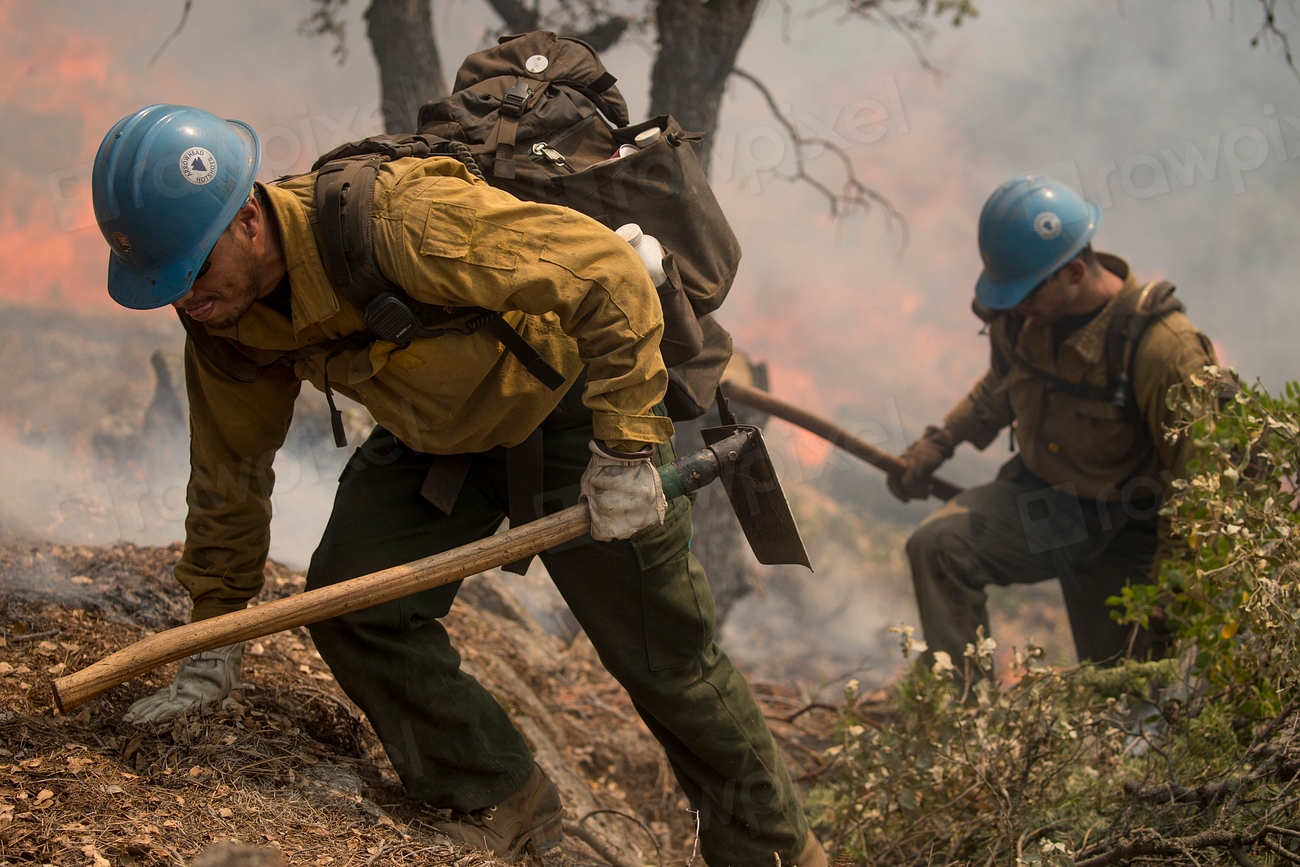
On the east side of the Cascades, crews are piloting tools that make fire smarter and safer – unmanned aerial ignition for precise firing, real-time smoke sensors to protect communities, and fine-scale fuel mapping that targets the right acres. Night burns under higher humidity create cooler fire that still does the ecological work. It’s a playbook designed for a drying West, where windows are tighter but the need is greater.
The payoff shows up in mixed-severity wildfires that stall or step down when they hit treated ground. Recreation hubs and neighborhoods around Bend benefit from those moderating effects, and managers bank more confidence for the next window. Technology doesn’t replace experience, but it extends human judgment into the places and hours that matter most.
Klamath National Forest, California: Community, Culture, and a Call to Action
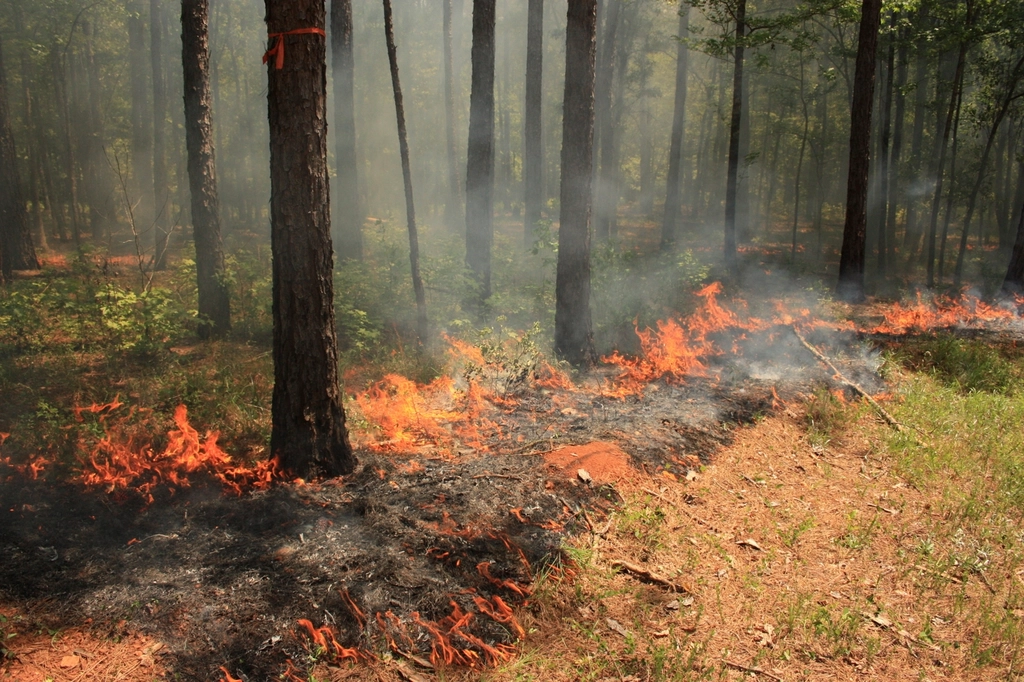
In the Klamath River watershed, cultural burning by Tribes and prescribed burns by agencies are converging on the same goal: break up dangerous fuel continuity and bring back fire-shaped forests. Low flames clear brush, invigorate acorn-producing oaks, and open travel corridors for wildlife. The more often these mosaics are maintained, the fewer surprises a dry east wind can deliver.
There’s a role for the rest of us, too: support policies that fund prescribed fire, sign up for local smoke alerts, harden homes with ember-resistant vents, and give agencies social license to burn when conditions are right. Volunteer on forest clean-up days, learn defensible space basics, and talk with neighbors about accepting short-term smoke for long-term safety. If we want fewer headlines about catastrophe, we have to say yes to the quieter, cooler burns that make it possible – are we ready?
Suhail Ahmed is a passionate digital professional and nature enthusiast with over 8 years of experience in content strategy, SEO, web development, and digital operations. Alongside his freelance journey, Suhail actively contributes to nature and wildlife platforms like Discover Wildlife, where he channels his curiosity for the planet into engaging, educational storytelling.
With a strong background in managing digital ecosystems — from ecommerce stores and WordPress websites to social media and automation — Suhail merges technical precision with creative insight. His content reflects a rare balance: SEO-friendly yet deeply human, data-informed yet emotionally resonant.
Driven by a love for discovery and storytelling, Suhail believes in using digital platforms to amplify causes that matter — especially those protecting Earth’s biodiversity and inspiring sustainable living. Whether he’s managing online projects or crafting wildlife content, his goal remains the same: to inform, inspire, and leave a positive digital footprint.