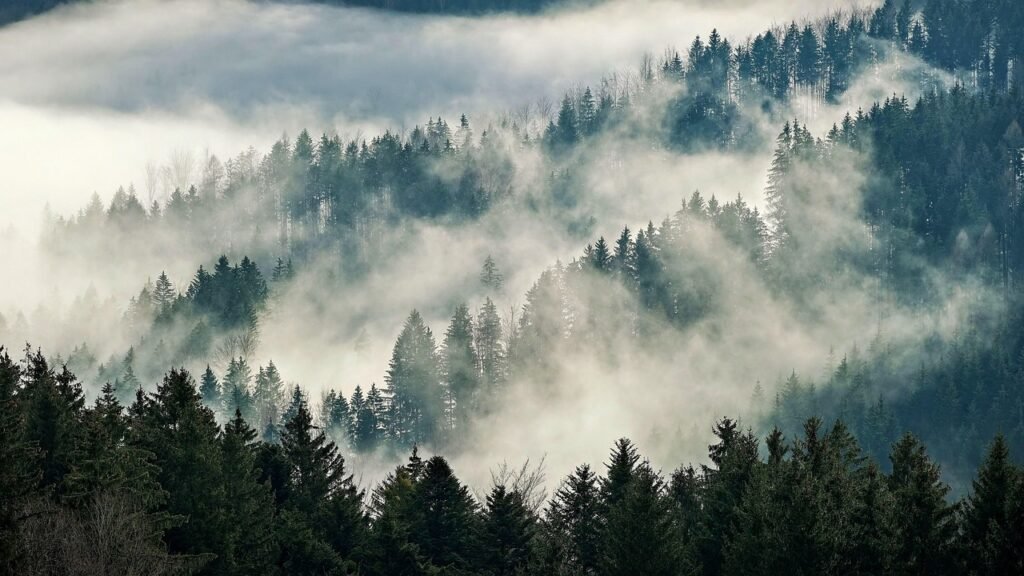

You know that magical feeling when you step into a forest right after a downpour? The air seems alive, almost breathing with an ethereal rhythm. Fog’s function extends beyond its role as a moisture provider; it acts as a regulator of microclimate within rainforests. You’re witnessing one of nature’s most intricate dance performances where temperature, humidity, and atmospheric pressure create spectacular fog formations that literally make forests appear to breathe. This phenomenon transforms entire landscapes into mystical realms where much of the moisture available to plants arrives in the form of fog drip, where fog condenses on tree leaves and then drips onto the ground below.
These breathing forests represent some of America’s most remarkable ecological treasures. Each exhibits its own personality when fog rolls in, creating microclimates that feel almost alien compared to their surrounding environments. From coastal giants to mountain sanctuaries, these forests demonstrate how water vapor and temperature differences can turn ordinary woodlands into living, breathing ecosystems. So let’s dive into these spectacular natural phenomena where science meets magic.
Pacific Northwest Coastal Temperate Rainforests – Washington and Oregon
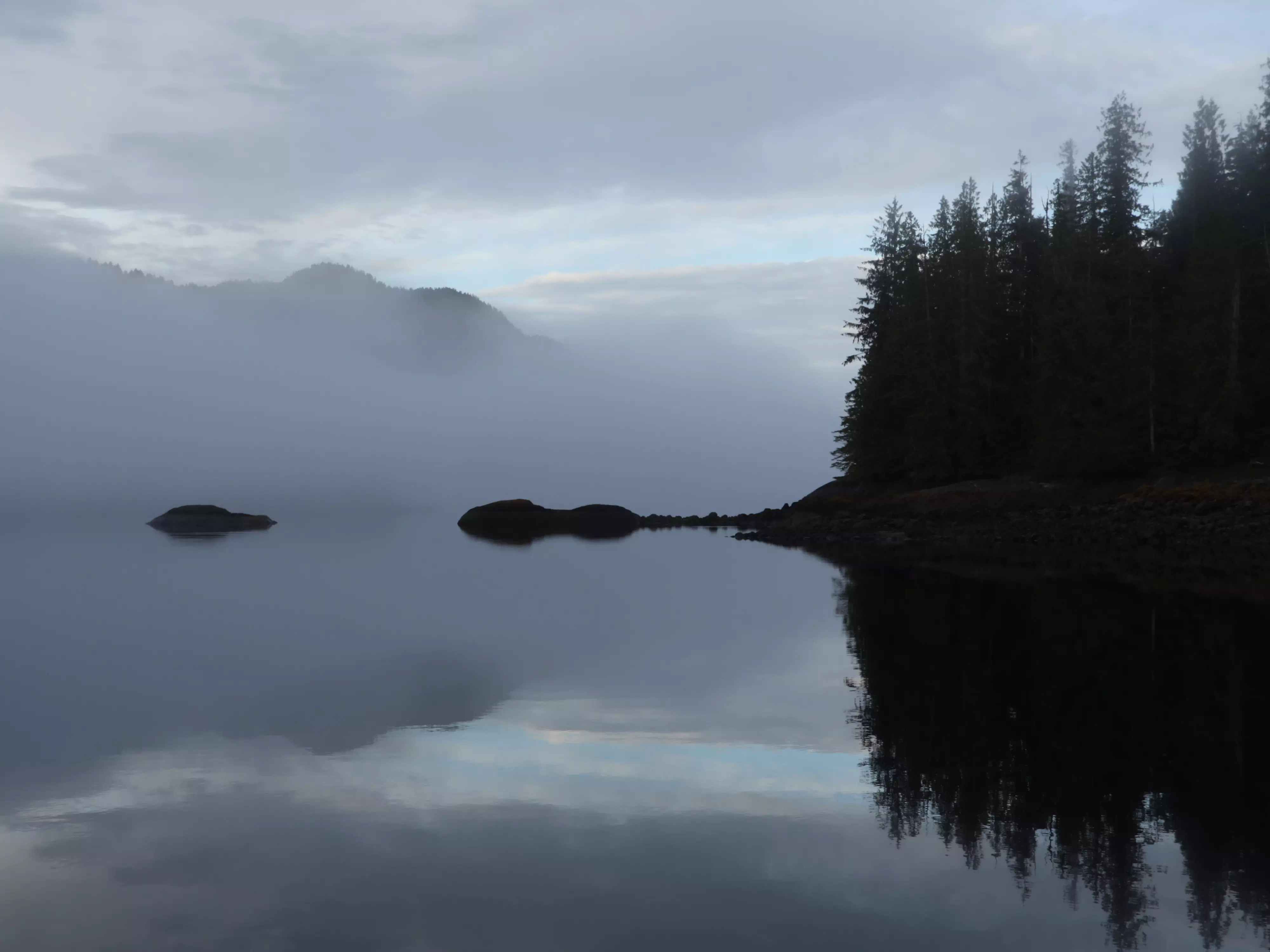
Picture yourself in the morning mist of Olympic National Park, where towering Douglas firs disappear into a ghostly canopy of fog. Most of the precipitation occurs in winter, similar to Mediterranean climates, but in summer, fog moisture is extracted by the trees and produces a fog drip keeping the forest moist. These coastal temperate rainforests represent the ultimate breathing forest experience in America.
What makes these forests truly breathe is their extraordinary relationship with marine air masses. The mountain ranges in the Northwest interact with wet-marine air from the Pacific Ocean and dry-continental air to produce a climate with a strong west-east moisture and temperature gradients. When you walk through these misty cathedrals, you’re experiencing air that has traveled thousands of miles across the Pacific, carrying moisture that sustains some of the world’s most biomass-rich ecosystems.
Northern California Redwood Forests – Humboldt and Mendocino Counties

Coastal fog is generated by warm, high-pressure air mixing with cold ocean water brought to the sea surface through upwelling. The redwood forests of Northern California create their own microclimate magic through an incredible symbiotic relationship with ocean fog. Redwoods and other pines contain fragrant chemicals called terpenes that serve many purposes, and one of those is to condense the moisture in the surrounding atmosphere. Fog and clouds form around the trees, creating more moisture and cooler temperatures, which help redwoods thrive.
Walking beneath these ancient giants, you’ll notice how specialized redwood leaves capture moisture droplets from the fog, absorbing some, but also creating an artificial rainfall that benefits their roots and all the surrounding plants at the forest floor. The breathing effect becomes most dramatic during summer months when coastal upwelling intensifies, creating thick fog banks that roll inland with almost supernatural timing.
Great Smoky Mountains National Park – Tennessee and North Carolina
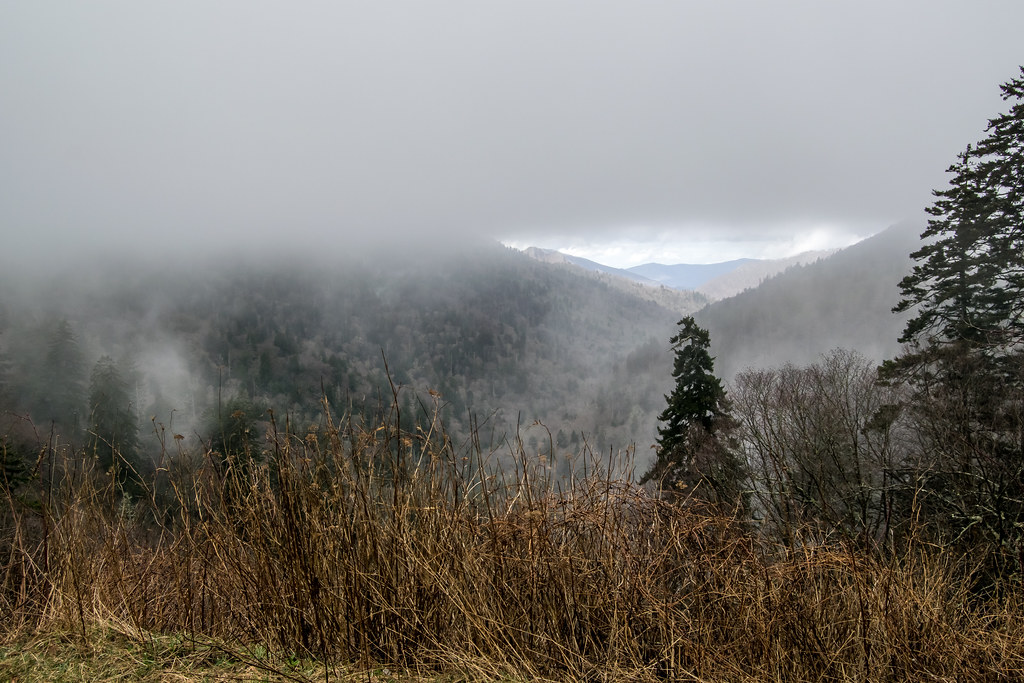
The Smokies earned their name from the ethereal mists that rise from their valleys, creating a breathing pattern that changes throughout each day. These mountains trap moisture from both Gulf of Mexico air masses and Atlantic coastal systems, producing fog formations that can appear and vanish within minutes.
The unique topography here creates temperature inversions that cause fog to pool in valleys before spilling over ridges like slow-motion waterfalls. During early morning hours, you can literally watch the forest breathe as warm air rises from the valleys, carrying moisture upward until it condenses into visible fog layers that drift between the ridgelines.
Appalachian Cloud Forests – West Virginia and Virginia
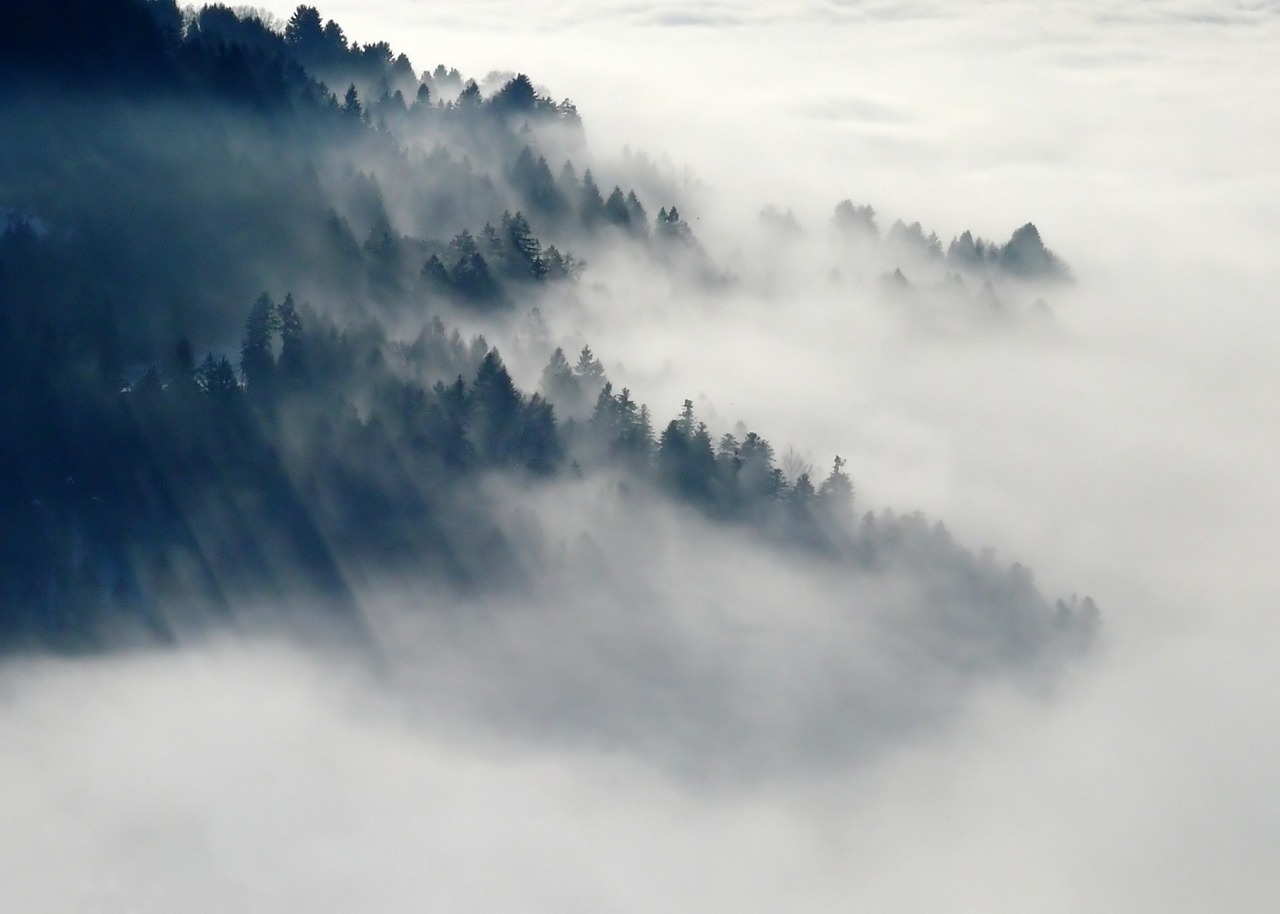
Temperate rainforests occur in oceanic moist regions around the world: the Pacific temperate rainforests of North American Pacific Northwest as well as the Appalachian temperate rainforest in the Appalachian region of the United States The Appalachian cloud forests represent one of America’s most underappreciated breathing forest systems. These high-elevation forests experience persistent cloud immersion that creates microclimates rivaling tropical cloud forests.
The breathing pattern here follows a different rhythm than coastal forests. Mountain ridges force humid air masses upward, creating orographic lifting that produces dense fog layers. You’ll notice how these forests maintain their mystical atmosphere even during dry spells, as elevation changes constantly generate new moisture from passing air masses.
Alaska’s Coastal Temperate Rainforests – Tongass National Forest
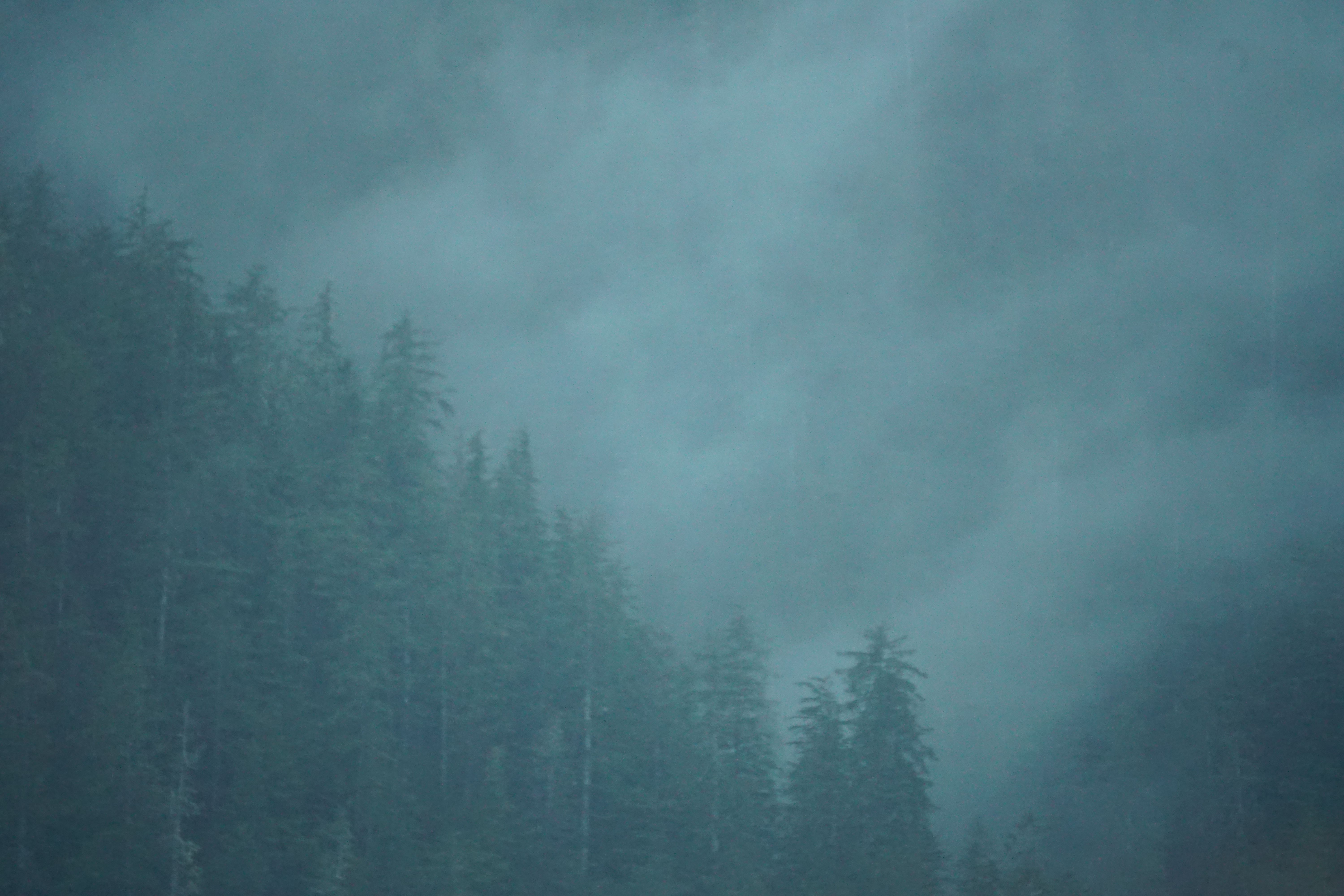
Farther north, coastal rain forests found in Southeast Alaska are made up of Sitka spruce, Alaska yellow cedar, western red cedar, and mountain hemlock. Alaska’s Tongass National Forest creates some of the most dramatic breathing forest displays in North America. The interaction between glacial valleys and maritime air produces fog formations that can persist for days.
These northern rainforests breathe differently than their southern cousins. Cold air drainage from glacial valleys meets warm maritime air, creating temperature inversions that trap fog at canopy level. The result is an almost constant state of atmospheric breathing where fog pulses through the forest in rhythmic waves controlled by tidal influences and diurnal temperature changes.
Colorado Rocky Mountain Cloud Forests – High Elevation Subalpine Zones
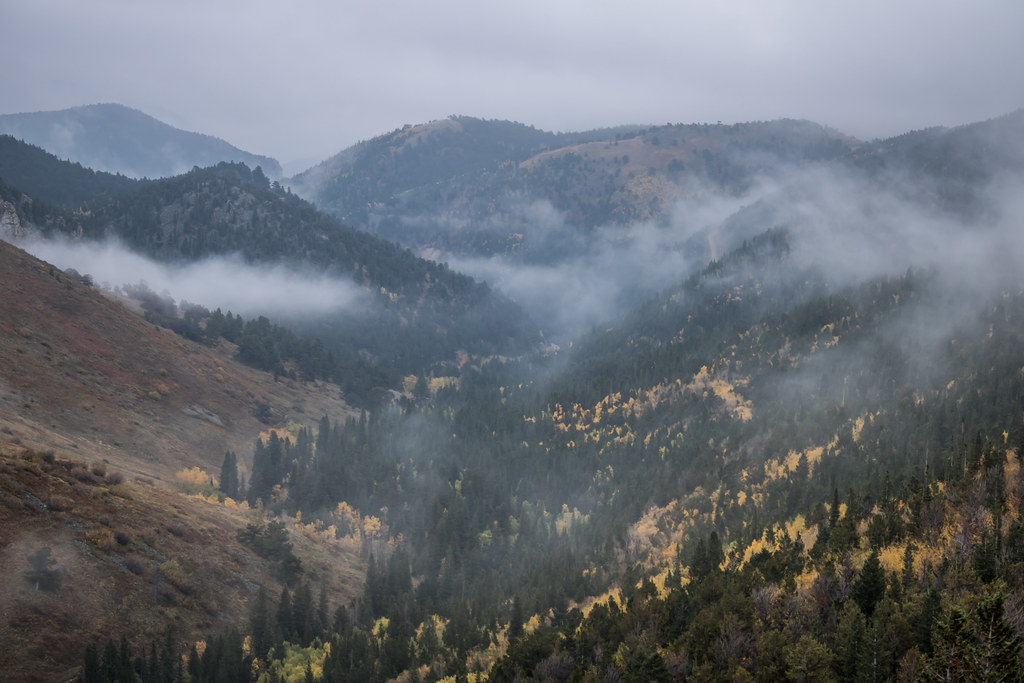
Colorado’s high-elevation forests experience a unique breathing phenomenon driven by altitude and continental air mass interactions. These subalpine forests create their own weather systems as warm valley air rises to meet cold mountain air, producing dramatic fog formations that can appear within minutes.
The breathing effect here is most pronounced during summer afternoons when thermal updrafts carry moisture from lower elevations into the thin mountain air. Large fog systems can affect multiple states across the central United States during certain weather patterns. You’ll witness how these forests literally inhale warm air from valleys and exhale cool, moisture-laden fog that drifts back downslope.
Michigan’s Upper Peninsula Lake-Effect Forests – Superior National Forest
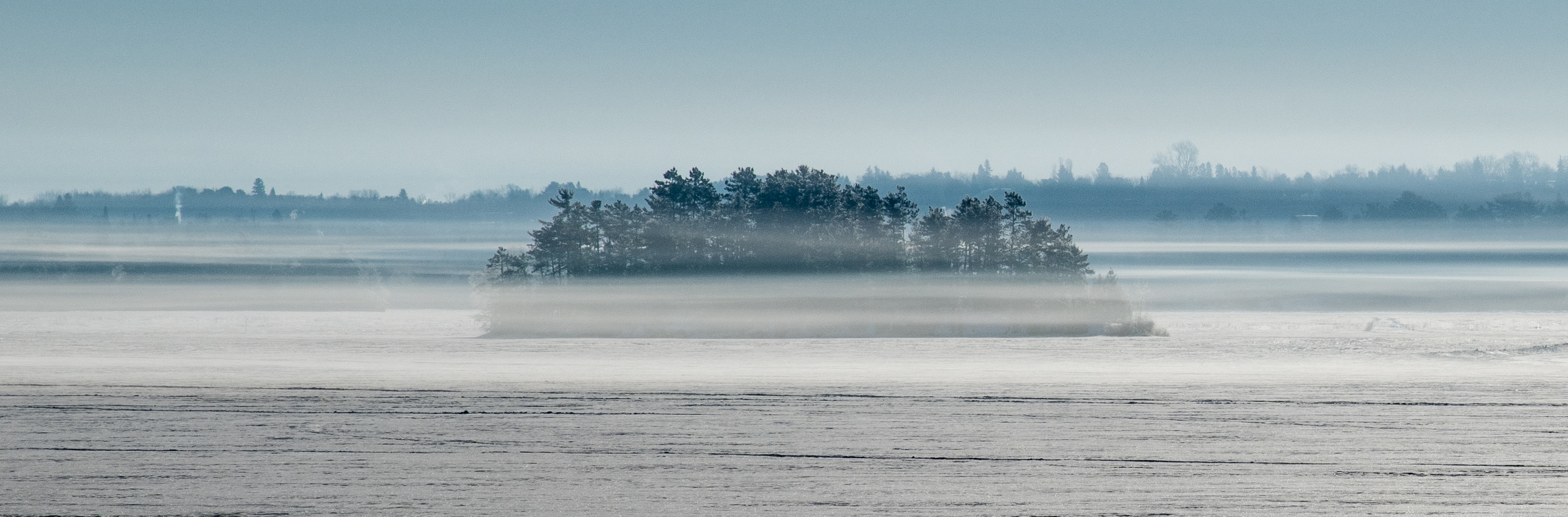
The forests surrounding Lake Superior create extraordinary breathing patterns through lake-effect fog generation. When warm air passes over the relatively cool lake waters, it creates persistent fog banks that roll into coastal forests with predictable timing.
These Great Lakes forests demonstrate how large bodies of water can regulate forest microclimates. The breathing pattern follows lake temperature cycles, with the most dramatic fog formations occurring during spring and fall when temperature differentials between air and water reach their peaks. Walking through these forests during fog events feels like being inside a living cloud chamber.
Florida’s Subtropical Hammocks – Everglades and State Parks
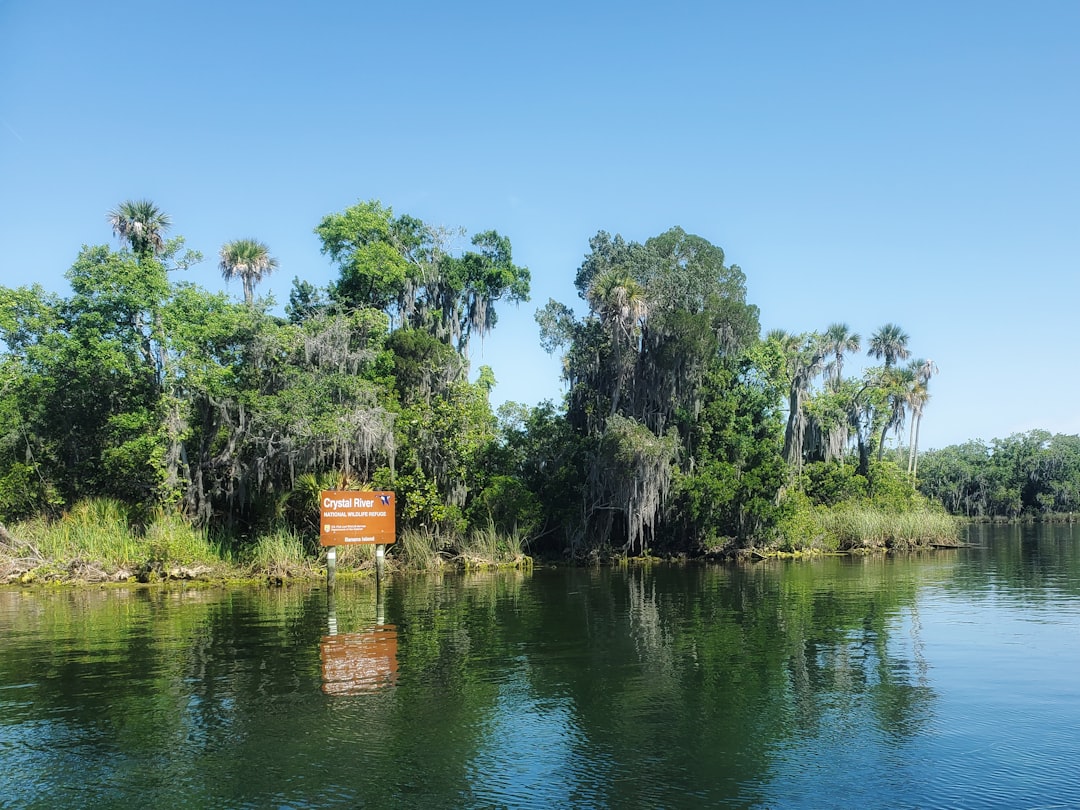
Florida’s subtropical forests breathe through a different mechanism than temperate forests. High humidity levels combined with rapid temperature changes create ground-level fog formations that transform hardwood hammocks into mystical landscapes. Dense fog advisories are commonly issued for southeastern states during certain weather conditions
The breathing pattern in these southern forests often occurs during winter months when cool fronts move through, creating temperature inversions that trap moisture at ground level. Palm fronds and live oak branches become natural fog collectors, creating localized precipitation that sustains unique plant communities adapted to these humid microclimates.
Maine’s Coastal Spruce-Fir Forests – Acadia National Park
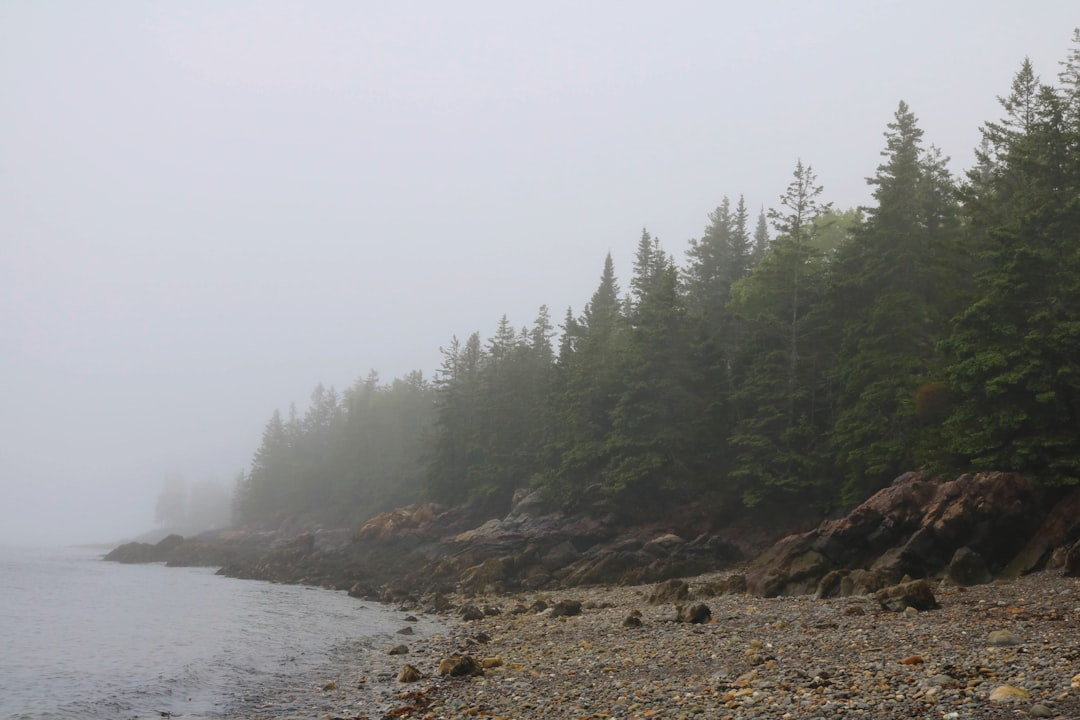
Maine’s coastal forests experience breathing patterns influenced by both maritime and continental air masses. Cold ocean currents meeting warm land masses create persistent fog formations that can last for days during summer months.
These northeastern forests breathe with the rhythm of ocean tides and temperature cycles. Dense fog advisories are regularly issued for various coastal and inland regions when visibility conditions warrant The combination of rocky coastlines, dense coniferous forests, and maritime air creates some of the most reliable fog formations on the East Coast.
Louisiana’s Cypress Swamps – Atchafalaya Basin
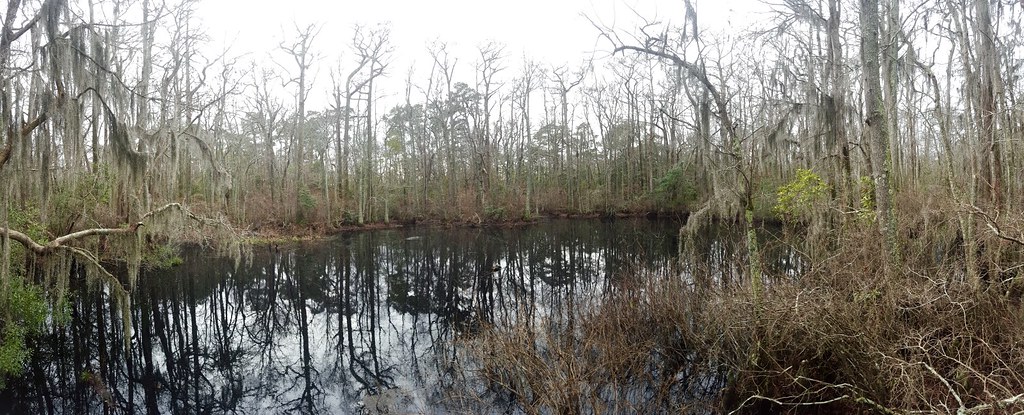
Louisiana’s cypress swamps create breathing patterns through evapotranspiration and thermal regulation that differs dramatically from other forest types. These wetland forests generate their own fog through water evaporation combined with temperature differences between water surfaces and air temperatures.
The breathing effect here is most visible during early morning hours when cool air settles over warm swamp water. Spanish moss acts as natural fog collectors, creating a feedback loop where the forest literally breathes moisture back into the atmosphere. This creates persistent humidity that maintains the unique microclimate conditions necessary for cypress swamp ecosystems to thrive.
Conclusion
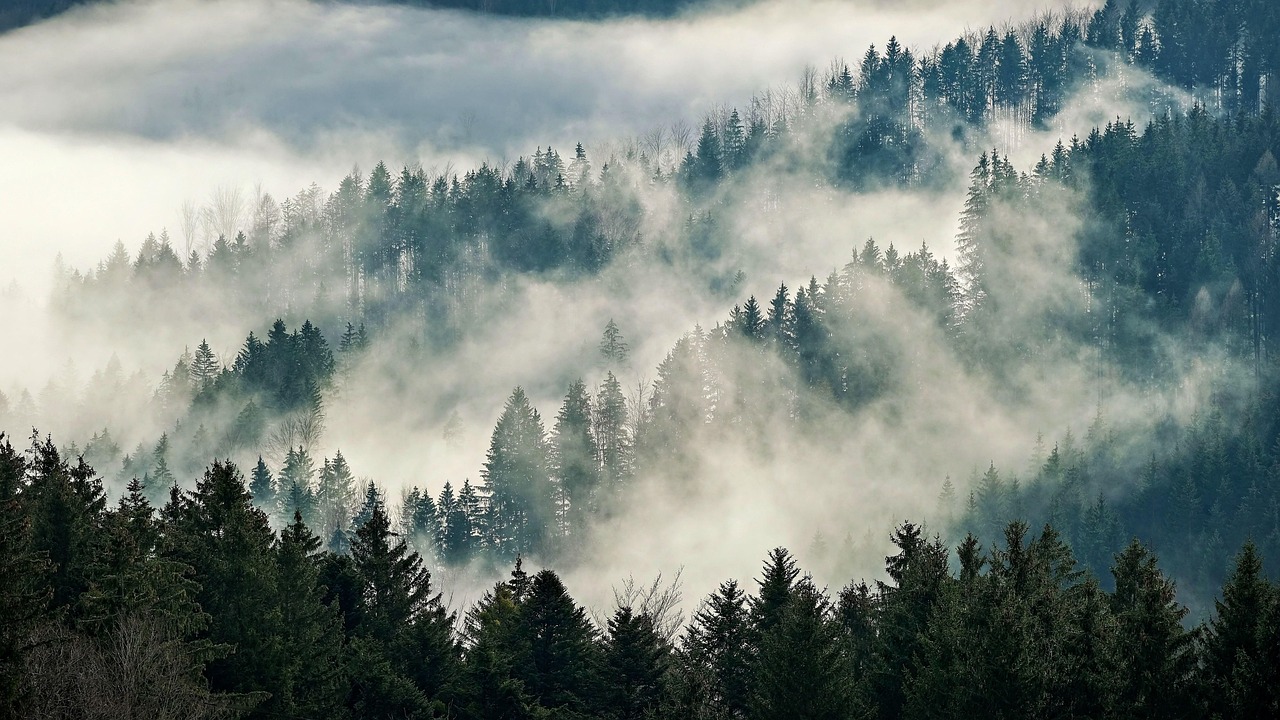
These ten breathing forests represent just a fraction of America’s remarkable microclimate ecosystems. Each demonstrates how fog’s function extends beyond its role as a moisture provider; it acts as a regulator of microclimate within rainforests. By partially blocking sunlight penetration and bringing about temperature reductions, fog mitigates extreme temperature swings. From coastal redwoods to mountain cloud forests, these natural systems create their own weather patterns that sustain unique plant and animal communities.
The breathing phenomenon you witness in these forests represents millions of years of evolution creating perfect partnerships between vegetation and atmospheric conditions. Understanding these relationships becomes increasingly important as climate change threatens the delicate balance that makes these forests breathe. What fascinates you most about these living, breathing forests? Tell us in the comments.