The city sky has a new storyline: fewer cooing flocks, more wide wings riding thermals between towers. For decades, pigeons have thrived on our crumbs and concrete, leaving messes that corrode stone and spread grime. Pest crews fought back with traps, spikes, and bait stations, yet the problem rarely disappeared – just shifted blocks. Enter the red-tailed hawk, an adaptable raptor whose hunting routes now trace the same avenues as delivery vans and buses. In city after city, these birds are quietly restoring a predator–prey balance – and changing how we think about urban wildlife.
New York City, New York
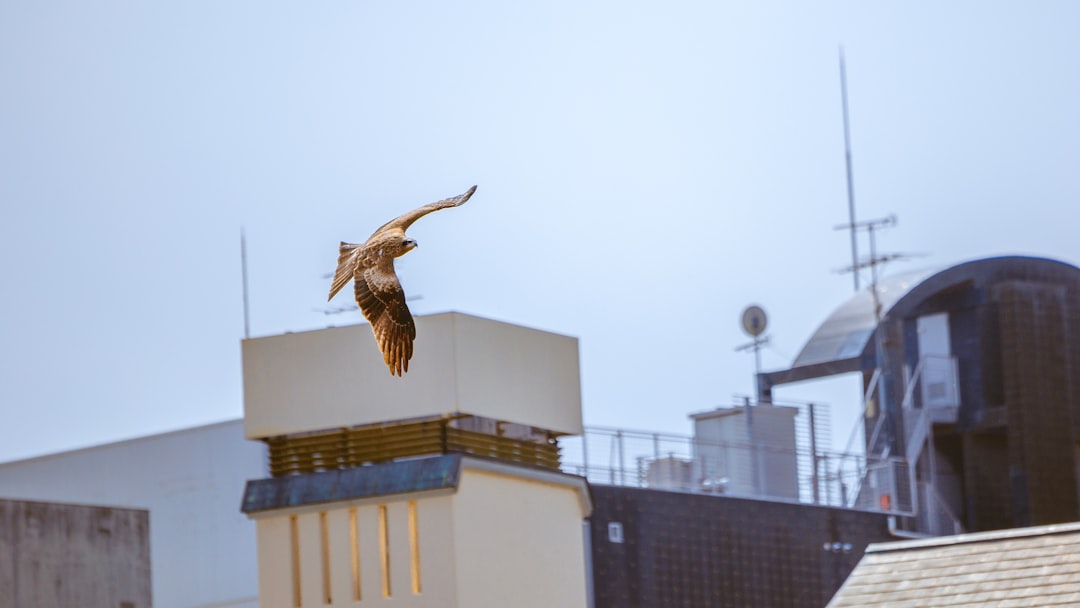
What happens when a top predator learns to hunt above a sidewalk? Midtown air currents, open lawns in Central Park, and pigeon roosts on cornices create an urban buffet that red-tailed hawks navigate with shocking precision. Frequent patrols along park edges push pigeons to move more, which makes them easier to spot and pursue. Over time, this steady pressure can trim the boldest flocks, especially where hawks nest within a short flight of reliable perches.
New Yorkers notice the ripple effects: less loitering by pigeons around food carts, fewer dense clusters on ledges, and a quieter dawn chorus of coos. The hawks’ presence also steers maintenance crews away from heavy chemical use, complementing sanitation efforts rather than replacing them. It’s an ecological nudge rather than a knockout – firm, daily, and cumulative.
Chicago, Illinois
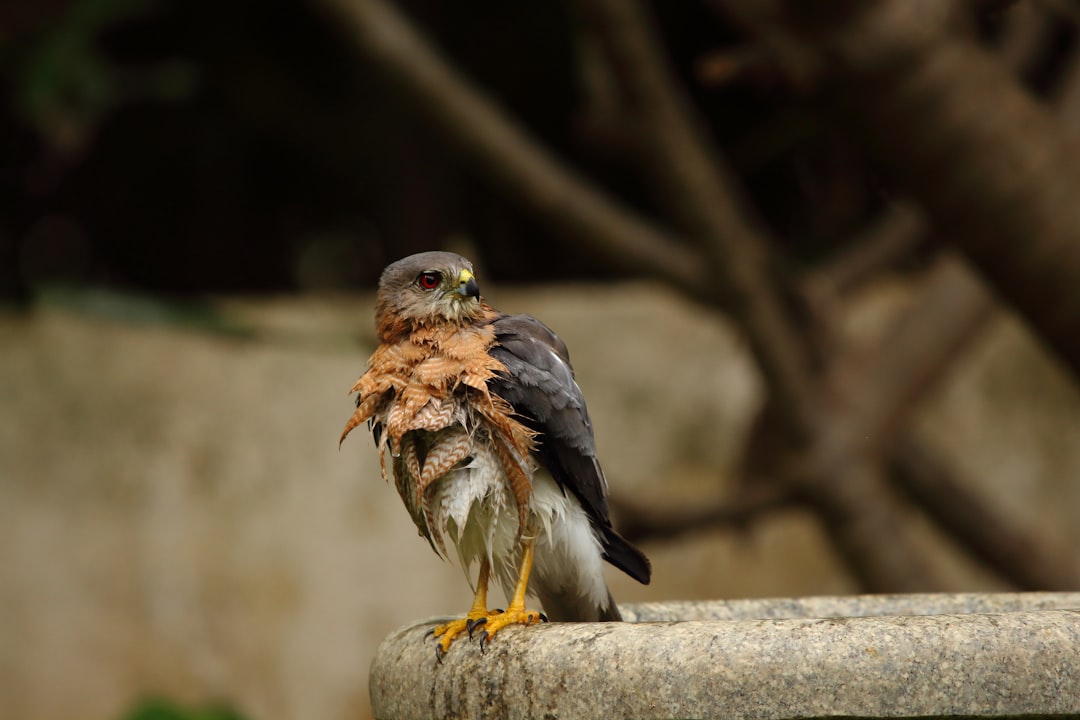
Chicago’s lake breezes and broad sightlines turn the Loop into a hunting corridor, while riverwalk bridges offer perches with commanding views. Pigeons gather near transit hubs and outdoor dining, but persistent hawk flights break up those gatherings. Each high-speed stoop forces the flock to spend more energy evading danger, which means less time feeding and breeding.
Building managers here have learned to play the long game: pair basic cleanup and food-waste control with the hawks’ natural pressure. As rodent populations shift, hawks easily switch prey, keeping their patrols constant through the seasons. The result is a subtler urban rhythm – fewer big splashes of droppings and more moments when people look up, genuinely surprised.
San Francisco, California
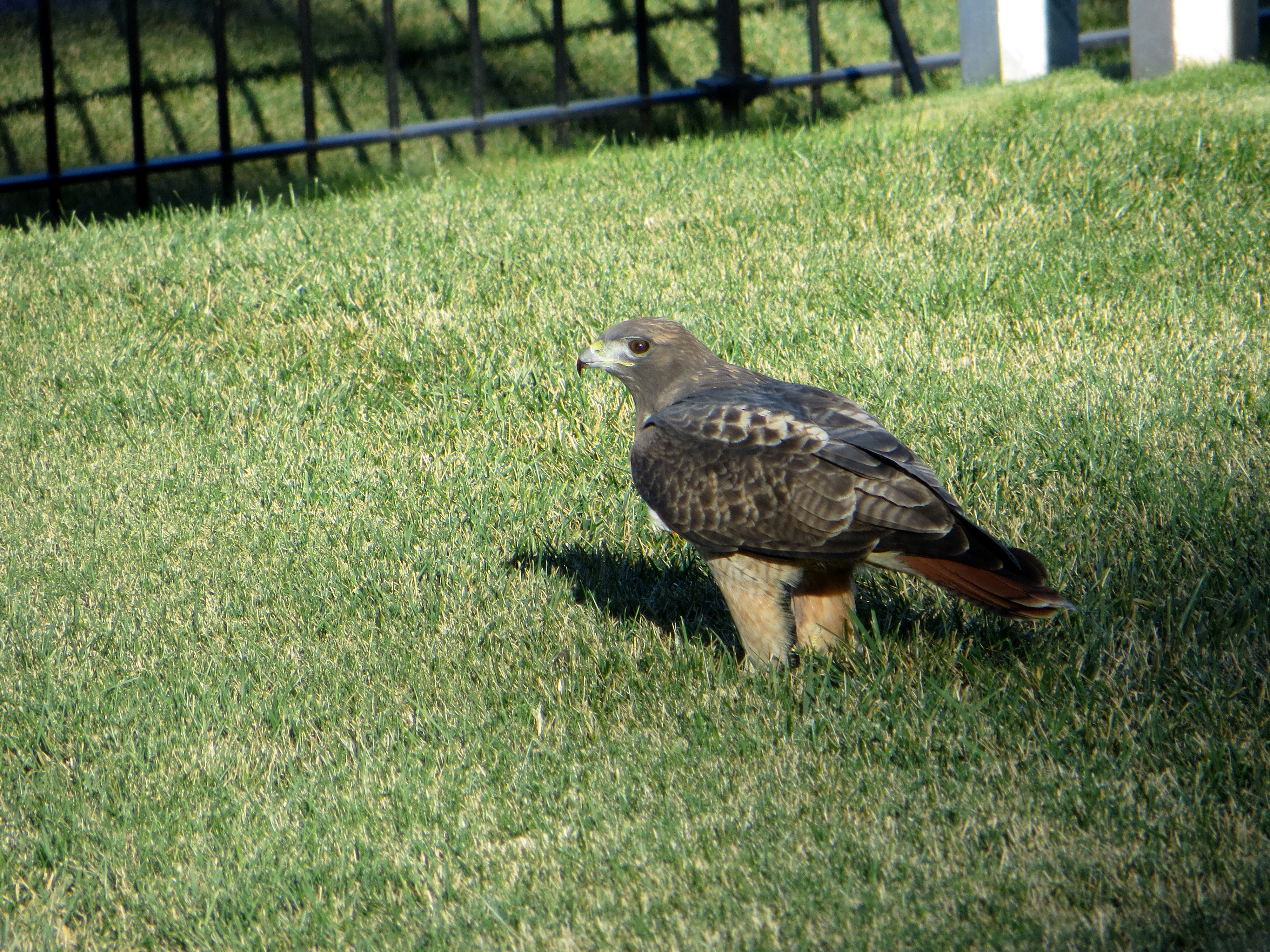
Fog-washed cliffs, Presidio lawns, and wind-sheared avenues give San Francisco’s hawks dramatic hunting stages. Pigeons crowd the sunlit sides of buildings to warm up, and hawks exploit that predictability with looping passes that flush stragglers. The city’s mosaic of parks provides rodent and songbird alternatives, keeping hawks in the neighborhood even when pigeon numbers dip.
On winter afternoons, thermals over Golden Gate Park turn into aerial roundabouts where hawks and gulls jockey for position. The constant presence discourages large pigeon roosts from taking over structures near the coast. It’s coastal theater with practical side benefits: cleaner monuments, healthier trees, and less reliance on corrosive cleanup chemicals.
Los Angeles, California

From Griffith Park to downtown rooftops, Los Angeles delivers vast edges – that sweet zone where open space meets vertical habitat. Red-tailed hawks use freeway medians and stadium light poles like a scatter of prairie snags, scanning for movement. Pigeons drifting between billboards and warehouse rafters meet a predator that has mastered both soaring ambushes and quick, direct pursuits.
Because LA’s warmth supports year-round breeding for pigeons, consistent predation matters. Hawks temper those surges by targeting naive young birds, trimming the next wave before it spreads. That steady pressure pairs well with smarter trash handling, producing cleaner facades and fewer slippery sidewalks after rare rains.
Washington, D.C.

In D.C., the grand avenues and low skyline make an open arena where hawks see far and move fast. Rock Creek Park and the National Mall create green corridors that funnel pigeons toward predictable feeding spots. Hawks cycle those circuits with almost commuter-like regularity, a living patrol that keeps flocks wary and dispersed.
City agencies focused on historic preservation find an ally in this natural roof inspector. Fewer dense roosts mean less acidic damage to stone and metal, and fewer netting installations that can entangle other wildlife. The best part: as hawks anchor the food web, songbirds and pollinators benefit from healthier, more varied park habitats.
Philadelphia, Pennsylvania
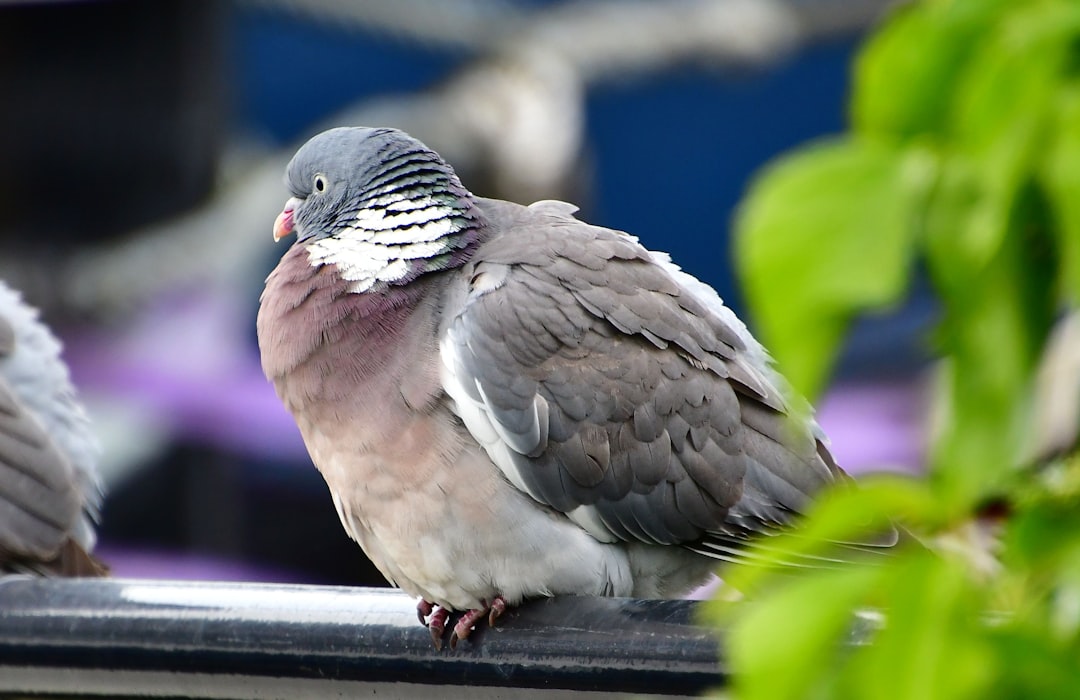
Philadelphia’s rowhouse canyons and the sweep of Fairmount Park stage a daily dance between pigeons and their pursuers. Food scraps around markets attract flocks, but hawks intercept them along the Schuylkill’s breezy margins. A few well-timed dives scatter the groups, making roost consolidation harder and reproduction costlier.
The city’s birding community often spots these aerial moments from bridges and museum steps. That public attention matters: it builds tolerance for a predator that occasionally stashes prey on a ledge. In return, residents get cleaner stoops and fewer pigeon hot spots without blanketing neighborhoods in traps.
Boston, Massachusetts
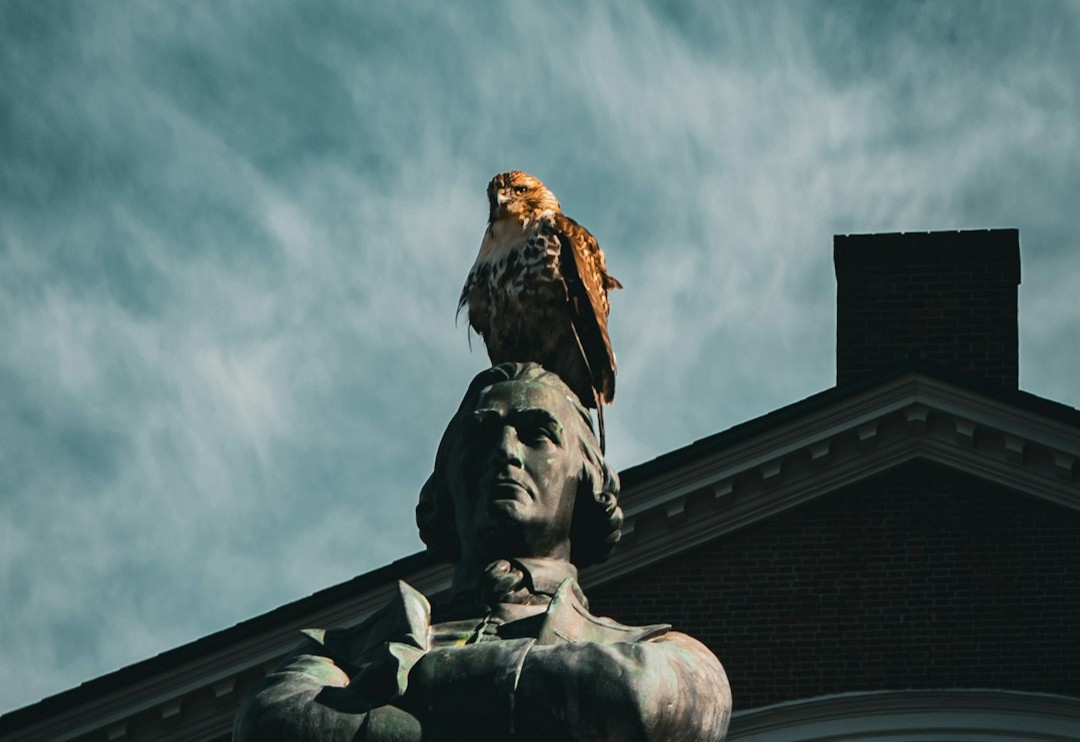
Boston blends old brick, new glass, and a harbor edge that channels wind like a funnel. Red-tailed hawks use that wind to idle above Government Center and the Common, waiting for pigeons to break formation. Even a brief chase can fracture a feeding swarm, nudging birds to rotate among sites rather than monopolize one.
Veteran facilities teams now see these hawks as part of a layered strategy: reduce food access, maintain clean sills, and let the raptors add daily unpredictability. Over months, that unpredictability lowers the ceiling on pigeon abundance. The city keeps its historic look, and the hawks keep the pressure on – quietly, relentlessly.
Seattle, Washington
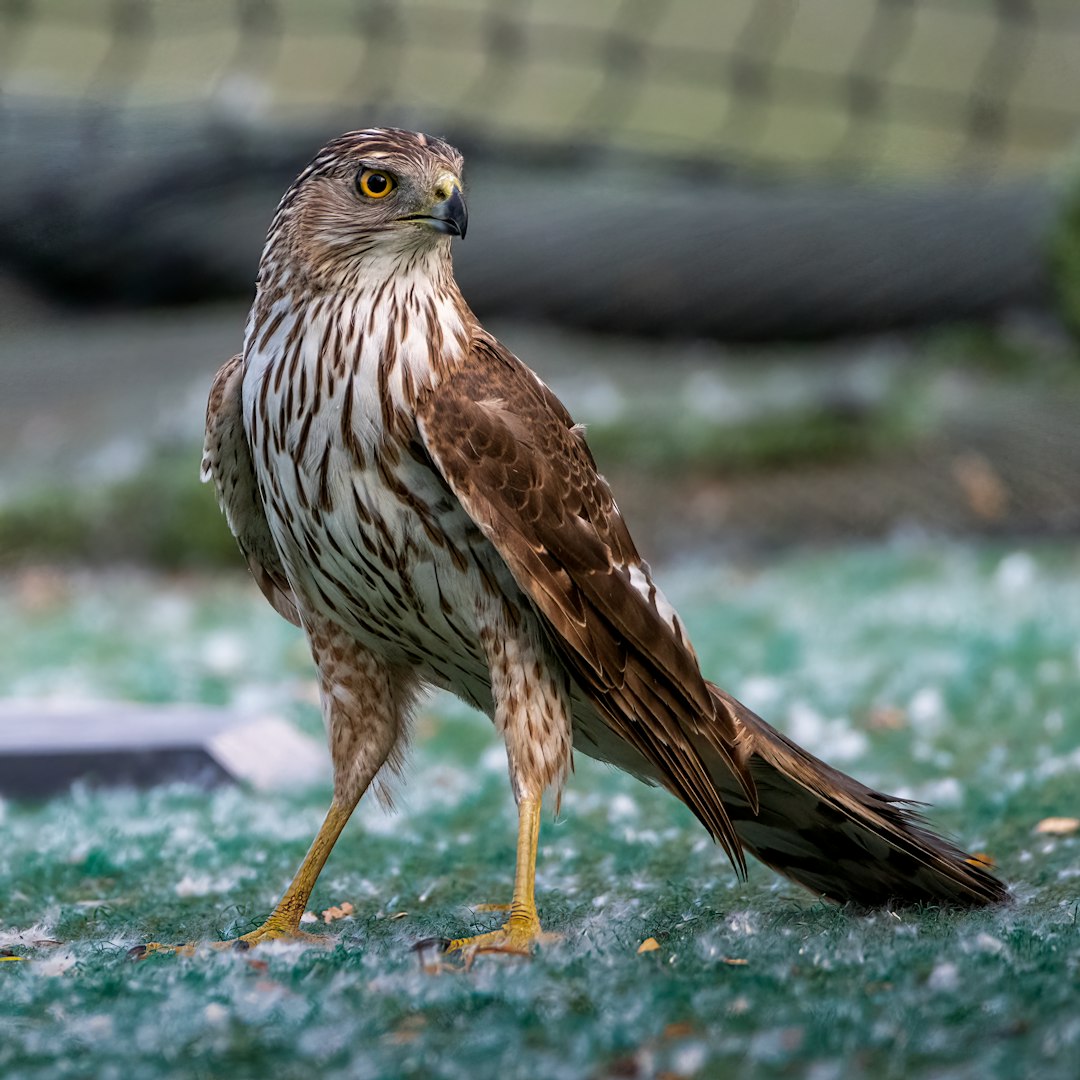
Seattle’s patchwork of lakeside parks and glass towers gives hawks wide scanning lanes in every direction. Pigeons cluster near transit tunnels and waterfront piers, but wind shifts off Elliott Bay hand hawks perfect approach angles. Rapid altitude changes – easy here because of the hills – help surprise flocks that think they’re safe.
Rain never bothers a bird built for weather, and the hawks’ persistence means pigeons can’t rely on dreary days to relax. Maintenance teams report simpler deterrence when raptors are regulars, because flocks don’t settle long enough to entrench. That means less netting, fewer spikes, and more breathable architecture for other urban wildlife.
Denver, Colorado
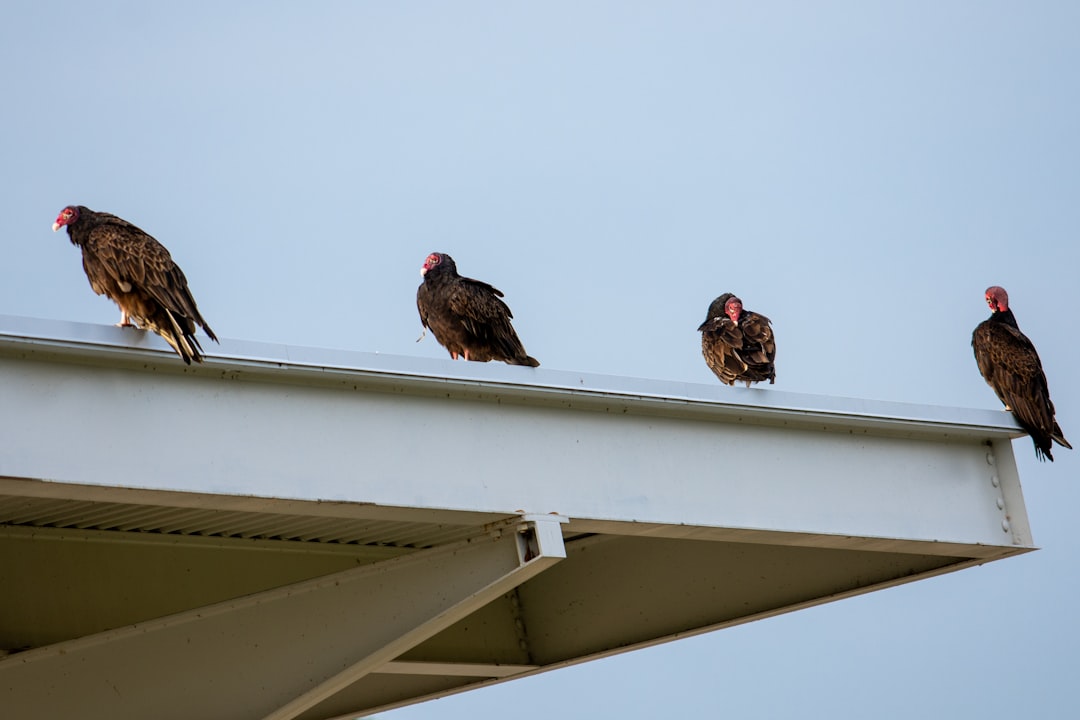
Mile High thermals and high-contrast light give Denver’s hawks long, clear views of rooftops and plazas. Pigeons favor downtown food courts and rail stations, but open boulevards leave them exposed during flights. Hawks exploit those crossings with short, decisive bursts that force frequent flock reshuffling.
As pigeons spend more time evading and less time feeding, their overall vigor dips, and breeding success softens. City crews notice practical gains: fewer cleanup cycles on marquee buildings and reduced calls for emergency deterrents after big events. The net effect is modest but durable, the kind of slow-burn change that sticks.
Phoenix, Arizona
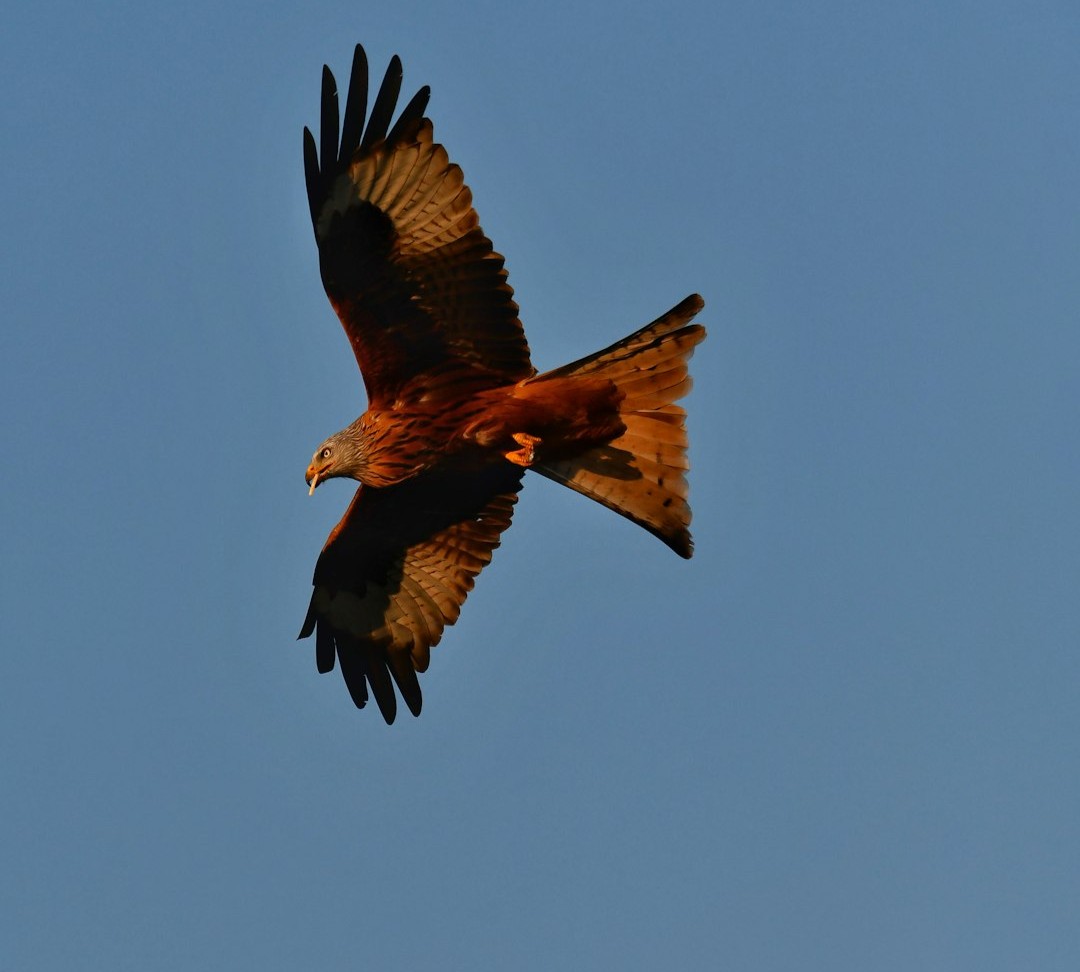
With sun-baked updrafts and sprawling rights-of-way, Phoenix is tailor-made for soaring raptors. Red-tailed hawks ride heat columns over parking lots, then drop to intercept pigeons loafing on shade structures. Even brief patrols during peak heat can unsettle flocks that congregate where misters and crumbs converge.
Because many pests in desert cities adapt quickly to deterrents, a living predator adds the vital ingredient of unpredictability. Hawks also target rodents around palm-lined medians, reinforcing broader public health goals without extra poison. The city’s formula grows simpler: cool the waste stream, protect nesting trees, and let the hawks do the rest.
Suhail Ahmed is a passionate digital professional and nature enthusiast with over 8 years of experience in content strategy, SEO, web development, and digital operations. Alongside his freelance journey, Suhail actively contributes to nature and wildlife platforms like Discover Wildlife, where he channels his curiosity for the planet into engaging, educational storytelling.
With a strong background in managing digital ecosystems — from ecommerce stores and WordPress websites to social media and automation — Suhail merges technical precision with creative insight. His content reflects a rare balance: SEO-friendly yet deeply human, data-informed yet emotionally resonant.
Driven by a love for discovery and storytelling, Suhail believes in using digital platforms to amplify causes that matter — especially those protecting Earth’s biodiversity and inspiring sustainable living. Whether he’s managing online projects or crafting wildlife content, his goal remains the same: to inform, inspire, and leave a positive digital footprint.