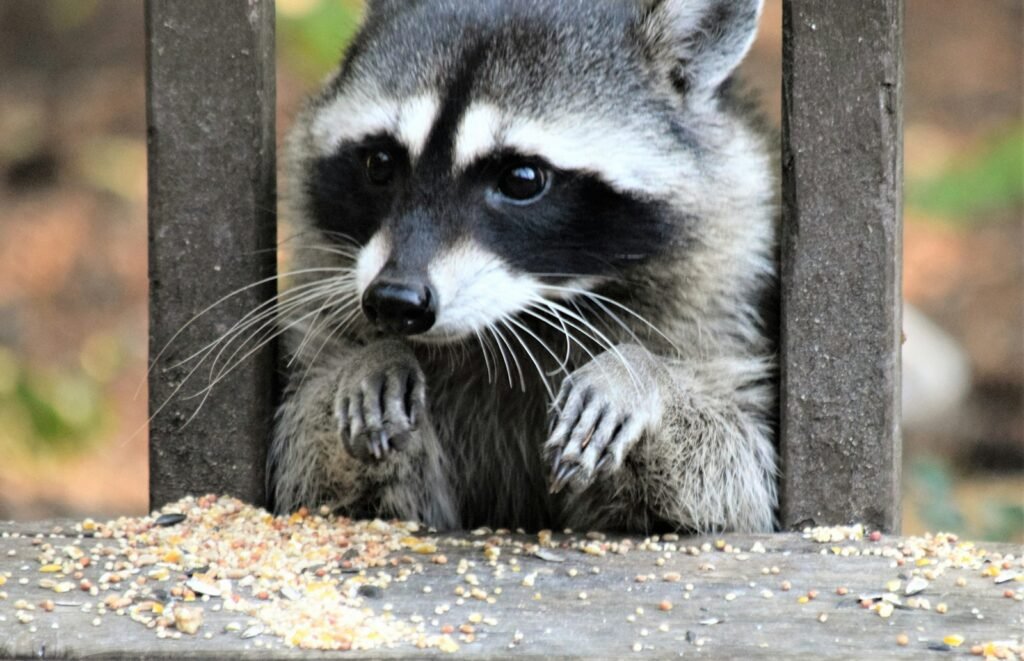

Under the glow of streetlights from coast to coast, a quiet race is unfolding between municipal engineering and masked, whiskered problem-solvers. Cities keep upgrading bins with latches, locks, and sensors; raccoons keep learning, testing, and adapting. The result is a nightly tug-of-war that blends biomechanics, memory, and urban design into one messy, fascinating science story. What looks like simple scavenging is actually a showcase of dexterous paws, trial-and-error learning, and bold innovation in the alleys. And in ten U.S. cities, the raccoons are turning trash night into a graduate seminar in problem solving.
New York City, New York – The Hidden Clues
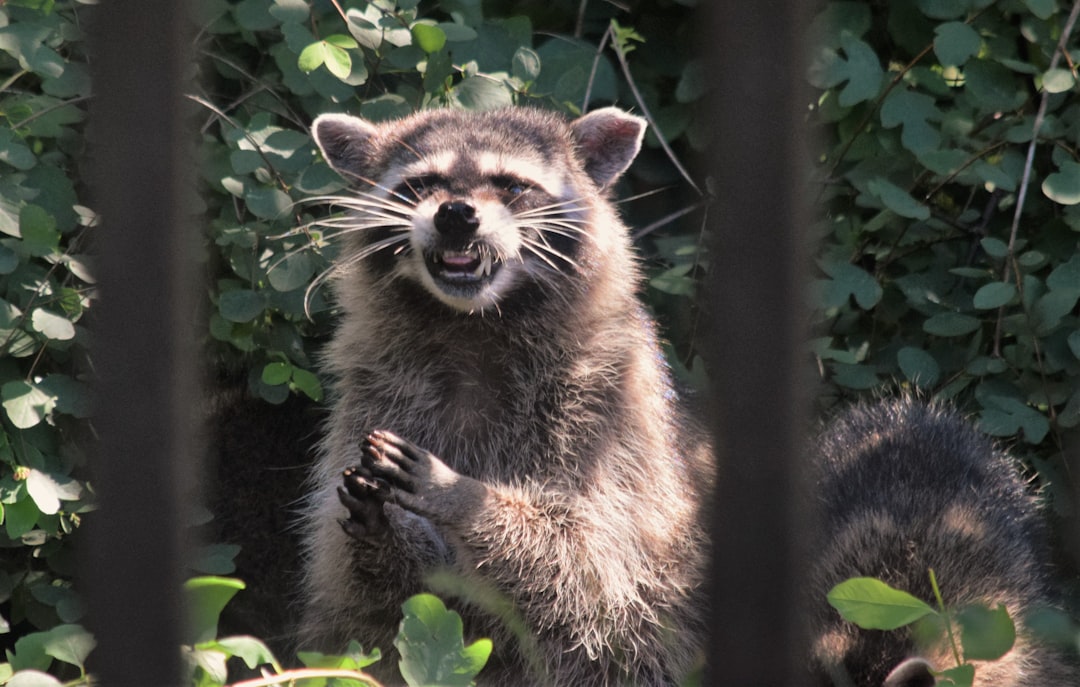
How do you beat a latch you’ve never seen before? In New York, raccoons inspect seams, nibble at hinges, and test leverage points on the city’s new standardized bins like safecrackers in fur. Observers routinely note a progression: pawing and sniffing, then prying, then coordinated rolling to exploit gravity. That sequence signals cognitive flexibility, not just persistence, and it plays out from Roosevelt Island courtyards to outer-borough driveways.
Containerization efforts were supposed to clamp down on curbside chaos, yet the animals pivoted to tipping angles and lid flex. Side streets become classrooms where juveniles shadow experienced adults, copying movements until a bin yields. The pattern looks almost choreographed because it’s cultural learning, passed along in alley networks as surely as human gossip rides the subway.
Chicago, Illinois – From Locks to Latches
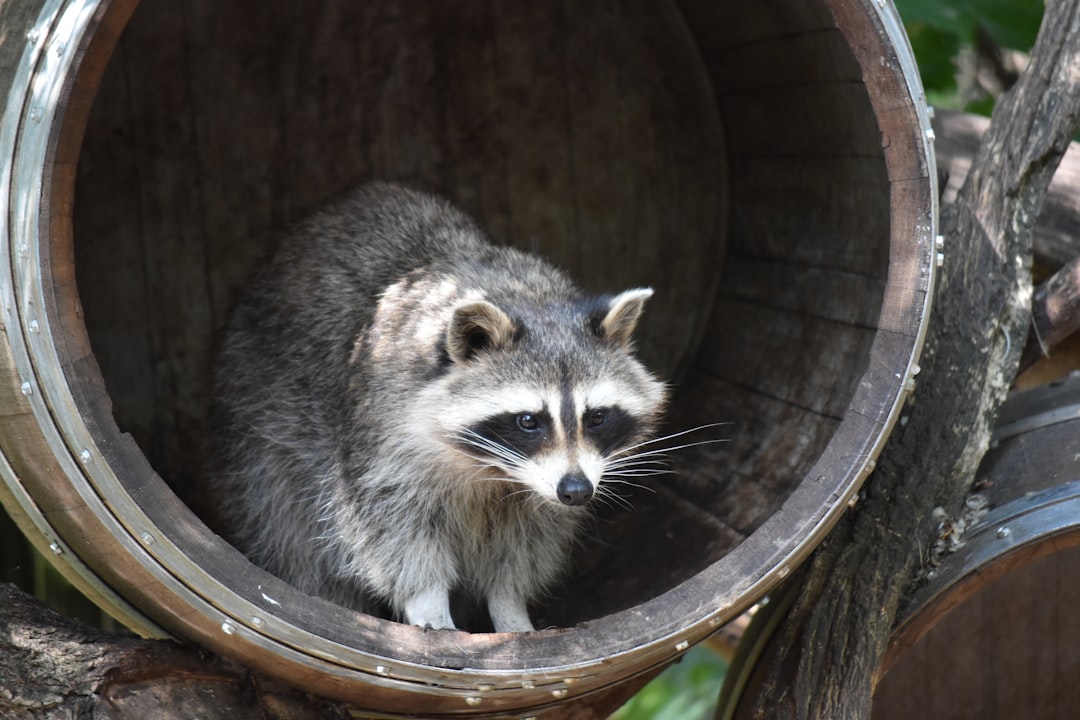
Chicago’s wheeled carts have tight-fitting lids, but raccoons treat the hinge line like a puzzle seam. I watched one brace its forepaws and bounce the lid just enough to catch a fingertip grip, then slide the lip past the locking nub with a slow, practiced twist. That wasn’t brute force; it was tactile problem solving guided by memory of what worked last time. Neighbors add bungee cords and clips, and the raccoons simply reroute their approach, exploiting slack and using the bin’s weight as a counterbalance.
This is where field behavior mirrors lab findings: repeated interactions refine the motor sequence until it’s almost efficient. Alley ecology helps, too; garages and fences create windbreaks that keep bins upright so the animals can work longer. By the time the collection truck arrives, the street tells a story in coffee grounds and paw prints.
Seattle, Washington – Night School on the Curb
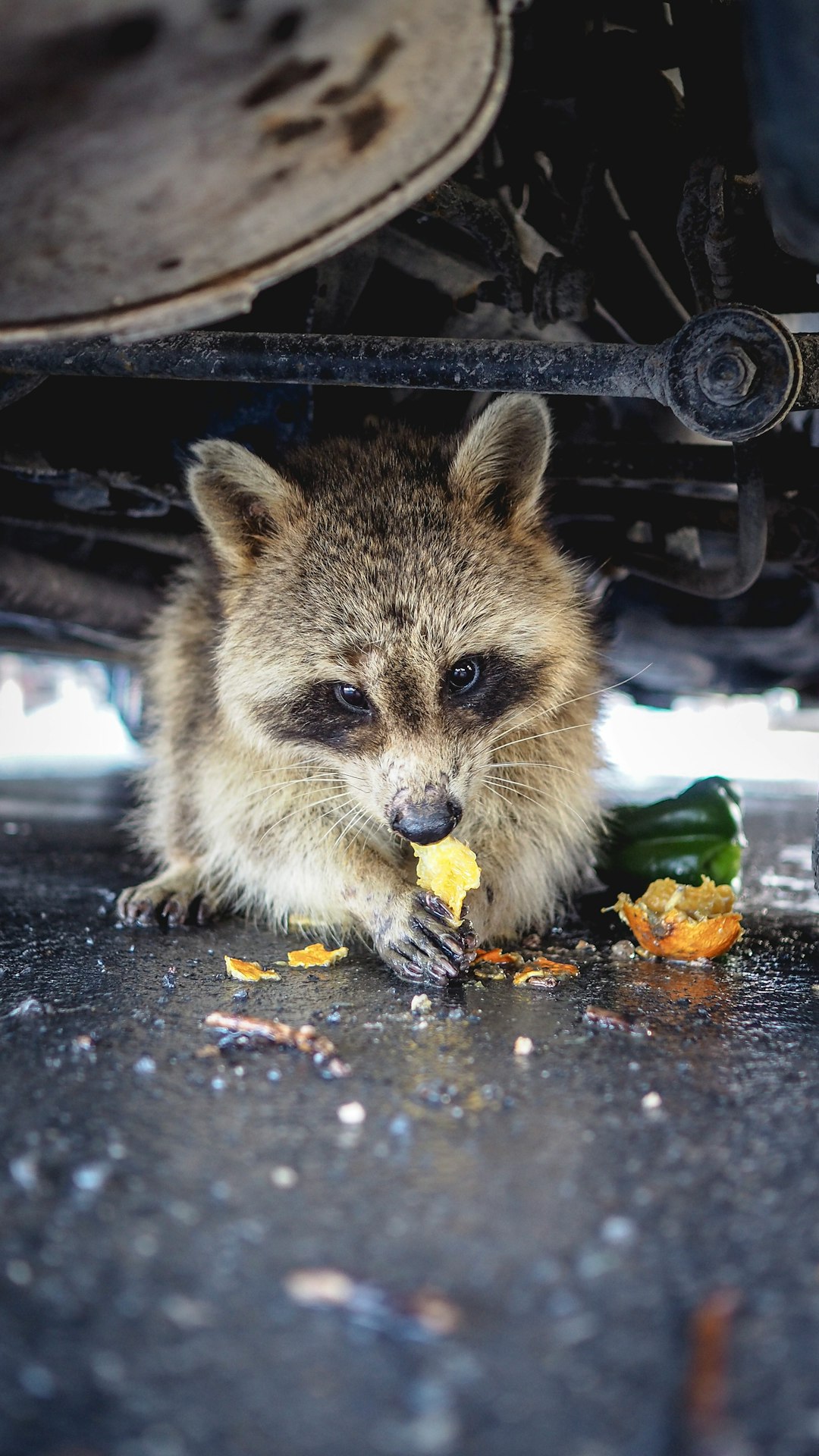
Seattle’s compost revolution delivered wildlife-resistant lids, yet clever paws mapped the failure points within a season. Raccoons learned to press the latch shield just enough, then rotate the lid while bracing the bin against a curb. That combination move, part pressure and part torque, looks like a street-smart update to classic puzzle-box tasks used in cognition studies. It’s a reminder that a city block can be as instructive as any lab maze.
Food scraps add a powerful reward schedule: small successes keep the animals experimenting night after night. When neighborhoods swapped to different lid geometries, the learning curve reappeared but flattened faster, hinting at transferable problem-solving templates. In other words, once you’ve solved one lock, the next is less mysterious.
San Francisco, California – Tech vs. Touch
Smart cans with motion sensors and tighter gaskets sounded promising in San Francisco, but raccoons don’t read spec sheets – they read hardware. Teams have been seen using curb lips and stair rails as improvised jigs to stabilize bins while working a lid past its catch. The city’s famously steep gradients even become tools, letting raccoons roll containers to change the angle of attack. Where humans see an obstacle, raccoons see a lever arm.
Trash audits showed less spillage after certain lid upgrades, but the nightly workarounds never vanished. The species’ tactile acuity – those hyper-sensitive forepaws – makes a mockery of tiny tolerances. A millimeter gap is a foothold; a recessed handle is an invitation. The lesson lands hard: tech wins only when the tactile pathway is truly closed.
Minneapolis–St. Paul, Minnesota – Winter-Hardened Hackers

In the Twin Cities, winter reshapes the battlefield. Ice welds lids shut, but cold also stiffens plastic until a well-placed bounce pops a seam. Raccoons respond by timing efforts for slightly warmer nights or using plowed snow berms to brace the bin. That seasonal timing is not random – it’s an adjustment to material properties, the same way engineers plan for freeze-thaw cycles.
Alleys with garage lights and sheltered corners act as micro-labs where technique spreads. Young animals trail adults, practicing short, low-risk maneuvers until they accumulate a complete opening sequence. Urban wildlife rehabbers note that the most successful families are the most curious ones, and curiosity is a force multiplier when every bin is a new design.
Washington, D.C. – Why It Matters
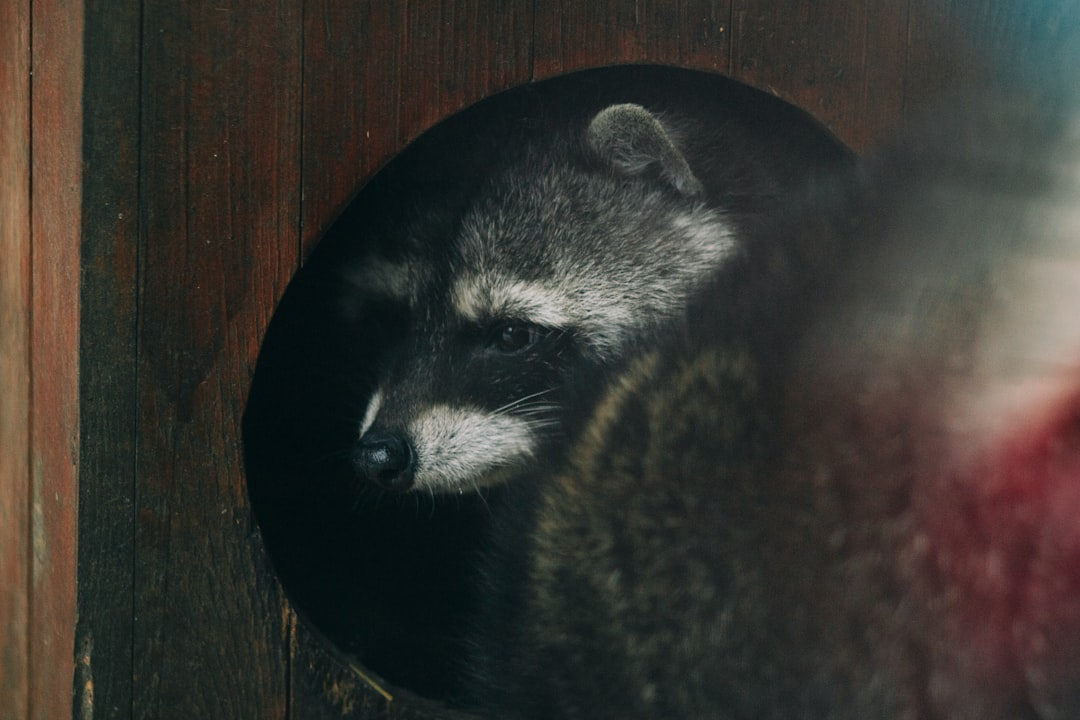
Raccoon ingenuity isn’t a novelty; it’s a stress test of urban systems. When sanitation plans fail this test, consequences ripple through public health, budgets, and neighborhood trust. Consider the costs that pile up when lids don’t hold: extra rodent control, repeat truck rolls, and litter clogging storm drains after heavy rain. That’s not just messy – it’s a measurable drag on city performance.
Why it matters, in practical terms, comes down to designing with behavior in mind. Traditional deterrents focused on force – heavier lids, stronger locks – while behavioral design anticipates the animal’s strategy arc. Cities see better results when they combine three elements: tougher hardware, fewer accidental footholds and pry points, and collection schedules that shorten the nightly reward window. The smarter the adversary, the more systems thinking pays off.
Austin, Texas – Behavioral Wildcards
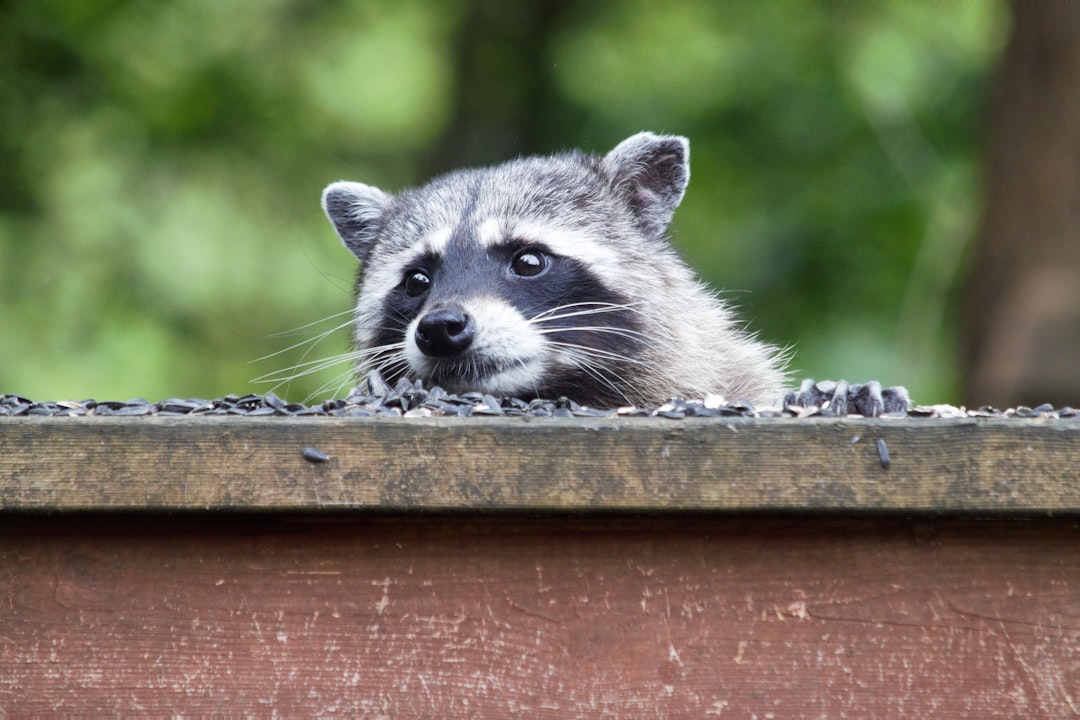
Austin’s expanding suburbs create perfect interfaces where greenbelts meet garages, turning every compost caddy into a tactile puzzle. Raccoons here exploit human routines as much as hardware, timing raids for post-dinner hours and pre-dawn quiet. Heat waves nudge them toward high-moisture targets – melon rinds, canned goods drippings – which means even small leaks shape which bins get attacked first. When people stack bins or lean them against fences, the animals use the geometry to their advantage.
City pilots with latch covers and reinforced rims slowed, but didn’t stop, the learning curve. Once one household’s fix spreads next door, the raccoons pivot collectively, revealing a neighborhood-level feedback loop. It’s urban evolution in a handful of seasons, scripted by leftovers and the physics of a plastic hinge.
Milwaukee, Wisconsin – Alleyway Apprentices
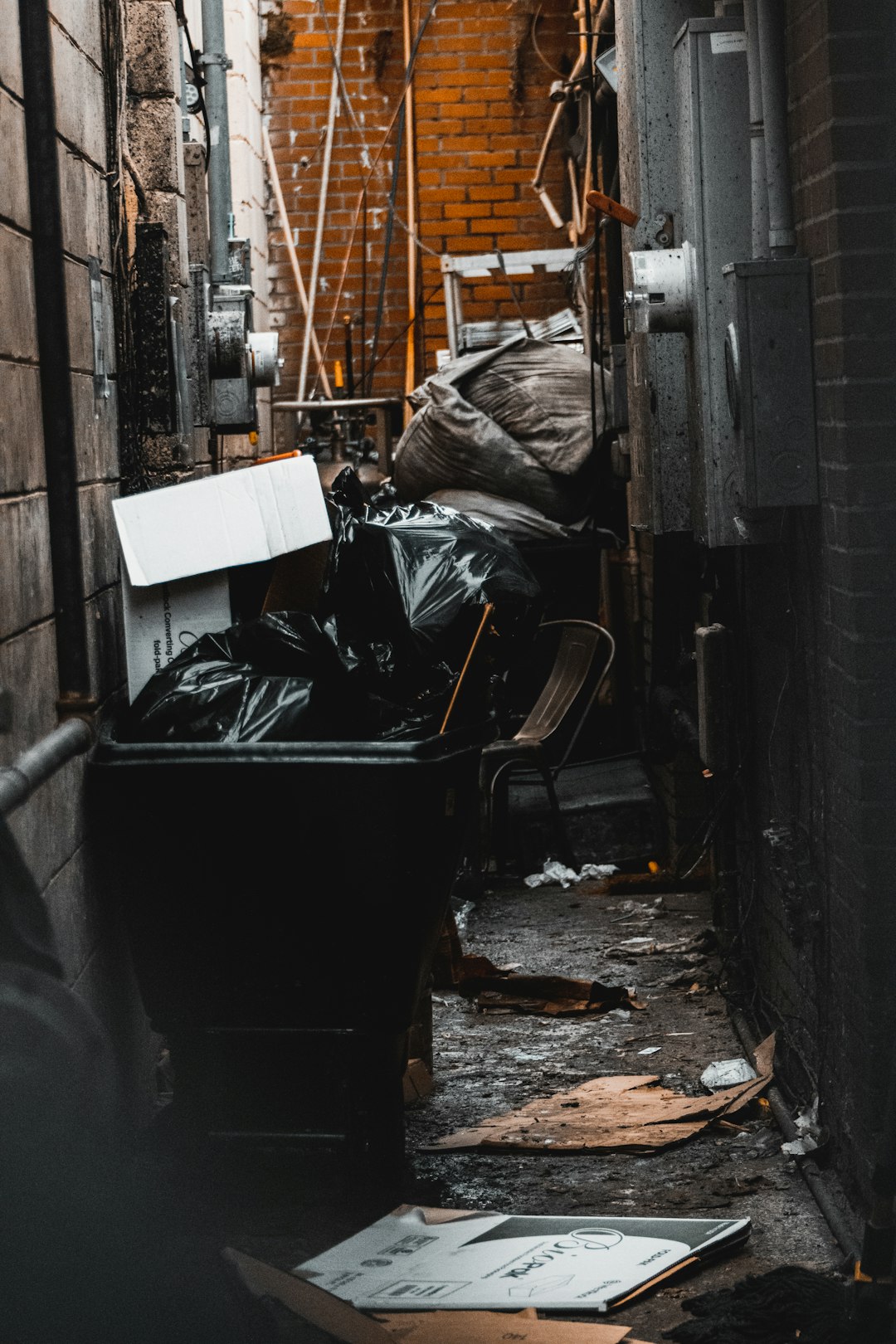
Milwaukee’s dense alley grid acts like a training corridor where technique spreads quickly. You can trace the advance of a new workaround by following torn bakery bags down the block, each spill a breadcrumb in a moving lesson plan. Experienced animals choose bins with loosened lids first, a sign they’re evaluating risk and reward rather than simply rummaging at random. That selective approach keeps their energy budget in the black.
Hardware tweaks matter, but so do human habits. Residents who rinse containers and double-bag wet waste reduce scent cues, which dampens trial-and-error attempts. When the payoff drops, curiosity fades faster. The smartest fix in some alleys turns out to be sensory, not mechanical.
Portland, Oregon – The Future Landscape
Portland’s sustainability playbook now intersects with predictive design: fewer handholds, recessed seams, and lids that require two simultaneous actions to open. Engineers are testing trade-offs between human usability and raccoon-proofing, because what slows a raccoon can also frustrate a resident. The cutting edge isn’t just thicker plastic; it’s multi-step mechanisms that defeat brute force and single-limb dexterity. Think of it as two-factor authentication for garbage.
Looking ahead, cities are weighing acoustic or light cues that deter without distressing pets, as well as route planning that narrows the hours food waste sits curbside. Data from camera traps and sanitation logs could guide micro-targeted hardware upgrades block by block. The future isn’t one universal bin – it’s a toolkit tuned to local behavior, just like public health adapts to neighborhood patterns.
San Diego, California – Coastal Lab of Opportunity
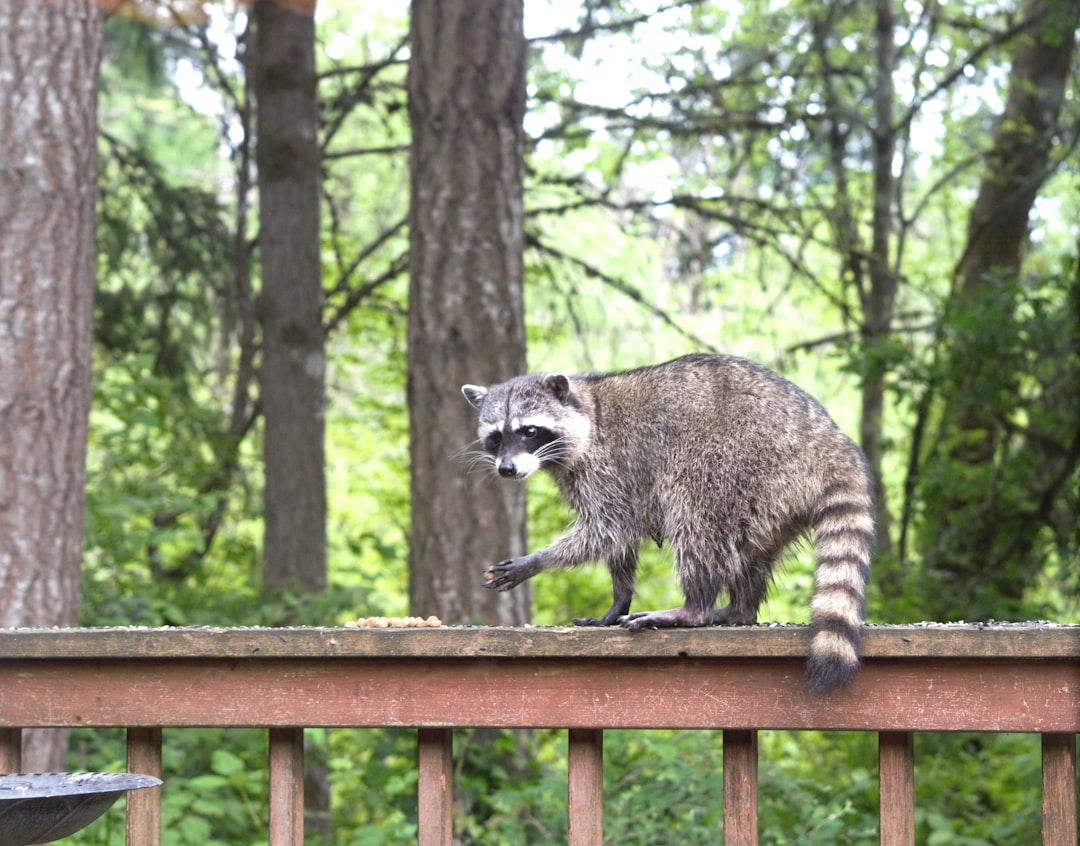
In San Diego’s canyon neighborhoods, raccoons bridge wildlands and cul-de-sacs, treating recycling days like rotating buffets. Locking organics lids slowed access until animals learned to wedge the hinge against stucco or garden stone, creating leverage where none was intended. That inventiveness turns patios into living laboratories, and the experiments run nightly. Every small success teaches the next move.
Coastal humidity adds another variable: soft seals hold scent longer, pulling raccoons across yards with invisible trails. Residents who switched to tight-seal kitchen caddies and froze the smelliest scraps before set-out saw fewer visits. It’s a reminder that odor management can break the feedback loop even when hardware can’t.
Cleveland, Ohio – Call to Action
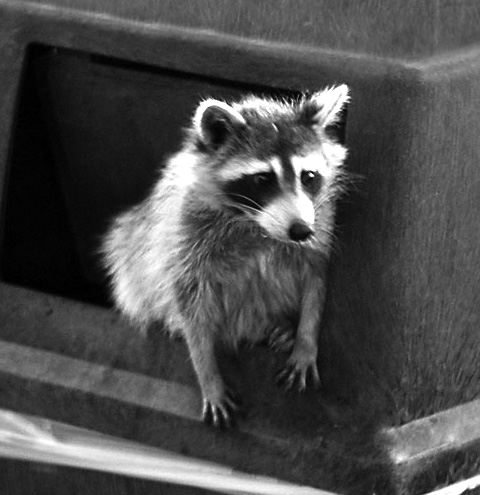
What tips the balance in a city where raccoons learn faster than new bins arrive? Participation. Residents, building managers, and sanitation crews can shrink the reward window and starve the nightly lesson plan by aligning simple habits with smarter hardware. That means cleaner containers, locked lids every time, and set-out schedules that reduce overnight exposure. Community consistency matters more than any single gadget.
Try a three-part playbook: remove footholds and stackable surfaces, keep the most fragrant waste frozen until collection day, and report bin failures so replacements match local behavior. Support local wildlife research and humane management programs, because good data turns anecdotes into action. In a contest of wits, the winning move is making curiosity unprofitable – one block, one bin, one night at a time. Are you ready to outsmart the smartest scavenger on your street?
Suhail Ahmed is a passionate digital professional and nature enthusiast with over 8 years of experience in content strategy, SEO, web development, and digital operations. Alongside his freelance journey, Suhail actively contributes to nature and wildlife platforms like Discover Wildlife, where he channels his curiosity for the planet into engaging, educational storytelling.
With a strong background in managing digital ecosystems — from ecommerce stores and WordPress websites to social media and automation — Suhail merges technical precision with creative insight. His content reflects a rare balance: SEO-friendly yet deeply human, data-informed yet emotionally resonant.
Driven by a love for discovery and storytelling, Suhail believes in using digital platforms to amplify causes that matter — especially those protecting Earth’s biodiversity and inspiring sustainable living. Whether he’s managing online projects or crafting wildlife content, his goal remains the same: to inform, inspire, and leave a positive digital footprint.