On some coastlines, the night surf looks like it swallowed the stars and decided to spit them back out as electric blue fire. You lift a paddle, a fish darts, a wave folds – and the water flashes, startles, then fades like a secret. The mystery isn’t magic; it’s biology, chemistry, and a little bit of moonless luck. Scientists have steadily mapped the organisms and conditions behind these flashes, turning folklore into field notes and data. Yet the thrill remains the same: a living light show that reveals just how responsive, and fragile, our coastal ecosystems are.
Mosquito Bay, Vieques, Puerto Rico – The Bright Enigma
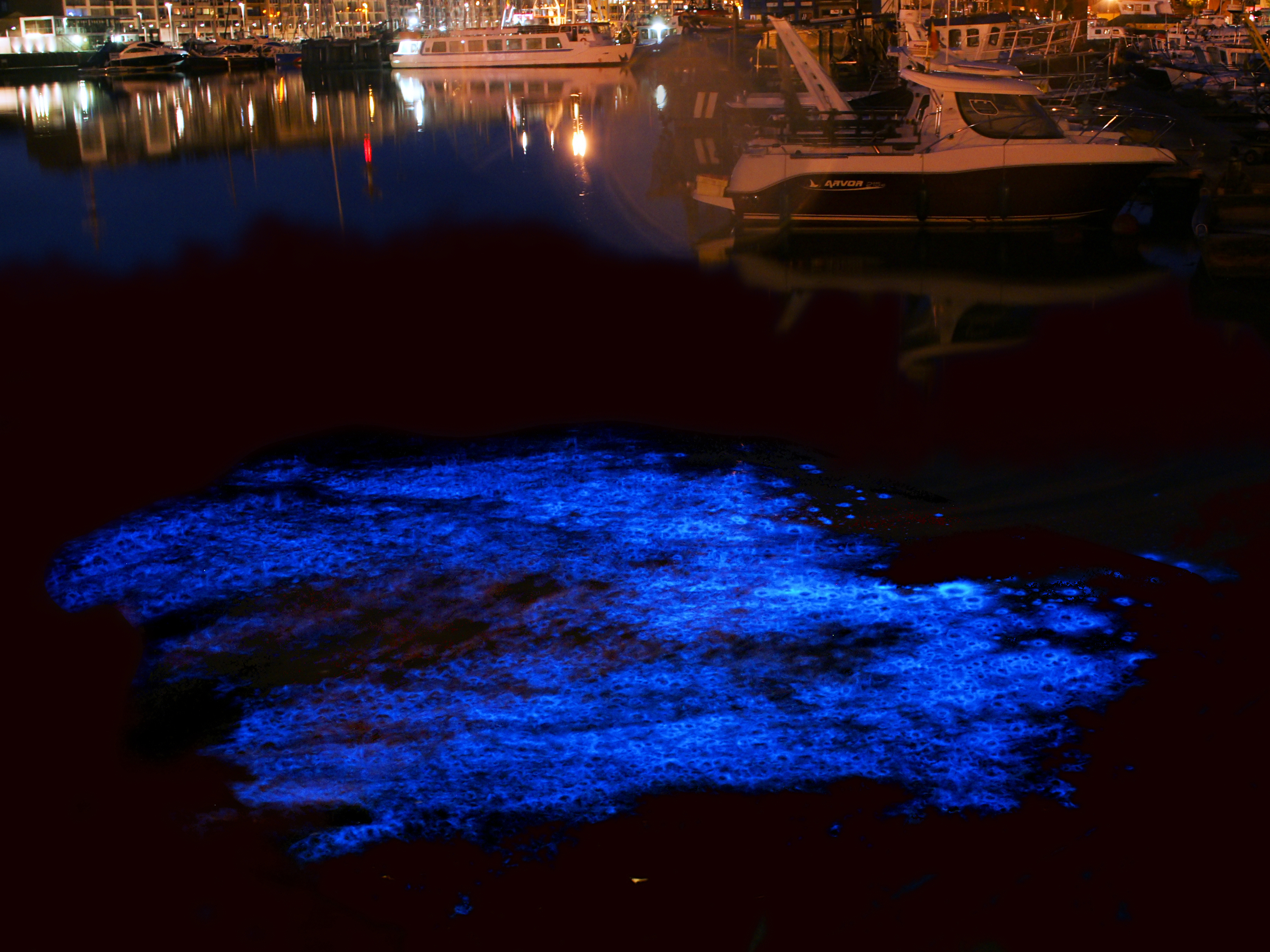
Here, warm Caribbean water becomes a responsive canvas, lighting up at the slightest ripple. The star performer is a microscopic dinoflagellate, Pyrodinium bahamense, which flashes when disturbed – a stress response powered by the luciferin-luciferase reaction inside tiny cellular compartments. When currents are gentle and nights are moonless, each stroke of a kayak reads like a sentence written in light. Locals have long known what scientists later confirmed: calm, nutrient-balanced water and intact mangrove shorelines nurture the bloom.
Conservation is the quiet hero in this bay’s brilliance. Reduced sediment runoff, protected mangroves, and limits on boat traffic help keep the water clear enough for the glow to shine. On nights after heavy rain or strong wind, the sparkle often dims, a reminder that coastal processes are delicate. If you go, move slowly and watch the surface quiver – those ghosts of blue are the living punctuation of a thriving lagoon.
Laguna Grande, Fajardo, Puerto Rico – The Gateway Glow
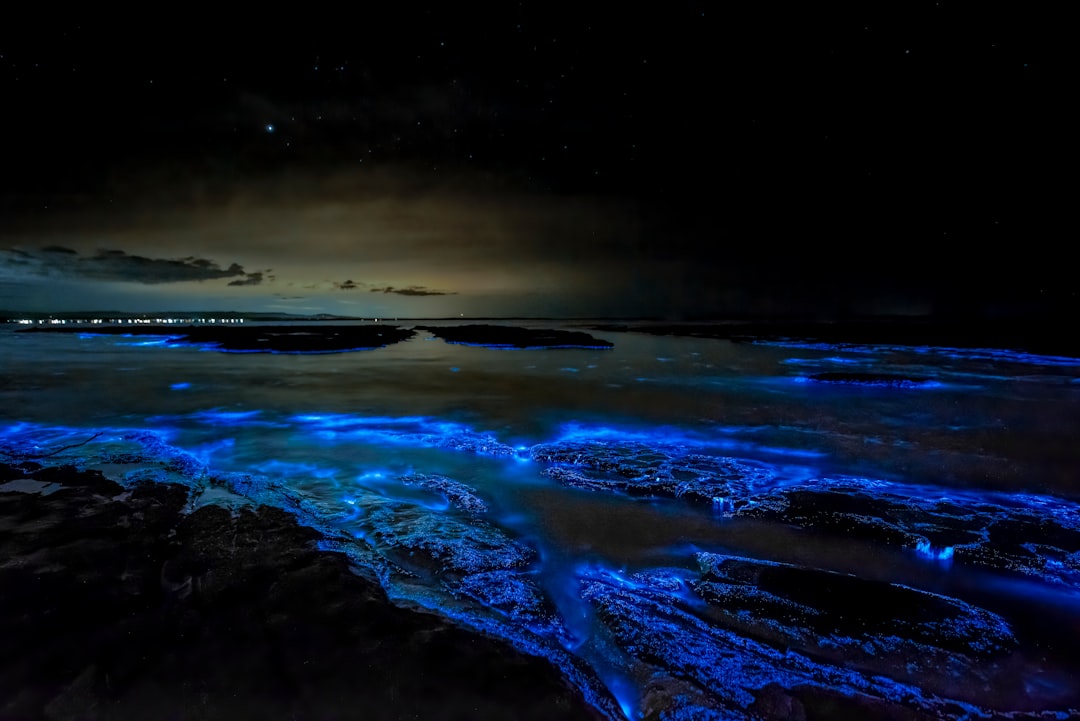
Just north of the rainforest, a narrow mangrove channel funnels you into an oval pool where the water seems to wake up. Each dip of a hand triggers hundreds of flashes from Pyrodinium, turning the lagoon into a galaxy you can stir. Unlike open-surf beaches, this sheltered water stays warm and relatively still, letting the dinoflagellates thrive and respond with eye-popping efficiency. The science is simple and astonishing: mechanical stress opens ion channels, a biochemical cascade fires, and the cells flare before resetting.
Laguna Grande is often the first bioluminescent experience for travelers, and that matters. Early encounters build awareness of how small changes – cloud cover, moon phase, boat wakes – can tilt the balance between dull and dazzling. Tour operators now time outings to new-moon windows and coach gentle paddling to amplify the effect. That choreography between biology and behavior is its own kind of coastal pact.
La Parguera, Lajas, Puerto Rico – Light You Can Swim Through
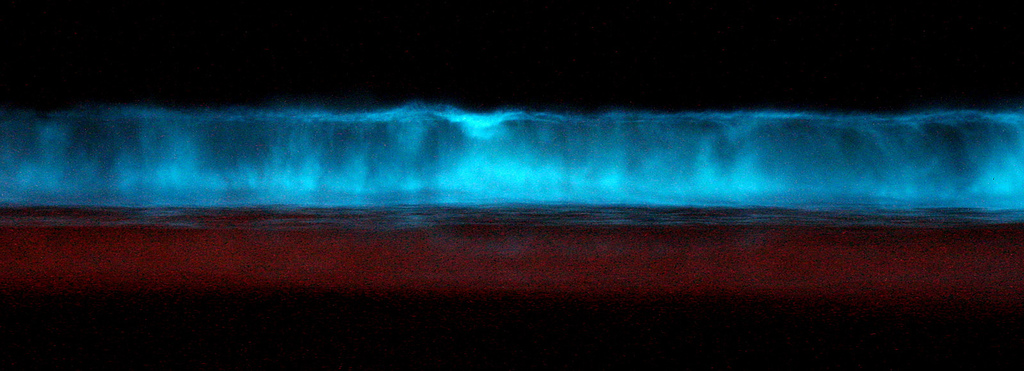
Unlike most bio-bays, La Parguera still allows in-water experiences, and the sensation borders on surreal. Kick your feet and your skin halos; lift an arm and droplets sparkle as they fall. The same Pyrodinium engine powers the show, but here the open channels to the sea create a slightly different rhythm – flashes are often crisp, quick, and abundant. The mix of mangrove detritus and ocean exchange seems to set a sweet spot for bloom stability.
Scientists use these settings to study how water residence time and salinity shape dinoflagellate abundance. For visitors, the lesson is tactile: light responds to your smallest motion, then fades, as if inhaling and exhaling. Respect is the rule – sunscreen residues and stirred sediments dull the effect. Glide rather than splash, and you’ll see more with less.
Mosquito Lagoon, Canaveral National Seashore, Florida – The Hidden Clues
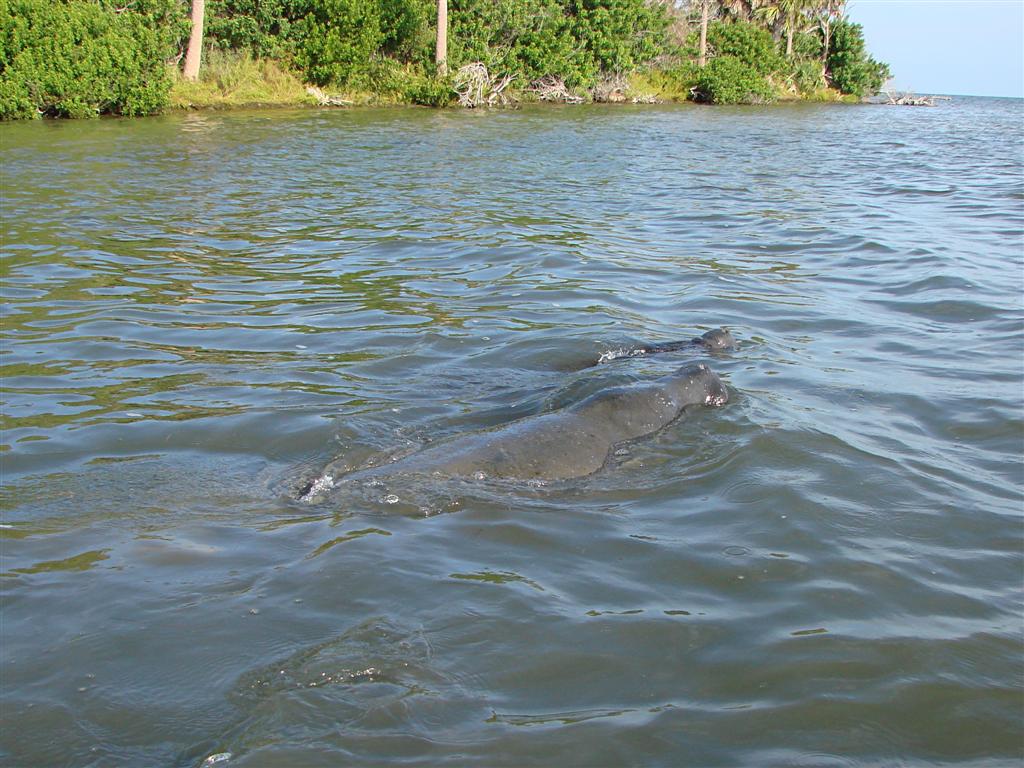
By day this lagoon is a flat sheet of silver; by night in summer, it can crackle with living blue. Pyrodinium dominates here too, particularly in warm, stagnant spells when freshwater inflow is modest. The physics is the same story in a new accent: agitation triggers a fast chemical flare, a biological alarm that likely confuses predators in a brief burst. You’ll often see fish as moving lightning, carving streaks beneath the surface.
This is where researchers pair practical tips with lab-grade insight. New-moon nights, low wind, and dark shorelines create a high-contrast stage, while boat propellers and bright lights wash it out. If you paddle, slow strokes and soft turns amplify the sparkle. The lagoon becomes a chalkboard for cause-and-effect: gentle motion equals more light, and that clarity teaches better than any diagram ever could.
Indian River Lagoon, Merritt Island, Florida – From Ancient Notes to Modern Sensors
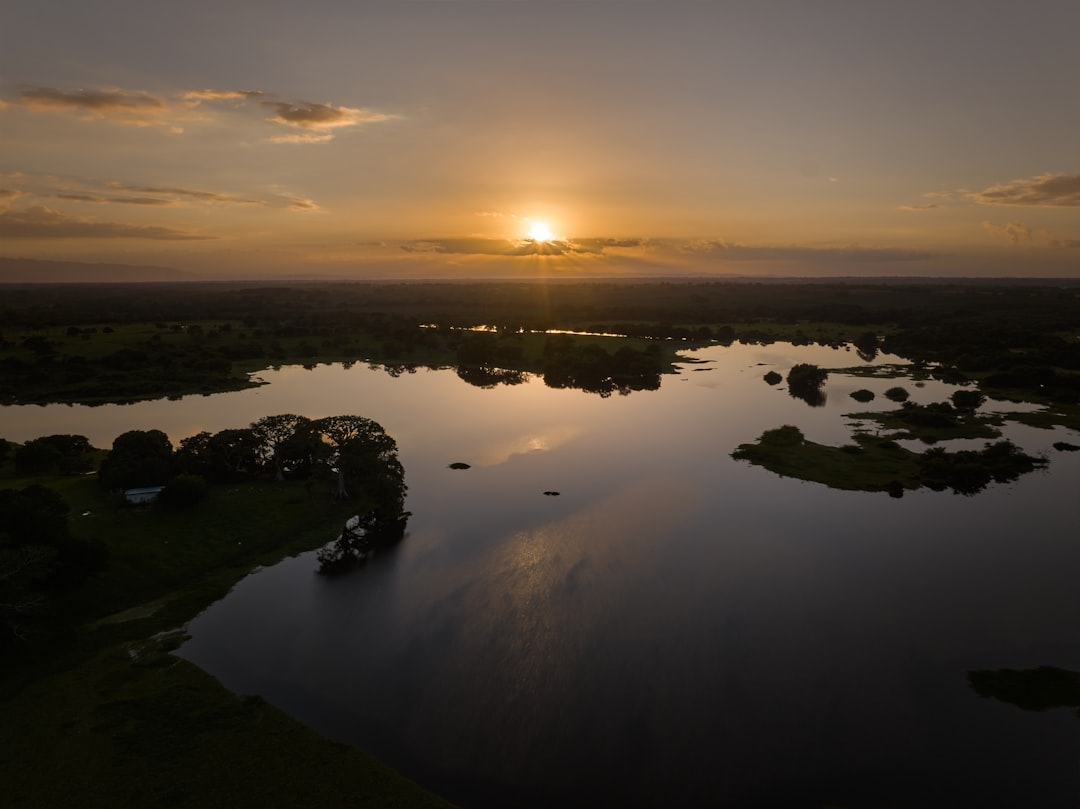
Mariners have described glowing seas for centuries, but now the Indian River Lagoon helps turn those notes into measurements. Today, handheld fluorometers and low-light cameras capture the brightness spikes as paddles slice through bloom patches. As summer builds heat and rains shift salinity, Pyrodinium finds its moment, clustering in coves and canals where water lingers. You can watch the surface flicker in concentric rings from a mullet’s leap.
Modern monitoring – a mix of community reports and field instruments – has revealed an inconvenient truth: nutrient runoff can juice blooms while also inviting harmful algal species. The best nights here arrive after dry weather, calm winds, and darker skies. Kayak guides now act as translators, turning technical terms into simple rules of thumb for guests. That bridge between data and delight is how science earns staying power.
Tomales Bay (Heart’s Desire Beach), California – A Quiet Theater
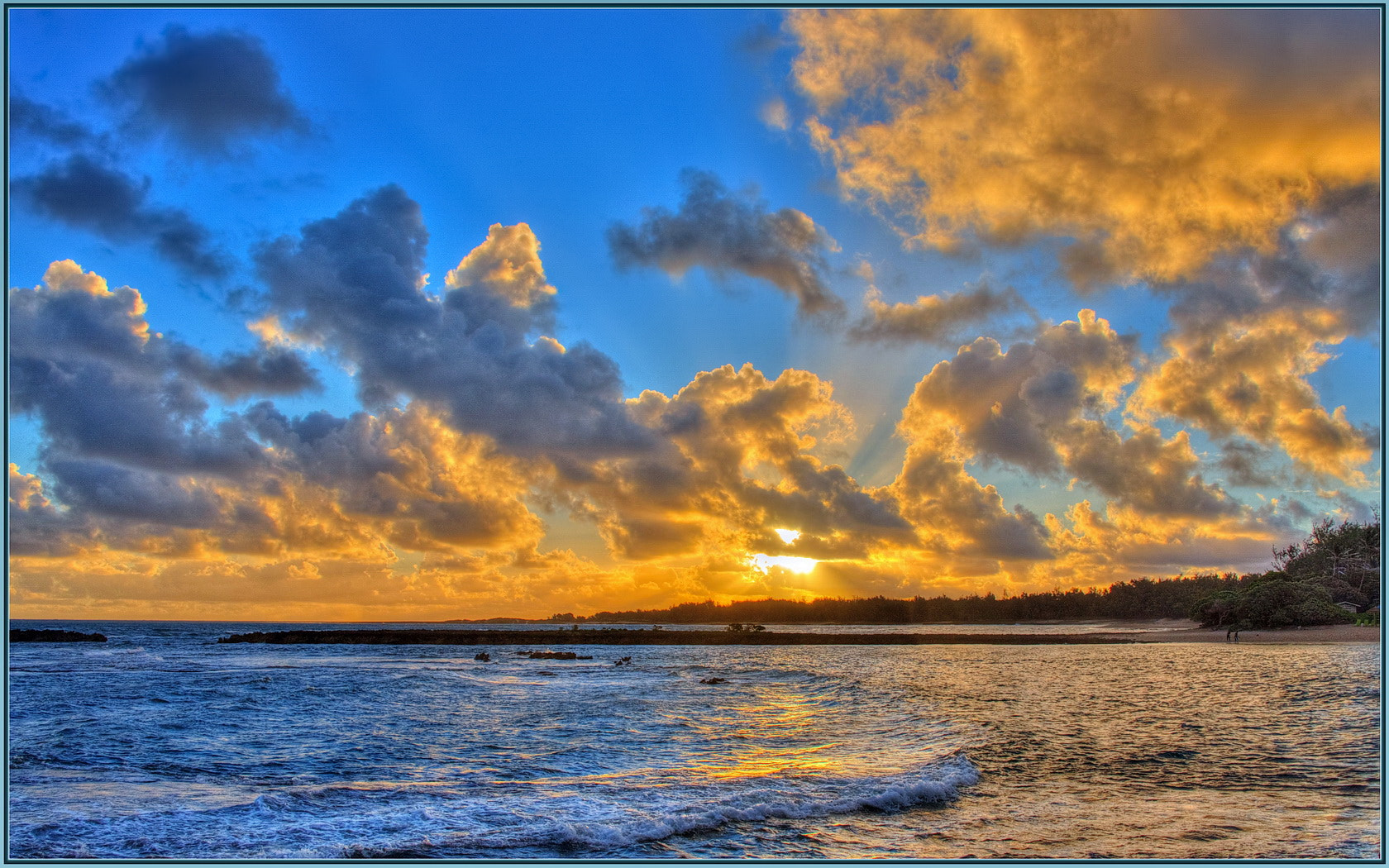
Protected from Pacific swells, this narrow bay north of San Francisco turns serene after dark. On warmer late-summer nights, a gentle sweep of water with your hand can paint arcs of dim blue that hang for a breath, then vanish. The cast is a rotating ensemble of bioluminescent dinoflagellates, lit when wind calms and tides keep cells suspended near the surface. It’s subtle compared with Caribbean bays, but no less mesmerizing.
What makes Tomales Bay special is the stillness. Sheltered coves limit turbulence, so tiny flashes are crisp rather than smeared into foam. Visitors often realize how little motion it takes to set off the display – a kayak bow, a startled bat ray, a floating eelgrass blade. It’s the softest kind of spectacle, demanding patience and rewarding it twice.
La Jolla Shores, California – Red Tides That Turn Electric
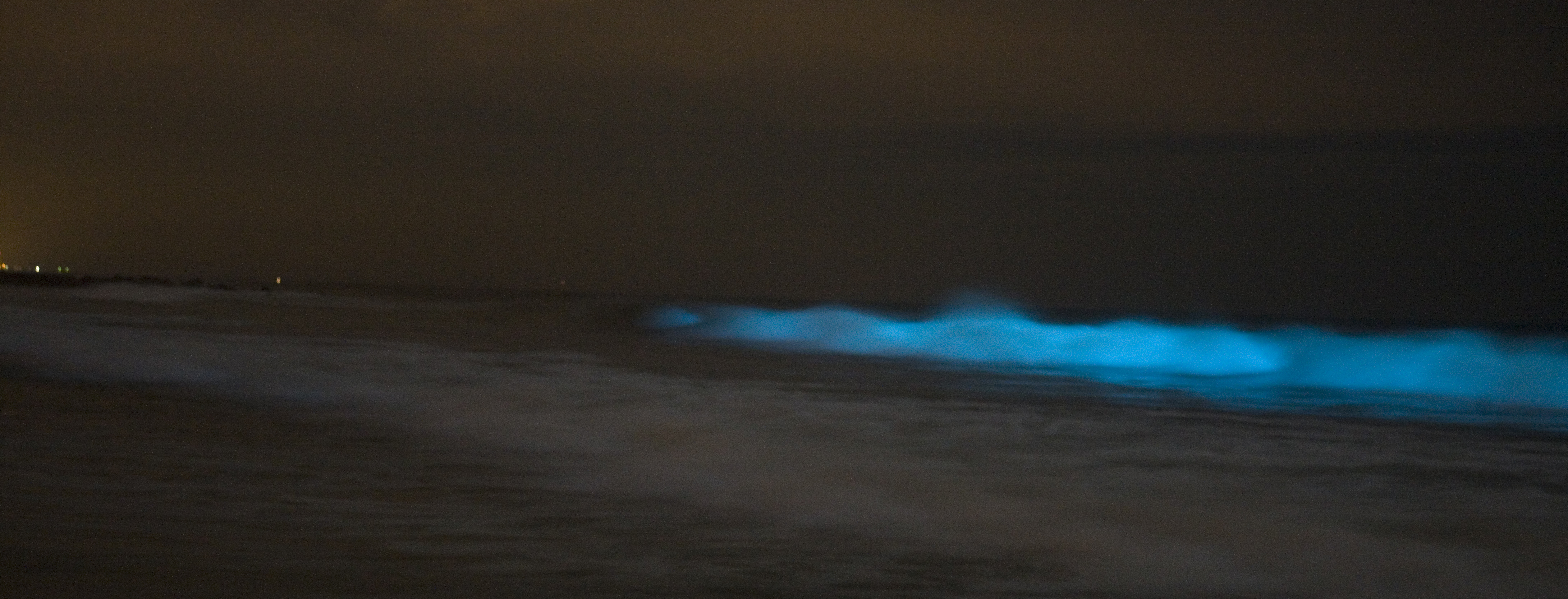
San Diego’s occasional red tides can look ominous by day – rust-colored slicks stretching alongshore – then explode into neon when night surf breaks. The species here is often Lingulodinium polyedrum, a dinoflagellate that thrives in warm, stratified water and lights with startling intensity under breaking waves. When conditions align, every collapsing crest becomes a sheet of blue-white sparks. I still remember jogging this beach one spring and seeing footprints ignite in the wash like tiny comets.
These events are episodic and unpredictable, but they follow patterns: late spring or fall, light winds, stable water columns. Scientists track cell counts and pigment signatures to anticipate peaks, while surfers simply read the glow in their wake. It’s a rare case where a harmful algal bloom’s after-dark behavior becomes a public science lesson. If you go, kill your flashlight and let your eyes adjust – the ocean will do the rest.
South Padre Island, Texas – The Future Landscape

On the Gulf side, South Padre brings a different kind of magic: the shimmer of dinoflagellates mixed with the green-white pulses of comb jellies in the bay. Here, tides thread through seagrass meadows, creating calm pockets where light-producing organisms linger. The variety of glows – pinprick flashes from plankton, ghostly ripples from jellies – makes a natural lab for studying multiple bioluminescent systems at once. It’s a living comparison chart you can see from a dock.
Looking ahead, three forces will shape where and when we see the glow: warming seas, nutrient inputs, and light pollution. Warmer water can lengthen bloom seasons, while runoff may intensify them in ways that help the light show but stress the ecosystem. Low-cost sensors, smartphone reporting apps, and satellite-derived nighttime radiance maps are emerging tools to track these changes. The future of this spectacle depends on whether we treat the glow as a warning light as much as a wonder.
Navarre Beach, Florida (Santa Rosa Sound) – Community Science at Work

On calm summer nights, the bayside of this Panhandle barrier island can spark around docks and paddles. Dinoflagellates gather in the lee of seagrass beds, where water quiets and plankton can linger in the top layer. Local outfitters steer small groups into darker channels, pausing often so guests can see the difference between bright and dim water. These tours do more than entertain; they gather informal logs that help spot seasonal peaks.
Small choices add up here. Shielded flashlights, careful footwork over seagrass, and rinsed gear preserve both the habitat and the glow. Guides teach the best recipe: new-moon windows, minimal wind, and patient eyes. When the surface starts to crackle around your paddle blade, you’ll feel like you’ve learned a secret handshake with the bay.
San Juan Islands, Washington – How to See It Responsibly

Farther north, chilly summer nights bring sea sparkle in Puget Sound, often from the dinoflagellate Noctiluca scintillans. The glow is subtler than in tropical lagoons, but when tides slacken and skies go ink-black, each oar stroke leaves a delicate trail. Kelp fronds carry pinpricks of light, and seals turn into brief comets as they surface and dive. It’s the Pacific Northwest version of the same elegant physics and chemistry.
If you’re planning a responsible trip anywhere on this list, a few habits protect the show. Aim for new moon, give your eyes fifteen minutes to adjust, and use red lights only. Glide rather than churn; avoid touching jelly-like animals; and skip lotions or repellents that wash straight into the water. Support local conservation groups that restore seagrass and mangroves, and book with operators who cap group sizes and lights. Small courtesies are the price of admission, and they make the glow brighter for everyone.
The ocean’s living lights are more than spectacle; they’re feedback, flashing at the exact moment our hands meet water. Treat them like a message worth keeping, and the next wave will answer you back. What would you have guessed lights the night – magic, or millions of tiny decisions made visible?
Suhail Ahmed is a passionate digital professional and nature enthusiast with over 8 years of experience in content strategy, SEO, web development, and digital operations. Alongside his freelance journey, Suhail actively contributes to nature and wildlife platforms like Discover Wildlife, where he channels his curiosity for the planet into engaging, educational storytelling.
With a strong background in managing digital ecosystems — from ecommerce stores and WordPress websites to social media and automation — Suhail merges technical precision with creative insight. His content reflects a rare balance: SEO-friendly yet deeply human, data-informed yet emotionally resonant.
Driven by a love for discovery and storytelling, Suhail believes in using digital platforms to amplify causes that matter — especially those protecting Earth’s biodiversity and inspiring sustainable living. Whether he’s managing online projects or crafting wildlife content, his goal remains the same: to inform, inspire, and leave a positive digital footprint.