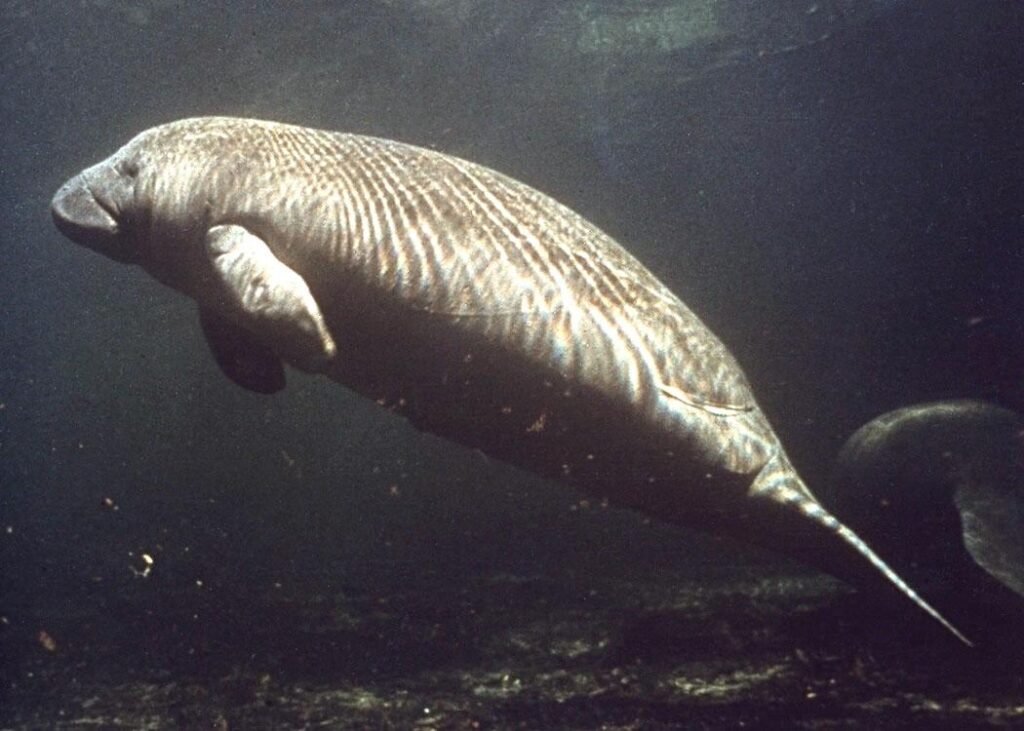

When the first cold fronts rattle the Gulf and Atlantic coasts, manatees slip into sheltered bays and warm-water refuges like travelers seeking a firelit lodge. The seasonal migration isn’t dramatic in speed, but it’s profound in strategy: follow heat, find food, conserve energy. Winter turns certain bays into living maps of survival, where fresh spring flows or industrial outfalls create pockets of comfort. For travelers, these havens are irresistible – quiet mornings, vapor rising off calm water, a whiskered nose surfacing beside a pelican’s shadow. The challenge is simple and serious: witness the spectacle without changing the script.
Kings Bay, Crystal River, Florida
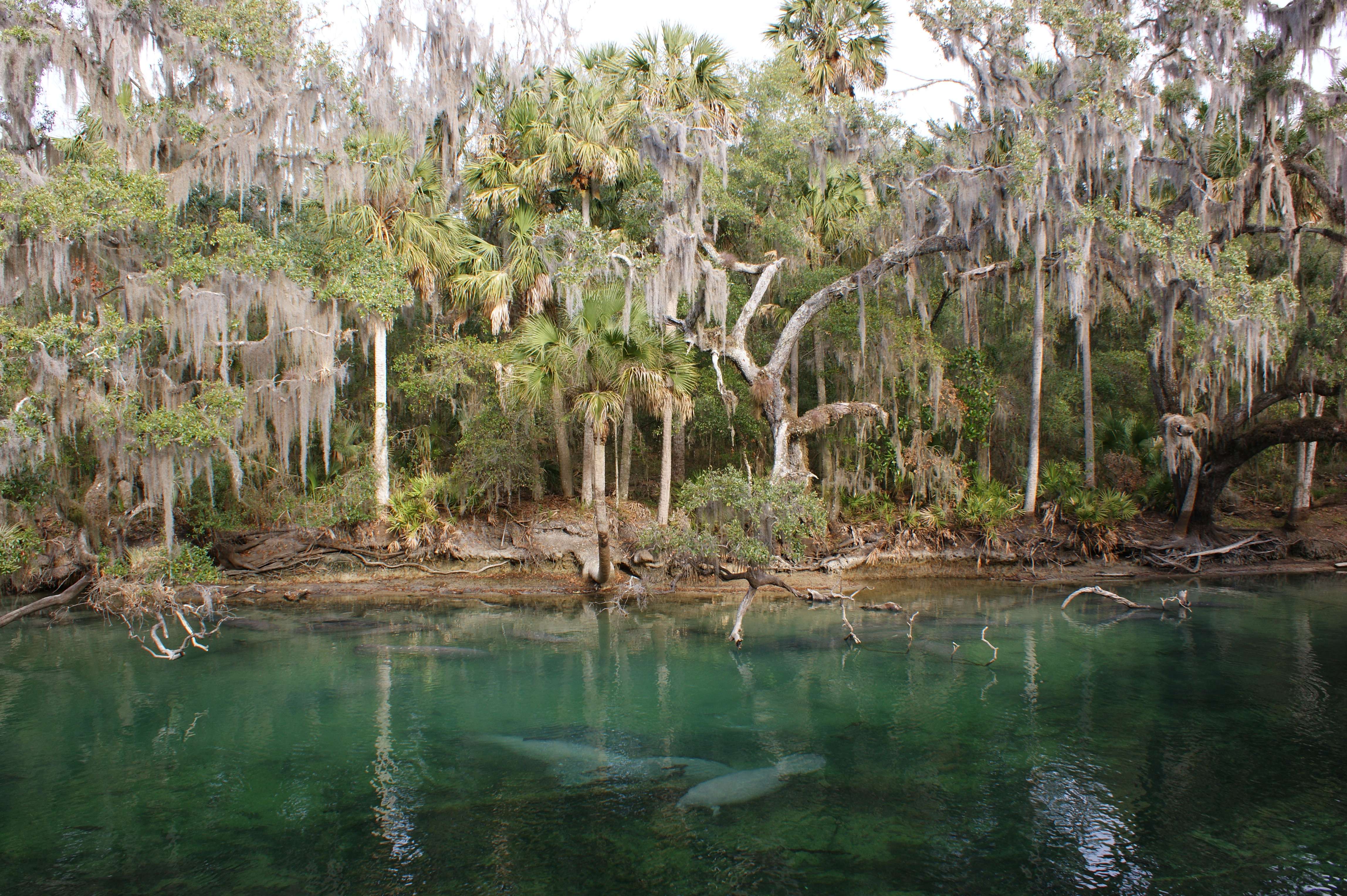
What looks like a sleepy citrus town hides one of North America’s most extraordinary winter wildlife scenes. Kings Bay, fed by dozens of freshwater springs, holds water that stays relatively warm and clear when nearby Gulf temperatures dip. Manatees gather here to cruise the spring vents and float in slow, unhurried clusters, using the bay as a thermal bank account to survive cold snaps. The first time I watched in December, the silence felt almost cathedral-like, broken only by the gentle exhale of a surfacing giant.
Respect the sanctuaries: heed closure zones, idle no-wake areas, and any roped-off spring vents. Move slowly, keep your body and gear out of their path, and let the animals choose the distance. If one approaches, stay passive – no reaching, no chasing, no “selfies” that block a surfacing manatee. Your best view comes with patience and stillness.
Homosassa Bay, Florida

Just south of Crystal River, Homosassa Bay links to spring-fed waters that draw manatees like a magnet each winter. The currents here blend cool Gulf flow with warm spring pulses, creating a patchwork of refuge zones. On a calm afternoon, you can spot rounded backs rolling near oyster bars, then watch them vanish along tannin-dark channels. The rhythm is unhurried, more like tide than clock.
Etiquette begins on shore: launch at designated sites, use established boardwalks, and follow posted guidance from local managers. On the water, trim motors up in shallow grass, avoid hovering over resting animals, and never separate a calf from its mother. Think of your presence as a whisper, not a shout.
Chassahowitzka Bay, Florida
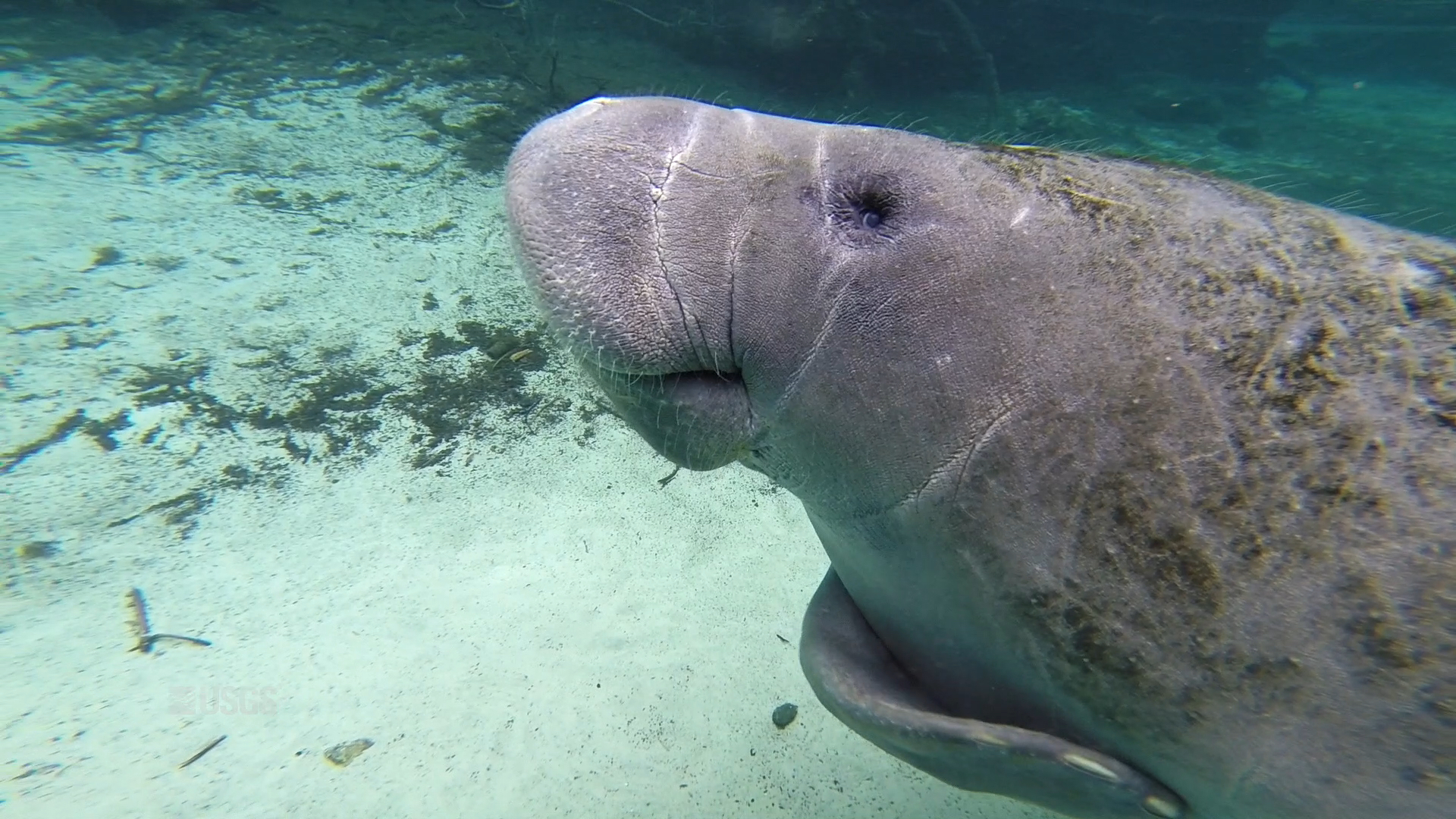
Where rivers braid through salt marsh to meet the Gulf, Chassahowitzka Bay turns winter into a quiet refuge. Spring runs deliver warmth, while eelgrass beds – when healthy – offer slow meals for slow grazers. Manatees thread the creeks at low speed, surfacing under the arch of cabbage palms and oaks. You’ll feel the landscape before you see the animals, like the soft thud of a heartbeat behind a wall.
Stay to the deeper center of marked channels when you can and avoid throttling up through narrow creeks. Keep hands, paddles, and anchors away from resting manatees; bumping the bottom can uproot the very plants they need. If water clarity invites photography, use a long lens from a distance and resist the urge to angle in closer.
Tampa Bay, Florida
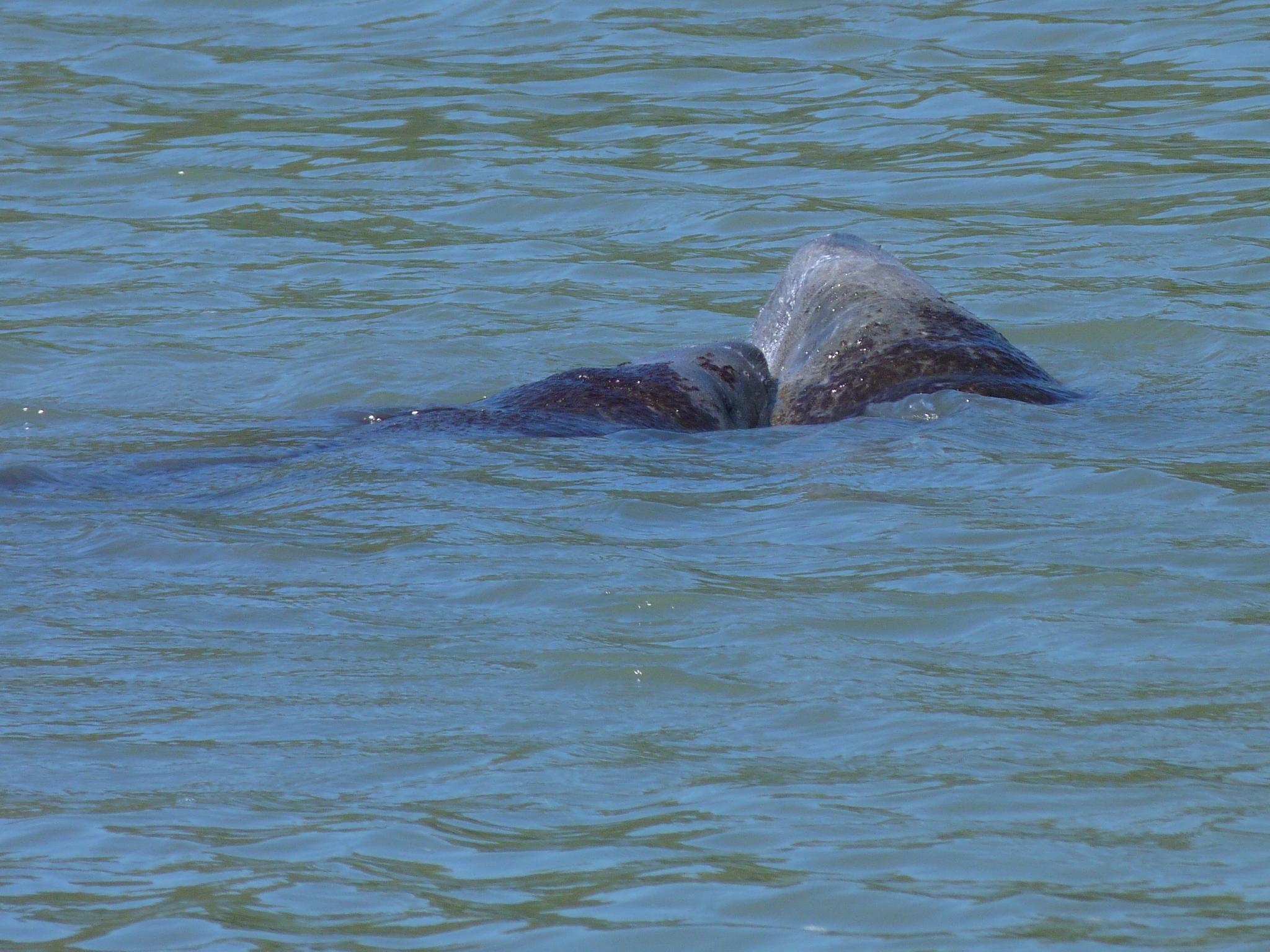
Winter in Tampa Bay tells a modern story: natural estuary meets industrial warm-water refuge. When the air turns sharp, manatees gather near canals that hold warmer water, conserving calories and resting between foraging trips. Elsewhere in the bay, they browse seagrass on mild days, slipping along seawalls and under mangrove roots. The setting is metropolitan, but the behavior is pure survival science.
Boaters should honor slow-speed zones without exception and scan ahead for circular ripples or shadowed shapes. Paddlers can make the most of eye-level viewing by drifting rather than paddling over animals, keeping a wide arc around surfacing individuals. On boardwalks and platforms, maintain quiet and let others see; a hushed crowd is more wildlife than spectacle.
Sarasota Bay, Florida
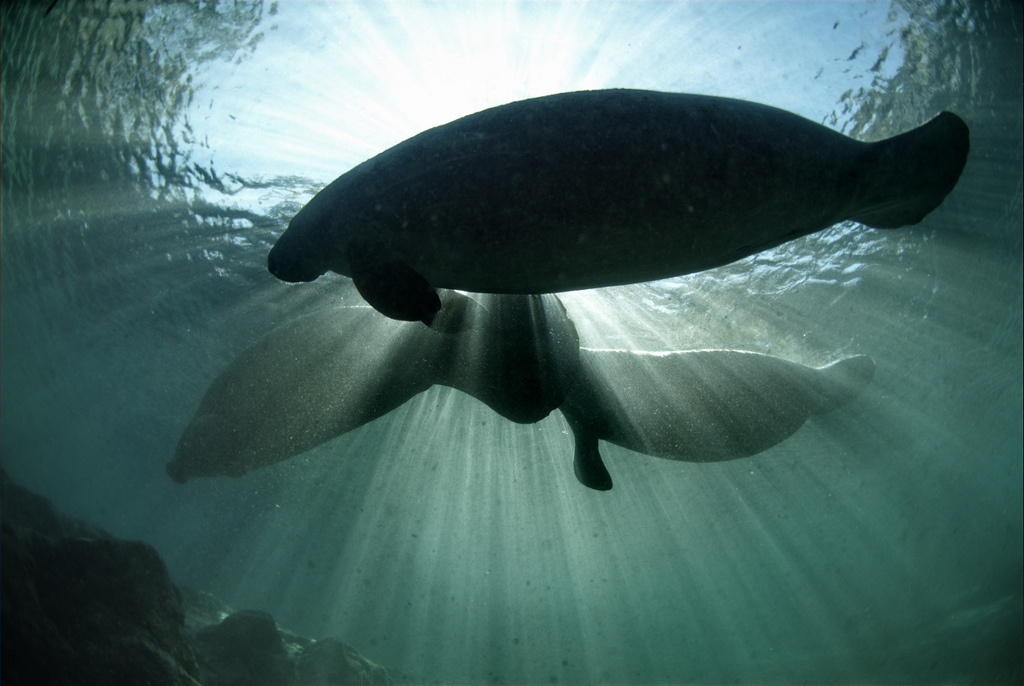
Sarasota Bay is a winter threshold – close enough to refuges for safety, open enough for foraging when temperatures rise. Manatees move in and out with the weather, using canals and intracoastal corridors like hallways between rooms. Seagrass here has endured its share of stress, yet resilient patches still support cautious grazing. Watch for pale snouts lifting near channel markers at slack tide.
Responsible viewing means avoiding sudden course changes that trap animals in corners of seawalls or docks. If you’re on a tour, choose operators who prioritize education, small groups, and strict adherence to wildlife rules. Keep drones grounded; overhead buzz can scatter resting manatees and the footage rarely beats what your eyes can gather from a respectful distance.
Charlotte Harbor, Florida
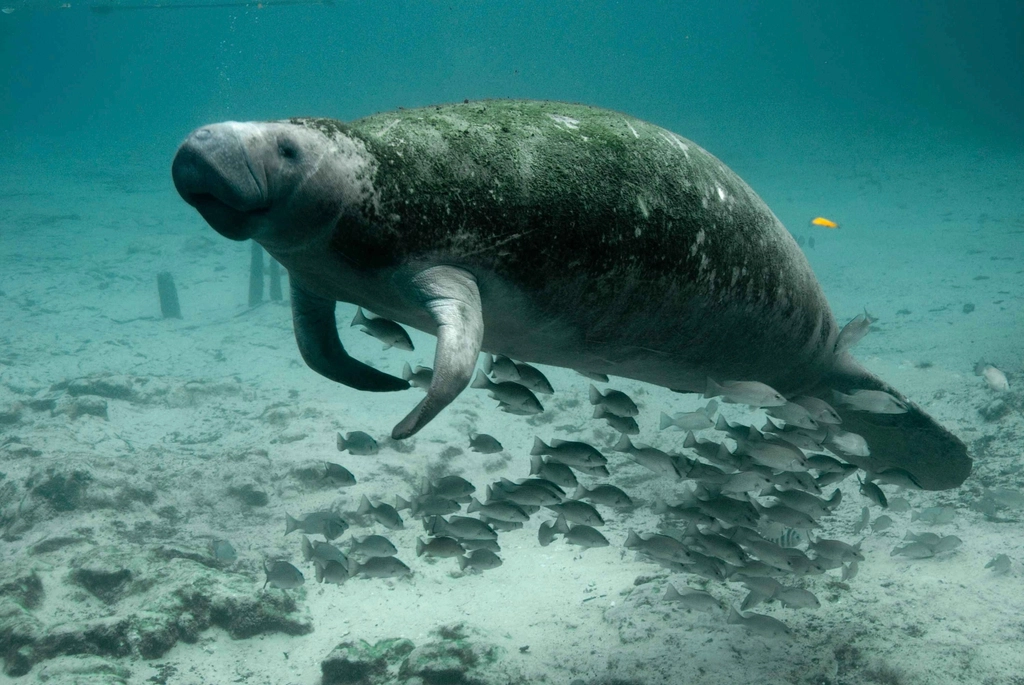
One of Florida’s largest estuaries, Charlotte Harbor acts like a winter lung, breathing manatees in and out of the Caloosahatchee and Peace rivers. After cold snaps, they often tuck into warmer backwaters, then spread across the harbor’s grass beds when the sun returns. The water here can shift from tea-brown to blue-green in a day, but the manatees’ needs remain steady: warm rest, gentle depth, and reliable forage. Their pace sets the tone for anyone paying attention.
Glide through shallows under paddle or electric power, and never corner animals against shorelines. Give resting groups extra room – disturbance forces unnecessary energy use in the coldest weeks. If you’re unsure whether a shape is a manatee, slow down; being early is fixable, being careless is not.
Estero Bay, Florida
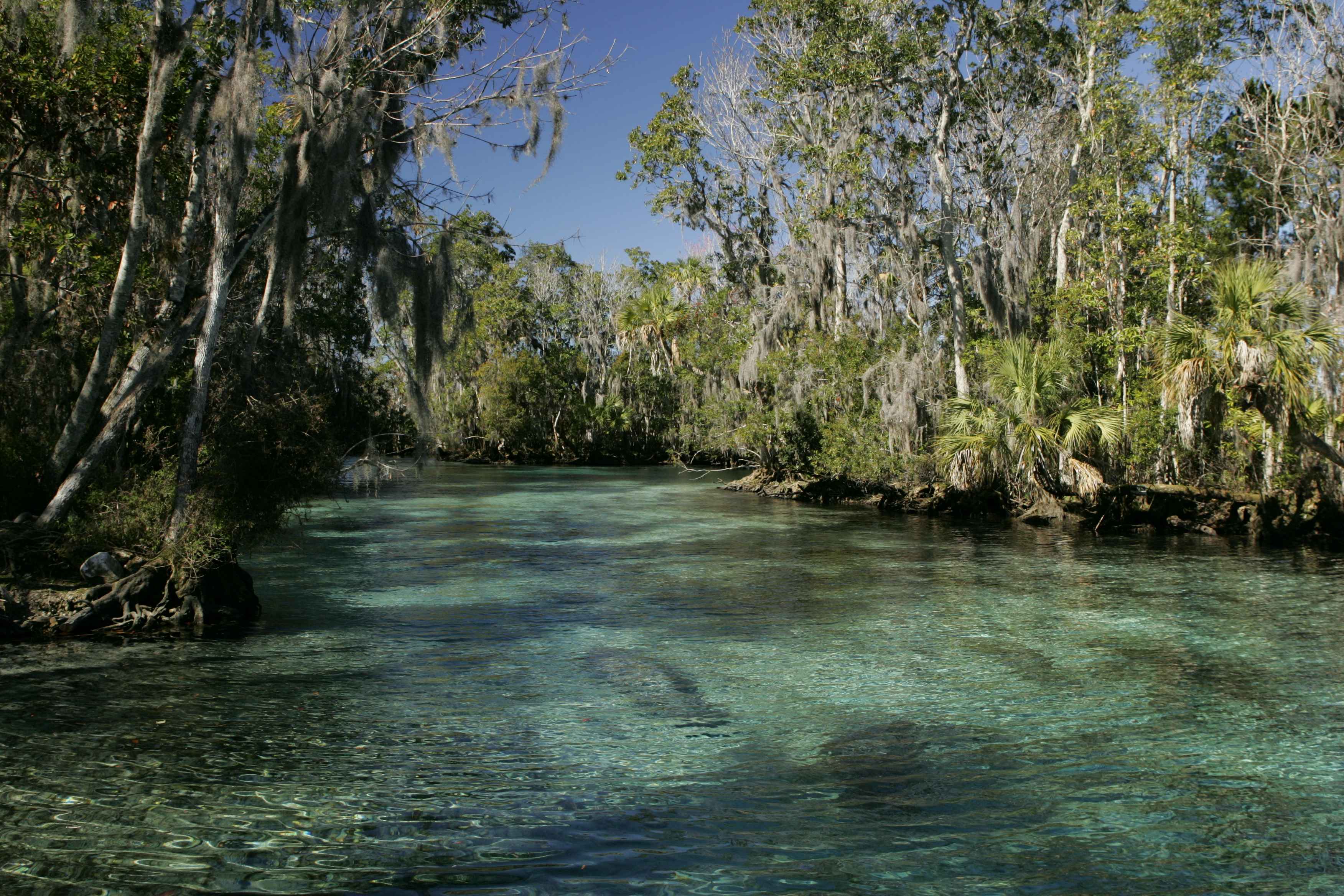
Estero Bay’s mosaic of mangrove islands and oyster shoals makes a subtle winter refuge. Manatees follow warm traces up tidal creeks, then drift out when temperatures ease, tracing routes they’ve learned over years. Look for feeding trails – meandering, pale lines through grass – as clues that animals have recently grazed. On still mornings, the bay feels like a library you don’t want to speak in.
Etiquette here is about anticipation: watch your draft, mind the tide, and plan turns early. Give mothers and calves an especially wide berth and resist the urge to linger over a single animal. Rotate viewing spots so everyone gets a chance and the wildlife gets a break.
Tarpon Bay, Sanibel Island, Florida
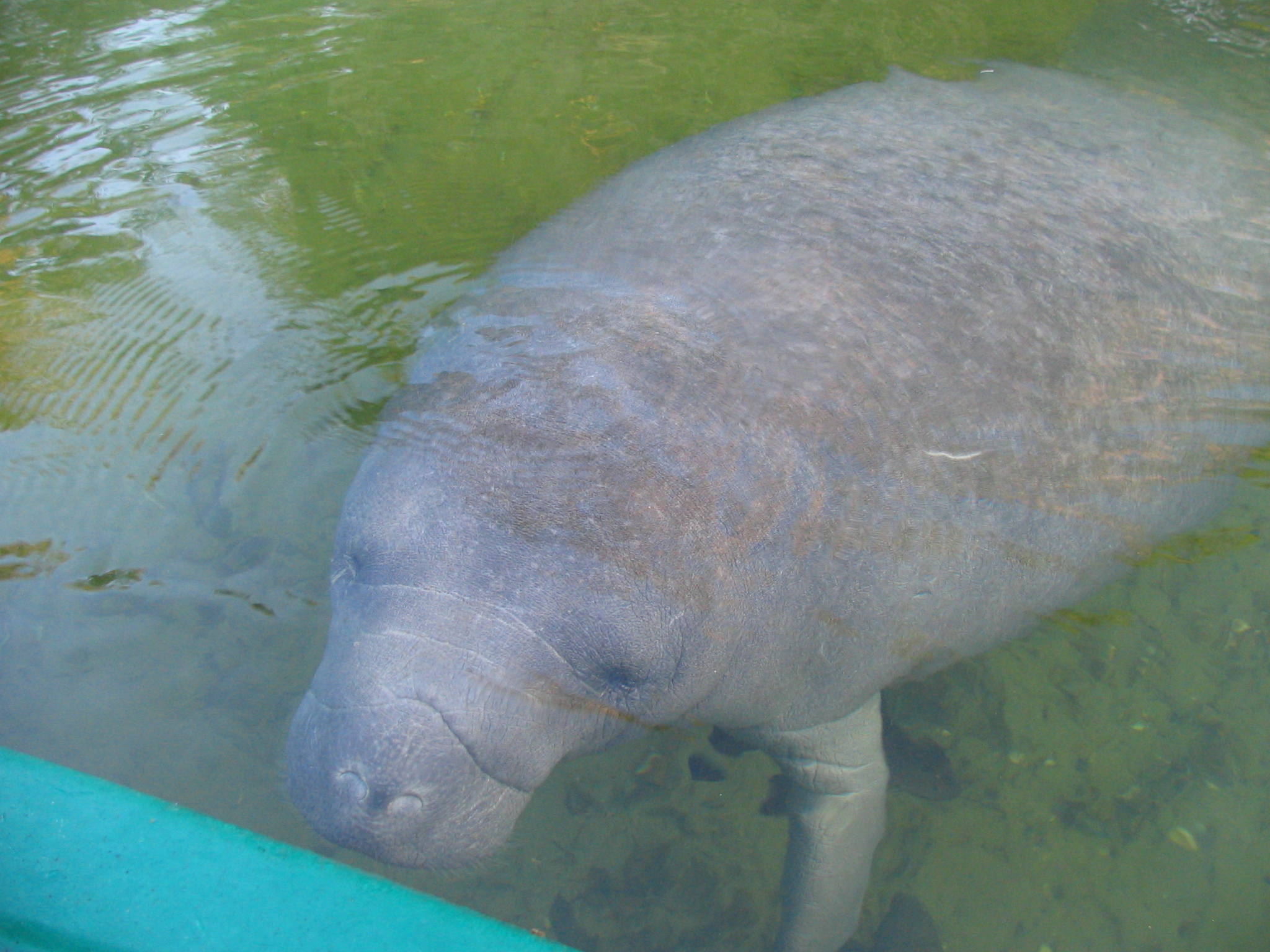
Tarpon Bay sits like a protected bowl inside the greater Pine Island Sound system, calm when nearby passes churn. Manatees slip along the edges of mangrove tunnels, sometimes surfacing beside startled mullet. Winter brings them in during cool spells, then back out to feed as temperatures rise. You can practically hear the tide clicking the clock.
Keep your paddle blades shallow and your wake smaller than a resting pelican’s ripple. If you spot a manatee first, signal others quietly rather than sprinting closer. The best photographs often come when you wait where they’re headed, not where they are.
Florida Bay, Florida Keys
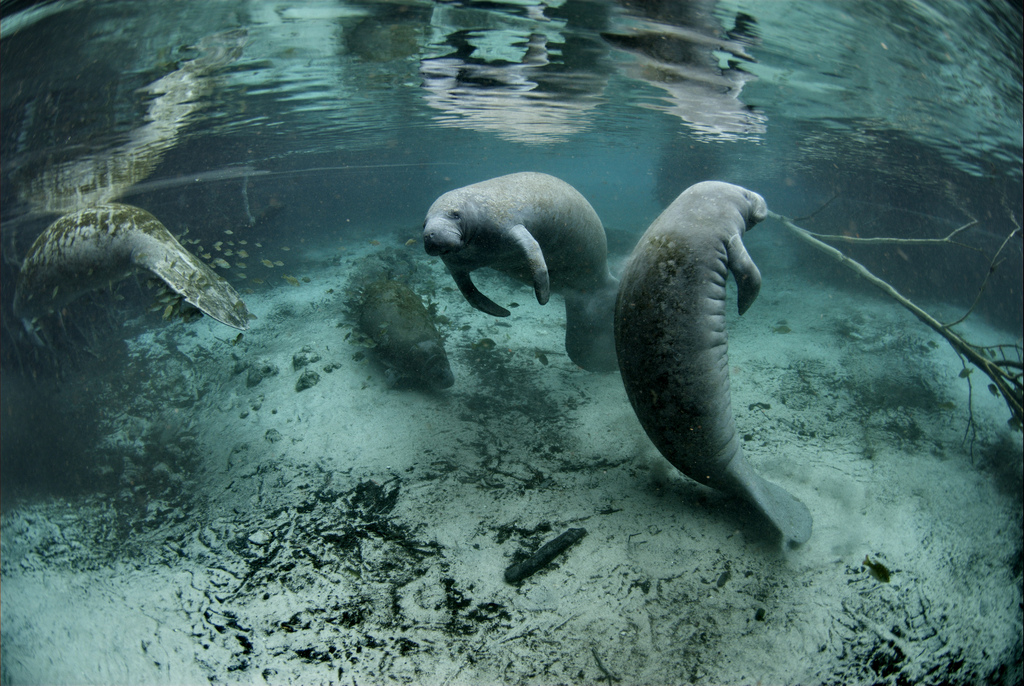
Shallow, broad, and warmed by endless sun, Florida Bay remains a winter option when cold fronts soften. Manatees move between mangrove backwaters and open shallows, threading creeks that smell of salt and leaf tannin. The Bay’s seagrass cycles are a reminder that habitat health underwrites every winter refuge. When the grass thrives, so do the quiet grazers that depend on it.
View from stable platforms or low-draft craft and avoid prop scars by trimming high in skinny water. Keep noise low and routes predictable, and never crowd animals along a shoreline. Observe for a while, then move on so the moment remains a gift, not a burden.
Biscayne Bay, Miami, Florida
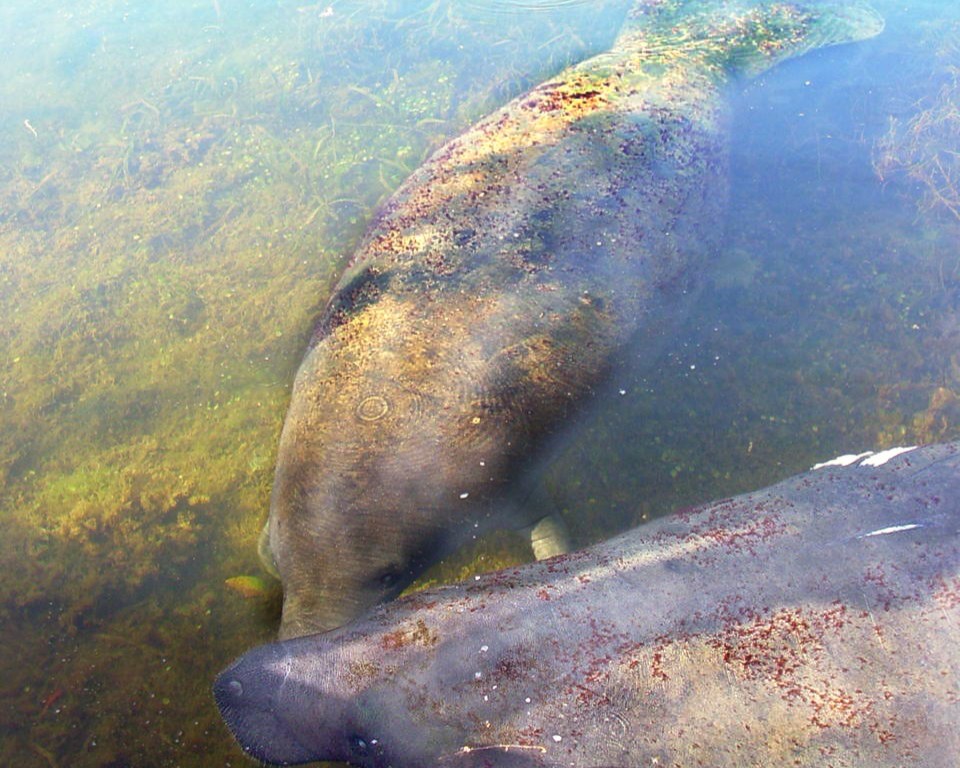
Even in a city of lights and lanes, Biscayne Bay offers manatees pockets of calm when winter presses in. They use protected canals and shaded coves, then wander out to graze when conditions allow. The juxtaposition is striking: skyscrapers in the distance, a prehistoric silhouette in the foreground. The lesson is that coexistence depends on choices, not chance.
Adopt the slowest practical speed and be extra vigilant near marinas and bridges. Give animals the right-of-way, and never feed or water them – it changes behavior and invites harm. If you’re walking the seawall, keep cameras low and footsteps softer than the wind.
Manatee Bay, Upper Keys, Florida
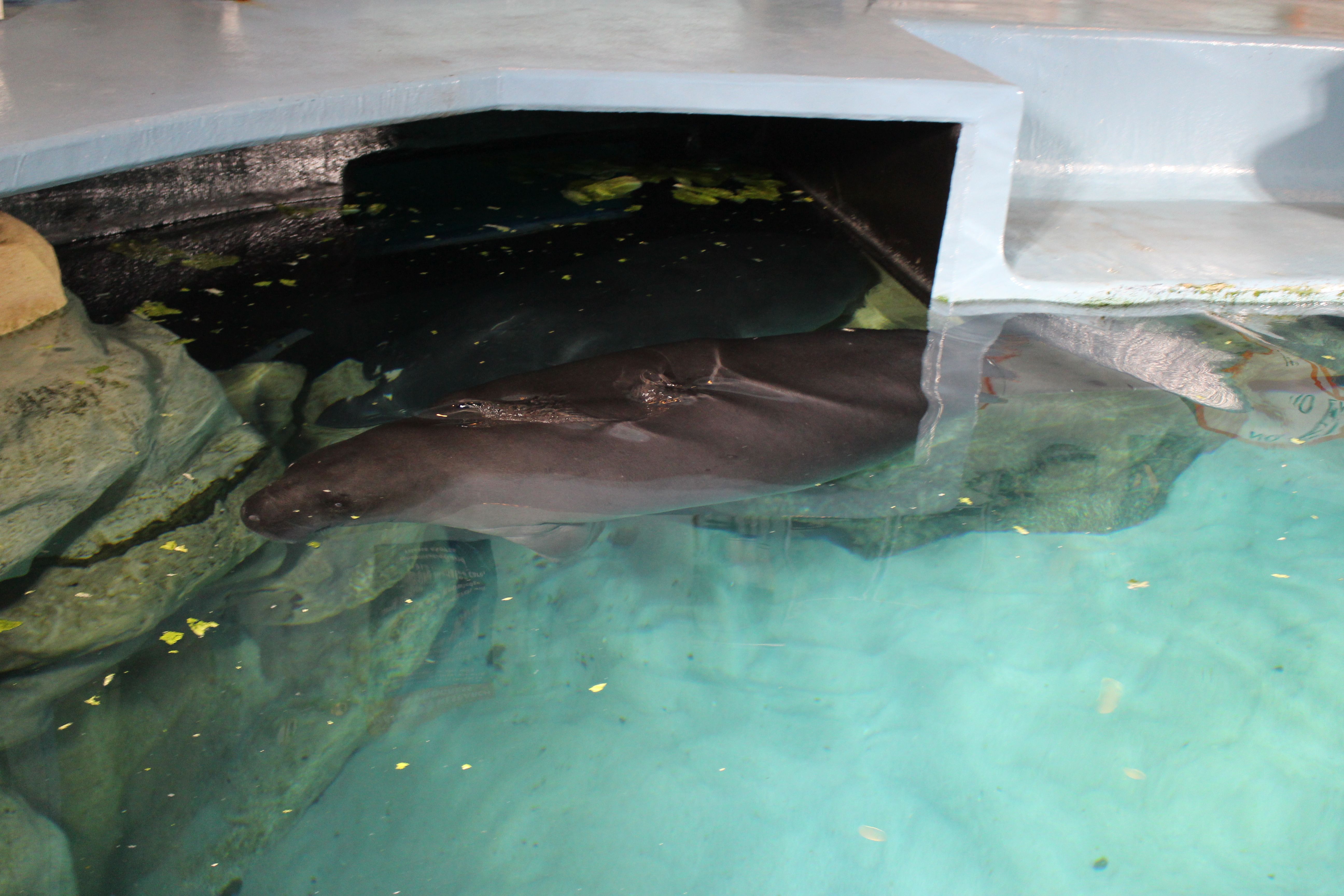
With a name that reads like a promise, Manatee Bay sits along Card Sound where mangroves meet broad flats. In cooler months, the bay’s protected coves shield animals from wind and boat traffic, while nearby channels offer the depth they need. This is a place for unhurried watching, where a single breath ring can be the highlight of an hour. The appeal is in the possibility, not the guarantee.
Approach like a guest: follow marked routes, avoid tight turns near mangrove edges, and keep conversations low. If a manatee chooses your path, yield the lane and wait it out. Leave the scene better than you found it – no litter, no wakes, no stress added to a cold season.
Winter manatee watching is a privilege built on restraint: arrive curious, move gently, linger briefly, and let the animals write the plot. If we keep our distance and our promises, these bays will keep their warmth – for manatees and for us – for winters to come. Did you expect that?
Suhail Ahmed is a passionate digital professional and nature enthusiast with over 8 years of experience in content strategy, SEO, web development, and digital operations. Alongside his freelance journey, Suhail actively contributes to nature and wildlife platforms like Discover Wildlife, where he channels his curiosity for the planet into engaging, educational storytelling.
With a strong background in managing digital ecosystems — from ecommerce stores and WordPress websites to social media and automation — Suhail merges technical precision with creative insight. His content reflects a rare balance: SEO-friendly yet deeply human, data-informed yet emotionally resonant.
Driven by a love for discovery and storytelling, Suhail believes in using digital platforms to amplify causes that matter — especially those protecting Earth’s biodiversity and inspiring sustainable living. Whether he’s managing online projects or crafting wildlife content, his goal remains the same: to inform, inspire, and leave a positive digital footprint.