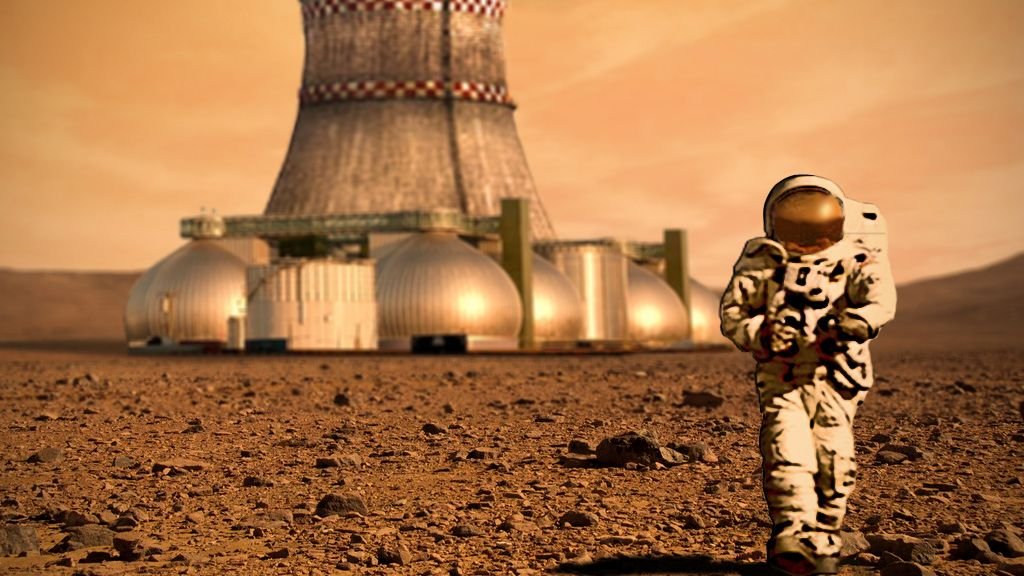

The day will come when humans step foot on alien soil, breathe unfamiliar air, and call a distant planet home. But here’s the shocking truth: our survival won’t depend on the technology we bring, but on the biological traits we already carry within us. Right now, hidden in our DNA and scattered across our diverse populations, lie the keys to conquering worlds we’ve never seen.
Enhanced Radiation Resistance

Most planets beyond Earth bombard their surfaces with deadly cosmic radiation that would fry human cells within hours. However, some humans already possess genetic mutations that make them remarkably resistant to radiation exposure. People living in high-altitude regions like Tibet or the Andes have developed enhanced DNA repair mechanisms that could prove invaluable on Mars or Europa. These individuals can withstand radiation levels that would be lethal to the average person, making them natural candidates for interplanetary colonization. Think of it like having a built-in shield against the universe’s most dangerous invisible weapon.
Extreme Cold Tolerance

While most of us shiver at the first hint of winter, certain populations have evolved extraordinary cold resistance that could mean the difference between life and death on frozen worlds. The Inuit peoples of the Arctic possess genetic adaptations that allow their bodies to generate heat more efficiently and maintain circulation in sub-zero temperatures. Their brown fat tissue burns calories like a furnace, keeping vital organs warm when others would succumb to hypothermia. On ice-covered moons like Enceladus or Titan, these traits could transform from regional adaptations into species-saving superpowers.
High-Altitude Breathing Efficiency

Imagine trying to breathe on a planet where the air is thinner than the top of Mount Everest. For most humans, this would be a death sentence, but populations living at extreme altitudes have developed remarkable respiratory adaptations. Tibetans and Andean peoples have enlarged lung capacity, increased red blood cell production, and enhanced oxygen-carrying hemoglobin variants. Their hearts pump more efficiently, and their blood vessels have adapted to function optimally in low-oxygen environments. These natural modifications could prove essential for survival on planets with thin atmospheres or at high elevations on alien worlds.
Desert Heat Adaptation

When the sun beats down mercilessly and water becomes more precious than gold, desert-adapted humans would thrive where others perish. Populations from the Sahara, Arabian Peninsula, and Australian Outback have evolved superior heat regulation mechanisms that could prove crucial on scorching exoplanets. Their bodies produce less sweat while maintaining optimal cooling, their kidneys concentrate urine more efficiently to conserve water, and their cardiovascular systems handle extreme heat stress with remarkable resilience. On a planet orbiting close to its star, these traits could mean the difference between establishing a colony and becoming another failed expedition.
Enhanced Night Vision

Many exoplanets exist in perpetual twilight or experience extended periods of darkness that would leave average humans stumbling blind. Certain populations have developed superior night vision capabilities that could prove invaluable in low-light alien environments. People with larger pupils, increased rod cell density in their retinas, or genetic variations affecting light sensitivity can navigate effectively in conditions that would render others helpless. This enhanced night vision, combined with improved spatial awareness in darkness, could transform exploration and survival on dimly lit worlds where artificial lighting might be limited or unreliable.
Poison and Toxin Resistance

Alien worlds might harbor toxic compounds in their air, water, or soil that could quickly kill unprepared humans. However, certain populations have developed impressive resistance to various toxins through generations of exposure to challenging environments. People from regions with naturally occurring heavy metals, toxic plants, or contaminated water sources have evolved enhanced liver function and detoxification pathways. Their bodies can process and eliminate harmful substances more efficiently than the average person. Think of them as living, breathing biological filters capable of surviving in environments that would poison others within days.
Extreme Pressure Tolerance

Some exoplanets exert crushing atmospheric pressure that would literally squeeze the life out of unprepared visitors. Interestingly, deep-sea divers and populations living at extreme depths have developed physiological adaptations to handle intense pressure variations. Their bodies regulate gas exchange more efficiently, their blood chemistry adjusts to pressure changes, and their organs maintain function under conditions that would incapacitate others. These adaptations, while initially evolved for underwater environments, could prove surprisingly relevant for high-pressure alien atmospheres. It’s like having a built-in pressure suit that comes standard with the human body.
Accelerated Healing and Regeneration

In hostile alien environments where medical facilities are nonexistent, the ability to heal quickly could determine survival. Some humans possess genetic variations that dramatically accelerate wound healing, bone regeneration, and tissue repair. These individuals recover from injuries that would sideline others for months, and their immune systems respond more rapidly to threats. Research has identified specific genetic markers associated with enhanced healing abilities, particularly in populations that have historically faced frequent physical challenges. On a dangerous alien world where every cut could become infected and every broken bone could mean death, these rapid-healing individuals would be invaluable.
Superior Digestive Adaptability

Food sources on alien worlds will be completely different from Earth’s buffet, requiring digestive systems capable of processing novel nutrients and surviving on limited resources. Certain populations have evolved remarkable digestive flexibility, allowing them to extract maximum nutrition from minimal food sources. People with enhanced gut bacteria diversity, improved nutrient absorption, or the ability to digest unusual proteins and carbohydrates would have significant advantages. Their stomachs essentially become biological laboratories capable of breaking down alien compounds that might be toxic or indigestible to others. This adaptability could mean the difference between thriving and starving on a world with completely foreign food sources.
Enhanced Immune System Diversity

Alien pathogens represent one of the greatest threats to human colonization of other worlds. However, populations with exceptionally diverse immune systems would have the best chance of fighting off unknown diseases and infections. Genetic diversity in immune response genes, particularly HLA variants, provides broader protection against novel threats. Some individuals carry immune system configurations that can rapidly adapt to new pathogens, essentially serving as biological early warning systems for their communities. Their immune systems are like Swiss Army knives, equipped with tools to handle threats they’ve never encountered before.
Improved Water Conservation

Water scarcity will likely plague most alien colonies, making efficient water usage a matter of life and death. Certain human populations have evolved remarkable water conservation abilities that could prove essential for survival. Their kidneys concentrate urine more effectively, their skin loses less moisture through evaporation, and their bodies maintain optimal hydration with minimal water intake. These individuals essentially operate like biological camels, storing and conserving water with impressive efficiency. On a desert planet or in an environment where water must be carefully rationed, these traits could determine which colonies survive and which perish from dehydration.
Enhanced Calcium Absorption

Low-gravity environments pose serious threats to human bone density and muscle mass, potentially crippling colonists within months. However, some individuals possess genetic variations that dramatically improve calcium absorption and bone maintenance. Their bodies more efficiently utilize dietary calcium, maintain bone density under stress, and resist the muscle wasting that affects most people in reduced gravity. These genetic advantages could prove crucial for long-term survival on low-gravity worlds like Mars or the Moon. Think of it as having bones that refuse to give up, no matter how challenging the gravitational environment becomes.
Superior Spatial Navigation

Getting lost on an alien world without GPS or familiar landmarks could be fatal, making superior navigation abilities incredibly valuable. Certain populations have developed enhanced spatial awareness and navigation skills that surpass technological aids. These individuals can maintain direction sense in unfamiliar terrain, remember complex route information, and navigate using minimal environmental cues. Their brains essentially function like biological compasses, capable of finding their way in the most challenging conditions. On a world where one wrong turn could lead to death, these natural navigators would become invaluable guides and leaders.
Increased Muscle Fiber Efficiency

Physical labor will be essential for building and maintaining alien colonies, requiring individuals with superior strength and endurance. Some humans possess genetic variations that create more efficient muscle fibers, allowing them to perform heavy work with less fatigue and recover more quickly from physical exertion. Their muscles essentially run on premium fuel, extracting maximum power from minimum energy expenditure. These individuals can work longer, lift heavier loads, and maintain physical performance when others collapse from exhaustion. In an environment where every person’s physical contribution matters, these genetic advantages could make the difference between a thriving colony and a failed settlement.
Mental Resilience and Stress Adaptation

The psychological challenges of living on an alien world could break even the strongest minds, making mental resilience crucial for survival. Certain individuals possess genetic and neurological traits that provide superior stress resistance and emotional stability. Their brains produce optimal levels of stress hormones, recover quickly from trauma, and maintain cognitive function under extreme pressure. These people essentially have built-in psychological armor that protects them from the mental health challenges that would overwhelm others. When facing the isolation, danger, and uncertainty of alien colonization, these mentally resilient individuals would serve as emotional anchors for their communities.
The Future of Human Adaptation
As we stand on the brink of becoming a multi-planetary species, these remarkable human traits represent our greatest hope for survival beyond Earth. The diversity that makes us human also makes us incredibly adaptable to environments we’ve never imagined. Each genetic variation, each regional adaptation, each unique biological advantage represents a potential key to unlocking survival on distant worlds. We’re not just carrying technology to the stars; we’re carrying millions of years of evolutionary innovation perfectly suited for challenges we haven’t even discovered yet. The question isn’t whether humans can survive on other planets, but which of our remarkable traits will prove most valuable when we get there.