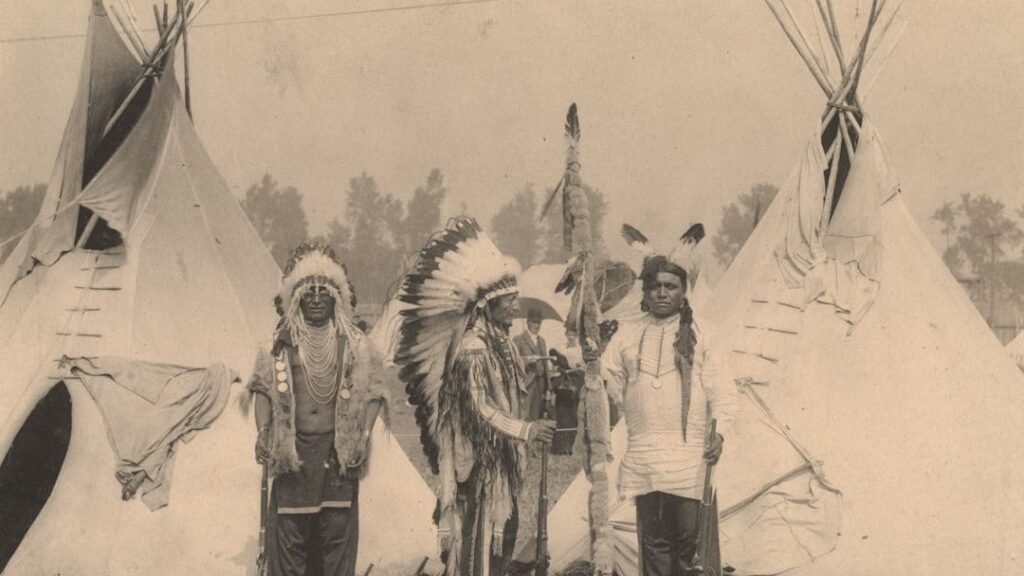

Think about a nation that developed its own writing system in just over a decade, established a constitution before most American states had refined theirs, and survived one of history’s most brutal forced relocations. You’re looking at the Cherokee, a people whose cultural contributions have shaped not just American history but the very foundations of indigenous rights and sovereignty. Their story isn’t just about survival. It’s about innovation, resilience, and a cultural richness that continues to inspire generations today.
Let’s explore what made this tribe so remarkable and why their legacy still matters in 2026.
The Creation of a Written Language Against All Odds

In the late 1810s and early 1820s, Sequoyah invented the Cherokee syllabary, a writing system he created despite being illiterate until its creation. Picture this: a man who couldn’t read or write in any language sitting down and crafting an entirely new way to capture spoken Cherokee on paper. Sequoyah didn’t read or write at all, creating a written language from scratch. Think about how extraordinary that is. Most writing systems evolved over centuries through collective effort, yet Sequoyah accomplished this alone over roughly a dozen years.
After the syllabary was completed in the early 1820s, it achieved almost instantaneous popularity and spread rapidly throughout Cherokee society, and by 1825, the majority of Cherokees could read and write in their newly developed orthography. Within a quarter century, the Cherokee Nation had reached a literacy rate of nearly one hundred percent, surpassing that of surrounding European American settlers. The speed of this transformation was nothing short of astonishing. Here’s the thing: while European Americans were struggling with basic literacy, the Cherokee had figured out how to educate an entire nation in just five years.
A Government Modeled on Democracy Yet Distinctly Cherokee

In 1827, the Cherokee nation adopted a Constitution modeled on that of the United States, with executive, legislative, and judicial branches, adapted for Cherokee needs. This wasn’t just copying what they saw. The Cherokee took democratic principles and filtered them through their own cultural understanding. The constitution created a centralized, three-branch government and detailed its powers. It was a strategic move, demonstrating to the world that they were a sovereign nation capable of self-governance according to Western standards.
Yet there were crucial differences. In its first article, the Cherokee Constitution lays out its claim to communal land holdings of its ancestral land base in perpetuity, a concept that challenged the federal government’s desire to dole out parcels of land to individual owners. This was revolutionary. While the United States pushed individual property ownership, the Cherokee constitution protected communal land rights, a concept deeply embedded in their worldview that every rock and tree belonged to all Cherokee people, not to individuals who could sell it off piece by piece.
The Seven Clans: A Matrilineal Social Structure
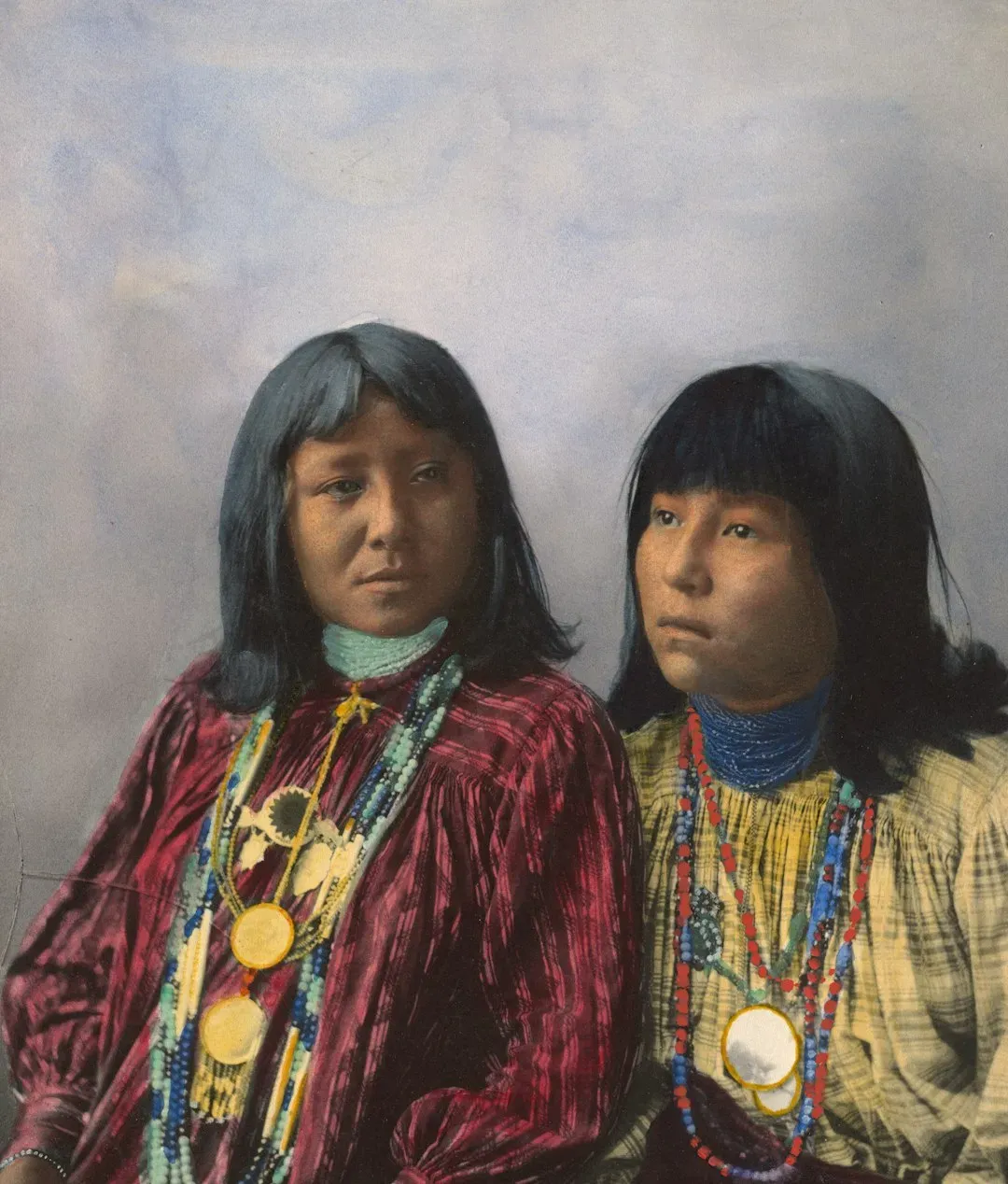
The Cherokee organized their society around seven clans, and this wasn’t just about family ties. They lived in matriarchal clans, meaning that women were seen as equal to men, men joined the women’s family at marriage, and status was earned by helping the group as a whole. Honestly, this was ahead of its time. In an era when European and American women had few rights, Cherokee women owned property, passed it down to their daughters, and held significant power within their communities.
Familial ties and clan affiliations came through Cherokee women, who owned the houses and fields and passed them on to their daughters. Historically, women have primarily been the heads of households, owning the home and the land, farmers of the family’s land, and mothers of the clans, and as in many Native American cultures, Cherokee women are honored as life givers. The clan system meant that you couldn’t marry within your own clan because members were considered siblings. This intricate social web maintained genetic diversity and created bonds across the entire Cherokee Nation.
Agricultural Mastery and the Three Sisters Philosophy
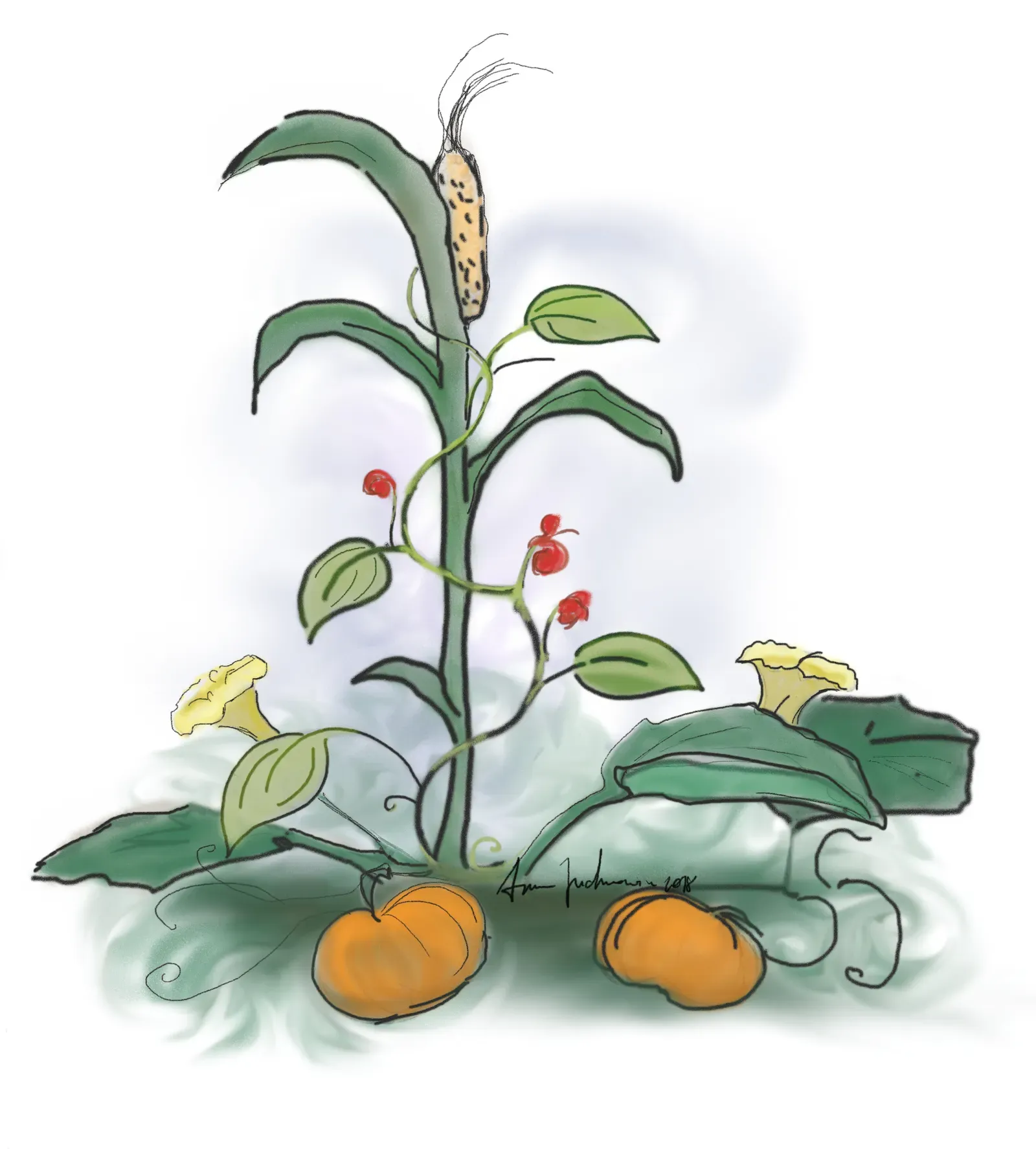
The Cherokee relied heavily on what they referred to as the Three Sisters: corn, beans, and squash. This wasn’t just farming. It was ecological genius wrapped in spiritual significance. The growing and harvesting of corn, or selu, beans, and squash, the Cherokee three sisters, were ascribed deep spiritual significance, as were other occupations, including hunting, the care and cleaning of homes, the gathering of other essential foods, games, dances, and religious ceremonies.
As a strong farming culture, the Cherokee grew these in abundance as well as collecting wild greens, mushrooms, ramps, nuts, and berries, and the Cherokee were also avid hunters, bringing in deer, bears, birds, fish, squirrels, groundhogs, and rabbits. They understood how to work with nature rather than against it. The Three Sisters grew together because each plant supported the others: corn provided a structure for beans to climb, beans fixed nitrogen in the soil, and squash leaves shaded the ground to retain moisture. Let’s be real, that’s sophisticated agricultural science practiced centuries before modern farming caught up.
Spiritual Balance and the Philosophy of Duyuktv
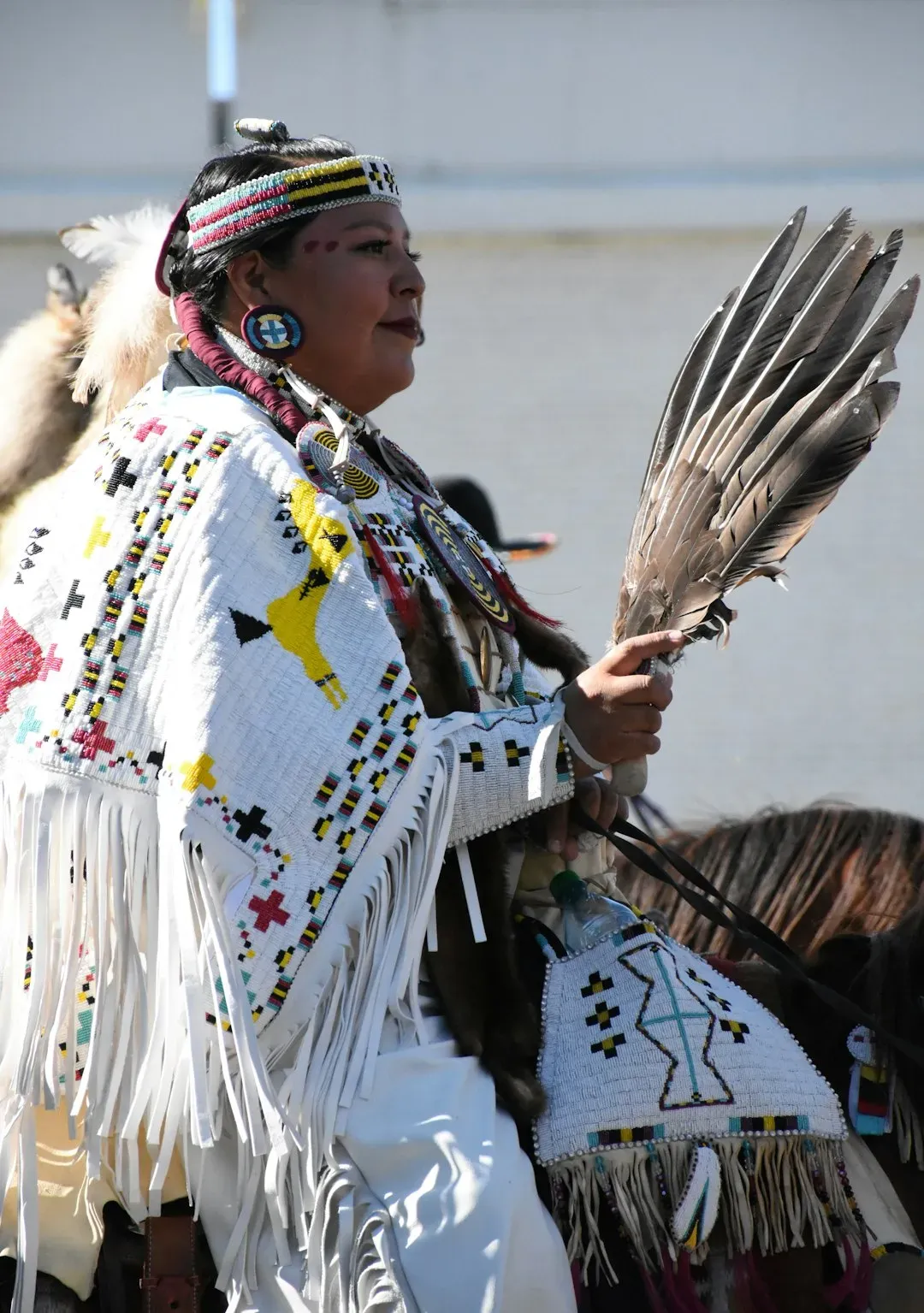
The central philosophy of duyuktv, meaning the right way, prescribed that the Cherokee attempt to obtain harmony and balance in every aspect of their lives, particularly with respect to the natural world. This wasn’t some abstract concept. It guided daily life, decisions, and relationships. Cherokee culture is based on seeking balance in the world and embracing harmony, and being in balance means being responsible for one’s actions and remembering the good of the whole, the family, the tribe, and the earth, and to maintain that balance, the Cherokee people look to the guidance of the spirits in the Upper World.
The life of the traditional Cherokee was guided by a faith in supernatural forces that linked humans to all other living things, and values rested on a relationship of people and place, family and clan, and community and council. Every rock had a spirit. Every tree was sacred. This deep connection to the land made their later forced removal not just a physical displacement but a spiritual catastrophe. You can’t just pick up and move when your entire belief system is rooted in specific mountains, rivers, and valleys that have been home for thousands of years.
The Trail of Tears and Unbreakable Resilience
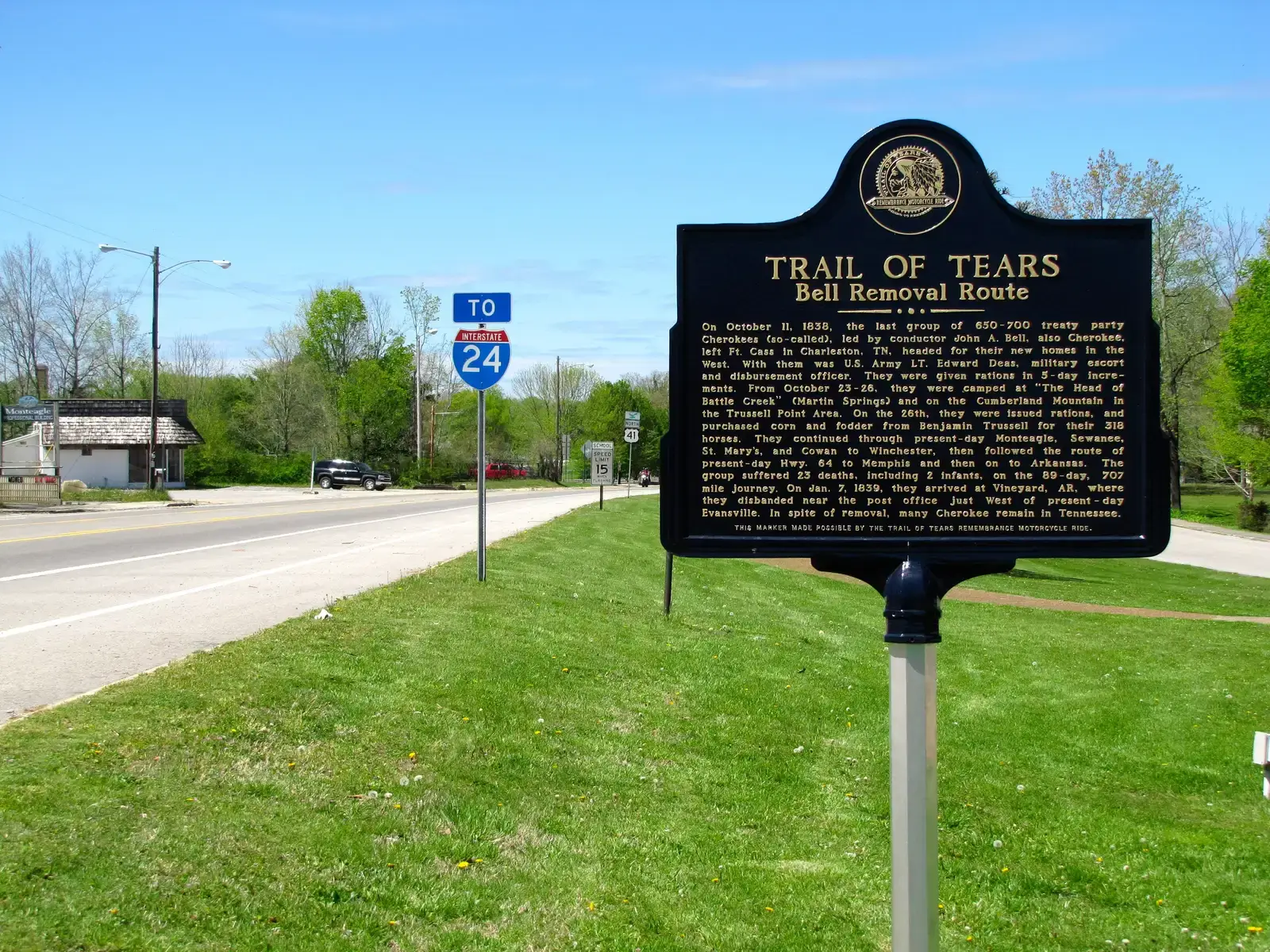
Approximately four thousand Cherokees died in the ensuing trek to Oklahoma, and in the Cherokee language, the event is called nu na da ul tsun yi, the place where they cried, or nu na hi du na tlo hi lu i, the trail where they cried. This wasn’t just a difficult journey. It was a death march orchestrated by the United States government. President Martin Van Buren sent General Winfield Scott and seven thousand soldiers to expedite the removal process, and Scott and his troops forced the Cherokee into stockades at bayonet point while his men looted their homes and belongings, then they marched the Indians more than twelve hundred miles to Indian Territory.
Whooping cough, typhus, dysentery, cholera and starvation were epidemic along the way. Despite this trauma, the Cherokee didn’t disappear. Through it all, colonial battles, smallpox epidemics, the struggle to retain historic southeastern homelands, expulsion on the trail of tears, involvement in the American Civil War, the theft and allotment of tribal lands, the coming of Oklahoma statehood, the starvation and deprivation of the Great Depression, and the scattering of tribal citizens during and following the Second World War, the Cherokee Nation survived. That’s what you need to understand about Cherokee resilience: it wasn’t just about surviving. It was about maintaining identity, culture, and nationhood despite everything thrown at them.
The Cherokee Phoenix: First Bilingual Newspaper in America
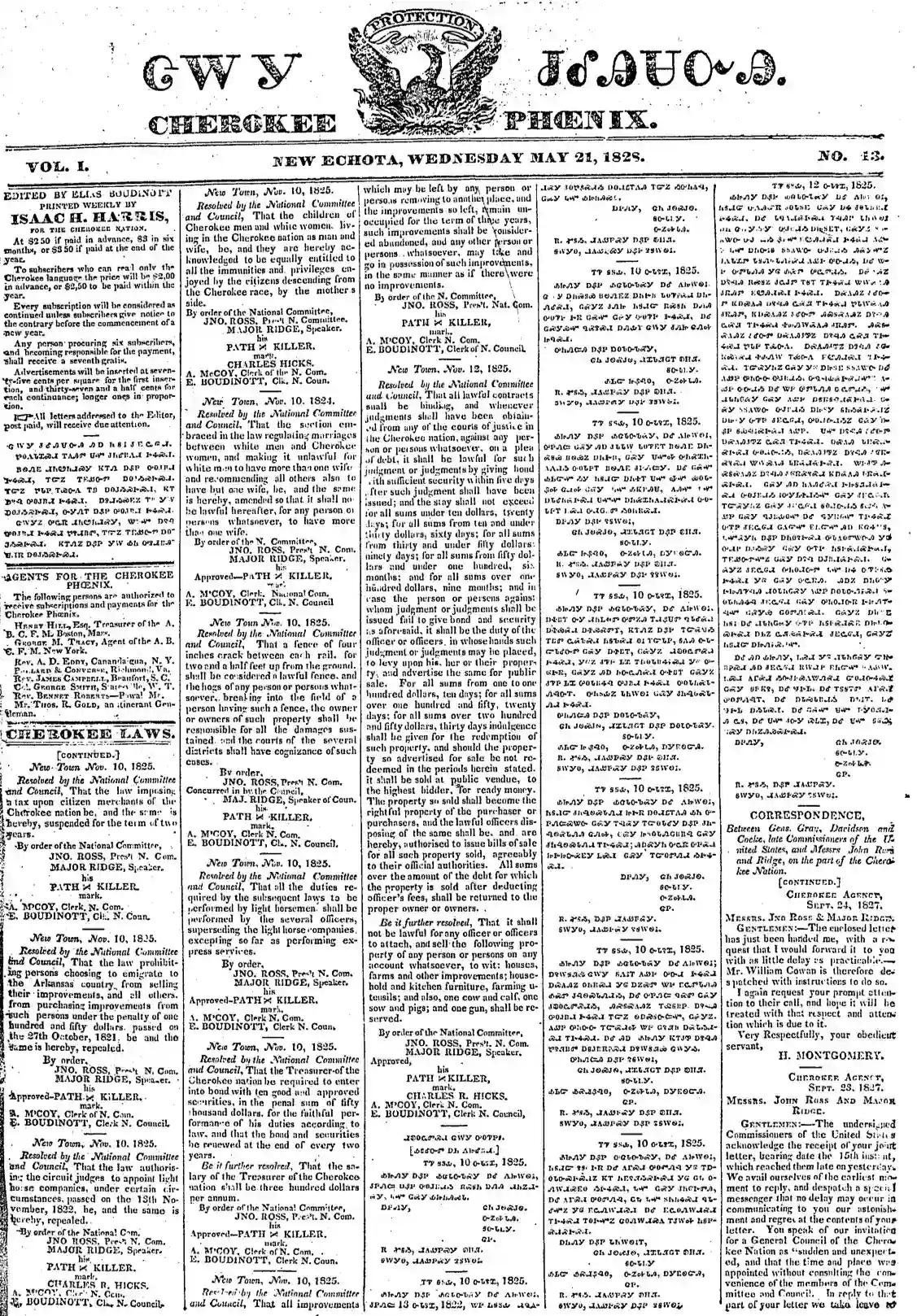
The first newspaper to be published in both English and Cherokee, the Cherokee Phoenix, started in New Echota, Georgia in 1828, and this was also the first newspaper in the entire country to use two languages. Think about what this represents: a people who had only had a written language for seven years were already publishing a sophisticated newspaper. This wasn’t a simple newsletter either. It covered tribal politics, laws, news from other Native nations, and served as a powerful tool for communicating Cherokee sovereignty to the wider world.
The Cherokee Phoenix became a platform for leaders to articulate their positions against removal. It documented treaties, printed the Cherokee constitution, and served as proof that the Cherokee were a literate, civilized nation by any standard white America wanted to apply. The fact that Georgia officials eventually shut down the press and destroyed the printing equipment tells you how powerful this newspaper had become. When your words threaten an entire state apparatus, you know you’re doing something right.
Sophisticated Political Organization and Diplomacy
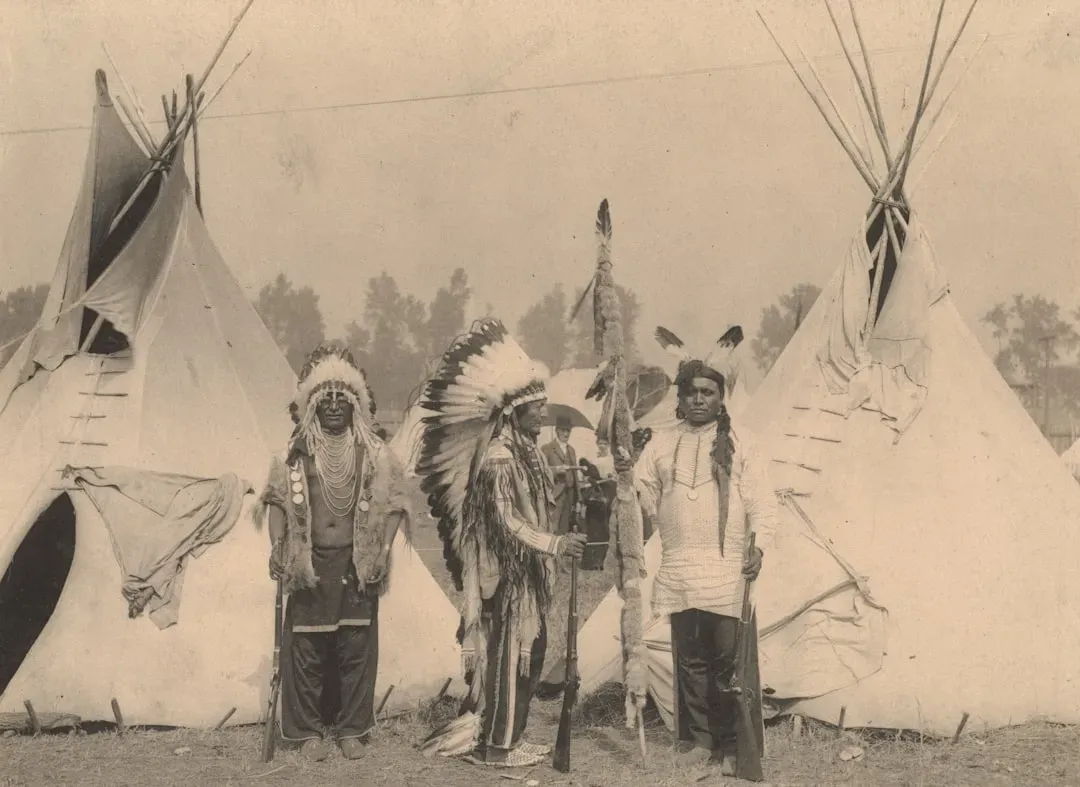
The Cherokee nation was composed of a confederacy of symbolically red war and white peace towns, and the chiefs of individual red towns were subordinated to a supreme war chief, while the officials of individual white towns were under the supreme peace chief. This dual system allowed the Cherokee to respond flexibly to changing circumstances. They could organize for war when threatened or pursue peace and diplomacy when advantageous.
By the early eighteenth century the tribe had chosen alliance with the British in both trading and military affairs, and during the French and Indian War they allied themselves with the British; the French had allied themselves with several Iroquoian tribes, which were the Cherokee’s traditional enemies. The Cherokee understood power dynamics and knew how to navigate the complex world of colonial politics. They played European powers against each other when possible and formed strategic alliances that served their interests. This wasn’t naivety or blind trust. It was calculated political maneuvering by a nation determined to protect its sovereignty.
Cultural Adaptation Without Losing Core Identity
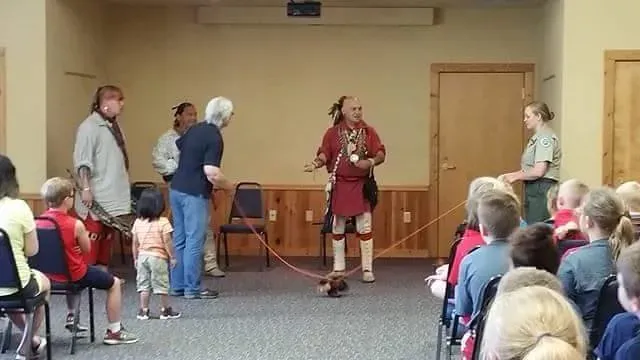
After eighteen hundred the Cherokee were remarkable for their assimilation of American settler culture, and the tribal nation formed a government modeled on that of the United States. They adopted colonial methods of farming, weaving, and home building, and perhaps most remarkable of all was the syllabary of the Cherokee language. Here’s what made this significant: the Cherokee adapted to survive without becoming someone else entirely.
By the nineteenth century, European American settlers classified the Cherokee as one of the Five Civilized Tribes of the Southeast, and the Cherokee were primarily agrarian, lived in permanent towns, and adopted certain cultural and technological practices introduced by European Americans. They wore European clothing, built log cabins, and some even owned plantations. Yet they maintained their language, their clan system, their spiritual beliefs, and their identity as Cherokee. This balancing act, walking between two worlds while remaining rooted in Cherokee identity, was perhaps one of their greatest cultural achievements.
Modern Language Revitalization Efforts Setting Global Standards
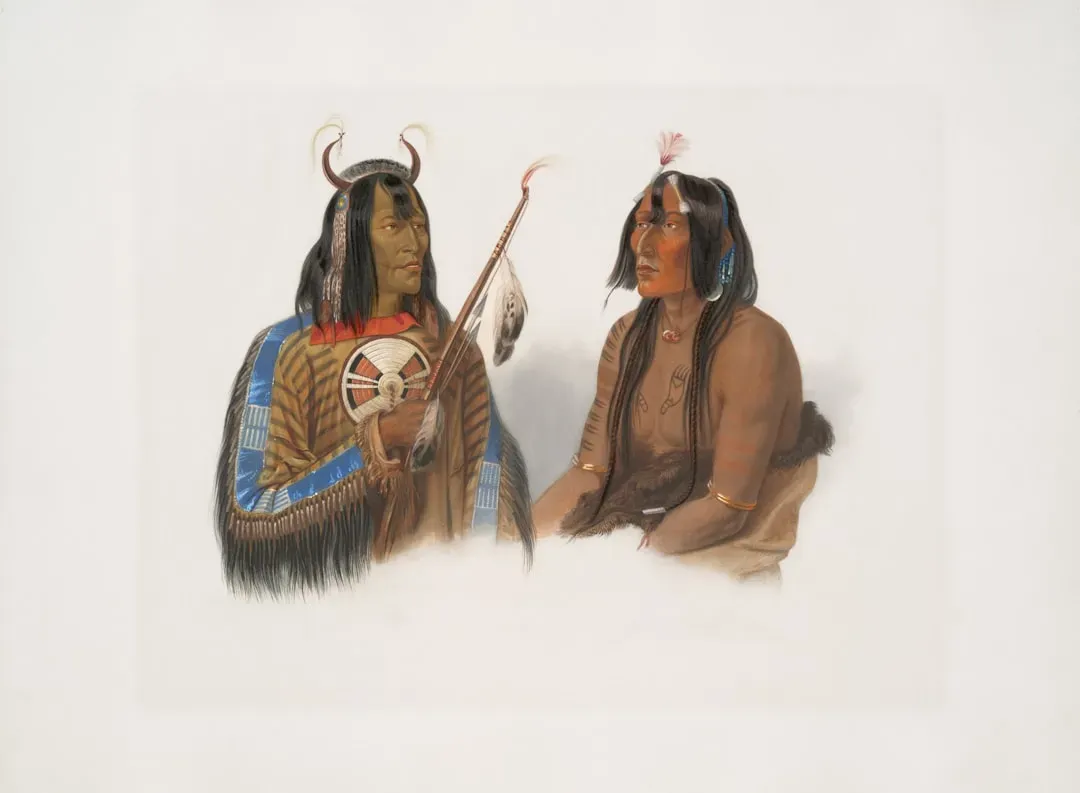
The dire situation regarding the future of the two remaining dialects prompted the Tri Council of Cherokee tribes to declare a state of emergency in June 2019, with a call to enhance revitalization efforts, and around two hundred speakers of the Eastern, also referred to as the Middle or Kituwah, dialect remain in North Carolina. The Cherokee aren’t giving up. Under the Durbin Feeling Language Preservation Act, the Cherokee Nation is making a historic effort to revitalize the Cherokee language, committing around twenty million dollars per year, and new federal dollars for language immersion and community revitalization will amount to about one and a half billion dollars annually nationwide over the next decade.
The Cherokee Preservation Foundation has invested four and a half million dollars into opening schools, training teachers, and developing curricula for language education, as well as initiating community gatherings where the language can be actively used, including curriculum development, teaching materials and teacher training for a total immersion program for children. This comprehensive approach combines immersion schools, university programs, smartphone interfaces, and community gatherings. The Cherokee are pioneering methods that other indigenous nations around the world are now studying and implementing. In 2026, they’re not just preserving history. They’re actively creating a future where Cherokee children grow up speaking the language of their ancestors.
Conclusion
The Cherokee Nation’s cultural significance extends far beyond these ten aspects. From their sophisticated understanding of sustainable agriculture to their legal battles that established precedents for tribal sovereignty, from their matrilineal society that honored women centuries before suffrage movements to their creation of a writing system that inspired other indigenous peoples worldwide, the Cherokee have left an indelible mark on American history.
Their story challenges the narrative of passive victims overwhelmed by colonial expansion. Instead, you see a people who innovated, adapted, resisted, and ultimately survived against staggering odds. They created a written language when told they were savages. They formed a constitutional government when denied basic rights. They maintained their identity through forced removal, cultural suppression, and generations of hardship.
Today, with robust language revitalization programs and growing tribal sovereignty, the Cherokee continue to thrive. They’re not relics of the past preserved in museums. They’re a living, breathing nation with over three hundred thousand citizens actively shaping their future while honoring their ancestors. What do you think has been their most impressive achievement? How would your own community respond to challenges like those the Cherokee have faced?