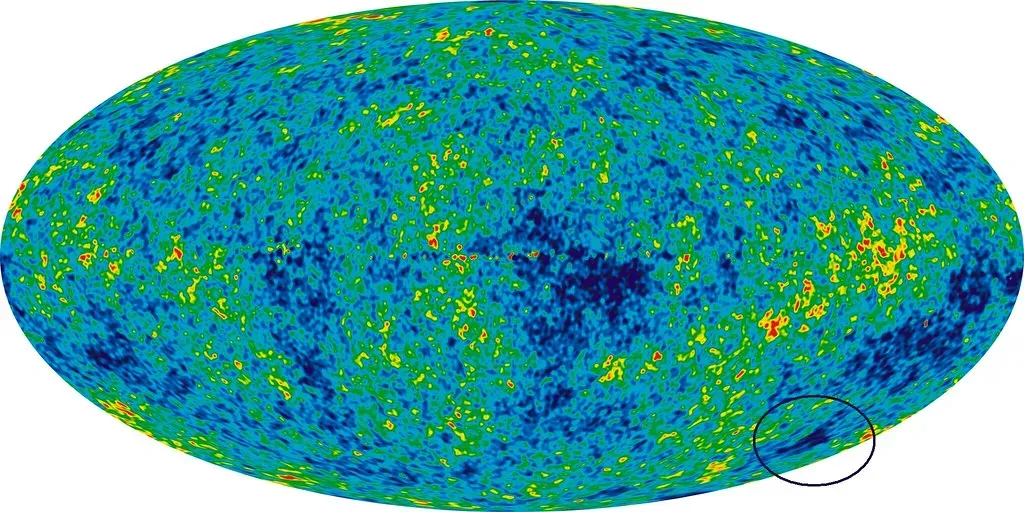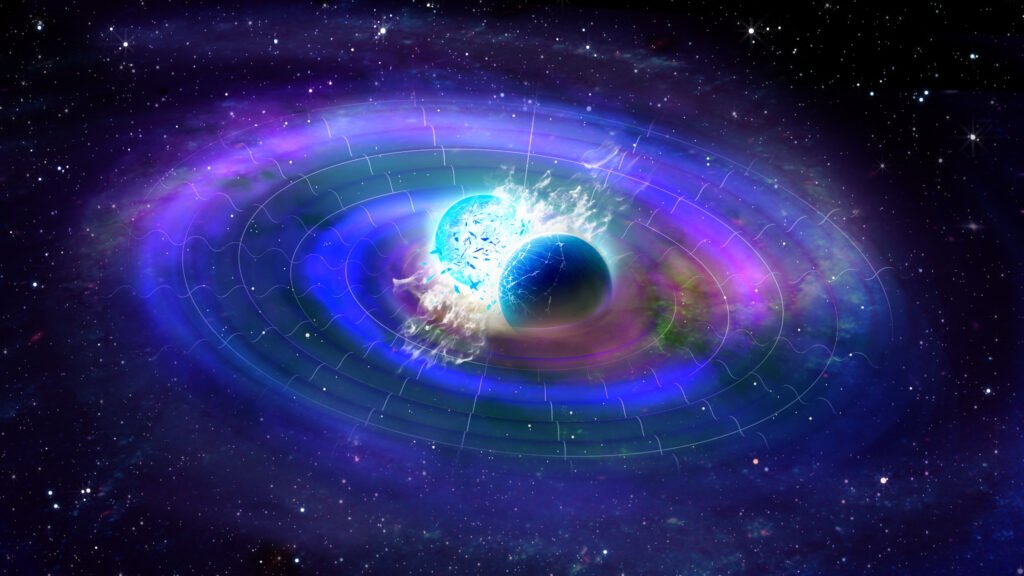

Ever wonder what’s really happening behind the scenes of our universe? The cosmos has been keeping secrets from us for billions of years. Only now, through the power of modern physics, are you starting to see beneath the cosmic curtain.
You’re living in a golden age of discovery. Scientists are peeling back layers of reality that Einstein could only dream about. The universe you think you know? It’s weirder, stranger, and more mind-boggling than you ever imagined.
Empty Space Is Actually Buzzing With Activity
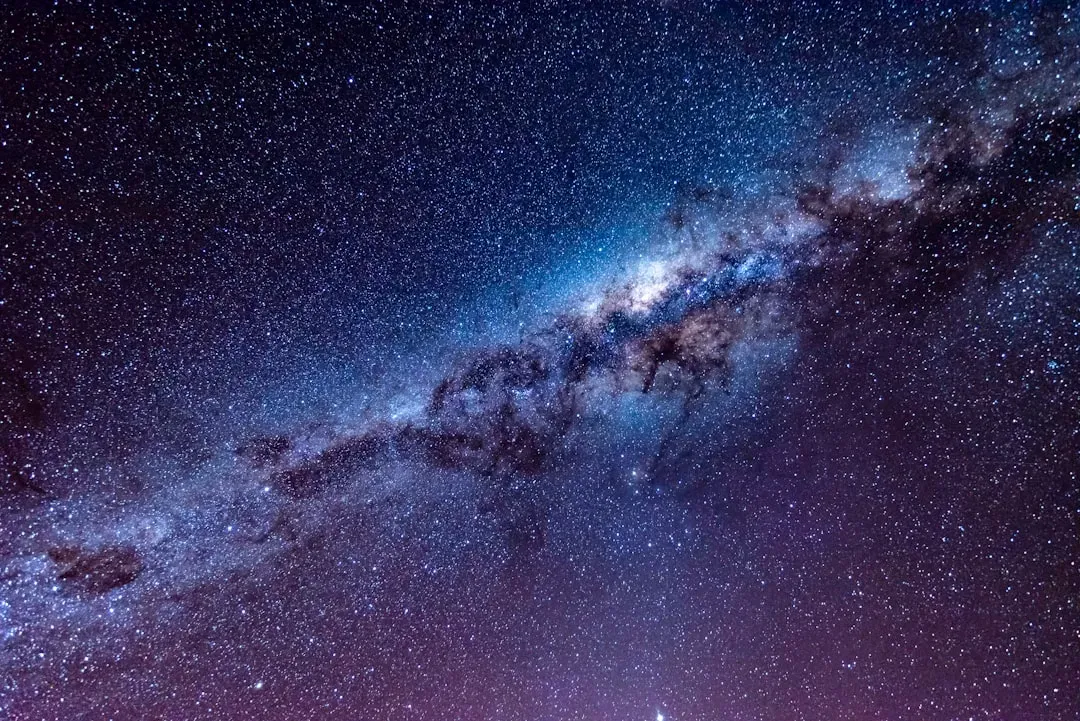
Let’s be real, what you call empty space isn’t empty at all. According to quantum field theory, what we perceive as the void is filled with overlapping energetic fields, and fluctuations in these fields can produce photons, electrons and other particles essentially out of nothing. Picture this: right now, particles are popping in and out of existence around you in fractions of a second.
Quantum physics says empty space is full of energy and brimming with matter and antimatter, where random particles pop in and out of existence due to that energy, appearing, touching, exploding and disappearing all in a billionth of a second. It’s like the universe is constantly throwing the smallest party imaginable, and you’re right in the middle of it. This discovery completely changes how you should think about vacuum and nothingness.
You’re Made of Invisible Matter’s Leftovers
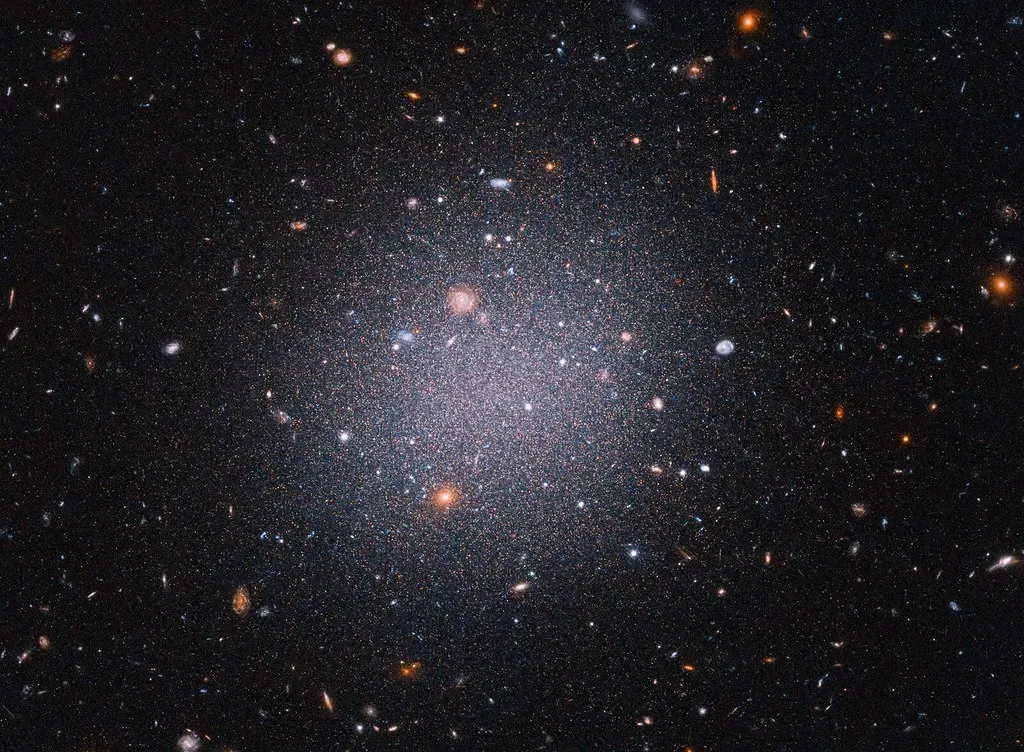
Here’s something that’ll mess with your head. Scientists estimate that ordinary matter makes up only about 5% of the universe, while dark matter makes up about 27%, with the rest being dark energy. That means everything you can see, touch, and feel is basically cosmic leftovers.
Dark matter is the invisible glue that holds the universe together, and this mysterious material is all around us, making up most of the matter in the universe. You literally can’t see it, can’t touch it, yet it’s responsible for keeping galaxies from flying apart. Recently, astronomers detected a high-energy gamma ray signal that fits the expected footprint of dark matter particles, which could represent humanity’s first direct observational evidence of this long-hidden cosmic material. After nearly a century of searching, we might finally be catching a glimpse.
Particles Can Be in Two Places at Once
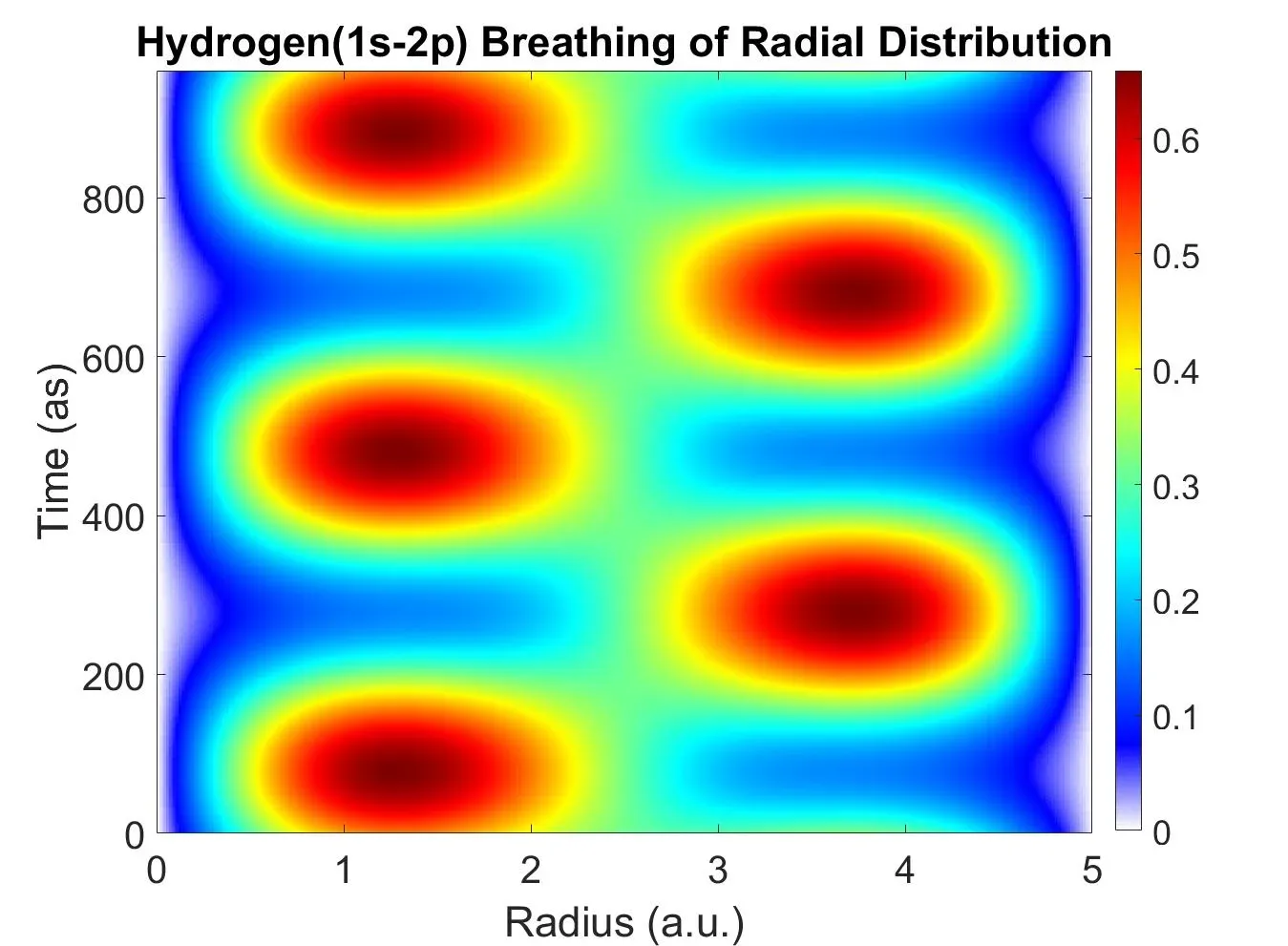
You know how you wish you could be in two places at the same time? In quantum mechanics, particles can exist in a superposition, which means they can be in multiple states at the same time, like an electron existing in a superposition of spin up and spin down until it is observed or measured. It’s not science fiction anymore.
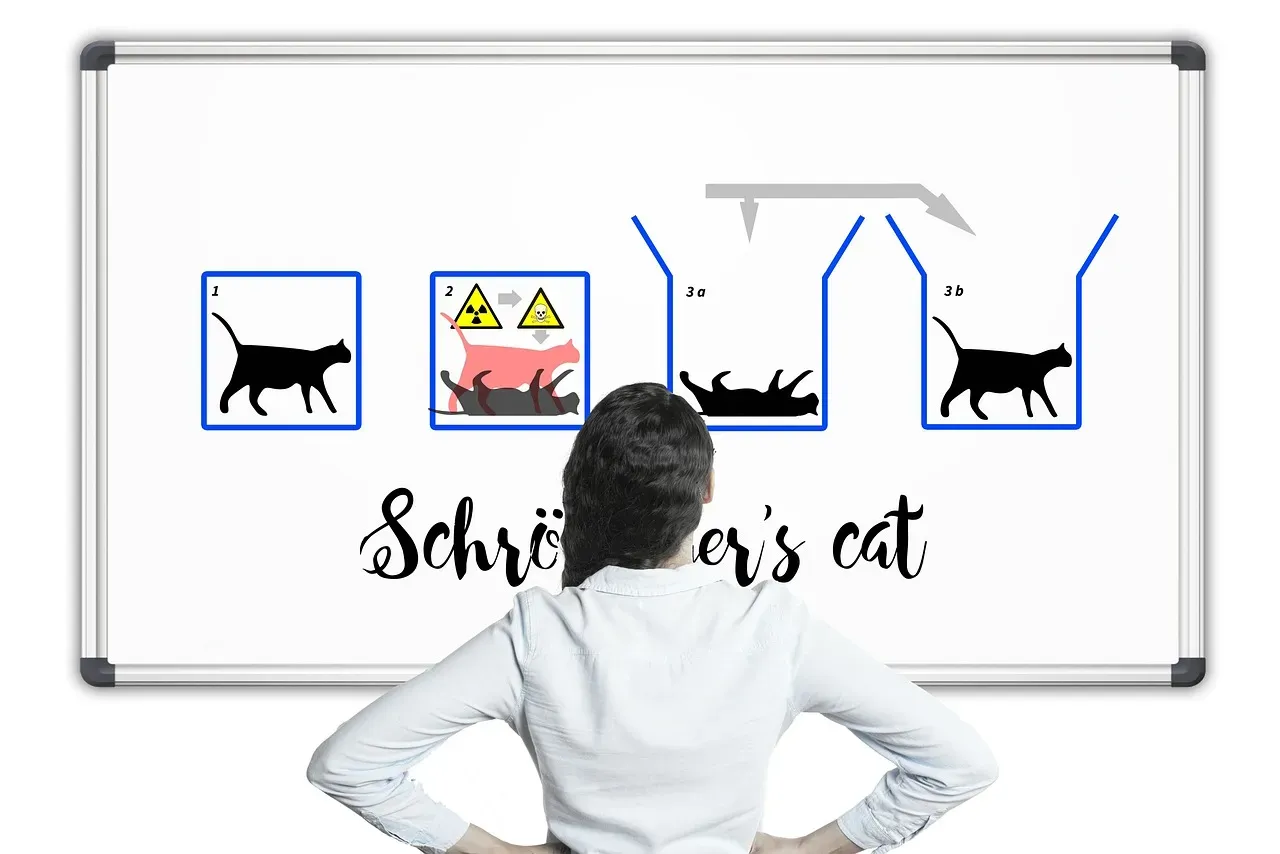
This is where things get truly bonkers. The idea that an object can exist in multiple states at once is the basis of the famous Schrodinger’s cat thought experiment, where the fate of the cat is determined by a quantum device, illustrating how the cat can exist in two different states – dead and alive. The universe operates on rules that completely defy your everyday experience. Only when you actually look or measure does reality make a choice.
Information Might Travel Faster Than Light Through Entanglement
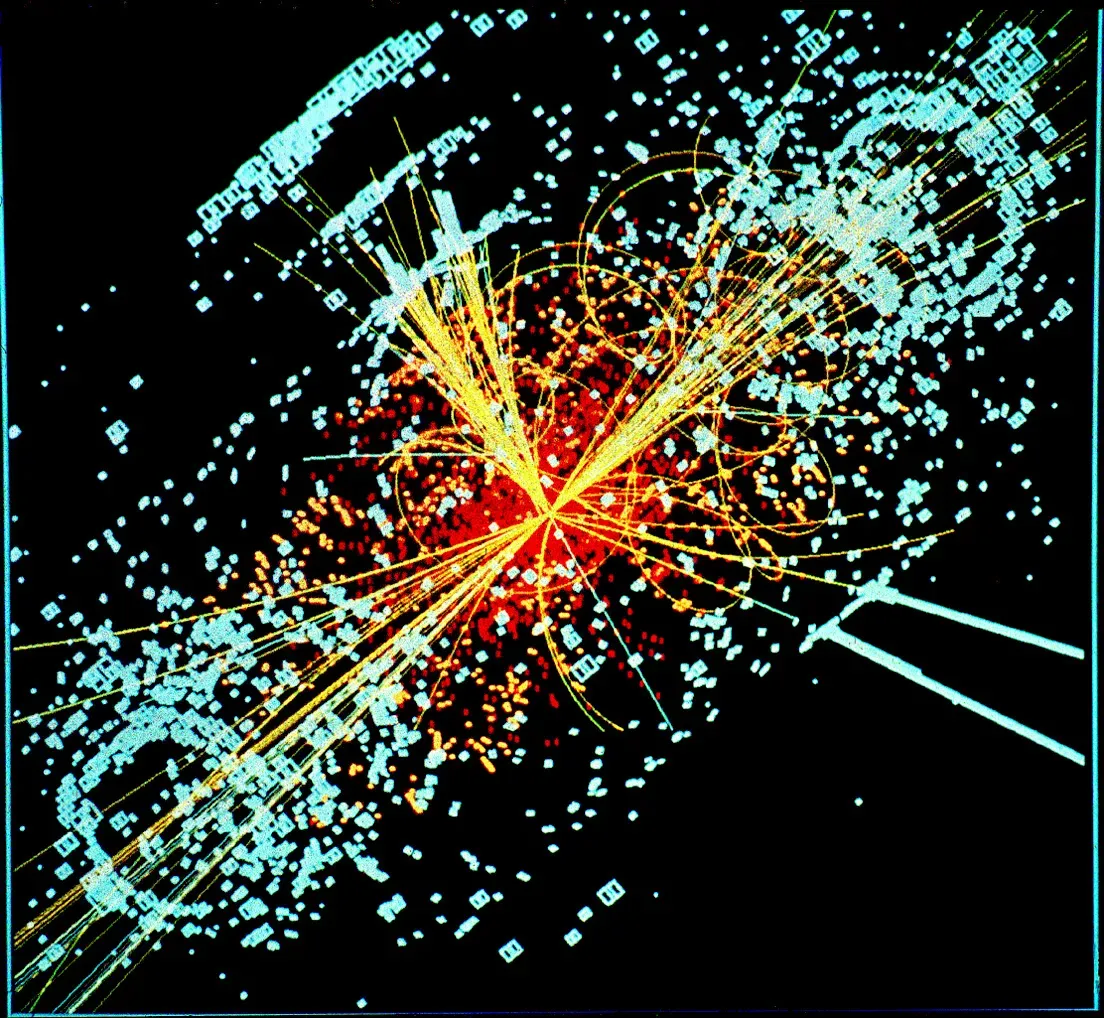
Einstein called it spooky action at a distance, and honestly, he wasn’t wrong. Quantum entanglement is a fascinating feature where if two particles are quantum-entangled, the state of one particle is tied to that of the other, no matter how far apart the particles are, and this phenomenon has no analogue in classical physics. Distance becomes meaningless.
Recent experiments have taken this to extraordinary levels. ATLAS and CMS collaborations selected pairs of top quarks from proton–proton collisions at 13 teraelectronvolts during the second run of the LHC, looking for pairs where two quarks are simultaneously produced with low particle momentum relative to each other, where the spins are expected to be strongly entangled. You’re watching quantum mechanics work at energies never before tested. The implications for future technology are staggering.
Time and Space Are Actually One Fabric You Can Warp
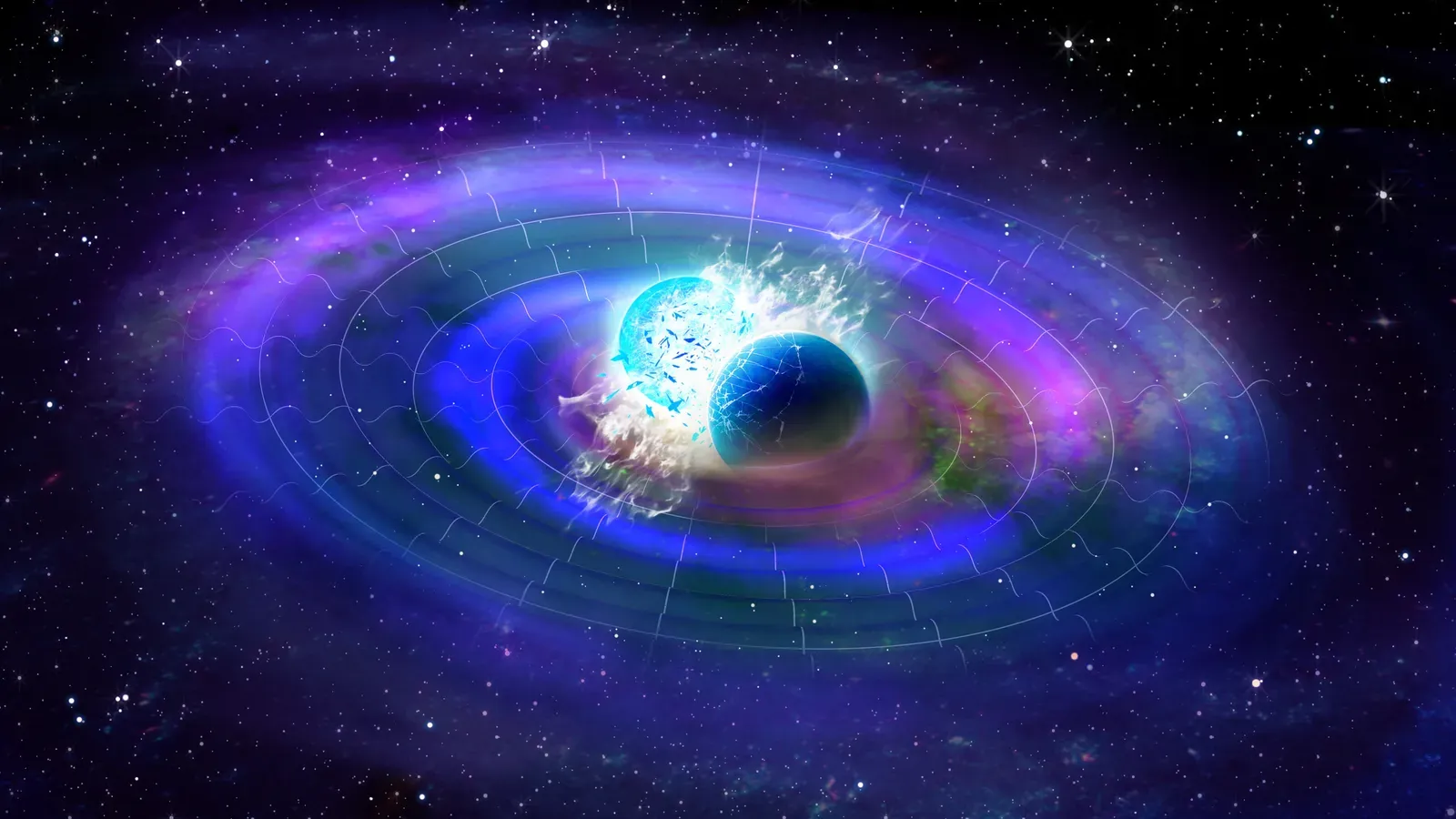
Forget what you learned about time and space being separate. Gravitational waves are essentially ripples in the fabric of space-time caused by accelerating masses, and when an object with mass accelerates, the resulting gravitational force travels across space and time, creating waves of gravity that reach out infinitely at the speed of light. The universe is more like a flexible trampoline than a rigid stage.
Scientists have observed ripples in the fabric of spacetime called gravitational waves, arriving at earth from a cataclysmic event in the distant universe, which confirms a major prediction of Einstein’s 1915 general theory of relativity. When massive objects collide billions of light years away, you can actually detect the tremors they send through reality itself. Think about that the next time you look up at the night sky.
Reality Isn’t Real Until You Observe It
This one drives physicists crazy, but the evidence keeps piling up. The 2022 Nobel Prize in Physics went to researchers who proved the universe is not locally real, meaning objects can be influenced by happenings on the other side of the universe, and objects don’t have definite properties regardless of how they’re observed, through careful, repeated experimentation with entangled particles.
The act of measurement fundamentally changes reality. The Copenhagen interpretation states that observation collapses the wave function and forces a quantum choice, though the many worlds interpretation argues there is no choice involved, instead reality fractures into two copies at the moment of measurement. You’re not just a passive observer in this universe. Your observations actively shape what becomes real.
You and Everything Around You Are Waves and Particles Simultaneously
Here’s where quantum physics gets deeply personal. J.J. Thomson won the Nobel Prize in 1906 for discovering that electrons are particles, yet his son George won the Nobel Prize in 1937 for showing that electrons are waves, and both were right, demonstrating wave-particle duality as a cornerstone of quantum physics. How can both be true? Welcome to quantum weirdness.
This wave-particle duality applies to light as well as electrons, where sometimes it pays to think about light as an electromagnetic wave, but at other times it’s more useful to picture it in the form of particles called photons. You’re literally made of things that are both waves and particles depending on how you look at them. Your intuition about solid matter? Completely wrong.
Dark Energy Is Pushing the Universe Apart Faster and Faster
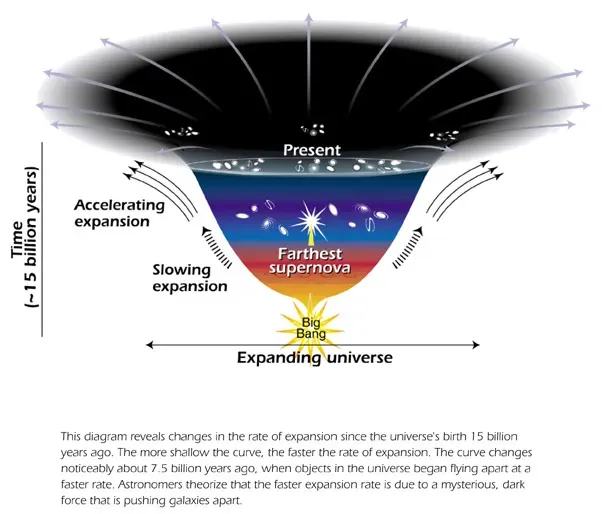
The universe isn’t just expanding. It’s accelerating. Scientists have gathered convincing evidence that the Universe is expanding and this expansion is accelerating, with the force responsible called dark energy, a mysterious property of spacetime thought to push galaxies apart. Something invisible is literally ripping the cosmos apart.
The latest findings are even more unsettling. Dark energy, which makes up the bulk of the cosmos, is generally thought to maintain a constant density, but new observations from the Dark Energy Spectroscopic Instrument paired with data on exploding stars suggest the relationship between dark energy’s density and its pressure changes over time, which if confirmed would rewrite the history of the universe. The very fabric of reality might be evolving.
Quantum Mechanics Works at Unimaginably Small and Large Scales
You might think quantum effects only matter for tiny particles, but nature has other plans. Scientists worked out how to measure gravity on a microscopic level, and physicists at the University of Southampton successfully detected a weak gravitational pull on a tiny particle using a new technique. Gravity and quantum mechanics are finally meeting.
This breakthrough is huge. These discoveries are pushing the boundaries of science that could lead to new discoveries about gravity and the quantum world, using extremely cold temperatures and devices to isolate vibration of the particle, which will likely prove the way forward for measuring quantum gravity, helping unlock secrets about the universe’s very fabric. You’re witnessing the birth of a new physics that bridges the impossibly small with the cosmic scale.
The Universe May Have Split Into Multiple Realities Right Now
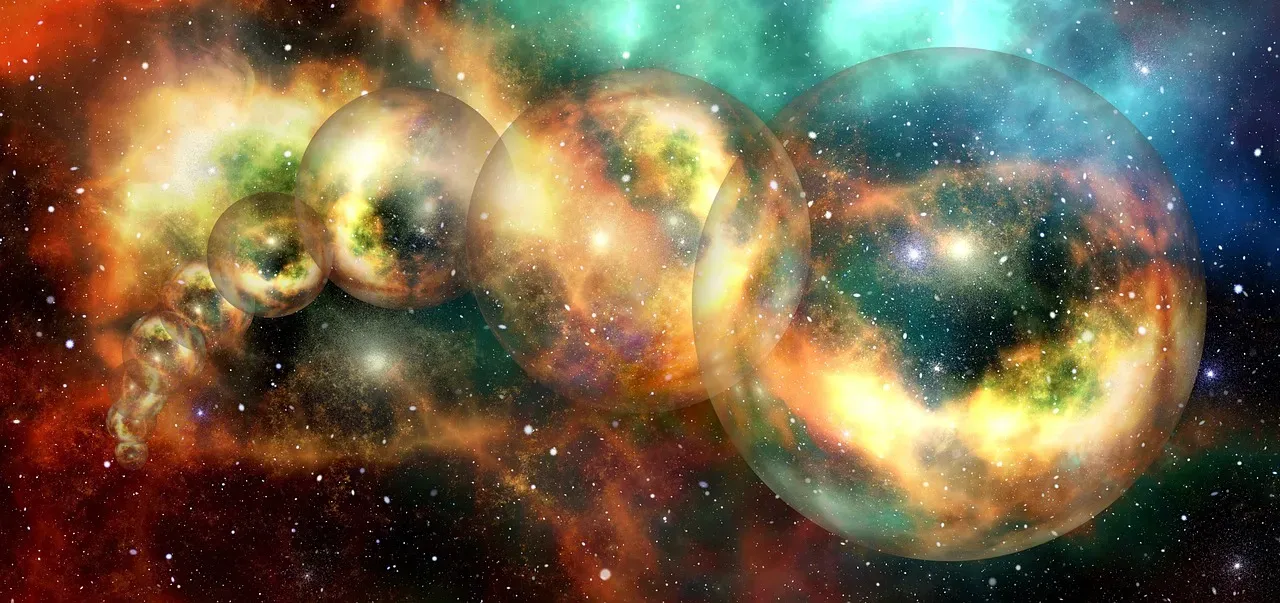
This is the wildest interpretation of quantum mechanics, but some serious physicists take it seriously. Everett’s many-worlds interpretation, formulated in 1956, holds that all the possibilities described by quantum theory simultaneously occur in a multiverse composed of mostly independent parallel universes. Every quantum choice creates entire new universes.
All possible states of the measured system and the measuring apparatus, together with the observer, are present in a real physical quantum superposition, and while the multiverse is deterministic, we perceive non-deterministic behavior governed by probabilities because we do not observe the multiverse as a whole. Somewhere out there, another version of you made different choices. Multiple versions, actually. Infinite versions. It’s hard to say for sure, but the mathematics suggests this might be more than science fiction.
Conclusion: Reality Is Stranger Than You Ever Imagined
Modern physics has pulled back the curtain on a universe that defies common sense at every turn. You’re living in a cosmos where empty space teems with invisible particles, where observation creates reality, and where the vast majority of existence remains hidden from your senses. Dark matter and dark energy dominate everything, yet you can’t see or touch them.
The discoveries keep coming faster. Quantum entanglement connects particles across impossible distances. Time and space weave together into a flexible fabric that massive objects can bend and warp. Your solid body is made of particles that are simultaneously waves, existing in multiple states until the moment you measure them.
Perhaps the most humbling realization is this: you understand only a tiny fraction of what’s out there. Science has revealed that your intuitions about reality are fundamentally wrong at both the quantum and cosmic scales. The universe is far more mysterious, far more wonderful, and far more bizarre than generations of humans ever suspected.
What do you think about these mind-bending revelations? Does it change how you see the world around you?
Hi, I’m Andrew, and I come from India. Experienced content specialist with a passion for writing. My forte includes health and wellness, Travel, Animals, and Nature. A nature nomad, I am obsessed with mountains and love high-altitude trekking. I have been on several Himalayan treks in India including the Everest Base Camp in Nepal, a profound experience.