
All around the planet, people have found ways to call the most improbable corners of Earth home: cliff faces, salt flats, traffic islands, sinking lagoons, even the inside of a rock tower battered by the Atlantic. These places look almost uninhabitable at first glance, yet families cook dinner, kids go to school, and life quietly unfolds there every day. Scientists see these communities as living laboratories for resilience, adaptation, and the limits of human settlement. As sea levels rise, heat waves intensify, and cities crowd ever tighter, these so-called “impossible homes” are beginning to look less like curiosities and more like previews of our future. The question is not just how people manage to in such strange places, but what their stories reveal about where all of us might be heading.
The Hidden Clues: A Village Carved Into Rock in Kandovan, Iran
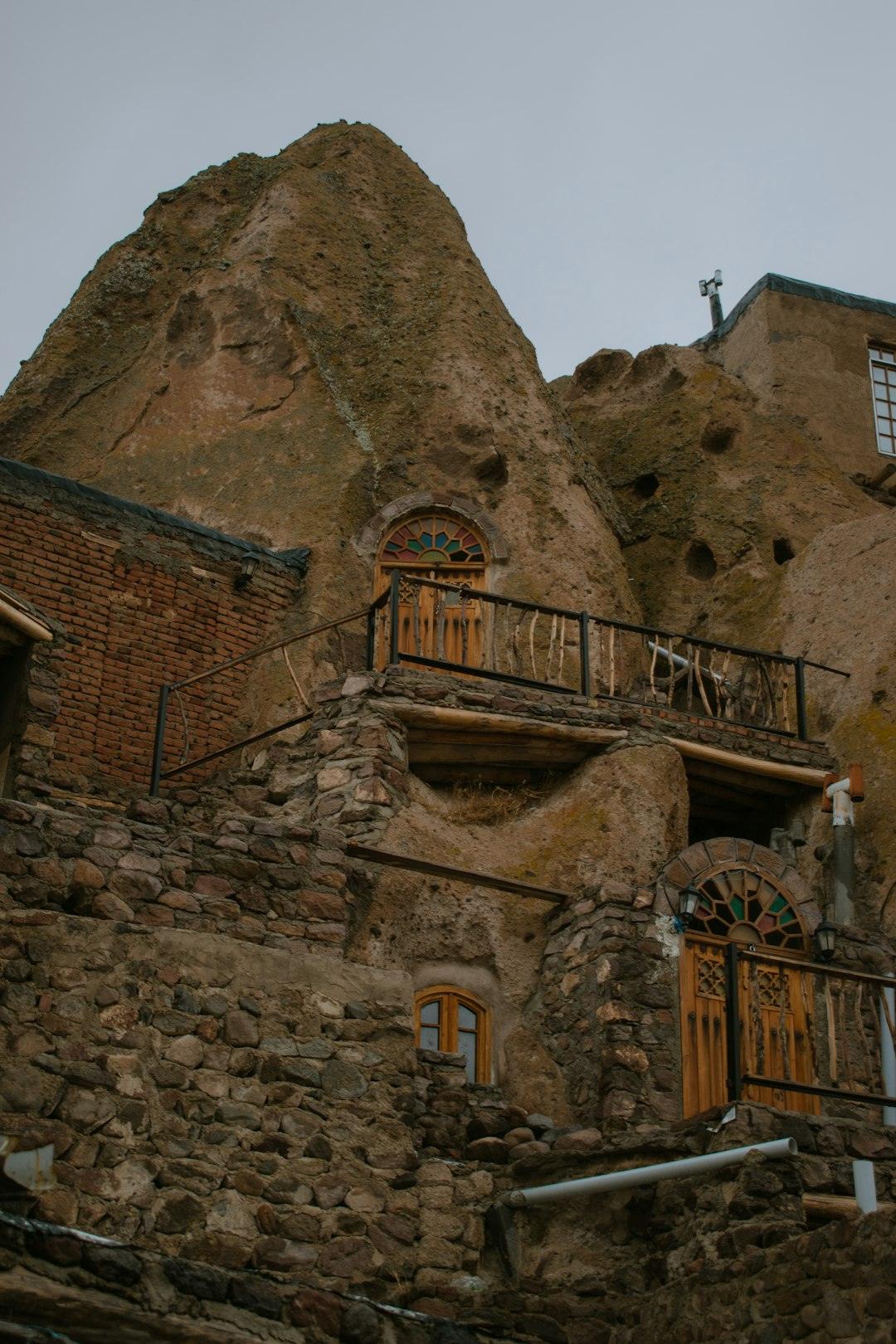
At first sight, Kandovan in northwestern Iran looks like a landscape from another planet, all jagged cones and honeycombed stone, until you notice satellite dishes and laundry lines strung between the rocks. Here, around 170 people live in homes carved directly into volcanic tuff, a rock softened by ancient eruptions and later shaped by human hands over many generations. The cone-shaped formations act like natural insulation, keeping interiors cooler in summer and surprisingly warm in winter, a kind of prehistoric passive climate control that modern architects are now studying with fresh interest. Many houses are multistory caves, with livestock on the lower level, living quarters in the middle, and storage or extra rooms above. Walking through the narrow lanes feels a bit like threading a maze between living cliffs, where every small window hints at a family tucked inside.
For geologists and building scientists, Kandovan offers a remarkable case study in low-energy housing adapted precisely to local materials and climate. The rock’s high thermal mass evens out temperature swings, reducing the need for heating or cooling in a region with cold winters and hot summers. Urban planners also pay attention to how the village stacks vertical living, circulation paths, and communal spaces into a tight footprint without the usual grid of streets or cars. The trade-off, of course, is vulnerability to erosion and rockfall, made worse by heavier rains linked to climate change. Still, Kandovan hints that as energy prices and global temperatures rise, cave-like and earth-sheltered designs that once seemed archaic may quietly re-emerge as smart solutions rather than quaint relics.
From Cliff to Sky: Hanging Houses of Cuenca, Spain
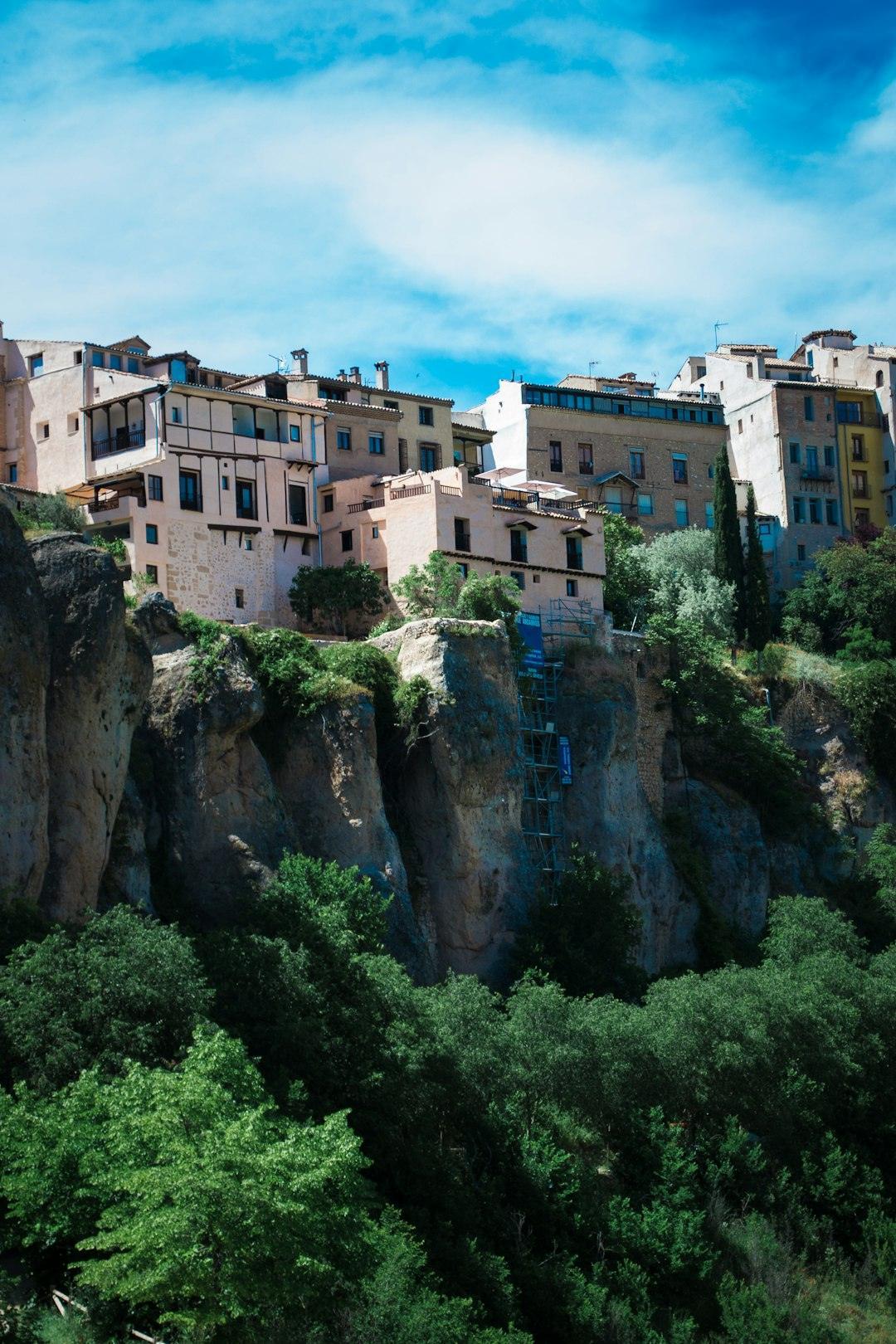
Perched like a mirage on a cliff edge, the famous hanging houses of Cuenca in central Spain look more like a special effect than a functioning neighborhood. Their wooden balconies dangle over a sheer drop into the Huécar River gorge, so close to the edge that you instinctively hold your breath when you see them for the first time. These buildings date back to the Middle Ages, when the fortified town had to pack as much housing as possible inside its defensive walls and only gravity itself was left to negotiate with. To survive centuries of weathering and subtle shifts in the rock, the houses have been painstakingly reinforced, turned into a kind of ongoing engineering experiment in how much weight and movement a cliff can bear.
Structural engineers study Cuenca’s cliff dwellings for insights into long-term fatigue, load distribution, and the way traditional timber-and-stone techniques respond to tiny changes over time. They see a living dataset in every B-shaped crack or warped beam, especially as climate conditions slowly change the moisture patterns inside the rock. Urban historians meanwhile point out that clinging to the cliff was not just an aesthetic choice, but a response to political risk, limited land, and defense. The echoes are hard to miss in modern megacities that now build glass towers from plot line to plot line as if hugging their own vertical edges. Cuenca’s dramatic skyline is therefore more than a postcard: it is a reminder that extreme density can come with dizzying compromises that future cities will need to reckon with honestly.
Life on a Sinking Atoll: Kiribati’s Precarious Edge

In the Pacific island nation of Kiribati, many families live only a few steps from the ocean, in villages so low that a strong king tide can send seawater swirling into kitchens and classrooms. These coral atolls barely rise above sea level, and the combination of rising seas, stronger storms, and coastal erosion is steadily eating away at the narrow strips of land where people grow food and build homes. Freshwater lenses – the underground pockets of drinkable water – are thinning and turning salty as waves infiltrate the soil, forcing communities to rely more on rainwater tanks and imported supplies. Some neighborhoods have already been abandoned or shifted inland by a few hundred meters, a retreat that buys time but cannot change the physics of the surrounding ocean.
Climate scientists treat Kiribati and other atoll nations as front-line indicators of how coastal societies will fare in a warming world. Field surveys document not only erosion rates and flood frequency, but also how social networks and cultural identity strain under the pressure of possible relocation. Policymakers in Kiribati have even explored long-term migration strategies, including buying land abroad, which raises profound questions about what it means for an entire nation to move. Yet people are not simply giving up; they are experimenting with elevated houses, sea walls made from local materials, and even reef restoration to soften wave energy. The science is sobering, but daily life here also reveals a stubborn determination that could inform how other coastal cities adapt as the line between land and sea blurs.
Salt, Silence, and Solar Panels: At the Edge of Bolivia’s Salar de Uyuni
On the frozen-white surface of Bolivia’s Salar de Uyuni, the world’s largest salt flat, the horizon is so wide and featureless that trucks seem to float in midair. Scattered around its fringes, small communities live in a landscape where the soil itself is salt and the sky feels overwhelmingly large. Many homes and even hotels are built from blocks of salt cut from the ground, an unlikely building material that resists decay in the flat’s hyper-dry air. For generations, families carved a living from harvesting and trading salt, driving out in small convoys to chip at the crust and haul it back in rough pyramids to dry. Now the region has become more famous for something even more strategic: lithium, locked in the brines beneath the flats, a key ingredient in the rechargeable batteries that power phones, laptops, and electric cars.
Geochemists, hydrologists, and social scientists converge here to study how industrial-scale lithium extraction might change both the environment and the communities that rely on the salar. They track how pumping brine and reshaping water flows could affect delicate Andean wetlands and the flamingos that feed there. Local residents face a familiar dilemma seen in many resource-rich but vulnerable places: short-term economic benefits versus long-term ecological and cultural costs. Some welcome the jobs and infrastructure; others worry that dust, habitat damage, and water use will undermine traditional livelihoods. The strange stillness of the salt flat hides a noisy global debate about what a just energy transition should look like when the minerals for a cleaner future come from such fragile, otherworldly homes.
A City on Stilts: Ganvie, the “Venice of Africa”
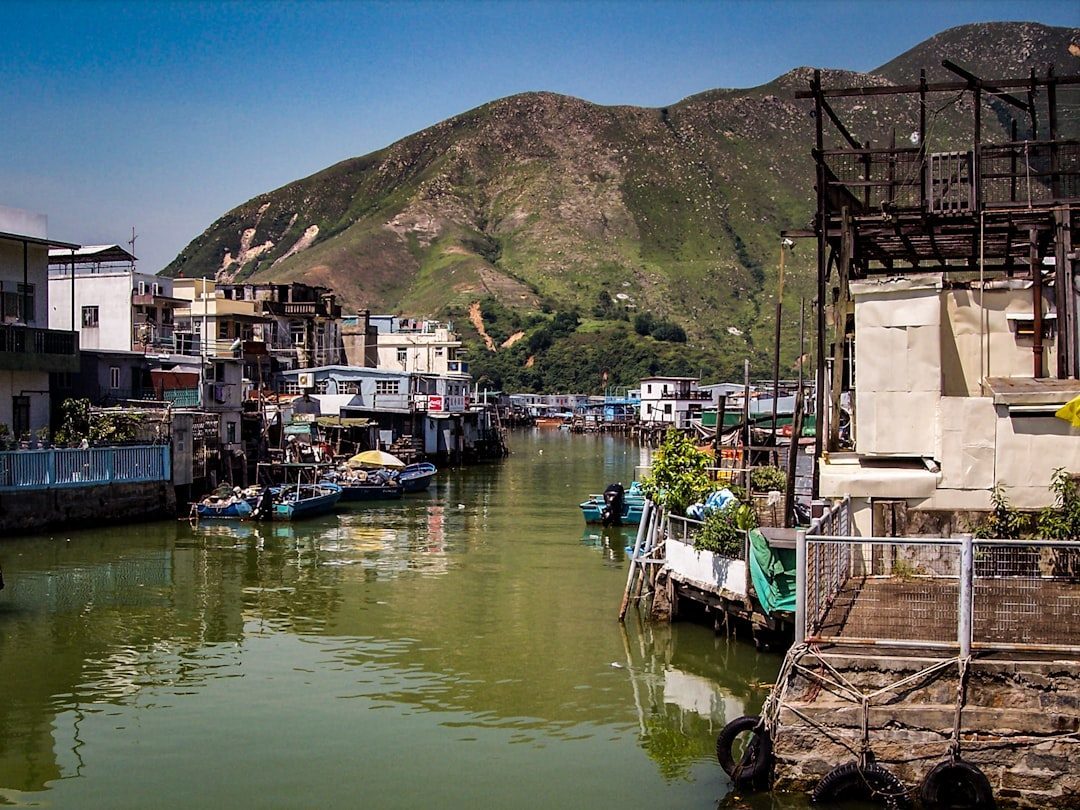
On Lake Nokoué in Benin, the stilt village of Ganvie rises straight out of the water like a wooden mirage, with canals instead of streets and dugout canoes instead of cars. Thousands of people live in houses set on tall wooden poles hammered into the lakebed, a design originally born from the need to escape slave raids centuries ago by moving into terrain invaders could not easily cross. Today, children paddle to floating school, market boats crowd together in noisy flotillas, and fishermen tend nets woven between submerged stakes. Daily life is a careful choreography of tide levels, weather, and the constant need to maintain and replace the stilts that keep the houses above water. The village has also become a magnet for tourism, with visitors drawn by the idea of a city that never fully touches land.
Hydrologists and environmental researchers see Ganvie as a complex interaction between human settlement and aquatic ecology. Household waste, changing fish populations, and sediment flow all influence the health of the lake, and in turn, the stability of the village. Rising temperatures and shifting rainfall patterns in West Africa could alter the water levels and quality, putting more stress on an already delicate balance. At the same time, Ganvie offers a living example of amphibious architecture, where homes and economy are adapted to an environment that is fluid in more ways than one. As climate change pushes more coastal and riverine communities to consider life with higher water, lessons from this watery town may prove surprisingly relevant far beyond Benin.
Life Between Highways: The Micro-Neighborhoods of Big-City Interchanges

In several rapidly growing cities around the world, families have quietly moved into the overlooked scraps of land squeezed between highway ramps, rail lines, and flyovers. Under concrete overpasses, you can sometimes find improvised homes made of wood, tarps, and scavenged metal, threaded through a labyrinth of pillars and traffic noise. These micro-neighborhoods exist in the blind spots of urban planning, where land is technically occupied but rarely monitored in detail, and where air pollution, vibration, and safety risks are constant companions. For the people living there, though, these spaces offer one precious advantage: proximity to jobs, transportation, and services that might otherwise be out of reach. Living so close to the roaring flow of vehicles is a steep price to pay for staying inside the economic bloodstream of a city.
Public health researchers measure hazardous levels of particulate matter, nitrogen oxides, and constant noise in these in-between spaces, linking them to higher risks of respiratory illness, heart disease, and sleep disruption. Urban sociologists point out that the residents are often recent migrants or workers in informal jobs, people pushed out of formal housing by rising rents and limited support systems. These communities also test the limits of infrastructure, since they frequently lack official electricity, water, or sanitation even while surrounded by high-tech transport networks. For city planners wrestling with housing shortages, the existence of these improvised settlements underlines a basic truth: if safe, affordable homes are not planned, people will make do with whatever slivers of land are left, no matter how hostile. It is a stark, sometimes unsettling reminder that the strangest places people live are not always remote – they can be hiding in plain sight beneath our daily commute.
Why It Matters: Extreme Homes as Climate and Innovation Testbeds
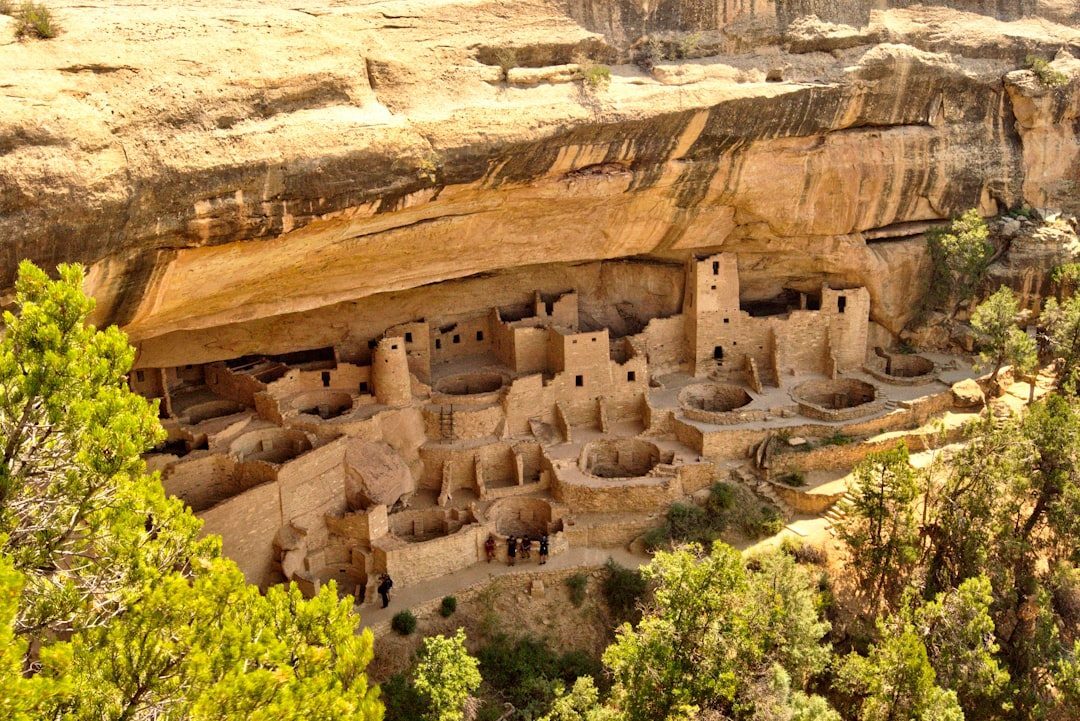
It is tempting to treat cliff houses, salt-block hotels, lake villages, and rock-carved homes as travel curiosities, the sort of places that belong in glossy photo spreads and social media feeds. But when you look closely, these communities form a natural laboratory for the same pressures now facing far larger populations: crowding, coastal risk, water stress, and the need to stay livable under extreme heat or storm conditions. Scientists track how residents adapt using local materials, inherited knowledge, and incremental tweaks, with changes measured in new roof shapes, relocated pathways, or altered fishing nets. Compared with high-tech, top-down megaprojects, these grassroots experiments show what people actually do when they cannot move easily and must instead bend their homes to new realities. They highlight trade-offs we all face, just in concentrated, more visible form.
When researchers compare these places to conventional housing developments, a few patterns stand out. Traditional designs often already incorporate passive cooling, flood awareness, and compact land use that modern suburbs struggle to match. Yet they can be fragile in the face of rapid environmental change or large-scale industrial pressures, where local improvisation alone is not enough. Policymakers and engineers increasingly look to these “extreme” settlements for ideas but must be careful not to romanticize them, since the people living there frequently lack choice or political power. Understanding the science of how these unusual homes succeed – and where they fail – helps shape more realistic strategies for climate adaptation, resilient infrastructure, and socially just housing policies.
The Future Landscape: Floating Cities, Underground Homes, and Off-World Echoes
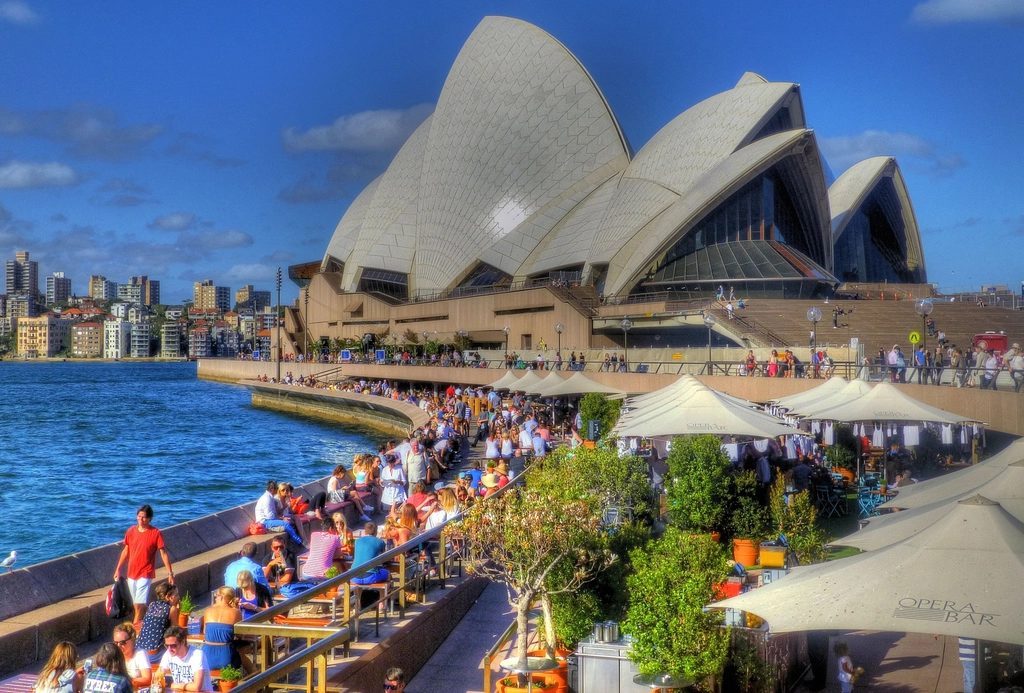
The today are already shaping the way scientists and planners imagine tomorrow’s habitats, from flood-prone deltas to the surfaces of other planets. Architects are prototyping floating neighborhoods that borrow ideas from stilt villages and houseboats, designed to rise and fall with tides rather than fight them. Others are reviving earth-sheltered and rock-cut designs, taking cues from Kandovan and similar villages to create ultra-low-energy buildings insulated by soil or stone. Space agencies and private companies sketch concepts for lunar and Martian bases that lean on lessons from remote, resource-scarce settlements on Earth: recycle everything, minimize imports, and design for psychological comfort in isolation. The line between science fiction and early test case is blurring faster than many people realize.
Looking ahead, the biggest challenges may not be purely technical but social and political. Who gets access to safer, better-adapted homes, and who is left next to noisy highways or eroding coastlines? As new materials, modular construction, and AI-assisted design come online, there is a risk that innovation will flow mainly toward wealthy markets while the most vulnerable keep living in the most hazardous places. Some researchers argue that the most useful breakthroughs may involve governance and rights – for example, frameworks that protect communities who have to relocate or that recognize cultural ties to vanishing landscapes. The future of strange living spaces could therefore unfold along two paths at once: dazzling, high-tech experiments and quiet, hard-fought efforts to make sure adaptation is shared fairly rather than deepening existing divides.
Conclusion: Seeing, Supporting, and Learning From the Edge
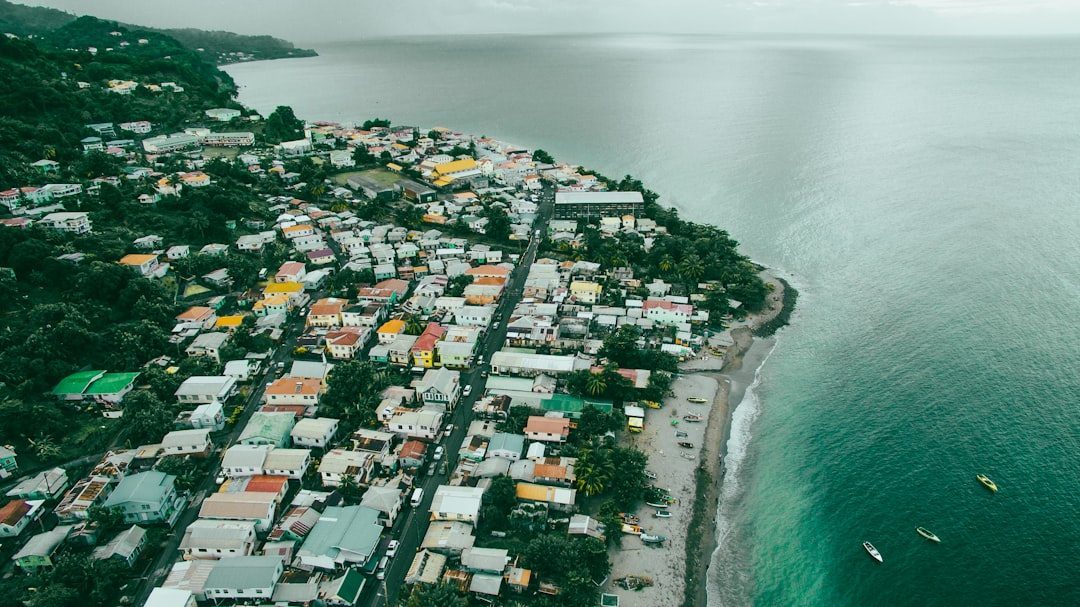
For most readers, the idea of living above a lagoon, inside a cliff, or on a strip of land slowly disappearing into the sea feels remote, almost like a story from another timeline. Yet the forces shaping those communities – heat, water, crowding, and scarcity – are the same ones nudging our own homes toward new compromises. Engaging with these places starts with simply paying attention to the people who live at the edge, not treating them as scenery or inevitabilities, but as neighbors dealing with problems that may soon arrive closer to home. That can mean supporting organizations working on climate adaptation, disaster preparedness, and equitable housing, or just seeking out reporting and research that gives voice to residents themselves. Small actions like adjusting travel choices, backing policies that cut emissions, or volunteering locally for flood or heat resilience projects echo the same logic: adapt early, not late.
There is also value in borrowing the mindset, not just the technology, from these unusual communities. They are experts at improvisation, at using what lies close at hand, and at building social networks as a kind of invisible infrastructure that helps people cope when the physical kind fails. Paying attention to how they share risks, knowledge, and resources can inspire changes in how we design neighborhoods, from community cooling centers to shared tools and gardens. Whether your home sits on stable ground or always feels one storm away from trouble, the stories of these strange places offer both caution and a quiet kind of encouragement. If people can build lives in such unlikely corners, what might we be capable of if we choose to plan together rather than wait for the edge to find us?
Suhail Ahmed is a passionate digital professional and nature enthusiast with over 8 years of experience in content strategy, SEO, web development, and digital operations. Alongside his freelance journey, Suhail actively contributes to nature and wildlife platforms like Discover Wildlife, where he channels his curiosity for the planet into engaging, educational storytelling.
With a strong background in managing digital ecosystems — from ecommerce stores and WordPress websites to social media and automation — Suhail merges technical precision with creative insight. His content reflects a rare balance: SEO-friendly yet deeply human, data-informed yet emotionally resonant.
Driven by a love for discovery and storytelling, Suhail believes in using digital platforms to amplify causes that matter — especially those protecting Earth’s biodiversity and inspiring sustainable living. Whether he’s managing online projects or crafting wildlife content, his goal remains the same: to inform, inspire, and leave a positive digital footprint.