
Space looks calm in photos, but in reality it’s more like a cosmic haunted house. The more powerful our telescopes get, the more bizarre objects we find drifting, spinning, flashing, and stretching across the universe in ways that just don’t fit neatly into our textbooks. Some of these things obey physics as we know it… but only barely. Others almost feel like the universe is trolling us.
What follows isn’t science fiction. These are real puzzles sitting out there in the dark, recorded by satellites, radio telescopes, and observatories all over the world. They’re mysterious not because scientists are clueless, but because each one pushes at the edges of what we think is possible. And honestly, that’s part of what makes them so thrilling: they remind us, very bluntly, that we don’t have this whole “universe” thing figured out yet.
1. Fast Radio Bursts: Millisecond Screams From the Deep
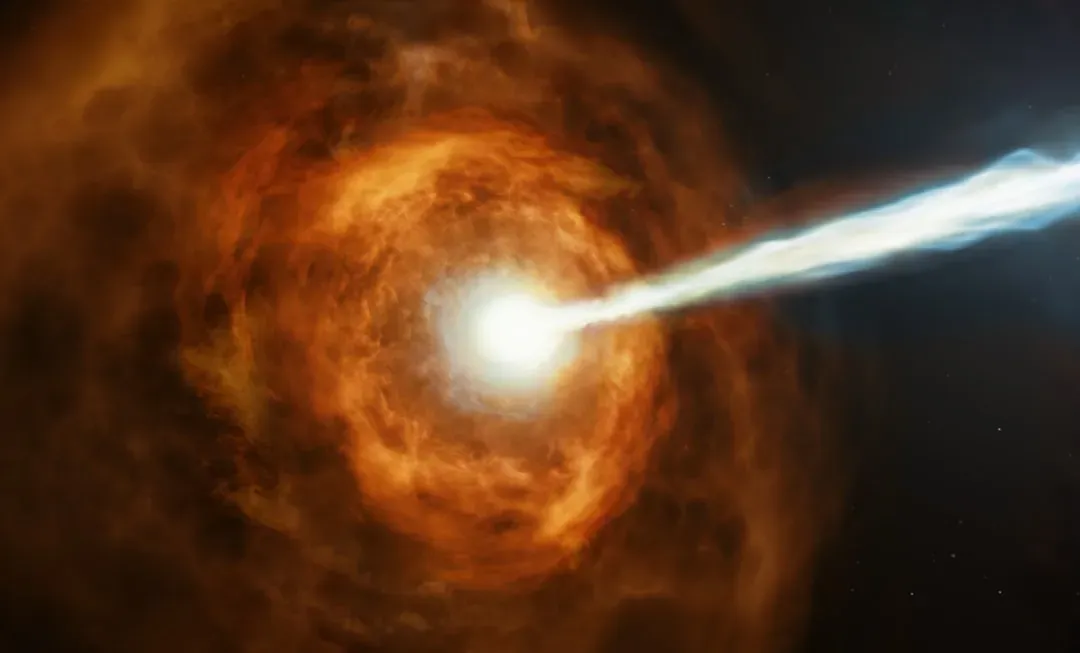
Imagine a signal so powerful that in a tiny fraction of a second it releases as much energy as our Sun does in days, and then it’s gone. That’s a fast radio burst, or FRB: an intense flash of radio waves that lasts for only a few thousandths of a second, coming from far beyond our galaxy. The first one was noticed in old data in the early two thousands, and since then astronomers have found hundreds more scattered across the sky. They flare up without warning, often never repeating, like someone flicking a cosmic flashlight straight at Earth and then vanishing.
We know they’re real, and we know they’re distant, because the signals carry the imprint of all the gas and plasma they’ve traveled through. Some FRBs repeat, some seem to have odd patterns or cycles, and some are one-time events we never see again. Leading ideas involve magnetars, colliding neutron stars, or exotic magnetic processes, but none of those explanations comfortably fit every FRB we’ve seen. There’s no serious evidence they’re messages from aliens, but they’re weird enough that people keep that thought in the back of their minds anyway.
2. The Wow! Signal’s Modern Cousins: Odd Radio Signals That Don’t Behave
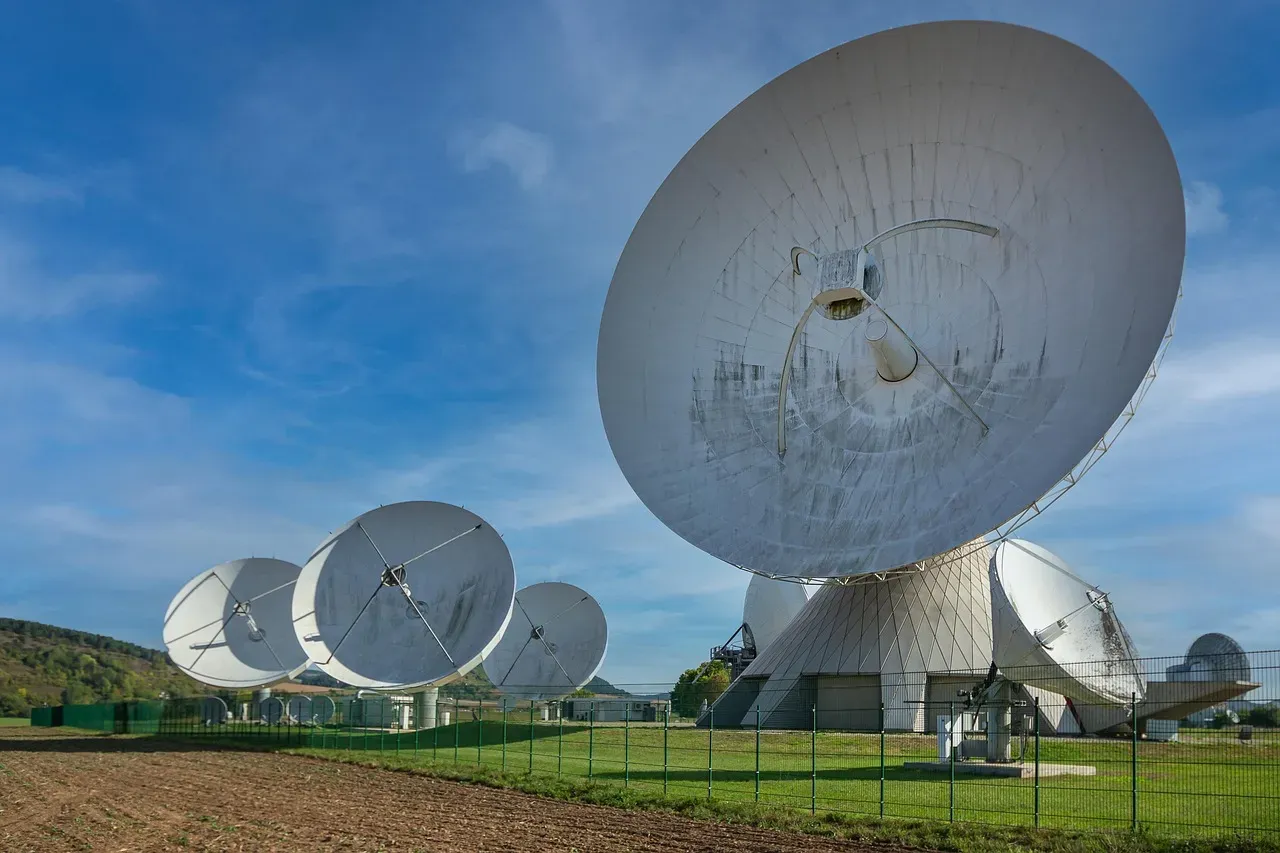
Every so often, radio telescopes pick up something that makes the entire field collectively raise an eyebrow. Decades ago, there was the famous unexplained narrowband radio spike nicknamed the “Wow! signal,” and since then we’ve been watching similar parts of the sky with better equipment. Modern sky surveys keep stumbling on narrow, strangely clean signals that appear and vanish in ways that don’t line up neatly with known satellites, planets, or normal cosmic sources. Most get explained eventually as interference, but a small, stubborn fraction stay unresolved.
These odd signals don’t match the messy, broad-spectrum noise you get from stars or galaxies, and they don’t always show obvious patterns like a spinning neutron star would. Sometimes they show up just once when a telescope passes by, making follow-up almost impossible. Teams cross-check satellite databases, nearby transmitters, and known objects, and still end up with a shrug. Nobody respectable in the field jumps straight to “aliens,” but these events are a reminder that the radio sky is full of behavior we still don’t entirely understand.
3. Oumuamua: The Interstellar Visitor That Didn’t Act Like a Rock
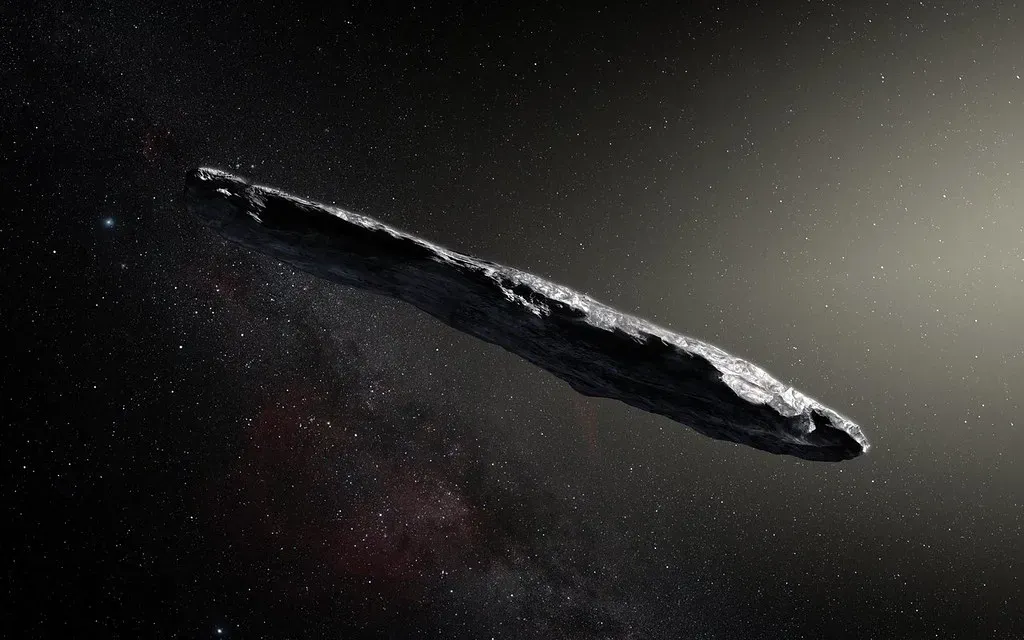
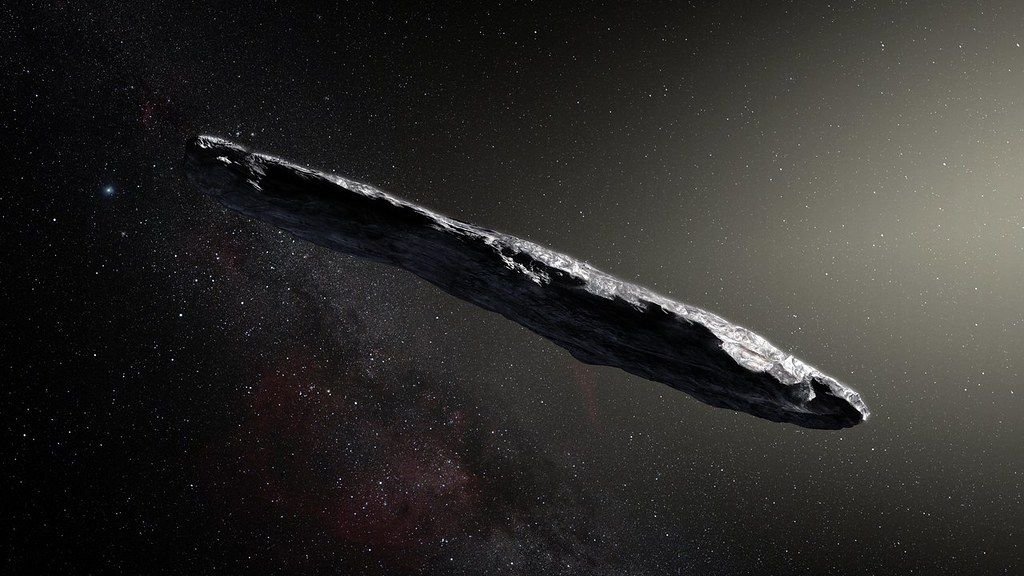
In 2017, astronomers picked up a tiny object whipping through our Solar System on a path that proved it came from another star. That alone was historic, but then it got weirder. Named Oumuamua, it didn’t have a clear coma or tail like a comet, yet it sped up slightly in a way that couldn’t be explained just by gravity. The best guess is that gas or dust jets were pushing it, but no obvious outgassing was detected, and its light curve suggested a very elongated, odd shape.
Some researchers suggested it might be a fragment of nitrogen ice, or some bizarre sliver of rock shaped by processes we haven’t seen up close. Others argued that ultra-thin sheets or porous “dust pancakes” might behave that way. And yes, a minority opinion argued it could be artificial, like space junk from an alien civilization, although most astronomers think that’s a stretch. The frustrating part is that Oumuamua moved too fast and was too faint for us to study in detail, so we’re left with incomplete data and arguments that never quite close the case.
4. Dark Matter: The Invisible Glue Holding Galaxies Together
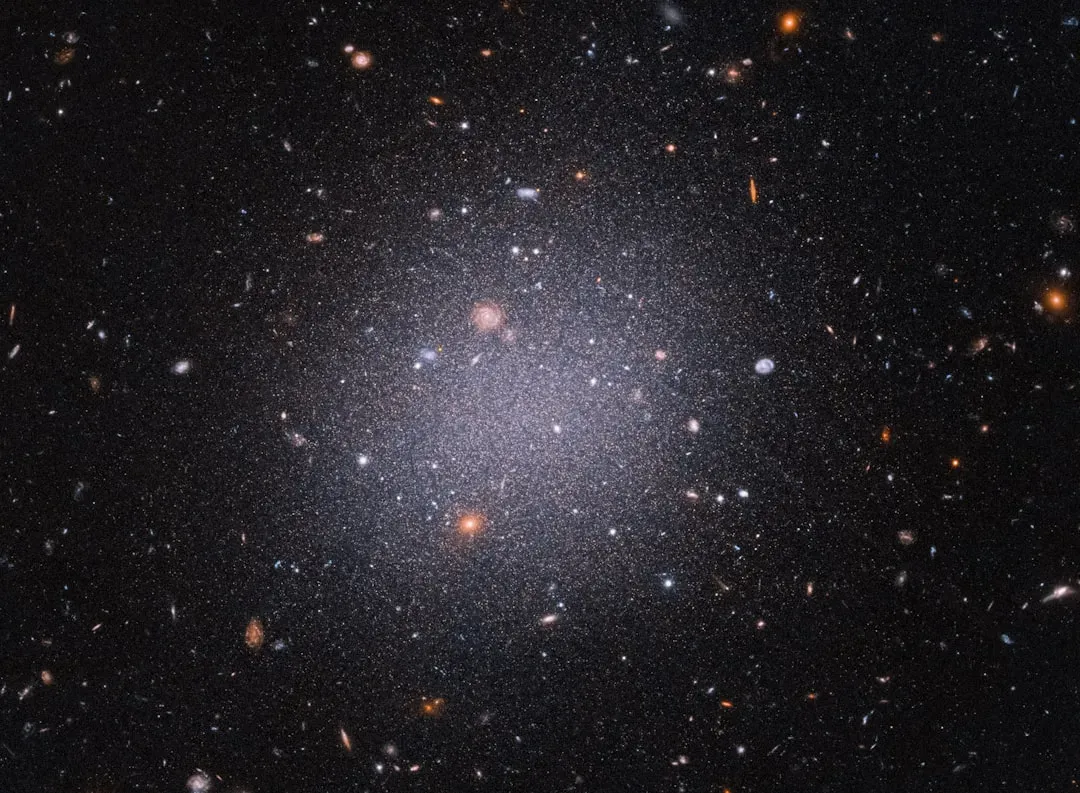
When astronomers measure how fast stars orbit inside galaxies, the numbers don’t add up. Based on the amount of visible matter, galaxies should fly apart like a merry-go-round spinning too fast, but they don’t. The simplest explanation is that there is extra mass we can’t see, something that doesn’t emit or absorb light but still has gravity. This invisible stuff, called dark matter, seems to outweigh normal matter by a huge factor, shaping how galaxies form and cluster together across the universe.
The problem is that no one has directly detected a dark matter particle, not even in the most sensitive underground detectors or at powerful particle accelerators. There are competing ideas: maybe it’s made of weakly interacting particles, maybe it’s ultralight fields, or maybe gravity behaves differently at large scales. None of those ideas has scored a clean, definitive win. In the meantime, dark matter behaves like a ghostly scaffolding, inferred from gravitational lensing and galaxy motion, while the actual identity of the stuff doing all that work remains maddeningly out of reach.
5. Dark Energy: The Mysterious Force Making the Universe Speed Up
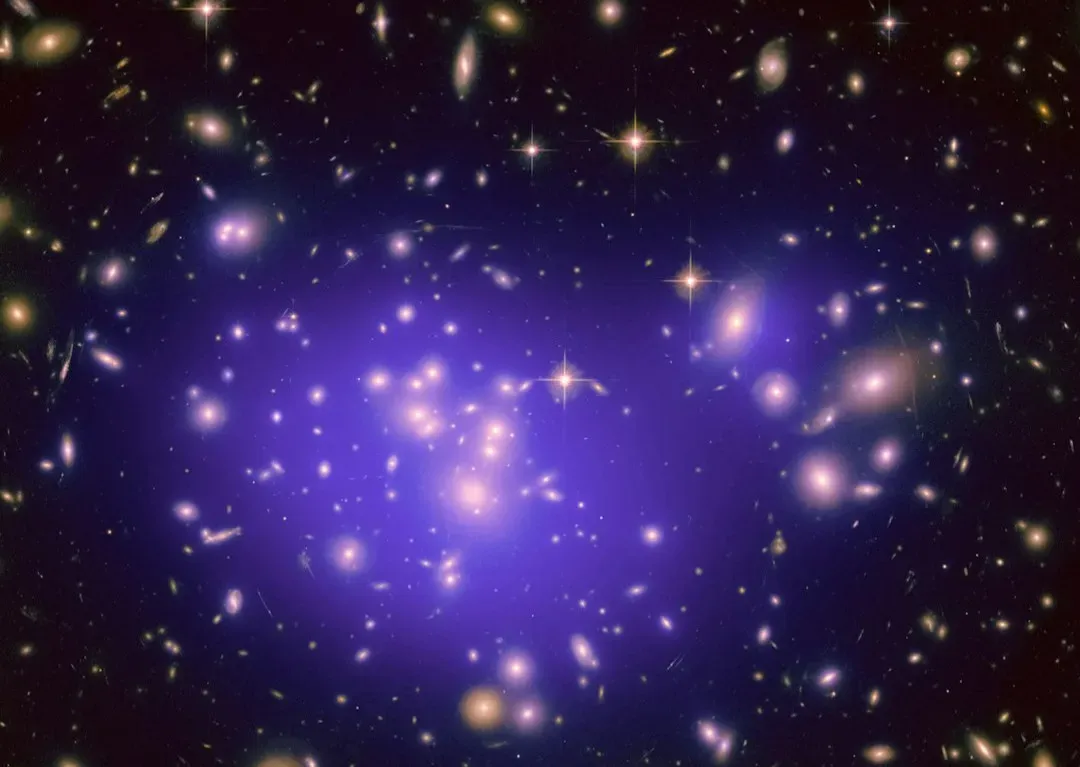
At the end of the nineteen nineties, two teams studying distant exploding stars expected to confirm that the expansion of the universe was slowing down. Instead, they found the opposite: the expansion is speeding up. That discovery came as a shock and led to the idea of dark energy, some unknown form of energy built into the fabric of space that pushes galaxies apart. Today, dark energy seems to make up the majority of the total energy content of the universe, dwarfing both normal matter and dark matter.
We can measure the effect of dark energy on how galaxies cluster and how the cosmic microwave background is distorted, but we still don’t know what it actually is. It could be a constant property of space itself, or it could change over time, or it might be a sign that our understanding of gravity is incomplete. New surveys with space telescopes and massive ground observatories are trying to pin down its behavior more precisely. For now, we’re living in a universe driven by a dominant ingredient that we only understand in the vaguest possible terms.
6. Tabby’s Star and Other Bizarrely Flickering Suns
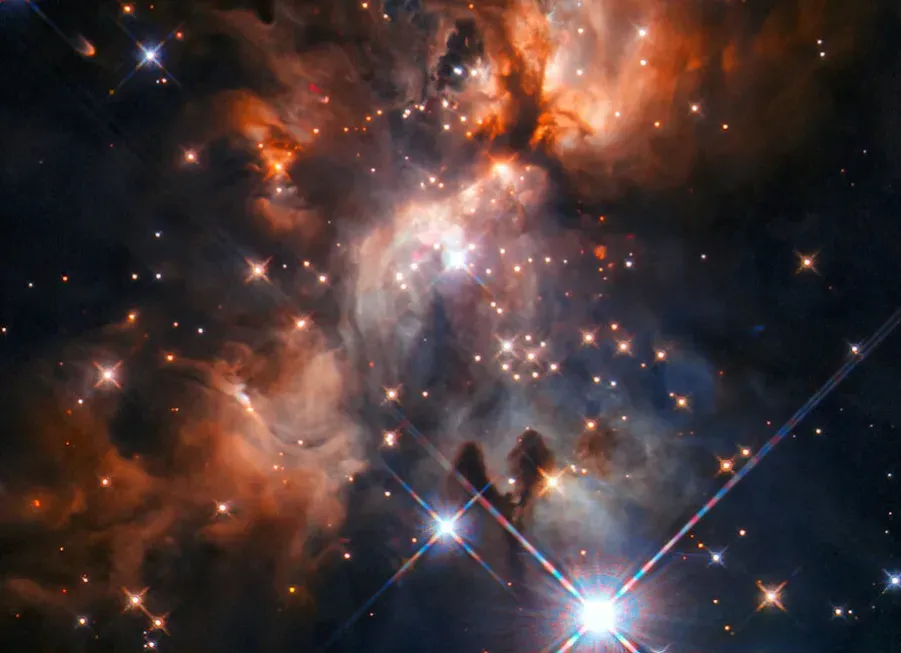
Most stars vary in brightness a little bit, but one in particular captured global attention because it dimmed in an especially dramatic and confusing way. Known casually as Tabby’s Star, it showed irregular, deep dips in brightness, some of them blocking a large chunk of its light. The pattern didn’t look like a normal planet transit or the pulsing behavior of variable stars. For a while, people speculated about huge alien structures orbiting the star, which certainly didn’t hurt the hype.
Over time, more data suggested odd dust clouds and clumps might be involved, maybe from destroyed comets or a disrupted object, but no single explanation nails every detail. Other stars have since been found with strange fluctuations and asymmetrical dimming, hinting that this might not be a one-off freak. It suggests there are complex, messy environments around some stars that we’re only now beginning to spot. The idea that stars might wear chaotic veils of dust and debris adds another layer of mystery to what once seemed like pretty simple points of light.
7. The Great Attractor and the Cosmic Flows We Can’t See
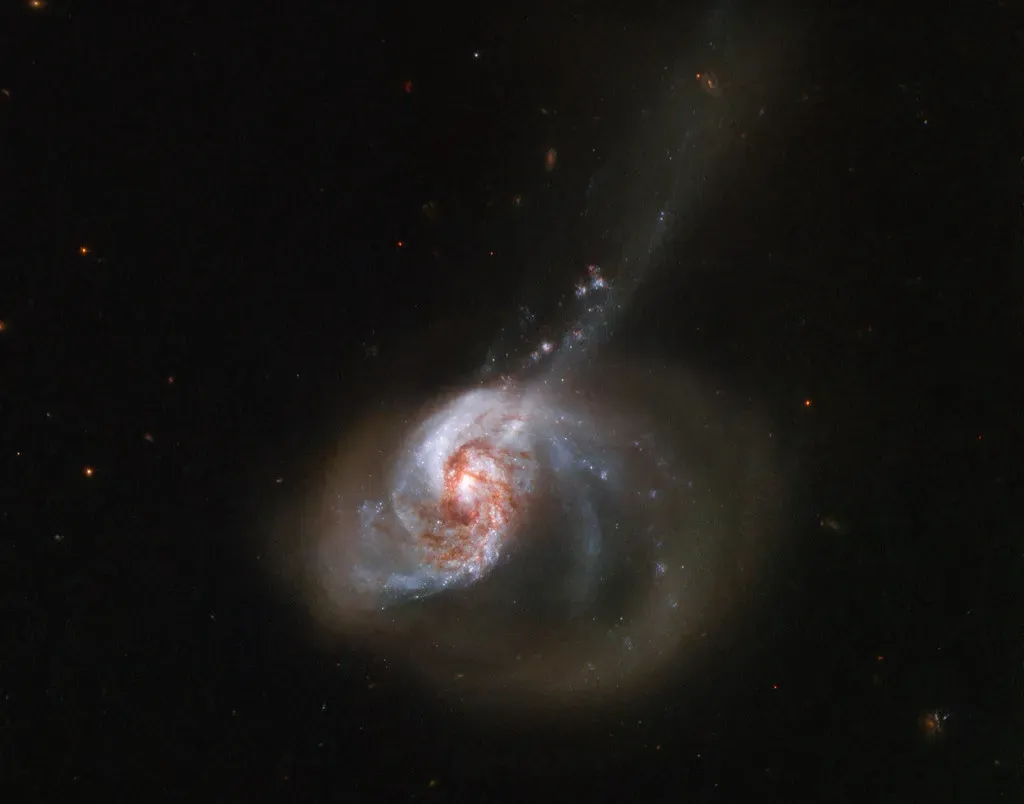
Our galaxy is not drifting randomly through space; it’s part of a huge web of motion, drawn toward something massive hidden behind the dense stars and dust of the Milky Way’s center. When astronomers map how thousands of galaxies move, they see a flow pointing toward a region nicknamed the Great Attractor. We can’t see this region clearly in visible light because the Milky Way blocks our view, but the gravitational pull is obvious in the motions of entire clusters of galaxies.
Further out, even larger structures, like the Shapley Supercluster, also tug on galaxies, so what we call the Great Attractor might be part of a vast network of overdense regions. The exact distribution of mass in that hidden area is still being pieced together using X‑ray observations, infrared surveys, and radio data. What makes it so strange is that we’re effectively being pulled by a giant gravitational ghost hiding in a blind spot in our sky. We know something is there, and we can feel its influence on a galactic scale, but the full picture remains blurred.
8. Rogue Planets: Worlds Adrift With No Sun
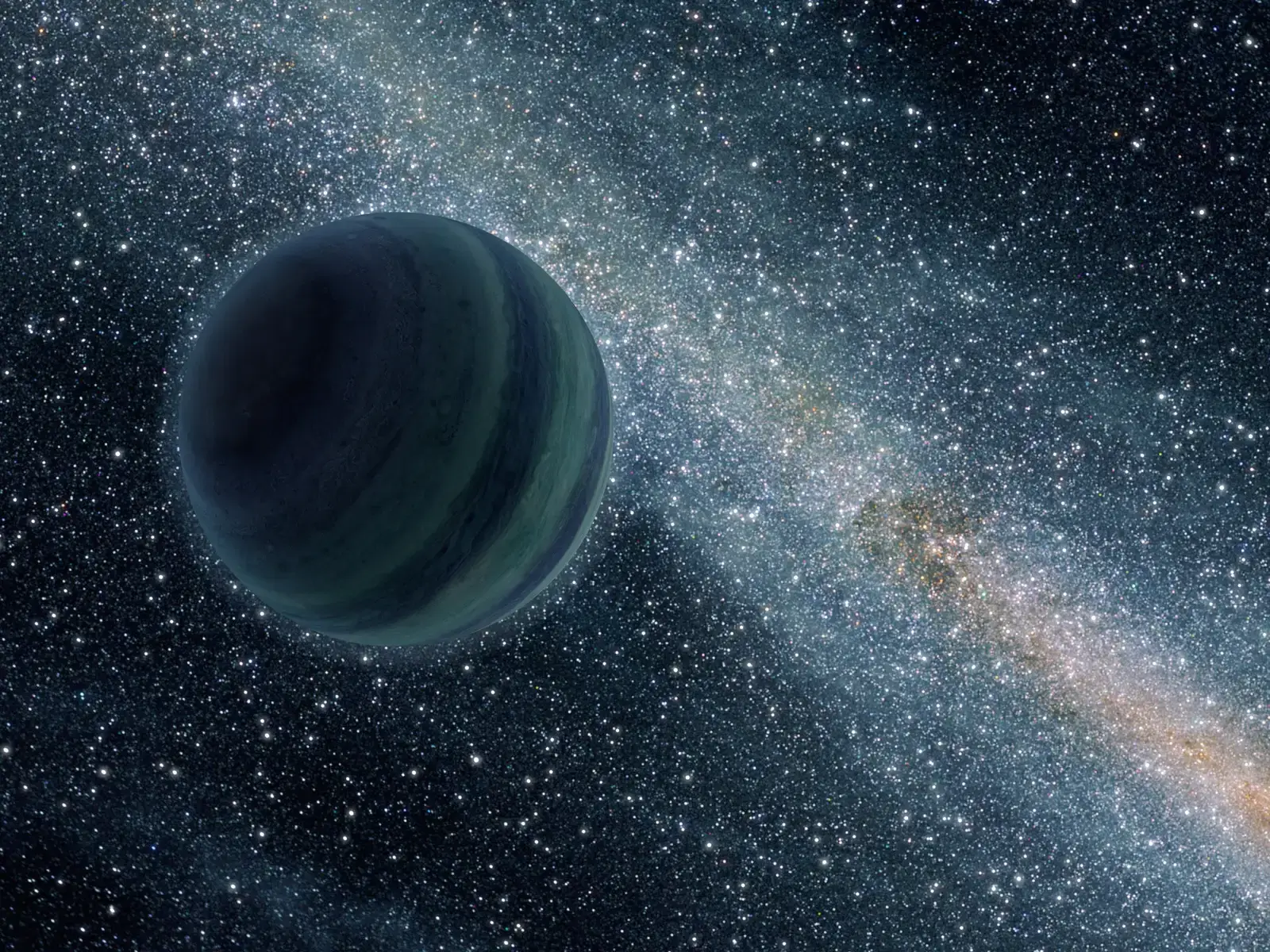
We grow up with a simple picture: planets circle stars, held in place by gravity like marbles on a string. But astronomers have found strong evidence that there are countless planets drifting through space without any parent star at all. These rogue planets are either flung out of their original systems by violent gravitational fights or formed directly from collapsing gas clouds. Some are similar in size to Jupiter, others may be smaller, and they’re incredibly hard to detect because they barely glow and don’t transit a bright star.
Infrared surveys and gravitational microlensing events suggest there could be as many rogue planets as there are stars, maybe more. Imagine a cold, dark world endlessly falling through interstellar space, warmed only by its internal heat and radioactive decay, with no sunrise or sunset. Some researchers wonder whether such planets could still harbor subsurface oceans or exotic forms of geology completely cut off from starlight. The fact that entire planets can be wandering the galaxy invisibly, like abandoned ships on a black ocean, is both eerie and oddly poetic.
9. Cosmic Rays With Ridiculous Energies
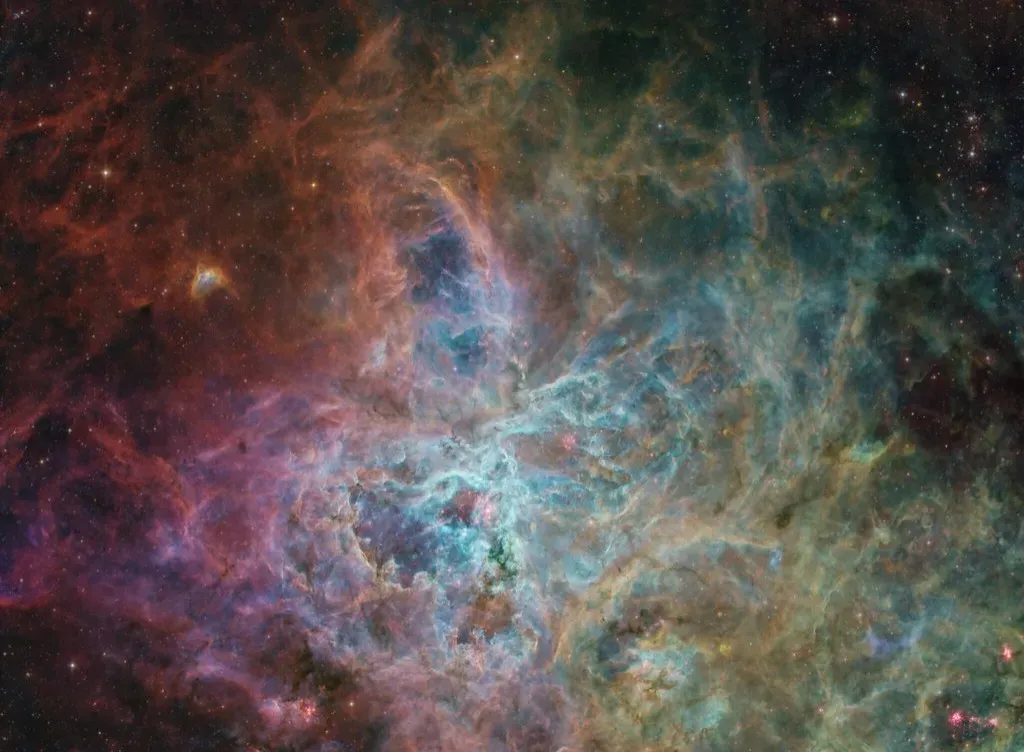
Earth is constantly bombarded by high‑energy particles from space, known as cosmic rays, but a tiny fraction are so energetic that they defy easy explanation. These ultra‑high‑energy cosmic rays carry mind‑boggling amounts of energy in a single particle, far beyond what our most powerful particle accelerators can produce. Some seem to arrive from directions in the sky that don’t contain obvious sources capable of launching them to such speeds. Tracking their origins is tricky, because magnetic fields along the way bend their paths.
Possible culprits include supermassive black holes at the centers of galaxies, powerful jets from active galactic nuclei, or collisions of galaxy clusters. But the very highest‑energy events push against limits set by interactions with background radiation that should sap their strength over long distances. Large observatories scattered over huge areas of land keep collecting data, hoping to map out patterns that reveal where these particles are born. For now, each record‑breaking event is like a cosmic dare, hinting at extreme environments we still do not fully understand.
10. The Hubble Tension: Two Different Answers for the Universe’s Expansion
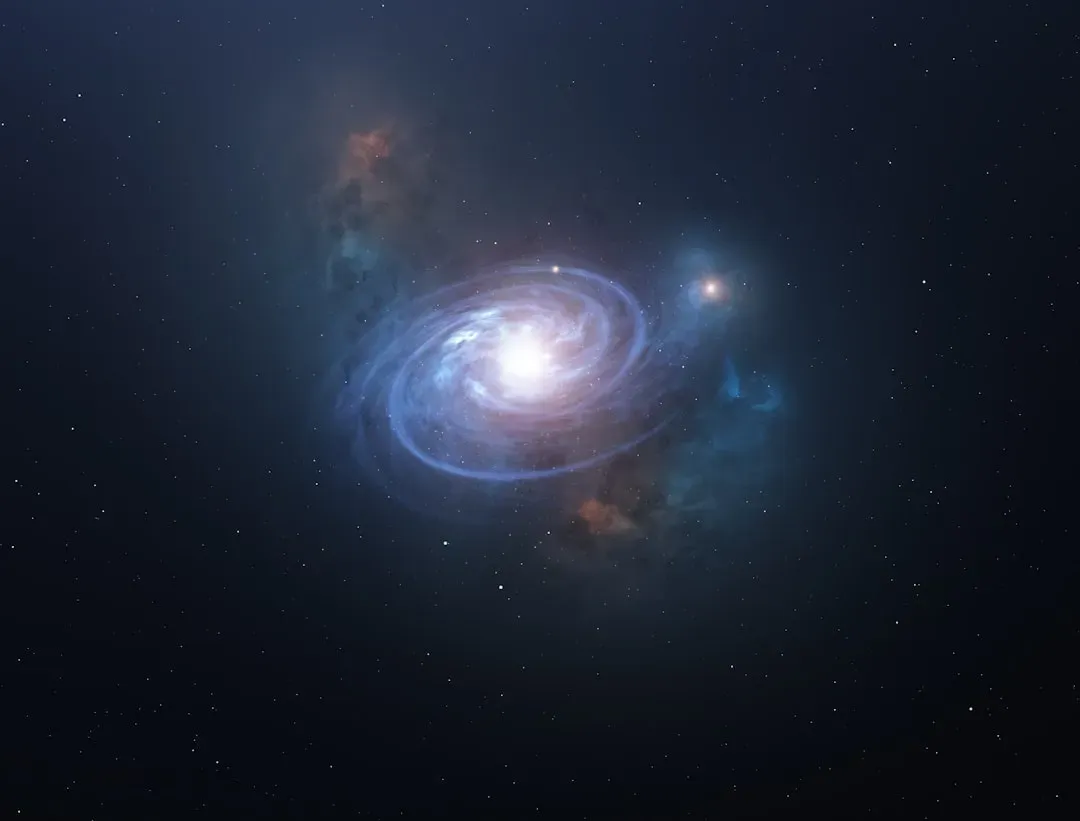
Ask one group of astronomers how fast the universe is expanding, and they’ll give you a number based on nearby stars and galaxies. Ask another group that uses early‑universe data from the cosmic microwave background, and you’ll get a noticeably different answer. This disagreement, called the Hubble tension, has stubbornly refused to go away even as observations get more precise. Both sides use independent, careful techniques, and the error bars keep shrinking, making the mismatch harder to dismiss as simple measurement noise.
Some researchers argue this tension might be a clue that new physics is waiting just beyond the standard model of cosmology, perhaps involving dark energy that changes over time or extra ingredients in the early universe. Others suspect that subtle biases, calibration issues, or overlooked complexities in stellar physics could still be skewing one or both methods. The situation is unsettling because our “standard model” of the cosmos has been very successful so far. Having two incompatible answers to such a basic question hangs over modern cosmology like an unfinished equation that refuses to balance.
A Universe That Still Refuses to Sit Still
All of these strange things drifting through space, from interstellar visitors to invisible matter and mysterious signals, share one common theme: they show us the limits of what we currently know. For every new observation that fills a gap, another one tears open a fresh hole, whether it’s a star that dims the wrong way, a particle with too much energy, or a planet that decided it didn’t need a sun. It’s messy, sometimes frustrating, and often humbling, but it’s also exactly what keeps astronomy from becoming a finished story.
In a sense, these puzzles are invitations rather than dead ends, nudging us to build better telescopes, launch new probes, and question old assumptions. A few of today’s mysteries will almost certainly become tomorrow’s textbook material, neatly explained with hindsight, while others will probably be replaced by even stranger discoveries. The universe is not obliged to make sense to us, but it keeps offering clues anyway, scattered among the stars and the darkness between them. Which of these cosmic oddities do you think will be the first to finally give up its secrets?