
Every few months, a new paper or mission promises to crack one of science’s enduring riddles, and yet the mysteries keep slipping through our fingers. That tension – between confident prediction and stubborn reality – is where discovery lives. Today’s instruments can track atoms, catch starlight bent by gravity, and listen for whispers from the deep Earth, but some observations still refuse to line up with theory. These puzzles aren’t fringe curiosities; they touch climate, medicine, space exploration, and our place in the cosmos. Here are ten phenomena that continue to defy neat explanations, the kinds of puzzles that keep scientists up at night and the rest of us leaning in.
Ball Lightning: Orbs from the Heart of a Storm
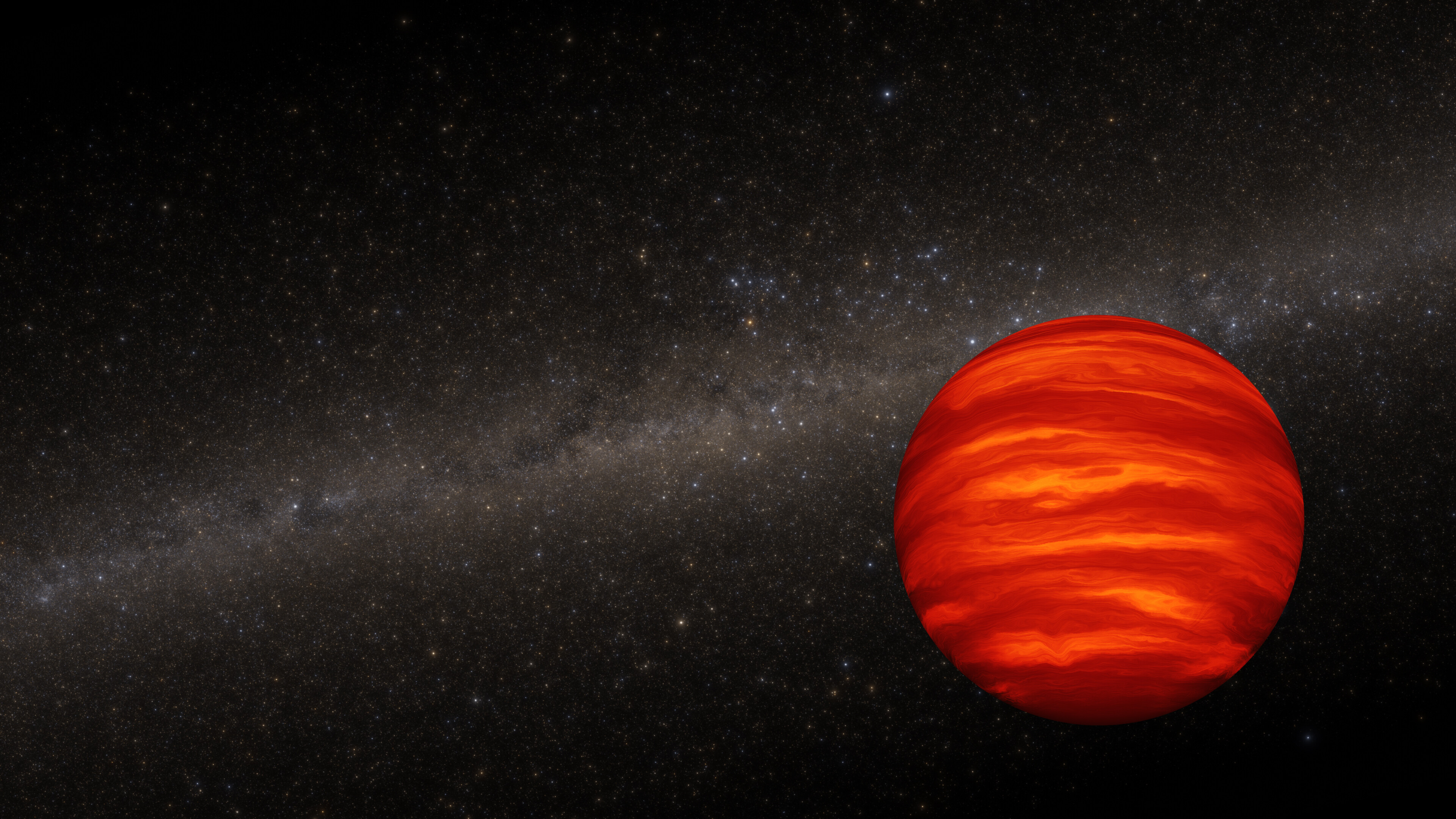
Have you ever heard of glowing spheres drifting through living rooms during thunderstorms? Ball lightning has been reported for centuries, yet it remains elusive in labs and maddeningly inconsistent in the field. Some experiments hint that vaporized silicon or electromagnetic standing waves could create these wandering lights, but reproducibility is the sticking point. Eyewitness accounts are vivid – hovering, sizzling, then vanishing with a pop – but instruments almost never catch the full life cycle. I once chased a summer storm hoping for a glimpse and came home with nothing but wet shoes and more questions.
Researchers now pair high-speed cameras with lightning arrays to catch rare events, and a few intriguing spectra exist. Still, we lack a unifying, testable mechanism that matches the diversity of reports. Until then, ball lightning sits in the thin air between folklore and physics.
Fast Radio Bursts: Millisecond Messages from Deep Space
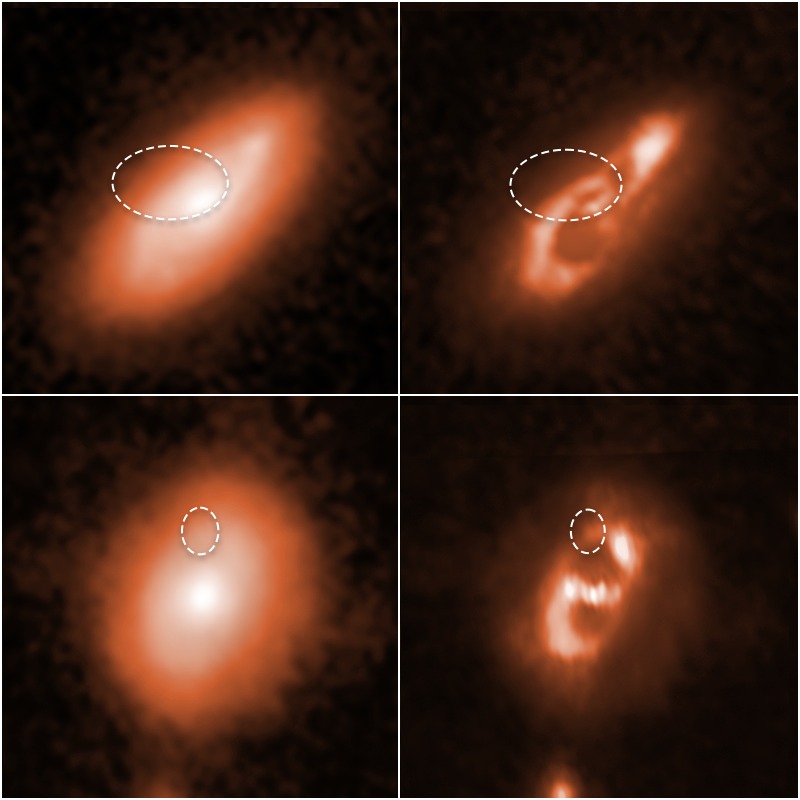 Fast Radio Bursts: Millisecond Messages from Deep Space (Image Credits: Wikimedia)
In a blink – thousandths of a second – fast radio bursts (FRBs) pour out as much energy as a star does in hours, then vanish. Some repeat from the same patch of sky, others flare once and never again, and at least a few now appear tied to highly magnetized neutron stars. That partial progress only complicates the bigger picture: one source class can’t easily account for the wild variety of signals and environments. Distances measured by dispersion show many FRBs originate billions of light-years away, making them cosmic lighthouses without clear keepers.
New arrays are mapping more bursts than ever, yet origin stories multiply rather than converge. Are we seeing multiple engines, or one exotic engine in many moods? The data say both are still on the table.
The Wow Signal: A 72-Second Question Mark
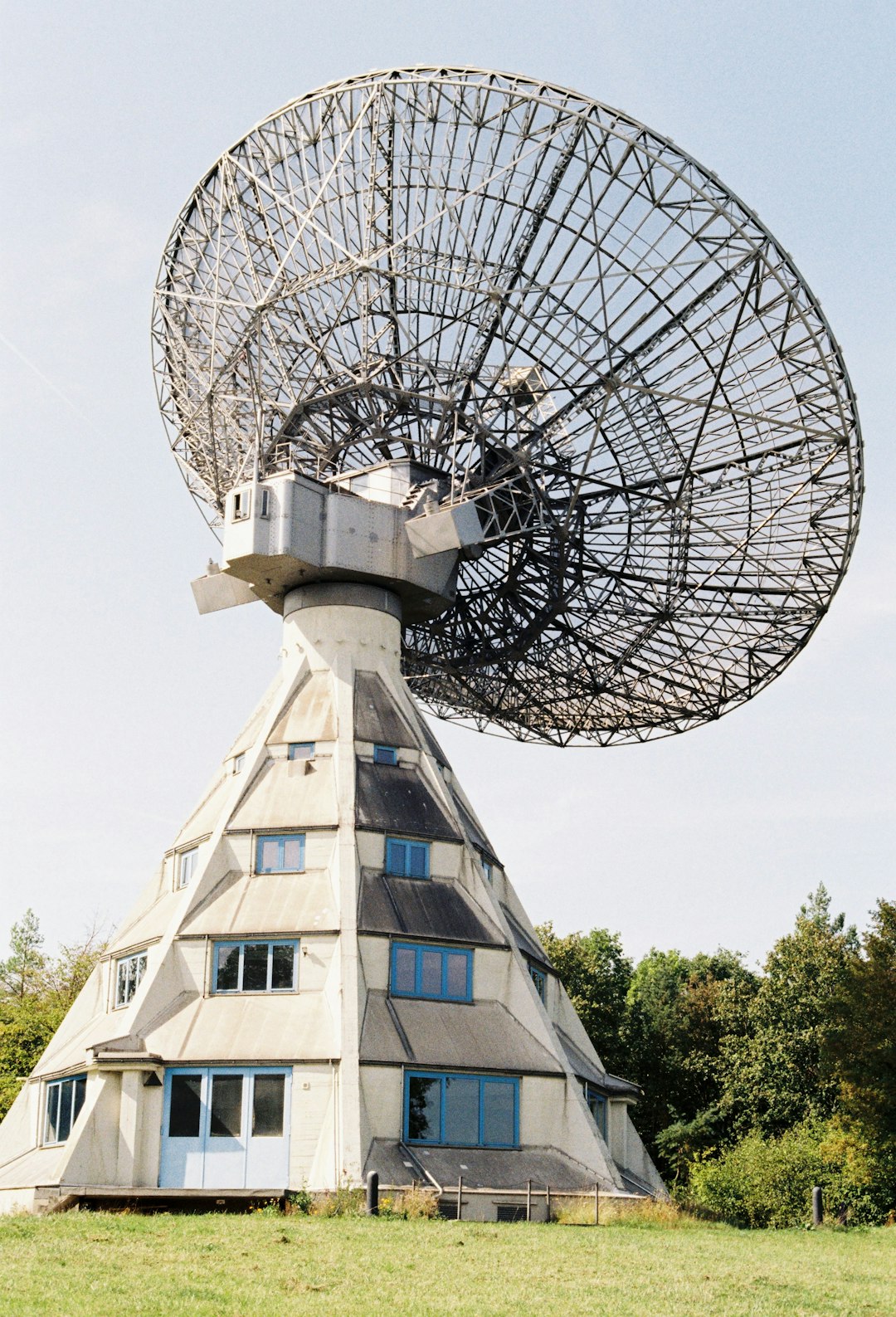
In 1977, a radio telescope in Ohio recorded an unusually strong, narrowband signal – so clean it sparked a handwritten “Wow.” Decades later, we still don’t know what produced it. Suggestions range from a passing comet’s hydrogen cloud to a satellite reflection, but follow-up searches in that frequency and direction have found silence. The signal’s profile looked tantalizingly like what interstellar beacons might use, and that resemblance refuses to fade with time.
One-off events are the enemy of explanation because science thrives on repetition. The Wow signal sits in that lonely file: too crisp to dismiss, too singular to solve.
’Oumuamua’s Odd Acceleration: A Visitor That Broke the Rules
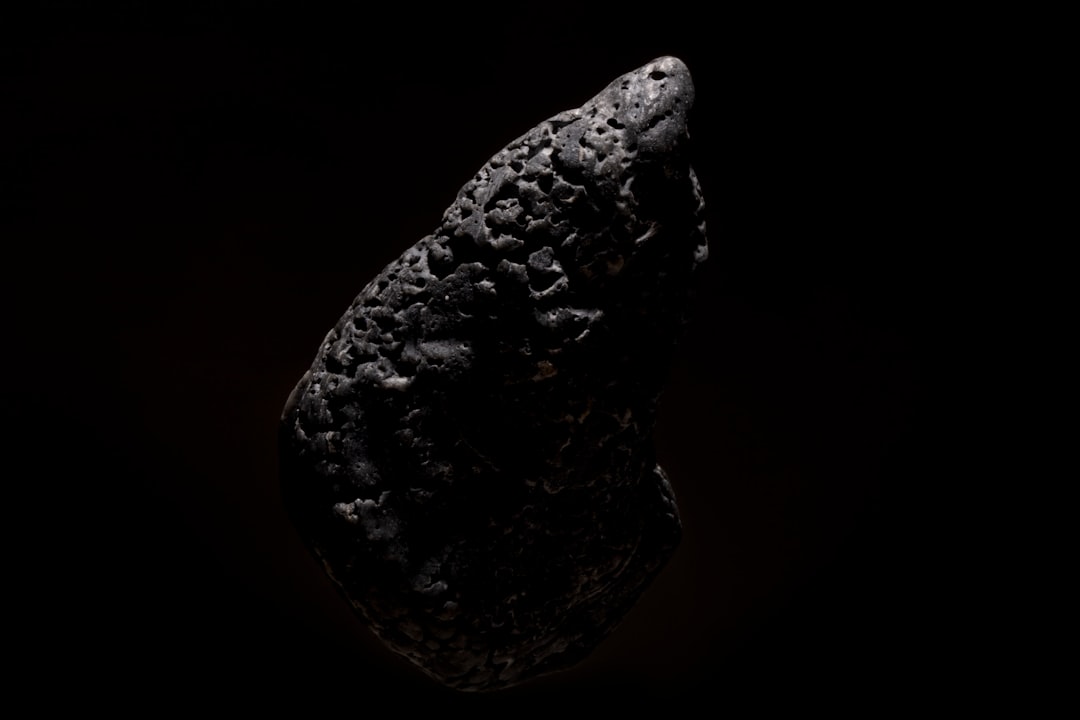
When the first known interstellar object, ’Oumuamua, zipped through the solar system in 2017, it behaved like a cosmic riddle. It brightened and dimmed in ways suggesting a strange shape and, more puzzling, sped up slightly as it left – without a visible tail of evaporating gas. Ideas piled up: hydrogen or nitrogen ices sublimating invisibly, a dust-aggregate shaped like a thin shard, even radiation pressure nudging an ultra-light body. Each proposal explains pieces of the puzzle, yet none convincingly clears all the hurdles at once.
The next interstellar visitors may decide the debate by offering a clearer look. Until then, ’Oumuamua remains a postcard from elsewhere signed with an unreadable scrawl.
The Tunguska Airburst: Trees Toppled, Answers Not So Much

Just after dawn in 1908, over Siberia, a blast flattened vast swaths of forest and rattled windows across continents. The prevailing view points to an asteroid or comet fragment exploding in the atmosphere, but the absence of an obvious crater and fragmented debris keeps arguments alive. Surveys have found microscopic spherules and patterns consistent with an airburst, yet exact size, composition, and trajectory remain debated. With new modeling of low-altitude detonations, the broad strokes make sense; the fine lines still blur.
Why does it matter? Airbursts can carry city-level risk, and our defense plans need details. Tunguska is both a warning siren and a missing manual.
The Flyby Anomaly: Spacecraft That Gain or Lose a Whisper of Energy
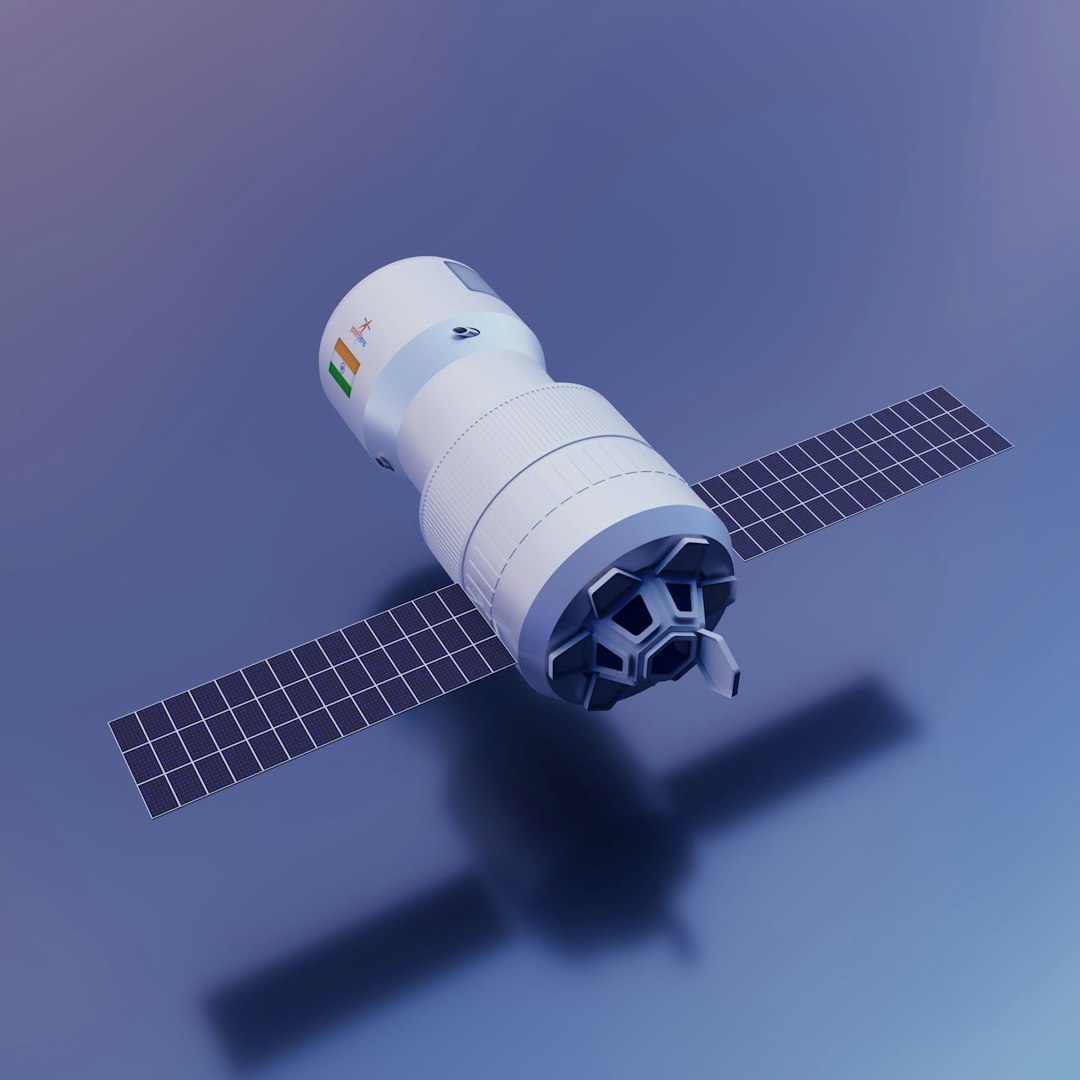
Several spacecraft performing gravity-assist flybys of Earth have shown tiny, unexpected changes in speed – mere millimeters per second, but real enough to notice. Not every mission shows it, and the size of the effect varies in ways that don’t cleanly match known physics or measurement error. Proposed culprits include subtle frame-dragging effects, atmospheric modeling quirks, or geometry-related artifacts in tracking data. None has closed the case across all flybys.
These are the kinds of anomalies that test the plumbing of modern spaceflight. If a consensus explanation emerges, it will sharpen navigation models – and if it doesn’t, we keep a back-of-the-notebook reminder that nature loves edge cases.
The Mpemba Effect: When Hot Water Freezes Faster Than Cold

It sounds like a playground myth, yet careful experiments sometimes show initially hotter water freezing before cooler water. Evaporation, convection patterns, dissolved gases, and supercooling have all been invoked, but the effect appears and disappears with small changes in container size, surface roughness, and initial conditions. That fragility is exactly why consensus is elusive: the phenomenon may not be one phenomenon at all, but a family of overlapping processes. Even specifying what counts as “freezing first” can change outcomes.
In other words, the Mpemba effect is a mirror held up to experimental design. Tight definitions and meticulous controls might shrink the mystery – or reveal several smaller ones hiding inside.
Dark Matter: The Invisible Scaffolding of the Universe
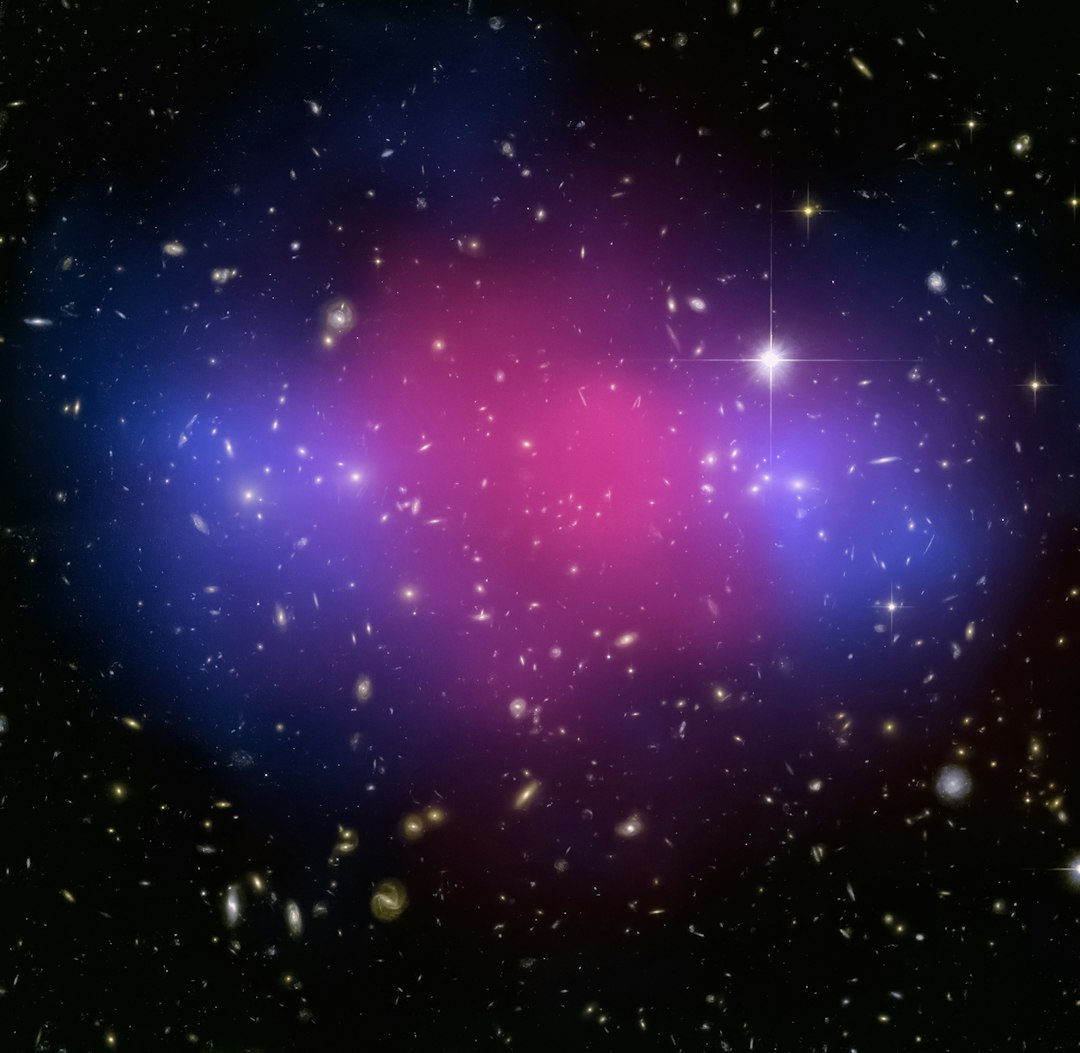
Galaxies spin too fast at their edges, clusters bend light more than visible mass allows, and the cosmic web itself suggests an unseen scaffolding. We call it dark matter, but naming isn’t explaining. Decades of searches for hypothetical particles – from heavy WIMPs to feathery axions – have yet to turn up a definitive detection. Alternative ideas tweak gravity rather than add mass, but struggle to match all the evidence across scales.
Why it matters is simple and enormous: most of the universe’s matter seems invisible, and our models of galaxy birth and growth rely on it. Until we find the culprit, cosmic structure remains a best-fit story missing its main character.
Animal Magnetoreception: The Mystery Compass in Living Bodies

Sea turtles, migratory birds, and even some insects can sense Earth’s magnetic field, navigating with a precision our maps can only envy. Two main hypotheses vie for primacy: magnetite crystals acting like biological compass needles, and quantum reactions in light-sensitive proteins called cryptochromes. Both have support in different species and conditions, which makes a single, unifying mechanism hard to claim. The most likely outcome is pluralism – nature solving the same problem in different ways.
It’s a humbling reminder that evolution can engineer sensors we still struggle to replicate. Cracking this code could reshape everything from robotics to medical imaging.
Earthquake Lights: Glows Before the Ground Gives Way
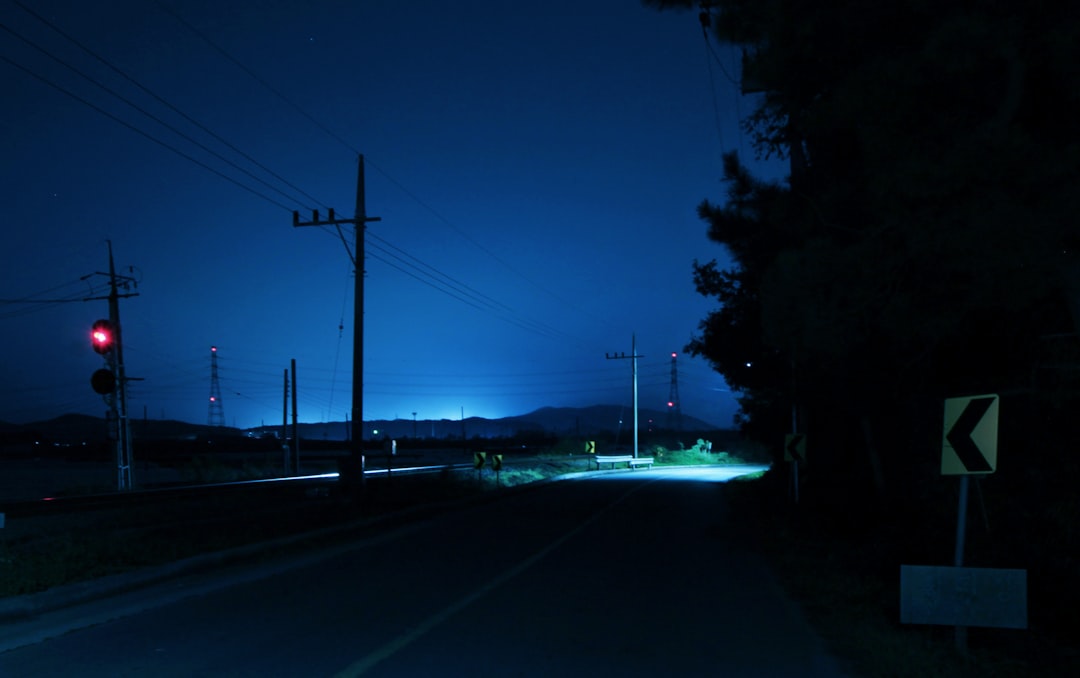
Reports of luminous flashes or glows around major earthquakes span centuries and continents. Lab studies hint that stressed rocks may release charges, ionizing air near faults, while other work points to atmospheric or power-grid effects masquerading as natural lights. The trouble is timing and instrumentation: earthquakes arrive with little warning, and cameras aren’t always watching the right patch of sky. When they are, the signatures vary – brief flashes, flickering bands, diffuse glows – suggesting multiple pathways.
As monitoring networks expand, patterns may emerge that separate myth from mechanism. For now, earthquake lights remain part physics experiment, part folklore, and fully unresolved.
The Great Silence: Where Is Everybody?
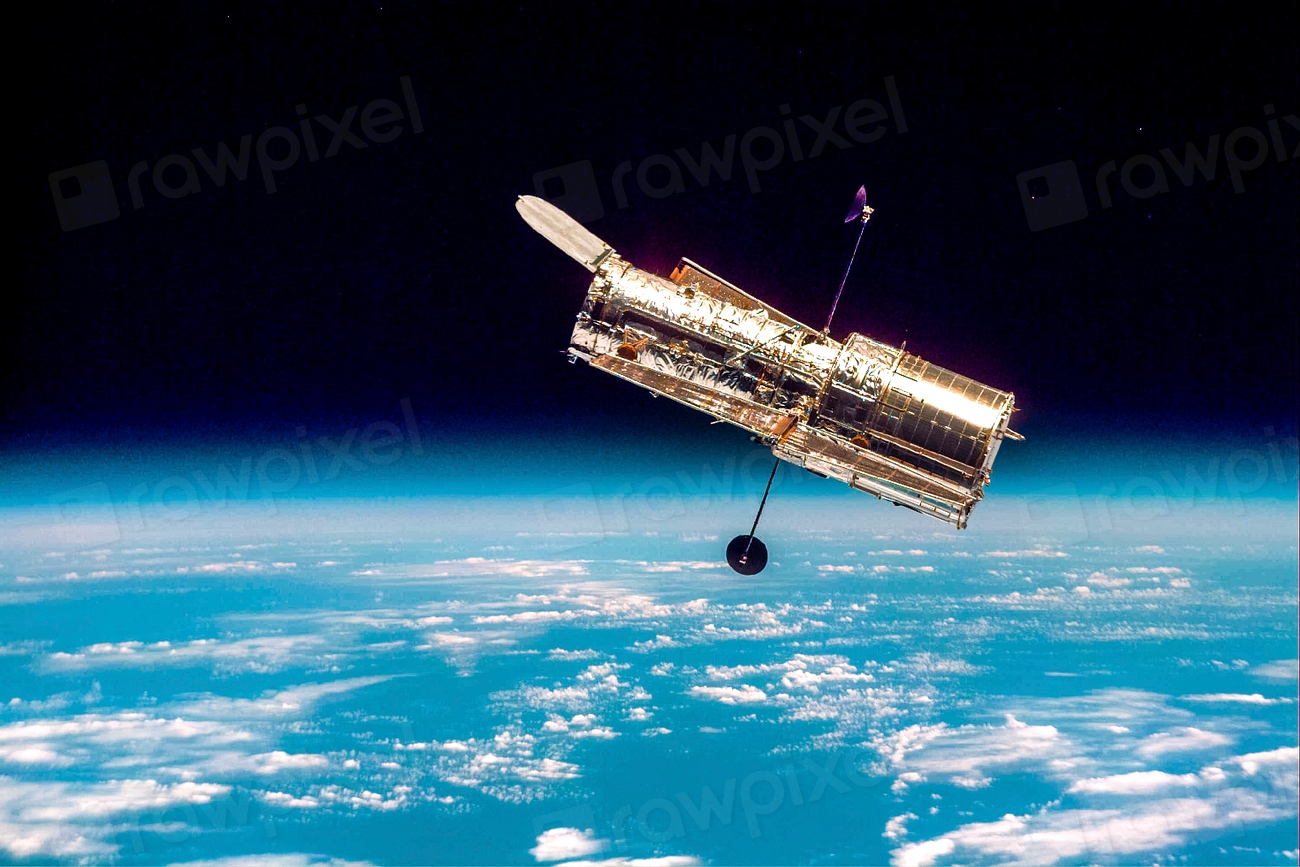
Given the age of the galaxy and the abundance of planets, many models suggest life should be common – and yet we detect no clear signs. The so-called Fermi paradox bundles biology, astronomy, and sociology into one stubborn question mark. Filters could be rare, from life’s origin to technological longevity, or maybe our search space is vanishingly small compared with the ways intelligence could express itself. Even our definitions of “signal” are human-centered and possibly naive.
Paradox or not, the silence is data, and it shapes how we build telescopes and allocate listening time. Every null result forces a smarter question – and a broader imagination.
Suhail Ahmed is a passionate digital professional and nature enthusiast with over 8 years of experience in content strategy, SEO, web development, and digital operations. Alongside his freelance journey, Suhail actively contributes to nature and wildlife platforms like Discover Wildlife, where he channels his curiosity for the planet into engaging, educational storytelling.
With a strong background in managing digital ecosystems — from ecommerce stores and WordPress websites to social media and automation — Suhail merges technical precision with creative insight. His content reflects a rare balance: SEO-friendly yet deeply human, data-informed yet emotionally resonant.
Driven by a love for discovery and storytelling, Suhail believes in using digital platforms to amplify causes that matter — especially those protecting Earth’s biodiversity and inspiring sustainable living. Whether he’s managing online projects or crafting wildlife content, his goal remains the same: to inform, inspire, and leave a positive digital footprint.