
From deserts that hum like distant engines to lakes that turn animals to stone, our planet is full of landscapes that seem to belong in speculative fiction rather than an atlas. Geologists have mapped mountains and dated rocks with astonishing precision, yet some formations still stubbornly resist neat explanations. These places are more than pretty backdrops; they are puzzles written in stone, ice, and salt, challenging our assumptions about how Earth works. As new tools – from satellite imaging to ultra-precise dating – peel back layers of mystery, they often reveal deeper, stranger questions hiding underneath. Here are ten of the world’s most baffling geological wonders, where the science is fascinating, the stories are wild, and the verdict is still very much “to be determined.”
The Sailing Stones of Death Valley
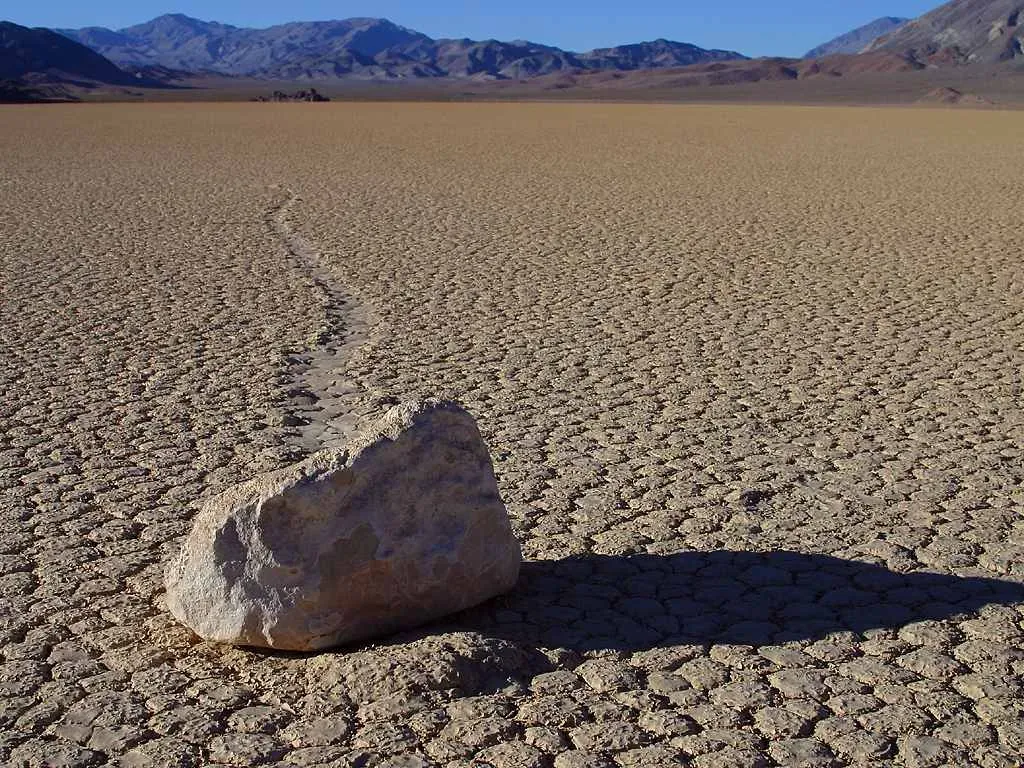
Imagine walking out onto a cracked, bone-dry lakebed and seeing heavy rocks – some the size of microwave ovens – trailing long, graceful tracks behind them as if they’d been dragged by invisible hands. That is Racetrack Playa in Death Valley National Park, a place that has haunted field notebooks and campfire stories for decades. For a long time, the theories were as wild as the desert: magnetic anomalies, mini-tornadoes, even pranksters. The problem was simple but maddening: the stones clearly moved, but nobody had ever seen them in motion. Their tracks, sometimes bending, crossing, and looping, looked almost like choreographed dances across the playa surface.
In the past decade, instrumented rocks and time-lapse cameras finally caught the stones shifting under an ultra-thin layer of seasonal ice, nudged along by light winds over slick mud. Yet even with that breakthrough, questions remain about why some rocks move and others sit still just a few feet away. Small differences in rock shape, micro-topography, and water depth appear to matter, but the pattern isn’t perfectly predictable. Death Valley’s “sailing stones” have become a kind of scientific morality tale: even the most mundane-looking rocks can hide decades of mystery. They remind researchers that explanation does not always erase wonder – it can sharpen it.
Stone Forests That Grow Like Living Crystals
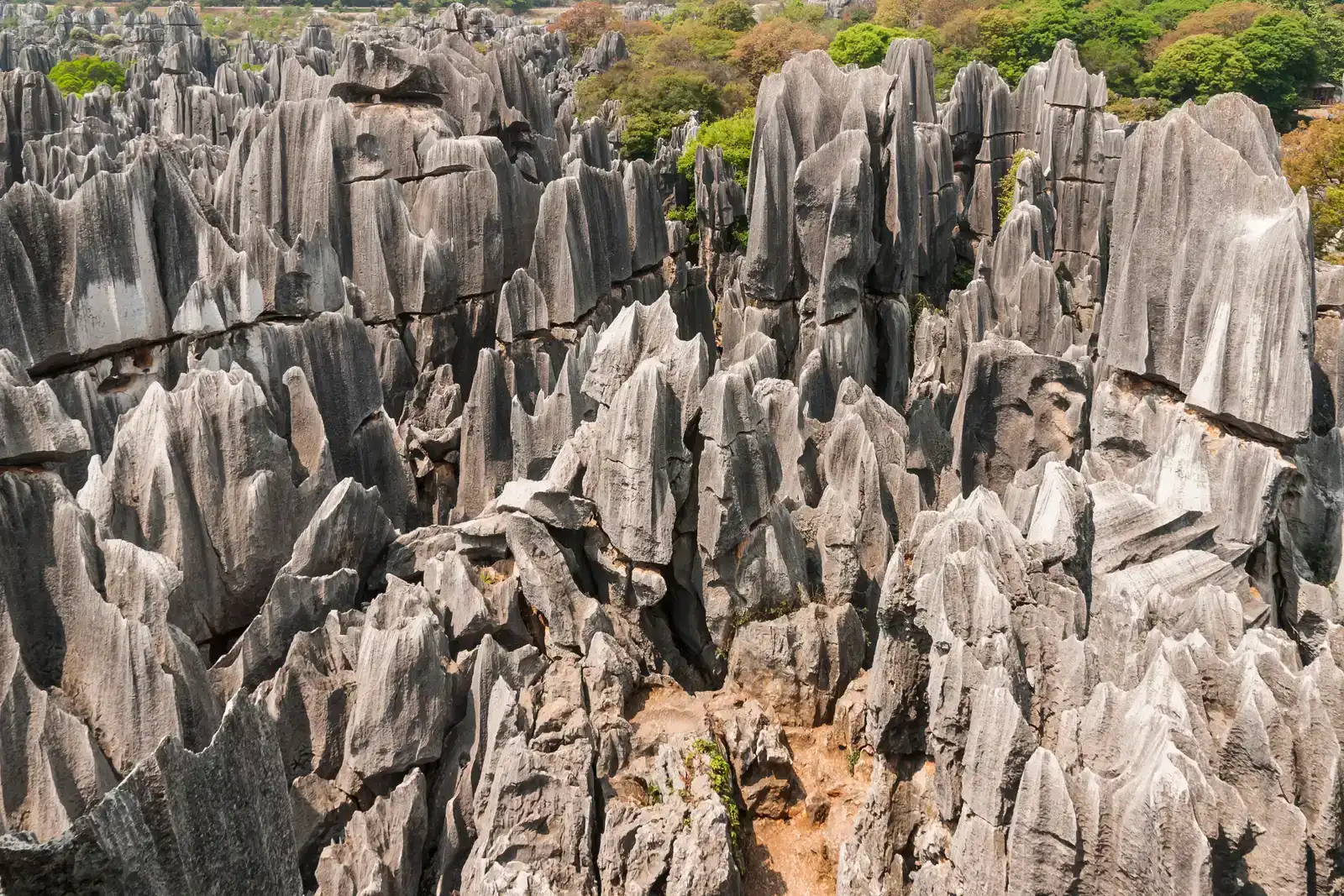
At first glance, China’s Stone Forest in Yunnan province looks like an army of petrified trees, their jagged gray spires pushing up from the ground like frozen lightning. In Madagascar, the Tsingy de Bemaraha plateau offers a similar sight: a fortress of needle-sharp limestone blades rising dozens of meters high. These landscapes are the product of karst – a process where slightly acidic water eats away at soluble rocks such as limestone and dolomite. Over millions of years, rain, underground rivers, and subtle shifts in groundwater carve intricate networks of towers, sinkholes, and caves. The result is a “forest” where the trees are stone and the canopy is made of knife-edges.
Yet even with karst theory in hand, geologists still wrestle with how such extreme shapes emerge in specific places and not in others with nearly identical rock chemistry. The balance between climate, tectonic uplift, fracture patterns, and biological activity, such as lichen and plant roots, seems to act like a complex recipe with no simple cookbook. Walk through these stone mazes and it feels less like erosion and more like growth, as if the rock were crystallizing upward. In a way, that comparison is not far off: both stone forests and crystals are governed by subtle feedbacks where small differences early on can explode into wildly different final forms.
A Lake That Turns Creatures to “Stone”
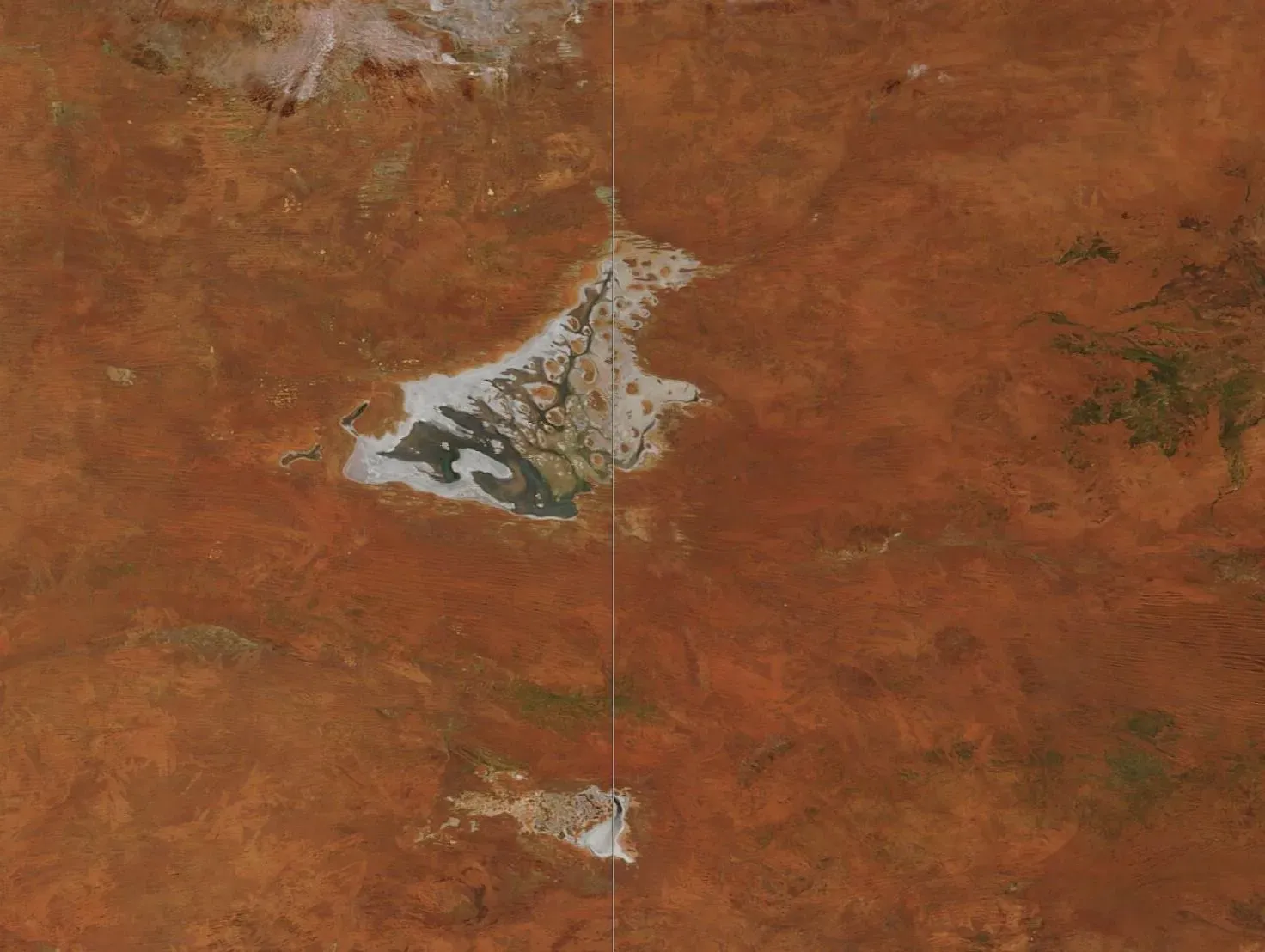
On the shores of Tanzania’s Lake Natron, dead birds and bats sometimes appear eerily preserved, their bodies stiff and encrusted as if transformed into macabre statues. Photos of these animals have gone viral, feeding the idea that the lake instantly petrifies anything that touches it. The truth is more nuanced but still unsettling. Lake Natron is a soda lake, loaded with dissolved salts like sodium carbonate and with water so alkaline it can irritate human skin. When animals die in or near the lake and are left undisturbed, mineral-rich waters can gradually coat and preserve them in a chalky shell.
Scientists understand the basic chemistry: intense evaporation, volcanic bedrock, and minimal outflow help concentrate salts to extreme levels. What remains puzzling is how sensitive the lake is to relatively small shifts in climate and hydrology, and how those shifts affect both life and death around its shores. In some years, Natron becomes a critical breeding ground for flamingos; in others, it is more like a chemical gauntlet. This dual nature – part sanctuary, part trap – makes it a powerful microcosm of how hostile environments can still foster highly specialized ecosystems. The line between deadly and life-sustaining here is razor-thin, and not fully mapped.
The Desert That Sings and Booms
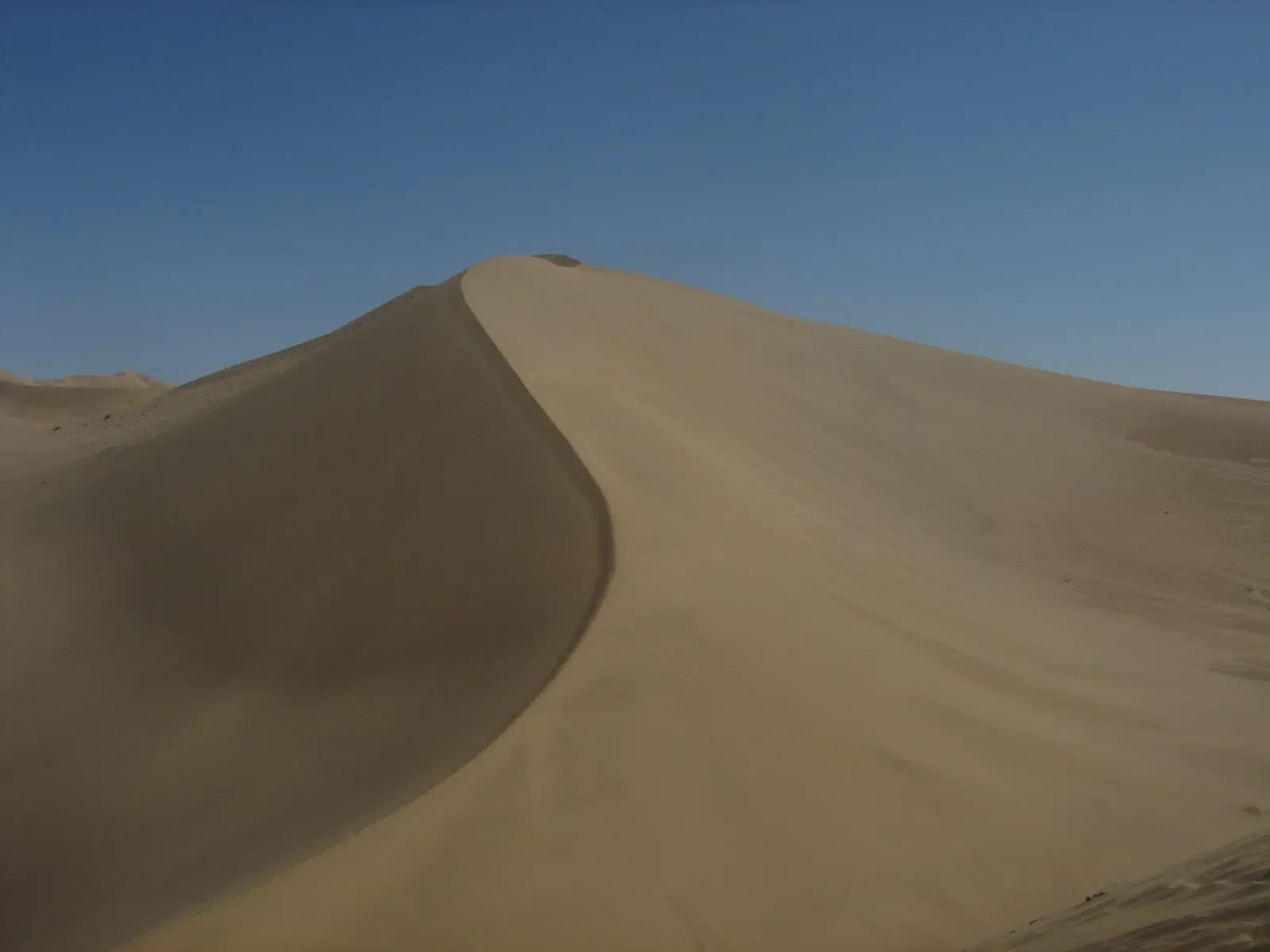
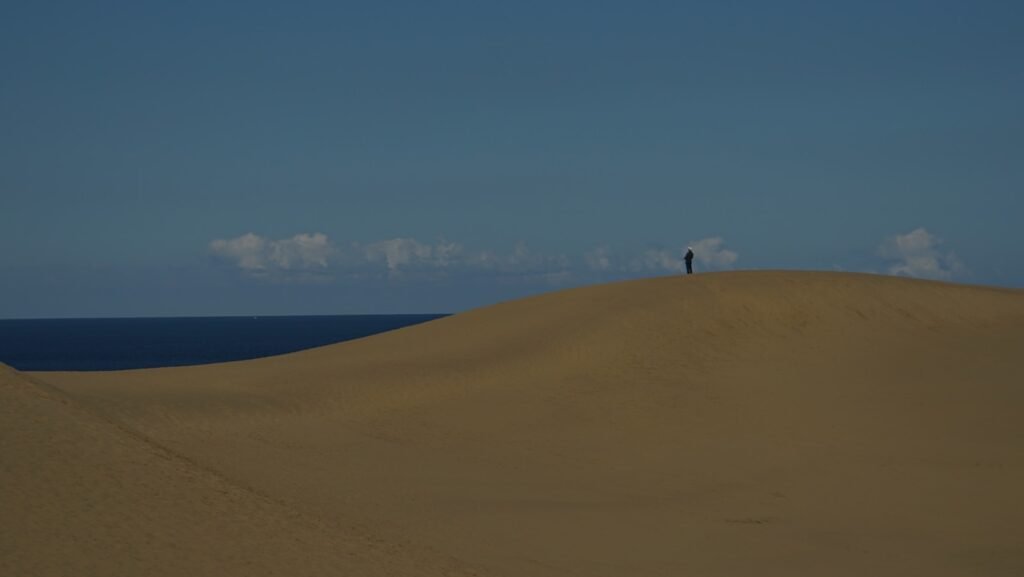
In certain remote dunes from China’s Badain Jaran Desert to Morocco’s Erg Chebbi and the sand seas of Nevada, the landscape actually seems to have a voice. Under the right conditions, sliding sand releases a deep, resonant hum that can last for minutes, like a low-flying aircraft overhead or a distant organ note. Travelers have described it as both beautiful and unnerving, and local legends have long woven it into tales of spirits and buried cities. Physicists and geologists have spent years trying to pin down why only some dunes “sing” while others remain stubbornly silent. Grain size clearly matters, as does the dryness and cleanliness of the sand, but these are only pieces of the puzzle.
Laboratory experiments and field tests suggest that when sand grains cascade together, they can synchronize their motion, amplifying sound in a kind of natural loudspeaker effect. But why that synchronization emerges only in particular dunes, and why the pitch can be so stable and rich, is still being refined in mathematical models. The phenomenon sits at the crossroads of granular physics, acoustics, and geomorphology – fields that do not always speak the same language. For scientists, booming dunes are like a live concert staged by Earth’s surface processes, a reminder that even something as ordinary as sand can behave in unexpectedly organized and musical ways.
A Hexagonal Dream of Cooling Lava
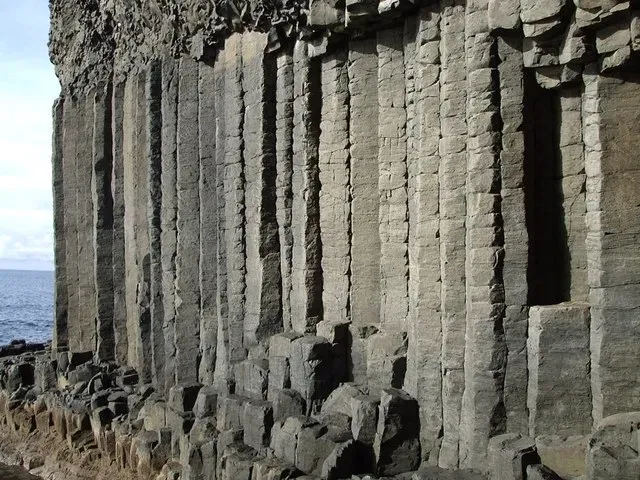
The Giant’s Causeway in Northern Ireland looks almost too geometric to be real: roughly forty thousand basalt columns packed together like a honeycomb, most with neat six-sided tops. Similar columnar basalts can be found in Iceland, California, and on the seabed, all bearing the same uncanny geometry. The textbook explanation is that when a thick lava flow cools and contracts, it fractures in a pattern that tends toward hexagons, much like drying mud. This framework is solid, backed by physics and field observations. Yet when researchers try to model the exact spacing, column size, and branching patterns seen in nature, the results still fall short of perfect.
Some flows produce towering, regular columns; others, laid down under seemingly similar conditions, devolve into chaotic fractures. Tiny differences in cooling rate, initial temperature, or water content can apparently rewrite the rock’s final architecture. For visitors standing on the Causeway’s tessellated surface, the effect is surreal, as if they are walking on the frozen blueprint of some ancient machine. For geophysicists, these columns are like a natural experiment in how materials crack and self-organize. We know the broad strokes, but the fine details of why the rock “chooses” hexagons here and rough polygons there still challenge our models.
From Fairy Circles to Perfectly Round Sinkholes
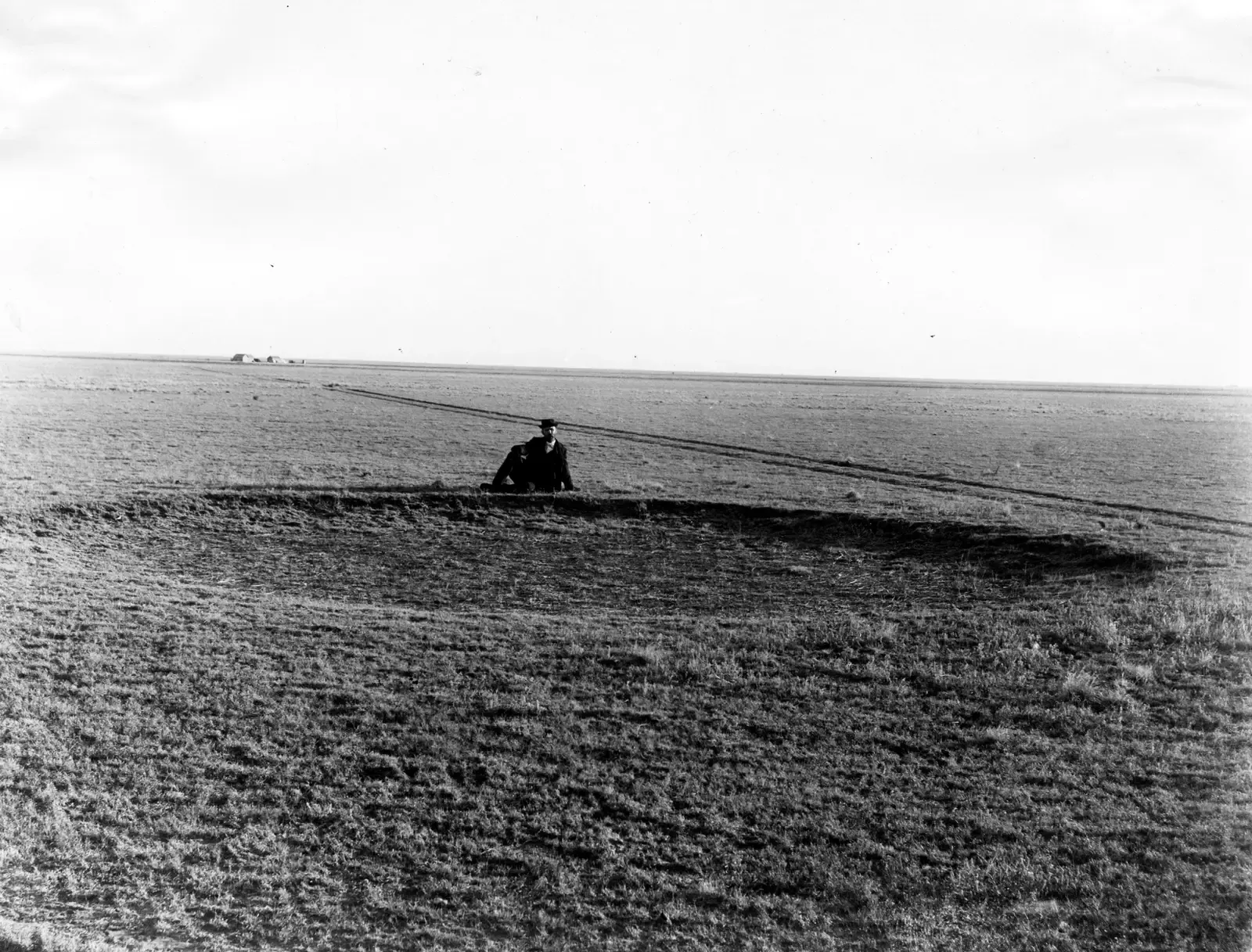
Across the grasslands of Namibia and parts of Western Australia, mysterious bare patches dot the ground in strangely regular patterns, like polka dots on a faded green fabric. These so-called fairy circles have sparked a tug-of-war of explanations, from termites engineering the soil to plants self-organizing for survival in arid conditions. Satellite imagery shows that the patterns can stretch for miles, maintaining uncanny regularity even as individual circles appear and disappear. Meanwhile, in places like Siberia and the Yucatán Peninsula, nearly perfect circular craters and sinkholes open abruptly, raising equally unsettling questions. Permafrost thaw, underground caverns, and ancient impact structures are all on the table.
What links these seemingly unrelated features is a deeper problem: nature often arranges itself into repeating patterns, yet the underlying rules are not always obvious. Mathematical models can sometimes recreate these dot-and-ring designs using simple assumptions about competition and resource flow. But matching those models precisely to real soil profiles, gas pressures, and root systems is far messier. Standing at the edge of a round sinkhole or inside a ring of bare earth, it is hard to escape the feeling that the ground is following instructions we have not yet fully decoded. For now, fairy circles and their circular cousins sit at the edge of explanation, half myth, half math problem.
The Hidden Clues: What These Places Reveal About Earth
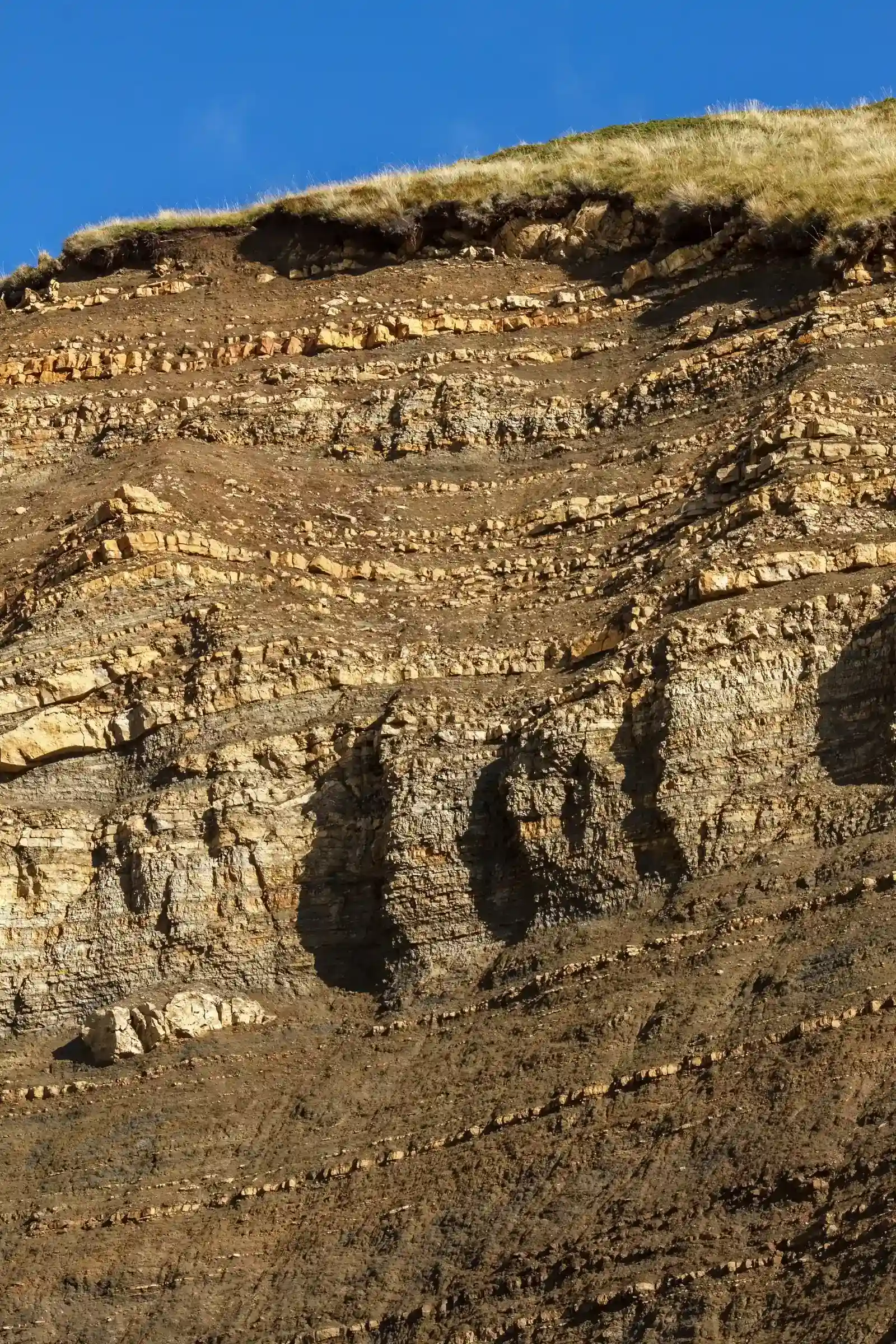
Individually, a humming dune or a hexagonal lava field might feel like a quirky exception, a strange footnote in a geology textbook. Taken together, these ten wonders hint at something deeper: our planet is wired for complexity, feedbacks, and surprises. Each site is a natural laboratory where temperature, chemistry, mechanics, and even biology collide in ways that strain simple cause-and-effect narratives. When scientists instrument a sailing stone or map the micro-fractures inside a basalt column, they are not just solving a puzzle for curiosity’s sake. They are probing how matter behaves under extreme or finely tuned conditions, knowledge that can ripple into materials science, climate research, and planetary exploration.
Some of the most intriguing insights from these places include:
- Desert playas and soda lakes help researchers understand how ancient Martian lakes might have behaved and preserved clues to past environments.
- Karst stone forests and sinkhole networks reveal how groundwater moves and stores contaminants deep underground.
- Patterned landscapes, from fairy circles to polygonal columns, test theories of self-organization that also appear in ice, magma, and even ecosystems.
In that sense, these oddities are not outliers at all; they are stress tests for our scientific frameworks. When a theory fails to capture a singing dune or a stone forest, it is the theory, not the dune or the forest, that must evolve. That quiet reversal – that the weird places are often the most honest ones – might be their most important clue of all.
Why It Matters: Beyond Postcard Mysteries
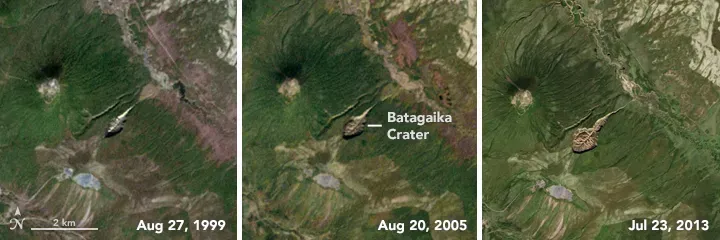
It is tempting to treat these sites as pure spectacle, the kind of “top ten weirdest places” list that lives and dies on social media shares. But behind the awe lies practical urgency. Understanding how permafrost craters form, for example, is directly tied to tracking methane release in a warming Arctic and predicting ground stability for communities and infrastructure. Likewise, detailed studies of soda lakes and hypersaline basins are helping scientists refine models of how water cycles operate on other planets and moons. What looks like a curiosity today can become a crucial dataset tomorrow when the world lurches into an unexpected climate or geological crisis.
There is also a more philosophical reason these places matter. Many of us grow up with the idea that Earth is a finished product, its big secrets already cataloged and filed away. Standing in front of a desert that sings or a forest made of stone blows a hole in that assumption. It reminds us that we are still early in the project of understanding our own planet. For policy makers, that humility can be a powerful check against overconfidence in models that ignore rare but consequential events. For everyone else, it is a nudge to stay curious, because the map is far from complete.
From Ancient Myths to Modern Science
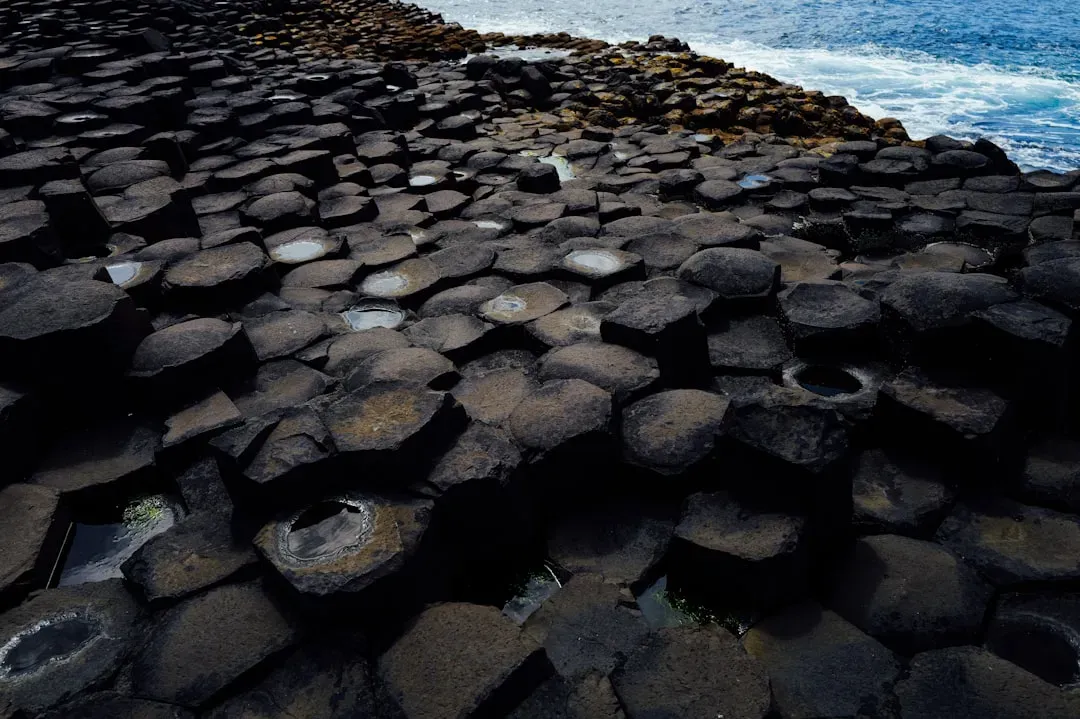
Long before geologists arrived with GPS units and spectrometers, communities living near these wonders tried to make sense of them in the only language they had: story. A causeway of hexagonal columns became the remnants of a giant’s bridge; booming dunes were the voices of restless spirits; petrified animals were warnings from offended gods. These stories may not pass peer review, but they capture something profound about living in intimate contact with a capricious landscape. When the ground itself sings or fractures into perfect shapes, it demands explanation, rational or not. In that way, myths can be read as an early form of geoscience: pattern recognition wrapped in drama and meaning.
Modern researchers often arrive with a different toolkit but a similar sense of unease and wonder. They drill cores, process satellite data, and run simulations, trying to replace mythic causality with physical mechanisms. Sometimes the new explanations are just as strange as the old tales – rocks surfing on ice rafts, dunes acting like giant resonant chambers, salt lakes embalming wildlife in highly alkaline baths. For me, visiting a place like Giant’s Causeway felt less like debunking legend and more like layering an extra lens on top of it. Science does not erase the emotional charge of these landscapes; if anything, tracing their histories back millions of years only raises the stakes of their stories.
The Future Landscape: New Tools, New Mysteries
In the coming years, a wave of new technologies promises to turn these enigmatic sites into open books – or at least into books we can finally start to read properly. High-resolution satellite constellations are already tracking minute changes in dune shapes, lake levels, and sinkhole growth in near real time. Drone-based lidar and ground-penetrating radar are giving scientists X-ray vision into the subsurface architecture of stone forests and karst systems without destructive drilling. Ultra-precise dating methods are narrowing down when specific columns formed, when a crater last erupted gas, or when a desert surface last saw running water. Each new layer of data tightens the circle around long-standing questions.
At the same time, these tools are revealing fresh mysteries hiding in plain sight. As coverage improves, researchers are spotting previously unknown patterned grounds, unexplained circular depressions, and bizarre rock formations in remote regions from Central Asia to Antarctica. Machine learning is starting to sift through the firehose of imagery, flagging anomalies that human eyes might miss. That process could uncover dozens of new “Death Valleys” or “Stone Forests” we have never set foot in. The irony is hard to miss: the better we get at observing Earth, the stranger it seems to become. The frontier is no longer just deep space – it is the planet beneath our feet, seen with sharper eyes.
How You Can Engage With Earth’s Strangest Places
You do not have to be a field geologist camped on a remote playa to be part of this unfolding story. One of the simplest steps is to treat viral images and claims about “impossible” places with both curiosity and skepticism, looking for the research behind the spectacle. Many projects studying lakes, deserts, and karst systems make their data and photos publicly available, and some even invite volunteers to help classify satellite images or report unusual formations. Supporting national parks and local conservation groups that protect these fragile sites is another tangible way to keep them intact for future science. Tourism, if done thoughtfully, can help fund research and stewardship rather than just footprint-heavy sightseeing.
If a trip is in reach, visiting one of these landscapes with a field guide in hand can be eye-opening in a way no screen can match. Watching how light moves across a basalt column field at low tide or how sound rolls off a dune at dusk anchors the science in lived experience. Even closer to home, paying attention to local geology – road cuts, quarries, odd hills – can sharpen your sense for the patterns that underlie the spectacular. The world of strange geological wonders is not a distant, closed club; it is an invitation to look more closely at where you stand. After all, who knows what future “unexplained phenomenon” is quietly forming beneath today’s seemingly ordinary ground?
Suhail Ahmed is a passionate digital professional and nature enthusiast with over 8 years of experience in content strategy, SEO, web development, and digital operations. Alongside his freelance journey, Suhail actively contributes to nature and wildlife platforms like Discover Wildlife, where he channels his curiosity for the planet into engaging, educational storytelling.
With a strong background in managing digital ecosystems — from ecommerce stores and WordPress websites to social media and automation — Suhail merges technical precision with creative insight. His content reflects a rare balance: SEO-friendly yet deeply human, data-informed yet emotionally resonant.
Driven by a love for discovery and storytelling, Suhail believes in using digital platforms to amplify causes that matter — especially those protecting Earth’s biodiversity and inspiring sustainable living. Whether he’s managing online projects or crafting wildlife content, his goal remains the same: to inform, inspire, and leave a positive digital footprint.