
America loves a good ghost story, but some places seem to collect them the way other towns collect souvenir mugs and ballparks. From abandoned asylums and underground tunnels to whole city blocks layered with tragedy, geology, and strange environmental quirks, these places keep producing reports of chills, shadows, and things that seem to move on their own. Scientists would say there’s always a rational explanation, yet even the research into why some cities feel so unsettling only deepens the mystery. This is where psychology, architecture, history, and even physics collide in a way that makes your spine tingle. Whether you’re a skeptic, a believer, or somewhere nervoly in between, these ten cities show that “haunted” is as much about the human brain and the built environment as it is about any ghost.
New Orleans, Louisiana: Ghosts in the Water and in the Walls
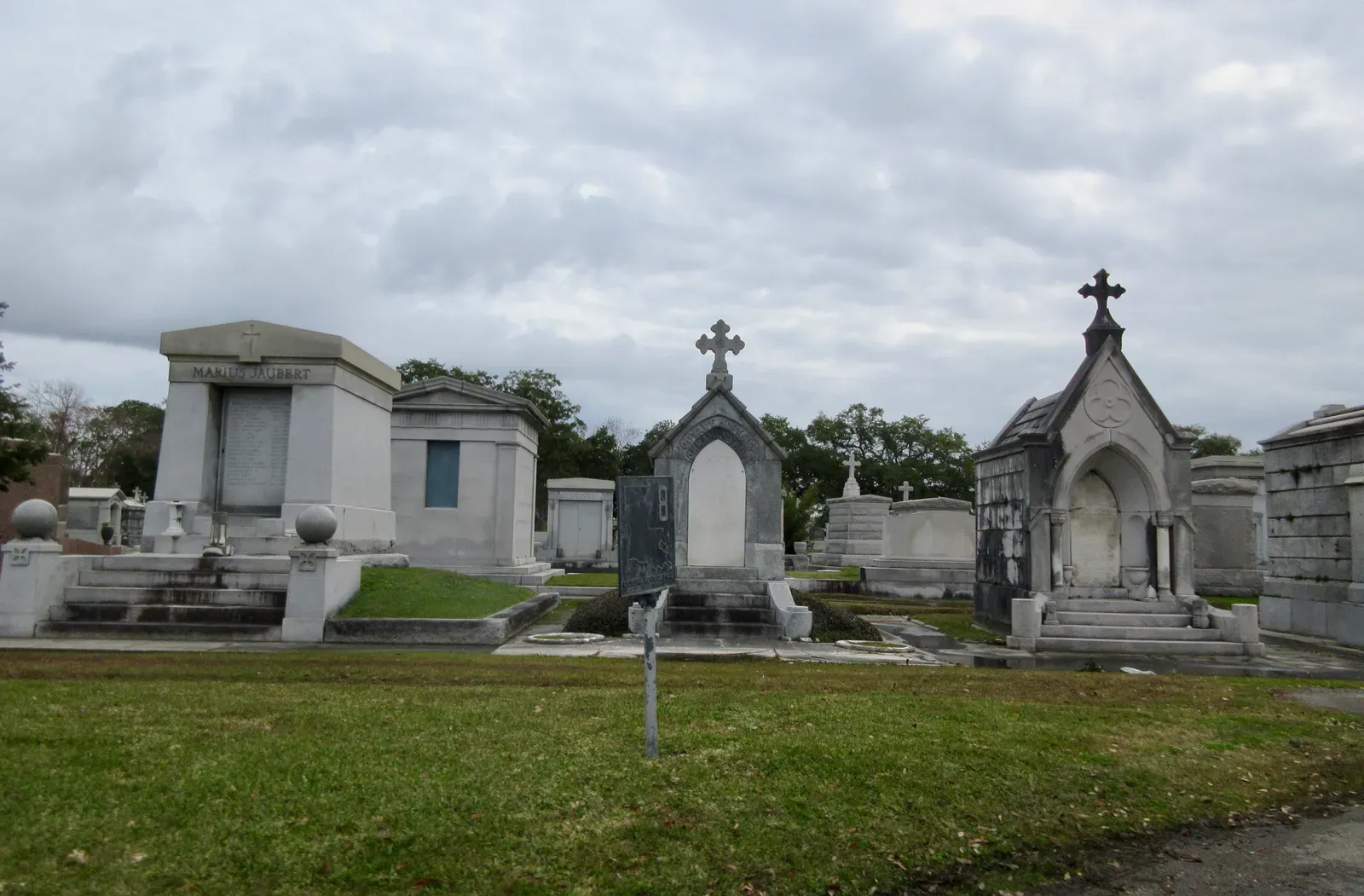
Walk through the French Quarter on a humid night and you can feel the air pressing against your skin like a damp hand. New Orleans sits low, close to sea level, wrapped in river, swamp, and Gulf; that geography means the city is literally built on water and buried history. Old cemeteries rise above ground becae the soil is too wet to hold traditional graves, so bone-white tombs loom over visitors like small marble hoes. That visual alone primes your brain to expect ghosts long before any story is told. Scientists know that context can shape what we perceive, and here the context is a 24‑hour haunted stage.
The city’s violent past – enslavement, epidemics, hurricanes – adds another psychological layer. Strong emotional events leave a kind of social “imprint” in collective memory, so every creaking door or flickering light is instantly tied to a story you already half know. Combine that with narrow streets, echoing courtyards, and sudden fog banks rolling off the river, and you get the perfect setup for misinterpreting shadows and sounds. In a way, New Orleans is a full‑scale experiment in how environment pl expectation can produce real fear, even if no one is actually there.
Savannah, Georgia: A City Built on Its Own Dead
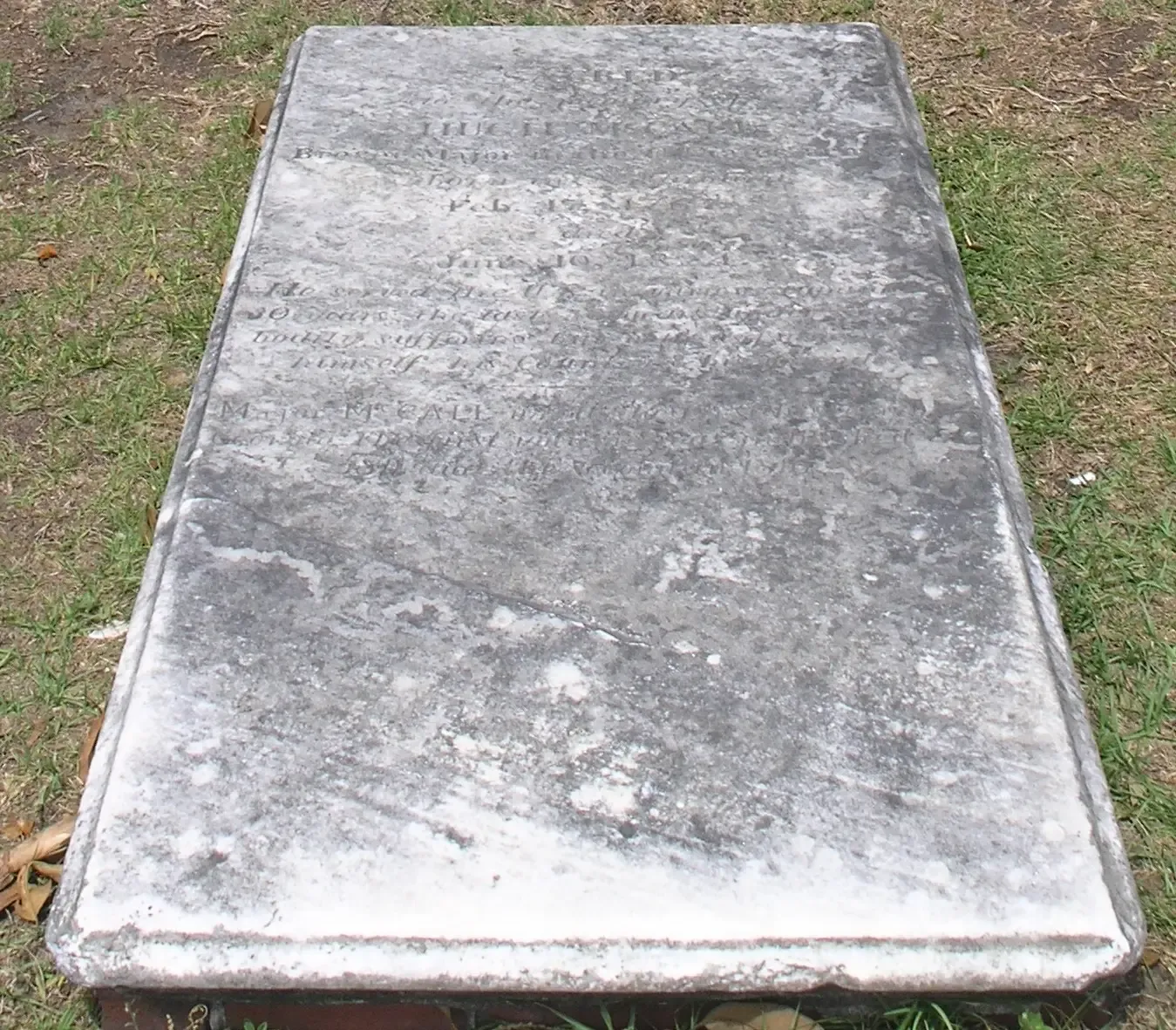
Savannah looks like an elegant Southern painting until you realize how much of it is literally on top of graveyards. Over time, the city expanded across old burial grounds, moving headstones but not always the bodies beneath. Urban historians have documented streets and squares where construction crews routinely dig up bones, then quietly rebury them or work around them. If you think about it, many American cities have layers of the dead, but Savannah talks about it openly, which supercharges the sense that the ground itself is haunted.
From a psychological standpoint, that knowledge changes how people interpret every creak in an old townhoe or strange draft in a hotel corridor. Cognitive scientists talk about “priming”: once a ghost idea is in your head, ambiguo sights and sounds start to look like evidence. Savannah’s heavy oaks, dripping with Spanish moss that moves even in gentle breezes, create constantly shifting patterns of light and shadow across facades and windows. Add in high humidity, which carries sound and makes noises travel oddly far, and the city becomes an acotic funhoe where your brain is working overtime to explain what it hears. Fear here is not jt about spirits; it is about living inside a story you have been told your whole life.
Salem, Massachetts: The Weight of Mass Hysteria
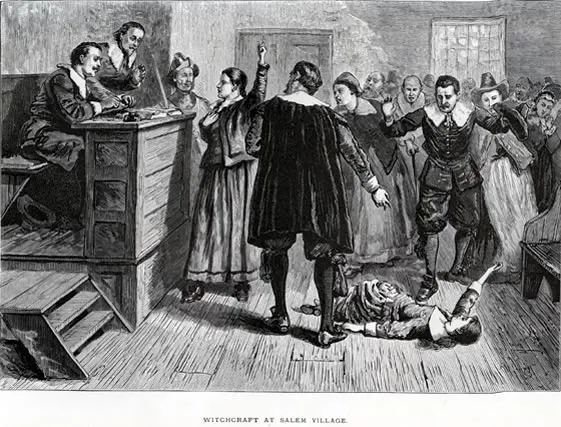
Salem’s spookiness is different becae it is rooted in a documented case of mass panic and judicial catastrophe. The witch trials of the late seventeenth century saw neighbors turn on each other, with accations, confessions, and executions all fueled by fear and suggestion. Modern researchers have revisited this history through lenses like social psychology, law, and even environmental science. Some have proposed that contaminated grain could have triggered neurological symptoms; others foc on the powerful feedback loops that happen in tight communities under stress. Whatever the exact mix, Salem stands as a laboratory of how belief can become deadly real.
Walk its streets now and you are constantly reminded that wrong decisions made under fear can leave scars for centuries. Haunted attractions and meums line up beside memorials and quiet residential blocks, creating a strange mix of tourism and solemnity. That contrast alone can be disorienting, nudging your emotions between fascination and unease. For many visitors, the spookiness is not jt ghost stories; it is the creeping realization that perfectly ordinary people once saw demons in their neighbors. In that sense, Salem’s ghosts are not invisible figures in the dark but the persistent question: what are we capable of believing when enough of are afraid?
Gettysburg, Pennsylvania: Echoes on the Battlefield
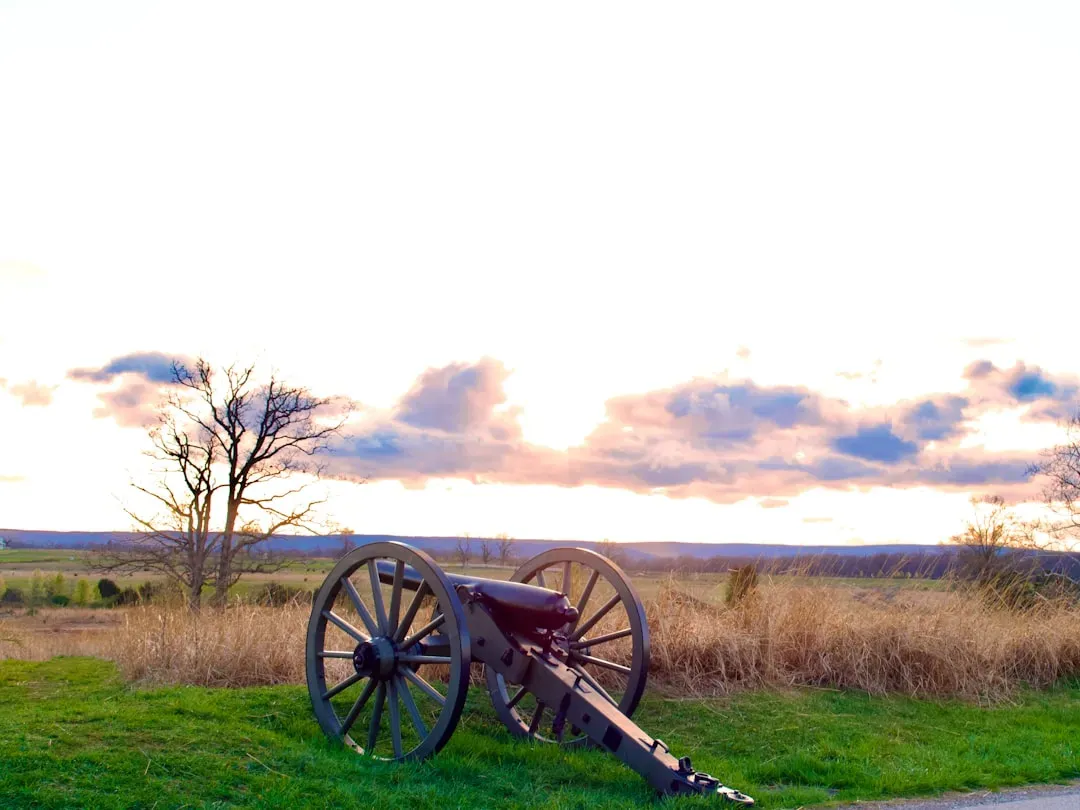
Gettysburg is described so often as haunted that it almost sounds like a cliché, but there is a stark numerical reality beneath the stories. In jt a few days of the Civil War battle, tens of thoands of soldiers were killed, wounded, or went missing in a concentrated area of rolling fields and rocky hills. Places tied to intense trauma and death tend to become magnets for ghost narratives, and Gettysburg fits that pattern almost too well. Guides and visitors report strange sounds, moving mists, or lights in areas where historical records place heavy fighting. Whether or not any of that is supernatural, the emotional charge of the landscape is hard to ignore.
Neuroscientists have shown that memory and emotion are tightly linked, and places that carry powerful historical stories can trigger a sort of secondhand memory in visitors. When you know what happened in a particular field, your brain fills in missing sensory details: shouts, gunfire, the smell of smoke, even if the present-day environment is silent. Add in long sightlines, sudden temperature changes as wind whips over open ground, and the audiovisual distortions of nighttime, and you have a perfect recipe for eerie experiences. Gettysburg is spooky not only becae of what people claim to see, but becae of how it forces you to confront the scale of loss that happened on soil that now looks deceptively peaceful.
St. Augtine, Florida: Old Stones, Shifting Lights
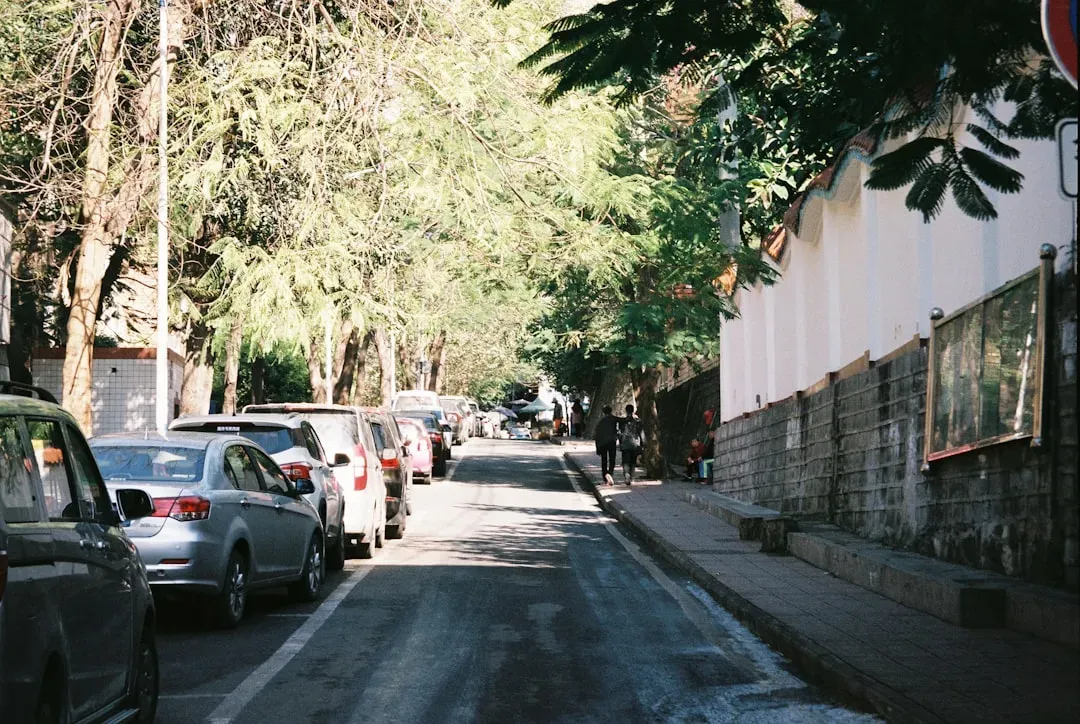
St. Augtine markets itself as the oldest continuoly occupied European-founded city in the United States, and you can feel that age under your shoes. Coquina stone fortifications, narrow streets, and thick-walled buildings create a maze of reflective surfaces and deep shadows. Physicists who study light in urban environments point out that rough stone and irregular architecture can scatter and bend light in surprising ways. A passing car’s headlights, for example, can bounce down an alley and appear as a floating glow where no vehicle is visible. In a place already steeped in pirate tales, sieges, and shipwrecks, those stray reflections easily become ghost lights in the imagination.
Humidity and coastal weather add another level of strangeness. Warm, moist air can create temperature inversions that bend sound, making distant voices or footsteps seem much closer or even disembodied. Add in the scent of salt, sudden mists, and the low murmur of the ocean, and nighttime walks can feel uncannily alive. Tour guides lean into this, and their stories form a feedback loop with the environment. The more you expect something uncanny, the more you notice every flicker and whisper. St. Augtine shows how old stones and simple optics can weave themselves into stories that feel truly supernatural.
San Francisco, California: Fog, Fault Lines, and Phantom Footsteps
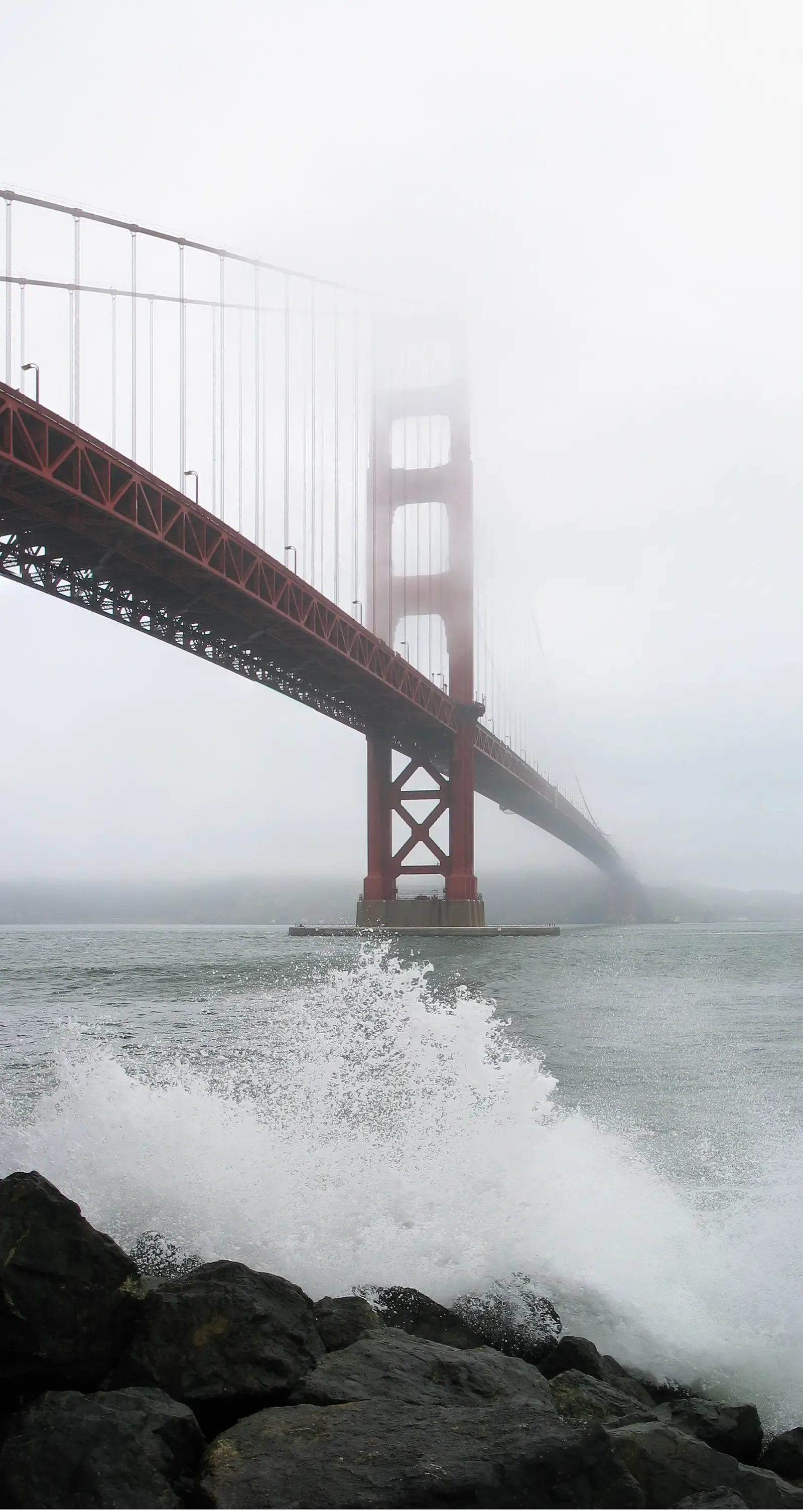
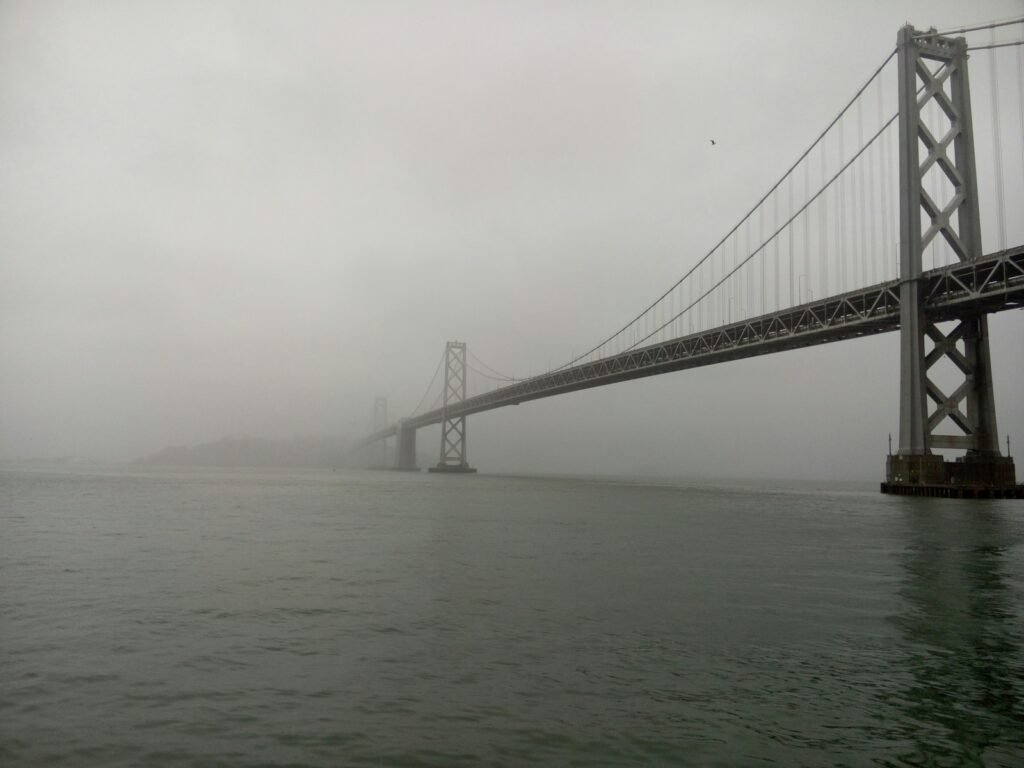
On paper, San Francisco might seem too tech-forward and crowded to feel haunted, but the city’s physical setting does a lot of the spooky work. Dense Pacific fog pours through the Golden Gate and drapes entire neighborhoods in a thick, moving blanket. Visibility drops, sounds muffle, and familiar streets become ghostly outlines. Meteorologists know this fog well – it is driven by temperature differences between cool ocean air and warm inland valleys – but understanding the physics does not stop the shiver when a cable car bell rings from somewhere you cannot see. In that low-contrast world, shadows and movement become far easier to misinterpret.
Beneath the city, major fault lines are constantly storing and releasing geological stress, and residents live with an undercurrent of seismic anxiety. That background worry makes every creak in an old Victorian hoe or slight vibration feel like a potential threat. Studies show that people in high-risk areas often have heightened sensitivity to environmental cues, especially at night. Combine that with a history of fires, epidemics, and shipwrecks along the bay, and you get a city where ghost stories and disaster preparedness live side by side. San Francisco’s eeriness is less about a single haunted building and more about the sense that the ground itself is never entirely still.
Chicago, Illinois: Indtrial Shadows and the Science of Fear
Chicago’s spooky reputation often centers on tragedies like the Eastland disaster or the Iroquois Theatre fire, but the city’s indtrial past also plays a quiet role. Old warehoes, rail yards, and miles of tunnels under the Loop create a built environment filled with echo chambers and blind corners. Acotical engineers have shown that hard, angular surfaces can reflect and distort sound in ways that make footsteps or voices seem to come from the wrong direction. In dim light, that mismatch between what you see and what you hear can trigger the brain’s threat detection systems, making entirely normal environments feel unsafe.
Psychologists studying fear talk about the “uncanny valley” not jt in robotics, but in spaces: when a place is almost familiar but slightly off, it can feel deeply unsettling. A half-abandoned indtrial block with one flickering light qualifies perfectly. Chicago’s extreme seasonal shifts – from bright, noisy summers to long, gray winters – also change how people experience the same streets. In winter, snow dampens sound and early darkness extends the hours when the city feels half asleep. All of this sets the stage for ghost stories tied to riverwalks, old hotels, and historic neighborhoods. The scientific explanation does not erase the chill; it jt helps map the pathways from steel and stone to the back of your neck.
Charleston, South Carolina: Tides, Trauma, and Time Loops
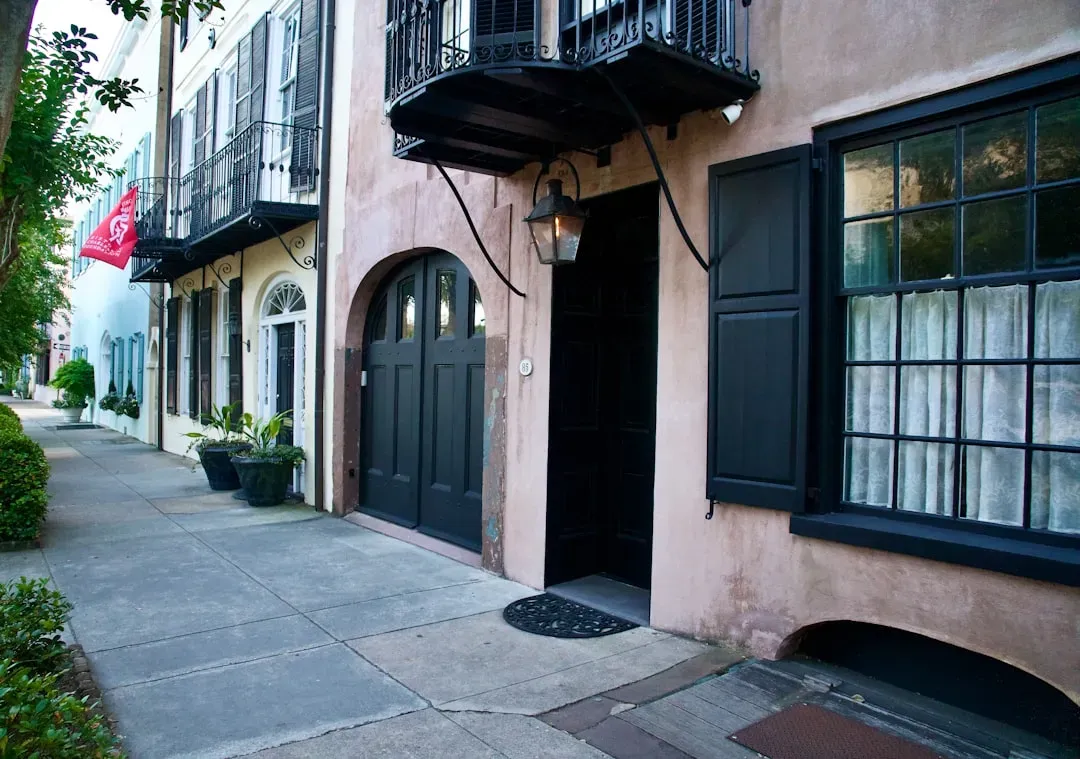
Charleston’s cobblestones, pastel facades, and waterfront views disguise how much of the city is a palimpsest of conflict, slavery, and hurricanes. Many buildings have been rebuilt or patched together after fires and storms, leaving irregular walls, hidden passageways, and sealed rooms behind the visible surfaces. Structural engineers know that such patchwork construction can produce odd creaks, drafts, and temperature variations as materials expand and contract at different rates. To a late-night visitor, those mundane processes feel like footsteps, sighs, or invisible presences moving through the hoe. The past feels close becae the buildings themselves have grown in layers around it.
Geography plays its own whispering role. Charleston sits on a low coastal plain, where tides, marshes, and shifting groundwater can change the way the ground transmits vibration and sound. That means a carriage rolling down the street or a distant boat horn might resonate through foundations in unpredictable ways. Human brains are wired to assign meaning to patterns, so we turn these strange sounds into narratives of soldiers, sailors, or lost residents trapped in loops of time. Over generations, families pass these stories down alongside the science, and both versions of the city – the rational and the haunted – coexist in people’s minds.
Portland, Oregon: Underground Tunnels and Atmospheric Tricks
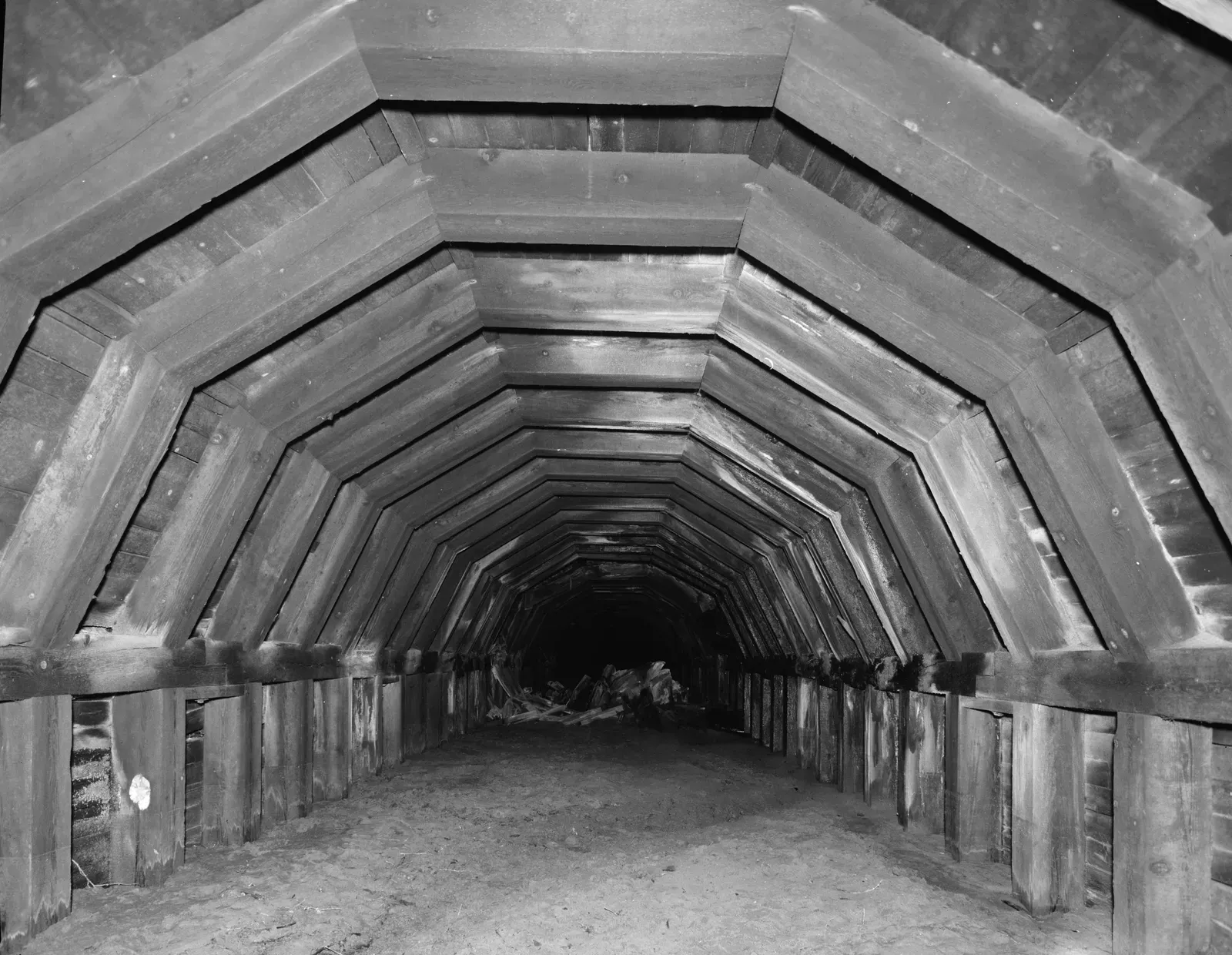
Portland’s spookiness often centers on its network of old underground passages, sometimes called the Shanghai Tunnels, where stories of abduction and smuggling mix with fact and exaggeration. Even without any paranormal angle, those tunnels are textbook examples of how sensory deprivation can scramble the brain. Low light, stale air, and cramped spaces sharpen every sound and shadow. Studies of confined environments, from caves to submarines, show that people can quickly lose their sense of time and direction in such conditions. Add a few unsettling stories, and it is no surprise that visitors report uneasy feelings or glimpses of movement at the edge of vision.
Up at street level, Portland’s weather adds its own eerie filter. Frequent rain and overcast skies lower contrast and mute colors, turning streets into soft gray corridors. At night, wet pavement reflects streetlights and car beams, doubling and stretching light sources into strange patterns. Neuroscience tells that the visual system works hardest in low-light conditions, trying to stabilize a world that keeps changing with each drop of water and flicker of neon. In that state, the line between perception and imagination gets blurry. Portland shows that you do not need a castle or battlefield for a place to feel haunted; you jt need the right mix of environment and expectation.
Why These Cities Feel So Haunted: The Hidden Science of Spookiness
When you line these cities up, patterns start to emerge that say as much about human brains as about any ghosts. Many have complex histories of trauma – wars, fires, epidemics, or injtice – that load specific locations with powerful stories. Social scientists note that places tied to intense emotion tend to generate legends, which are then passed down and amplified. Those stories prime visitors long before they arrive, creating what researchers call expectancy effects: you notice what you are prepared to see. In that way, ghost tours and local lore act almost like a psychological lens that bends every creak and shadow into the shape of a haunting.
Environmental factors, too, repeat from city to city: humidity, fog, old stone, tunnels, and intricate architecture that plays tricks with light and sound. At the edge of our sensory limits – low light, muffled audio, shifting air – our perception becomes more like informed guesswork. The brain fills in blanks ing memory and emotion, and sometimes those guesses feel like a presence jt out of view. None of this means that every eerie experience is trivial; it means that the real mystery often lies inside our own nervo system. The science does not cancel the thrill, it explains why certain cities are such reliable stages for it.
The Future of Haunted Cities: Sensors, Simulations, and New Stories
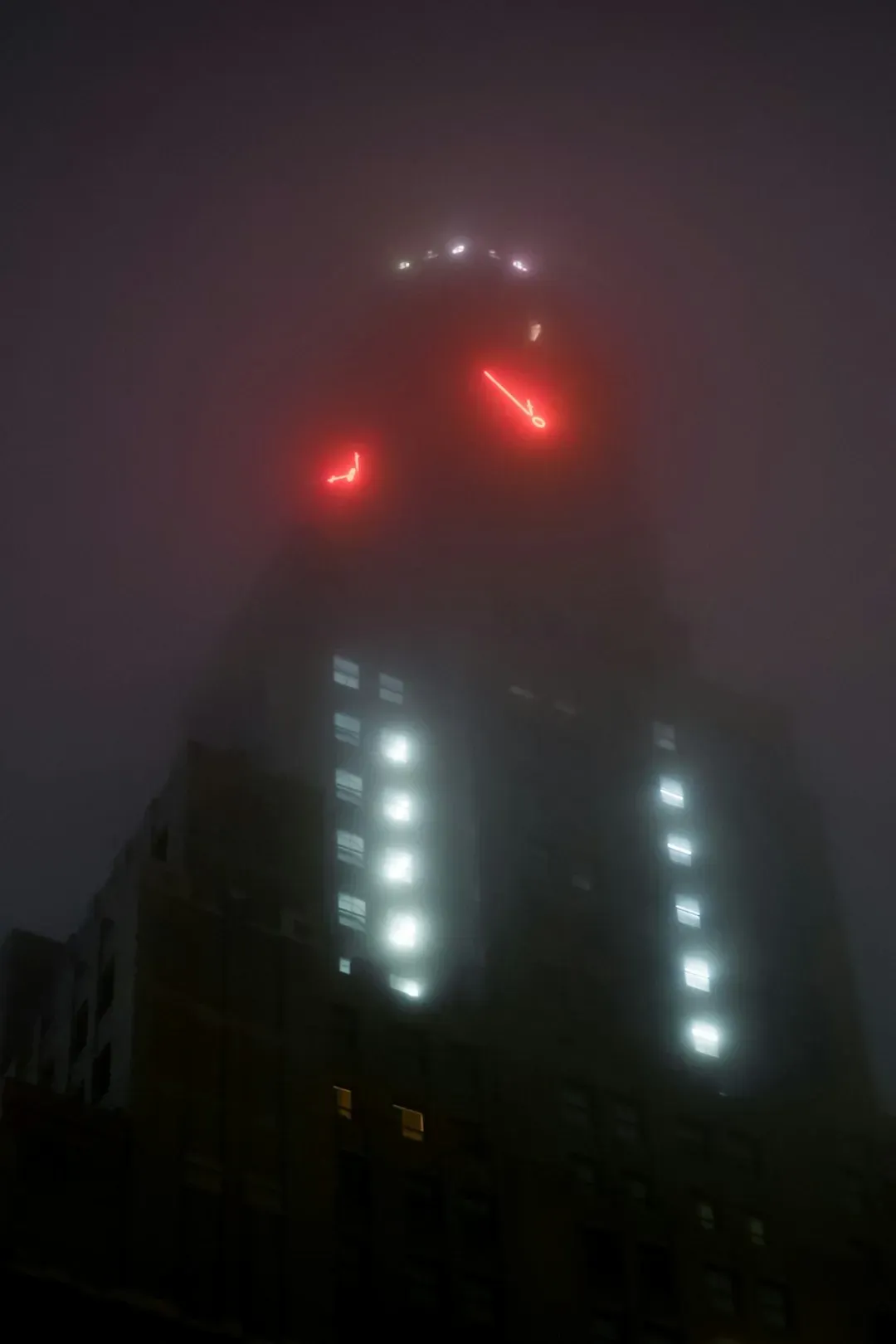
In the next decade, the spookiest American cities may also become some of the most carefully measured. Researchers are already ing high‑sensitivity microphones, thermal cameras, and environmental sensors to map “haunted” locations in fine detail. Imagine tours that overlay augmented reality on real alleys and hotel hallways, showing temperature gradients, airflows, and acotic reflections where people commonly report ghostly encounters. Such projects could turn fear into a teachable moment about physics, architecture, and the limits of our senses. At the same time, they would likely reveal how small, repeatable quirks in a building or street can generate generations of stories.
There is a social and economic angle too. Many of these cities rely on ghost tourism as a meaningful piece of their identity and revenue. As technology gives visitors more tools to investigate and document their experiences, new kinds of narratives will emerge. Some people will lean harder into skepticism, ing data to debunk myths; others will embrace the idea that even if the ghosts are in our heads, the feelings are real. In that evolving landscape, haunted cities become living laboratories where science, history, and folklore continuoly rewrite one another.
How You Can Engage With Haunted Cities: Curio, Critical, and Respectful
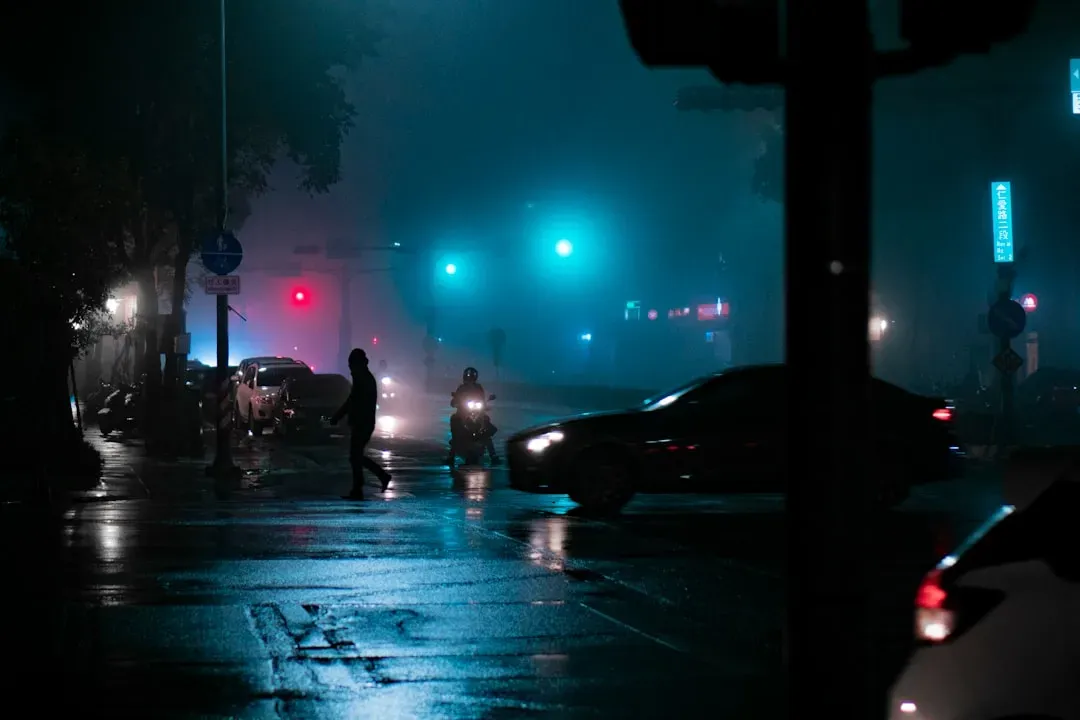
Visiting these spooky cities can be more than jt chasing a late‑night scare; it can be a way to explore science and history with your own senses. One simple step is to notice when your expectations are being shaped: before a tour or walk, ask yourself what stories you have already heard and how they might color what you perceive. As you move through a place, pay attention to environmental details – light sources, echoes, drafts – and try to connect them with any strange sensations you feel. This does not ruin the mood; it actually deepens it by letting you watch your own brain at work. You become both participant and observer in the haunting.
You can also support local meums, historical societies, and science outreach programs in these cities. Many are starting to frame ghost narratives as gateways into conversations about geology, architecture, social jtice, and psychology. Choosing tours and experiences that treat past tragedies with care rather than sensationalism helps ensure that haunted reputations do not come at the cost of respect. And if you are not traveling, you can still dive into research on perception, fear, and urban environments, then carry that knowledge into your next nighttime walk in your own town. After all, the scariest and most fascinating lab you have access to is the one behind your eyes, listening for footsteps in the dark.
Suhail Ahmed is a passionate digital professional and nature enthusiast with over 8 years of experience in content strategy, SEO, web development, and digital operations. Alongside his freelance journey, Suhail actively contributes to nature and wildlife platforms like Discover Wildlife, where he channels his curiosity for the planet into engaging, educational storytelling.
With a strong background in managing digital ecosystems — from ecommerce stores and WordPress websites to social media and automation — Suhail merges technical precision with creative insight. His content reflects a rare balance: SEO-friendly yet deeply human, data-informed yet emotionally resonant.
Driven by a love for discovery and storytelling, Suhail believes in using digital platforms to amplify causes that matter — especially those protecting Earth’s biodiversity and inspiring sustainable living. Whether he’s managing online projects or crafting wildlife content, his goal remains the same: to inform, inspire, and leave a positive digital footprint.