

Your brain is incredible, but like any sophisticated machine, it changes as you age. While some cognitive decline is natural, cutting-edge research reveals that your lifestyle choices dramatically influence how quickly your brain ages. Scientists have discovered simple, everyday habits that can literally slow down brain aging and preserve your mental sharpness well into your golden years.
Recent studies suggest that structured interventions can lead to meaningful improvements in cognitive function. Think about that for a moment – people actively improved their cognitive abilities rather than simply declining. What’s even more remarkable is that not all cognitive decline that occurs with age is inevitable. You have more control than you might think.
So let’s explore these evidence-based habits that can keep your mind sharp, vibrant, and years younger than your chronological age.
Get Your Body Moving With Regular Physical Activity

Your brain loves movement, and the science proves it dramatically. High levels of physical activity may mitigate brain loss in adults and help maintain long-term cognitive health. Physical exercise isn’t just about staying fit – it’s literally feeding your brain what it needs to stay young.
When you exercise regularly, you’re protecting specific brain regions that typically shrink with age. The researchers found that larger right superior parietal volume is linked to better cognitive function including inductive reasoning, long-term memory, working memory, and verbal fluency. This means your workouts today are safeguarding your mental abilities tomorrow.
You don’t need to become a marathon runner overnight. An observational study with cognitively normal, late-middle age participants found that more time spent doing moderate levels of physical activity was associated with a greater increase in brain glucose metabolism. Even walking your dog, gardening, or dancing counts as brain protection.
Practice Mindfulness Meditation Daily

Meditation might sound mystical, but its brain benefits are scientifically solid. Advanced meditators showed significant brain preservation compared to their chronological age. This finding suggests that dedicated meditation practice may not merely slow brain aging but potentially reverse it. Imagine having a brain nearly six years younger than your actual age.
The magic happens because meditation rewires your brain in protective ways. Scientific inquiry into understanding the neuroscience behind this ancient spiritual practice has applied leading-edge neuroimaging techniques showing that regular, mindfulness meditation practice increases aspects of brain function and structure that tend to decline with normal aging. Your prefrontal cortex and hippocampus literally grow stronger with practice.
Starting is simpler than you think. Even twelve minutes daily can create measurable changes. Most noteworthy is the fact that KK is a self-directed training program using a CD with the amount of time necessary being only 12 minutes a day for these results to be observable.
Prioritize Quality Sleep Every Night

Sleep isn’t just rest – it’s when your brain performs critical maintenance and repair. Poor sleep literally ages your brain faster than normal. People with poor sleep show accelerated brain aging compared to good sleepers, and the effects compound over time.
The connection between sleep and brain aging is particularly striking in midlife. Compared to the 70% of the sample who reported having little trouble sleeping, those with moderate difficulty (22%) had brains that were 1.6 years older, while those with the most difficulty (8%) had brains that were 2.6 years older. Your sleep quality today directly impacts your cognitive future.
Creating better sleep hygiene pays immediate dividends. Consistency matters. Train your body to sleep well by going to bed and getting up around the same time each day. Your brain craves routine, and consistent sleep schedules help maintain the natural rhythms that support cognitive health.
Manage Stress Through Healthy Coping Strategies

Chronic stress is like poison to your aging brain. Studies show that chronic stress can cause age-related diseases. It also ages the brain by up to four years. The good news? You can learn to manage stress in ways that actually protect your brain.
Stress management isn’t just about feeling better – it’s about preserving brain structure. Mental training for stress reduction and emotional and attentional regulation through meditation practice might help reduce these adverse factors. When you develop healthy coping mechanisms, you’re building a shield around your cognitive abilities.
Simple stress-reduction techniques work remarkably well. Simple habits like taking a daily walk or connecting with loved ones can make a big difference. They nurture emotional health and protect against cognitive decline. The key is consistency rather than perfection.
Volunteer or Help Others Regularly

Giving back to others isn’t just good karma – it’s brain protection. The researchers discovered that people who volunteered their time or regularly offered help to others showed reduced cognitive decline linked with aging than those who didn’t help others. The cognitive benefits are substantial and measurable.
The sweet spot for brain benefits is surprisingly achievable. When they dove a little deeper into the data, they discovered that people who spent around two to four hours a week giving back saw the biggest benefit. This means volunteering for just a couple hours weekly can significantly slow cognitive aging.
The brain benefits come from multiple sources. Volunteering and helping others engage both the brain and body in ways that protect against cognitive aging. These activities provide social connection, a sense of purpose, and often an environment that can be cognitively stimulating.
Maintain Strong Social Connections

Your social life directly impacts your brain health. Isolation damages cognitive function, while meaningful relationships protect it. Isolation is horrible for your brain. But once you get to a point where you are moving and eating healthy, your energy level changes, and I think you automatically become more social.
Social engagement works by challenging your brain in natural, enjoyable ways. Becoming better at socializing was another key part of the program. The researchers tasked teams with assignments, such as speaking to strangers or going out with friends. These activities force your brain to process complex social information, keeping neural pathways active and strong.
The research shows clear benefits from structured social activities. Building friendships and maintaining them requires cognitive flexibility, emotional regulation, and communication skills – all of which keep your brain young and adaptable.
Follow a Brain-Healthy Diet

What you eat directly impacts how your brain ages. Observational research has linked MIND style eating to slower cognitive decline in older adults. The Mediterranean and MIND diets aren’t just trendy – they’re scientifically proven to support brain health.
Another diet, called MIND, is a combination of the Mediterranean and DASH (Dietary Approaches to Stop Hypertension) diets. The MIND diet has also been associated with a reduced risk of Alzheimer’s and a slower rate of cognitive decline in some studies. These eating patterns emphasize foods that nourish your brain and reduce inflammation.
The key is focusing on nutrient-dense foods that support brain function. Be mindful of your diet. Choose foods that are nutritionally dense, low in animal fats, and high in vitamins and fiber. Think colorful vegetables, fatty fish, nuts, and whole grains – foods that provide the building blocks your brain needs to stay sharp.
Keep Learning New Skills

Your brain thrives on novelty and challenge. The key factor to prevent cognitive decline is to continue challenging our brains throughout life. Learning new skills creates neural pathways and strengthens existing ones, essentially giving your brain a workout.
Cognitive training shows real benefits when done properly. A PLoS Medicine meta analysis found modest gains from such training in healthy older adults, and design details like supervision and frequency seemed to matter. The key is engaging in activities that genuinely challenge you rather than simply entertaining you.
Examples include learning a new language, taking up a musical instrument, or mastering a craft. The important thing is pushing yourself beyond your comfort zone regularly. I often see people who slow down after retirement, and I always encourage them to stay cognitively active. Volunteering is a wonderful way to do that.
Control Your Blood Pressure
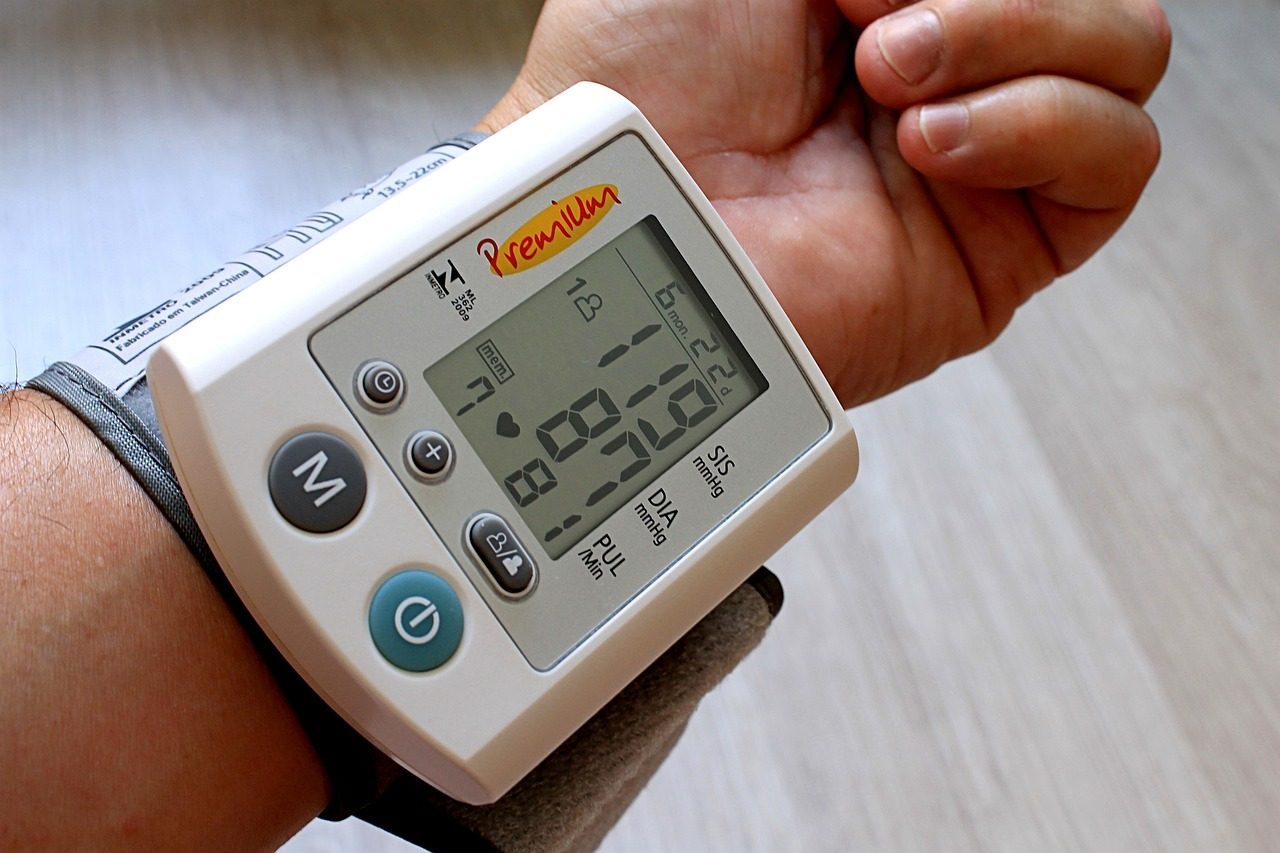
Your cardiovascular health and brain health are intimately connected. Preventing or controlling high blood pressure not only helps your heart but can also help your brain. Decades of observational studies have shown that having high blood pressure in midlife – from the 40s to the early 60s – increases the risk of cognitive decline later in life.
The research shows dramatic benefits from blood pressure control. Further, in the large SPRINT MIND study, researchers found that people age 50 and older who lowered their systolic blood pressure to less than 120 mmHg reduced their risk of developing mild cognitive impairment. This represents one of the most powerful interventions for brain protection.
Managing blood pressure involves multiple lifestyle factors working together. Regular exercise, stress management, healthy eating, and adequate sleep all contribute to cardiovascular health, which directly supports brain aging.
Build Comprehensive Lifestyle Changes

The most powerful approach combines multiple brain-healthy habits rather than focusing on just one. An earlier Finnish multidomain trial, known as FINGER, also found that a combined approach to exercise, diet, brain training, and vascular care can help older adults at risk maintain thinking skills. This integrated approach produces results greater than the sum of its parts.
The structured programs work because they address multiple risk factors simultaneously. The other half entered an intensive, highly structured program that included aerobic exercise four times a week, adherence to a heart-healthy Mediterranean diet, online cognitive training, mandatory social activities and monitoring levels of blood pressure and blood sugar. This comprehensive approach creates synergistic benefits.
Support and structure seem to matter, not just the ingredients. The results point to the value of clear goals, regular feedback, and a group that keeps you accountable. Creating systems and accountability helps ensure you maintain these brain-protective habits long-term.
Conclusion

These ten evidence-based habits offer genuine hope for maintaining cognitive vitality as you age. These people are obtaining cognitive function scores that are similar to people [like them who are] one to two years younger than they are. The research clearly shows that brain aging isn’t inevitable – it’s largely under your control.
The beauty of these habits lies in their accessibility and cumulative power. Start with one or two that resonate with you, then gradually build your brain-protection routine. Remember, It’s never too late to start. Your future cognitive self will thank you for the choices you make today.
What small step will you take this week to start protecting your aging brain? The science is clear – the power is in your hands.