
The deepest parts of our planet look calm from the surface, but beneath that blue skin lies a world stranger than science fiction and far less understood than the Moon or Mars. In the past two decades, robotic submersibles, deep-diving sensors, and high-resolution sonar have pulled back the curtain just a little, revealing glowing creatures, roaring “rivers” of current, and ghostly landscapes of mud and metal. Yet for every answer, the deep ocean throws back a dozen new questions, reminding researchers how little they truly know. These mysteries are not just trivia for ocean nerds; they shape climate, weather, fisheries, and even the global economy. As scientists push deeper into this dark frontier, they are discovering that the story of Earth’s future may well be written in the cold, crushing blackness miles below our feet.
The Hidden Clues: Why So Much of the Deep Still Remains Unexplored
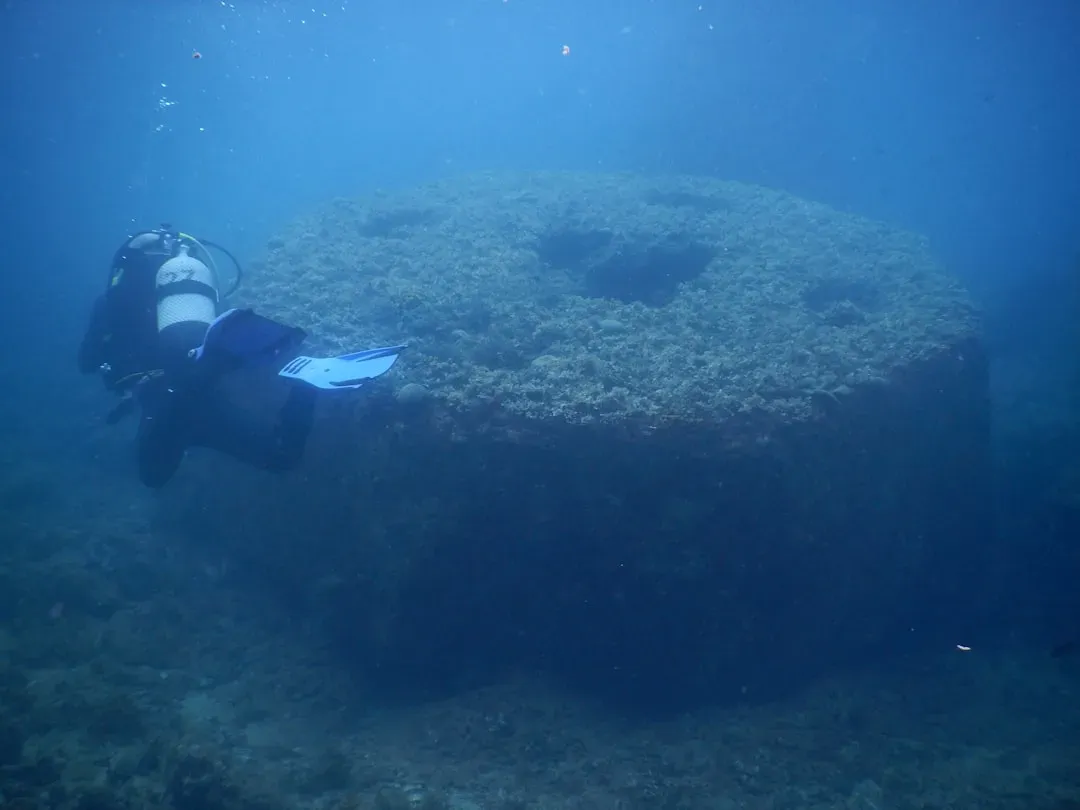
It sounds unbelievable, but most of Earth’s deep seafloor has never been seen directly, not even once. Depending on how you count, only a small slice of the deep ocean floor has been mapped in fine detail, and an even smaller portion has been filmed by cameras. The challenges are brutal: pressure that can crush steel, temperatures close to freezing, and complete darkness broken only by flashes of bioluminescent light. Even for well-funded research teams, every deep dive is a high-stakes gamble of time, technology, and money.
Some oceanographers compare exploring the abyss to trying to understand a city by flying over it at night from 30,000 feet and only seeing a few streetlights. This lack of coverage means we are probably missing entire ecosystems, geological formations, and maybe even processes we do not yet have names for. The hidden clues are there – etched into the sediments, encoded in strange animal bodies, locked in the chemistry of deep water masses – but we are only reading disconnected fragments. It is a bit like picking up random pages of an unfamiliar novel and trying to guess the plot from scattered sentences.
Mysterious Bioluminescent Signals: Who Is Talking to Whom in the Dark?
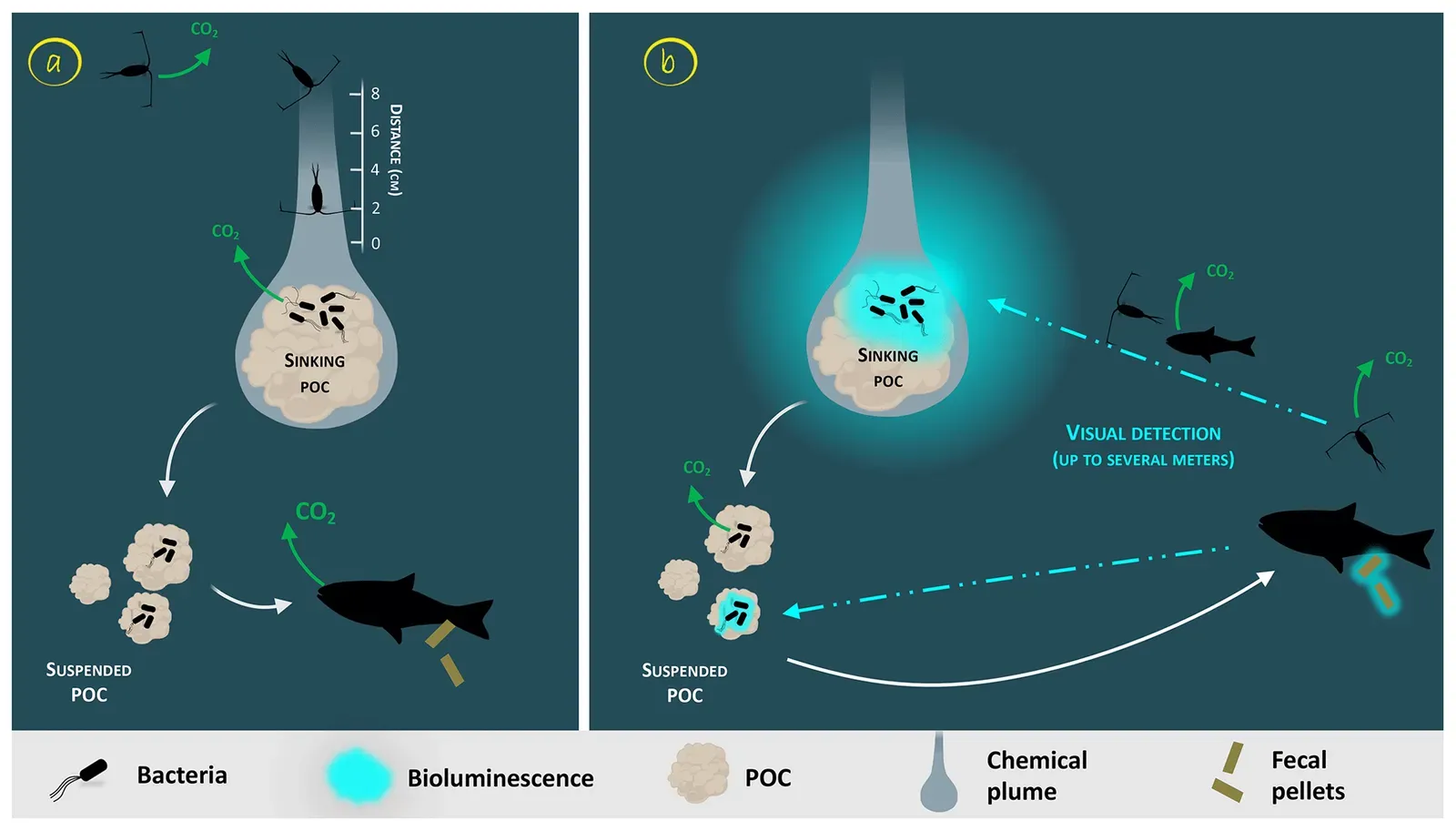
In the deep sea, where sunlight never reaches, light itself becomes a language, and scientists are still struggling to decode it. A vast majority of deep-sea animals are believed to produce their own light through bioluminescence, from faint blue glows to rapid-fire flashes that look like underwater fireworks. But why a particular species glows with a steady halo while another uses sharp pulses or swirling patterns is often unclear. Researchers suspect that many of these displays are messages: warnings to predators, invitations to mates, or lures to draw in unsuspecting prey.
Some of the most puzzling light shows seem almost deliberately cryptic, like encrypted chat threads in the dark. Certain fish appear to have “headlights” that illuminate only a narrow band, perhaps tuned to wavelengths their prey cannot see. Others have complex arrangements of light organs along their sides that blink in coordinated sequences, suggesting something like individual signatures or codes. Without the ability to follow these animals for long periods in their natural environment, scientists are left with tantalizing footage and educated guesses. The deep remains full of conversations we can see but cannot yet understand.
Strange Deep-Sea Giganticism: Why Do Some Creatures Grow So Huge?
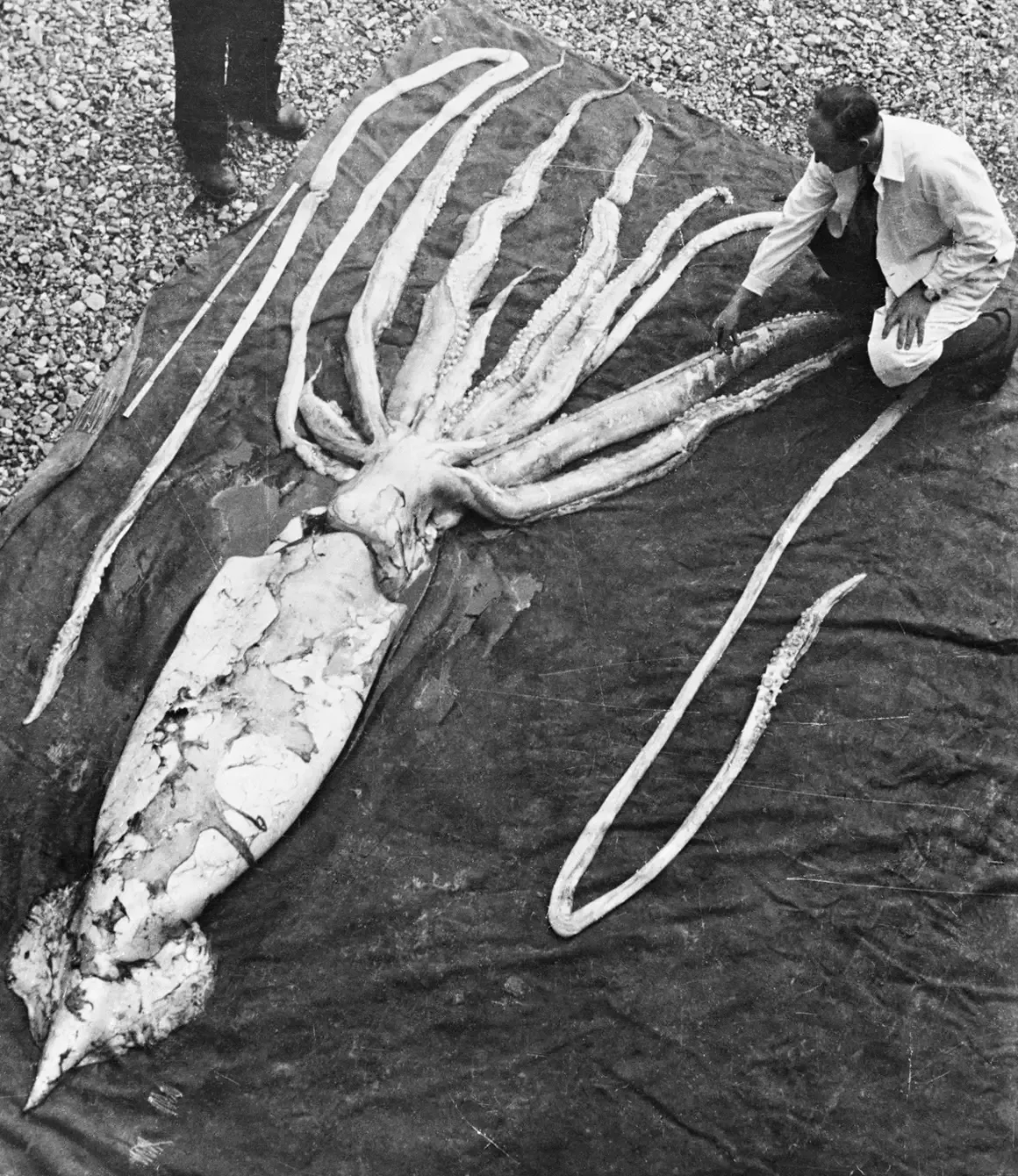
The first time you see a photograph of a giant isopod – basically a pill bug the size of a house cat – it is hard not to recoil and marvel at the same time. The deep sea is full of outsized oddities: huge amphipods, enormous jellyfish, and squid that stretch longer than a car. Biologists call this trend deep-sea or polar gigantism, and despite decades of theories, there is still no single agreed-upon explanation. Low temperatures, high oxygen levels, slow metabolisms, and reduced predation have all been proposed as pieces of the puzzle.
One idea is that in a world where food may arrive only rarely, bigger animals can store more energy and travel farther to find scattered resources. Another is that large size can help move slowly through dense, cold water without wasting energy, a bit like a heavy ship gliding steadily where a small boat would be tossed around. But when scientists try to test these ideas across many species and habitats, the patterns get messy and full of exceptions. Some lineages go big, others stay small, and some do both in different depths. The result is a lingering mystery that hints at deep, still-unknown rules about how life adapts to extreme environments.
Ghostly Carbon Highways: How the Deep Sea Stores and Releases Climate-Warming CO₂
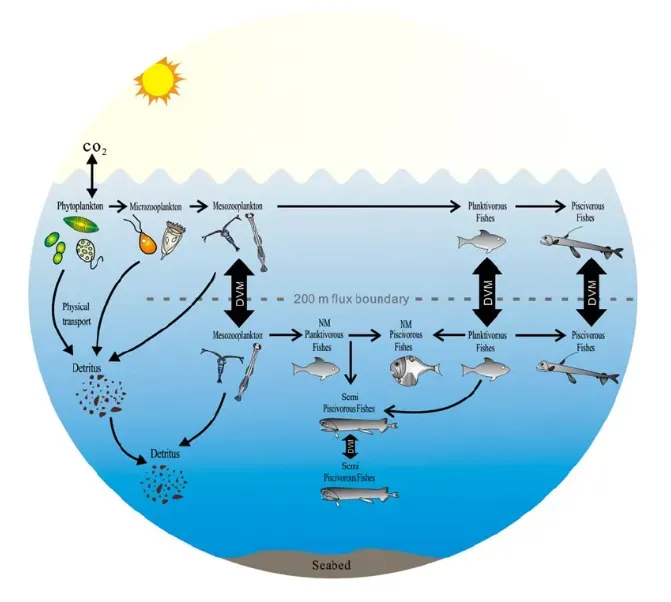
Far below the waves, the deep ocean quietly acts as one of Earth’s most powerful climate regulators, but the details of how it does this are still being worked out. Tiny particles of dead plankton, fecal pellets, and organic debris – often called “marine snow” – drift down from the surface like a constant, slow blizzard. As this material sinks, it carries carbon from the atmosphere into the deep, where it can be stored for centuries or longer. Oceanographers refer to this system as the biological carbon pump, yet its efficiency, variability, and tipping points remain uncertain.
Recent studies using deep-moored traps and autonomous floats suggest that storms, heat waves, and even the feeding behavior of midwater animals can dramatically alter how much carbon actually reaches the abyss. There are also mysterious layers where microbes appear either to lock carbon tightly into sediments or, conversely, to respire it back into dissolved carbon dioxide that can slowly return to the surface. These pathways form ghostly highways of carbon that snake through the water column, mostly invisible to traditional observation tools. Understanding how this hidden system responds to a warming, changing ocean is one of the most urgent open questions in climate science.
Alien-Like Ecosystems on the Seafloor: Hydrothermal Vents, Cold Seeps, and Life Without Sunlight
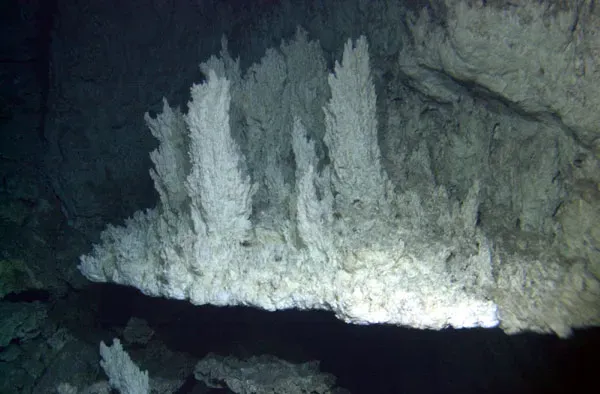
When scientists first discovered hydrothermal vents in the late 1970s, teeming with giant tubeworms and clams, it upended the assumption that all complex ecosystems depend on sunlight. In these deep-sea hotspots, bacteria draw energy from chemicals like hydrogen sulfide instead of from light, forming the base of thriving food webs. Cold seeps – gentler flows of methane and other fluids from the seafloor – host their own surreal communities of mussels, crabs, and strange microbial mats. Yet even after decades of exploration, the diversity, origins, and limits of these systems are far from fully understood.
One nagging mystery is how larvae from vent and seep animals manage to find isolated “oases” in an otherwise barren deep. Some sites seem to pop into existence rapidly after volcanic eruptions or seafloor spreading events, then disappear again, forcing species to hopscotch across the ocean in ways we cannot fully track. There are hints that many more such habitats exist, buried beneath mud or hidden in trenches, still undiscovered. For astrobiologists, these chemotrophic worlds are compelling analogs for potential life on icy moons like Europa or Enceladus. The deep sea, in other words, is not just a frontier for Earth science; it is a rehearsal space for imagining life beyond our planet.
Deep Soundscapes and Silent Signals: The Unmapped Acoustics of the Abyss
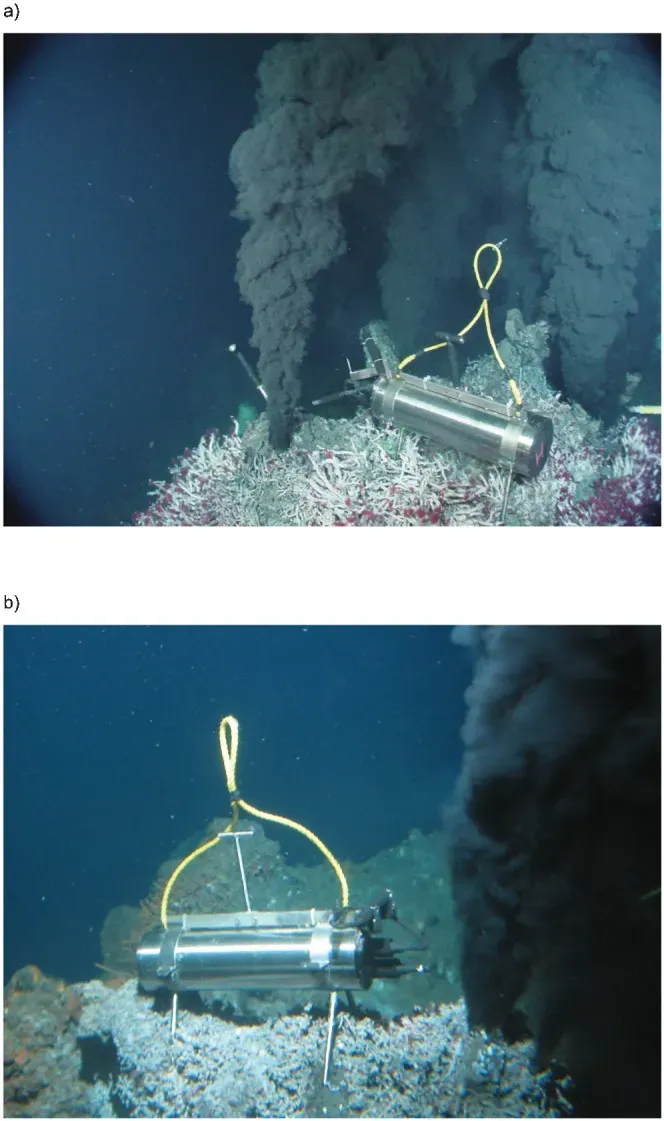
If you could sit quietly on the deep seafloor, you would not hear silence; you would hear a layered, shifting soundscape that we have only begun to record. There are distant rumbles from earthquakes and submarine landslides, crackles from ice breaking far above, and the low-frequency songs and calls of whales migrating through the darkness. On top of that, humans have added a rising background of ship noise, seismic surveys, and even the hum of undersea construction. Marine acousticians have documented some of these sources, but a surprising number of underwater sounds remain unidentified.
Now and then, long-term recording devices pick up persistent, patterned noises that do not match any known animal or geological process. Some are eventually traced to newly recognized whale calls, others to unusual ice events or seafloor movements, but a stubborn subset remains unexplained. These acoustic mysteries matter because many deep-sea animals rely heavily on sound for navigation, communication, and hunting. Changes in the ocean’s noise profile could ripple through ecosystems, affecting behaviors we barely understand. In that sense, the deep sea is like a city where we can hear muffled conversations through the walls but cannot yet tell who is speaking or what they are saying.
Why It Matters: The Deep Sea’s Hidden Power Over Our Daily Lives
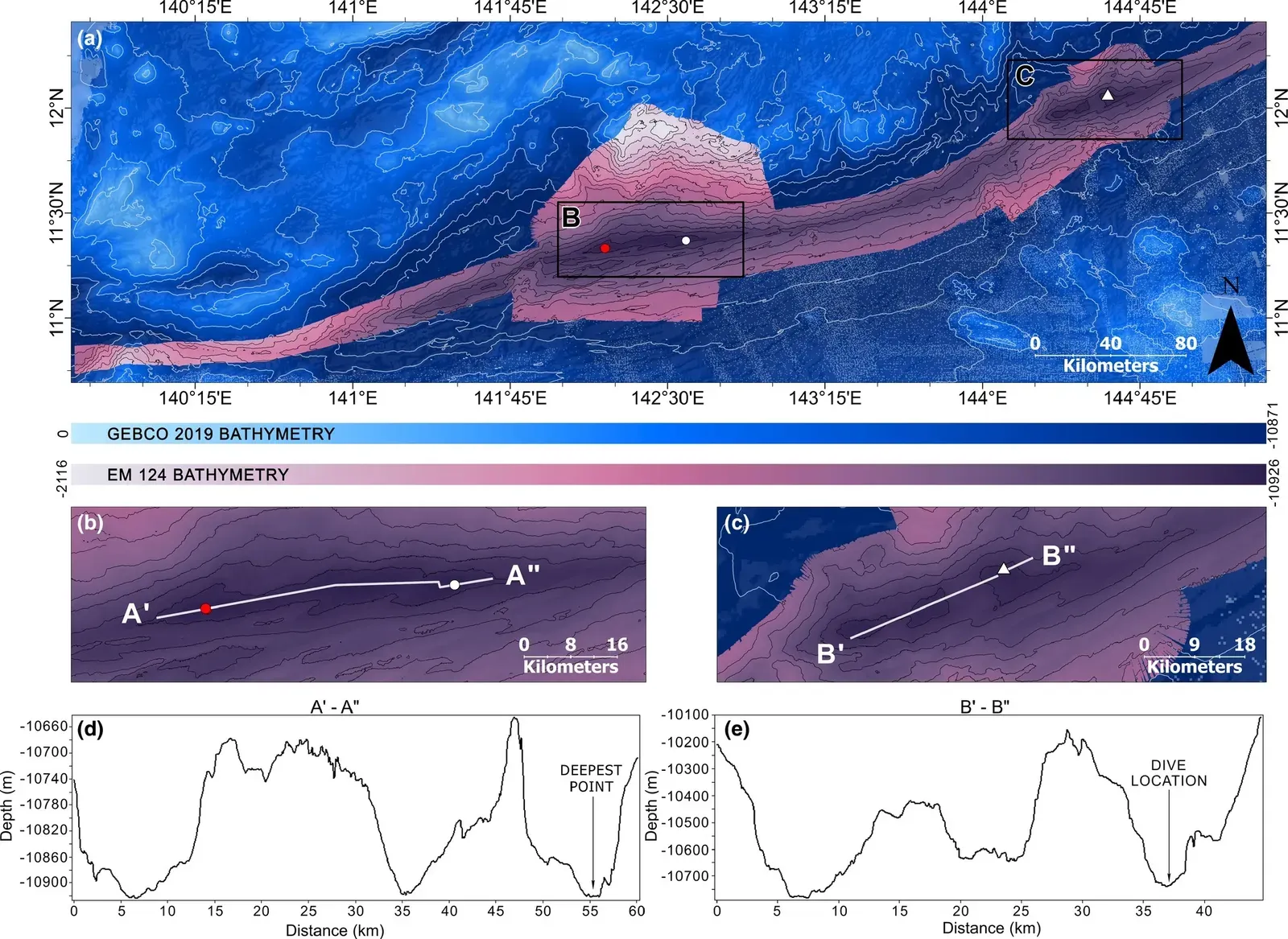
It is tempting to think of the deep ocean as a remote curiosity, but in reality, it is woven tightly into everyday life on land. Deep currents influence weather and climate patterns that determine rainfall, heat waves, and storm intensity in cities thousands of miles away. Many commercially important fish species spend crucial parts of their life cycles in deeper waters, meaning changes down there can ripple directly into coastal economies and food security. The seafloor also hosts telecommunications cables that carry vast amounts of global internet traffic, making deep-ocean stability a quiet backbone of the digital age.
On top of that, the deep sea is emerging as a flashpoint in debates over mineral extraction, carbon storage, and conservation. As companies eye deposits of metals like cobalt and manganese in abyssal plains, scientists warn that we still do not understand how these ecosystems function or recover from disturbance. Compared with better-known environments like forests or coral reefs, the abyss is both more mysterious and potentially more vulnerable to harm we might not immediately see. When you stack these factors together, ignoring deep-sea mysteries is a bit like ignoring unknown wiring inside the walls of your house while rewiring the fuse box. The risks of acting before we truly understand are high, and the consequences would be very hard to reverse.
The Future Landscape: New Technologies Racing Ahead of Our Understanding
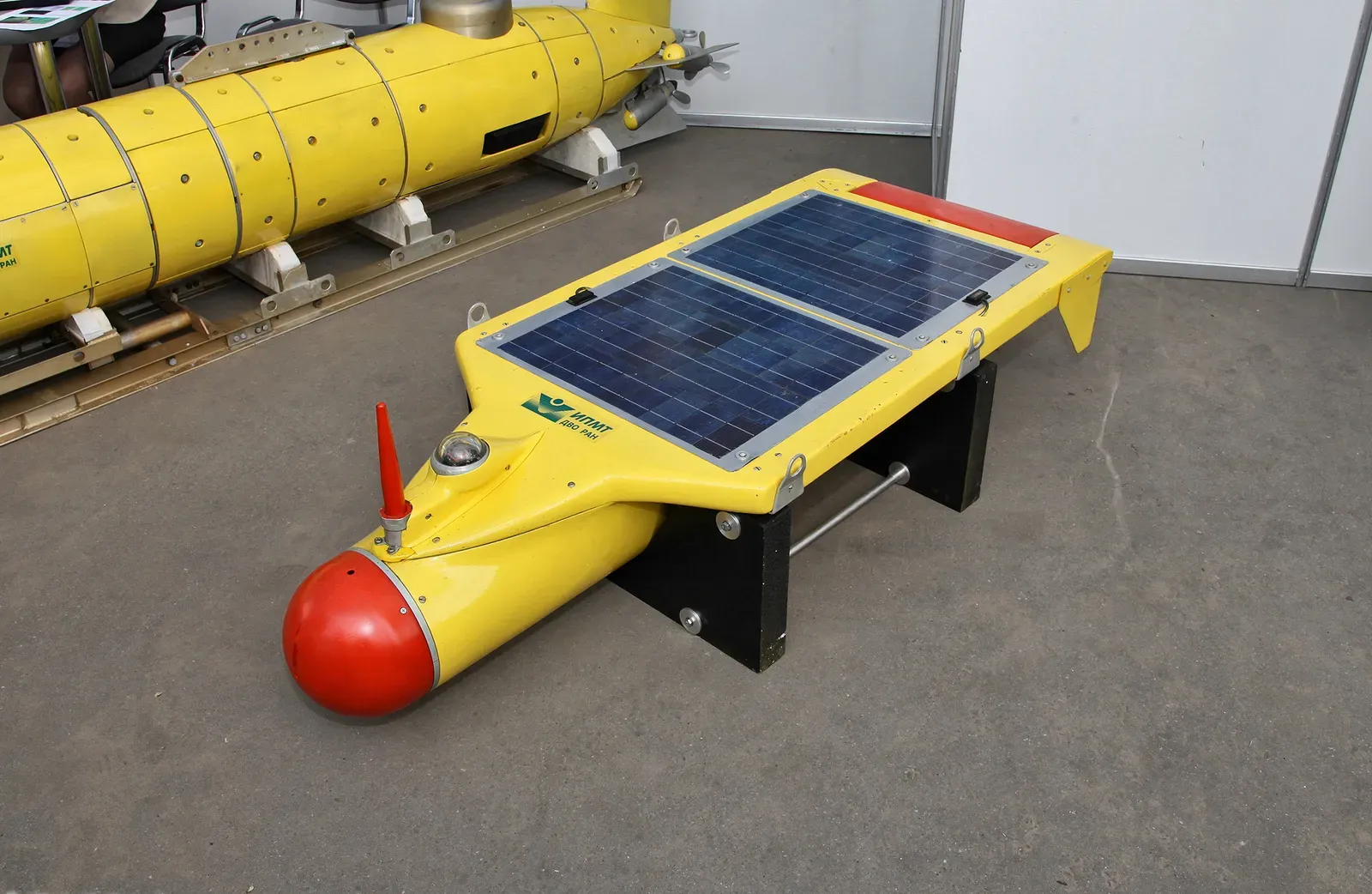
The tools for exploring the deep are improving at a pace that would have seemed unrealistic a generation ago. Fleet after fleet of autonomous underwater vehicles, high-endurance gliders, and cabled observatories are now able to watch the abyss for weeks or months without a human ever going down. High-resolution mapping systems are slowly filling in blank spaces on the seafloor, revealing canyons, seamounts, and vent fields that no one knew existed. At the same time, advances in genetic sequencing are allowing researchers to identify species from mere traces of DNA floating in seawater.
Yet technology is a double-edged sword here. The same innovations that let scientists study fragile deep habitats also make it easier to exploit them for minerals or energy. Regulations and ethical frameworks are scrambling to keep up, often lagging behind the capabilities of robots and industry proposals. There is a growing push from many researchers to adopt a precautionary approach, treating the deep as a shared planetary trust rather than a resource free-for-all. Whether humanity can align its technological power with a sense of long-term responsibility will determine how many of today’s deep-sea mysteries we can solve without destroying the very systems we are trying to understand.
Call to Action: How Curious Non-Scientists Can Help Protect the Deep

Even if you never set foot on a research vessel, you are not powerless when it comes to the deep sea. Individual choices about energy use, plastic consumption, and voting for science-informed policies all indirectly shape how much pressure we put on the oceans. Many conservation groups now focus on deep-sea protections, and simply following their work, sharing trustworthy information, or supporting them financially can amplify their impact. There are also citizen science projects where people help classify seafloor images, detect whale calls, or spot unusual patterns in data collected by robots.
On a more personal level, staying curious is itself a kind of quiet activism. When deep-sea stories appear in the news – about strange creatures, new mining proposals, or climate findings – taking the time to read beyond the headline builds a more informed public conversation. Teachers and parents can bring these mysteries into classrooms and dinner-table discussions, helping the next generation see the deep not as an empty void but as a living, vital part of our planet. The more people feel a sense of connection to that hidden world, the harder it becomes to write it off as out of sight and out of mind.
Suhail Ahmed is a passionate digital professional and nature enthusiast with over 8 years of experience in content strategy, SEO, web development, and digital operations. Alongside his freelance journey, Suhail actively contributes to nature and wildlife platforms like Discover Wildlife, where he channels his curiosity for the planet into engaging, educational storytelling.
With a strong background in managing digital ecosystems — from ecommerce stores and WordPress websites to social media and automation — Suhail merges technical precision with creative insight. His content reflects a rare balance: SEO-friendly yet deeply human, data-informed yet emotionally resonant.
Driven by a love for discovery and storytelling, Suhail believes in using digital platforms to amplify causes that matter — especially those protecting Earth’s biodiversity and inspiring sustainable living. Whether he’s managing online projects or crafting wildlife content, his goal remains the same: to inform, inspire, and leave a positive digital footprint.