Every so often, science does more than add a new fact to the pile; it flips the table on what we thought reality was. These discoveries do not just refine measurements or tweak formulas, they redraw maps of the cosmos, rewrite our origin stories, and change how we think about life, mind, and even time itself. Some of them emerged from painstaking observation, others from unsettling anomalies that refused to disappear, and a few from people willing to risk their reputation to follow the evidence. This article looks at ten such breakthroughs and how each one cracked open a bigger view of the world than we had before. Along the way, it shows how our picture of reality is always provisional, and how hard-won evidence slowly replaces comfortable assumptions.
Heliocentrism: When Earth Lost Its Place at the Center
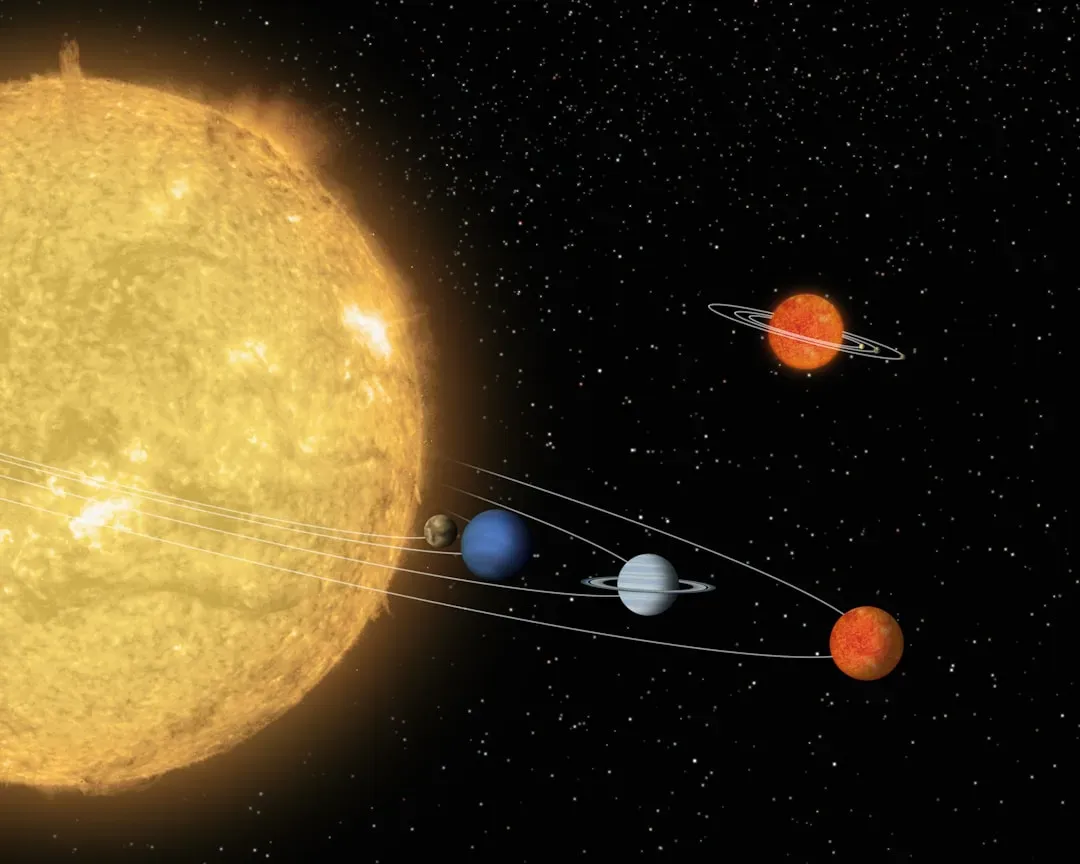
Imagine waking up one day to be told that the ground beneath you is not still, that everything you see in the sky is not circling you, and that your world is not the center of anything. That is what heliocentrism eventually did to human self-importance, by showing that Earth orbits the Sun rather than the other way around. Nicolaus Copernicus proposed the model in the sixteenth century, but his version still clung to perfect circles and did not match observations perfectly. It took Johannes Kepler’s elliptical orbits and Galileo Galilei’s telescopic evidence, like the moons of Jupiter and phases of Venus, to make the old Earth-centered system impossible to defend.
The shift was not just astronomical; it was psychological and cultural. If Earth was one planet among many, it became harder to claim a privileged cosmic status for humans. That opened the door for later thinkers to apply the same humility to biology, geology, and eventually cosmology. In a real sense, heliocentrism trained us to accept that nature does not arrange itself around our expectations, and that feeling central and being central are two very different things.
Newton’s Laws and the Discovery of a Clockwork Universe
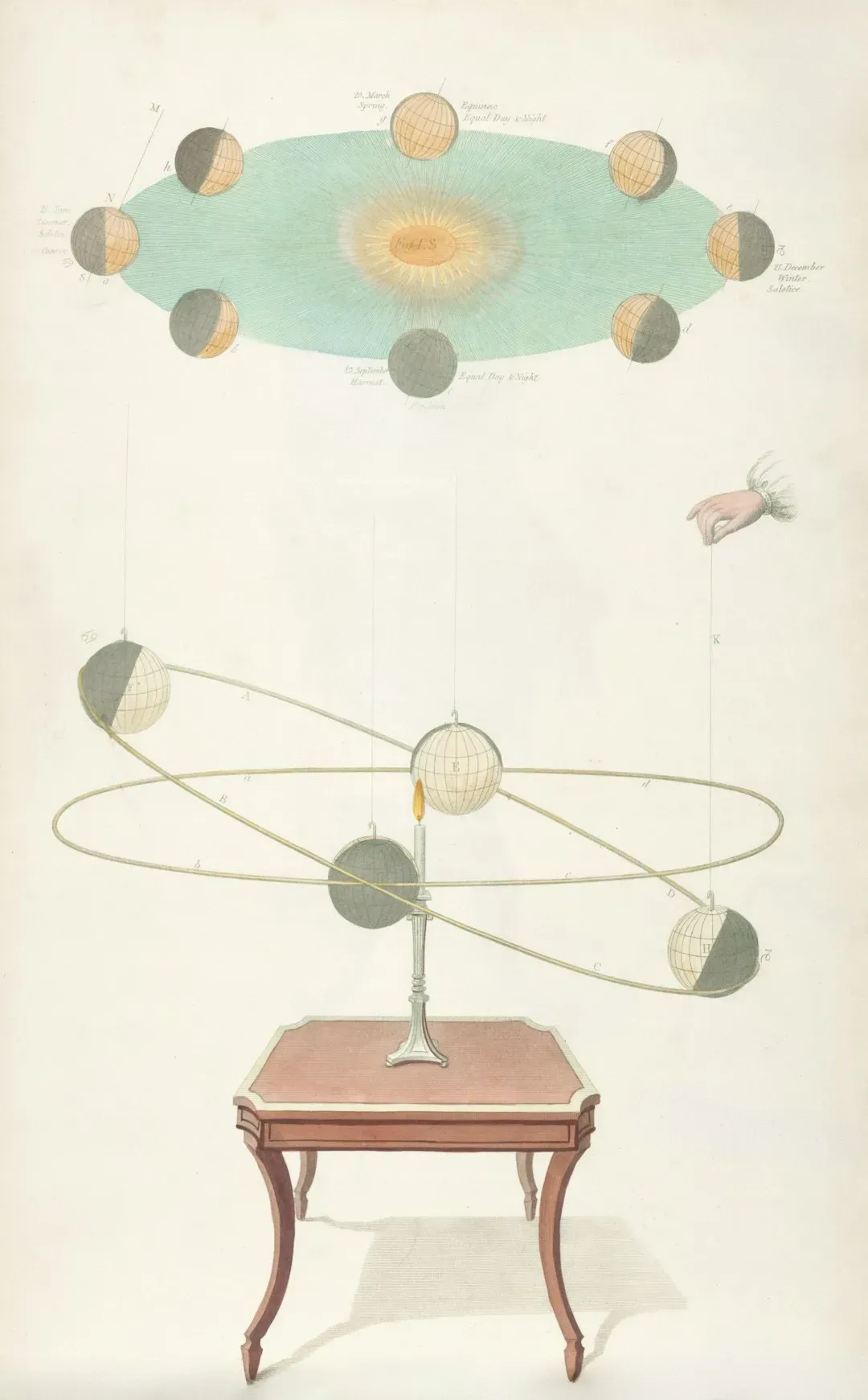
Before Isaac Newton, falling apples, rolling carts, and orbiting planets felt like separate problems, each with its own rules and explanations. Newton’s laws of motion and universal gravitation welded them together into a single framework, where the same mathematics that described a dropped stone could predict the path of the Moon. This was shocking not just because it worked, but because it suggested that the universe is deeply lawful, governed by relationships that can be written down, tested, and used to forecast the future behavior of physical systems. For many people at the time, this felt like the curtain being pulled back on creation itself.
The impact stretched far beyond physics. A clockwork universe that followed precise laws encouraged the rise of engineering, navigation, and later technologies built on reliable prediction. It underpinned the Industrial Revolution, from steam engines to ballistics, and sent a powerful message: if you can understand the laws, you can harness them. Even now, when we know Newton’s laws are incomplete at very high speeds and very small scales, they remain accurate enough to land spacecraft, design bridges, and model much of our everyday world. Newton gave us a universe that, for the first time, felt calculable.
Deep Time and the Discovery of Earth’s Immense Age

For most of human history, people assumed Earth was only as old as their stories and scriptures suggested, spanning thousands rather than billions of years. That assumption began to crumble in the nineteenth century when geologists like James Hutton and Charles Lyell read the rocks as records of processes that unfolded unimaginably slowly. Layers of sediment, folded mountain ranges, and fossil-bearing strata pointed to a planet shaped by gradual change over vast stretches of time. The phrase “deep time” captures that almost vertigo-inducing realization that human history is a thin scratch on an ancient stone.
Modern radiometric dating turned this intuition into hard numbers, placing Earth’s age at around four and a half billion years. That timescale did more than stretch our sense of duration; it made biological evolution plausible, gave plate tectonics room to move continents, and allowed climate cycles to wax and wane repeatedly. Once you accept deep time, you can no longer see landscapes, species, or even oceans as static backdrops. Instead, they become snapshots in a long-running, slow-motion film in which everything is in flux and we have arrived very late to the screening.
Evolution by Natural Selection: A New Story of Life’s Diversity
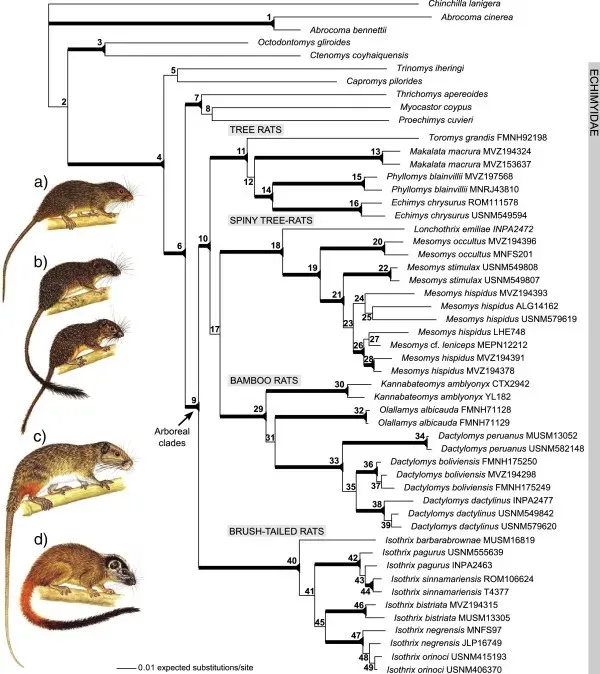
The idea that species might change over time was not completely new when Charles Darwin and Alfred Russel Wallace proposed natural selection, but they supplied something crucial: a coherent, evidence-based mechanism. By arguing that small variations, filtered through the struggle for survival and reproduction, could accumulate into major differences, they explained how complex forms could arise without a designer tweaking each detail. Fossils, geographic distribution of species, and anatomical similarities began to look like clues in a grand historical detective story rather than arbitrary quirks. Life’s diversity no longer needed separate acts of creation; it emerged from continuous, lawful processes.
This discovery profoundly shifted our sense of belonging in nature. Humans became part of a branching tree of life rather than rulers separate from it, sharing ancestry with other animals and even with ancient microbes. That realization has shaped everything from medicine and agriculture to conservation and ethics, forcing us to reconsider how we treat other species and ecosystems. Modern genetics has only deepened and refined the evolutionary picture, confirming relationships Darwin could only suspect and revealing molecular traces of our shared heritage. Evolution by natural selection turned biology into history written in DNA and bones.
Germ Theory: Invisible Agents Behind Disease
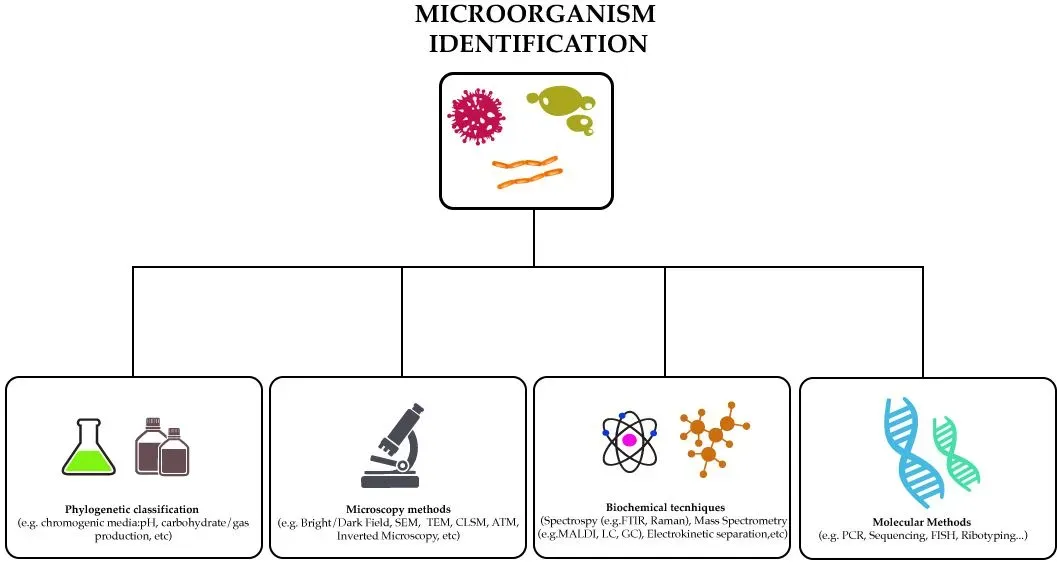
It is hard today to imagine a world where doctors did not routinely wash their hands and had no clear idea why wounds could suddenly turn deadly. Before germ theory, people blamed disease on bad air, imbalances of bodily fluids, or vague environmental influences. The work of scientists like Louis Pasteur, Robert Koch, and others in the nineteenth century showed that specific microorganisms cause specific diseases, and that these microbes can be observed, cultured, and sometimes stopped. That invisible world of bacteria and other pathogens suddenly became as real and consequential as any battlefield or marketplace.
The consequences were dramatic and measurable. Antiseptic surgery, vaccination, public sanitation, and eventually antibiotics transformed survival rates and reshaped cities. Life expectancy rose, infant mortality fell, and epidemics that once decimated populations became preventable or at least manageable. Germ theory also changed everyday behavior: habits like boiling water, covering coughs, or disinfecting instruments are direct descendants of that shift in understanding. In a sense, germ theory made us take our relationship with the unseen environment seriously, reminding us that the most powerful forces acting on our bodies are not always the ones we can see.
Relativity: Time, Space, and the End of Common Sense
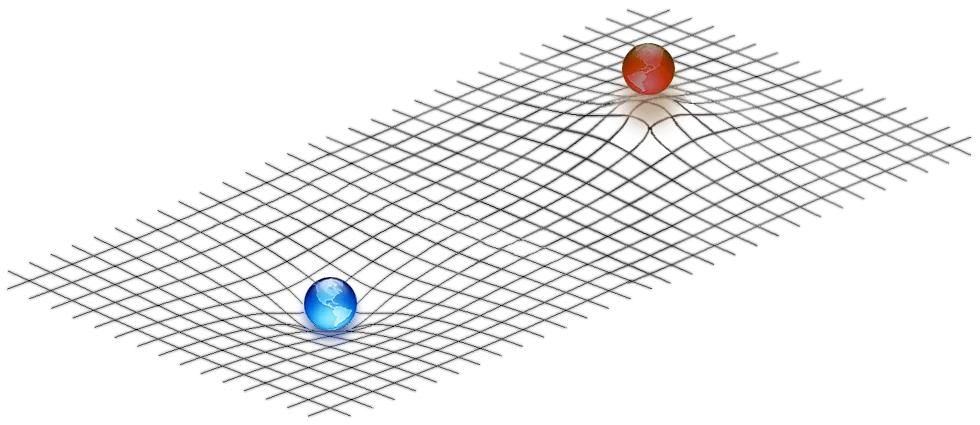
Einstein’s theories of relativity did something very uncomfortable: they took ideas we treat as rock solid, like time and space, and revealed them as flexible, intertwined, and dependent on motion and gravity. Special relativity showed that the speed of light is a kind of cosmic speed limit and that measurements of time and distance change depending on how fast you are moving. General relativity went further, recasting gravity not as a force pulling objects together but as the curvature of spacetime itself around massive bodies. The mental image of the universe shifted from a static stage to a dynamic fabric that can bend, stretch, and even ripple.
What began as strange theoretical work is now embedded in everyday technologies. The navigation system in your phone, for example, corrects for relativistic effects on satellite clocks to avoid drift that would otherwise quickly ruin positioning accuracy. Relativity has also underpinned the discovery of phenomena like black holes and gravitational waves, turning once-speculative ideas into observable features of the universe. Perhaps most importantly, it reminded us that “common sense” is tuned to slow speeds and weak gravity, and that our intuitions can be wildly wrong once we leave that narrow comfort zone. The world is not obliged to feel intuitive to us, and relativity made that explicit.
Quantum Mechanics: A Unsettling New View of Reality
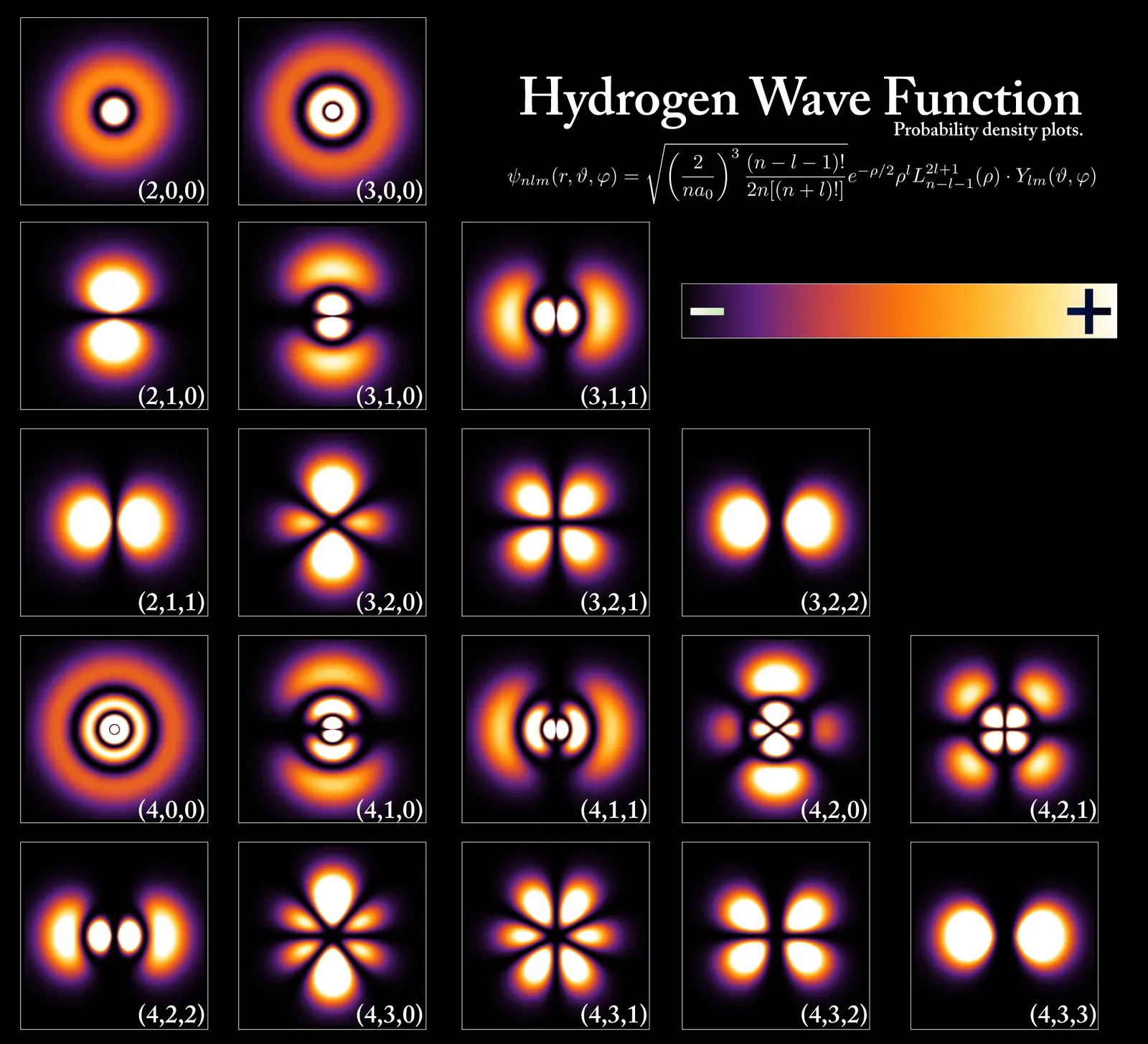
If relativity stretched our minds, quantum mechanics tore up the rulebook on how objects should behave. At microscopic scales, particles act like waves, outcomes are governed by probabilities, and some properties cannot be pinned down simultaneously with arbitrary precision. Classic experiments such as the double-slit setup forced physicists to confront behavior that seemed downright paradoxical, where observation itself changes what is seen. Ideas like superposition and entanglement, where particles share linked states across distance, sounded almost mystical when first proposed, yet they consistently matched the data.
Despite its strangeness, quantum mechanics has become one of the most precisely tested and successful theories in science. It underlies semiconductor physics, lasers, magnetic resonance imaging, and much of modern electronics; in other words, the everyday technology on which whole economies now depend. At the same time, it continues to fuel debates about what reality is “really” like beneath the equations, since different interpretations tell very different philosophical stories. Quantum theory forced us to accept that at a fundamental level, nature’s behavior may be irreducibly probabilistic, and that trying to force classical intuitions onto the microscopic world is like using a hammer to read a book.
DNA and the Molecular Code of Life
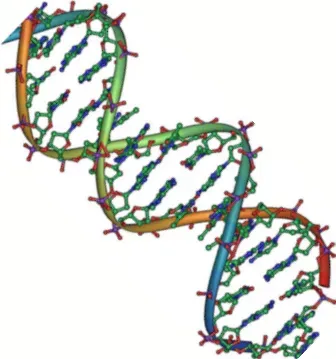
The discovery that hereditary information is carried in a specific molecule, DNA, and that this molecule has a recognizable structure and code, changed biology from a largely descriptive science into a molecular one. Identifying the double-helix architecture and the pairing rules of its bases explained how genetic information could be stored, copied, and passed on with both fidelity and room for variation. Suddenly, traits, diseases, and evolutionary changes could be traced to tangible sequences that could, at least in principle, be read and compared. The long-standing mystery of how “like begets like” acquired a concrete chemical explanation.
Once scientists learned how to sequence and edit DNA, the implications widened dramatically. Medicine gained tools to diagnose inherited conditions, track pathogens, and design targeted therapies, while agriculture saw the rise of crops bred or engineered for specific traits. Projects that mapped entire genomes, including our own, revealed unexpected connections among species and clarified migration and ancestry patterns in human history. At the same time, the ability to manipulate genetic material raised ethical questions about privacy, enhancement, and what boundaries we should set on altering life. DNA did not just decode biology; it forced society to decide what to do with that knowledge.
Plate Tectonics: A Restless Planet Under Our Feet
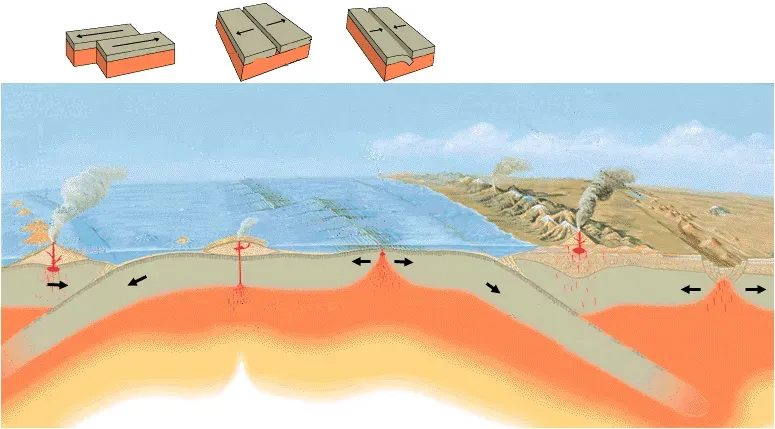
For a long time, the fit between continents across the Atlantic looked like a strange coincidence rather than evidence of motion. Early ideas about drifting continents were dismissed as speculative because there seemed to be no plausible mechanism. In the mid-twentieth century, data from ocean-floor mapping, earthquake patterns, and paleomagnetism converged on a new picture: Earth’s crust is broken into plates that move over the mantle, colliding, splitting apart, and grinding past one another. Mountains, ocean trenches, and chains of volcanoes turned out to be surface traces of deep, slow tectonic processes.
Plate tectonics unified geology in the same way that evolution unified biology. It explained the distribution of fossils, the creation and destruction of ocean basins, and the patterns of seismic and volcanic activity that shape risks for millions of people. Understanding plate boundaries now informs building codes, disaster planning, and resource exploration, from groundwater to mineral deposits. It also revealed Earth as an active, self-renewing planet rather than a static rock, and highlighted the role of geological cycles in long-term climate regulation. Our planet’s surface, once imagined as stable, became the shifting skin of a dynamic interior.
Anthropogenic Climate Change: Realizing Our Planet-Scale Footprint

For most of our history, the idea that human activity could alter something as vast as the global climate would have sounded arrogant or absurd. Yet careful measurements of atmospheric gases, temperature records, ice cores, and satellite observations have converged on a clear conclusion: the rapid rise in greenhouse gases from burning fossil fuels, land-use change, and industrial processes is warming the planet. This is not a subtle tweak; it is driving more frequent heat extremes, shifting rainfall patterns, melting ice, and raising sea levels on timescales that matter for societies. The discovery is as sobering as any in science because it reveals us as a geological force.
This understanding has forced governments, industries, and individuals to rethink energy systems, urban planning, and even diet and travel habits. It has also sharpened questions of responsibility and justice, since those who contributed least to emissions often face the highest risks. Unlike discoveries that simply describe how nature works, anthropogenic climate change exposes a feedback loop between our choices and the state of the planet that supports us. It demands not only technical responses, like cleaner energy technologies, but also cultural and political shifts in how we value long-term stability versus short-term gain. Recognizing our climate impact has redefined what it means to be a species with global reach.
Rethinking Reality: What These Discoveries Changed at the Deepest Level
Viewed together, these breakthroughs do more than fill a timeline of scientific milestones; they form a pattern of shrinking our sense of centrality while expanding our sense of connection. Heliocentrism pushed Earth from the center of the cosmos, evolution placed us on a branching tree rather than a throne, and climate science recast us from passive occupants of a stable Earth to active agents shaping its future. Relativity and quantum mechanics undermined the comfort of absolute time and straightforward cause-and-effect, while germ theory and DNA revealed hidden worlds inside and around us that govern health and inheritance. Each step forced us to trade intuitive, human-scale stories for ones grounded in evidence, even when the result felt alien.
What makes these discoveries revolutionary is not only that they were right, but that they offered better, testable explanations than the views they displaced and then changed behavior at scale. Newton’s mechanics and plate tectonics let us predict and engineer, from bridges to earthquake-resistant buildings; germ theory and molecular biology enabled medicine that actually works; and climate science is now guiding policy and infrastructure decisions in real time. At the same time, they remind us that any current framework is likely incomplete, sitting where Newton once sat before relativity or where early geologists stood before plate tectonics. The deeper lesson is that reality keeps surprising us, and that the willingness to revise our picture of the world may be the most transformative discovery of all.
Staying Curious in a Changing Universe
Living after these discoveries can feel like arriving late to the party, but in practice it means we carry some of the best tools humans have ever had for making sense of the unknown. You do not need a lab to engage with them; following how climate scientists refine models, how geneticists trace disease outbreaks, or how astronomers interpret new gravitational wave detections can be done from a laptop or a local library. Supporting good science education, paying attention to how evidence is gathered, and asking skeptical but honest questions are all ways of taking part in the ongoing process. Even small acts, like checking primary sources before sharing sensational claims, help strengthen the culture that made these breakthroughs possible in the first place.
What ties all of this together is a particular kind of curiosity: not the casual kind that skims headlines, but the stubborn version that is willing to be wrong and then get better. These ten discoveries show that the world is stranger, older, and more interconnected than any simple story we might prefer, and that accepting that strangeness has paid off in understanding and survival. The next revolutionary insight may come from some quiet measurement or overlooked anomaly, noticed by someone who refuses to wave it away. In a universe like this, the most practical habit you can cultivate is the readiness to be surprised. Which of these discoveries most changed how you see your own place in the world?
Suhail Ahmed is a passionate digital professional and nature enthusiast with over 8 years of experience in content strategy, SEO, web development, and digital operations. Alongside his freelance journey, Suhail actively contributes to nature and wildlife platforms like Discover Wildlife, where he channels his curiosity for the planet into engaging, educational storytelling.
With a strong background in managing digital ecosystems — from ecommerce stores and WordPress websites to social media and automation — Suhail merges technical precision with creative insight. His content reflects a rare balance: SEO-friendly yet deeply human, data-informed yet emotionally resonant.
Driven by a love for discovery and storytelling, Suhail believes in using digital platforms to amplify causes that matter — especially those protecting Earth’s biodiversity and inspiring sustainable living. Whether he’s managing online projects or crafting wildlife content, his goal remains the same: to inform, inspire, and leave a positive digital footprint.