Every so often, science has a year that feels less like a page turning and more like a plot twist. 2025 is shaping up to be one of those years. Across brain science, gene editing, fusion, and climate tech, researchers are not just refining old tools but rewriting what we think is possible for human bodies, minds, and societies. Some of these breakthroughs are the culmination of decades of patient work; others arrived faster than almost anyone predicted. Together, they reveal something quietly radical: our world is far more malleable than we were taught to believe.
Rewiring the Mind: Adaptive Brain Implants That Learn With You
Imagine a medical device that does not just sit in your brain, but learns you – your habits, moods, and needs – and then rewires itself in response. In 2025, several clinical teams reported next‑generation “closed-loop” brain implants that use artificial intelligence to continuously adapt stimulation patterns for conditions like severe depression, epilepsy, and Parkinson’s disease. Unlike earlier devices that delivered static pulses based on fixed settings, these systems read electrical signals in real time, predict when symptoms are about to flare, and respond dynamically. Researchers have shown that over weeks and months, the device’s algorithms fine-tune stimulation in ways even expert clinicians could not anticipate in advance. That level of personalization is starting to turn brain stimulation from a blunt instrument into something closer to a conversation between silicon and neurons.
Patients in early trials have described experiences that hint at just how fluid the brain really is, even after years of illness. People who had not responded to multiple medications or older implants are seeing meaningful reductions in symptoms as the device “learns” their neural signatures of distress or tremor. In some cases, neural recordings reveal new activity patterns emerging as the brain reorganizes itself under this adaptive guidance. It is as if the implant is not simply correcting a problem but coaching the brain toward a more stable rhythm. That picture reinforces a powerful message: our brains are not fixed circuits but living networks that, given the right feedback, can be coaxed into healthier states long after we thought change was impossible.
The Hidden Clues: Blood Tests That Detect Disease Years Before Symptoms
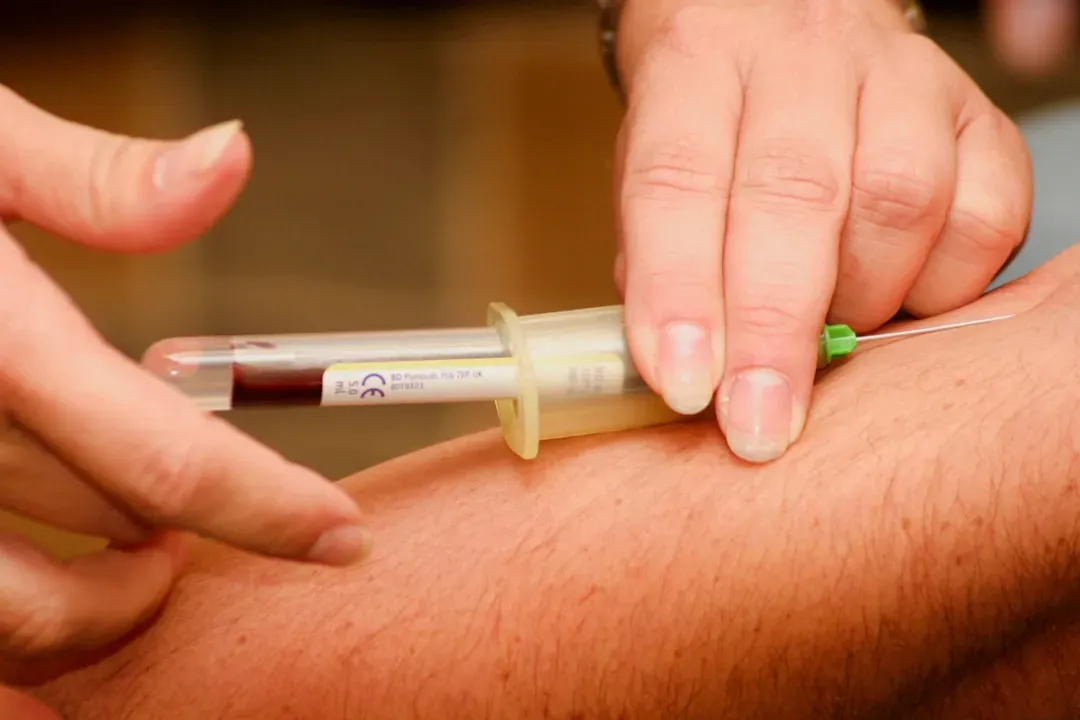
For decades, we have treated many diseases like fires we only notice once the house is already ablaze. In 2025, multi‑cancer early detection blood tests and ultra‑sensitive biomarkers for conditions like Alzheimer’s disease began edging closer to everyday medicine, shifting the timeline in dramatic ways. These tests search for faint, fragmented traces of disease – circulating tumor DNA, misfolded proteins, subtle immune signatures – long before a person feels sick or a scan shows anything unusual. One large study reported that such a test could flag several types of cancer in people who had no symptoms, in some cases detecting the disease while it was still confined and highly treatable. Similar blood-based assays for brain diseases are allowing researchers to identify neurodegenerative changes that historically remained invisible until too late.
The data are not perfect and no test catches everything, but the direction of travel is unmistakable. Medicine is inching away from waiting for problems to explode and toward quietly scanning for embers. That shift also forces hard questions about how we handle uncertainty, since a result that says “something might be starting” is different from a clear diagnosis. Still, if future refinements reduce false positives and bring down costs, these blood tests could become part of regular checkups for millions. Instead of health being a binary – sick or well – we may come to think in terms of trajectories that can be nudged years earlier than we ever imagined.
Editing at Scale: CRISPR Moves From One‑Off Fixes to Whole‑Body Treatments
Gene editing has been the poster child of futuristic medicine for almost a decade, but 2025 marks a turning point: CRISPR therapies are starting to move from bespoke, single‑organ fixes to more systemic interventions. Several trials using CRISPR‑based editors delivered directly into the bloodstream have reported promising results for previously untreatable conditions, including inherited cholesterol disorders and rare blood diseases. Instead of extracting cells, editing them in a lab, and reinfusing them – a complex and expensive process – these new approaches rely on cleverly packaged editors that home in on specific tissues inside the body. Early data show durable changes in target genes and clinically meaningful improvements in disease markers.
What makes this moment especially striking is that researchers are no longer talking only about rare conditions affecting a handful of patients worldwide. Some of the targets are risk factors that affect huge swaths of the population, such as genes that drive very high bad cholesterol from birth. If regulators ultimately approve these therapies and costs can be driven down, the idea of “one‑time genetic medicines” for common diseases moves from science fiction to plausible public‑health strategy. At the same time, the ethical stakes grow: permanent edits, delivered at scale, raise new questions about equity, consent, and unintended consequences that we are only beginning to grapple with.
Fusion’s First Steps: From Experimental Reactors to Real‑World Timelines
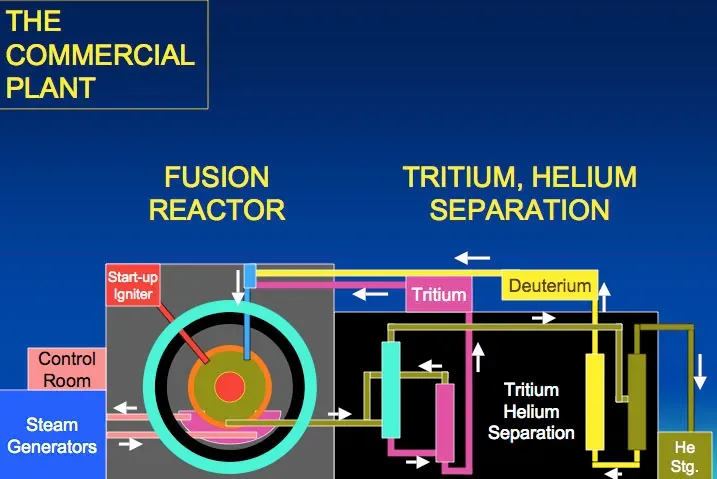
Clean, abundant fusion power has long been the energy world’s mirage – always visible on the horizon, never quite reached. In 2025, the mirage started to sharpen into something more concrete as several private companies and national labs reported sustained fusion reactions with record‑breaking energy gains. While no one is yet feeding power from a fusion plant into the grid, the combination of better superconducting magnets, improved plasma control, and more sophisticated simulations has slashed the time and cost needed to iterate on reactor designs. Investors and governments, sensing the shift, have poured billions of dollars into building demonstration plants aimed at proving continuous, commercially relevant operation in the next decade.
The numbers still demand caution; turning a physics experiment into a reliable power plant is a huge engineering leap. But for the first time, timelines that once sounded like wishful thinking – fusion electricity in the 2030s – are being discussed with a straight face by people who spend their lives wrestling with the technical details. If even a fraction of these projects succeed, fusion could become a major partner to renewables, offering carbon‑free power without the intermittency of wind and solar. That would not solve every part of the climate crisis, but it would redraw the map of what is technically and politically possible in energy policy.
From Lab Bench to Bedside: AI‑Designed Drugs Reach Their First Patients
Artificial intelligence has been helping scientists sift through data for years, but 2025 is notable because several drugs whose core designs were generated or heavily optimized by AI systems have now reached human trials and early markets. Using models trained on massive libraries of molecules and biological data, researchers can propose entirely new compounds in days rather than months. Some of these candidates have gone on to show strong activity against targets in cancer, fibrosis, and rare diseases, surprising researchers with chemical structures no human chemist would likely have drawn first. At the same time, AI tools are speeding up the process of predicting how drugs are absorbed, metabolized, and potentially toxic, reducing costly failures late in development.
The impact is not just faster timelines, but a subtle shift in how discovery works. Instead of a handful of ideas trickling from human minds into the lab, thousands of possibilities are being generated and screened in silico before a single pipette is lifted. That makes drug discovery feel less like hunting for a needle in a haystack and more like letting a very smart magnet scan the whole field. Of course, human judgment still matters; scientists must decide which AI suggestions to trust and how to interpret ambiguous biological data. But as regulators start to see real‑world successes from AI‑assisted drugs, skepticism is giving way to cautious optimism that algorithmic creativity can become a standard part of the medical toolbox.
Why It Matters: Rethinking What Is “Fixed” in the Human Body
Stepping back from individual breakthroughs, a pattern emerges that is easy to miss if you only skim headlines. Again and again, 2025’s most striking advances are chipping away at the idea that certain aspects of our biology are unchangeable. Brain implants that learn, gene edits delivered throughout the body, ultra‑early disease detection, and AI‑guided therapies all rest on the same underlying insight: living systems are more plastic, more negotiable, than we assumed. For much of modern medicine, doctors were taught to accept hard boundaries – after a certain age, a particular injury, or a specific diagnosis, options narrowed dramatically. These new tools do not magically erase those limits, but they do blur them in ways that feel profound.
Compared with traditional approaches that largely reacted to damage after it was obvious, today’s technologies aim to steer underlying systems before crises fully unfold. That shift from repair to reprogramming has ripple effects beyond hospitals and clinics. It changes how we think about responsibility for health, how long lives might remain functional, and what kind of support societies must plan for. There is also a psychological impact that is harder to quantify: knowing that the brain can be guided into new patterns or that a lifelong genetic risk can be dialed down can make people feel less trapped by their biology. At the same time, the gap between those who can access such interventions and those who cannot risks turning biological adaptability into yet another dimension of inequality.
The Global Landscape: Climate Tech, Carbon Capture, and Resilient Cities
Not all of 2025’s breakthroughs are happening inside our bodies; many are aimed at stabilizing the planet those bodies inhabit. This year saw major progress in direct air capture plants designed to pull carbon dioxide from the atmosphere, with a few facilities reaching scales that start to matter for national climate plans rather than just pilot projects. Advances in new battery chemistries and grid‑scale storage are helping cities integrate higher levels of solar and wind without constant blackouts. At the same time, researchers are testing materials that can cool buildings passively by reflecting heat into space, reducing the need for energy‑hungry air conditioning during record‑breaking heat waves.
Cities in vulnerable regions are becoming living laboratories for resilience. Some coastal areas are experimenting with “living shorelines” that combine engineered barriers with restored wetlands, using biology rather than concrete alone to blunt storms. Urban planners are layering climate models with social data to design neighborhoods that can better protect those who are historically hit hardest by floods and heat. These efforts may not grab headlines as quickly as a brain implant or gene therapy, but they are just as radical in what they propose: that we can retrofit entire landscapes to cope with a climate future that is already arriving. The question is no longer whether change is coming, but how deliberately we shape it.
The Future Landscape: Where 2025’s Breakthroughs Are Pointing Us
If there is a single thread tying 2025’s breakthroughs together, it is the move from patching problems to intentionally sculpting complex systems. In the coming decade, we are likely to see brain implants shrink and become less invasive, potentially opening the door to treatments for a wider range of mental and neurological disorders. Gene editing tools may grow more precise and easier to deliver, making “one‑and‑done” therapies an option for conditions that currently require a lifetime of management. Fusion projects will either validate their bold claims with sustained output or force a rethink that will still leave us with better models for plasma and materials science.
On the digital side, AI will dig deeper into biology, parsing not just genes and proteins but networks of cells, organs, and environments that determine who gets sick and why. The same tools that now accelerate drug discovery could someday help design personalized prevention plans or simulate the long‑term impact of public‑health interventions before they are rolled out. Yet every new lever we gain comes with constraints: safety concerns, regulatory debates, geopolitical tensions over who controls critical technologies, and the ever‑present risk of hype outrunning reality. The future these breakthroughs hint at is neither utopia nor doom, but a more finely tunable world in which our choices – collective and individual – matter more than ever.
What You Can Do: Staying Curious, Critical, and Engaged
It is easy to read about frontier science and feel either dazzled or helpless, as if the story is unfolding in distant labs you will never see. But ordinary people have more influence than it might seem over how breakthroughs are developed, tested, and shared. Paying attention to how your local representatives talk about research funding, climate policy, and health equity – and then voting accordingly – is one concrete way to steer the arc of innovation. Supporting public institutions like libraries, science museums, and universities helps keep scientific literacy and open inquiry alive, rather than letting complex knowledge retreat behind paywalls and private labs. Even the simple act of talking about these developments with friends and family, in plain language, can shrink the gap between experts and everyone else.
If a particular area resonates with you – whether it is mental health, climate resilience, or rare‑disease research – you can look for reputable nonprofits, patient groups, or citizen‑science projects to support with time, attention, or money. Many studies now invite volunteers to share data, answer surveys, or participate in early trials under careful ethical oversight, expanding who gets to shape the evidence base. And on a personal level, staying curious and sceptical at the same time may be the most powerful stance of all: intrigued by the possibilities, but unwilling to accept grand promises without good data. In a year when so many old assumptions are being overturned, that kind of engaged, questioning mindset is not just healthy – it is essential.
Suhail Ahmed is a passionate digital professional and nature enthusiast with over 8 years of experience in content strategy, SEO, web development, and digital operations. Alongside his freelance journey, Suhail actively contributes to nature and wildlife platforms like Discover Wildlife, where he channels his curiosity for the planet into engaging, educational storytelling.
With a strong background in managing digital ecosystems — from ecommerce stores and WordPress websites to social media and automation — Suhail merges technical precision with creative insight. His content reflects a rare balance: SEO-friendly yet deeply human, data-informed yet emotionally resonant.
Driven by a love for discovery and storytelling, Suhail believes in using digital platforms to amplify causes that matter — especially those protecting Earth’s biodiversity and inspiring sustainable living. Whether he’s managing online projects or crafting wildlife content, his goal remains the same: to inform, inspire, and leave a positive digital footprint.