Ever notice how your garden seems to have its own secret life? That’s because it does. Plants aren’t the passive, silent organisms you might imagine. They’re constantly chatting, warning each other about danger, sharing resources, and responding to threats in ways that would make any social network jealous.
While you can’t hear this botanical conversation with your ears, it’s happening all around you in gardens, forests, and fields. Think of it as nature’s original internet, operating long before humans invented WiFi. Let’s dive in and explore the hidden world of plant communication.
Chemical Signals Through the Air: The Plant Warning System

Plants communicate with other organisms by releasing volatile organic compounds into their environment through their flowers, leaves, and roots. These airborne chemical messengers work like an invisible alarm system. When a caterpillar starts munching on a leaf, tomato plants release VOCs that signal neighboring plants to ramp up their production of defensive chemicals, effectively creating a shared defense strategy.
The beauty of this system lies in its simplicity and effectiveness. Plants release VOCs into the air to alert their neighbors to threats, and the neighboring plants respond to these signals by preparing to defend themselves even before they are attacked, producing anti-fungal compounds or anti-insect toxins to protect themselves within seconds. Think of it like someone yelling “Fire!” in a building. You don’t need to see the flames to start moving toward the exit.
Underground Fungal Networks: Nature’s Original Internet

A mycorrhizal network is an underground network found in forests and other plant communities, created by the hyphae of mycorrhizal fungi joining with plant roots, and this network connects individual plants together. Scientists have affectionately dubbed this the “wood-wide web,” and honestly, it’s a perfect name. These fungal threads act as biological cables, transferring information from plant to plant beneath the soil.
Mycelium composes what’s called a mycorrhizal network, which connects individual plants together to transfer water, nitrogen, carbon and other minerals, enabling trees to share water and nutrients in healthy forests. What’s even more fascinating is that after establishment, caterpillar infestation on a donor plant led to increased insect resistance and activities of defensive enzymes, induction of defense-related genes and activation of the jasmonate pathway in the connected receiver plant.
Ultrasonic Clicking: The Sounds You Cannot Hear
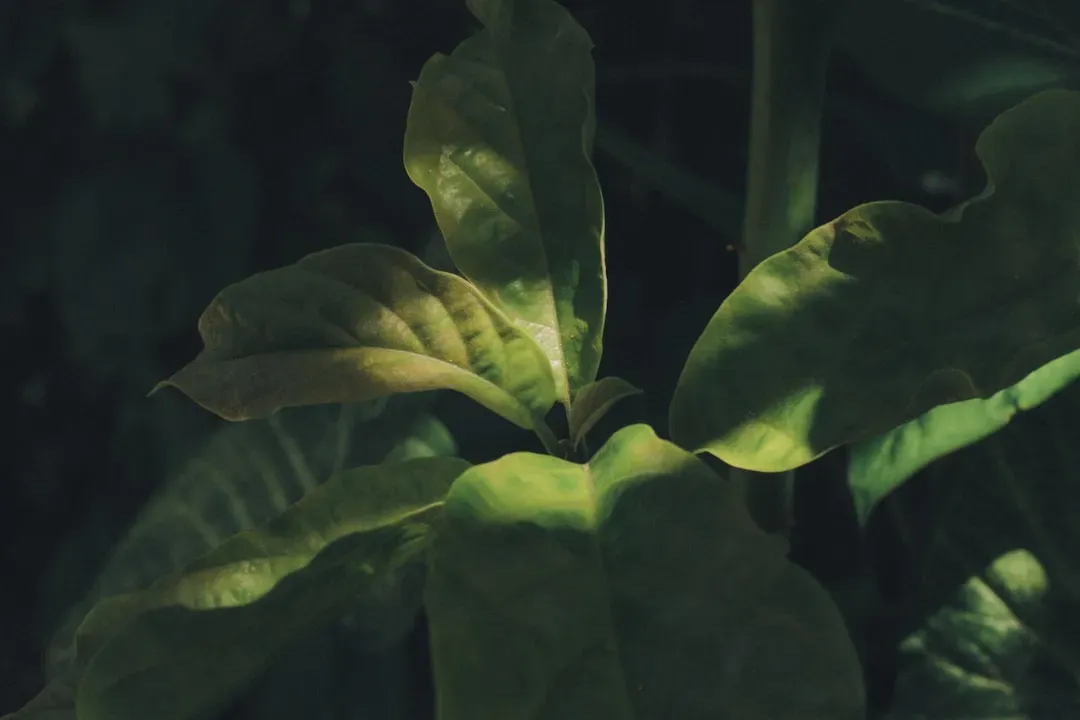
Here’s where things get really wild. In 2025, researchers at Tel Aviv University demonstrated that plants emit ultrasonic clicks which indicate the health of the plant. You walk past a stressed plant, and it’s literally screaming at frequencies your ears can’t detect. A wide range of species from tomatoes to cacti emit ultrasonic popping sounds when they’re stressed that can be heard by insects like moths, and mammals like bats and mice.
The implications are staggering. Scientists are listening to these sounds of distress to find new methods to diagnose, treat, and monitor plants without touching them. Imagine walking through your greenhouse with a device that tells you which plants need water before they start wilting.
Root Conversations: Chemical Whispers Below Ground

While we’re fascinated by what happens above ground, an entire conversation is happening beneath your feet. The rhizosphere is a densely populated area in which plant roots must compete with neighboring plants for space, water, and mineral nutrients, and increasing evidence suggests that root exudates initiate and manipulate biological interactions between roots and soil organisms. Plants essentially release chemical compounds from their roots that act as messages to neighbors.
Unstressed plants demonstrated the ability to sense and respond to stress cues emitted from the roots of osmotically stressed plants, and were able to send additional stress cues to other neighboring unstressed plants in order to relay the signal, demonstrating the ability to sense, integrate, and respond to stress cues transmitted through roots.
Electrical Signaling: Plant Neurons in Action
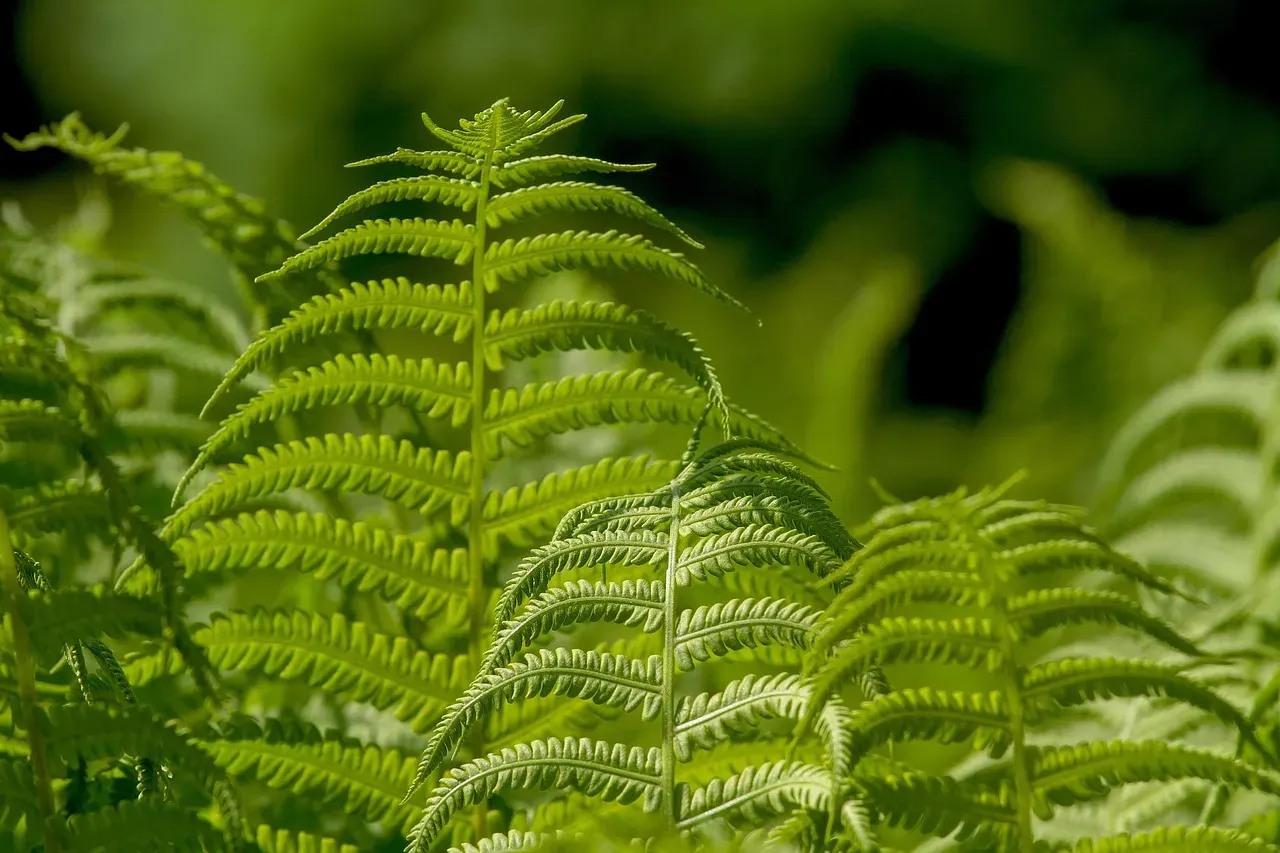
In plants, signals move through what’s more like plumbing rather than a nervous system like ours, with electrical signals traveling through the movement of chemicals in tubes. Scientists proposed a unified model showing that changes in negative pressure within plant vasculature transmit both mechanical and chemical stress signals.
Let’s be real, this sounds like science fiction. Plants don’t have brains or nerves, yet they’re transmitting electrical signals throughout their bodies. Pressure disturbances can trigger calcium fluxes and gene-expression responses, clarifying how plants coordinate whole-organism reactions to drought, wounding, and other stressors.
Attracting Allies: Calling in the Cavalry
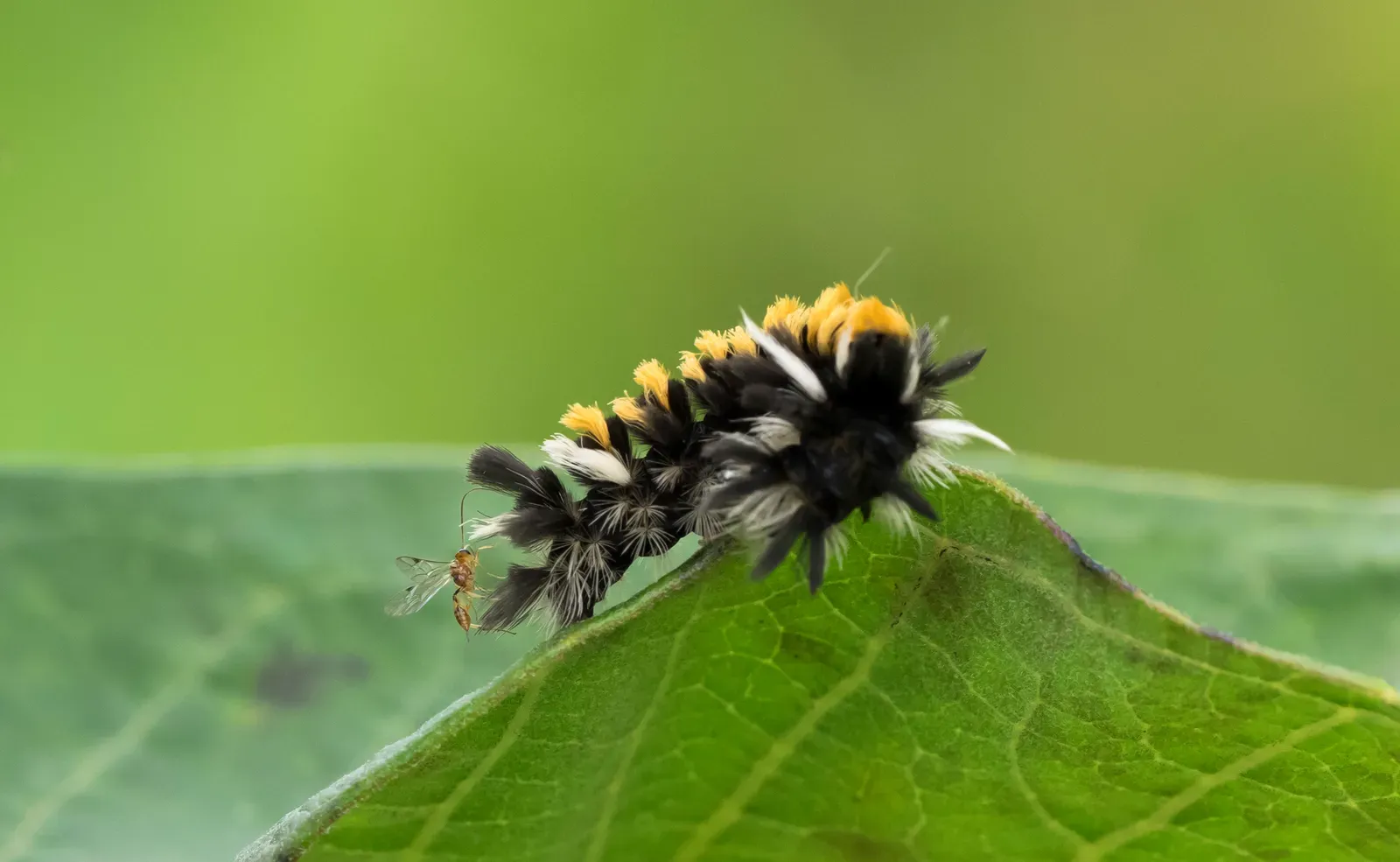
Caterpillar-infested plants emit signals to draw in parasitic wasps, which lay eggs in the caterpillars and effectively neutralize the threat. This is some seriously clever biological warfare. The plant can’t fight the caterpillar directly, so it sends out chemical signals that basically say, “Free meal over here!” to the caterpillar’s natural enemies.
It’s the ultimate case of “the enemy of my enemy is my friend.” Plants have evolved this sophisticated three-way interaction over millions of years, turning their vulnerability into a strength by recruiting bodyguards from the insect world.
Mother Trees and Resource Sharing

Hub trees, also referred to as mother trees, are the older, more seasoned trees in a forest with the most fungal connections, established roots in deeper soil that can reach deeper water sources to pass on to younger saplings, detecting the ill health of neighbors from distress signals and sending them needed nutrients.
Think about that for a moment. The oldest trees in a forest aren’t just passively existing – they’re actively nurturing the younger generation. More carbon has been found to be exchanged between the roots of more closely related Douglas firs sharing a network than more distantly related roots. It’s almost like plants can recognize family members.
Vibration Detection: Feeling the Danger

Arabidopsis leaves exposed to recordings of caterpillars chewing were proved to be primed for defense, showing higher levels of glucosinolates and anthocyanins following herbivory, while there was no increase in plants that received no vibrations or vibrations from leafhopper singing or wind. Plants can literally feel when something is eating them and distinguish that feeling from wind or other harmless vibrations.
Evidence for plant mechanosensory abilities are shown when roots are subjected to unidirectional 220 Hz sound and subsequently grow in the direction of the vibration source. Roots actually move toward specific sounds, suggesting they might use acoustic cues to locate water or favorable growing conditions.
Floral Conversations with Pollinators
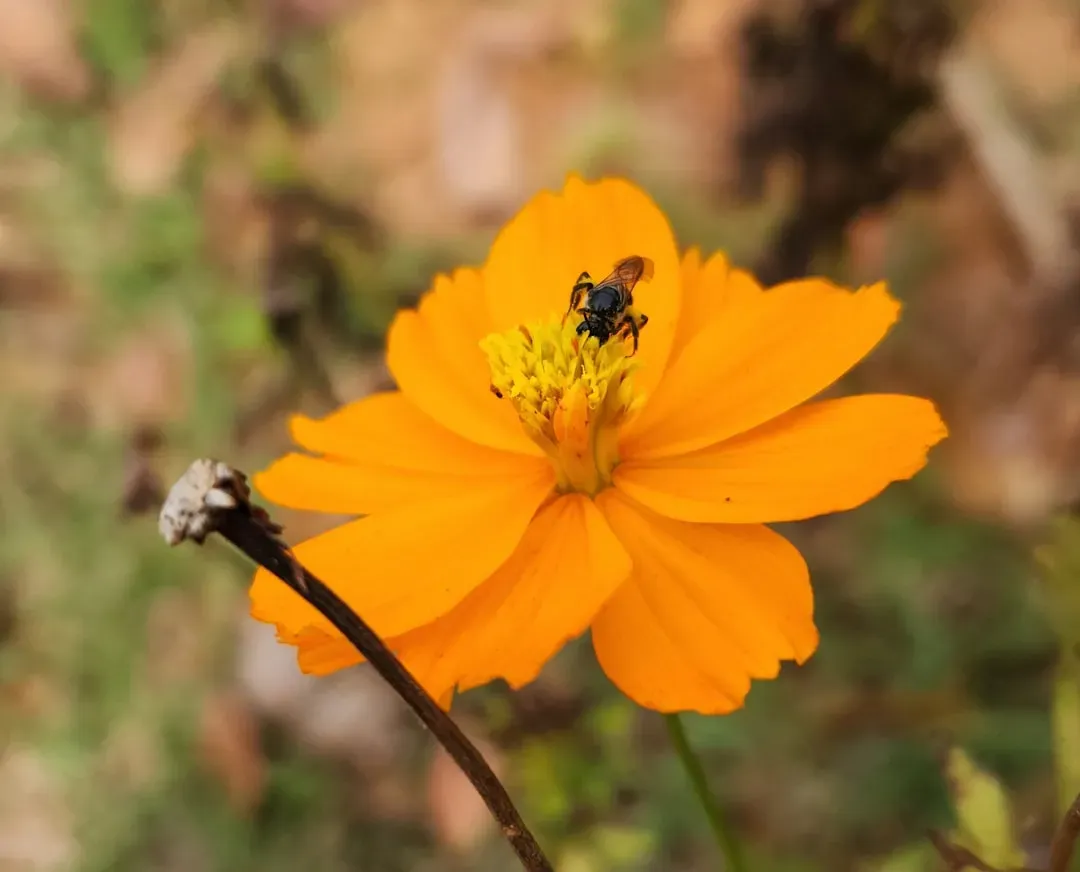
Evening primrose flowers produce significantly sweeter nectar within three minutes when exposed to bee wingbeats and artificial sounds containing similar frequencies. The flower essentially “hears” the bee coming and quickly makes itself more attractive. It’s hard to say for sure, but this might be one of the most elegant examples of real-time communication between plant and animal kingdoms.
The transport of sugar into the nectar was increased by about twenty percent, giving it a higher concentration compared to the nectar of flowers that were exposed to higher frequencies or no sound at all. The plant adjusts its offering based on who’s visiting – that’s remarkably sophisticated behavior for an organism without a brain.
Warning Against Future Threats: Plant Memory

VOCs can prime the defense system of plants for an enhanced resistance to an upcoming stress. Plants don’t just react to immediate danger – they prepare for future attacks. Receipt of defensive signals or cues from an infested plant would be adaptive, as the receiving plant would be able to prime its own defenses in advance of an attack by herbivores.
This priming effect suggests something even more remarkable: plants have a form of memory. They remember being threatened and adjust their defenses accordingly. The concept challenges our understanding of what constitutes learning and memory in living organisms.
Conclusion
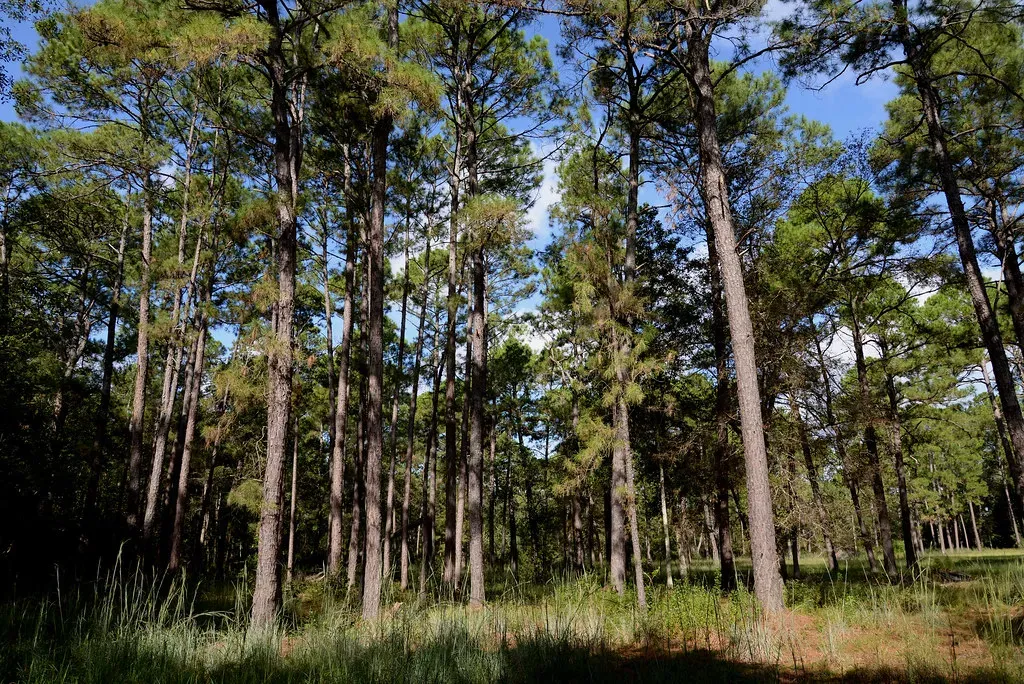
The world of plant communication reveals a hidden dimension of nature that’s been operating right under our noses – or more accurately, right under our feet – for millions of years. From chemical signals floating through the air to intricate fungal networks threading through soil, from ultrasonic clicks to electrical impulses, plants have developed a sophisticated array of communication methods that rival any human technology.
By unraveling the secrets of plant communication, we gain not only insights into the hidden lives of plants but also tools to build a more sustainable and resilient future. Understanding these systems could revolutionize agriculture, help us protect endangered ecosystems, and fundamentally change how we view the natural world.
Next time you walk through a garden or forest, remember that you’re surrounded by conversations you cannot hear, chemical signals you cannot smell, and underground networks you cannot see. What do you think about it? Does it change how you see the plants around you?