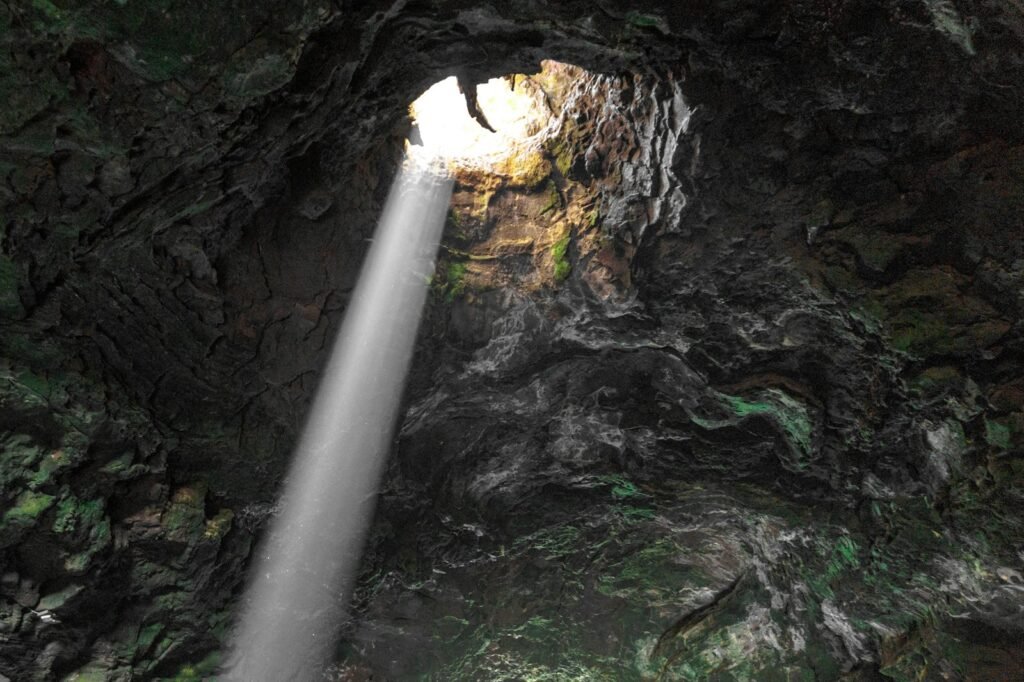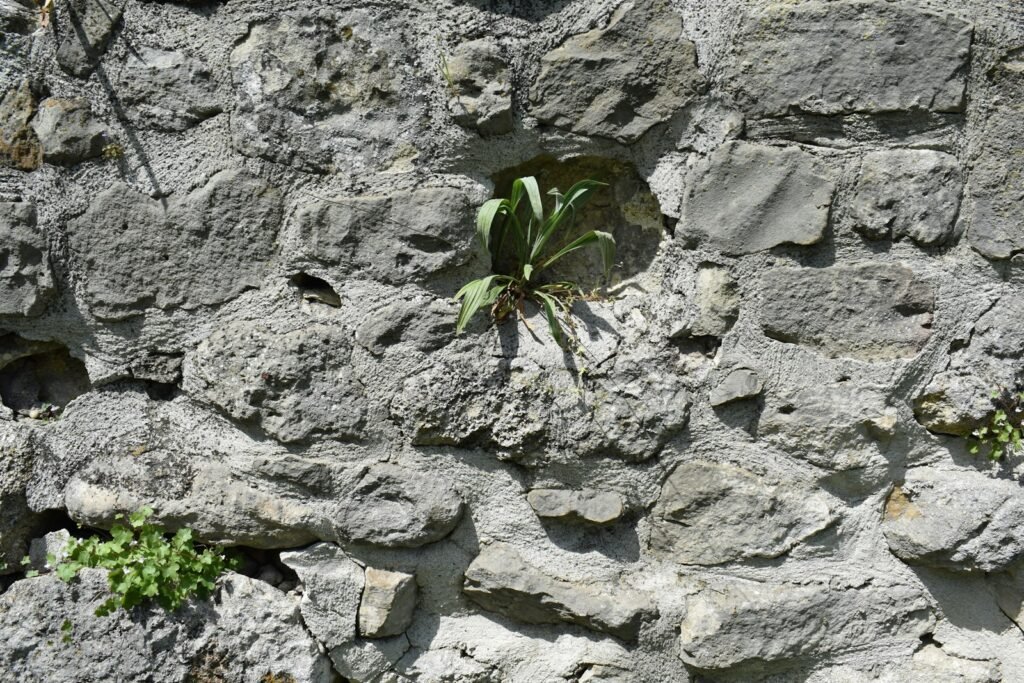

On a frozen Antarctic rock, a lime-green crust clings stubbornly to stone. In the Sahara, a plant that looks dead for years suddenly unfurls after a single rare rain. High on industrial smokestacks, mosses quietly trap metal-laced dust and keep growing. These are not isolated oddities; they are case studies in nature’s most relentless experiment: how to stay alive when everything in the world seems designed to kill you. As climate extremes intensify in the twenty‑first century, scientists are racing to decode these plant survival tricks, not just out of curiosity, but because our own future may depend on them.
The Resurrection Trick: Coming Back From the “Dead”
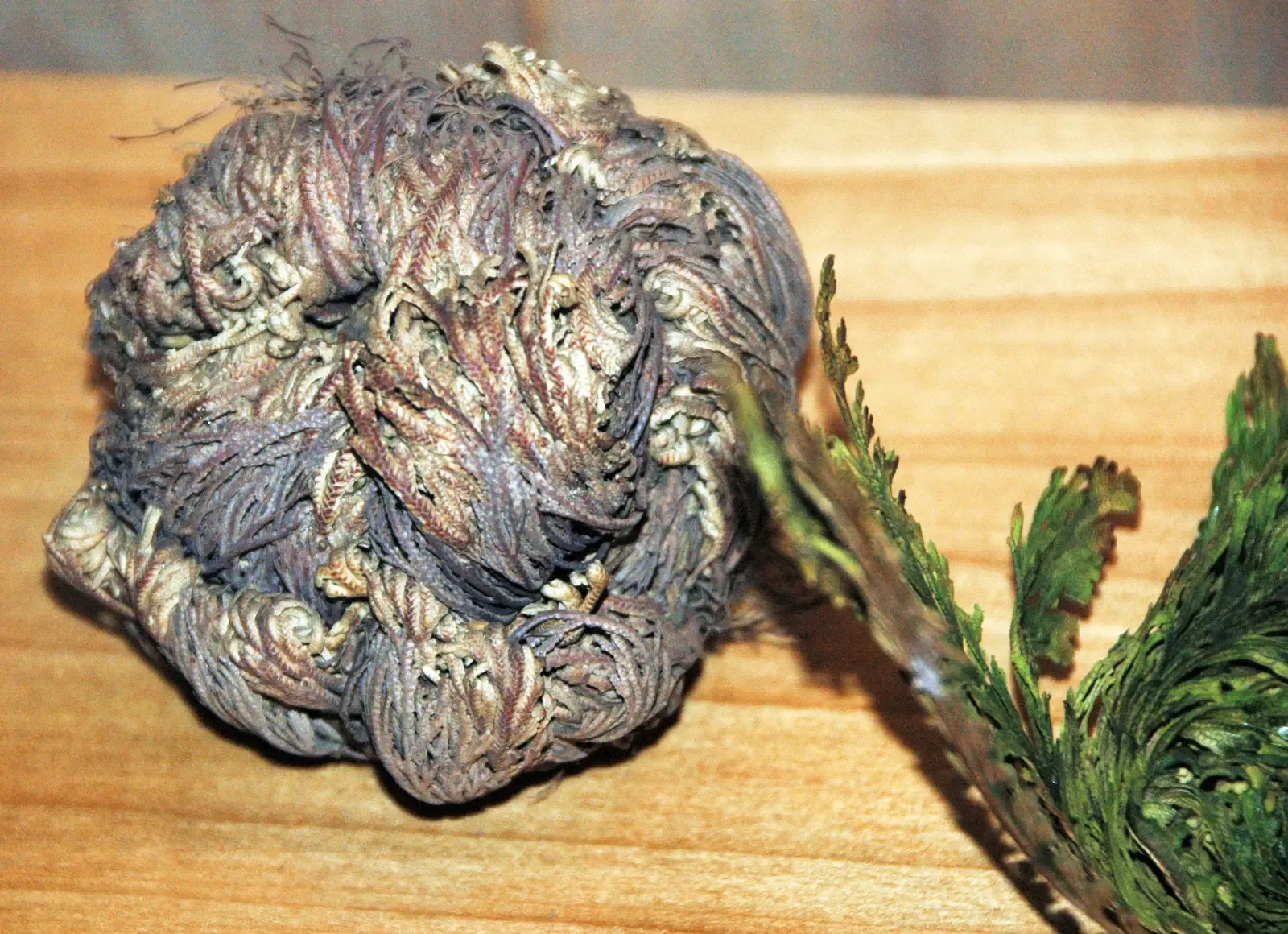
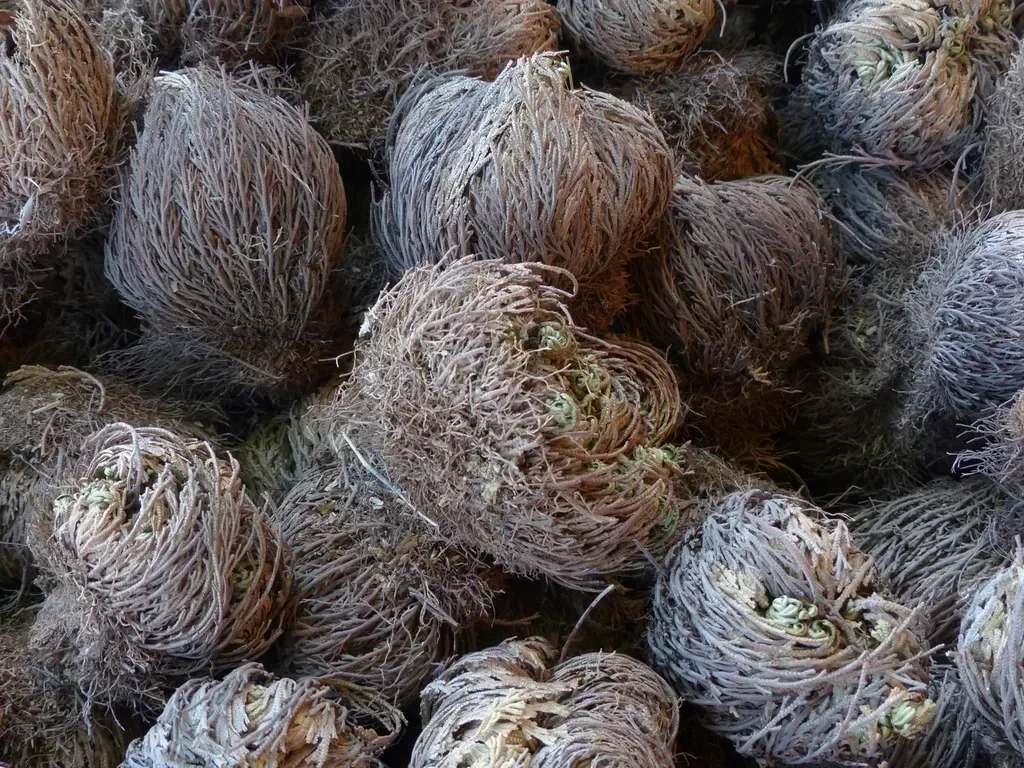
Imagine a houseplant that you could forget on a shelf for months, let shrivel into a crisp ball, then revive with a splash of water as if nothing happened. That near-miracle is everyday life for so‑called resurrection plants, such as the African species Xerophyta viscosa or the desert “resurrection moss” Selaginella lepidophylla. These plants can lose almost all the water from their tissues and still survive, something that would be fatal for most crops within hours. Under extreme drought, they fold their leaves, shut down photosynthesis, and pack their cells with sugar-based protectants that act like tiny shock absorbers for proteins and membranes.
When rain finally comes, the transformation is almost theatrical: brittle leaves soften, turn green, and switch photosynthesis back on, often within a day. Researchers have found that resurrection plants activate entire suites of genes to manage this controlled shutdown and restart, a bit like putting a computer into deep sleep and waking it up without data loss. That genetic choreography is drawing intense interest from crop scientists who hope to borrow these mechanisms to make future staple plants more drought-hardy. The big challenge is translating an extreme survival strategy, tuned for rare rain and slow growth, into high-yield agriculture, but the blueprint clearly exists in nature. It is hard not to see these plants as a quiet warning that flexibility, not brute strength, wins in a harsher world.
Desert Masters: How Plants Turn Heat and Thirst Into an Advantage
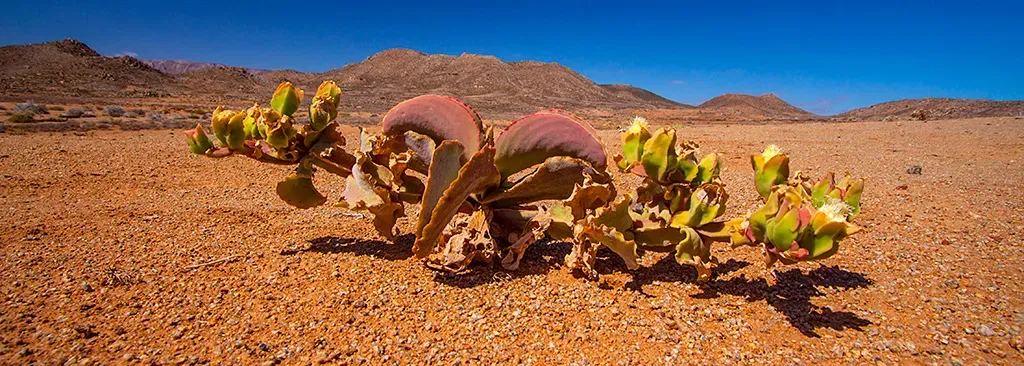
Walk into a hot desert at noon and it feels like stepping into an open oven, yet it is one of the most botanically inventive places on Earth. Classic desert succulents such as cacti or agaves do not simply store water; they have redesigned the way photosynthesis works. Many of them use a system called CAM photosynthesis, where they open their stomata – the tiny pores on leaves – at night to take in carbon dioxide, then close tight during the day to avoid losing water. It is a time‑shifted life, like a factory that only receives deliveries in the cool dark to cut operating costs.
Other desert plants go to the opposite extreme and avoid the worst altogether by living fast and dying young. After a rare storm, their seeds germinate, race through growth and flowering, and set the next generation before the soil dries again, sometimes in just a few weeks. Deep taproots, reflective leaf hairs, and even waxy coatings all play supporting roles in this survival drama. Seen up close, a cactus is less a “tough” plant and more a finely tuned water accountant, balancing every drop like a business managing a scarce budget. In a century where water stress is spreading far beyond the deserts, these strategies are being reexamined as models for water-efficient agriculture and landscaping.
Frozen Fortresses: Life on the Edge of Ice and Permafrost
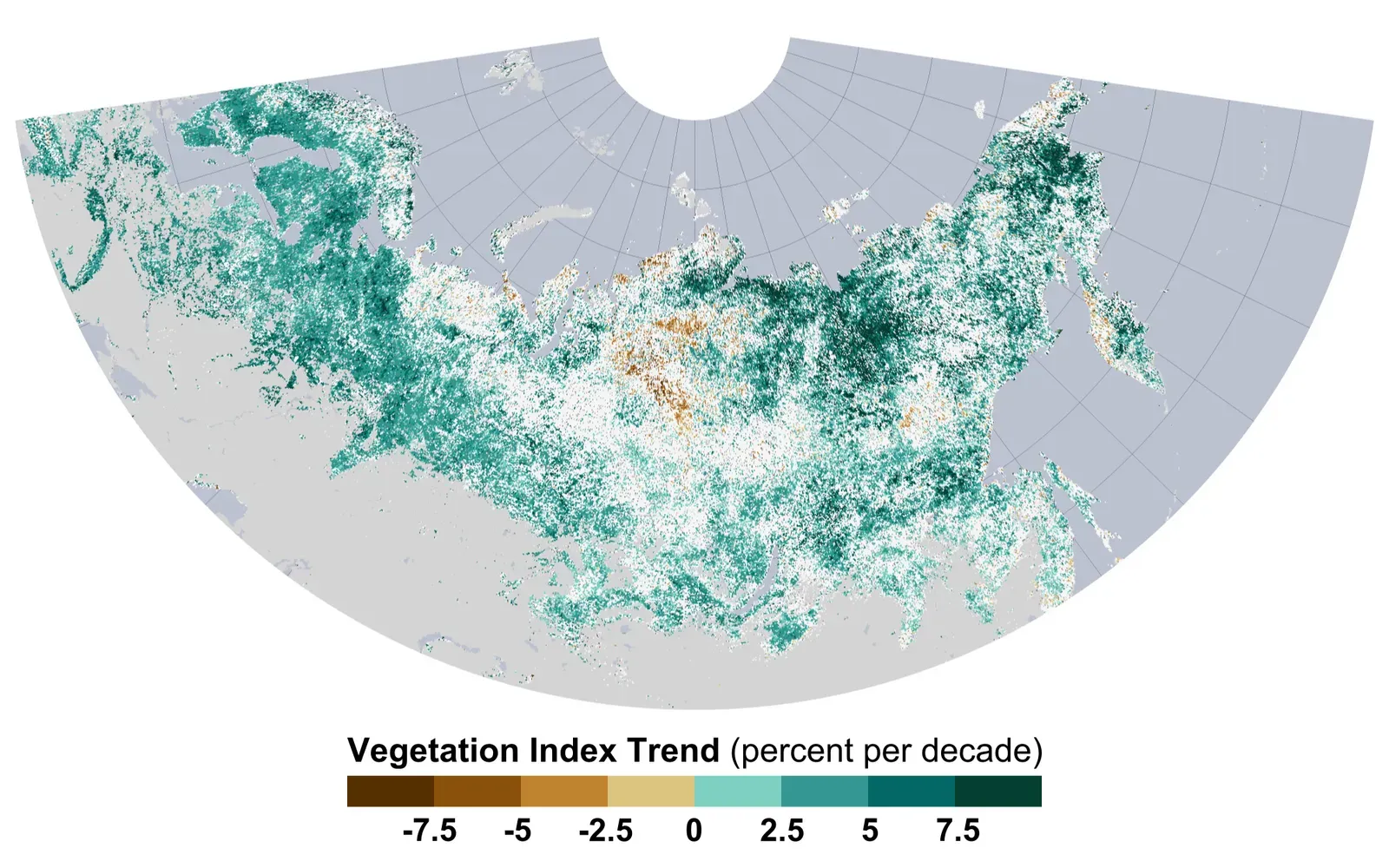
At first glance, the Arctic tundra looks like a botanical lost cause: frozen soils, screaming winds, and a growing season squeezed into a few frantic weeks. Yet dwarf shrubs, mosses, and hardy grasses endure there by bending the rules of plant architecture and chemistry. Many grow low and tight to the ground in cushion-like mats, trapping a thin layer of warmer air and shielding themselves from ice-blasting gusts. Others keep dark, pigment-rich leaves that absorb precious heat from weak polar sunlight, turning each leaf into a tiny solar panel.
On the molecular level, cold-tolerant plants tweak their cell membranes to stay flexible and load their cells with antifreeze compounds that prevent damaging ice crystals from forming. Some perennial Arctic species can keep their buds ready under snow for months and then burst into growth astonishingly fast when temperatures rise. As permafrost thaws and Arctic temperatures climb much faster than the global average, these strategies are under new pressure and scrutiny. Scientists are increasingly worried that as cold specialists lose ground, the region’s ability to store carbon and reflect sunlight will erode. The plants that once quietly anchored frozen ecosystems are now central players in one of the most important climate feedback stories of our time.
Salt Survivors: Thriving Where Most Roots Would Burn
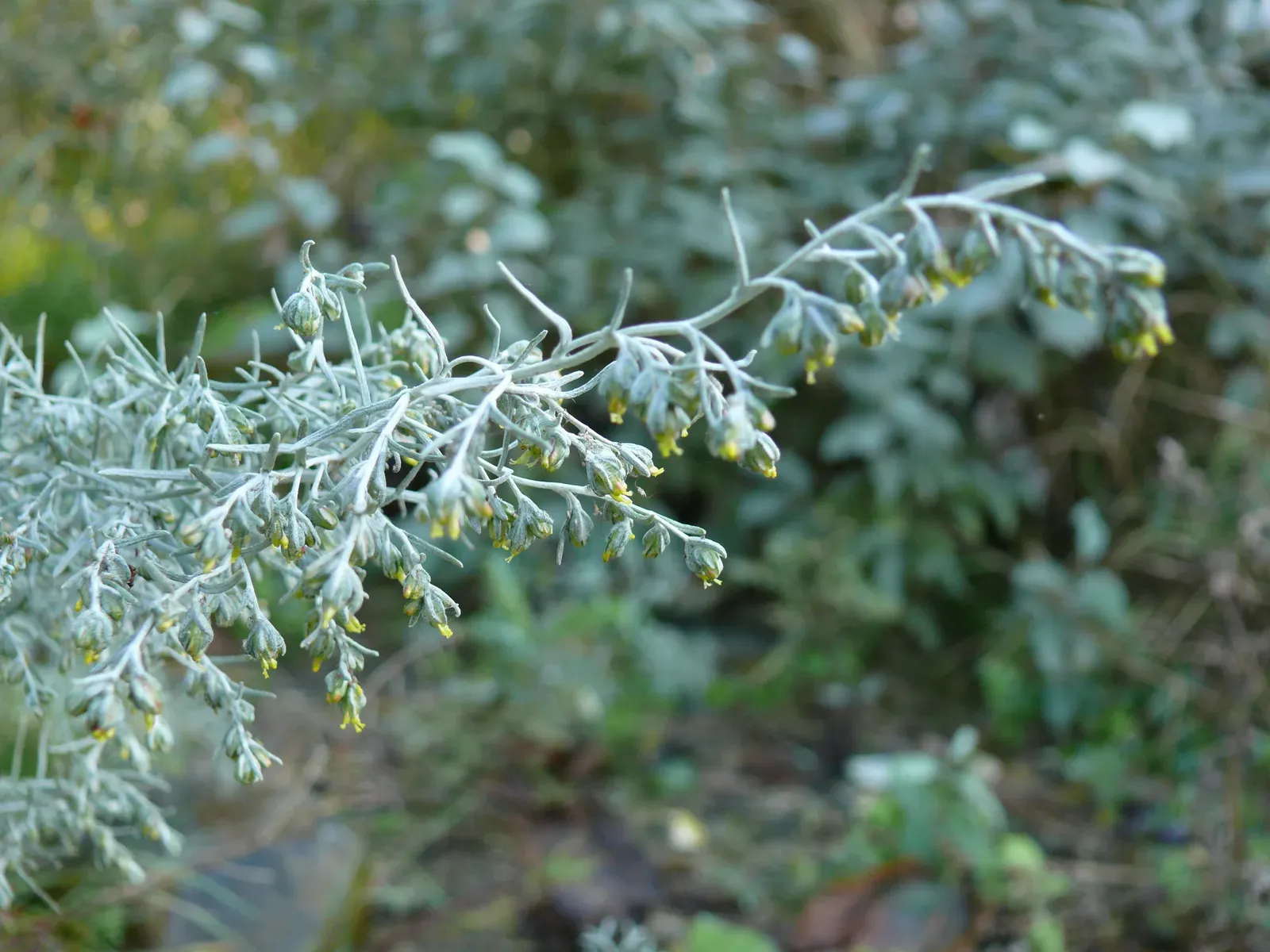
Salty soil is a slow poison for most plants, disrupting water uptake and clogging cells with ions they cannot handle. Yet halophytes – salt-loving plants – have turned this hostile chemistry into an opportunity to occupy coastal marshes, salt pans, and degraded farmland. Some, like saltbushes and glassworts, compartmentalize salt into special vacuoles inside their cells, keeping sensitive machinery protected. Others grow tiny salt glands on their leaves that excrete excess salt as crystals, literally sweating out what would kill them.
These adaptations matter more than ever as rising seas push saltwater into deltas and farmland and as irrigation leaves salty residues across dry regions. Researchers are studying wild halophytes as candidates for biofuel crops, saline agriculture, and even as living filters in constructed wetlands. A few coastal species can tolerate salt levels close to those of seawater, an astonishing feat when many common crops falter at a fraction of that concentration. It is easy to overlook these tough, often scrubby plants, but they show that feeding people on a saltier planet might still be possible. In some pilot projects, scientists are already growing edible halophytes using seawater, hinting at radically different coastal farms of the future.
Poisonous Grounds and Toxic Air: Plants as Chemical Alchemists
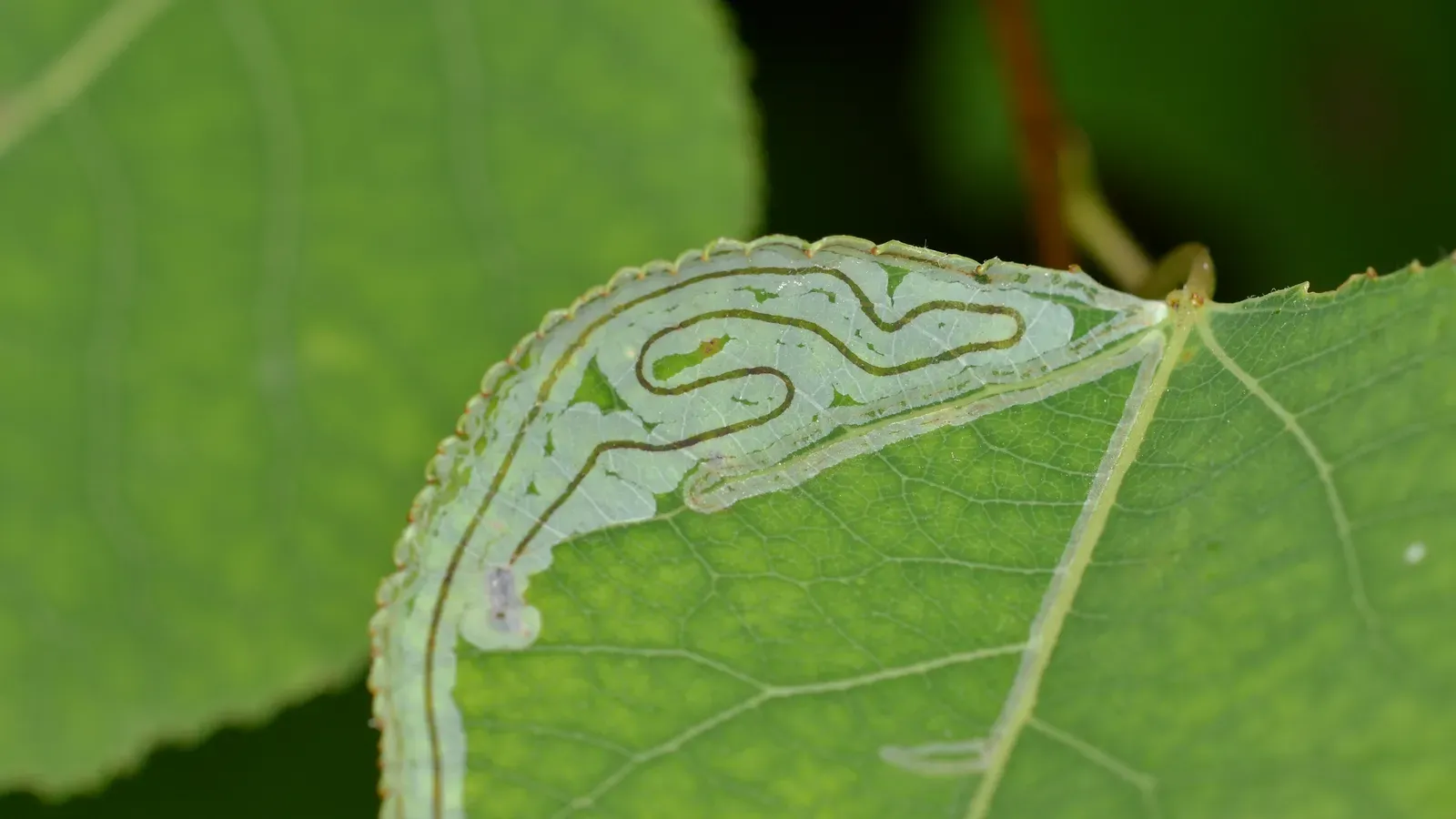
In certain mining districts and volcanic slopes, the soil contains enough heavy metals to kill most seedlings before they ever sprout. Yet so‑called metallophyte plants not only survive there, they hoard metals like nickel or zinc in their leaves at concentrations that would be toxic for almost any other organism. They do this with specialized transport proteins and binding molecules that lock metals away safely, turning what should be a deadly exposure into a shield against herbivores and disease. Grazing animals often avoid these plants, and insects feeding on them can suffer their own metal overload.
This extreme chemistry has attracted engineers and environmental scientists looking for greener ways to clean up polluted sites. A single hyperaccumulator plant can pull measurable amounts of contaminants from the soil into its tissues, a process known as phytoextraction. In some test plots, harvesting and safely disposing of or processing this biomass gradually lowers soil metal levels without the heavy machinery and disruption of traditional remediation. Mosses and lichens offer a related story in the air, quietly trapping airborne pollutants and serving as living monitors of urban and industrial emissions. Together, they show that plants do not just endure toxins; they can transform and track them with a precision that is now being carefully harnessed for public health and restoration.
Living With Almost No Light: Survivors of Shade and Deep Forests
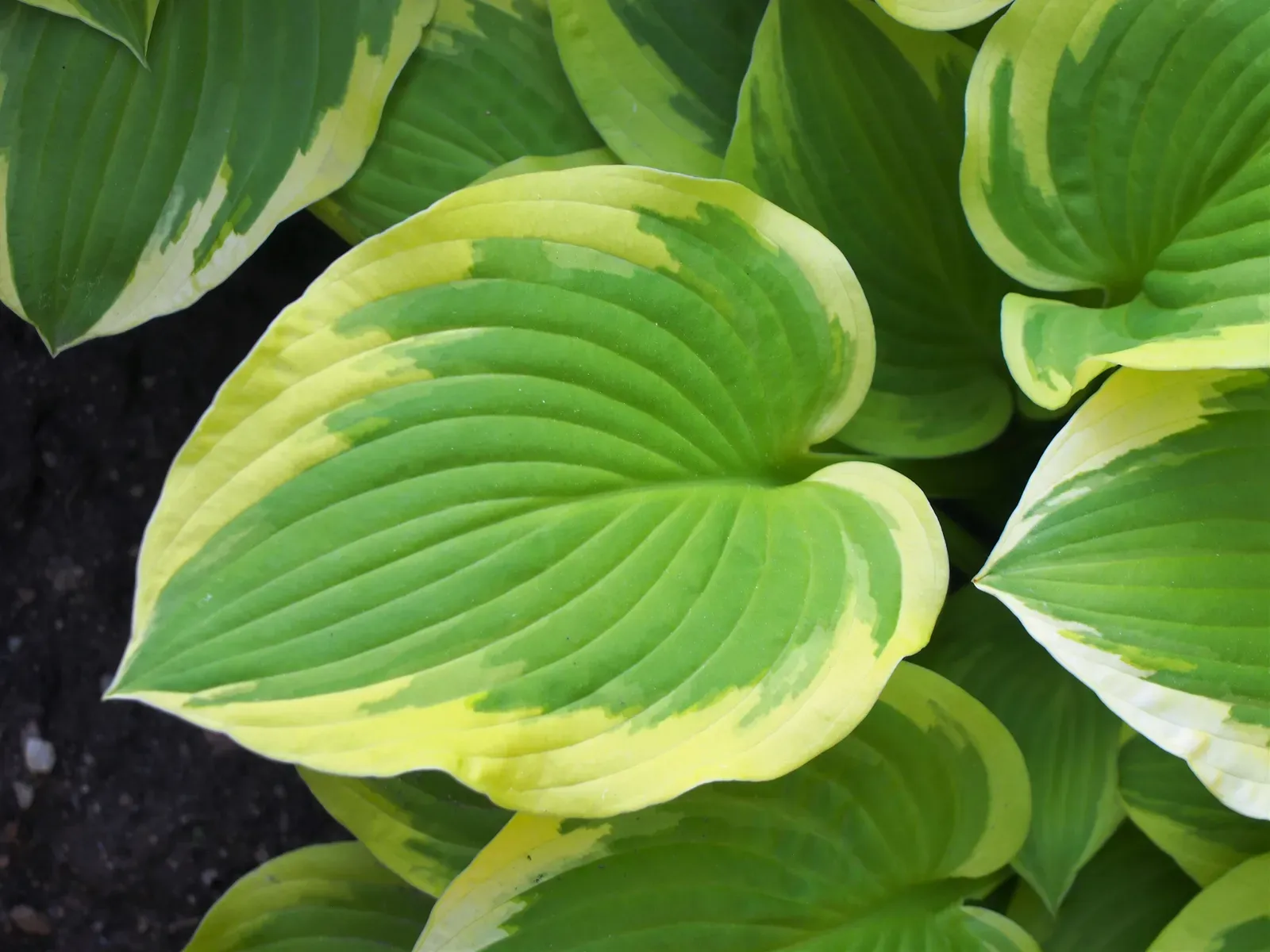
It is easy to picture plants basking in sunlight, but some of the most remarkable survivors make do with the dimmest scraps of light that filter through dense forest canopies or cave mouths. Shade-adapted plants often build oversized, thin leaves packed with chlorophyll, so they can squeeze every photon out of the gloom. Many rewire their metabolism to keep running on a very low energy budget, sacrificing rapid growth for steady survival. The result is a quiet patience that can last decades in the understory, waiting for a fallen tree or gap in the canopy.
Other species go further and cheat the usual rules of plant life by leaning on fungi for help. Mycoheterotrophic plants, which are often pale or even fully white, tap into fungal networks that connect to nearby trees, effectively siphoning off carbon secondhand. While this makes them rare and vulnerable, it proves that the classic textbook picture of green, sun-loving plants is only part of the story. In a world where human development and logging are changing forest light patterns, understanding how shade specialists cope with low light is crucial. Conserving them also means protecting the complex underground fungal webs that keep these quiet specialists alive.
Why It Matters: Lessons From Extreme Botanists of the Natural World
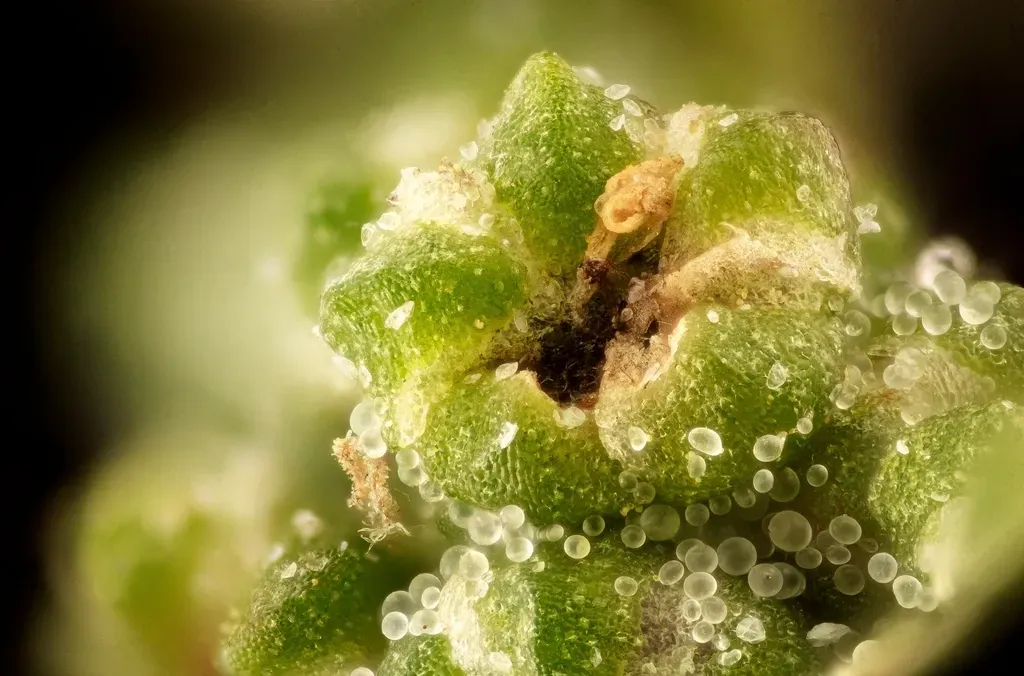
It might be tempting to see these plants as curious side notes, the biological equivalent of record‑holding athletes with little relevance to everyday life. But in an era of rising temperatures, shifting rainfall, and expanding pollution, the extremes are quickly coming closer to home. Many staple crops evolved in relatively stable environments, and their built‑in tolerance limits are being tested more often, from heatwaves in grain belts to droughts in fruit-growing regions. The survival tricks in desert shrubs, Arctic mosses, or salt-marsh grasses effectively mark the outer edges of what plant life can endure.
Comparing traditional, high-yield crop varieties to wild stress specialists exposes trade-offs that plant breeders and genetic engineers are now trying to renegotiate. Historically, agriculture pushed for uniformity and maximum production under predictable conditions; resilience to freak events was more an afterthought. Today, the script is flipping, and resilience is becoming a core design goal, even if that means slightly lower yields in ideal years. Studying extreme plants offers a menu of real, field-tested adaptations rather than theoretical fixes. In that sense, every scraggly survivor on a cliff or salt flat is both a warning sign of environmental stress and a living library entry in our search for climate-ready crops.
The Future Landscape: Turning Wild Adaptations Into Human Solutions
As genetic tools become more precise and cheaper, the once-distant dream of borrowing survival genes from extreme plants is moving into serious research programs. Scientists are mapping the genomes of resurrection species, halophytes, and cold-hardy tundra plants in order to pinpoint the switches that control their unique abilities. The hope is to introduce targeted versions of these traits into crops without importing the slow growth or specialized quirks that would make them impractical for farming. Field trials are already exploring drought-tolerant lines of major grains that mimic parts of the water-saving strategies seen in desert flora.
Beyond genetics, designers and planners are quietly rethinking entire landscapes with extreme plant strategies in mind. Coastal cities are experimenting with salt-tolerant vegetation belts that can handle storm surges and act as living barriers. Polluted industrial zones are being tested as sites for phytoextraction projects, turning toxic land into gradually healing green strips. There are real challenges here: transferring lab successes to messy, large-scale environments, protecting wild species from overexploitation, and navigating public debate over engineered crops. Still, the direction is clear: the same adaptations that once seemed like fascinating oddities are becoming blueprints for survival strategies on a rapidly changing planet.
How You Can Help: From Backyard Curiosity to Conservation Action
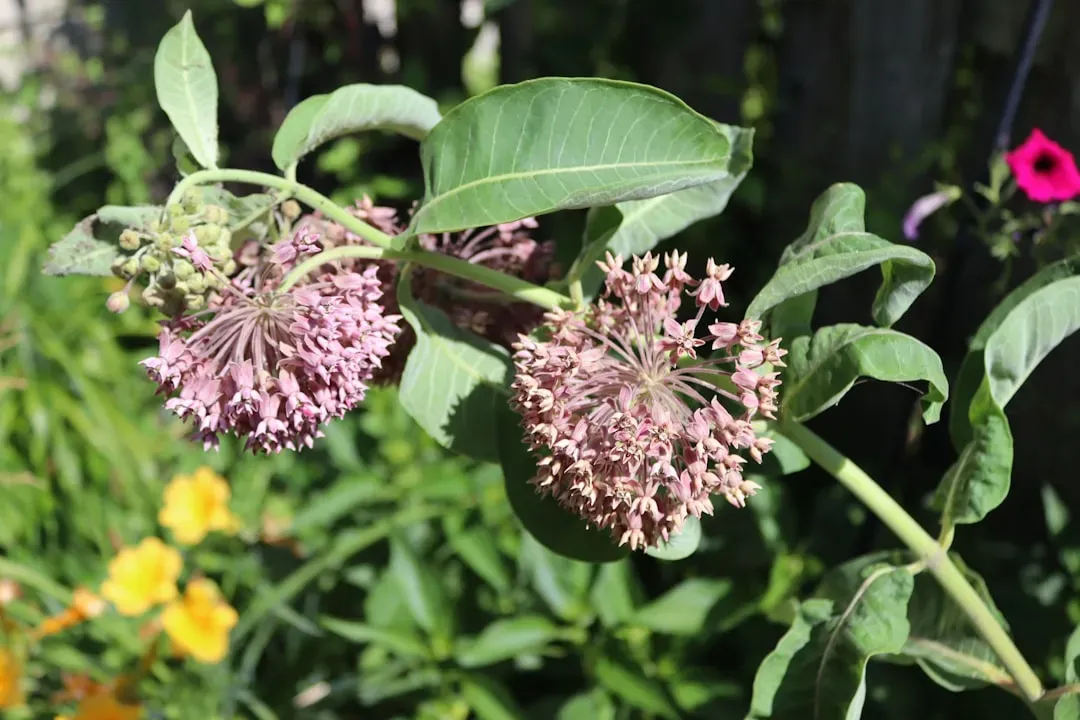
You do not need a research lab or a field station in Antarctica to engage with the story of extreme plants. One simple step is to pay closer attention to the tough species that already live around you, from sidewalk weeds pushing through concrete to hardy shrubs in urban heat islands. Choosing native, drought-tolerant, or salt-tolerant plants in gardens and public spaces can reduce water use and create micro-refuges for local biodiversity. Even small patches of resilient greenery help buffer heat, support pollinators, and demonstrate that adaptation is not just an abstract scientific term.
Supporting organizations that protect fragile habitats – deserts, salt marshes, alpine zones, and Arctic regions – also protects the living laboratories where the most extreme adaptations evolved. Citizen science projects that track flowering times, plant health, or invasive species can feed real data into research on how plants are coping with new extremes. Staying informed about policy debates on land use, pollution, and climate action adds another layer of influence, since these decisions shape the environments plants must face. In the end, every choice to notice, protect, or learn from these resilient species reinforces a simple reality: the more we understand their ways of surviving, the better our own chances become.
Suhail Ahmed is a passionate digital professional and nature enthusiast with over 8 years of experience in content strategy, SEO, web development, and digital operations. Alongside his freelance journey, Suhail actively contributes to nature and wildlife platforms like Discover Wildlife, where he channels his curiosity for the planet into engaging, educational storytelling.
With a strong background in managing digital ecosystems — from ecommerce stores and WordPress websites to social media and automation — Suhail merges technical precision with creative insight. His content reflects a rare balance: SEO-friendly yet deeply human, data-informed yet emotionally resonant.
Driven by a love for discovery and storytelling, Suhail believes in using digital platforms to amplify causes that matter — especially those protecting Earth’s biodiversity and inspiring sustainable living. Whether he’s managing online projects or crafting wildlife content, his goal remains the same: to inform, inspire, and leave a positive digital footprint.