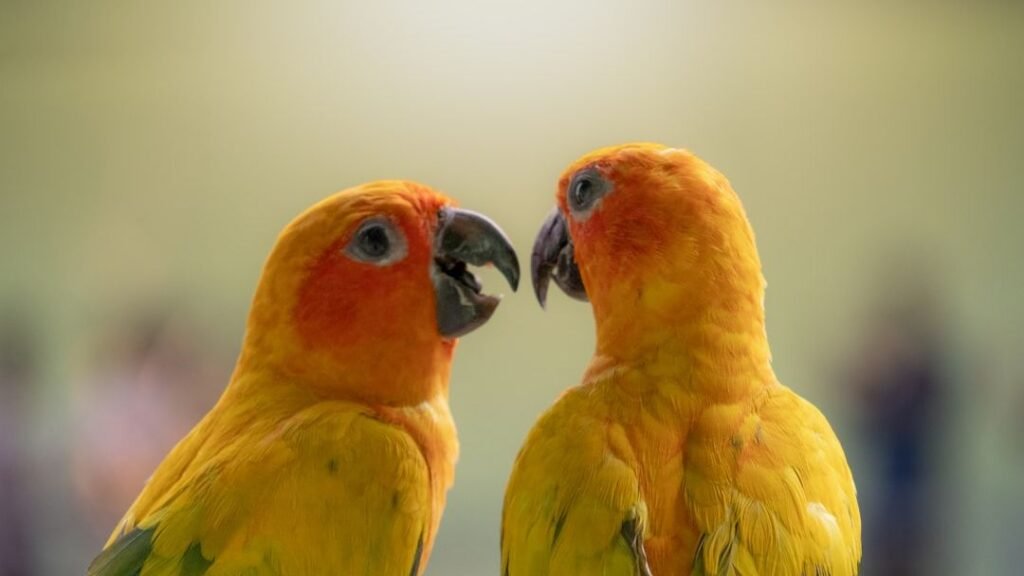

Think you know how animals talk to each other? You probably picture birds chirping, dogs barking, maybe a whale singing in the deep ocean. Communication is the lifeblood of all social interactions, and while humans rely heavily on verbal language, the animal kingdom boasts an astonishing diversity of communication methods that often go unnoticed. From chemical signals to elaborate dances, animals have evolved remarkable ways to share information, warn of dangers, attract mates, and coordinate group activities.
Honestly, what you’re about to discover might make you feel like the animal world has been holding secret conversations right under your nose this entire time. Some of these methods are so sophisticated, so precise, and so downright bizarre that they challenge everything you assumed about intelligence and language in nature. So let’s dive in.
1. Elephants Literally Feel the Earth to Communicate
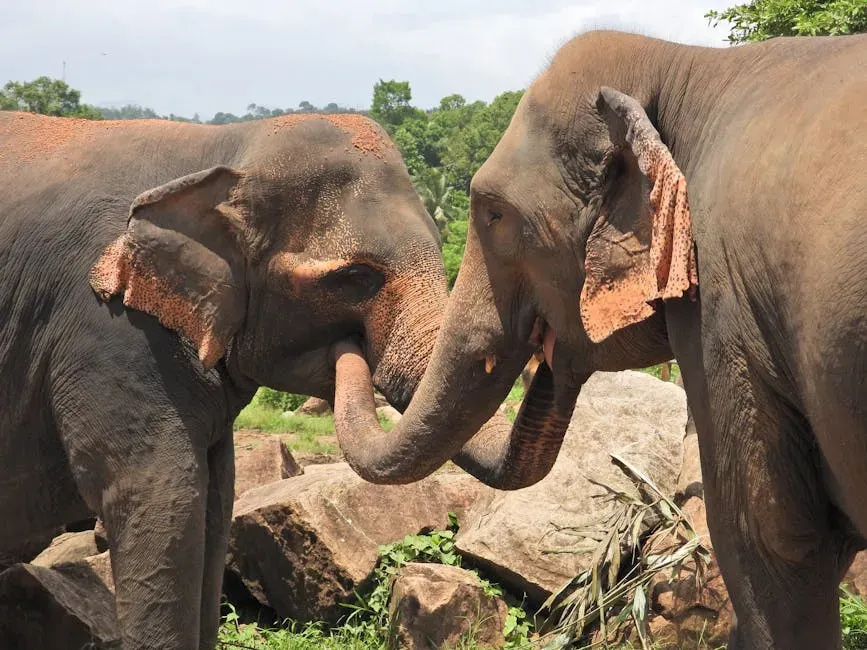
Here’s the thing about elephants – they don’t just trumpet dramatically into the savanna and call it a day. They produce infrasound vocalizations as low as 14 hertz, well below our hearing threshold, that roll like distant thunder. These sounds can travel through the ground for miles, detectable by the sensitive feet and trunks of other elephants. Imagine your entire body being a giant antenna for underground messages. That’s essentially what elephants have evolved.
The use of infrasonic communication by elephant species was first discovered in the 1980s, when a zoologist named Katy Payne noticed an unusual vibration in the air while observing Asian elephants at a zoo in the USA. Since then, research has revealed layer upon layer of complexity. Both Asian and African elephants have been documented predicting thunderstorms before they occur, at distances of up to 150 kilometers. The movements within cumulonimbus clouds produce strong infrasonic signals, and it is thought elephants may be able to hear these and locate the storm. This ability may allow elephant herds to locate water sources during times of drought, as well as areas where there is likely to be food when resources are scarce. Nature’s own weather forecast service, built right into the feet of a six-ton animal.
2. Prairie Dogs Speak in Full Descriptive Sentences
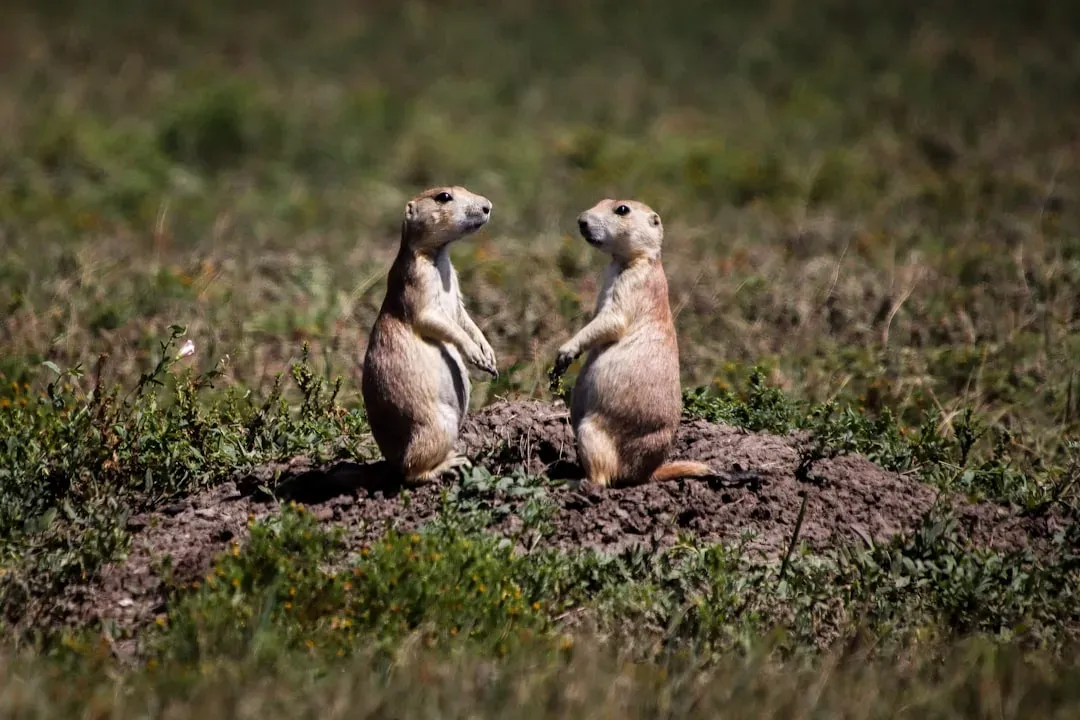
Prairie dogs are small, adorable, and – I kid you not – speaking one of the most complex animal languages ever studied. Prairie dogs have one of the most complex communication systems in the animal kingdom. They are able to communicate an animal’s speed, shape, size, species, and for humans specific attire and even if the human is carrying a gun. That’s not a metaphor. That’s actual animal linguistics.
In experiments, the calls would differentiate in remarkable detail based on what color clothing the researchers were wearing, how tall or short they were, how close they were, and how fast they were moving. A professor named Con Slobodchikoff has been studying prairie dog communication for more than three decades and confirms that one vocalization can translate into “There’s a tall skinny guy in green a few yards away and he’s sprinting toward us!” In some experiments, prairie dogs could even describe objects they had never witnessed before. The alarm calls are composed of smaller sound units akin to human phonemes. Each alarm call is like a human sentence, with nouns representing the species, verbs representing the activity, and adjectives describing the physical characteristics. You might want to think twice about what those little squeaks really mean next time you walk past them.
3. Dolphins Have Names and a “WTF Whistle”
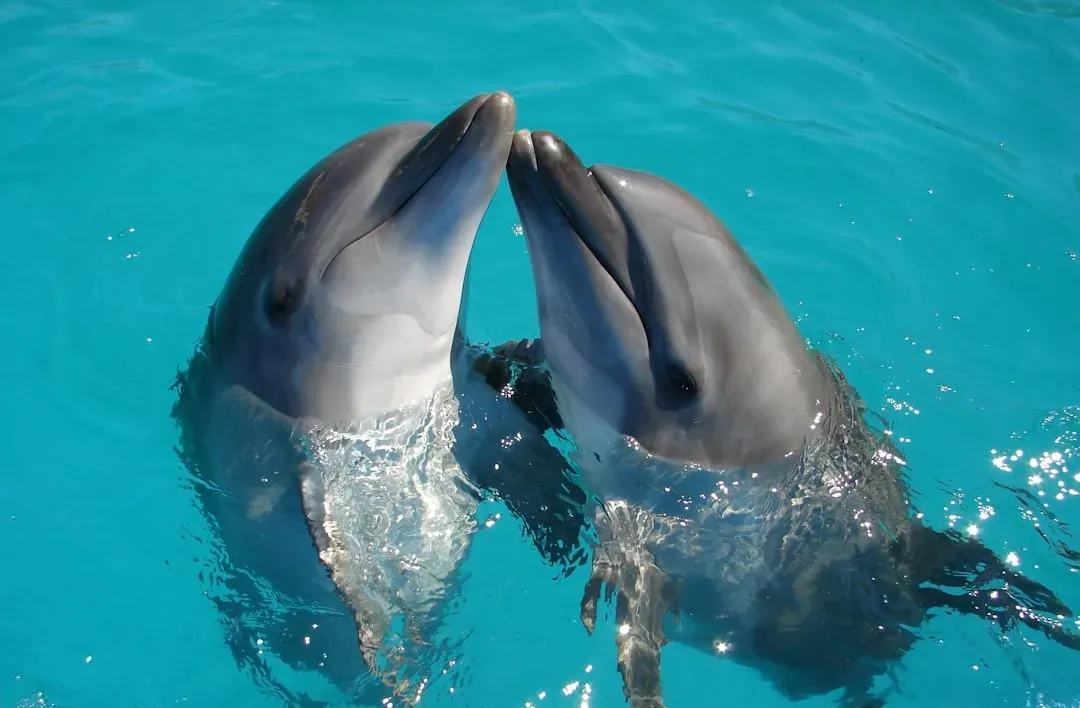
Dolphins have long been celebrated as among the smartest communicators on Earth. But recent research has taken things to a whole new level. Signature whistles are important, but in the last few years researchers have learned that dolphins do far more than just shout names. Trawling through more than a thousand hours of vocalizations, one team realized that around half the whistles made by free-swimming dolphins were not signature whistles. They identified 20 new whistles, each used by multiple dolphins.
Still more fascinating is what researchers at the Woods Hole Oceanographic Institution discovered about dolphin confusion. Dolphins probably confused by a strange situation each responded by emitting what has been officially termed “non-signature whistle B,” but which the researchers have informally dubbed “the WTF whistle.” It’s hard to say for sure what exactly it means, but the suggestion that dolphins might have something resembling an expression of bewilderment is genuinely incredible. In May 2025, a research team won the inaugural Coller-Dolittle Prize for accelerating progress towards interspecies two-way communication. The race to truly understand dolphin language is very much on.
4. Honeybees Dance to Give Perfect GPS Directions
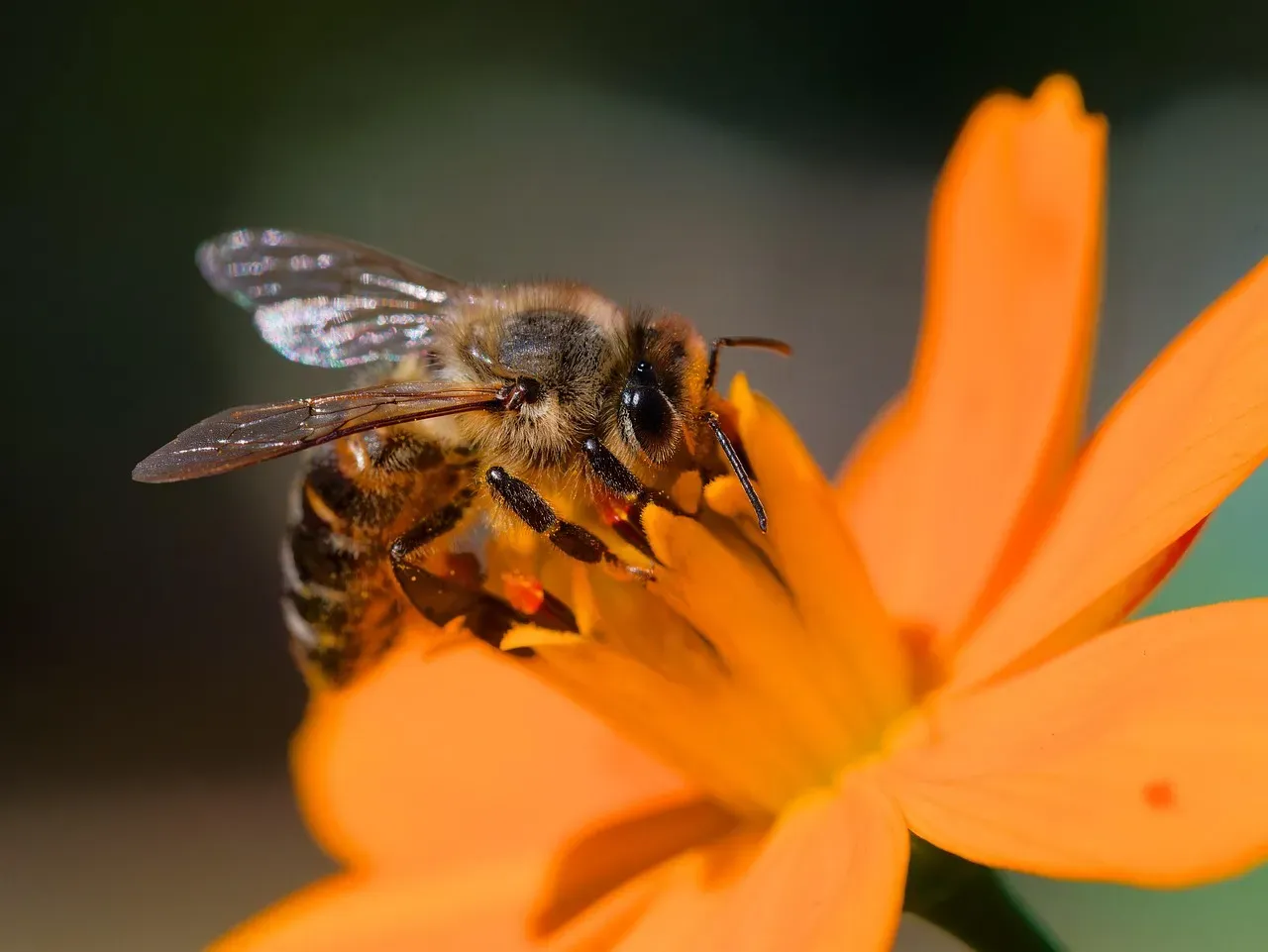
If you’ve ever tried to give someone directions and made a mess of it, you should feel humbled by the honeybee. Honeybees famously perform the “waggle dance,” a series of movements conveying the direction and distance of nectar sources. Beneath the visible dance lies a layer of vibrational signals transmitted through the hive’s wax comb. These vibrations guide colony behavior with astonishing efficiency. It’s like a GPS unit built entirely from dancing and tremors.
When a bee discovers a nectar source, it heads back to the hive and waggles. By touching the waggling bee’s abdomen, the other bees learn where to find the food without having to be shown. The direction and speed of the dance indicate the nectar’s specific location. Bees also use polarized light patterns, invisible to us, as part of their navigation and communication. Their world is encoded not in words or sounds but in subtle shifts of light and tremors, messages we cannot naturally perceive. The whole operation is more sophisticated than a lot of human logistics.
5. Cuttlefish Send Two Different Messages at the Same Time
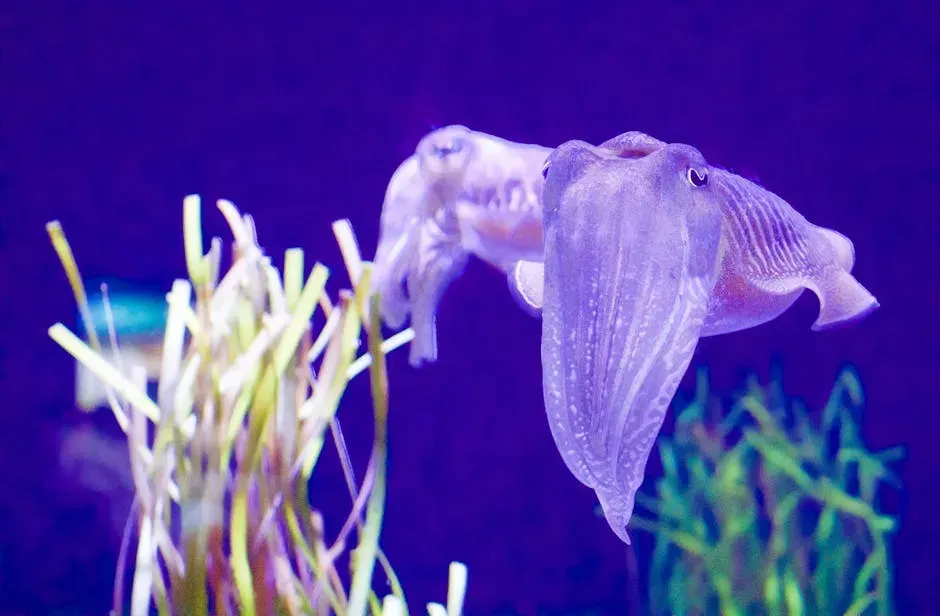
Cuttlefish deserve their own chapter in any book about communication. Some cephalopods, such as the cuttlefish, have specialized skin cells called chromatophores that can change the apparent color, opacity, and reflectiveness of their skin. In addition to their use for camouflage, rapid changes in skin color are used while hunting and in courtship rituals. Cuttlefish may display two entirely different signals simultaneously from opposite sides of their body. When a male cuttlefish courts a female in the presence of other males, he displays a male pattern facing the female and a female pattern facing away, to deceive other males.
Think of it like holding two completely different conversations in two different languages, with two different people, at the exact same moment. Cuttlefish shift colors in rippling waves across their skin while using fin movements and posture to emphasize their message. Runners-up in the 2025 Coller-Dolittle Prize included a group from Paris who discovered that cuttlefish communicate by waving their arms in expressive patterns. Scientists are just beginning to scratch the surface of what this skin-based language can actually say.
6. African Elephants Call Each Other by Name
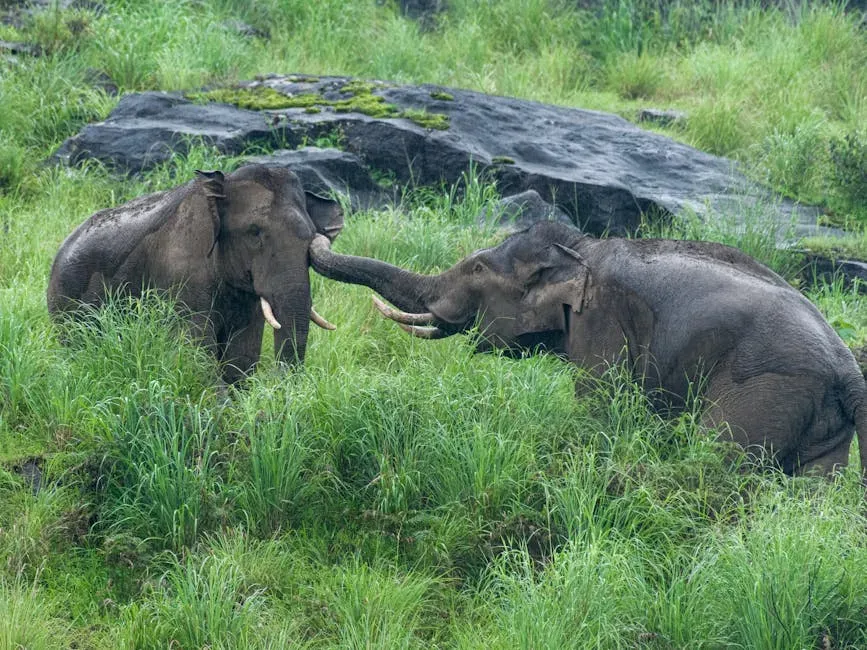
You might use your friend’s name to get their attention in a crowded room. As it turns out, elephants do something remarkably similar. A recently published study found that African elephants have names for each other, and address one another by name. It’s a significant finding, as very few creatures have this ability. The discovery rattled the scientific community when it emerged, because the assumption had always been that personal naming was a uniquely human trait.
Elephants appear to come up with names for other elephants independently, without imitating another’s call, and this is an ability that no animal other than humans was previously known to possess. That’s genuinely extraordinary. Most animals that seem to “name” each other are simply mimicking one another’s calls. Elephants appear to invent original sounds as labels for specific individuals. Elephants also produce specific alarm rumbles for lions, poachers, or droughts. African savanna elephants use distinct “bee rumbles” to warn of nearby hives. Mothers and calves maintain contact through quiet infrasound when separated. Their communication system is rich, contextual, and deeply social.
7. Fruit Bats Argue, Flirt, and Complain Using Complex Tones
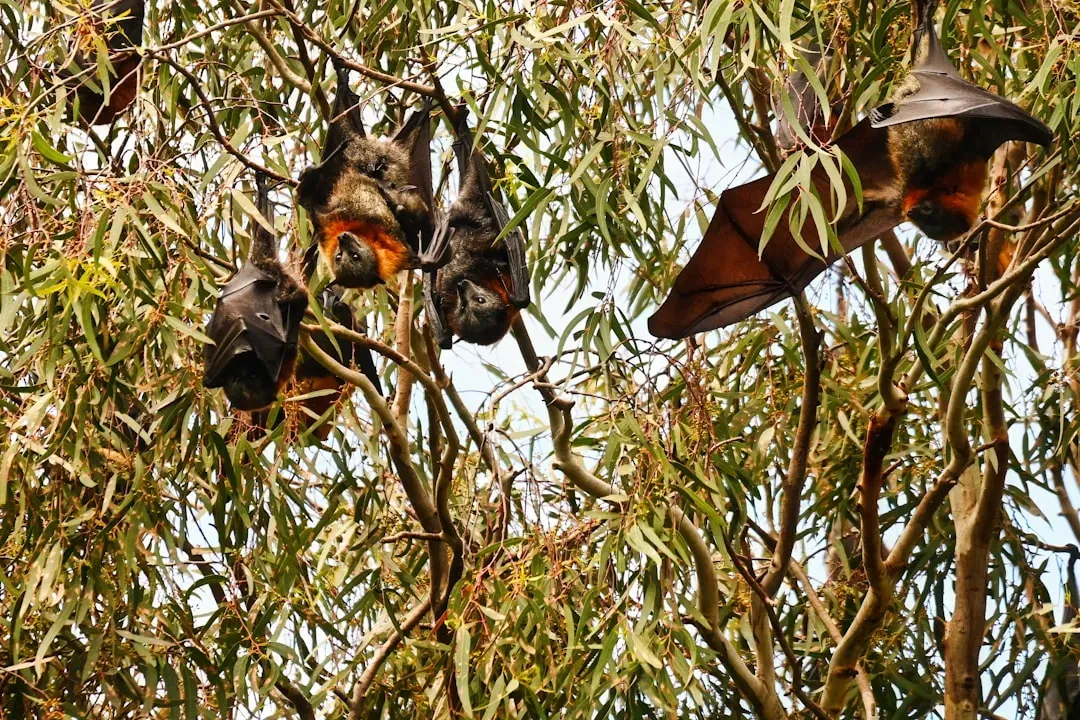
Bats have always had a reputation for being mysterious. But the social lives of fruit bats, it turns out, are loud, messy, and surprisingly familiar. Fruit bats are highly social creatures who live in enormous colonies. Only recently have scientists begun to decode bat vocalizations, and as it turns out, they’re much more complex than previously thought. After analyzing almost 15,000 distinct bat sounds, researchers found that a single vocalization can contain information about who the speaker bat is, the reason the vocalization is being made, the speaker bat’s current behavior, and the intended recipient of the call.
Rather than using names for each other as elephants do, the bats used different intonations of the same “words” to signal who they were talking to – sort of like using a different tone with your boss than with your parents. The study also found that when bats talk, they’re usually arguing. Let’s be real, that finding alone is both hilarious and deeply relatable. One tiny bat vocalization can carry context, intent, identity, and emotional tone all at once. That’s a lot of information packed into a single squeak.
8. The Fork-Tailed Drongo Bird Is a Master Con Artist
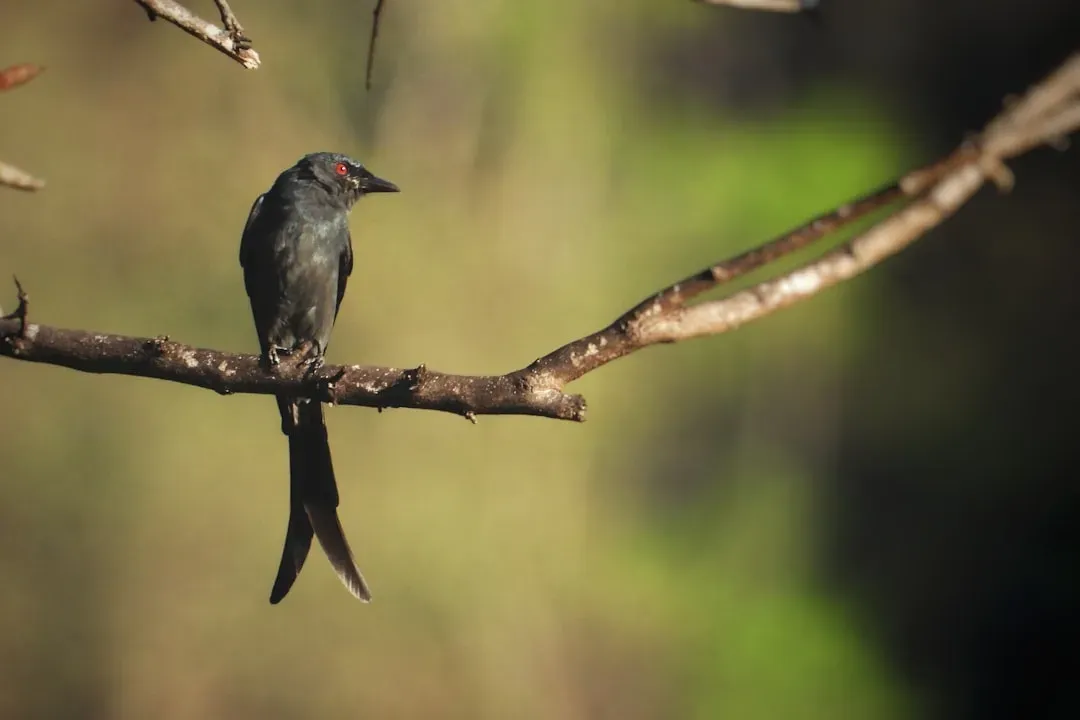
Some animals have evolved remarkable abilities to manipulate communication channels for their benefit, effectively “lying” to other creatures. The fork-tailed drongo bird of Africa has mastered the art of false alarm calls, mimicking the warning cries of several different species to scare away other animals from food sources, which the drongo then steals. Research has shown these birds can mimic the alarm calls of up to 45 different species and strategically vary their deception tactics when targets become wise to their tricks.
This isn’t just noise-making. It’s strategic, adaptive deception at a level that suggests genuine cognitive flexibility. When one trick stops working, the drongo switches to a new impersonation. Male topi antelopes sometimes give false predator alarm calls when a female is leaving their territory, effectively manipulating her to stay longer and increasing mating opportunities. Deception, it seems, is not a human invention. It’s an evolutionary strategy refined across multiple species, and frankly, the drongo has elevated it to an art form.
9. Naked Mole Rats Have Colony-Specific Accents
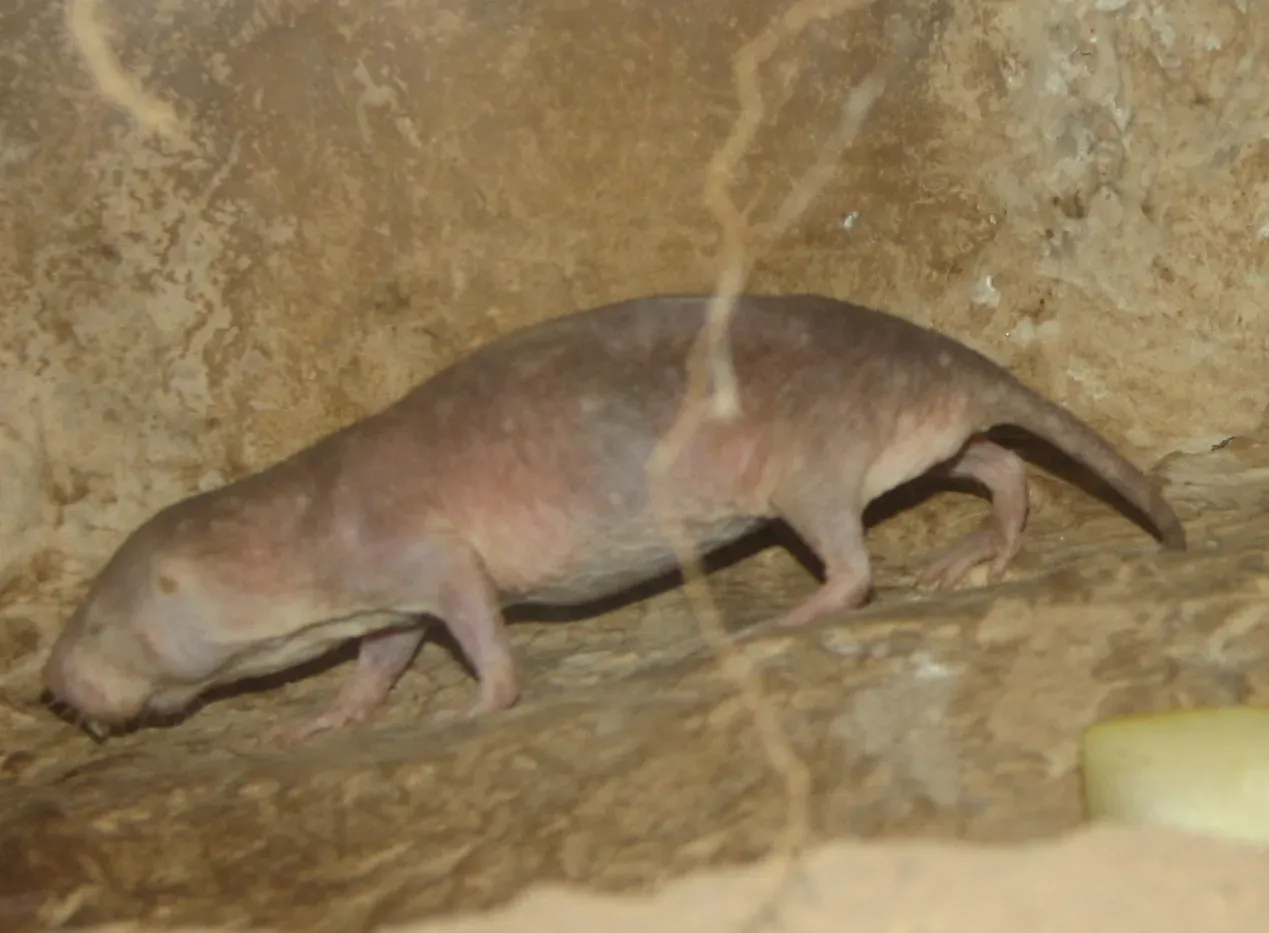
Naked mole rats are already bizarre creatures by any measure. The blind, hairless rodents can survive without oxygen for up to 18 minutes by metabolizing fructose instead of glucose, an ability normally reserved for plants. They have an extraordinarily high pain tolerance, are almost completely immune to cancer, and perhaps most impressively, don’t die of old age. Yet their communication quirks add yet another layer of strangeness.
Despite all these oddities, recent research has found that naked mole rats have at least one thing in common with humans: accents. It’s been known for some time that naked mole rats chirp and squeak to communicate with one another, but a 2021 study found that each colony has its own distinct accent. Think about that for a moment. Regional dialects in tiny underground rodents. Research finds that animals communicate in ways that aren’t so different from our own. Like naked mole rats, we have distinct accents based on where we’re from. Sometimes the animal kingdom holds up a very uncomfortable mirror.
10. Moths and Ants Communicate With Chemical Perfume Trails
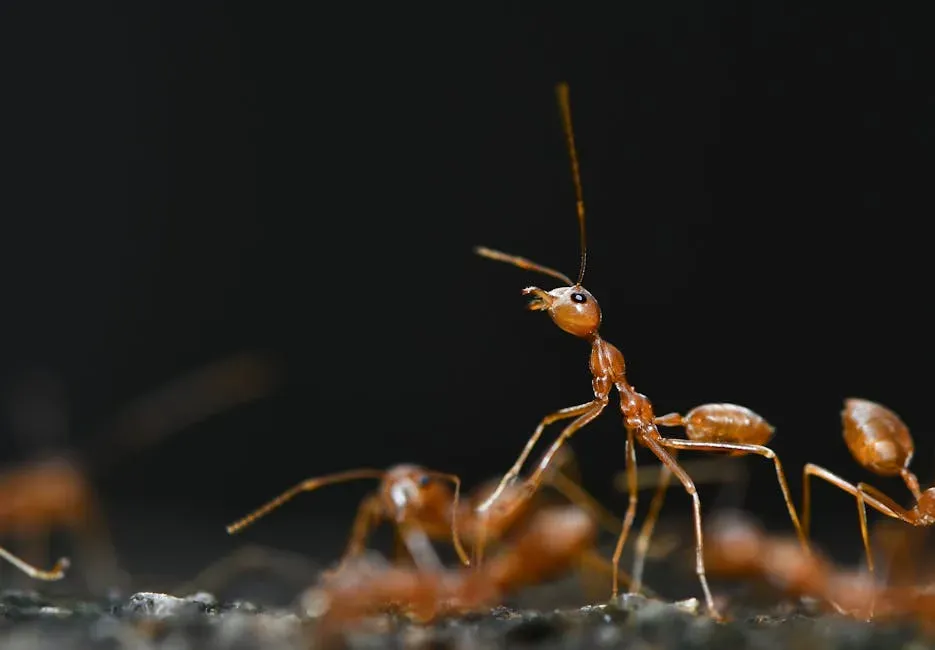
Perhaps one of the most widespread yet invisible forms of animal communication occurs through chemical signals. Ants leave pheromone trails that guide nestmates to food sources, with a single gram of ant pheromone theoretically capable of leading every ant on Earth along a trail. Mammals like wolves and big cats use scent marking to establish territories, with specialized glands producing distinctive odors that convey information about age, reproductive status, and individual identity.
Some female moths can release pheromones that male moths can detect from up to seven miles away, an olfactory feat equivalent to a human smelling a single drop of perfume from across an entire city. These chemical conversations create invisible landscapes of information that many animals navigate more readily than the physical world we see. The world you move through every day is layered with chemical messages you can’t detect, conversations happening in a dimension of scent that is entirely beyond human reach. Animals communicate in four main ways: visual, vocal, chemical, and tactile. Visual signals include body language or displays, while vocal signals involve sounds like calls or screams. Chemical communication relies on pheromones, which are invisible signals that convey messages through scent.
Conclusion: Nature Has Been Talking All Along
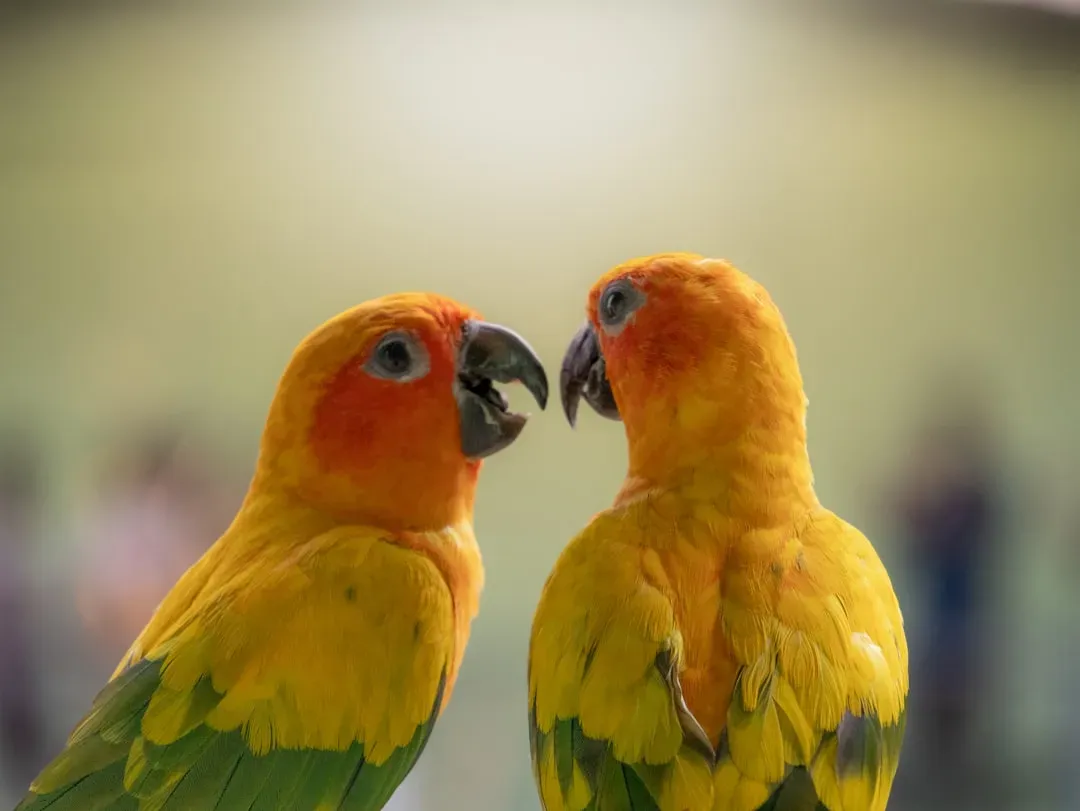
The more science digs into animal communication, the more humbling it becomes. With exponential advances in AI and large language models, decoding animal communication is no longer a question of if – it’s when. From elephants feeling earthquakes through their feet to dolphins expressing something very close to confusion, from cuttlefish running two conversations simultaneously to prairie dogs describing your outfit in real time, the natural world is alive with language.
Our knowledge of animal communication is growing by the year, and some have suggested that this knowledge might eventually lead to stronger animal welfare laws. In a 2024 paper published in the Fordham Law Review, two professors argued that animals capable of communicating complex emotions and ideas to humans should be granted additional legal protections. The discovery of these remarkable communication systems isn’t just scientifically thrilling. It reshapes how we think about intelligence, about empathy, and about our place in the broader web of life.
Every chirp, shimmer, rumble, and chemical trail carries meaning. The question is whether humanity is finally willing to listen. What would you do if you could truly understand what the animals around you were saying?