
Space has always been humanity’s greatest mystery, filled with phenomena so extraordinary they challenge our fundamental understanding of reality. From objects denser than we can imagine to expanses larger than we can truly comprehend, the cosmos continues to surprise even our most brilliant scientists.
Today’s astronomical discoveries reveal a universe far stranger and more magnificent than anything science fiction could conjure. These remarkable facts will shift your perspective on everything from the ground beneath your feet to the infinite expanse above your head. So let’s dive into the mind-bending realities that define our cosmic home.
A Teaspoon of Neutron Star Material Weighs as Much as Mount Everest
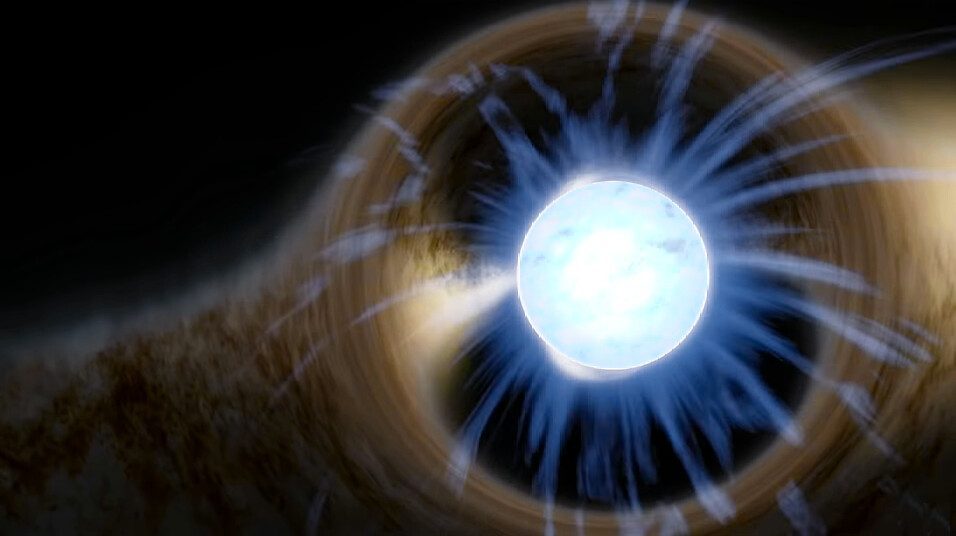
Imagine holding something so dense that at that density, all the people on Earth could be fit into a teaspoon! This isn’t science fiction but the reality of neutron stars, the collapsed cores of massive stars that have exploded as supernovas.
Neutron stars squeeze up to two solar masses into a city-size volume, giving rise to the highest stable densities known anywhere. To begin to imagine such mind-boggling densities, consider that a teaspoon of neutron star matter weighs approximately 6 billion tons. These cosmic monsters pack the mass of our entire Sun into a sphere just twelve miles across.
The physics inside these stellar remnants pushes the boundaries of our understanding. Magnetic fields are a trillion times Earth’s, and more than a million times as strong as can be achieved in laboratories. Yet even these impossibly dense objects have limits, eventually collapsing into black holes when they accumulate too much mass.
The Universe is Expanding Faster Than We Can Truly Measure
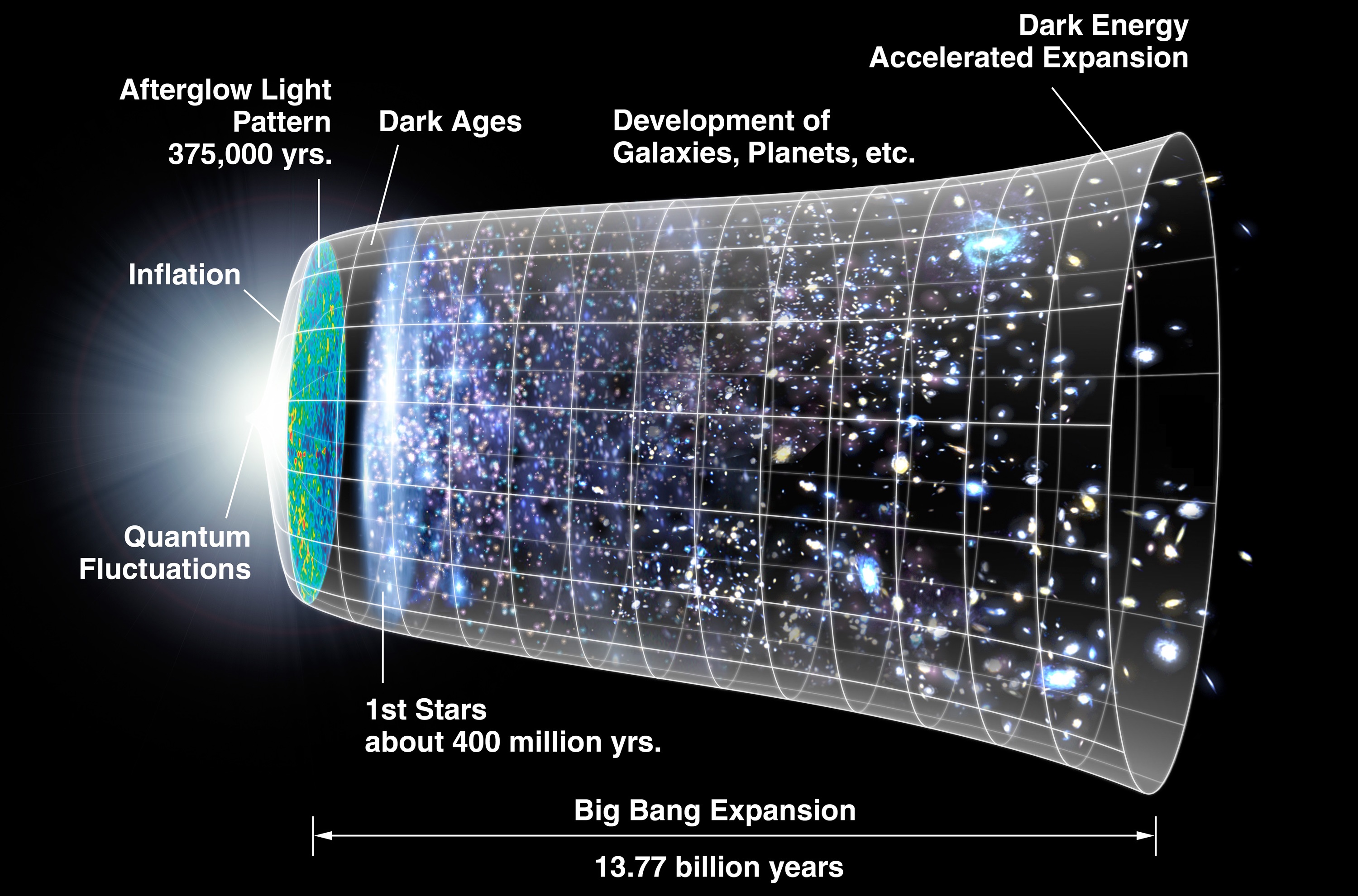
Here’s something that will make your head spin: Some of the nearest galaxies to ours are receding at a rate surpassing 240,000 kilometers per hour (150,000 miles per hour). And those are the slow-pokes; the most distant galaxies actually zoom away from us faster than the speed of light.
Scientists have been trying to pin down exactly how fast this expansion occurs, known as the Hubble constant. This means that for every megaparsec – 3.3 million light years, or 3 billion trillion kilometers – from Earth, the universe is expanding at approximately 70-75 kilometers per second. Think about that for a moment: space itself is stretching, carrying galaxies apart at speeds that would make your fastest jet look motionless.
Observations show that the expansion of the universe is accelerating, such that the velocity at which a distant galaxy recedes from the observer is continuously increasing with time. This acceleration defies our intuition about how things should behave after an initial explosion, suggesting mysterious forces are at work in the cosmic darkness.
You Cannot Actually Determine Your Speed in Space

This might be the most unsettling fact about our universe: Imagine you’re in a space suit, somewhere far from any other objects–so far away, you might as well be the only thing in the universe. Are you moving, and if so how fast? With nothing to compare your speed to, you can’t tell.
They argued that since there’s no way to measure absolute motion (velocity relative to space itself), there’s no good way to define it, and so there’s no such thing. This principle, established by Galileo and refined by Einstein, means that velocity only exists in relation to other objects.
Consider Earth right now: we’re spinning on our axis, orbiting the Sun, moving with our solar system around the galaxy, and our galaxy is racing through space. Yet Earth is revolving on its axis, then around the sun, then around the center of the galaxy, etc. But how can we know how fast it is moving in space? We can’t. There’s no cosmic speed limit sign to tell us our true velocity through the universe.
Dark Energy Might Be Changing Over Time
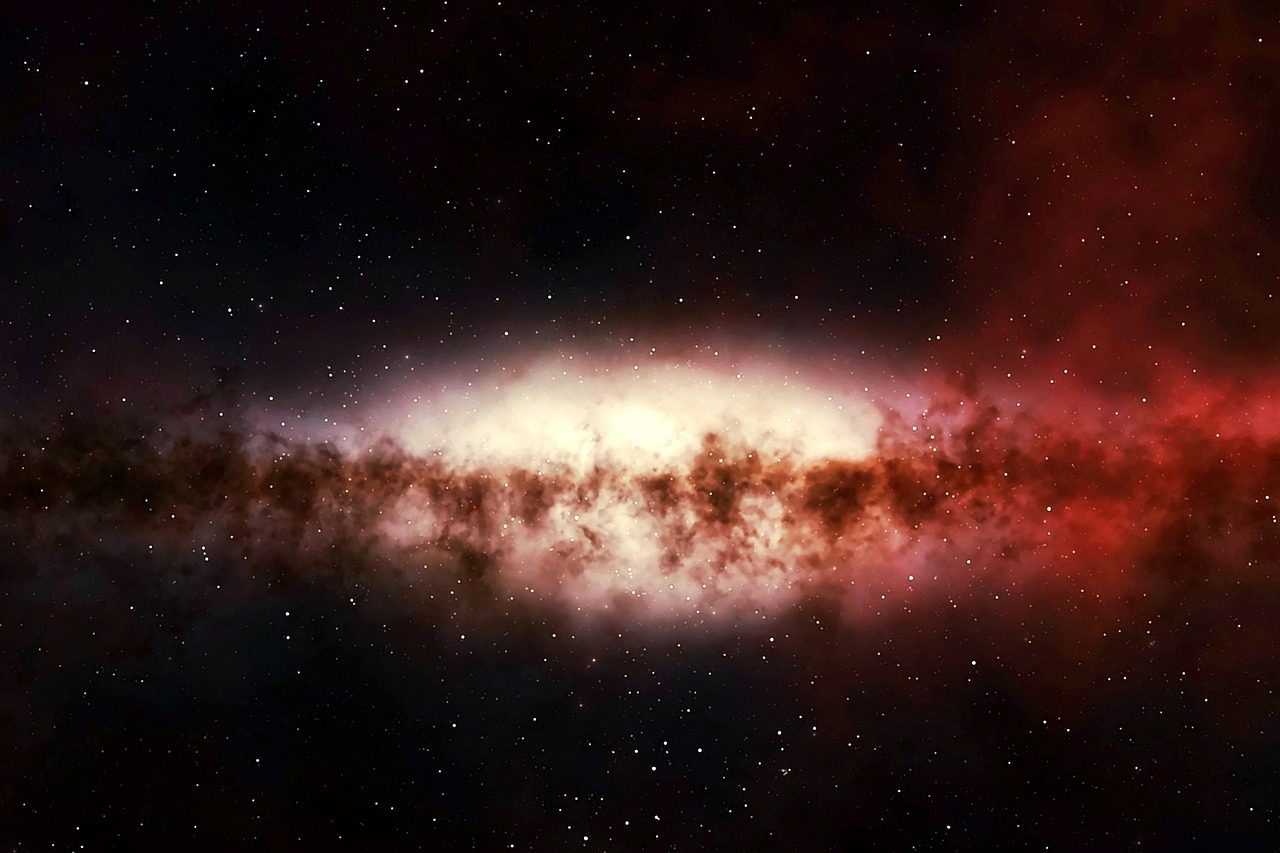
Scientists thought they had dark energy figured out as a constant force driving cosmic expansion. Then came a discovery that changes everything. But new observations of 6.4 million galaxies and quasars from the Dark Energy Spectroscopic Instrument, or DESI, paired with data on exploding stars, cast doubt on that idea. These data more closely fit a model of the universe in which the relationship between dark energy’s density and its pressure changes over time.
If confirmed, this finding would rewrite the history of the universe. In April 2024, it was discovered that dark energy may actually evolve over time, challenging the previous belief that it has remained constant throughout the Universe’s existence. This hypothesis was proposed by astronomers who created the largest-ever three-dimensional map of dark matter. If future data confirm their theory, it could be as revolutionary as the discovery of the accelerated expansion of the Universe itself.
This potential discovery suggests our universe is even more dynamic than we imagined, with the very fabric of space-time potentially shifting its properties across cosmic time.
Total Solar Eclipses are a Cosmic Coincidence That Won’t Last Forever
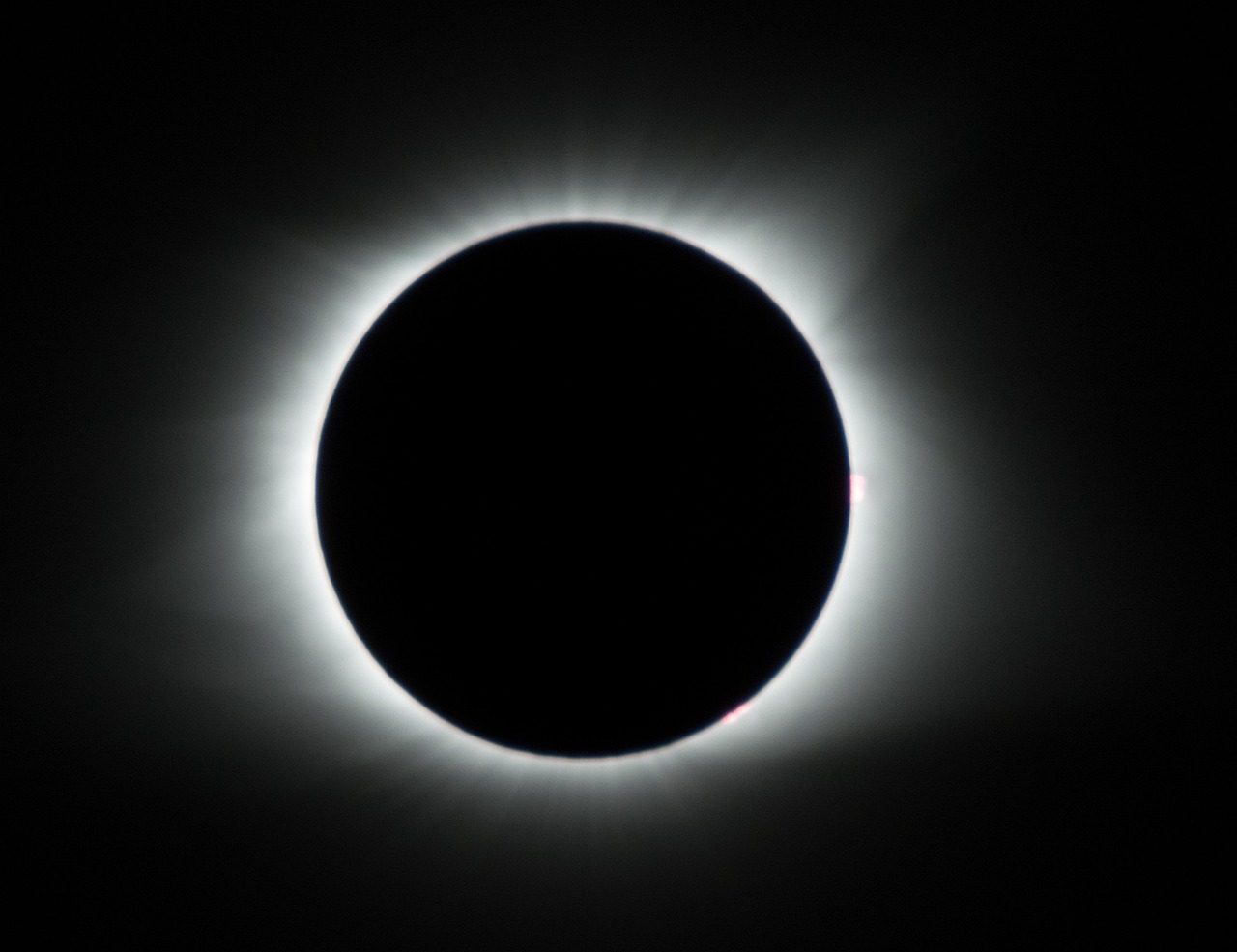
You’ve probably witnessed the breathtaking spectacle of a total solar eclipse, but did you know it’s essentially a cosmic fluke? That’s because of a complete cosmic coincidence in which the Sun is approximately 400 times larger in diameter than the Moon, and is roughly 390-400 times further away. As a result, the Sun and the Moon appear the same size in our sky, making total solar eclipses possible.
They won’t happen forever, though. As we mentioned above, the Moon is slowly drifting away from Earth, meaning its apparent size in our sky is getting smaller and smaller. Future generations will witness only partial eclipses as the Moon becomes too small to completely cover the Sun’s brilliant disk.
A total solar eclipse is one of the most arresting sights in nature, but they’re by no means a given, and you may be hard-pressed to see them occurring on any other planet. This makes Earth’s total solar eclipses a precious and temporary cosmic gift.
Venus Has Days Longer Than Its Years
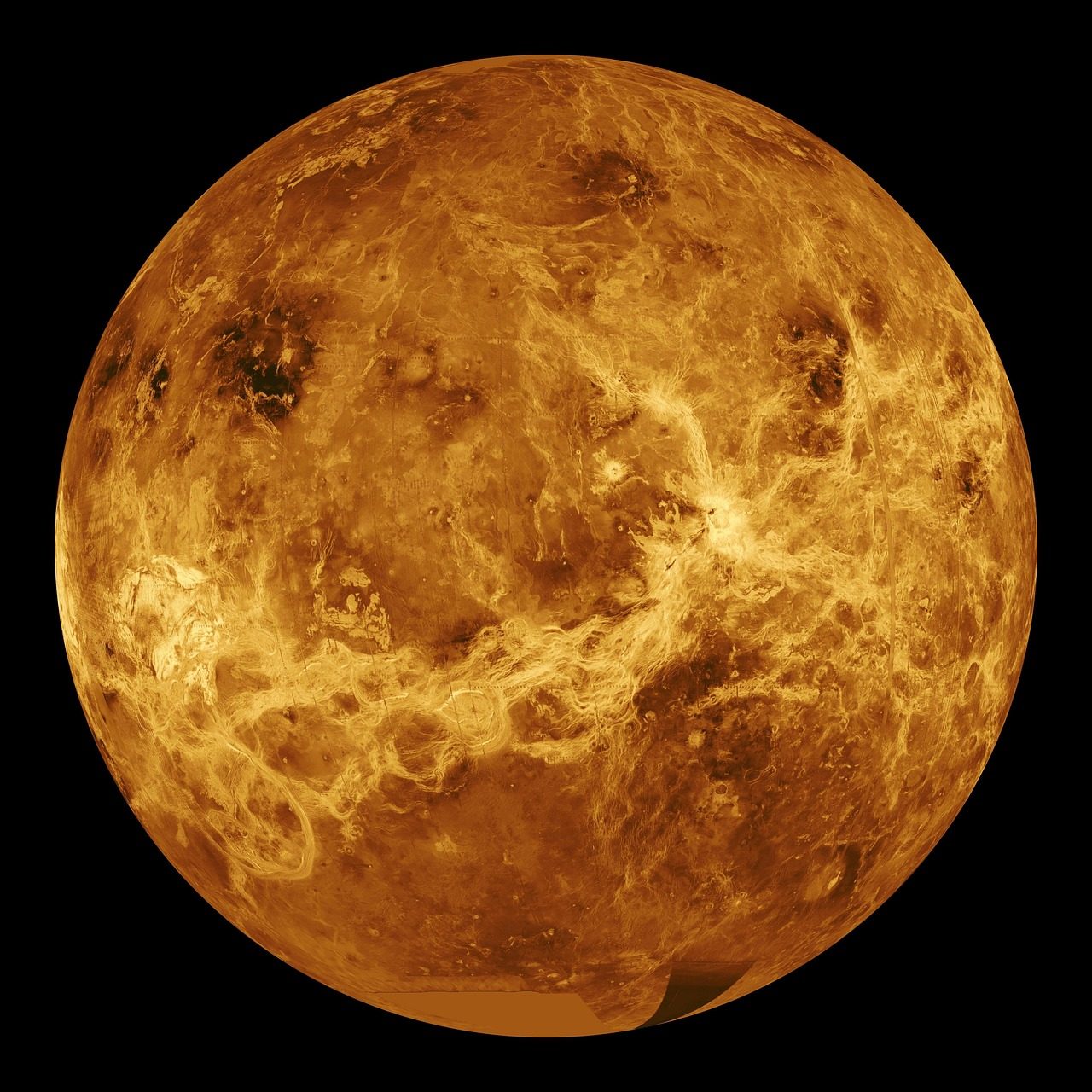
Here’s a planetary fact that defies common sense: Venus has one of the slowest rotations in the Solar System. It takes about 243 Earth days to complete one full spin on its axis, but takes only 225 Earth days to orbit the Sun. This means a day on Venus – the time it takes to spin once – is longer than a year on Venus – the time it takes to orbit the Sun once.
Even more bizarre, due to its ‘backwards’ spin, if you stood on the surface, the Sun would rise in the west and set in the east! This retrograde rotation makes Venus unique among the major planets in our solar system.
Imagine the confusion of trying to establish a calendar system on Venus, where seasonal cycles complete themselves faster than a single day-night cycle. This peculiar timing creates one of the most disorienting environments in our solar system.
Scientists Recently Captured a Star Exploding in Real Time
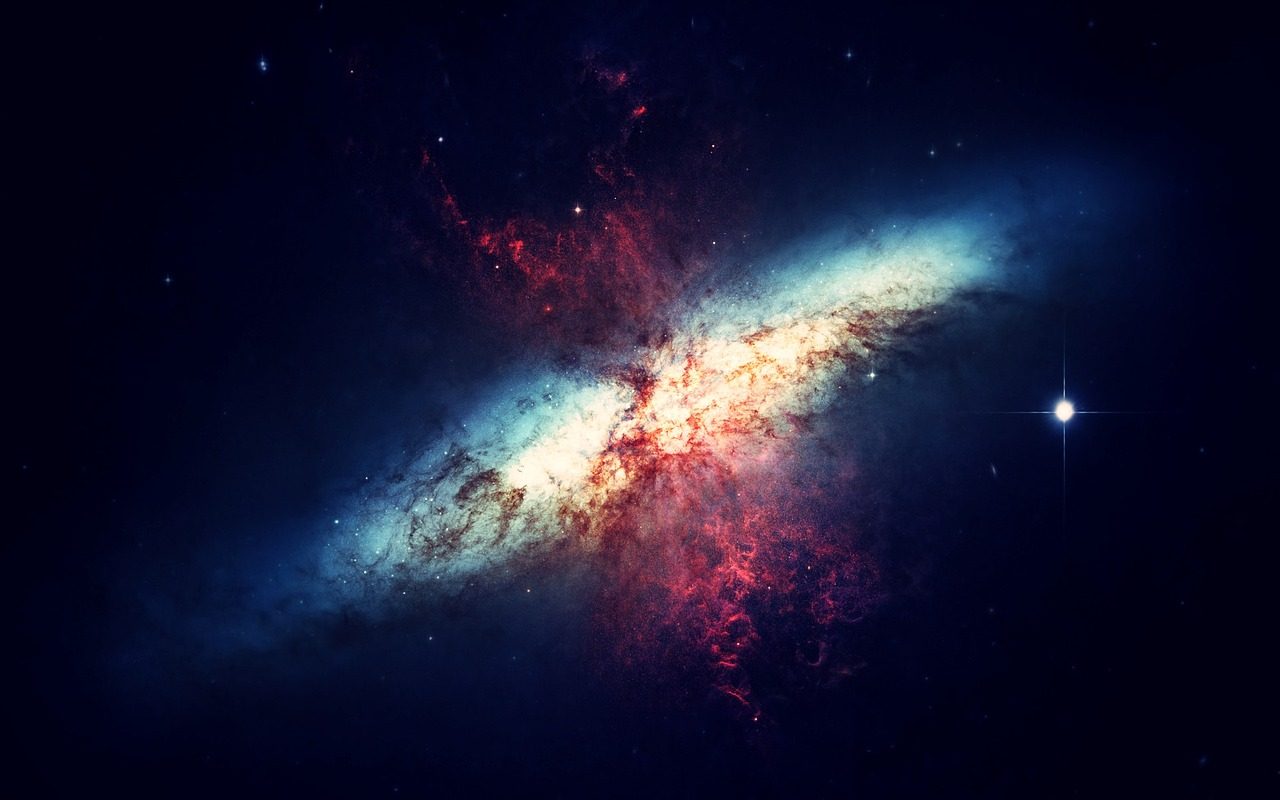
Astronomers have, for the first time, recorded the moment a star’s explosion broke through its surface. Recent supernovae observations have revealed complex explosion patterns when studied in real time This breakthrough observation gives us unprecedented insight into how massive stars meet their violent ends.
Previously, astronomers could only study the aftermath of stellar explosions, arriving at the cosmic crime scene long after the main event. Now, advanced detection systems allow scientists to catch these titanic explosions as they happen, revealing the intricate physics of stellar death.
This real-time observation helps solve decades-old mysteries about how supernovas actually work. The olive-shaped explosion pattern contradicted many theoretical predictions, showing that even our best models of stellar physics still have surprises waiting in the cosmic dark.
Neutron Stars Can Become Black Holes in Less Than a Second
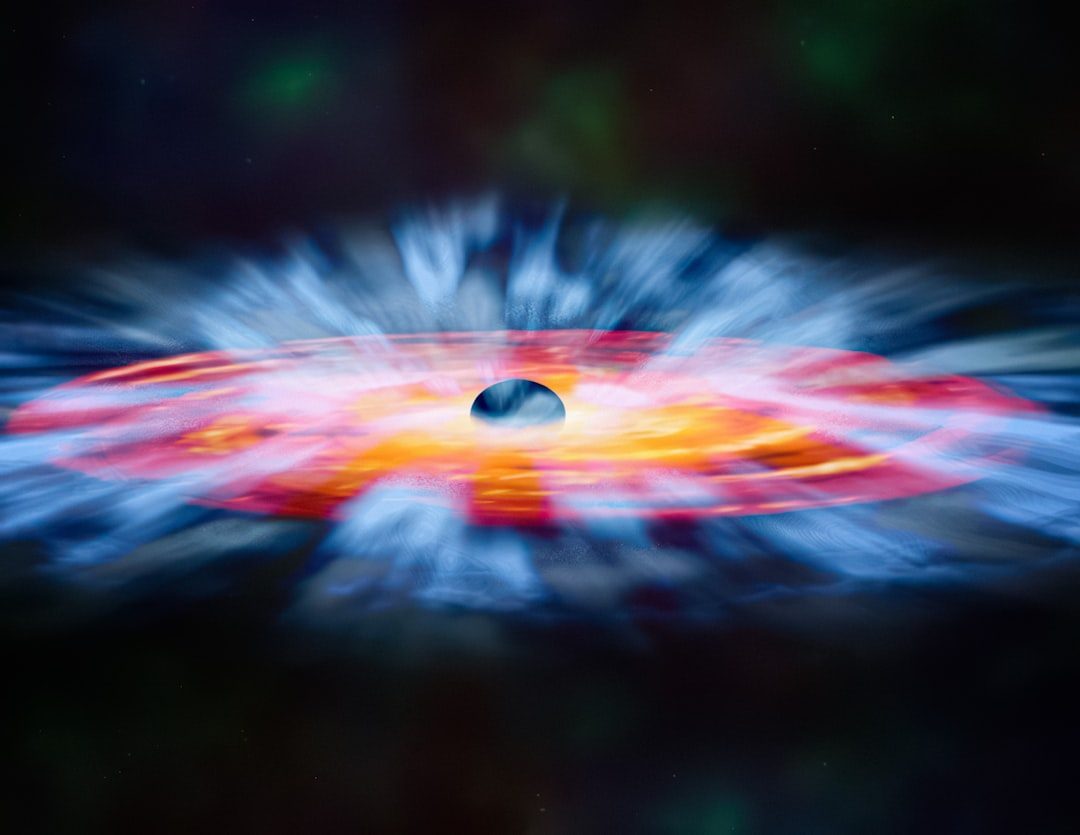
The transformation from neutron star to black hole represents one of the most dramatic phase changes in the universe. The process of mass accumulation could take as long as millions of years, but the eventual transformation from a neutron star to a black hole takes less than a second, according to National Radio Astronomy Observatory (NRAO) scientist Jeff Magnum.
The heaviest known neutron star has a mass equivalent to around 2.5 times the mass of the sun, while the lightest known black hole has a mass of around 5 times that of the sun. Researchers currently think that the dividing line between neutron stars and black holes lies much closer to 3 times the mass of the sun than 5 times the mass of the sun.
This sudden collapse happens when neutron degeneracy pressure, the quantum force holding neutrons apart, finally succumbs to gravity’s relentless pull. In that brief moment, the stellar remnant crosses the point of no return, creating an event horizon and transforming into something from which even light cannot escape.
The First Galaxies Formed Much Earlier Than Expected
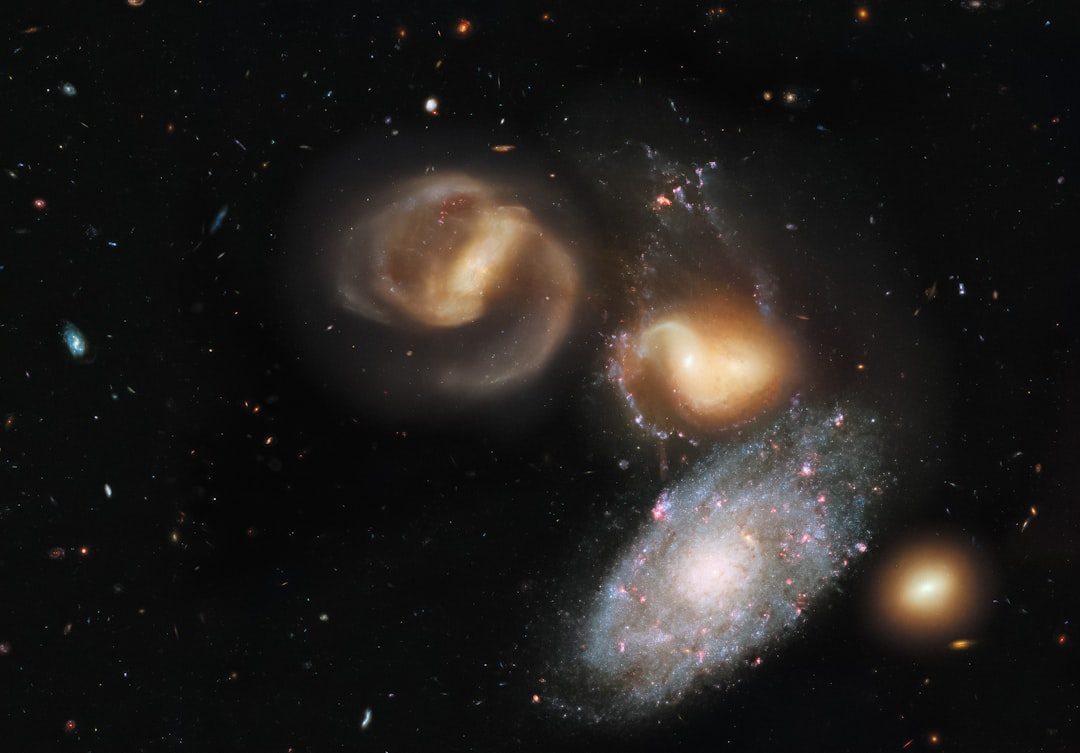
The third important discovery of 2024 was made using the James Webb Space Telescope (JWST). Thanks to its exceptional infrared capabilities, the telescope is able to capture unique images of the most distant galaxies, including those emitting extremely faint light. At the beginning of the year, astronomers using the JWST discovered so-called “dwarf” galaxies that formed shortly after the birth of the Universe and illuminated it during its first few hundred million years of existence.
Although the galaxies did not grow faster than expected, “we are still seeing more galaxies than predicted” at this early time by roughly a factor of two, said lead author Katherine Chworowsky, also of UT Austin. Astronomers wonder if this strange result might be because early stars still formed relatively quickly, more easily assembling into galaxies.
This discovery suggests the universe became structured and organized far more rapidly than our models predicted. The implications challenge our understanding of cosmic evolution and suggest the early universe was a much more active and dynamic place than previously thought.
AI is Now Correcting the James Webb Space Telescope’s Vision
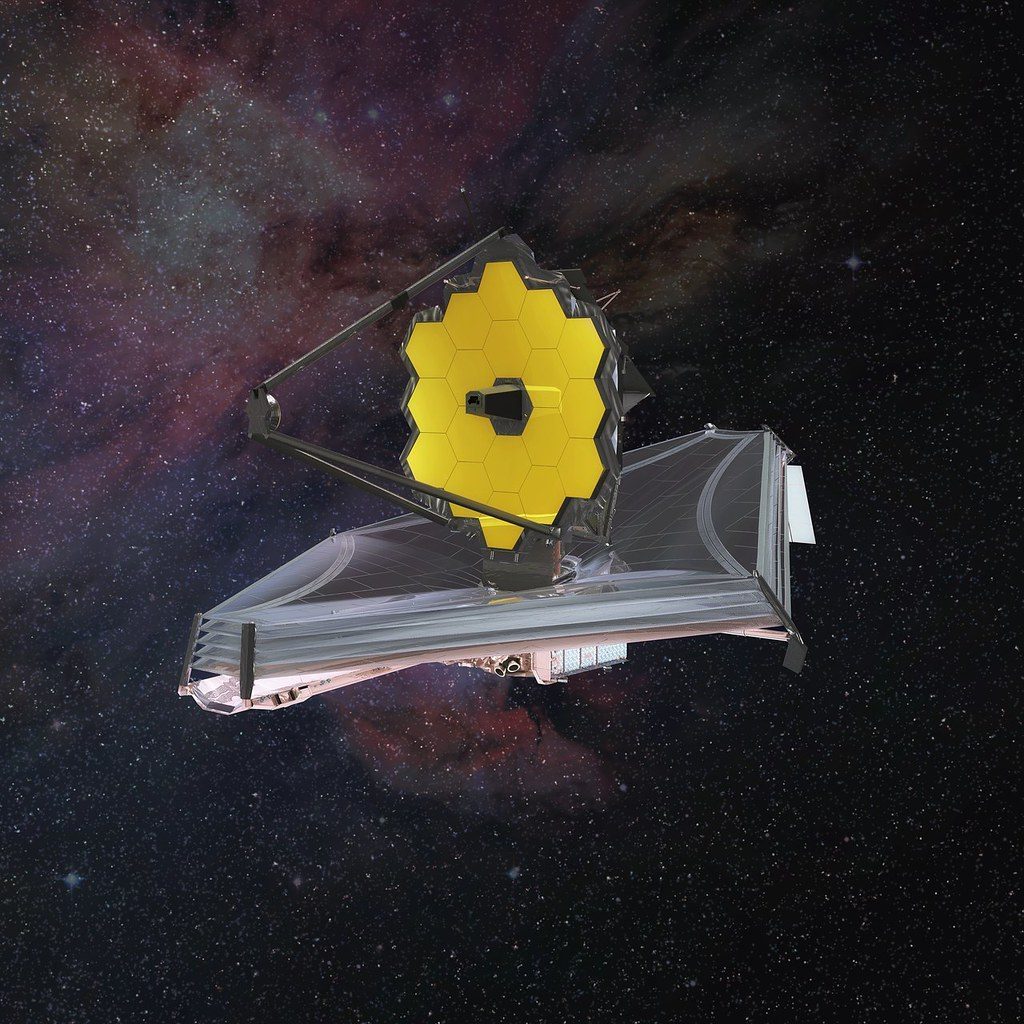
Two Sydney PhD students have pulled off a remarkable space science feat from Earth – using AI-driven software to correct image blurring in NASA’s James Webb Space Telescope. Their innovation, called AMIGO, fixed distortions in the telescope’s optics, demonstrating how artificial intelligence is revolutionizing astronomy.
This breakthrough represents a new era where machine learning algorithms can enhance our view of the cosmos in real-time. The AMIGO system processes telescope data instantly, correcting atmospheric disturbances and optical aberrations that would otherwise blur our view of distant galaxies and nebulae.
Think about the implications: our most advanced space telescope is being continuously improved by algorithms created by graduate students working from their university lab. This fusion of cutting-edge space technology with artificial intelligence promises even clearer windows into the universe’s deepest mysteries.
Looking at these ten remarkable facts, one thing becomes crystal clear: the universe operates on scales and principles that constantly challenge our earthly intuitions. From neutron stars dense enough to fit humanity into a teaspoon to galaxies racing away faster than light itself, space reveals a reality far stranger than fiction.
These discoveries remind us how much we still don’t understand about our cosmic home. Each answer seems to spawn ten new questions, each breakthrough reveals ten new mysteries. Perhaps that’s the most remarkable space fact of all: no matter how much we learn, the universe always has more surprises waiting in the darkness. What do you think is the most mind-bending fact about our universe? Let us know in the comments.
Hi, I’m Andrew, and I come from India. Experienced content specialist with a passion for writing. My forte includes health and wellness, Travel, Animals, and Nature. A nature nomad, I am obsessed with mountains and love high-altitude trekking. I have been on several Himalayan treks in India including the Everest Base Camp in Nepal, a profound experience.