
Most of us grow up thinking humans sit on a throne of intelligence, looking down at the rest of the animal kingdom. Then you watch a crow solve a puzzle that looks like it belongs in an escape room, or see an octopus calmly unscrewing a jar lid, and that neat little hierarchy starts to wobble. The more scientists look, the more they find complex minds hiding behind fur, feathers, and even slime.
What makes this so fascinating isn’t just that animals can do clever tricks; it’s that they often think in ways we don’t expect. They remember, plan, deceive, grieve, and sometimes show glimmers of what looks suspiciously like morality. Once you’ve seen a chimp share food with a friend who helped, or an elephant stand guard over a dying companion, it’s hard not to feel that the line between “us” and “them” is much thinner than we were taught.
1. Chimpanzees: Masters of Memory and Strategy
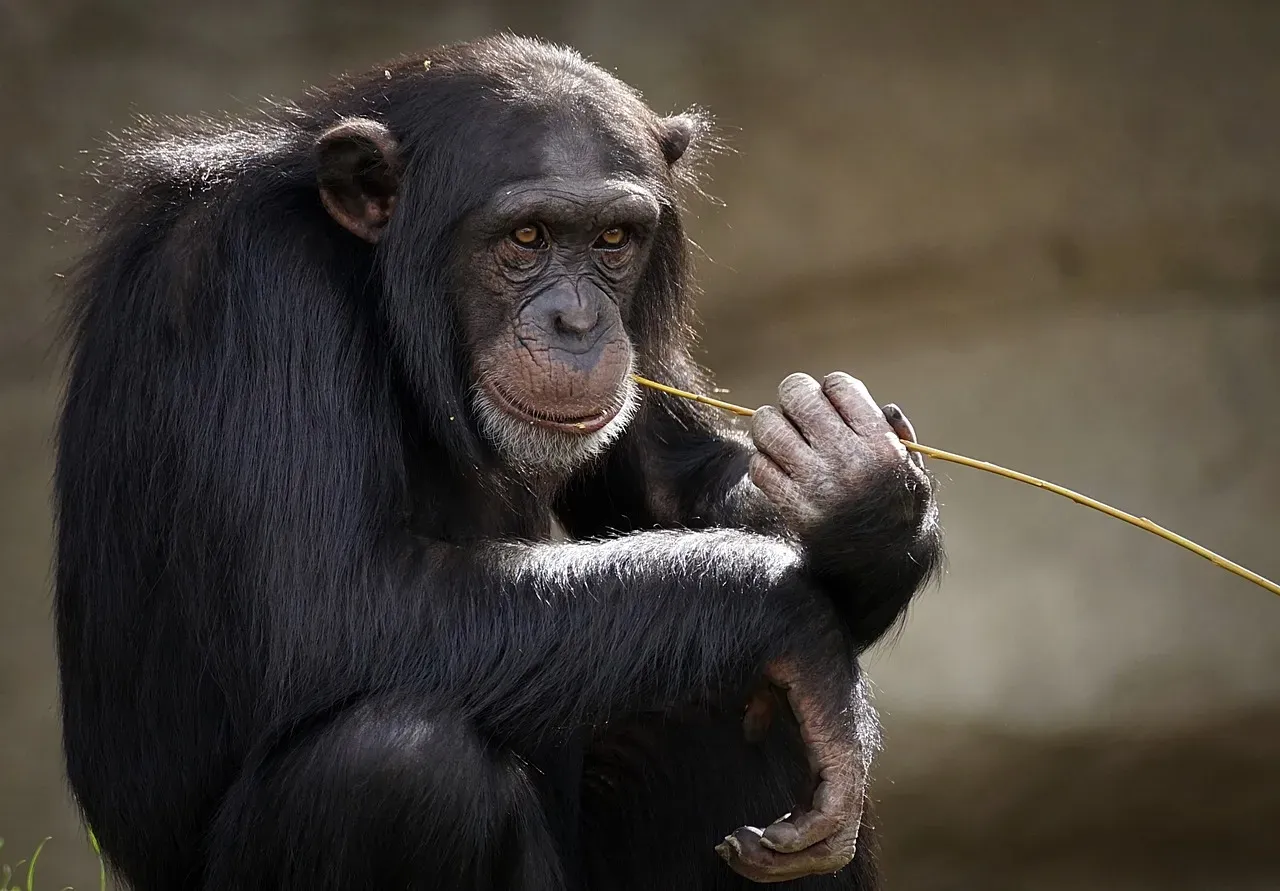
Imagine staring at a screen of numbers that flash for a fraction of a second, then vanish, and you have to tap where each one was in the correct order. Most people would fail miserably. Some chimpanzees, on the other hand, can perform this kind of task with startling precision, revealing visual working memories that put many humans to shame. Researchers have repeatedly found that certain chimps remember brief visual patterns far more accurately than the average person.
But it’s not just memory that makes chimpanzees stand out. In cooperative tasks, chimps have been seen negotiating access to food, choosing partners who are more likely to help, and even punishing freeloaders that don’t pull their weight. In the wild, they use tools in surprisingly flexible ways, like modifying sticks to fish termites or cracking nuts with carefully chosen stones. Watching them, it’s hard not to see the early outlines of the same strategic, sometimes ruthless intelligence that drives human social life.
2. Crows and Ravens: The Problem-Solving Geniuses of the Sky
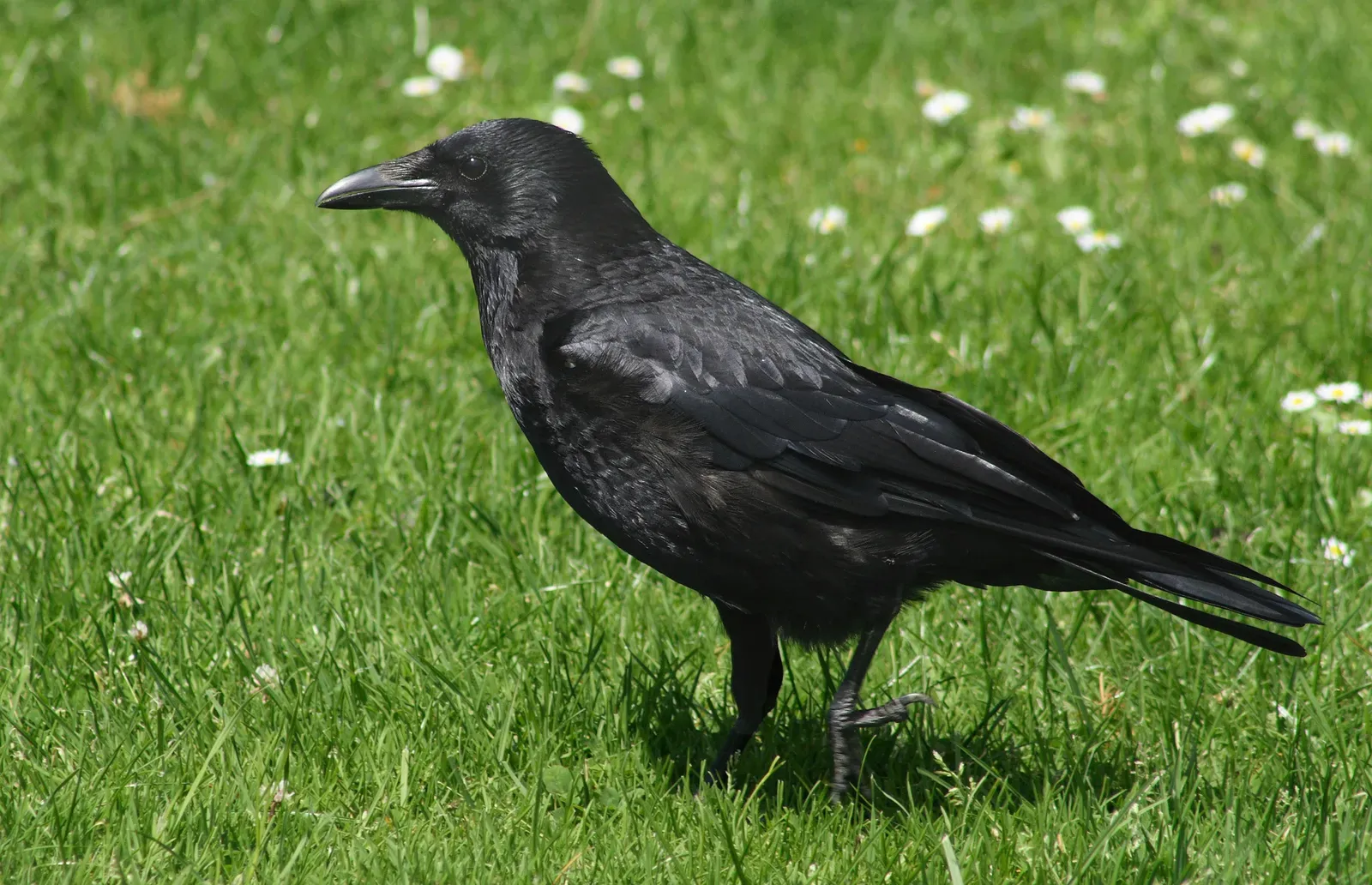
Crows and ravens belong to the corvid family, and their brains are relatively small, but that doesn’t stop them from behaving like feathered engineers. In laboratory tests, crows have solved multi-step puzzles that require using one tool to get another tool, and then using that second tool to access food. They’ve even been seen bending wires into hooks to fish out treats, effectively inventing a tool on the spot when none is provided.
In the wild, these birds show long-term planning that once was thought to be uniquely human. Ravens have been observed caching food in secret and then relocating it if they notice another raven watching – a sign that they can imagine what others might know or intend. They can also recognize individual human faces, remember who treated them badly, and sometimes recruit flock-mates to mob a perceived enemy. If you’ve ever felt like a crow was glaring at you with unsettling intensity, there’s a good chance it really was forming an opinion.
3. Elephants: Memory, Empathy, and Emotional Depth
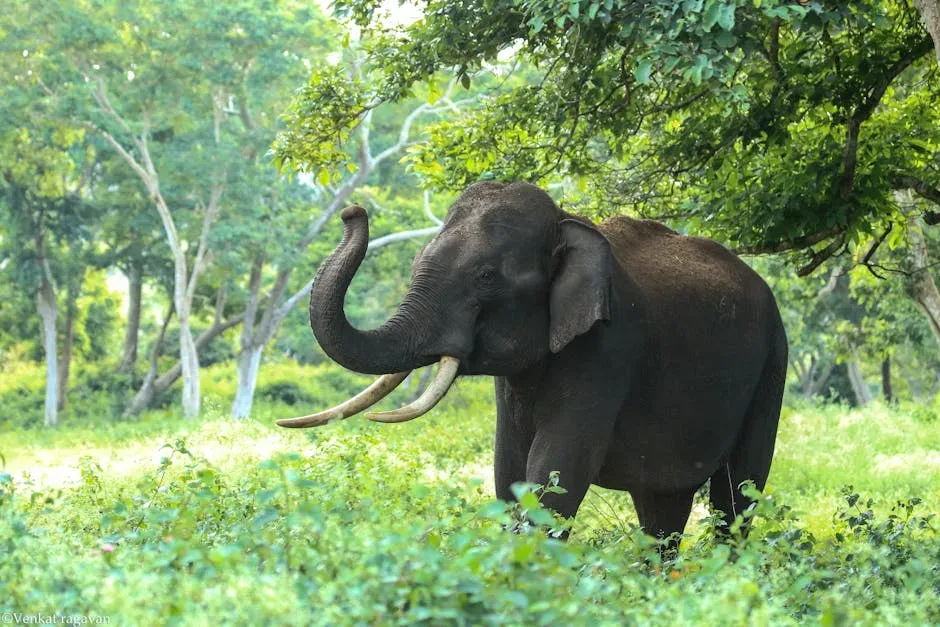
The stereotype about elephants never forgetting is not just a cute saying; it’s rooted in serious science. Elephants have been documented remembering the locations of water sources and migration routes over enormous distances and across many years. Older matriarchs often guide their families to hidden waterholes during droughts, relying on memories formed decades earlier, which can literally be the difference between survival and death for the herd.
Their emotional lives are just as remarkable. Elephants have been seen gently touching the bones of dead relatives, revisiting carcass sites, and responding with what looks like distress to the suffering of other elephants. In some cases, they have attempted to help injured or trapped animals, even of other species. They also seem to recognize themselves in mirrors, a sign of self-awareness that very few animals pass. When you watch an elephant pause, trunk resting on a fallen companion, it’s hard not to feel you’re witnessing a kind of grief.
4. Dolphins: Underwater Communicators and Cultural Learners
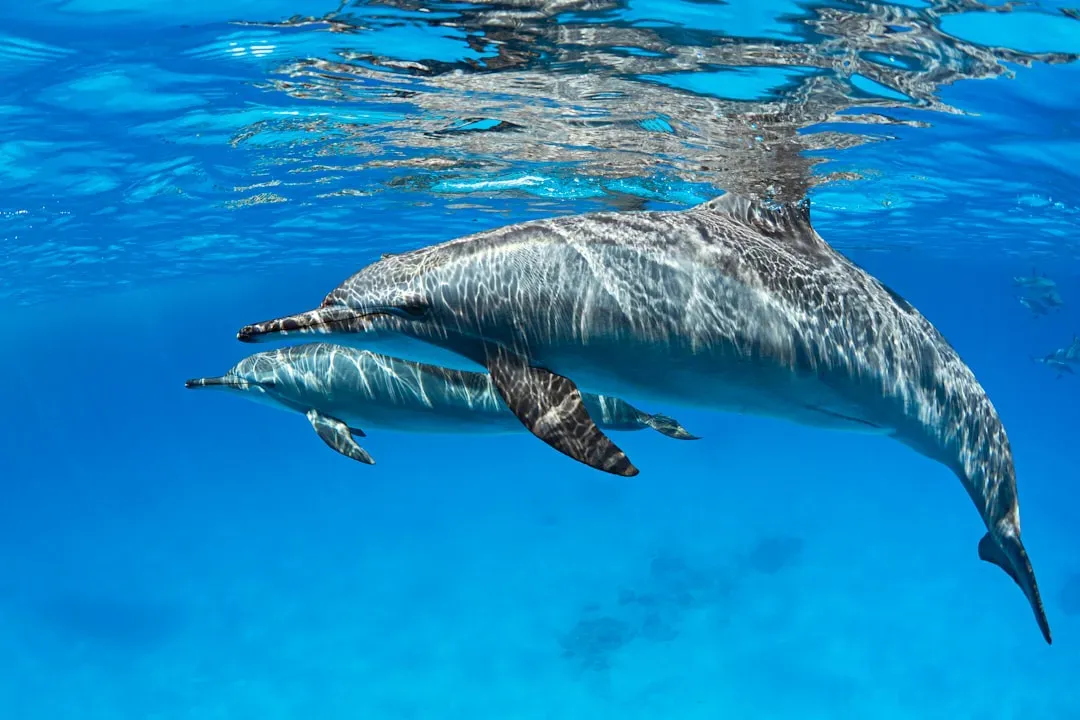
Dolphins are often called the “geniuses of the sea,” and while that phrase is a bit dramatic, it isn’t entirely wrong. Their brains are large and highly folded, and they live in complex social groups where communication is constant. Some dolphins develop individual signature whistles that function almost like names, and other dolphins appear to use those whistles to call or identify specific individuals, even after years of separation.
They don’t just communicate; they also transmit learned behaviors across generations, which scientists describe as culture. For instance, certain groups of dolphins teach their young to use sponges over their snouts when foraging on rough seafloors, protecting themselves while they search for hidden prey. Others cooperate with human fishers in some coastal communities, herding fish towards nets and then feeding on the escaping stragglers. This kind of flexible, socially learned strategy shows that dolphin intelligence is not just about tricks – it’s about adapting together over time.
5. Octopuses: Escape Artists With Three Hearts and a Big Brain
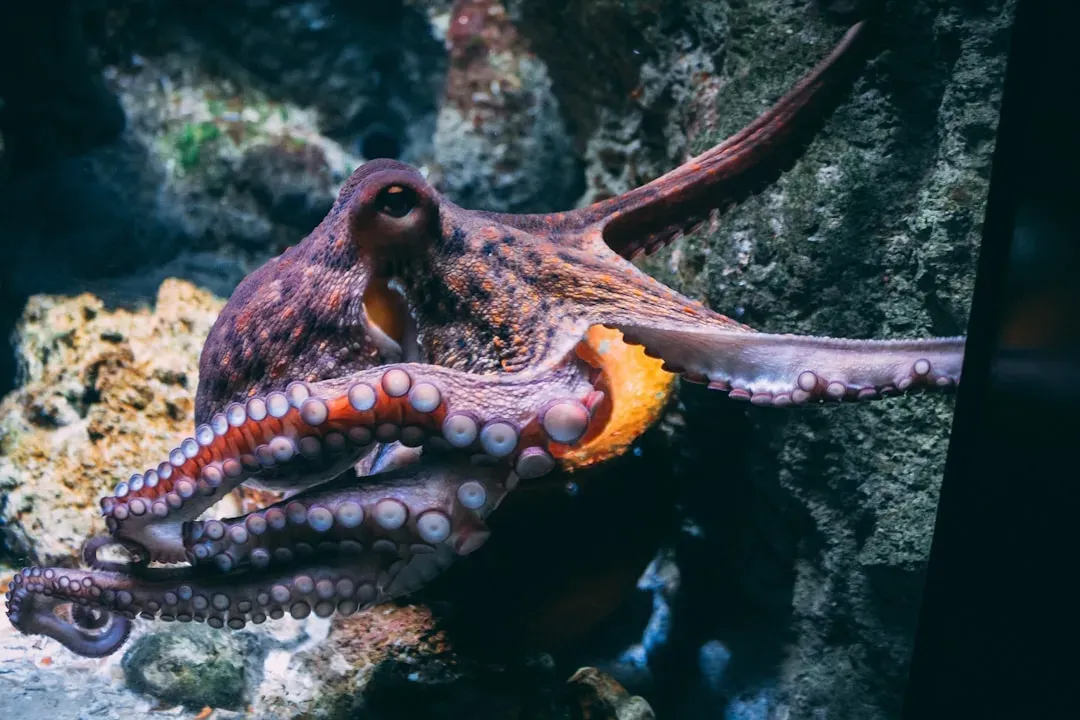
Octopuses look like something out of a science fiction movie – soft-bodied, shape-shifting creatures with three hearts and blue blood – but what really sets them apart is their eerie problem-solving ability. In aquariums, octopuses have been caught unscrewing jar lids, navigating mazes, and even sneaking out of their tanks at night to raid neighboring exhibits for food. They remember what they learn, too, avoiding containers or tasks that previously led to unpleasant experiences.
What makes their intelligence so intriguing is that it evolved completely separately from ours, in a body that is almost the opposite of a vertebrate. A large portion of an octopus’s neurons are distributed in its arms, meaning each arm can process information somewhat independently. This decentralized brain seems to allow them to coordinate complex movements while still exploring and manipulating their environment in flexible ways. When you see an octopus probing every corner of its surroundings, changing color as if reflecting its mood, you get the unsettling sense of a very alien mind at work.
6. Parrots: Vocal Imitators With a Talent for Concepts
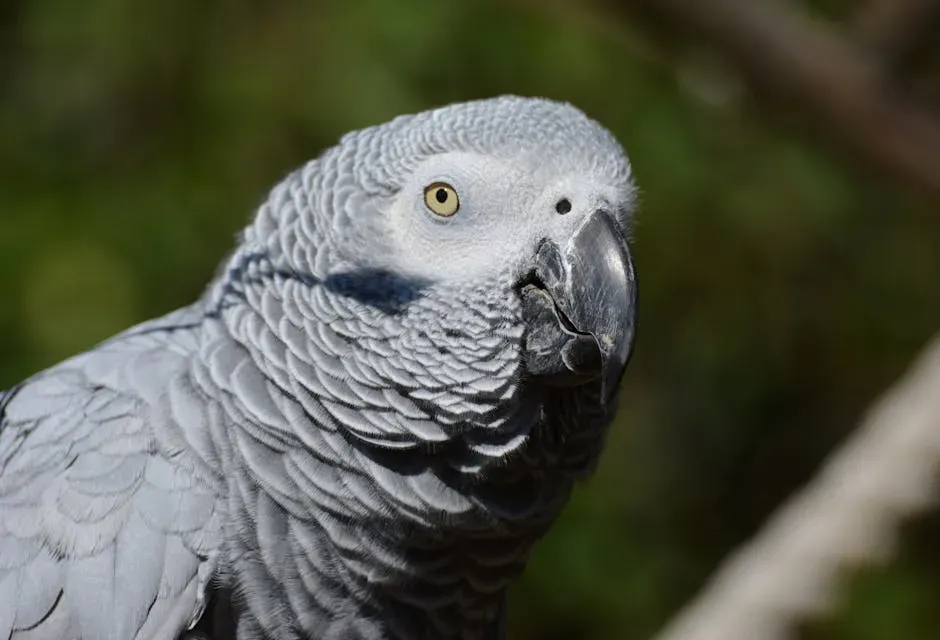
Parrots are famous for mimicking human speech, but repeating sounds is the least interesting thing about them. Certain parrots have demonstrated that they can grasp basic concepts like color, shape, and quantity, not just parrot back words. In carefully controlled studies, some individuals have identified objects by features, combined ideas like “bigger green key,” and shown that they understand the difference between same and different.
In everyday life, parrots also show social intelligence that rivals that of many mammals. They can learn from watching others, solve puzzles to access hidden food, and sometimes even refuse to cooperate when they seem bored or frustrated – an oddly relatable kind of stubbornness. In the wild, they live in noisy, tightly bonded flocks where long-term pair bonds and friendships matter. Once you realize that a bird perched on your shoulder might be quietly categorizing things around the room, you start to hear that squawk a little differently.
7. Dogs: Reading Human Minds Better Than We Do

Dogs may not solve complex math or build tools, but they excel at something incredibly subtle: understanding us. Over thousands of years of coevolution with humans, dogs have become experts at reading our gestures, expressions, and tones of voice. Even a young dog can follow a human pointing gesture to find hidden food, something many other animals, including some apes, struggle with unless they’ve had special training.
They also seem to form mental models of human attention; many dogs beg or misbehave only when they think no one is watching. Studies have shown that some dogs can learn the names of dozens or even hundreds of objects and fetch them on request, hinting at a form of word learning that borders on what toddlers do. On a more personal note, I’ve watched a nervous rescue dog gradually learn to seek eye contact and comfort when stressed, as if he’d figured out that humans can be emotional shelter, not just food dispensers.
8. Pigs: Underrated Thinkers With Surprising Smarts
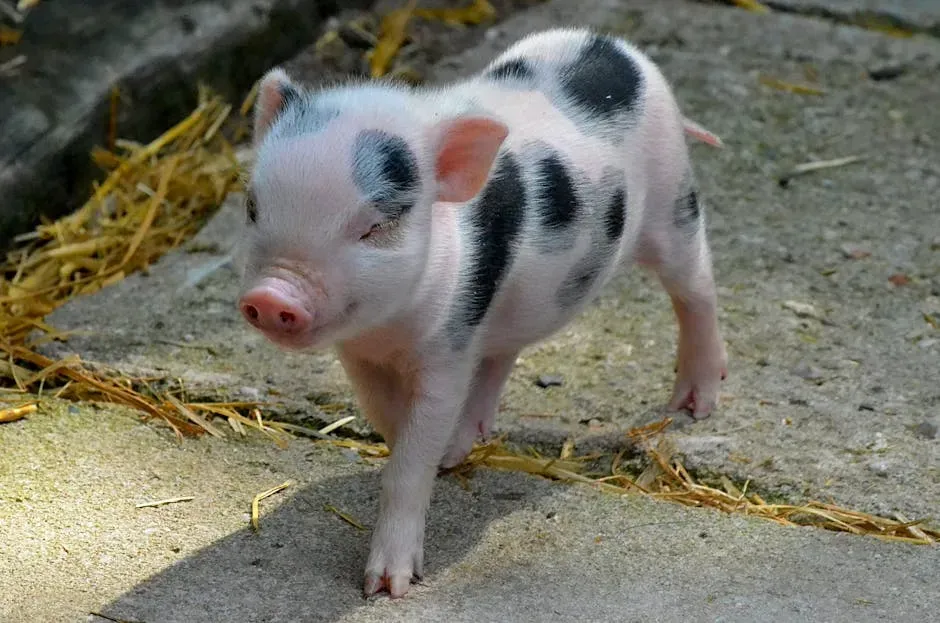
Pigs are often underestimated because we tend to encounter them as farm animals rather than companions, but their cognitive abilities are far from simple. Research has shown that pigs can learn to navigate mazes, remember routes, and use mirrors to locate hidden food, suggesting they can form mental maps of their environment. In some tests, they’ve even operated simple joysticks with their snouts to move cursors on a screen and complete basic tasks.
They also display social awareness that goes beyond instinct. Pigs have been observed competing strategically for food, watching where other pigs search, and sometimes deceiving rivals by pretending to lose interest in a valuable food source. Their emotional range is broad, too; they show signs of curiosity, playfulness, frustration, and anxiety, and respond strongly to the treatment they receive. Once you see a pig enthusiastically figuring out how to open a latch, it’s hard not to rethink the way we usually categorize “farm animals” in our minds.
9. Ants and Bees: Tiny Brains, Massive Collective Intelligence
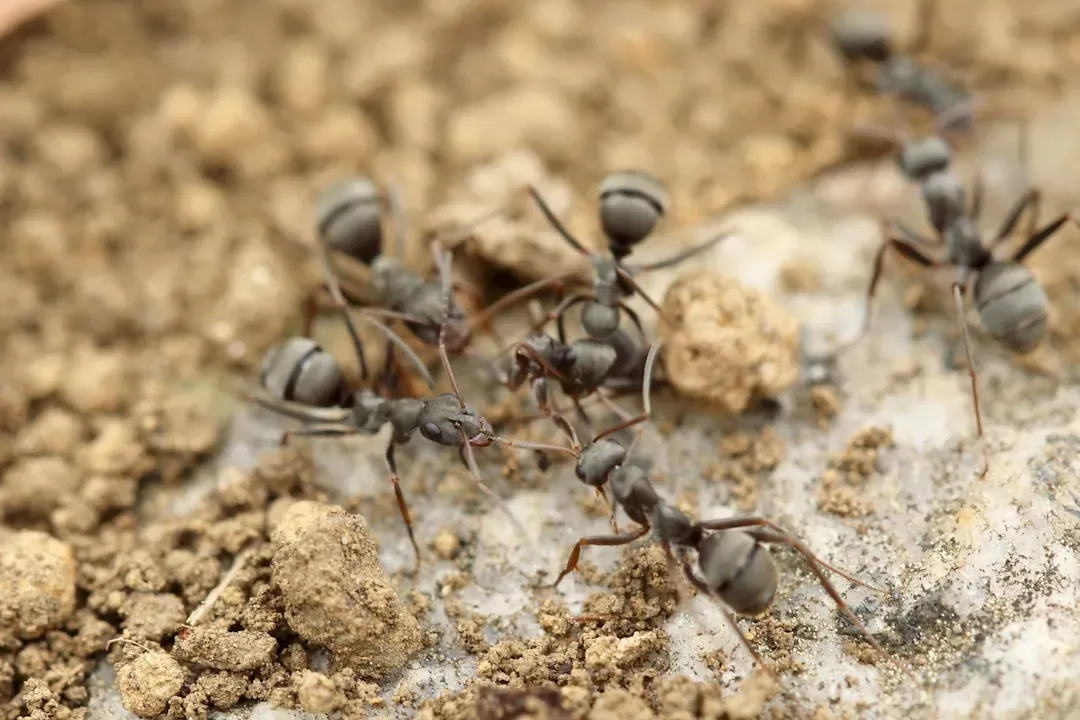
Individually, an ant or a bee has a brain smaller than a grain of sand, yet together they pull off feats of organization that put some human systems to shame. Ant colonies build vast underground networks, allocate workers to different tasks, and adjust their behavior in response to changing conditions, all without any central commander. Simple rules followed by each ant add up to sophisticated problem-solving, like choosing the shortest route to a food source or relocating the entire colony when needed.
Bees, too, show a level of coordination that borders on astonishing. When scout bees find a rich patch of flowers, they return to the hive and perform intricate waggle dances that communicate distance and direction to their nestmates. In some situations, honeybee swarms can collectively “vote” on new nest sites, gradually converging on the best choice through repeated scouting and dancing. This kind of emergent intelligence shows that not all smart behavior has to come from one big brain; sometimes it arises from thousands of tiny decisions interacting over time.
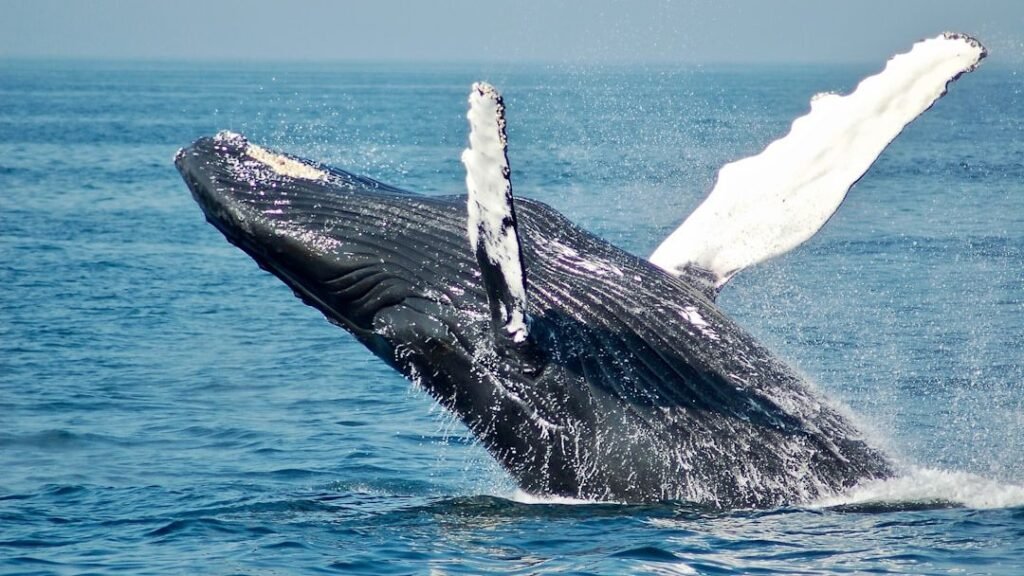
10. Whales: Long Memories and Rich, Evolving Cultures
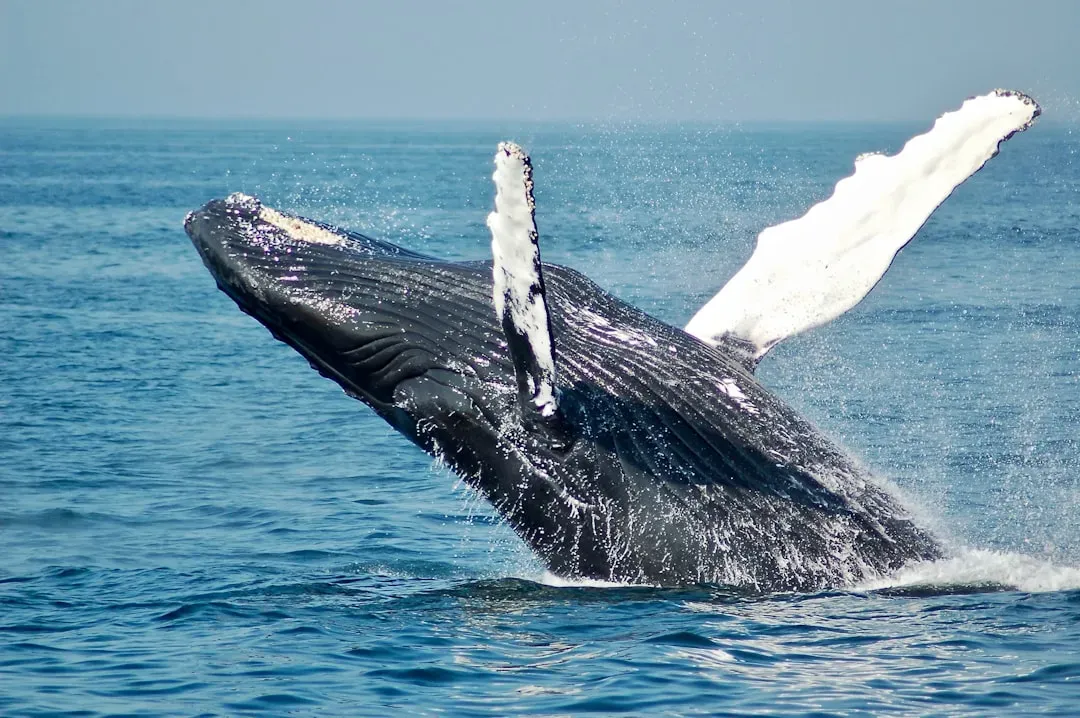
Many large whales, such as humpbacks and sperm whales, live in fluid, extended social networks that stretch across oceans and decades. They communicate using complex vocalizations that can travel for vast distances underwater, and some of these calls appear to form regional “dialects” that differ from one group to another. These vocal traditions can slowly change over time, spreading across populations like new songs moving through a human music scene.
Beyond communication, whales show evidence of long-term social learning and cooperation. Certain humpback whale groups have been seen using unique feeding techniques, such as bubble-net feeding, which younger whales appear to learn by watching experienced adults. In some areas, whales and their calves repeatedly return to the same breeding grounds year after year, implying a powerful spatial memory shared through generations. When you imagine a whale carrying the memories of decades of migration routes and social bonds, the ocean starts to feel less like empty space and more like a vast, humming network of minds.
Rethinking What It Means to Be “Smart”
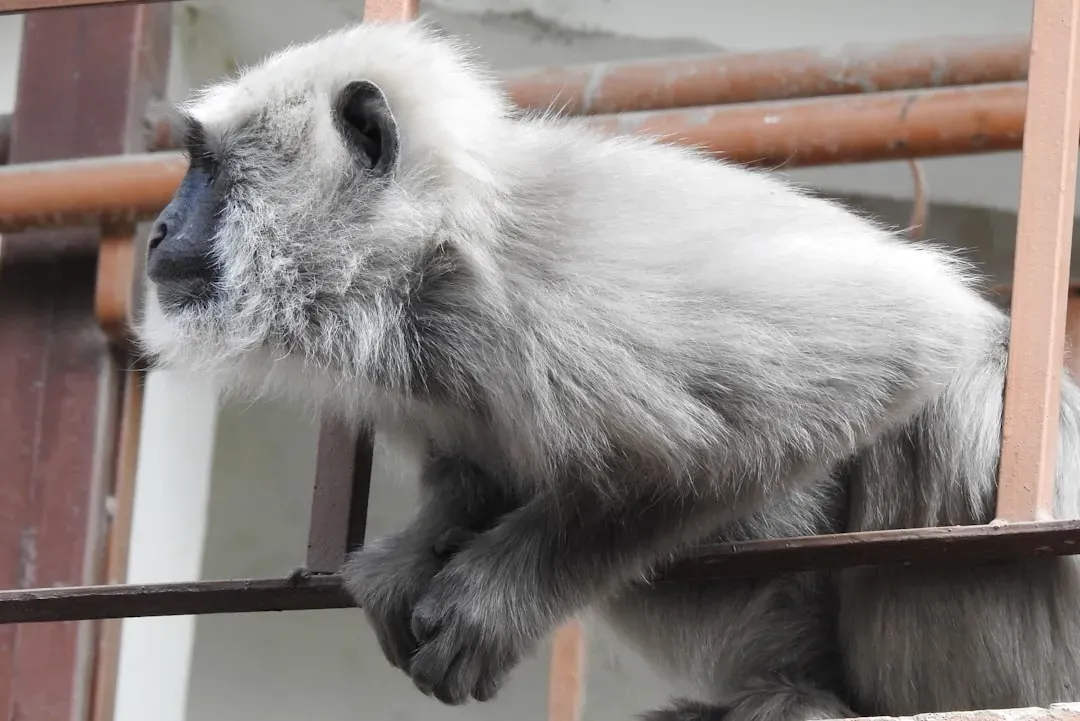
Looking across these animals – apes, birds, cephalopods, mammals, and even insects – it becomes obvious that intelligence is not a simple ladder with humans at the top. Instead, it’s more like a wild, tangled forest, with different species climbing their own branches, solving the problems that matter most for their survival. Some excel at social strategy, some at memory or tool use, others at communication or collective organization, and each of those skills challenges a different piece of our old assumptions.
Once you start paying attention, stories of animal intelligence stop feeling like cute exceptions and start looking more like the rule. The world is crowded with minds that notice, remember, and adapt, even if they do it in ways that don’t look like us at all. Maybe the most astonishing realization is not that animals are smart, but that we’ve been so slow to recognize it. Which of these hidden talents surprised you the most?