You might think you know ancient history, but wait until you see what our ancestors built thousands of years before Stonehenge even existed. We’re talking about structures so advanced, so precisely engineered, that they challenge everything we thought we knew about early human societies. These aren’t just piles of rocks in the desert. They’re masterpieces of architecture, engineering marvels, and windows into civilizations that rose, flourished, and vanished without leaving behind a single written word about their intentions.
From Turkey to Bolivia, Egypt to Pakistan, ancient peoples constructed monuments that continue to baffle modern scientists. Some predate agriculture itself. Others demonstrate urban planning sophistication that wouldn’t be matched for millennia. Let’s dive into these enigmatic structures that prove our ancestors were far more advanced than history books once suggested.
Göbekli Tepe: The Temple That Rewrote Human History
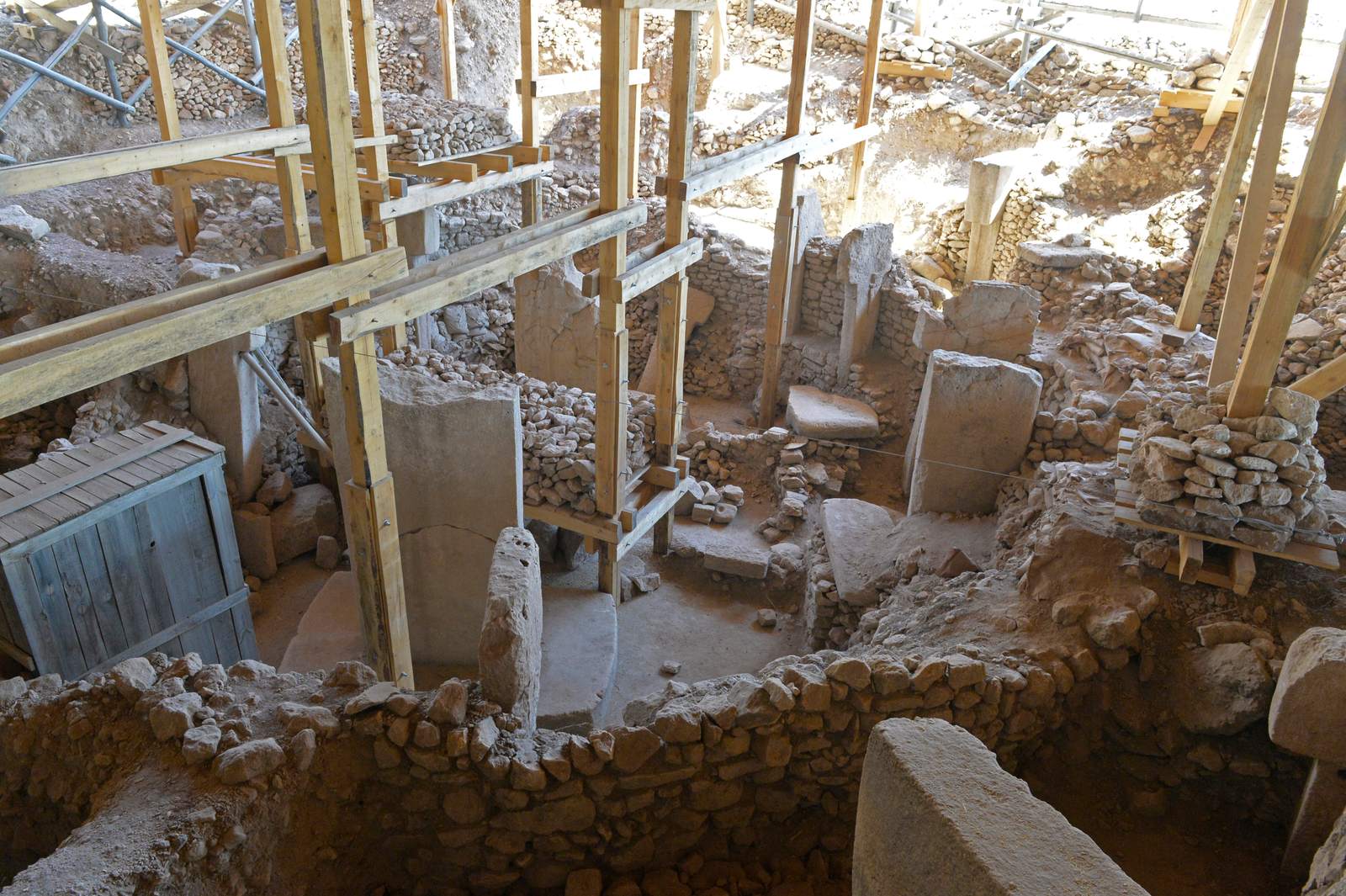
Göbekli Tepe in southeastern Turkey is an archaeological site inhabited from around 9500 BCE to at least 8000 BCE, making it about 6,000 years older than Stonehenge. Here’s where it gets wild: the site was constructed by hunter-gatherers, not settled agricultural communities. The columns stand up to 18 feet tall and weigh up to 10 tons each, carved and erected by people who supposedly lacked the organizational capacity for such monumental construction.
The site is known for its circular structures that contain large stone pillars decorated with anthropomorphic details, clothing, and sculptural reliefs of wild animals. Think about it: these prehistoric builders were creating intricate three-dimensional art and moving multi-ton stones before they’d even figured out farming. The vast labor force needed to build the enclosures may have pushed people to develop agriculture as a way of providing predictable food for workers, completely flipping our understanding of civilization’s development.
The site is the oldest man-made place of worship yet discovered, dating back to 10,000 BCE. Let that sink in for a moment.
Mohenjo-daro: The Lost Metropolis of the Indus Valley
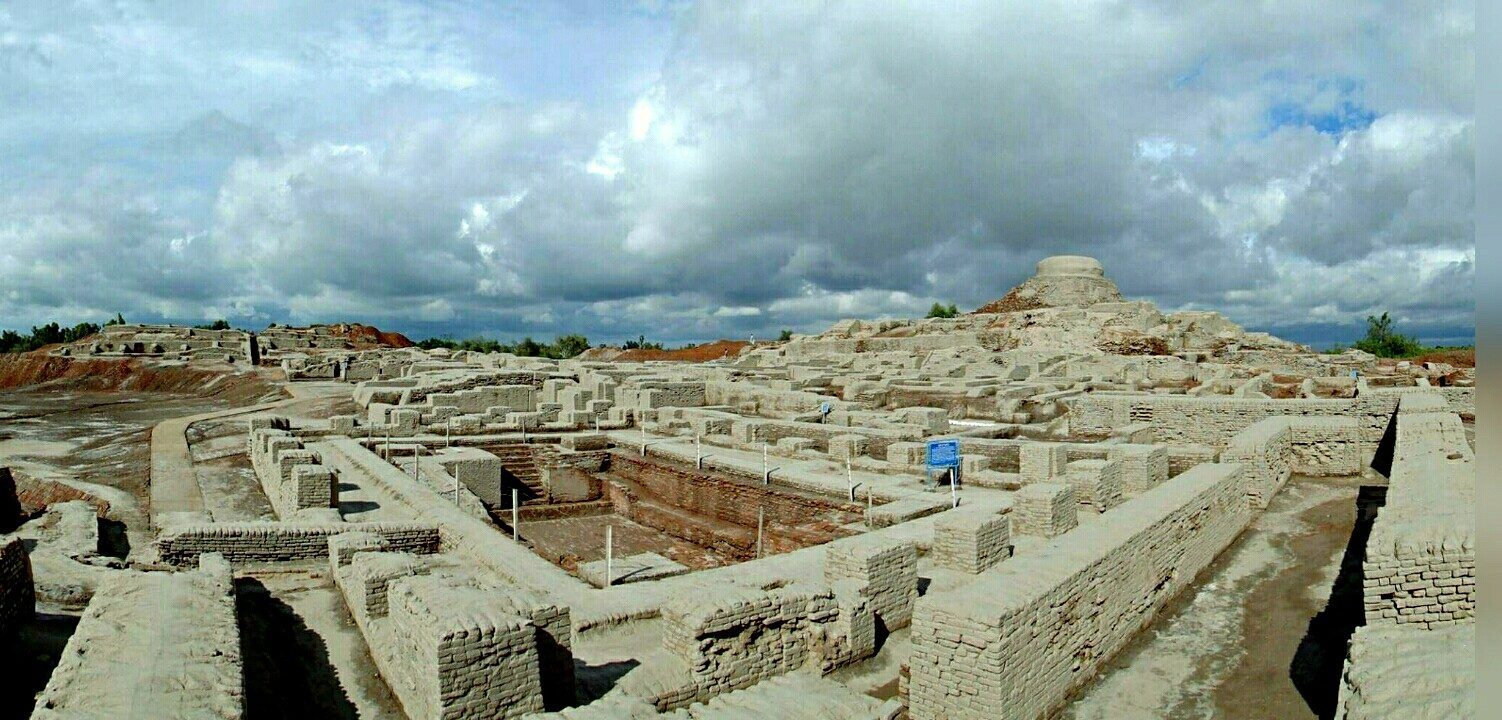
Built around 2500 BCE, Mohenjo-daro was one of the largest settlements of the ancient Indus Valley Civilisation, with an estimated population of at least 40,000 people. This wasn’t just a big city for its time. It was a marvel of urban planning that puts some modern cities to shame. Over 700 wells are present at Mohenjo-daro, alongside drainage and bathing systems, a quantity unheard of when compared to other civilisations at the time such as Egypt or Mesopotamia, transcribing as one well for every three houses.
Mohenjo-daro was the most advanced city of its time, with remarkably sophisticated civil engineering and urban planning. The streets were laid out in a precise grid pattern. Houses had private bathrooms and sophisticated sewage systems. The well planned city built with baked bricks had public baths, a college of priests, an elaborate drainage system, wells, soak pits for disposal of sewage, and a large granary. Honestly, it’s hard to believe this level of organization existed over four thousand years ago.
When the Indus civilisation went into sudden decline around 1900 BCE, Mohenjo-daro was abandoned. The reasons remain mysterious, though theories range from climate change to river course alterations. Whatever the cause, this sophisticated urban center was lost to time, buried under silt until its rediscovery in the 1920s.
Nabta Playa: Africa’s Forgotten Astronomical Observatory
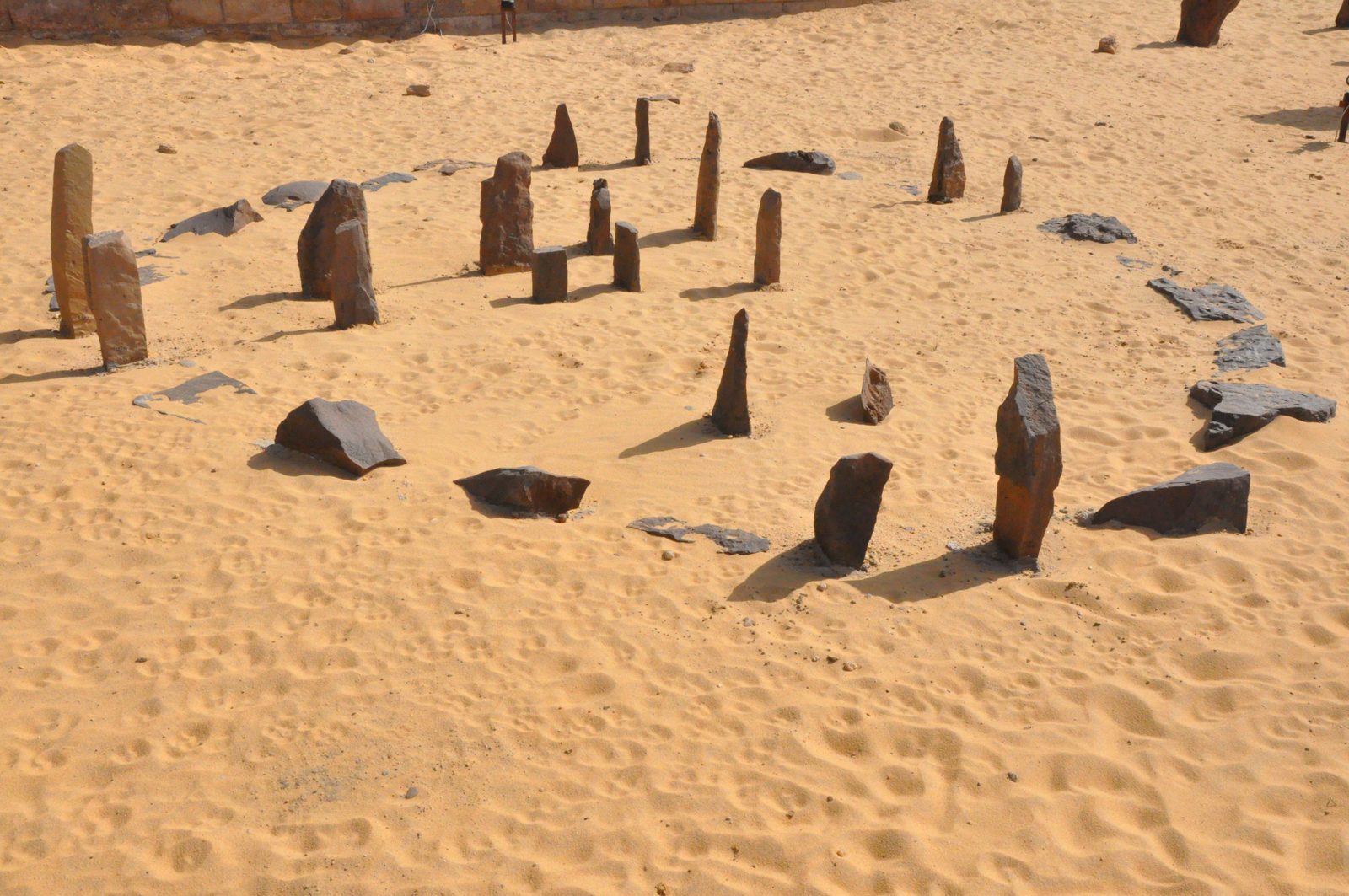
Located in Africa, Nabta Playa stands some 700 miles south of the Great Pyramid of Giza and was built more than 7,000 years ago, one of the earliest known stone circles and possibly an early astronomical observatory. Yes, you read that correctly. This predates Egypt’s famous pyramids by millennia. The site is located approximately 800 kilometers south of modern-day Cairo in the Nubian Desert, now a barren wasteland but once a thriving seasonal settlement.
The people of Nabta Playa had villages with planned layouts, with deep wells that held water year-round, though the region was occupied only seasonally, most likely only in the summer when the local lake had adequate water for grazing cattle. Distinctive stones in the calendar circle may have indicated sunrise on the summer solstice, which was a signal for these Stone Age people to soon expect rainfall that would replenish the lakes. The precision of their astronomical knowledge is remarkable.
Archaeoastronomers and archaeologists confirmed that the stones were in possible alignment with the stars Sirius and Arcturus, the star system Alpha Centauri, and the Belt of Orion. It makes you wonder what else these ancient cattle herders understood about the cosmos.
Pumapunku: Bolivia’s Precision-Cut Stone Mystery
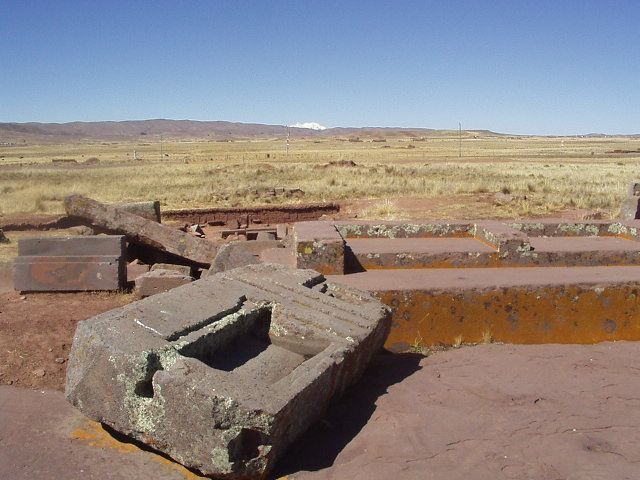
Pumapunku is a 6th-century T-shaped and strategically aligned man-made terraced platform mound with a sunken court and monumental structure on top, near Tiwanaku, Bolivia, part of a UNESCO World Heritage Site. What sets Pumapunku apart isn’t just its age or size. It’s the mind-boggling precision of the stonework. The largest stone block is estimated to weigh 131 metric tonnes, while the second-largest is estimated to be 85 metric tonnes.
These red sandstone blocks were transported up a steep incline from a quarry near Lake Titicaca roughly 10 kilometres away. Smaller andesite blocks came from even farther. The real mystery? The site features massive blocks of granite and andesite, some weighing well over 100 tons, cut and fitted together with incredible accuracy using technologies far in advance of the Tiwanaku’s Inca successors, with some stones having perfectly drilled holes and grooves, interlocking like a giant puzzle without mortar or cement.
Apparently, Puma Punku was abandoned before its builders could complete it. The Tiwanaku culture dissolved abruptly some time around AD 1000, likely due to rapid onset extended drought that made it impossible to produce massive crop yields necessary for their large population. They simply walked away from their unfinished masterpiece.
Caral-Supe: The Americas’ First Great Civilization
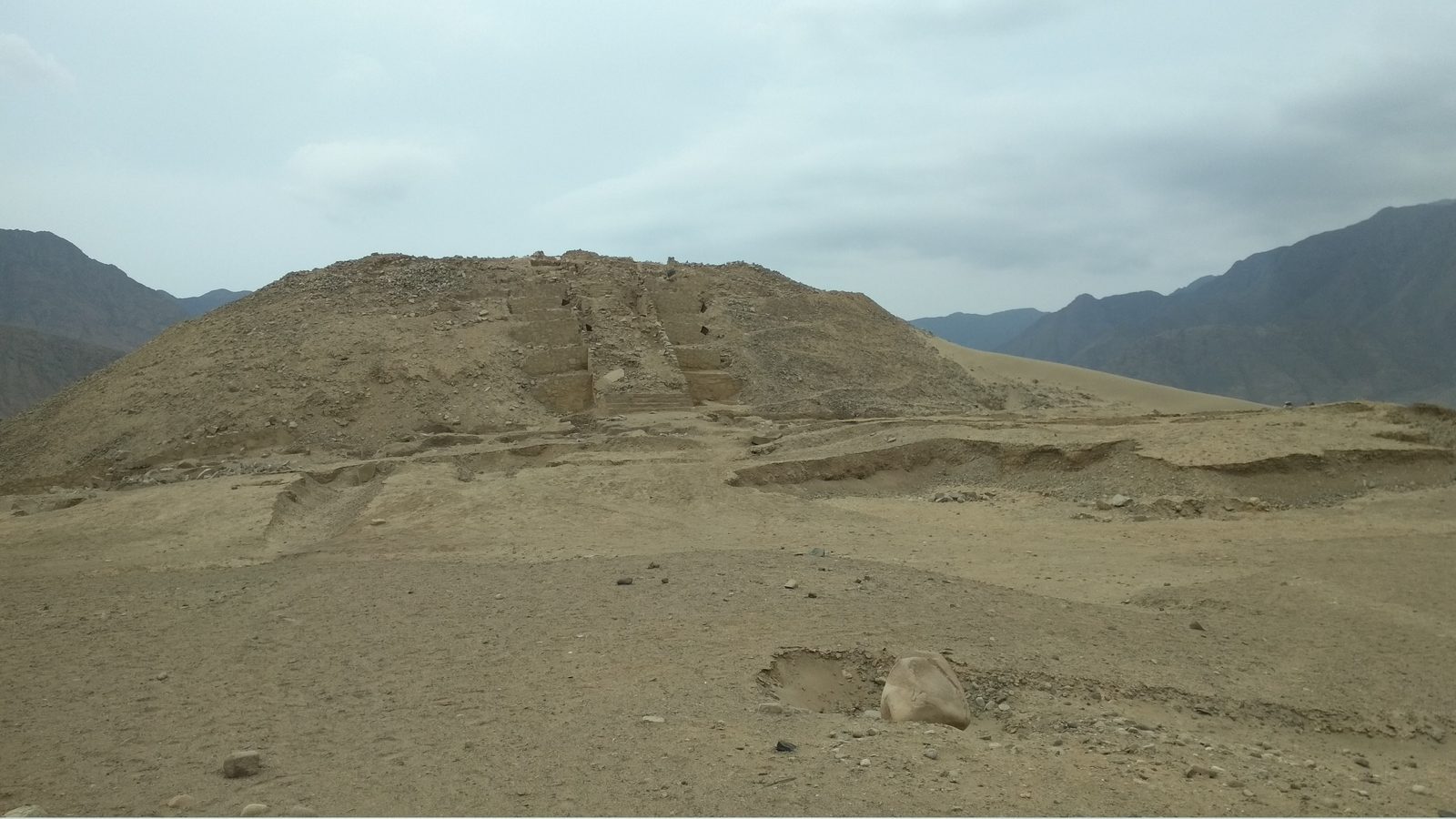
The Caral civilization flourished in what is now Peru, existing between the 4th and 2nd millennia BC, and is generally thought to be the oldest-known civilisation in the whole of the Americas. Let’s be real here: while everyone focuses on the Maya and Aztecs, Caral was building cities when Europe was still in the Stone Age. Unlike other ancient civilisations, the Caral people seemed to have absolutely no visual arts culture and did not use ceramics, with no paintings, sculptures, or signs of pottery being used to store food.
They were hugely accomplished architects, and the capital, known as the Sacred City of Caral-Supe, still bears signs of their accomplishments, including the remains of vast pyramids, sunken plazas, a circular amphitheatre, and residential properties. Imagine constructing massive pyramids without any of the visual art or ceramics that characterized other ancient civilizations. It challenges our assumptions about what “advanced” societies should look like.
The Tiwanaku Complex: An Andean Engineering Wonder
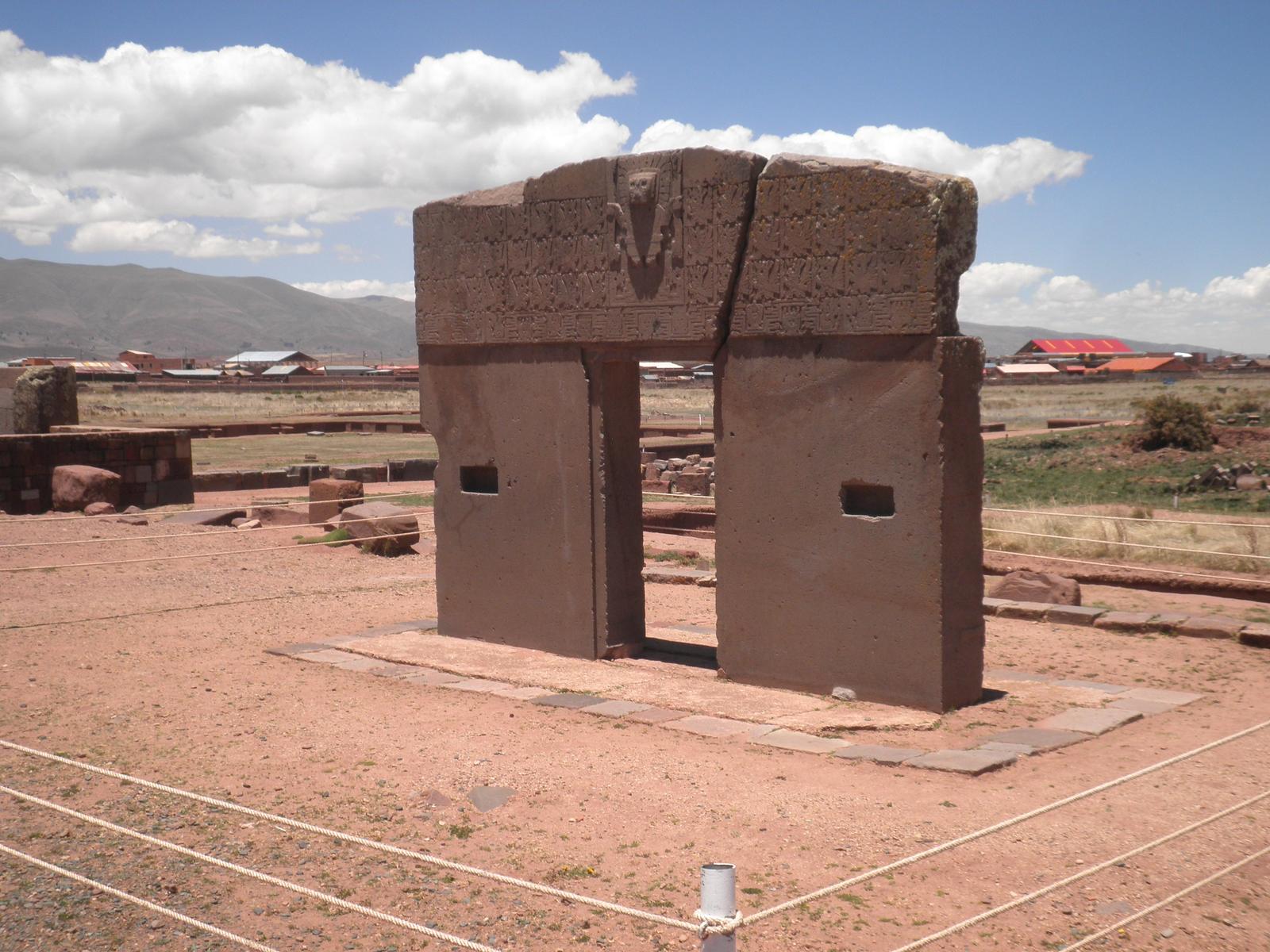
Located near Lake Titicaca in Bolivia, the millennia-old city of Tiwanaku was built almost 13,000 feet above sea level, making it one of the highest urban centers ever constructed, reaching its peak between roughly A.D. 500 and 1000. Constructing a major city at that altitude is impressive enough. Doing it with the engineering sophistication the Tiwanaku displayed is extraordinary. The Tiwanaku had underground drainage and paved streets, with cities planned in a grid system, and with over 10,000 people living in their capital city.
The Tiwanaku are remembered for their many remarkable monuments that still stand today, including the Kalasasaya’s Temple and the step pyramid of Akapana, which were used as a temple and observatory respectively. These weren’t simple structures. These architectural examples demonstrate high skill in stone-cutting, revealing a knowledge of descriptive geometry, with the regularity of elements suggesting they are part of a system of proportions. The precision speaks to sophisticated mathematical understanding.
The Minoans of Crete: Europe’s First Advanced Society
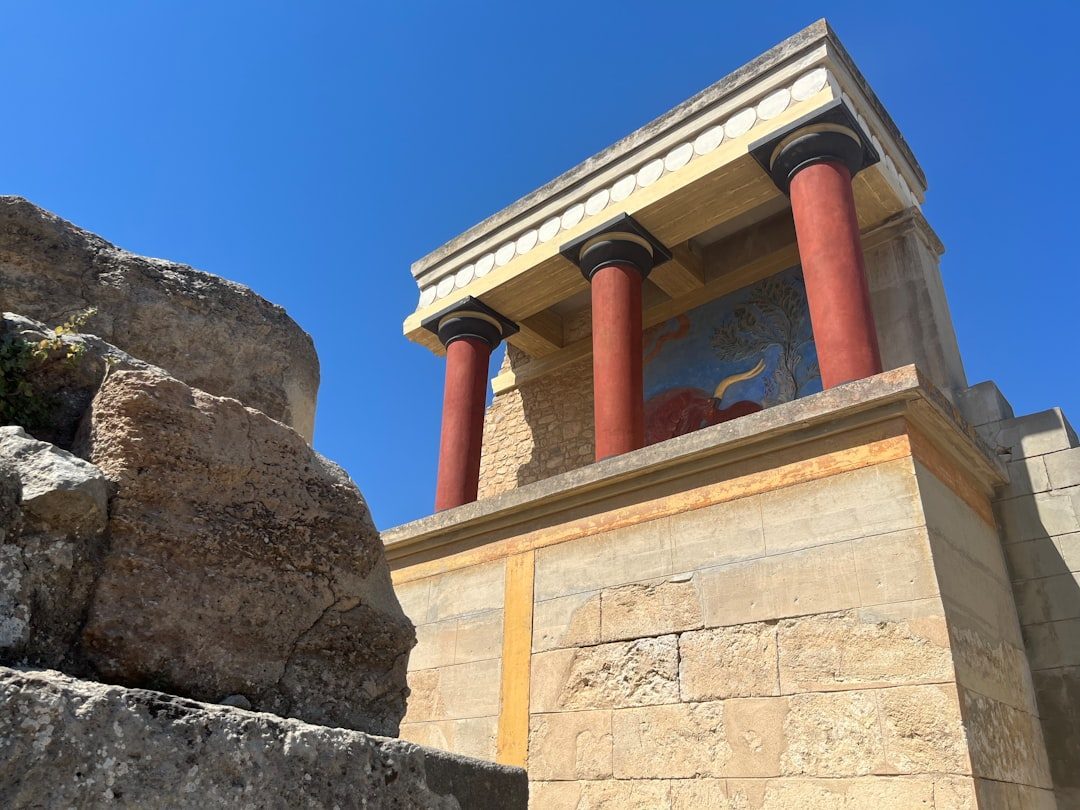
The Minoan civilization, named after the legendary King Minos, thrived on the island of Crete in the Bronze Age, flourishing from approximately 2700 BCE to 1450 BCE, and is considered one of the earliest advanced civilizations in Europe, leaving behind a rich cultural legacy characterized by sophisticated architecture, vibrant art, and a prosperous maritime trade network. Before classical Greece, before Rome, the Minoans were building elaborate palace complexes with running water and advanced infrastructure.
Elaborate palace complexes were a key architectural feature of the Minoans, and this, along with their paved road system, running water and pottery was incorporated by the later Greek and Roman civilisations, with women playing a large role in society, serving as administrators and priestesses with the same rights as men, and this unity made the Minoans such a remarkable people. Their progressive social structure was centuries ahead of its time. The sudden collapse of Minoan civilization remains debated, with theories ranging from natural disasters to invasion.
The Olmec Colossal Heads: Mesoamerica’s Mother Culture
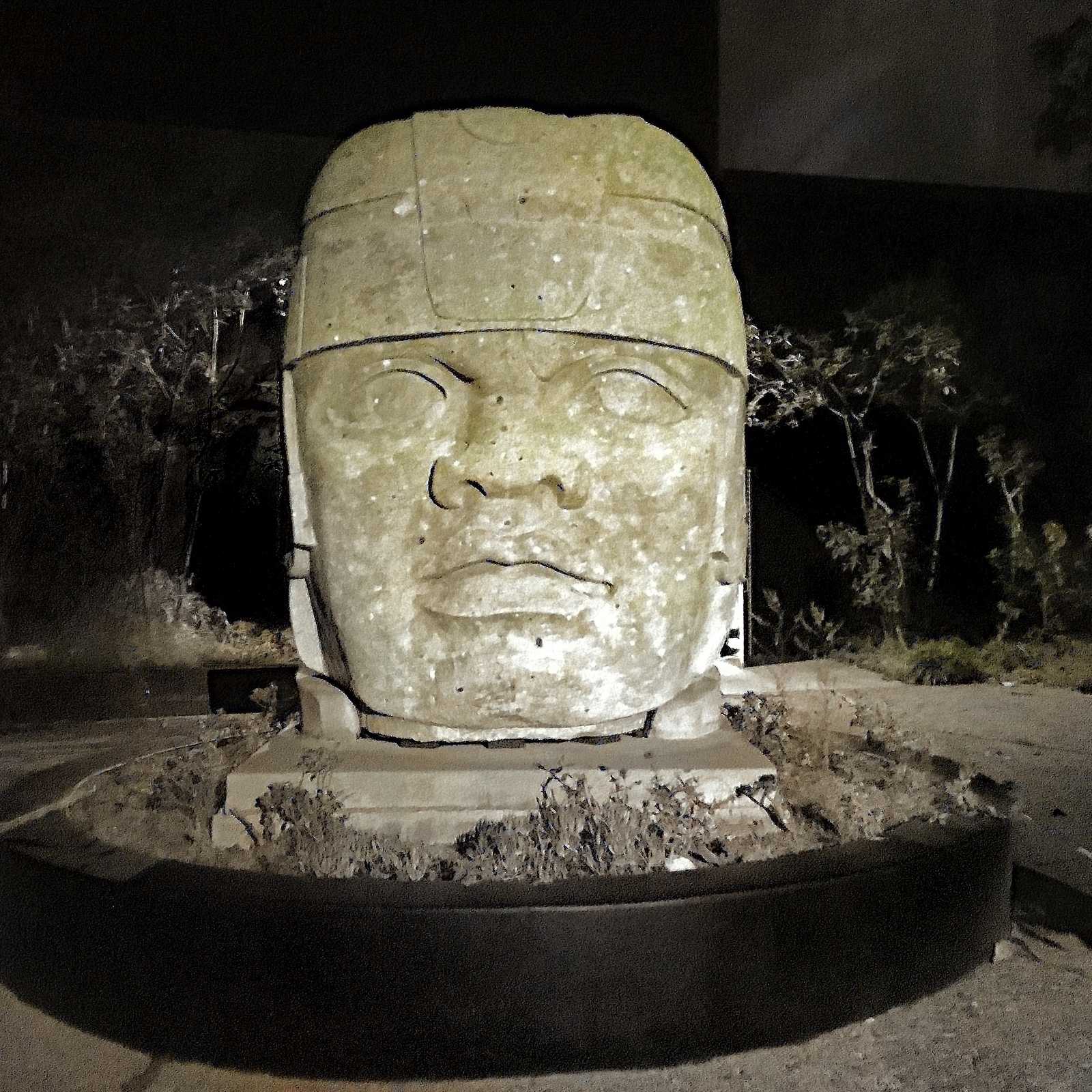
The Olmecs were among the earliest advanced civilizations of the Americas, flourishing between 1400 and 400 BCE in the fertile lowlands of present-day southern Mexico, often called the “Mother Culture” of Mesoamerica as they laid the foundation for the sophisticated societies that followed, including the Maya and the Aztecs. Their influence on later Mesoamerican cultures cannot be overstated, yet they remain relatively unknown compared to the Maya or Aztecs.
The most iconic legacy of the Olmecs is undoubtedly their colossal stone heads, some of which stand over 3 meters tall and weigh more than 50 tons. Just picture the engineering required to carve and transport these massive sculptures without modern tools or technology. Despite their profound influence, much about the Olmecs remains mysterious, as they left no comprehensive written records. They communicated their legacy through stone and art rather than text.
Tikal: The Maya’s Hidden Jungle Metropolis
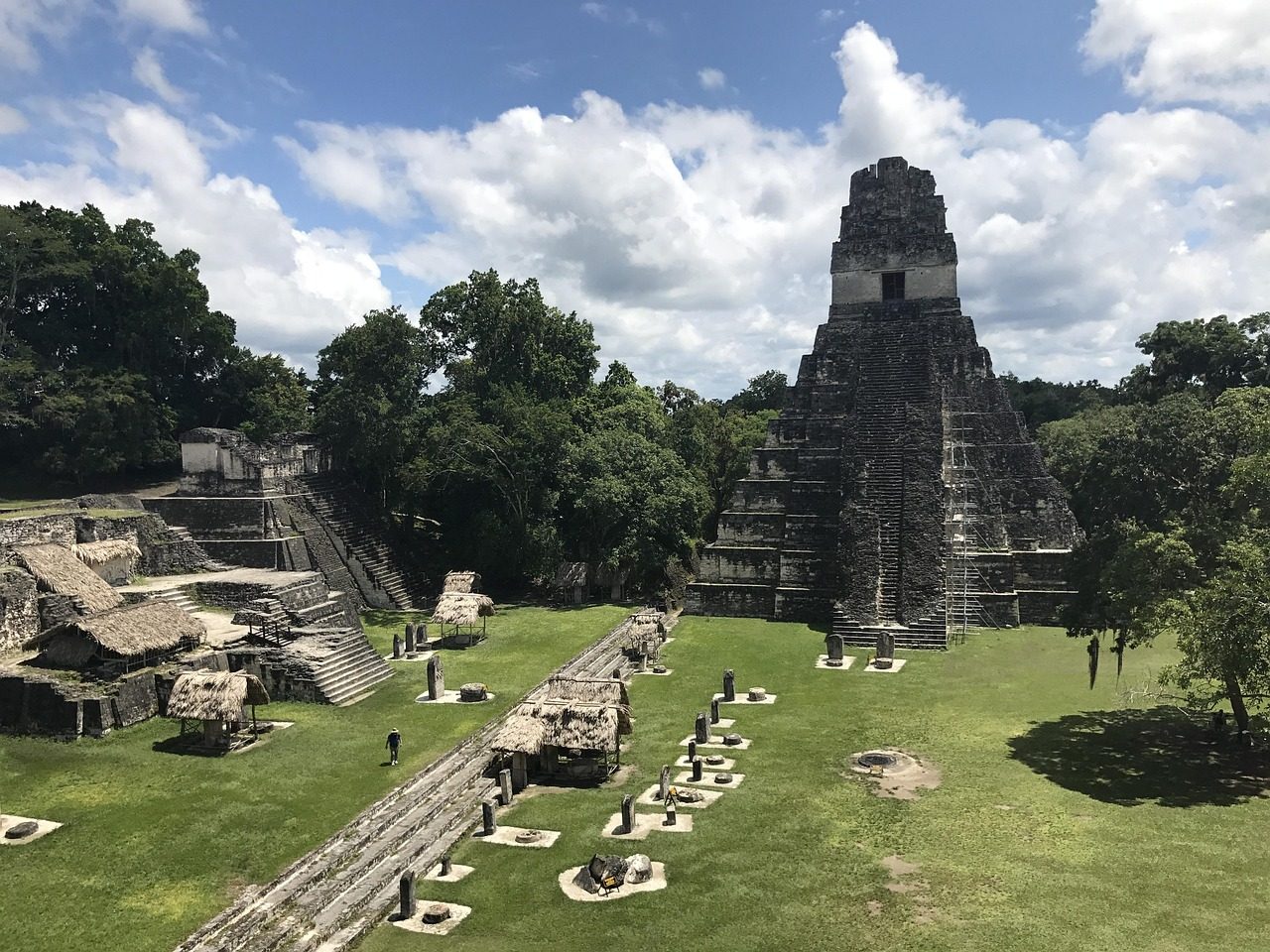
Tikal is an ancient Mayan city located in the tropical rainforests of Guatemala, and dating back to at least the 4th century B.C., with some of the buildings in the city and ceremonial center believed to date back to the 4th century B.C. Hidden beneath jungle canopy for centuries after its abandonment, Tikal represents the height of Maya architectural and urban planning achievement. It was considered an important place for the Mayan Empire from 200 to 900 A.D., and by 900 A.D. the Mayan Empire and the city were in decline, affected by drought and diseases.
The towering pyramids of Tikal rise above the rainforest canopy, their steep sides testament to Maya engineering prowess. The city’s layout demonstrates sophisticated understanding of astronomy, with structures aligned to celestial events. Walking among these ruins today, it’s hard to fathom how this massive urban center was simply swallowed by the jungle, forgotten until modern rediscovery.
The Kingdom of Aksum: Africa’s Forgotten Superpower
The Kingdom of Aksum was one of the mightiest of the 1st millennium AD, arising in what is now northern Ethiopia and Eritrea, coming to dominate the Red Sea coast and forming a key part of the trade route between Asia and Europe. Ivory, jewels, frankincense and live animals were exported, while silks, spices and glassware were brought in. This wasn’t some minor regional power. Aksum was a major player in ancient international trade.
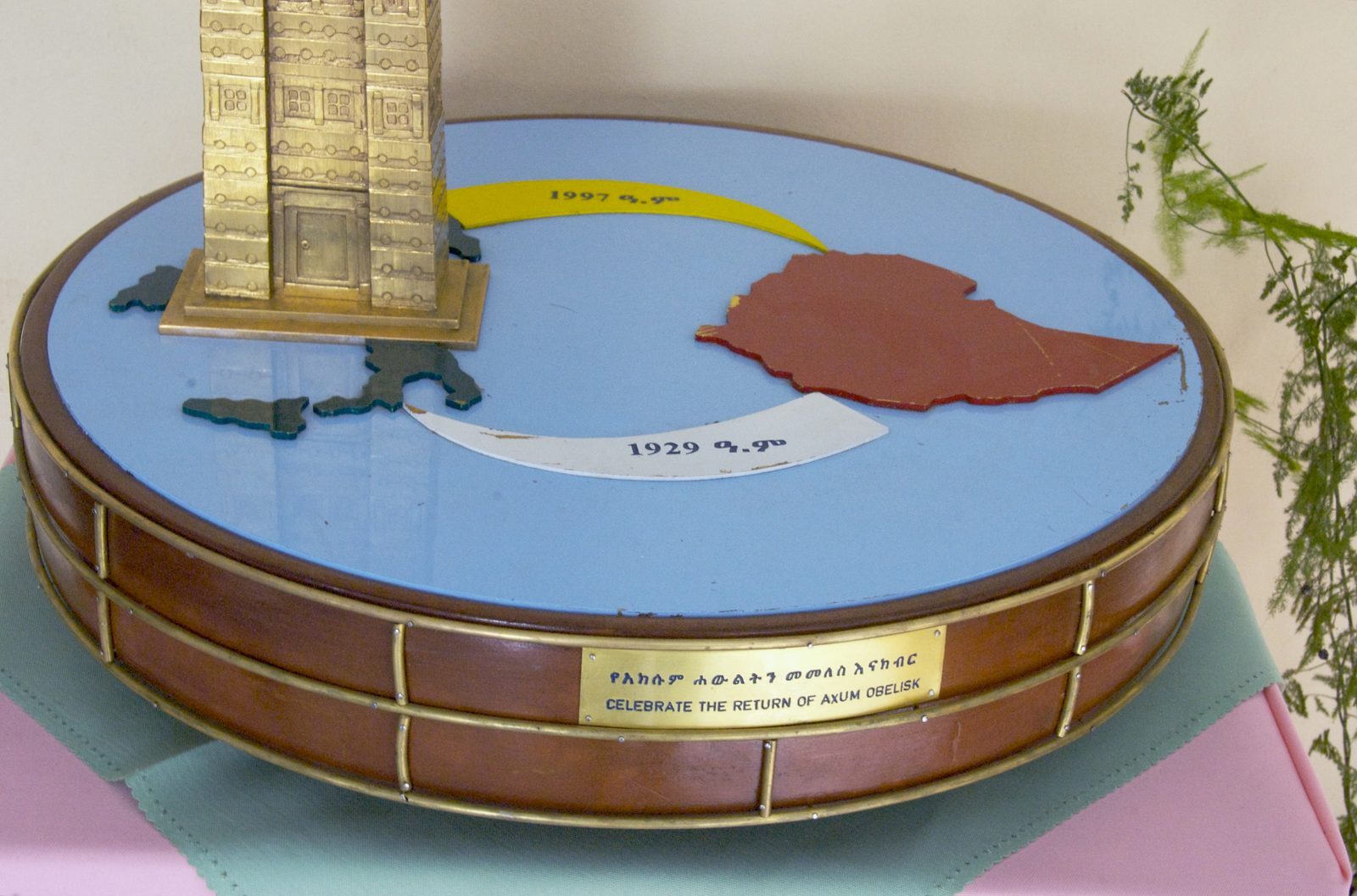
The Kingdom became the first sub-Saharan state to embrace Christianity, and visitors to the ancient capital of Aksum in Ethiopia can still see relics of this lost civilization, including mighty, towering obelisks that mark burial chambers. These massive stone monuments showcase engineering capabilities that rivaled those of ancient Rome. Yet Aksum has largely faded from popular historical consciousness, overshadowed by Mediterranean civilizations.
Conclusion: Lessons From the Lost
These ten structures represent just a fraction of humanity’s lost architectural achievements. Each site challenges our assumptions about ancient capabilities and raises uncomfortable questions about what else might be buried, forgotten, or misunderstood. From Göbekli Tepe’s hunter-gatherer temple to Mohenjo-daro’s sophisticated urban planning, these civilizations demonstrated ingenuity that often surpassed what came centuries later.
Perhaps the most unsettling aspect is how completely some of these cultures vanished. Drought, disease, environmental catastrophe, or simple migration scattered populations that had built cities, developed complex social structures, and created monuments intended to last forever. Their disappearance reminds us that even the mightiest civilizations are fragile, subject to forces beyond their control.
What would you add to this list? Have you visited any of these incredible sites? The ancient world still has secrets to reveal, waiting beneath desert sands and jungle canopy for the next generation of archaeologists to uncover.