
Nature is not just beautiful; it’s ruthless, clever, and endlessly inventive. Every forest, ocean, and desert is full of living experiments that have been tested over millions of years, honed by trial, error, and sheer survival. When you start looking closely at how plants and animals actually cope with danger, hunger, and harsh environments, it feels less like a gentle documentary and more like a science-fiction saga.
What makes it even more mind‑bending is that none of this was planned. No committee of animals voted for transparent skin, antifreeze blood, or explosive sex lives. These traits emerged slowly, generation after generation, until they became so refined that they look almost designed. Let’s dive into ten real adaptations that are so wild, so precise, and so extreme that they may change how you look at the natural world forever.
Transparent Bodies: The Ghosts of the Ocean
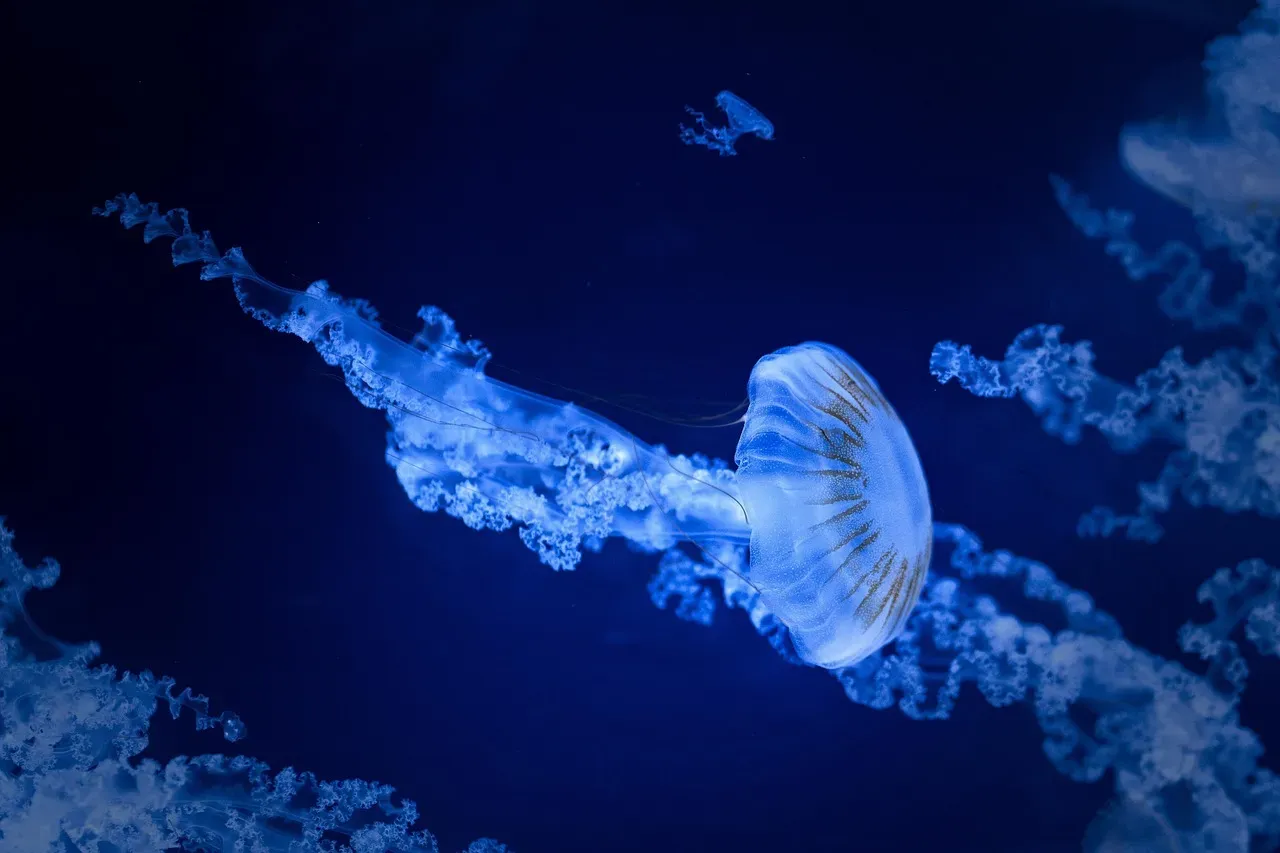
Imagine trying to survive in a world with nowhere to hide. That’s the open ocean: no bushes, no rocks, just endless blue, and predators scanning from every angle. Many small marine animals solved this nightmare problem with an eerie trick: they became nearly invisible. Glass squid, certain jellyfish, and tiny crustaceans have bodies made mostly of clear tissue, organs arranged to cast minimal shadows, and pigments stripped away so they almost vanish in the water.
This isn’t perfect invisibility, but it’s close enough to confuse hungry eyes. A predator looking up from below sees only faint outlines lost in the shimmer of sunlight. To make it work, transparent animals have to hide even their blood and eyes, two of the hardest things to camouflage. Some evolved colorless blood, while others shrink or cover their eyes with special tissues to keep them from shining like tiny targets. It’s stealth mode at the level of molecules.
Antifreeze Blood: Life in Subzero Seas
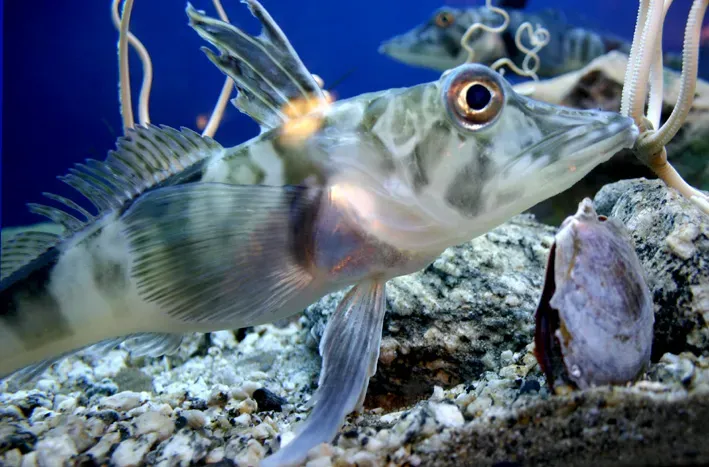
In the icy waters around Antarctica, temperatures can drop below the freezing point of human blood. A normal fish tossed in would literally freeze from the inside out. Yet Antarctic icefish and several related species glide through that same water as if it were nothing special. Their secret is a set of antifreeze proteins that latch onto forming ice crystals in their blood and stop them from growing, like putting microscopic brakes on ice itself.
These fish also push things further with other strange tweaks. Many icefish have no red blood cells and no hemoglobin, giving their blood a pale, almost milky look but also making it less likely to freeze. To move enough oxygen without those cells, they developed huge hearts and wide blood vessels so more blood can circulate. It’s a weird tradeoff: they gave up the usual way vertebrates carry oxygen in exchange for a body that can keep flowing in a place where most life literally locks solid.
Desert Seeds That Can Wait for Years
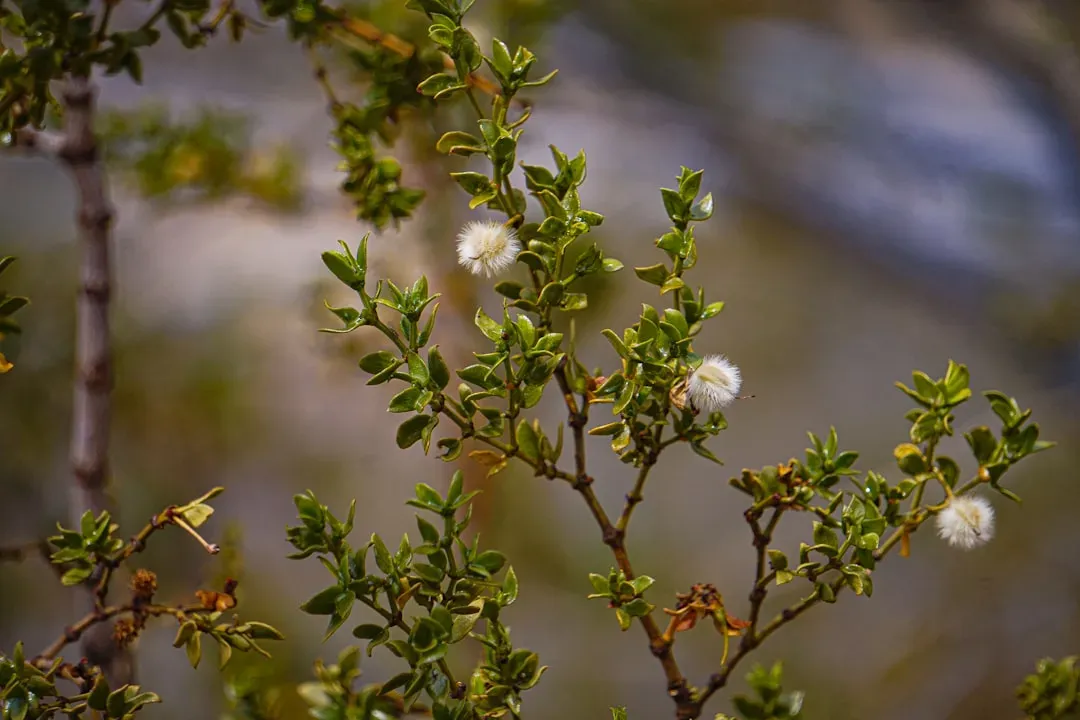
Most of us think of plants as rooted, passive, and slow. In deserts, that kind of lifestyle is a death sentence. Rain can be rare, brief, and wildly unpredictable. So many desert plants rely on seeds that behave more like disciplined survivalists than fragile babies. These seeds can lie dormant in the soil for year after year, waiting for the perfect combination of moisture and temperature before daring to sprout.
To pull this off, desert seeds are often armored with tough coats that only crack open after enough water soaks in or after physical abuse like abrasion in shifting sand. Some even use chemical signals in the soil to “smell” whether conditions truly favor survival. This strategy means that a heavy rainstorm can suddenly transform a barren stretch of sand into a short‑lived explosion of flowers and grasses. Then, before the water vanishes again, the next generation of seeds is already hidden away underground, pressing pause on life until the desert briefly turns kind again.
Regenerating Limbs: The Comeback Artists
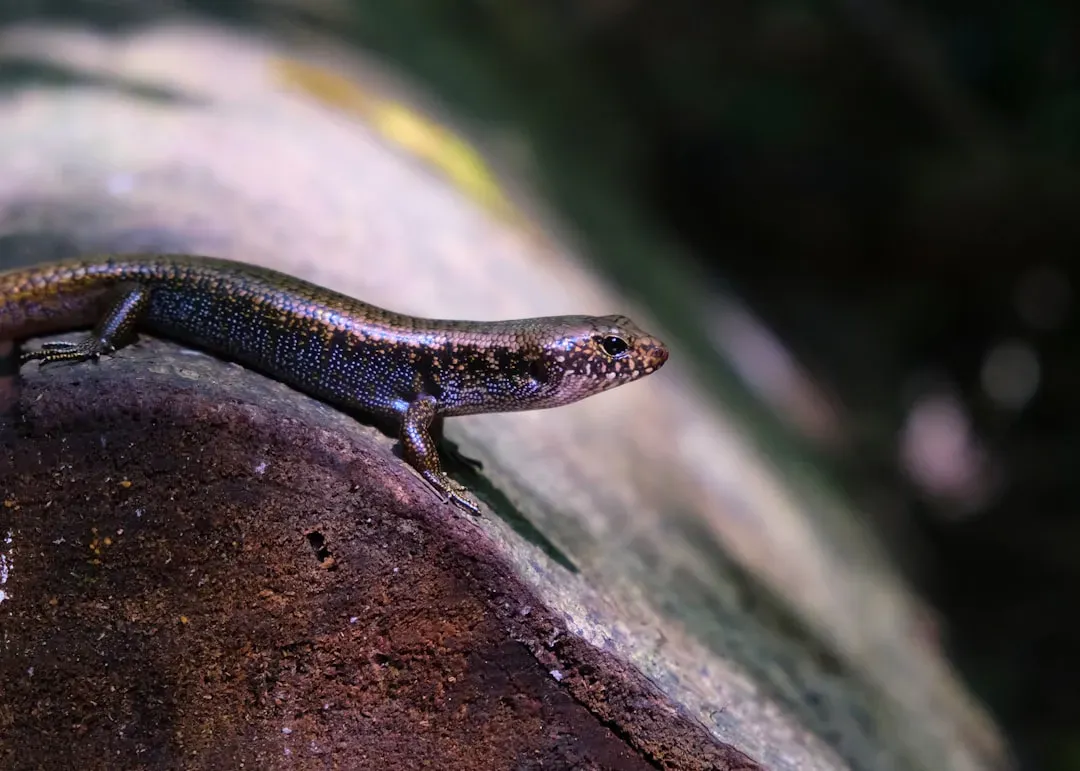
If you lose a finger, it’s gone. If some animals lose a whole limb or even part of their heart or spinal cord, they just grow it back. Salamanders, for example, can regenerate legs, tails, parts of their eyes, and chunks of major organs. Instead of scarring, their cells at the wound site shift back into a more flexible, stem‑like state and then rebuild the missing structure with almost factory‑level precision.
Starfish and certain lizards take this even further. Some lizards are able to break off their own tails when caught by a predator, leaving the wriggling piece behind as a distraction before they escape. Over time, they regrow a new, functional tail. It’s not always a perfect copy, but it works well enough. Scientists still don’t fully understand why mammals like us lost most of this ability, but the fact that vertebrates can do it at all shows how deeply built‑in the capacity for repair once was in our distant ancestors.
Explosive Sex Lives: The Octopus That Mates Once and Dies
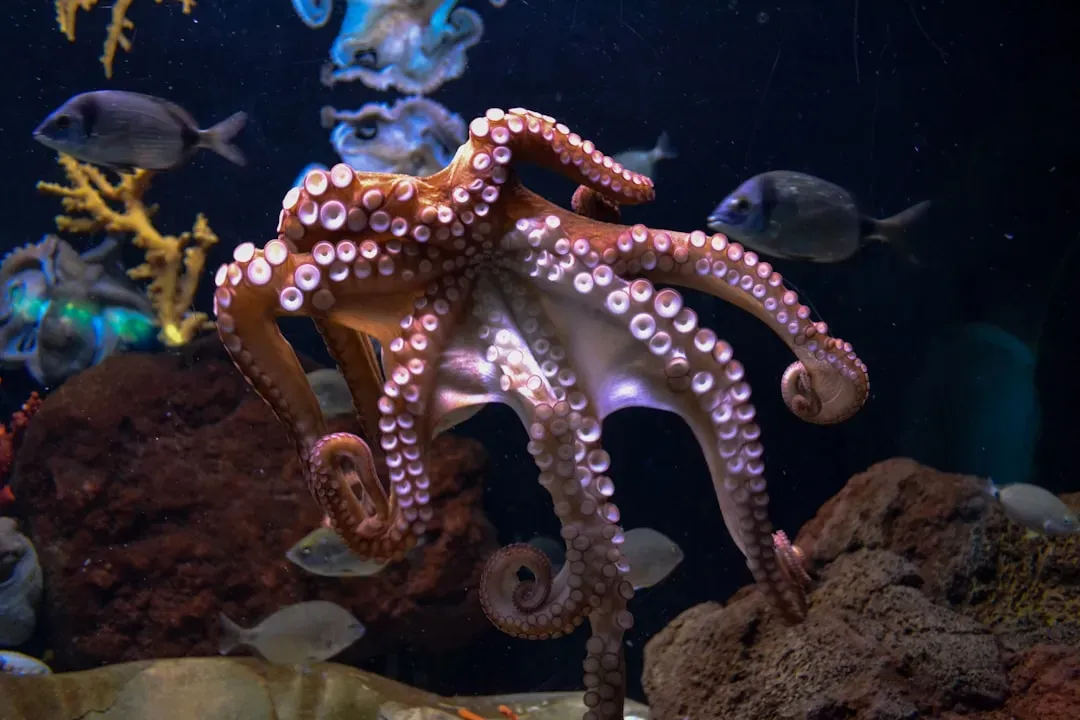
Some adaptations are so extreme they feel tragic. Many octopus species live fast, burn bright, mate once, and then die in a controlled collapse of their own bodies. A male often spends weeks searching for a mate, transfers his sperm with a specialized arm, and soon after, his health rapidly declines. Females guard their eggs with obsessive devotion, cleaning and fanning them to keep them oxygenated, often without eating at all during that time.
Once the young hatch, the mother’s body begins to break down in a process that’s partly driven by her own hormones. Researchers have found that changes in cholesterol‑related pathways trigger this self‑destruct sequence near the optic glands in her head. As brutal as it sounds, this strategy focuses all her energy on producing one successful generation, rather than stretching out her own life. In harsh, predator‑filled oceans, betting everything on one all‑in reproductive event has apparently been worth the cost for millions of years.
Shape‑Shifting Masters: The Cuttlefish’s Living Screens
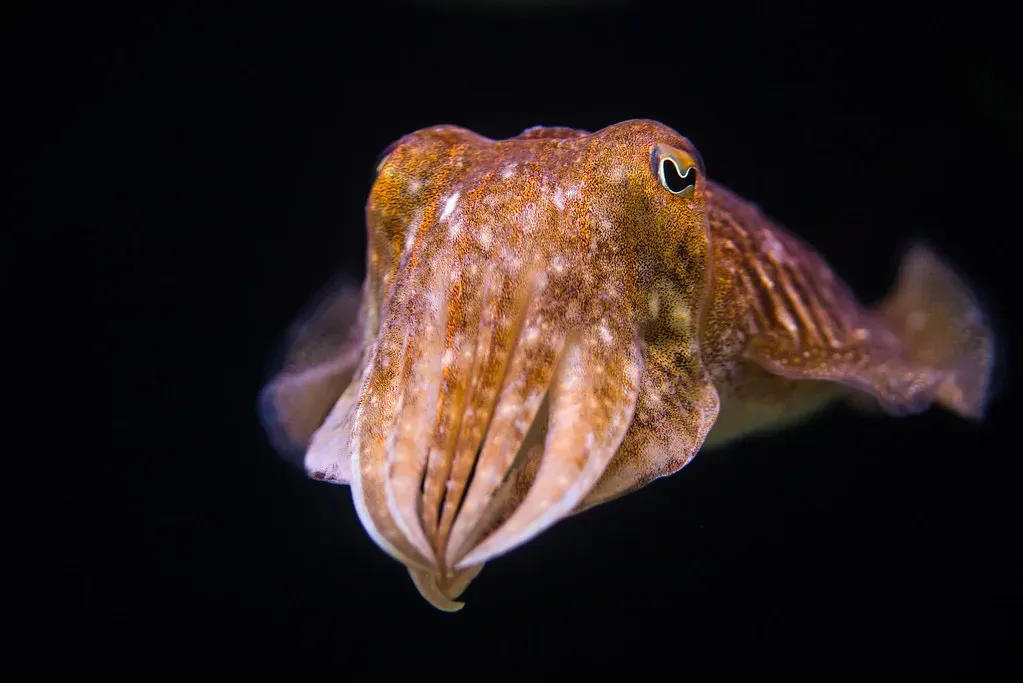
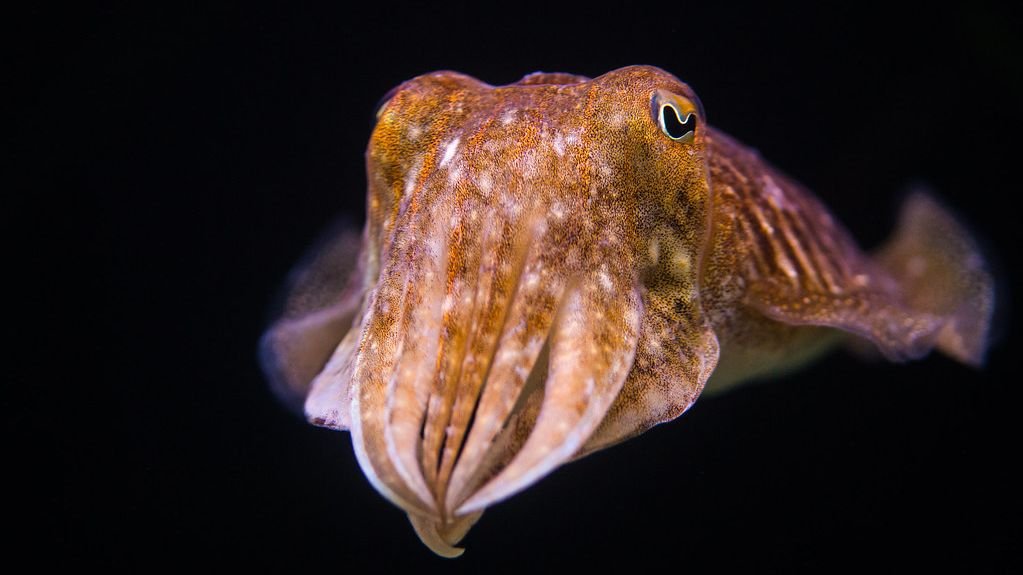
Camouflage is common in nature, but cuttlefish take it to another level that borders on visual sorcery. Their skin is packed with layers of tiny pigment sacs and reflective cells that can change color, brightness, and even texture in the blink of an eye. A cuttlefish drifting over rocks can become mottled and rough‑looking, then glide over sand and instantly smooth itself into pale, speckled patterns that match the new background almost perfectly.
What’s even wilder is that cuttlefish can create moving patterns and bold stripes to confuse predators or communicate with each other. The brain control behind this is extremely fast and complex, linking vision to skin in a direct feedback loop. They’re basically walking, thinking LED screens that can improvise new designs in real time. For prey trying to spot them or predators trying to track them, it’s like chasing a ghost that keeps rewriting its own body.
Plants That Eat Animals: Turning the Food Chain Upside Down
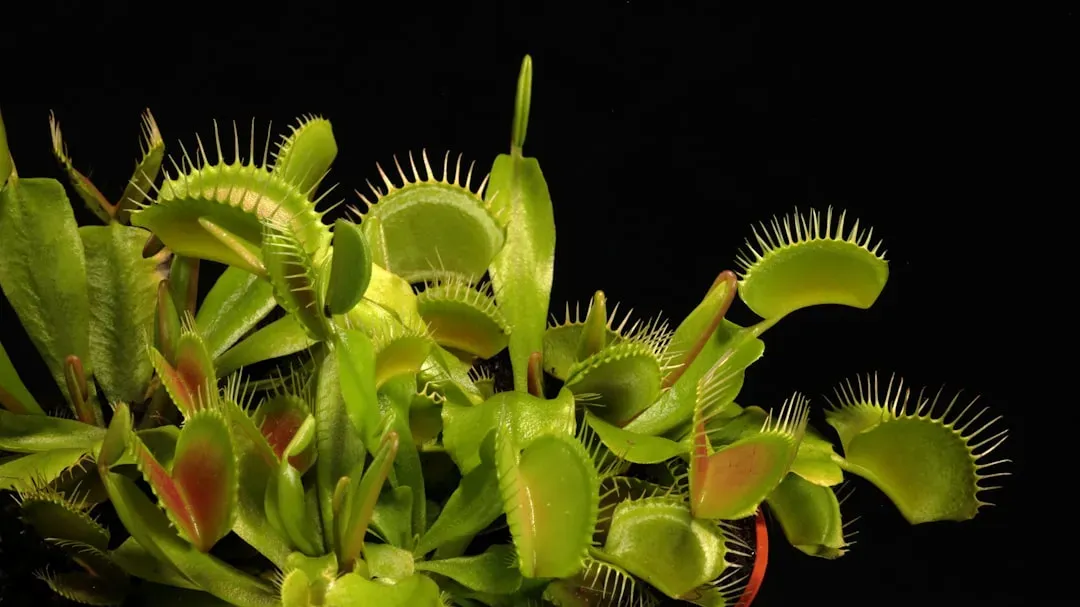
Most plants quietly convert sunlight and water into food, minding their own business. Carnivorous plants looked at that script and flipped it. In nutrient‑poor soils, especially where nitrogen is scarce, some plants evolved clever traps to catch insects and even small vertebrates. The Venus flytrap snaps shut when tiny trigger hairs are touched twice, a way to avoid wasting energy on raindrops or blown debris. Once an insect is sealed inside, the plant slowly digests it, pulling out the nutrients it couldn’t find in the soil.
Pitcher plants use a different strategy: they grow deep, slippery tubes partly filled with liquid. Insects attracted by nectar or scent fall in, can’t climb out, and eventually dissolve. Sundews cover their leaves in sticky droplets that look like delicious dew but act like glue. There’s something both darkly funny and deeply impressive about a creature rooted in place that solves its hunger problem by turning visiting bugs into fertilizer. It’s the botanical version of a silent, sticky trapdoor.
Extreme Pressure Survivors: Life in the Deepest Trenches
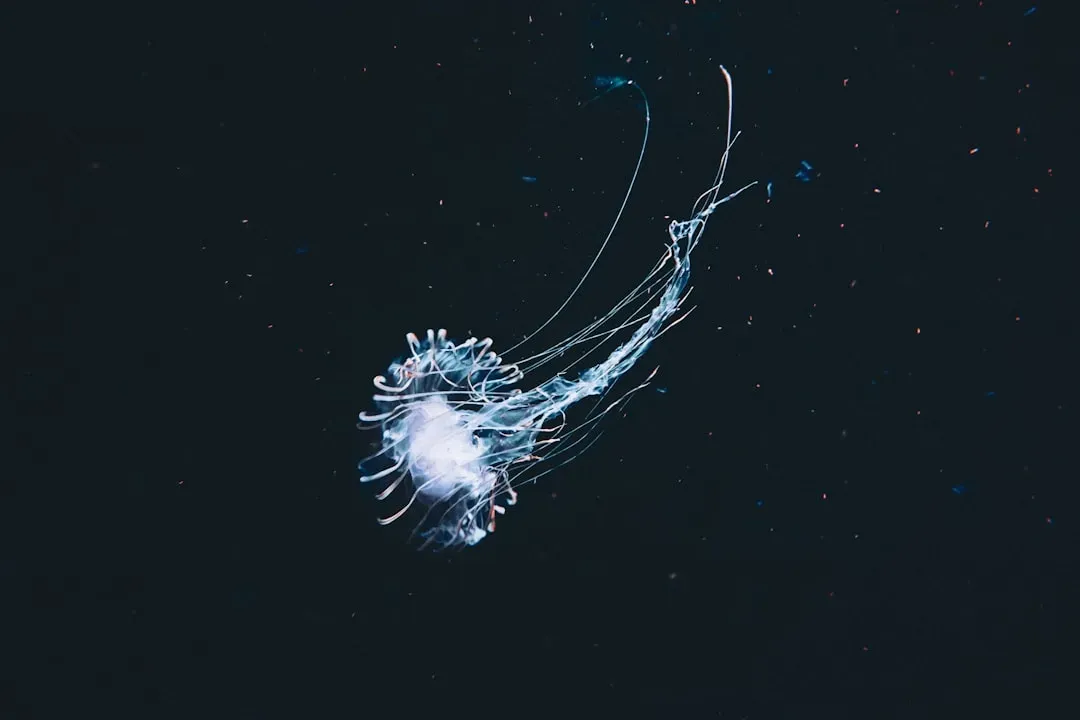
At the bottom of the ocean, in places like the Mariana Trench, the pressure is so crushing that a human submarine needs heavy armor just to survive a brief visit. Yet fish, worms, and strange invertebrates live there full‑time, going about their lives as calmly as any animal in a shallow reef. Their bodies are adapted on a chemical level: instead of rigid air‑filled spaces, they have flexible tissues and special molecules that keep proteins and cell membranes stable under enormous pressure.
One key trick is the use of compounds like TMAO, which help their cellular machinery resist being squeezed out of shape. Their bones, if they have them, are lighter and less calcified, reducing the risk of cracking. Most have never experienced normal surface pressure; for them, our world would feel dangerously “thin.” It’s a reminder that what we consider extreme is just ordinary life somewhere else, and that evolution can carve out a niche in places we once assumed were completely lifeless.
Built‑In Sunscreen: Surviving Harsh UV Light
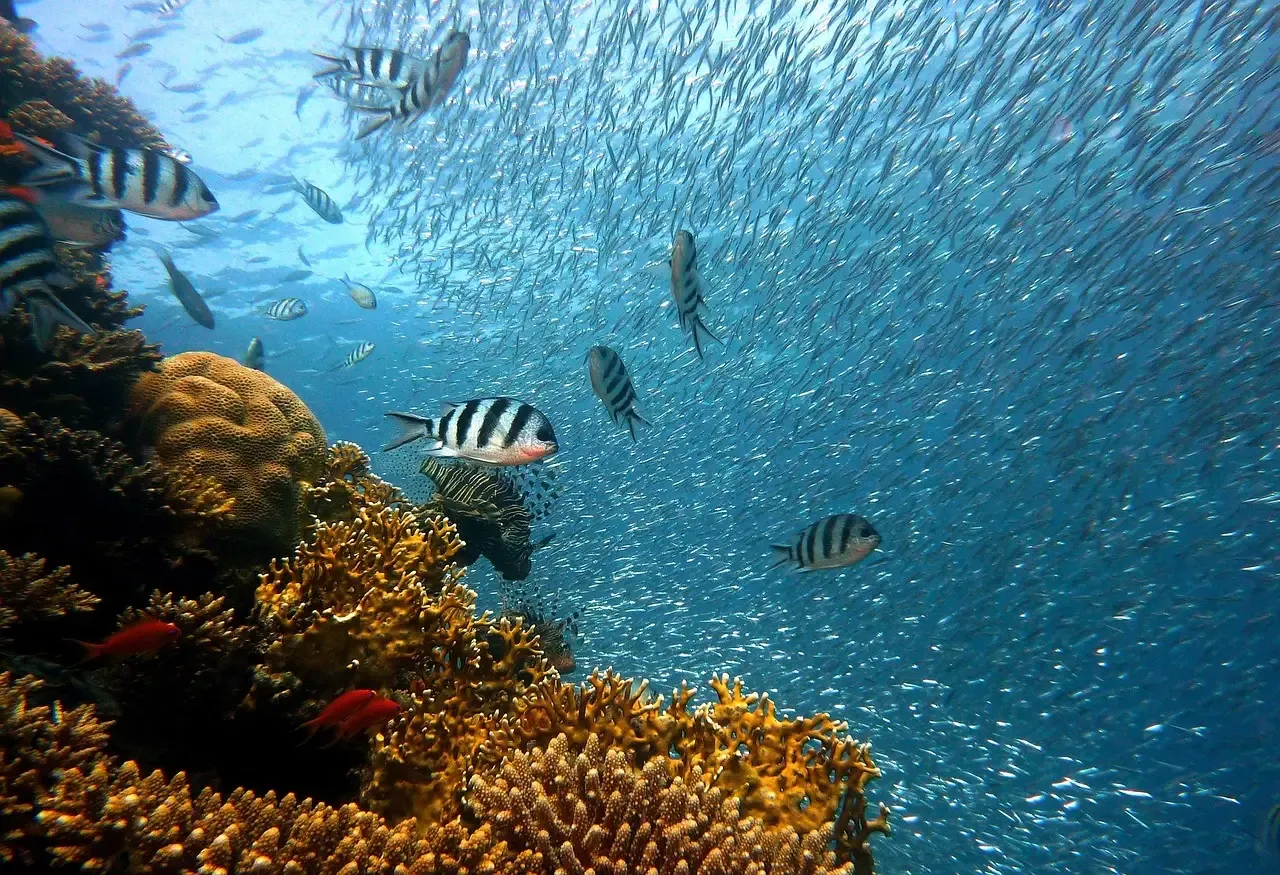
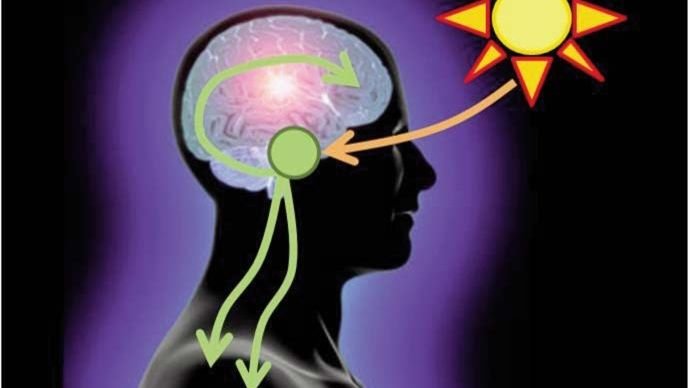
Sunlight is life‑giving, but it’s also damaging. At high altitudes, in shallow tropical waters, or on exposed rocks, ultraviolet radiation can shred DNA and proteins. Many organisms have quietly solved this with internal sunscreen. Certain corals, algae, and even some fungi produce special molecules that absorb harmful UV rays and convert them into harmless heat, effectively coating their cells in a natural sunblock.
Some animals, like reef‑dwelling fish and amphibians, use variations of the same kinds of compounds, either made in their own bodies or obtained from their food. These invisible shields make it possible to live in places where unprotected tissue would be quickly damaged. For humans worrying about sunburns and skin cancer, it’s humbling to realize that other species have been tinkering with sophisticated UV protection for millions of years, long before we invented a single bottle of sunscreen.
Tardigrades: The Toughest Animals on Earth
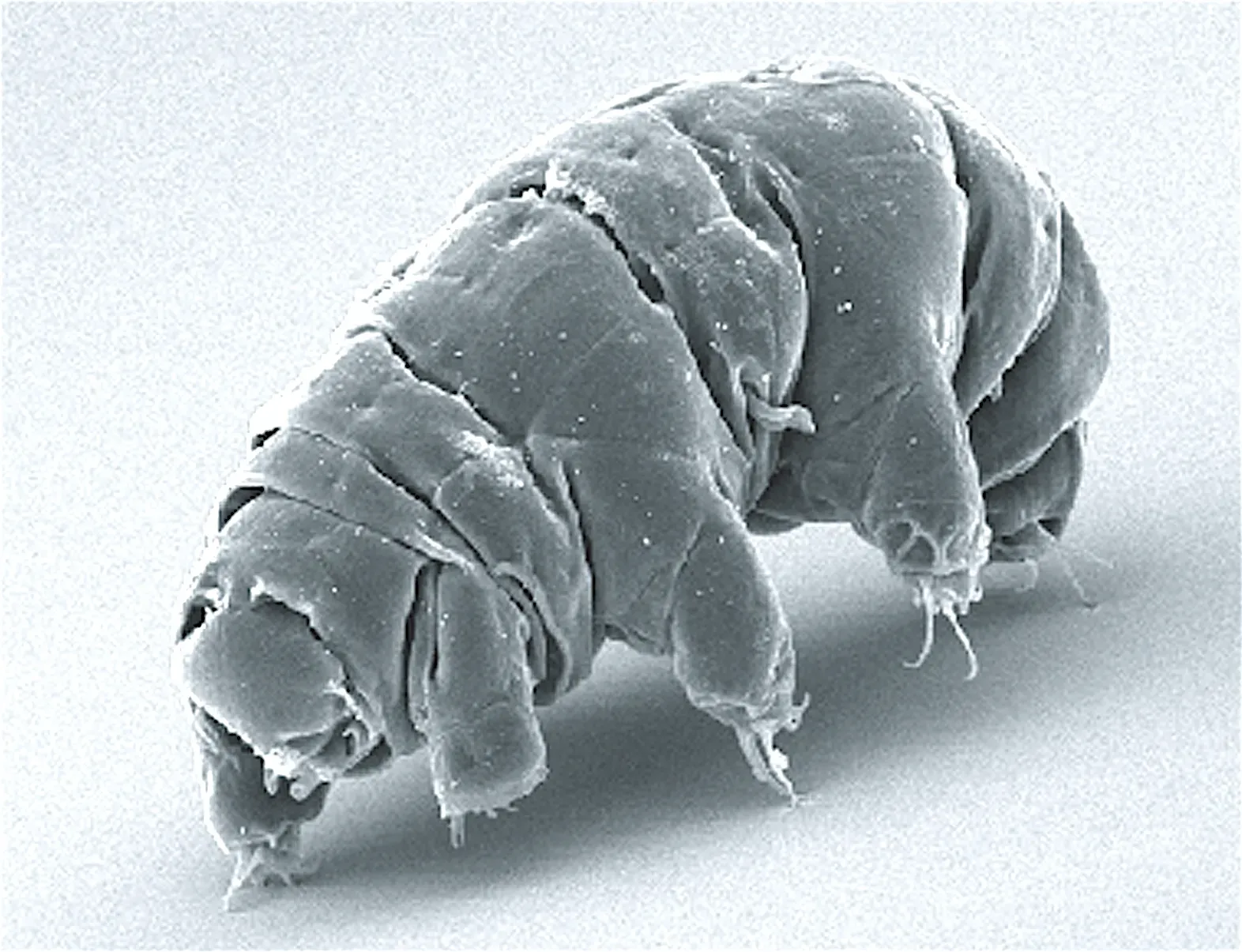
Tardigrades, often called water bears, may be small, but their toughness is on a different scale entirely. Under normal conditions, they’re just tiny, plump creatures creeping through moss and film‑thin layers of water. When things get bad – drying out, freezing, overheating, or losing oxygen – they do something radical: they shut down. By curling into a dried‑out, dormant state called a tun, they slow their metabolism to almost nothing and can survive for astonishingly long periods without water.
In this form, tardigrades have survived being blasted with radiation, exposed to the vacuum of space, and subjected to extreme temperatures in lab experiments. Their cells are protected by special proteins and sugars that form a glass‑like structure, holding everything in place until conditions improve. When water finally returns, they rehydrate and carry on as if nothing outrageous just happened. It’s not immortality, but it’s about as close as a tiny animal can realistically get.
What makes this even more striking is that we’ve only scratched the surface. There are deep‑sea vents, cave systems, and microscopic worlds still holding secrets just as wild as anything we know now. The more we uncover, the more the planet feels like a living library of extreme solutions, a manual on how to stay alive in places that seem utterly impossible. Which of these adaptations shocked you the most?