You do not have to leave Earth to feel like you have stepped onto another planet. Some landscapes are so surreal that when you first see photos, you might assume they are concept art for the latest sci‑fi epic. Then you realize they are real, you can actually go there, and the weirdness is not CGI at all but pure geology, biology, and time at work.
As you explore these ten places, you will notice something powerful: your everyday idea of what Earth is “supposed” to look like starts to crumble. Mirror-flat salt deserts, glowing underground galaxies, red Martian-style valleys, and islands full of trees that look like they were grown in a lab all quietly prove that reality is already stranger than most fiction. You might finish this list with a new problem on your hands – trying to decide which otherworldly corner of this planet you want to visit first.
Salar de Uyuni, Bolivia: Walking on a Perfect Sky Mirror
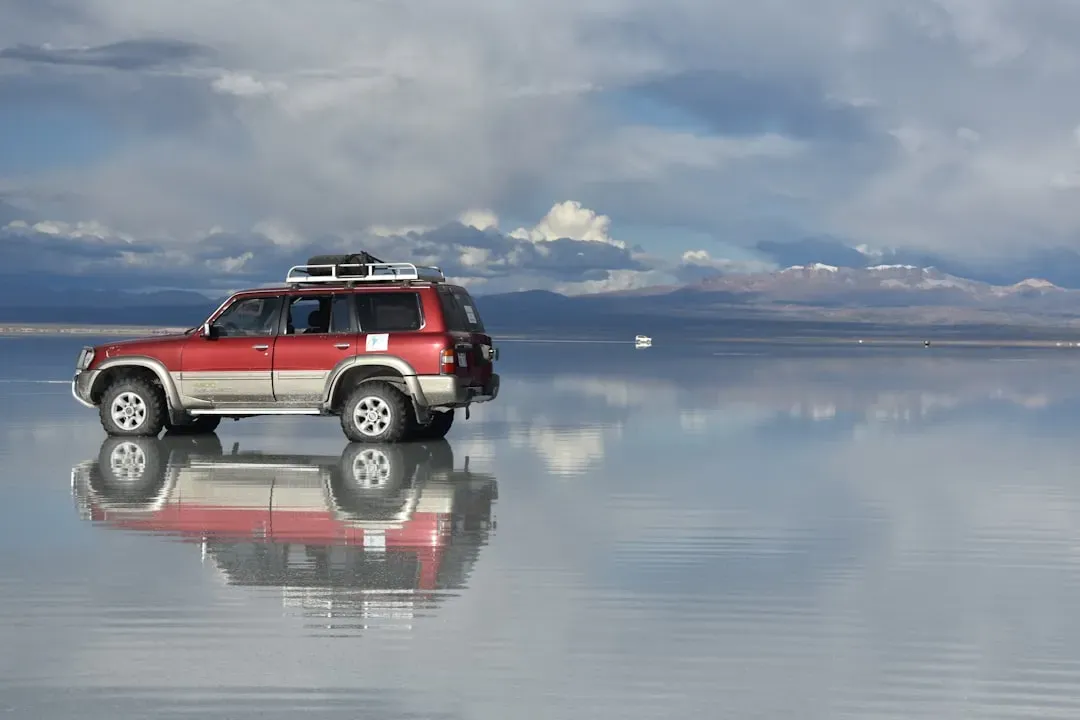
If you have ever dreamed of walking inside a giant holo-simulation, Salar de Uyuni is about as close as you can get in real life. This salt flat in southwest Bolivia is the largest in the world, spanning more than ten thousand square kilometers of blindingly white crust. When it is dry, you feel like you are standing on a cracked, geometric ice planet, crossed with a minimalist art installation that stretches forever in every direction.
Right after seasonal rains, a thin sheet of water turns the flat into a perfect mirror, erasing the horizon so completely that you lose track of where the sky ends and the ground begins. You see clouds below your feet, mountains floating in reflections, and cars that look like they are gliding through the air. Scientists also use this hyper-flat surface to calibrate satellites because the elevation changes so little, which is a very practical detail hiding inside what feels like a dreamscape. ([phys.org](https://phys.org/news/2025-09-mystery-bolivian-salt-flat-world.pdf?utm_source=openai))
Waitomo Glowworm Caves, New Zealand: An Underground Galaxy
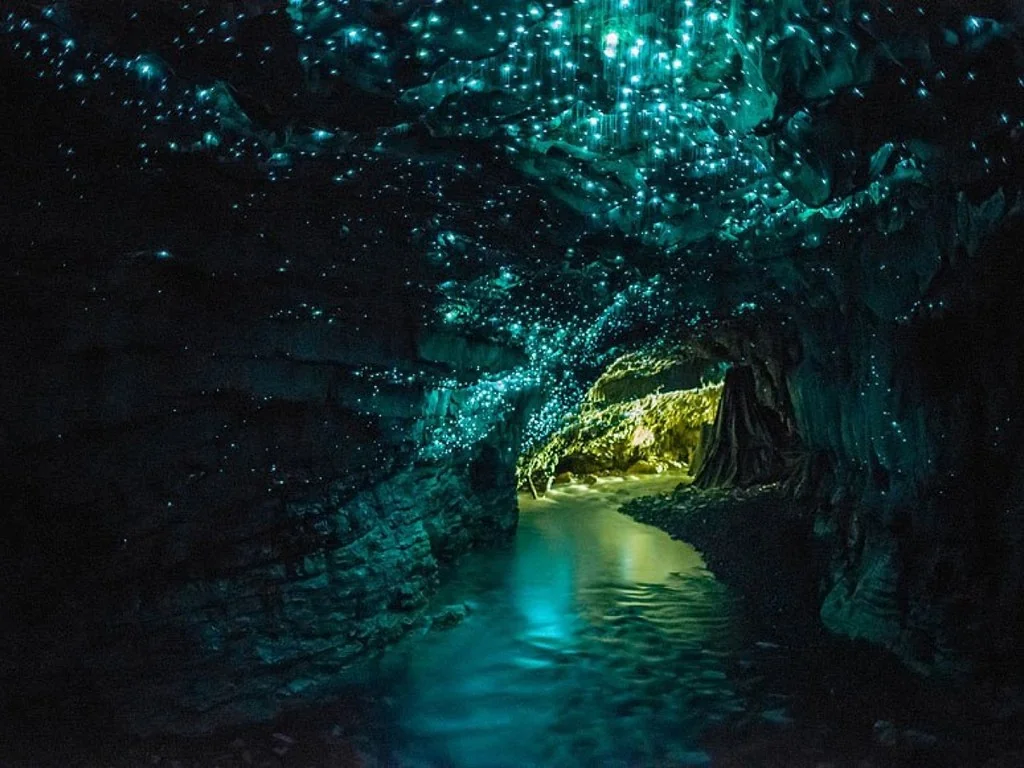
Imagine drifting in a silent boat, in almost total darkness, and slowly realizing that the stars above you are not stars at all. In the Waitomo Glowworm Caves on New Zealand’s North Island, tiny bioluminescent insects cling to the ceilings and walls, shining with a soft blue-green light. As your eyes adjust, the roof of the cave begins to resemble a night sky from some distant moon, dense with eerie, living constellations. ([space.com](https://www.space.com/the-universe/earth/20-jaw-dropping-places-on-earth-that-look-like-an-alien-planet?utm_source=openai))
You move quietly along underground rivers while the guides keep things as dark and still as possible, letting the glow take over your entire field of vision. What looks magical is actually a survival trick: the glowworms use their light to attract prey into the sticky silk threads they dangle down. You end up floating through a cave ecosystem that feels like a scene from deep space, yet it is all powered by simple chemistry and the hunger of very small creatures.
Socotra Island, Yemen: The Most Alien-Looking Island on Earth
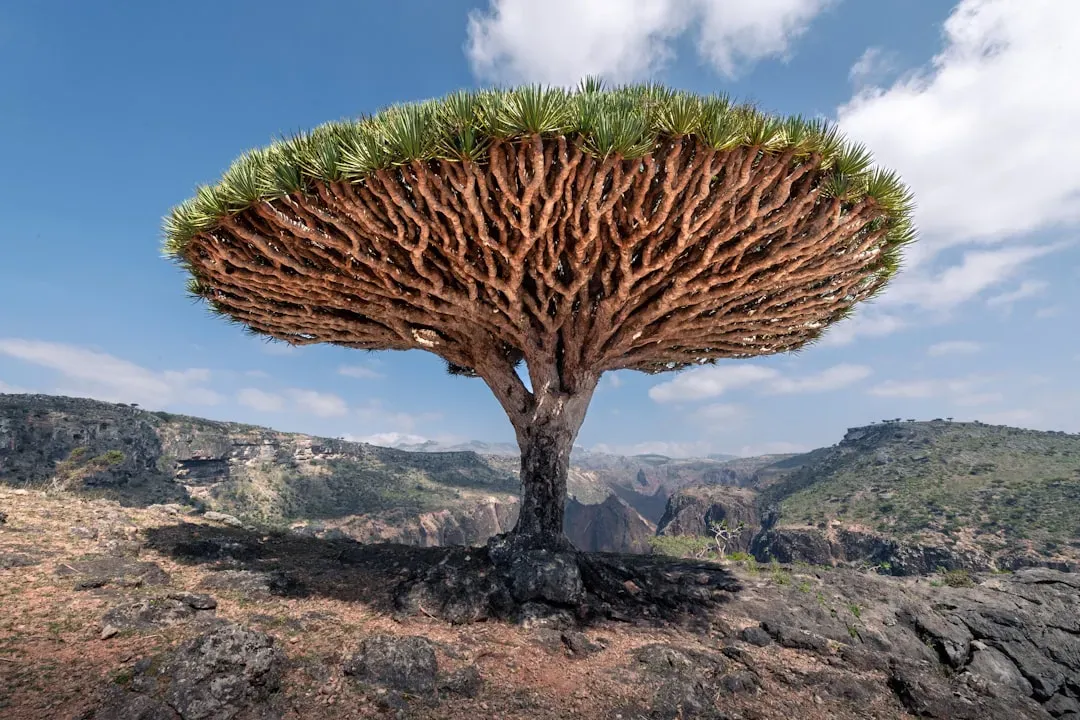
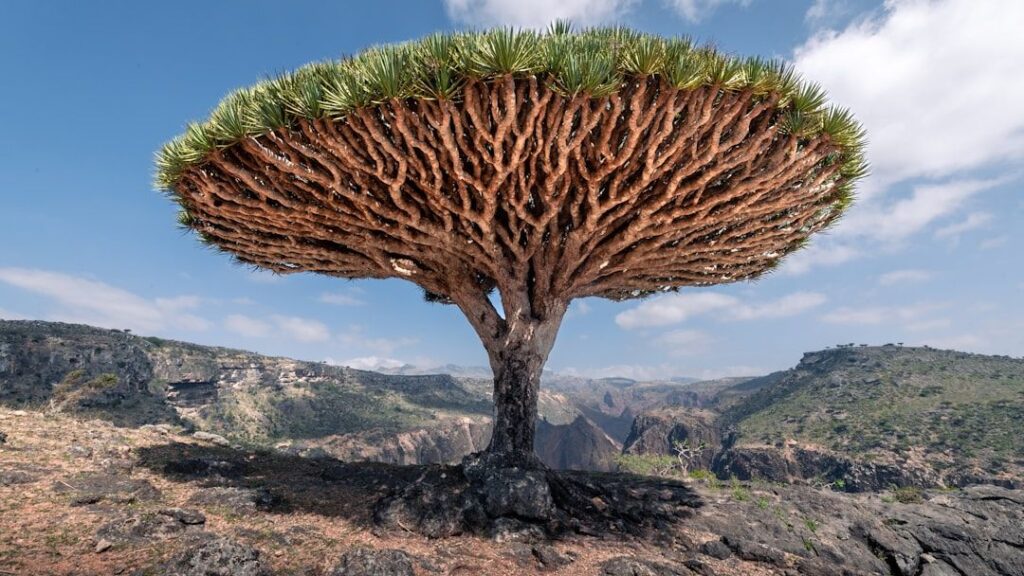
If someone dropped you on Socotra Island without context, you might assume you had landed on a terraformed colony world. Sitting in the Arabian Sea off the coast of Yemen, Socotra has been isolated for millions of years, and that long separation has turned it into a living laboratory of evolution. Roughly about one third of the plant species here are found nowhere else, which already sounds like a sci‑fi premise. ([tearsofcrimson.com](https://www.tearsofcrimson.com/2025/07/12-unreal-places-that-actually-exist.html?utm_source=openai))
The island’s mascot is the dragon’s blood tree, with a thick trunk and a crown of upward-reaching, vein-like branches that form a dense umbrella of leaves. When the bark is cut, it oozes a deep red resin that gave the tree its dramatic name. You also see bottle trees with swollen trunks, windswept limestone plateaus, and rugged coasts that feel abandoned by time. As you move through Socotra’s landscapes, you are not just sightseeing – you are essentially walking through an alien botanic garden that just happens to be on Earth.
Pamukkale, Turkey: Terraced Pools from a Futuristic Spa World
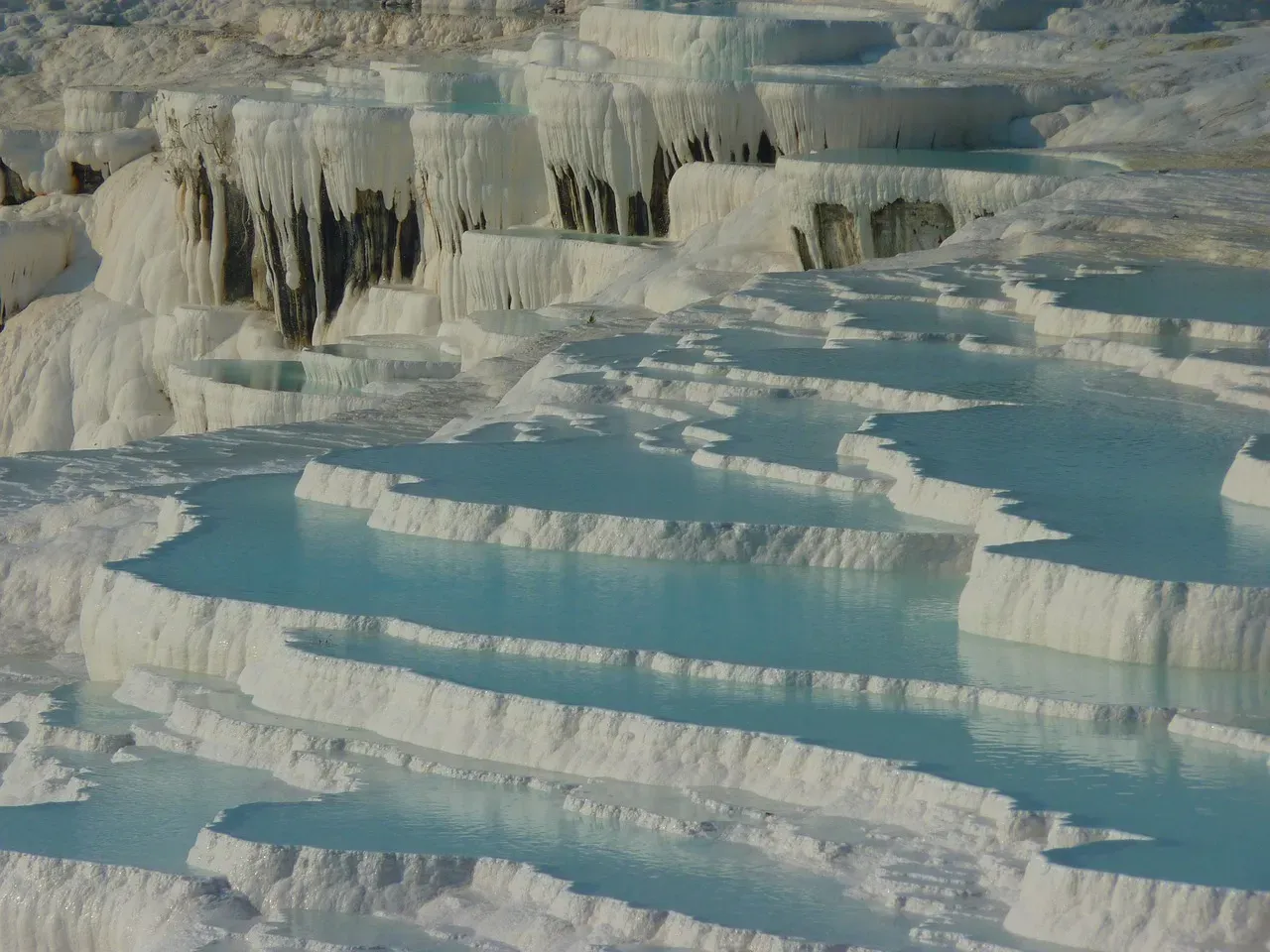
When you first see Pamukkale from a distance, you might think it is a snow-covered hillside in the middle of western Turkey. As you get closer, you notice the “snow” is actually smooth white rock shaped into shallow, curved pools that spill over one another like a frozen waterfall. These dazzling terraces are made of travertine, a form of limestone left behind by mineral-rich hot spring water flowing down the slope over thousands of years. ([space.com](https://www.space.com/the-universe/earth/20-jaw-dropping-places-on-earth-that-look-like-an-alien-planet?utm_source=openai))
Some pools hold bright turquoise water that looks like it came straight from a luxury concept spa in a science fiction movie. You walk barefoot along the warm, chalky surface, feeling the strange combination of solid stone and trickling water beneath your feet. Nearby, ruins from the ancient city of Hierapolis remind you that people have been soaking and healing here since Roman times. The whole place feels like a crossover between a ruined alien bathhouse and a pristine digital rendering that someone forgot to turn off.
Wadi Rum, Jordan: Mars on Earth
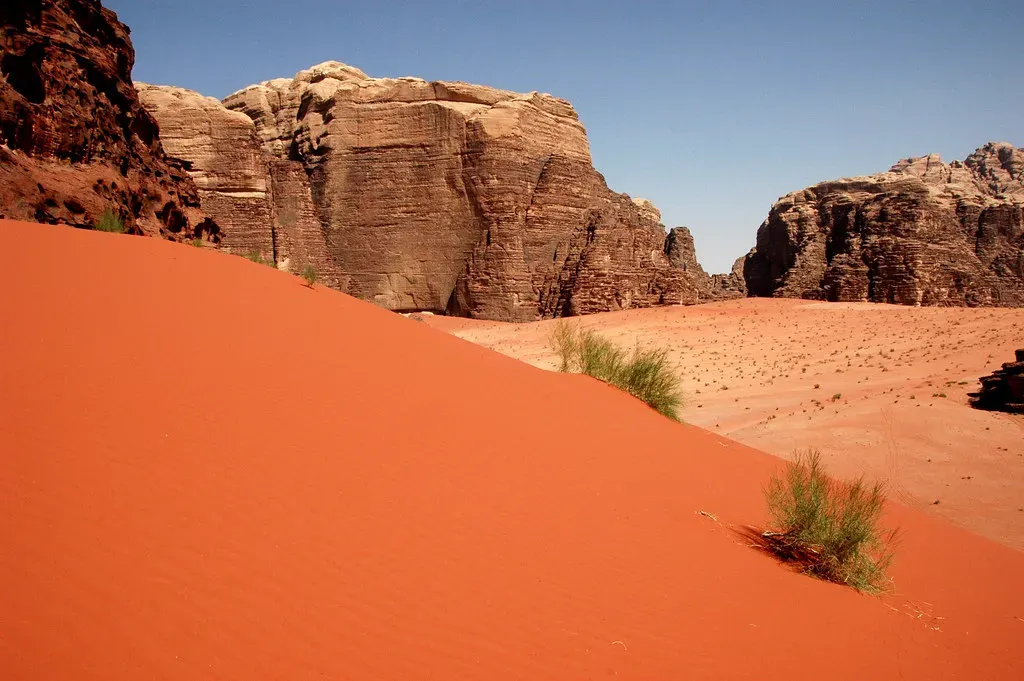
Wadi Rum in southern Jordan is what you probably picture when you imagine walking on Mars, even if you do not realize it yet. This vast desert, nicknamed the Valley of the Moon, is full of deep red sands, towering sandstone mountains, and rock arches carved by wind over ages. The colors shift with the sun, from rusty orange to deep crimson, so the landscape feels dynamic, like a living set that keeps changing lighting cues. ([space.com](https://www.space.com/the-universe/earth/20-jaw-dropping-places-on-earth-that-look-like-an-alien-planet?utm_source=openai))
Because of its otherworldly look, filmmakers keep coming back here when they need a convincing alien planet – this valley has stood in for Mars and other distant worlds more than once. When you ride in the back of a pickup or on a camel through the canyons, you pass ancient petroglyphs scratched into the rock, proof that humans have moved through this “Martian” landscape for thousands of years. At night, the sky explodes with stars, and the combination of red earth below and cosmic theater above makes you feel like you are camping between worlds.
Vatnajökull Ice Caves, Iceland: Inside a Blue Crystal Planet
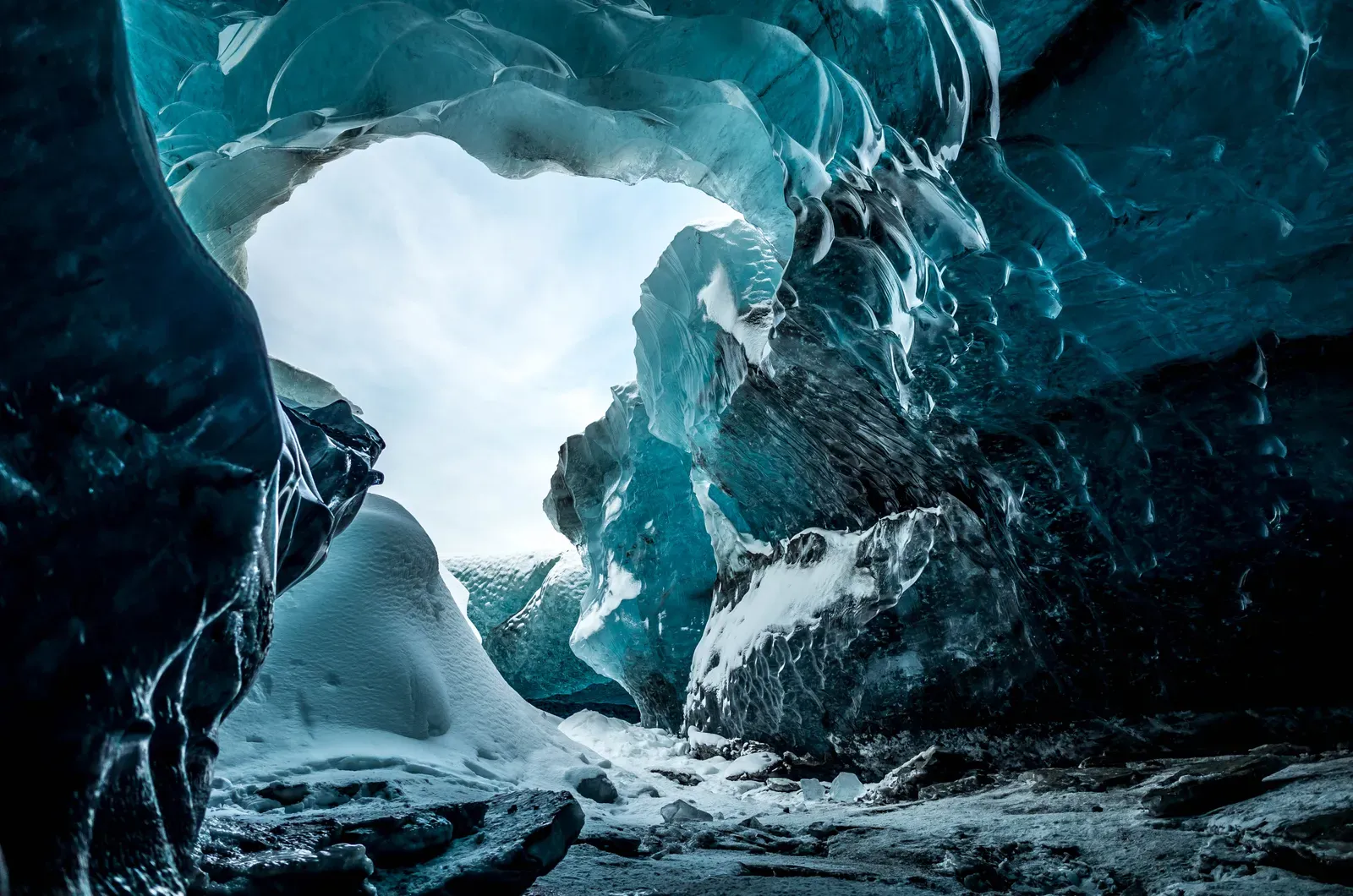
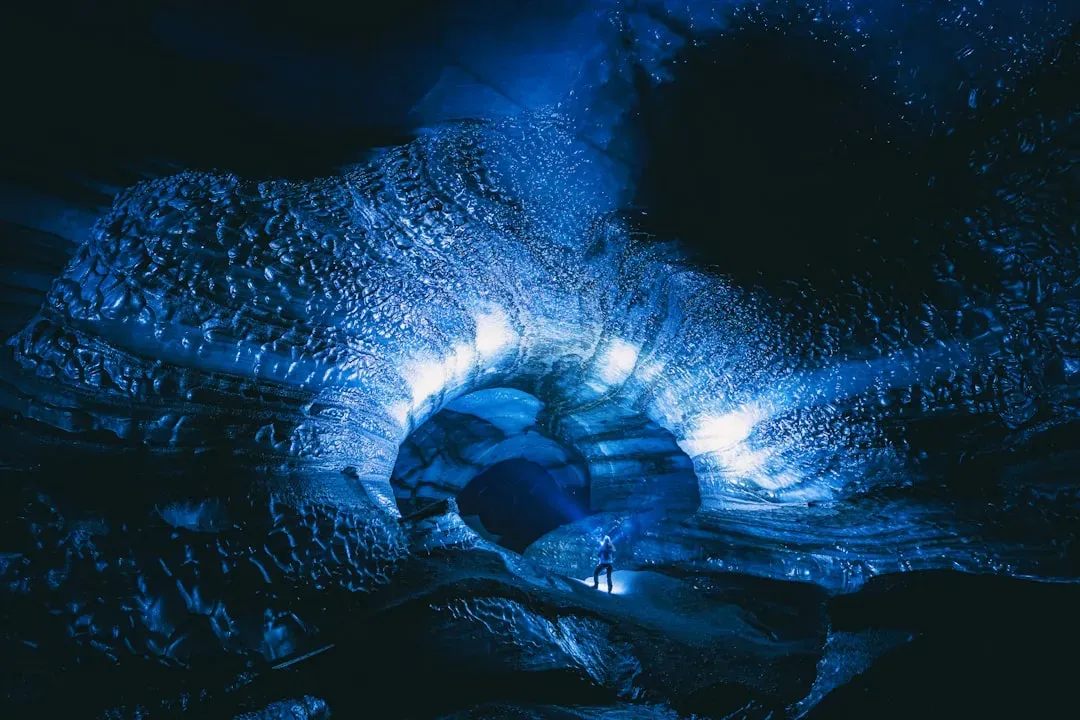
Step into the ice caves beneath Iceland’s Vatnajökull Glacier and you immediately feel like you have walked into the core of a giant crystal planet. The ice above and around you glows in shades of electric blue, teal, and sometimes almost black, depending on how the light filters through. These colors come from incredibly dense, old ice that has been compressed over centuries and contains very little air, so it absorbs most colors of light and lets only blue pass through. ([updateblast.com](https://updateblast.com/places-earth-looks-like-another-planet/?utm_source=openai))
The caves are constantly changing as the glacier moves and melts, which means each winter you are essentially exploring a brand new labyrinth. Water droplets echo, small streams run beneath your feet, and the ceilings can form smooth waves or intricate patterns that look hand-carved. Guides carefully monitor the stability of each cave, so you are moving through a living structure that is slowly shifting but safe enough to experience. The overall effect feels like walking through a frozen, translucent spaceship built entirely by nature.
Zhangjiajie National Forest Park, China: The Floating Mountains of Earth
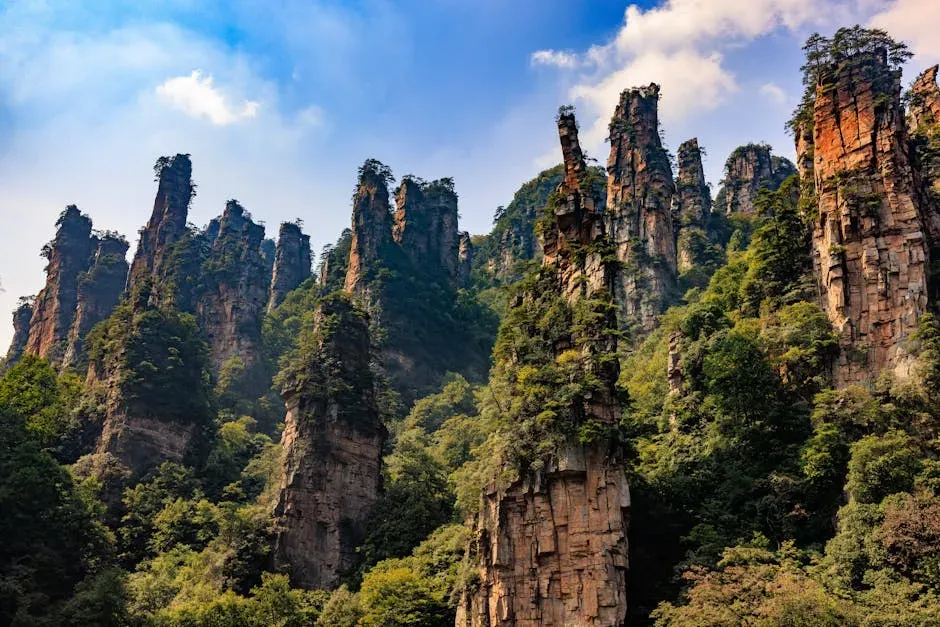
Zhangjiajie, in China’s Hunan province, is one of those places that makes you question whether gravity is working quite the way you remember. The park is packed with towering sandstone pillars, many over two hundred meters tall, rising straight up from the forest below. Over time, water, wind, and temperature swings carved these rocks into slender vertical stacks covered with trees and vegetation that cling to near-vertical cliffs. ([space.com](https://www.space.com/the-universe/earth/20-jaw-dropping-places-on-earth-that-look-like-an-alien-planet?utm_source=openai))
When mist rolls through the valleys, the pillars seem to float, which is why this landscape famously inspired the “floating mountains” in a certain blockbuster sci‑fi film. You travel by narrow trails, glass-bottomed walkways, and cable cars that glide eye-level with the cliffs, giving you a strange perspective that feels more like flying than hiking. The contrast between dense green forest and sheer rock towers creates a layered, dreamlike view in every direction. It is one of the few places where you genuinely feel like the landscape around you was designed by a concept artist first and discovered second.
Vaadhoo Island’s Sea of Stars, Maldives: A Bioluminescent Shoreline
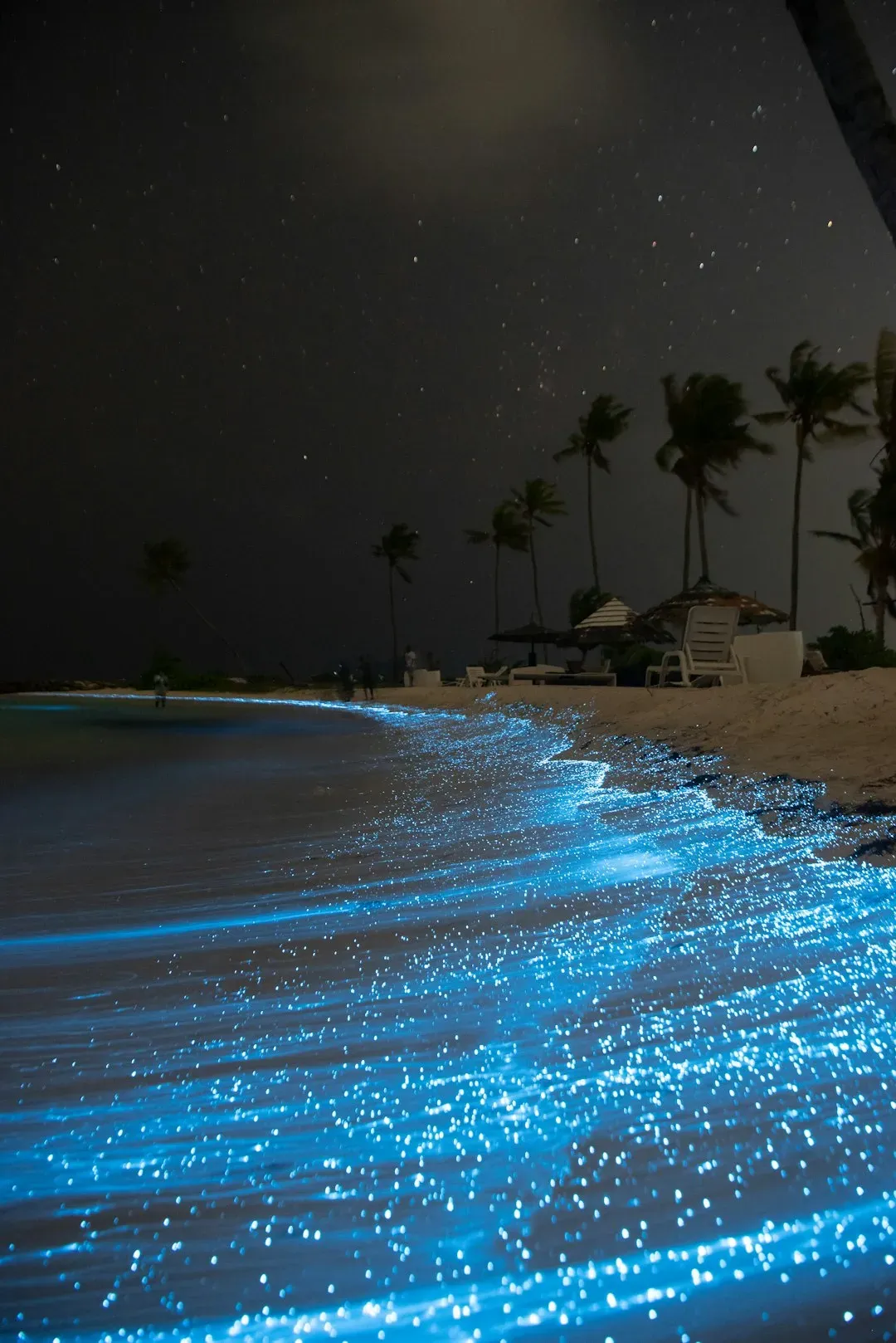
On Vaadhoo Island in the Maldives, there are nights when the shoreline looks like someone spilled the Milky Way across the beach. Tiny marine organisms called bioluminescent plankton gather near the water’s edge, and when waves roll in or your footsteps disturb the tide, they flash with a blue glow. To you, it looks like the sea itself is wired with fiber optics, lighting up with every ripple and touch. ([buzzfeed.com](https://www.buzzfeed.com/angelicaamartinez/unreal-places-on-earth?utm_source=openai))
The effect is strongest on dark nights with calm seas, when the contrast between the black water and the neon glow is sharpest. You can stand there watching each wave ignite like a slow-motion spark or gently drag your feet through the shallows to leave trails of light. This phenomenon is a defense response from the plankton, not some mystical show, but knowing the science does not make it feel less magical. It is like walking along the edge of a digital ocean in a video game, except the pixels are alive.
Fly Geyser, Nevada, USA: An Accidental Alien Structure
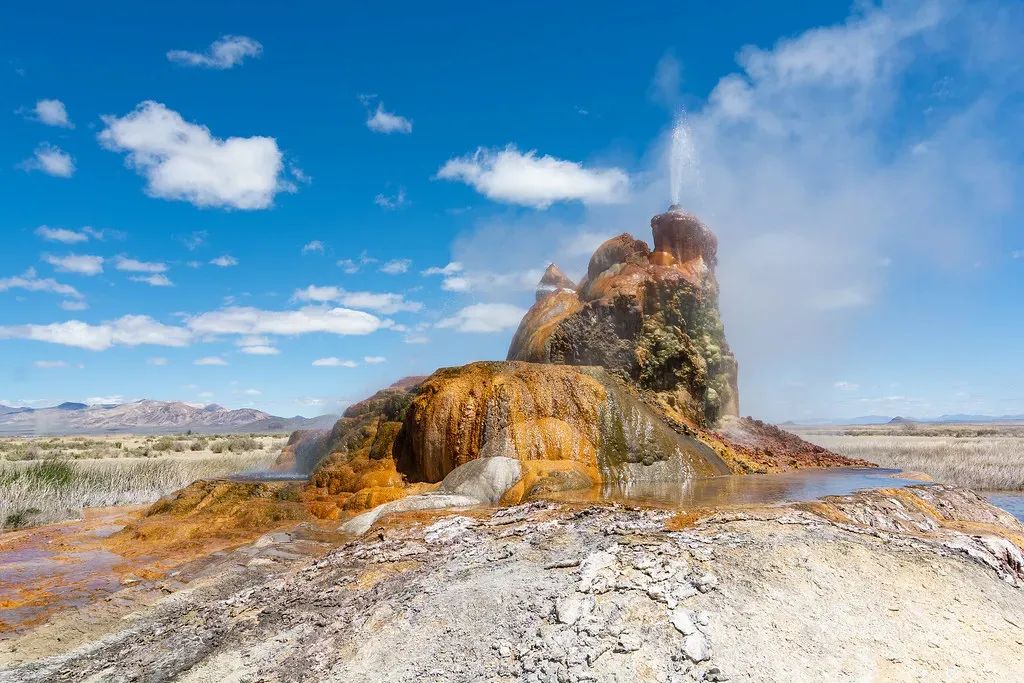
Fly Geyser in Nevada looks like a piece of alien technology that accidentally erupted from the desert floor. It is not a purely natural formation – decades ago, a well drilling operation tapped into a geothermal source, and mineral-rich water began to spew out. Over time, the minerals built up into a bizarre, multi-spired mound streaked with red, green, and yellow from heat-loving algae and mineral deposits. ([livescience.com](https://www.livescience.com/planet-earth/places-on-earth-that-look-like-alien-planets?utm_source=openai))
Today, the geyser constantly sprays hot water into the air, feeding pools and terraces that cascade down its sides like something from an off-world spa facility. Because it sits on private land, access is limited and usually done through guided visits, which adds to the sense that you are getting a peek behind the curtain of a secret landscape. Standing nearby, you hear the hiss of steam and watch the constant bubbling, realizing that a simple human attempt to extract water accidentally created one of the most surreal structures in the American West. It is a reminder that when you mix geology, engineering, and time, you sometimes get unexpected science fiction.
Danakil Depression, Ethiopia: A Hellscape That Feels Like Another Planet
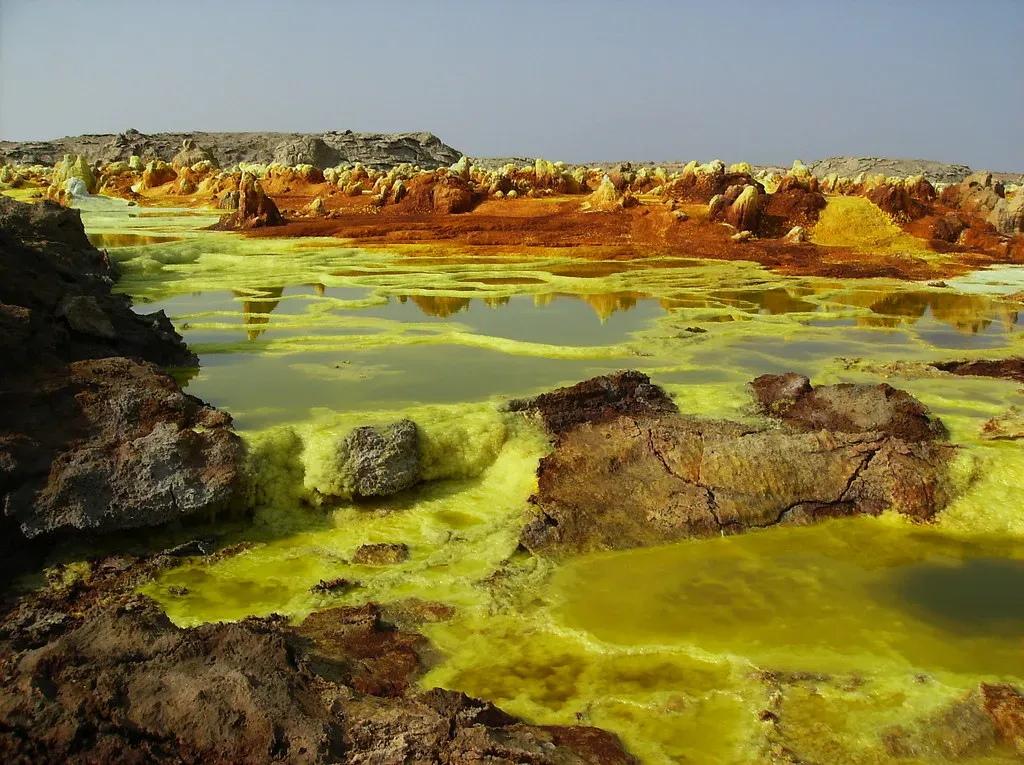
If you are looking for a place on Earth that could convincingly pass as a research outpost on a hostile alien world, the Danakil Depression in Ethiopia is hard to beat. This low-lying region near the border with Eritrea is one of the hottest inhabited places on the planet, with daytime temperatures that can stay brutally high for much of the year. The landscape is a chaotic blend of salt flats, active volcanoes, acidic hot springs, and sulfur pools that paint the ground in neon yellows, greens, and whites. ([updateblast.com](https://updateblast.com/places-earth-looks-like-another-planet/?utm_source=openai))
At Dallol, in particular, gases bubble through mineral-rich water, leaving behind crusts and chimneys that look almost artificial, as if someone had built a chemical playground. Scientists study these extreme environments as analogs for other planets and moons, because the combination of heat, acidity, and salinity pushes the limits of what life can handle. Walking here, you feel like your body is not meant to be in this place for long, which only heightens the sense that you are trespassing on a world designed for something else. It is beautiful, dangerous, and weirdly hypnotic all at once.
Conclusion: You Are Already Living on a Science Fiction World
By the time you step back from these ten places, you start to realize that the line between science fiction and reality is much thinner than it looks. Salar de Uyuni gives you a sky mirror that seems physically impossible, Waitomo hides a glowing galaxy underground, and Socotra quietly evolves its own collection of alien trees in the middle of the sea. Wadi Rum, Vatnajökull’s ice caves, and Zhangjiajie show you landscapes that have already doubled as stand-ins for worlds beyond Earth, because directors understood what you now see clearly: your planet is already cinematic enough.
What makes these destinations especially powerful is that they are not just pretty backdrops; they are living systems shaped by geology, climate, and biology over immense stretches of time. When you walk through them, you are not simply “visiting a cool place” – you are stepping into wild experiments that nature has been running long before you arrived. Maybe the most sci‑fi idea of all is not that distant planets might look like this someday, but that you can experience so many of these otherworldly scenes right now without ever leaving home. So when someone tells you Earth is ordinary, you can smile and ask them: are you sure you have really looked?