
Imagine walking into a room and feeling the air tighten just a little – conversations dip, eyes flick away, laughs soften for a beat. You have not said anything cruel or done anything wrong, yet people seem on edge around you. That quiet tension is not always about what you did, but what your presence triggers in other minds. Psychology shows that fear is often less about real danger and more about perceived threat, shaped by bias, insecurity, and past experience. Understanding those hidden dynamics is not about blaming yourself; it is about finally seeing the invisible emotional math other people are doing when you walk in.
The Hidden Clues: Your Confidence Feels Like a Threat

Surprising as it sounds, one of the most common reasons people is not your flaws, but your strengths. If you carry yourself with steady posture, speak clearly, and rarely second-guess your decisions in public, others can read this as dominance rather than simple self-assurance. In social psychology, confidence is heavily associated with status, and higher status often triggers anxiety in those who feel lower on the ladder. They may worry about being judged, compared, or exposed as less competent, even if you are not thinking that at all. I have seen this play out painfully in workplaces, where a skilled, composed person becomes the quiet lightning rod for resentment they never intended to provoke.
This effect is amplified in groups that value humility or modesty as social glue. When your natural baseline is “calm and capable,” people who constantly doubt themselves may feel they are standing in front of a mental mirror they did not ask for. Instead of saying, “That person inspires me,” some minds shift to, “That person makes me feel small,” and fear often hides underneath that discomfort. The irony is that what you built through effort – competence, clarity, self-control – can be misread as coldness or aggression, especially if you are not very emotionally expressive on the surface.
Unreadable Faces: When People Cannot Predict You

Humans are wired to scan faces for emotional signals in fractions of a second, and when those signals are missing or muted, the brain does something very unflattering: it fills in the blanks with threat. If your resting face is neutral, serious, or simply less animated, people may feel they cannot “get a read on you.” That uncertainty makes many brains quietly nervous, because predictability is one of the main ingredients of feeling safe. When we cannot predict someone’s reactions, we tend to assume the worst, even if they have never actually hurt us.
This is especially true in cultures that prize big smiles, obvious enthusiasm, and constant verbal reassurance. If you are more reserved, introverted, or just tired of performing emotional theater, your silence can be misinterpreted as judgment or hostility. Some will think you dislike them; others may fear that you are secretly evaluating or even plotting against them. It sounds dramatic, but psychologically, an unreadable person can feel like walking into a dark room – you just do not know what is in there, so your imagination fills it with monsters.
Power Imbalances: Status, Authority, and Social Hierarchies
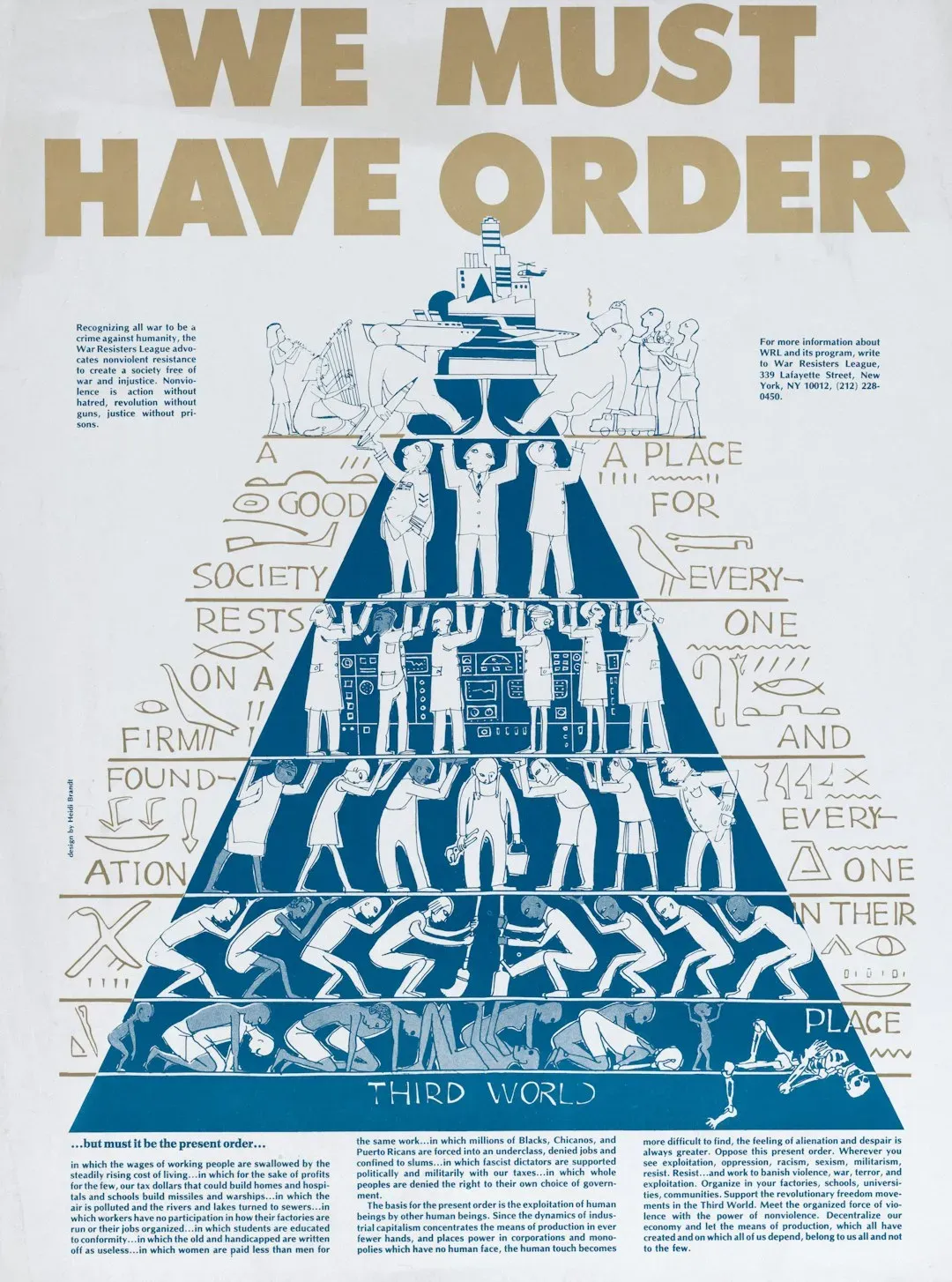
Even if you are kind, your role alone can make people afraid of you. Supervisors, teachers, experts, older siblings, or simply the most experienced person in the room all carry symbolic power. Power changes how people interpret every word you say: a suggestion can feel like an order, a question like an interrogation, a neutral statement like a criticism. Many people carry painful memories of being shamed, punished, or humiliated by authority figures in the past, and that emotional residue gets projected onto anyone who now occupies a similar position.
There is also a harsher, almost primitive layer here: we are social primates, and in primate groups, higher-ranking individuals can control access to resources, protection, or belonging. At a subconscious level, someone with more status can feel like a gatekeeper to survival, especially in workplaces where one evaluation can decide paychecks or careers. Nearly half of employees in some surveys report feeling anxious or intimidated speaking honestly to their bosses, even those who describe themselves as “approachable.” That quiet fear has less to do with your personality and more to do with the power the role hands you, whether you wanted it or not.
Mirror of Insecurity: You Reflect What Others Dislike in Themselves

Sometimes people are not really afraid of you; they are afraid of the parts of themselves that you accidentally highlight. If you are disciplined, you can make someone who procrastinates feel exposed. If you are direct, you can make someone who avoids confrontation feel cornered without saying a word. In psychological terms, this is a kind of projection: we attribute our own uncomfortable traits or feelings to someone else so we do not have to face them in ourselves. The result is a distorted narrative where you become “too intense,” “too ambitious,” or “too blunt,” when in reality you are simply living in a way they wish they could tolerate in themselves.
I have personally watched friends soften or even downplay their successes around certain people because the tension in the room became almost physical. It is like carrying a spotlight that other people feel shining on their unfinished goals or unhealed wounds. Rather than dealing with that discomfort, they label you as threatening, arrogant, or “too much,” to justify stepping away. At its core, this kind of fear is self-defense – but the self they are defending is their ego, not their safety.
Breaking the Script: You Do Not Follow Expected Social Rules
Society runs on unwritten rules: laugh at the right moments, pretend to agree when something is mildly annoying, act impressed even if you are not. When you do not follow those scripts – maybe you skip small talk, refuse to gossip, or answer questions with more honesty than people expect – it can unsettle others. They may not know how to respond to someone who is not playing the same social game, and uncertainty often breeds fear. You become the unpredictable variable in a system built on predictability and polite pretending.
People can react strongly when their social expectations are disrupted. If you do not drink at parties, dress differently from the group, or openly question norms everyone else quietly tolerates, you challenge the comfort of the herd. Some will find that refreshing, but others will feel exposed in their own conformity. Behind comments like “You are intense,” or “You are kind of intimidating,” there is often an unspoken translation: “You make me realize I am just following the script, and I do not like that feeling.” Fear shows up disguised as criticism because that is easier than admitting the world might be bigger than the script they were given.
Emotional Control: Calm Under Pressure Can Look Ice-Cold

In stressful situations, staying calm is usually praised as a strength – but not everyone experiences it that way. If others are panicking, venting, or spiraling emotionally, your steady tone and level head can feel alien, even robotic, to them. People sometimes equate visible emotion with caring, so when you do not outwardly emote as much, they may secretly think you lack empathy. That gap between your inner world and your outer expression can quietly scare people, because they do not know what you are really feeling.
There is also a strange power in being the calmest person in the room: it gives you a kind of psychological upper hand. The one who is not panicking often ends up making decisions, guiding the group, and becoming the emotional anchor everyone else leans on. For some, that is comforting; for others, it is threatening, especially if they are used to being the center of attention or the informal leader. Your emotional self-regulation can be misread as coldness, superiority, or hidden calculation, when in reality it might just be your coping style or even a skill you learned the hard way.
Trauma Echoes: You Subconsciously Resemble Someone Who Hurt Them

One of the most unfair reasons people is also one of the most powerful: you remind them of someone who once caused them pain. It might be your voice, your height, your mannerisms, your gender, or even your hairstyle. The brain, trying to protect itself, creates quick associations between past danger and present cues, a process that is incredibly useful in emergencies but messy in everyday relationships. If you unknowingly resemble a former abuser, a cruel teacher, or a controlling ex, their body might react with tension or avoidance long before their logical mind catches up.
From the outside, this looks like “overreacting” or irrational dislike, but inside, their nervous system thinks it is doing its job. Roughly about one third of people report that certain faces or tones of voice instantly make them uneasy, even if they cannot explain why. You might feel an unspoken wall every time you interact with them, and no amount of kindness fully breaks it. That is not a sign that you are dangerous, but it is a reminder that everyone brings their own ghosts into the room, and sometimes you accidentally look like one.
Social Comparison: Your Growth Highlights Their Stagnation

Fear is not always about physical danger; often, it is about the terror of being left behind. When you grow – professionally, emotionally, or financially – you force the people around you to confront their own trajectory. Some will cheer for you, but others will quietly panic. They may will outgrow them, judge them, or leave them behind for a “better” circle. That anxiety can harden into a kind of defensive fear, where you become the symbol of change they do not feel ready to face.
This shows up strongly in long-term friendships or family systems that are used to everyone staying more or less on the same level. If you break that unspoken pact – by healing, improving your health, setting boundaries, or pursuing bigger goals – you change the emotional balance. Others may fear that the old version of you they felt safe with is gone, and they do not know how to relate to the new one. Instead of saying, “I am scared of losing you,” they might frame you as intimidating, selfish, or “acting better than everyone,” because those labels numb the sting of their own fears.
Why It Matters: The Cost of Being Misread as Dangerous
Being secretly feared is not just awkward; it can reshape your entire social reality. If people misread you as threatening, they may avoid honest conversations, withhold feedback, or leave you out of informal networks where real influence circulates. You can end up isolated, blamed, or scapegoated in subtle ways, all while wondering what invisible rule you broke. Over time, this social friction can feed loneliness, self-doubt, and even burnout, especially if you constantly feel you must soften, shrink, or over-explain yourself just to be seen accurately.
On the other side, when we do not examine why we fear certain people, we risk reinforcing harmful biases. History is full of examples where groups labeled others as “intimidating” or “dangerous” based more on stereotypes, race, gender, or difference than on actual behavior. Noticing the psychological reasons behind our reactions lets us ask better questions: Is this person truly unsafe, or do they just trigger something in me? Is this about their actions, or my assumptions, my past, and my insecurities? That level of self-honesty is uncomfortable, but it is also where more fair, less fear-driven relationships begin.
The Future Landscape: Toward More Psychologically Aware Relationships

As psychological research becomes more accessible, there is a slow cultural shift toward naming these hidden dynamics instead of just living inside them. Workplaces are beginning to train leaders not only in technical skills, but in emotional literacy – how status, tone, facial expression, and past trauma shape whether people feel safe speaking up. Some emerging tools use anonymous surveys or sentiment analysis to detect patterns of fear or intimidation that might not show up in formal complaints. While technology cannot read minds, it can reveal trends, like which teams consistently report anxiety around specific roles or behaviors.
In everyday life, awareness is still the most powerful tool. We are seeing more conversations about trauma responses, introversion, neurodiversity, and cultural differences in expression, all of which change how “threatening” someone might seem at first glance. If this continues, the future might look a little less like guessing in the dark and more like open agreements: people stating clearly how they come across, how they prefer to communicate, and what they are actually feeling beneath the surface. That does not erase fear, but it gives us better language and better chances to correct the stories we tell about one another before they harden into lifelong misunderstandings.
Call to Action: How to Respond When You Realize People

If you suspect people are secretly intimidated by you, the answer is not to apologize for existing or dim your strengths. Start with curiosity instead of self-blame: ask trusted friends or colleagues how you come across in tense situations, and listen without arguing. You can gently signal safety through small behaviors – making more eye contact, softening your tone, naming your emotions out loud, or explicitly inviting disagreement. Sometimes a simple “I know I can seem intense, but I really do want to hear your honest take” can open a door that fear had quietly shut.
On the flip side, if you catch yourself fearing someone who has never actually harmed you, pause and run a quick internal check: Do they remind you of someone? Are you comparing yourself to them? Is this about their behavior right now, or an old story replaying in your head? You can choose small acts that push back against automatic fear – asking a question instead of avoiding, giving specific feedback instead of venting to others, or just staying long enough in the discomfort to see who they really are. In a world that often rewards snap judgments, choosing to understand rather than react might be the smallest, bravest act of psychological courage you take today.
Suhail Ahmed is a passionate digital professional and nature enthusiast with over 8 years of experience in content strategy, SEO, web development, and digital operations. Alongside his freelance journey, Suhail actively contributes to nature and wildlife platforms like Discover Wildlife, where he channels his curiosity for the planet into engaging, educational storytelling.
With a strong background in managing digital ecosystems — from ecommerce stores and WordPress websites to social media and automation — Suhail merges technical precision with creative insight. His content reflects a rare balance: SEO-friendly yet deeply human, data-informed yet emotionally resonant.
Driven by a love for discovery and storytelling, Suhail believes in using digital platforms to amplify causes that matter — especially those protecting Earth’s biodiversity and inspiring sustainable living. Whether he’s managing online projects or crafting wildlife content, his goal remains the same: to inform, inspire, and leave a positive digital footprint.