


About three billion years ago, long before animals, forests, or even oxygen-rich air, something enormous slammed into the young Earth with a force almost beyond imagination. For decades, that era looked to scientists like a hazy, mostly quiet stretch of planetary history, with life trudging along as simple microbes in ancient seas. Now, new evidence suggests it might have been anything but quiet: a colossal meteor strike may have shaken the planet so deeply that it helped push life into new evolutionary territory. This idea ties together scattered clues from rocks, isotopes, and planetary physics into a story that is at once violent and strangely hopeful. If it holds up, it means one of the most terrifying kinds of cosmic disasters may also have been one of life’s greatest opportunities.
A Crater Too Old to See, But Not Too Old to Trace
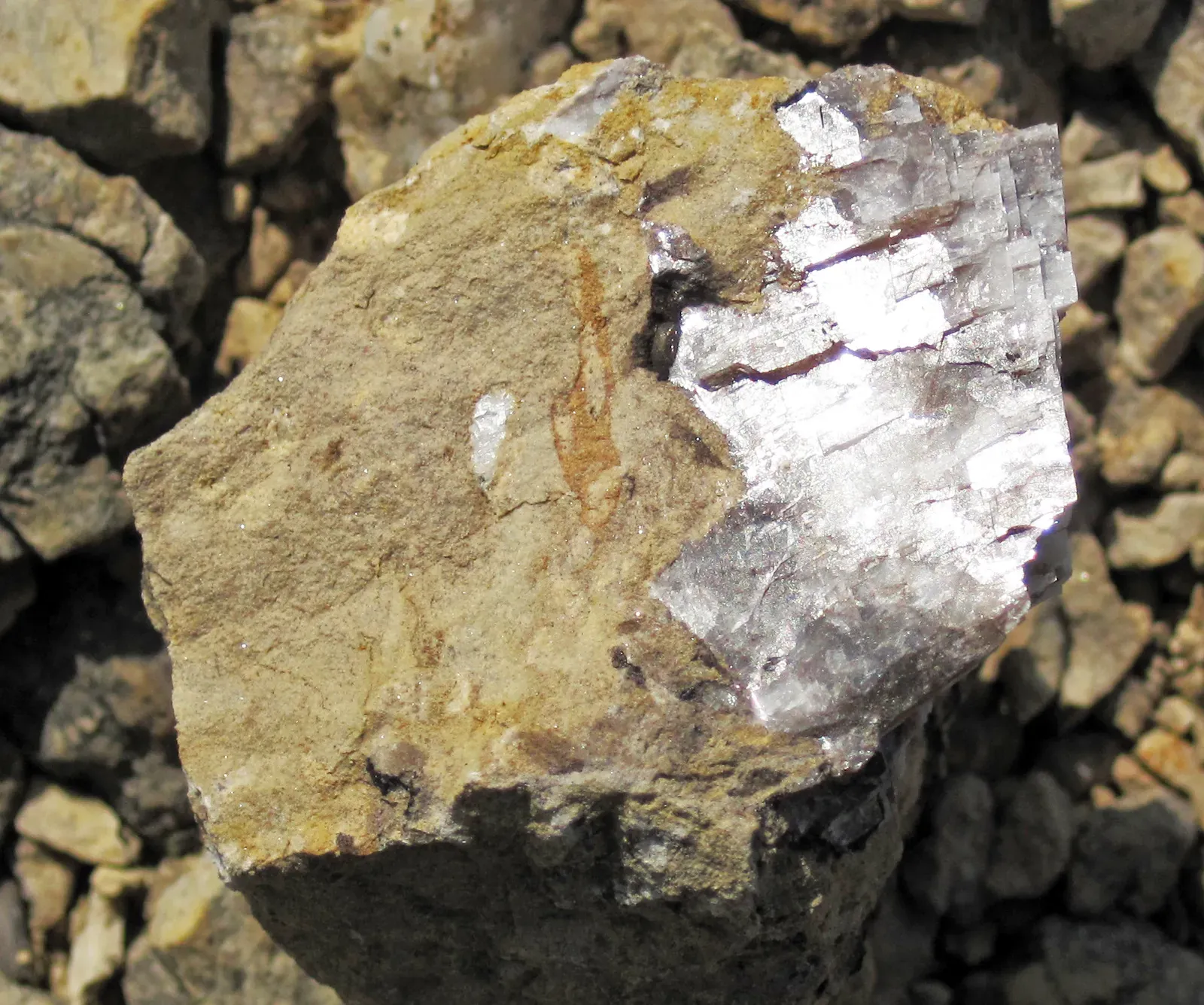
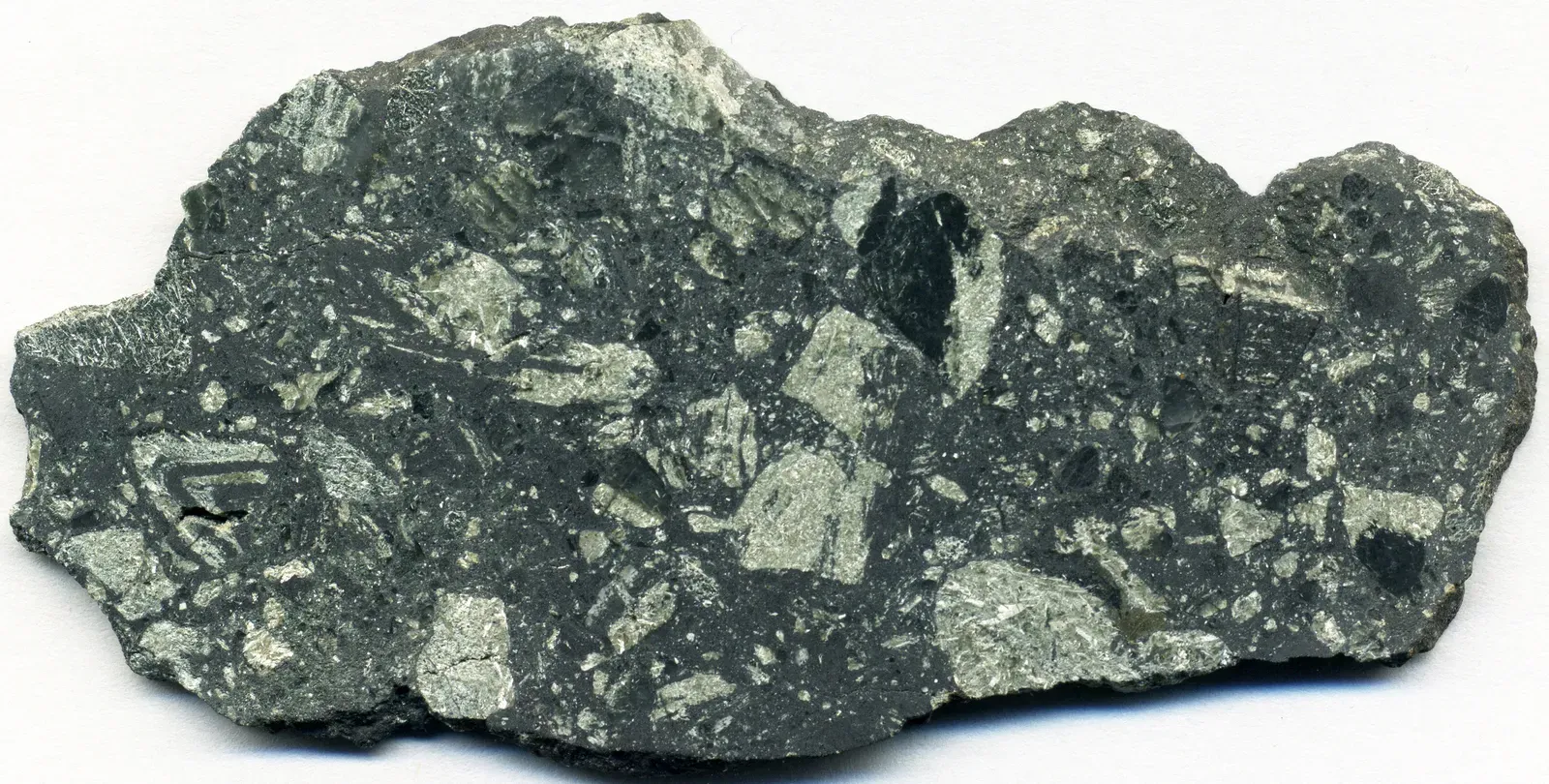
There is no neat, circular scar from a three-billion-year-old impact for scientists to photograph today; Earth’s surface from that time has been crushed, cooked, recycled, and buried by plate tectonics. Instead, geologists hunt for impact “fingerprints” in some of the oldest surviving rocks, especially in places like South Africa and Western Australia where ancient crust is still exposed. In these rocks, they find tiny spherules – millimeter-size glassy beads – that form when rock is vaporized by an impact, flung skyward, and then rains back down to Earth.
These spherule layers, sandwiched between other sediments, can be dated and matched to specific windows in Earth history, including around three billion years ago. Their chemistry and structure strongly suggest they came from impacts so large that their shockwaves wrapped around the globe. It is a bit like trying to reconstruct a demolished cathedral from a handful of stained-glass shards scattered through a landfill. The building is gone, but the style, color, and composition of the glass still tell you something big and elaborate once stood there.
Reconstructing a Planet-Shaking Collision
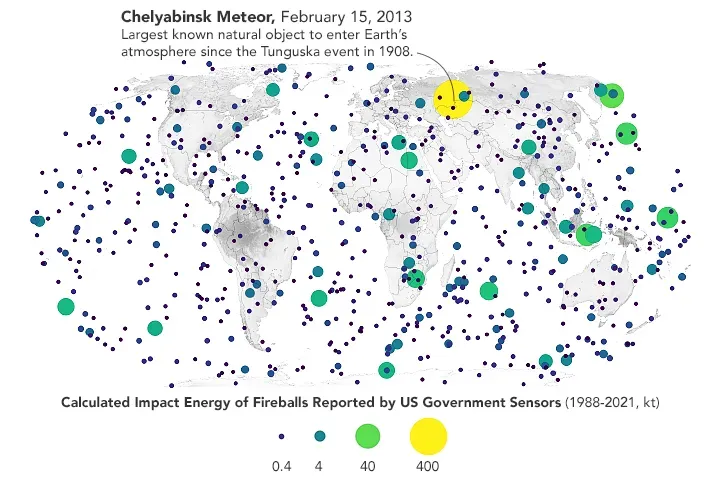
When scientists model what kind of meteor could produce the spherule layers from this era, they end up with an object tens of kilometers across, hitting at tens of thousands of miles per hour. The energy released would dwarf that of any volcanic eruption in recorded human history, equivalent to millions of modern nuclear bombs detonating at once. Shockwaves would race through the crust, kicking off earthquakes and tsunamis on a scale we have never witnessed.
Huge volumes of rock would melt or vaporize, blasting material high into the atmosphere and possibly beyond. Molten rock ejected near the impact would rain down as incandescent droplets, briefly turning parts of the sky into a fiery storm. Farther away, fine dust and aerosols would dim sunlight, altering climate for years. These models are not idle speculation; they are grounded in physics that has been tested on younger, better-preserved craters and on the Moon, where ancient impacts are easier to see.
Microbial Worlds Living on the Edge
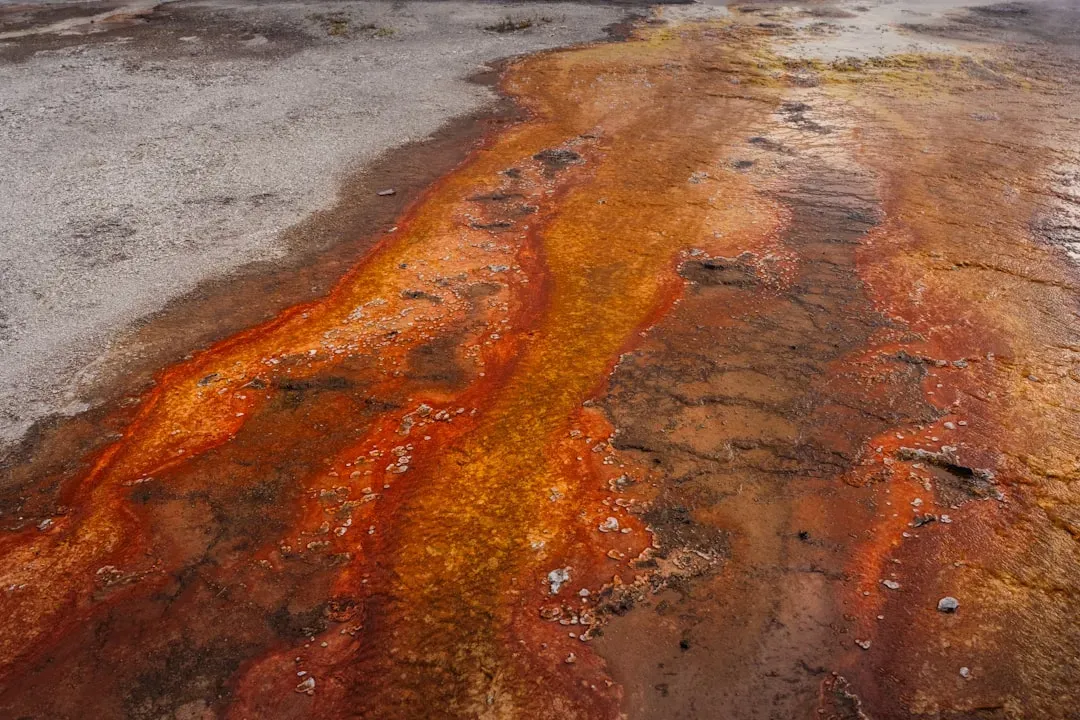
To understand why this impact matters for evolution, you have to picture what life looked like around three billion years ago. There were no animals or plants, just microbial communities – bacteria and archaea – thriving mostly in oceans and shallow seas. Many likely clustered around hydrothermal vents, shallow lagoons, and mineral-rich shorelines where chemical gradients provided energy. The atmosphere contained very little oxygen, and the sun was dimmer than it is today.
Even in that alien setting, life was busy experimenting. Some microbes were already performing forms of photosynthesis, tapping sunlight to fuel their metabolism. Others were exploiting sulfur, iron, and other elements in the rocks around them. This was a world of fragile, thin biological films and tiny floating cells, clinging to stability in relatively familiar niches. A planet-scale impact would have upended those niches in brutal fashion, destroying many communities – but also, potentially, creating new places and chemical playgrounds where survivors could flourish in unexpected ways.
From Destruction to New Habitats
One of the most intriguing ideas is that a giant impact could rapidly expand hydrothermal and volcanic activity, both at the impact site and around the globe. When rock fractures and melts deeply, hot fluids can circulate through the crust for millions of years, creating hydrothermal systems rich in metals and chemical energy. For microbes that know how to harvest that energy, such environments are like sprawling new cities opening overnight. Crater lakes, hot springs, and fractured seafloors around the impact region could all have hosted diverse microbial communities.
At the same time, the shock to climate and oceans might have changed nutrient cycles, stirring up phosphorous, iron, and other key elements from deep reservoirs. Short-term chaos can mean long-term variety: new gradients of temperature, acidity, and chemistry give evolution more “terrain” to explore. The impact would not have been kind, but it could have been strangely generous in the opportunities it left behind. In that sense, it resembles a forest fire that clears space for new growth while obliterating what came before.
Chemical Shocks and the Pace of Evolution
Beyond new habitats, impacts also alter the chemistry of the atmosphere and oceans in ways that may matter for how fast evolution unfolds. A massive influx of gases and dust can change temperature and rainfall patterns, driving repeated cycles of stress and recovery. Microbes that can tolerate wide swings in conditions, or quickly adapt their metabolism, are more likely to thrive. Over long timescales, those survivors and their descendants can end up with more genetic diversity and novel traits than they would have developed in a perfectly stable world.
Geochemical records from ancient rocks show shifts in isotopes of elements like sulfur and carbon around some impact layers, hinting at major reconfigurations of microbial metabolism and global cycles. While these signals are hard to interpret cleanly – the rocks are staggeringly old – they support the idea that life and environment were locked in a feedback loop. The impact changes the planet, the microbes respond, and those responses change the planet again. Evolution here is not a gentle, linear progression but a series of jolts and rebounds.
What This Meteor Story Changes About Early Evolution
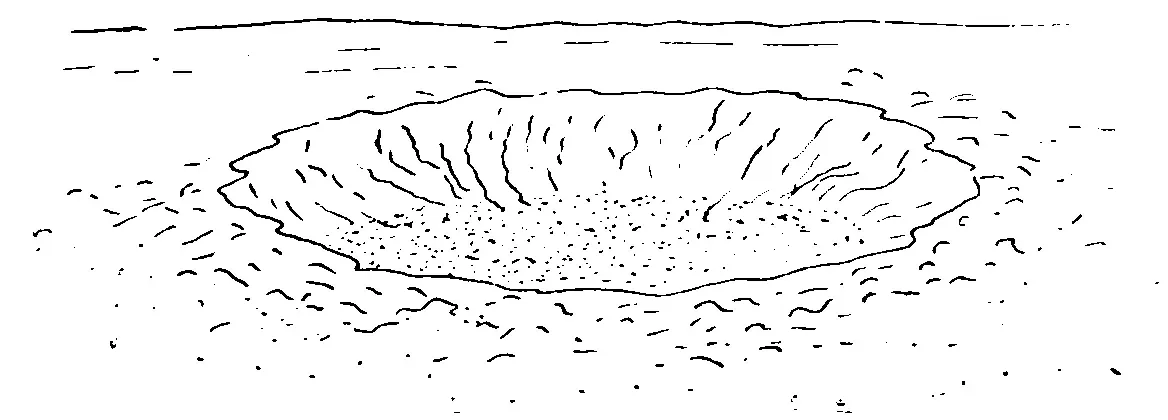
For a long time, many textbooks painted early Earth as a fairly static backdrop: a warm, wet planet where life slowly tinkered with metabolism until oxygen-filled skies and complex organisms emerged. The growing evidence for repeated giant impacts during the first half of Earth’s history forces a different picture. Instead of a quiet nursery, we see a world frequently punched by space rocks large enough to rearrange oceans and crust. That reality makes it much harder to treat life’s trajectory as inevitable or smooth.
If a three-billion-year-old impact did help spur evolutionary change, it suggests that randomness and catastrophe have been central players since the very beginning. It also complicates efforts to judge how “friendly” other planets might be for life. A world that seems dangerous by human standards, with frequent impacts and tectonic upheaval, might actually be better at stirring the pot of chemistry that drives biological innovation. The lesson is humbling: what looks like disaster from one vantage point can be opportunity from another.
From Ancient Impact to Modern Astrobiology
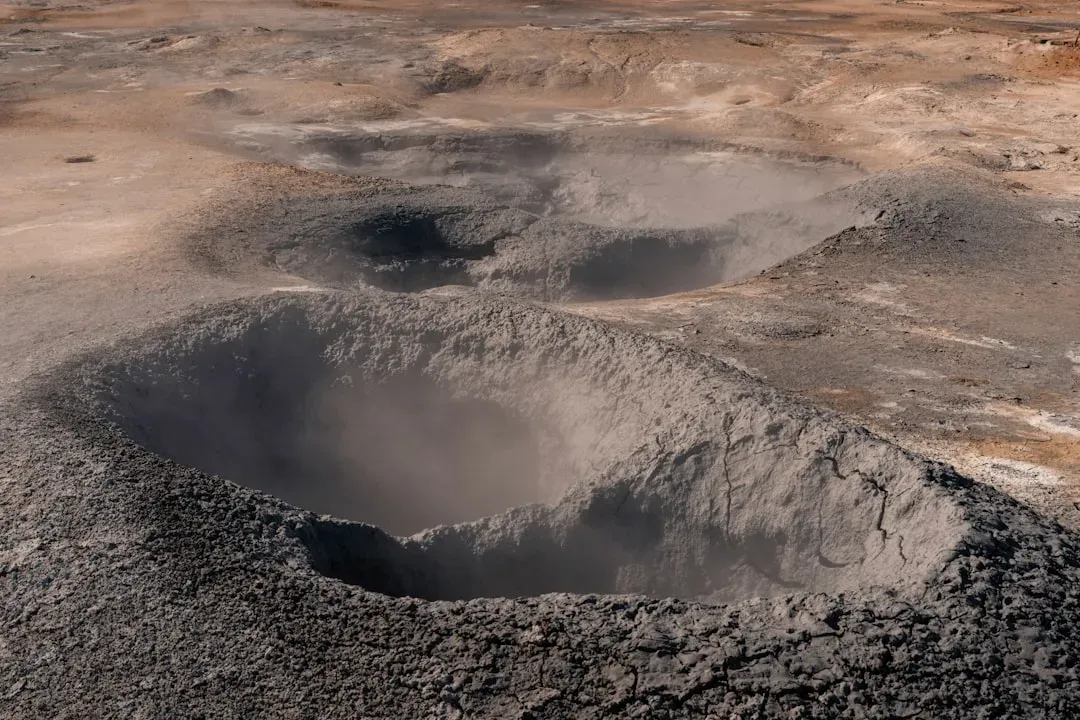
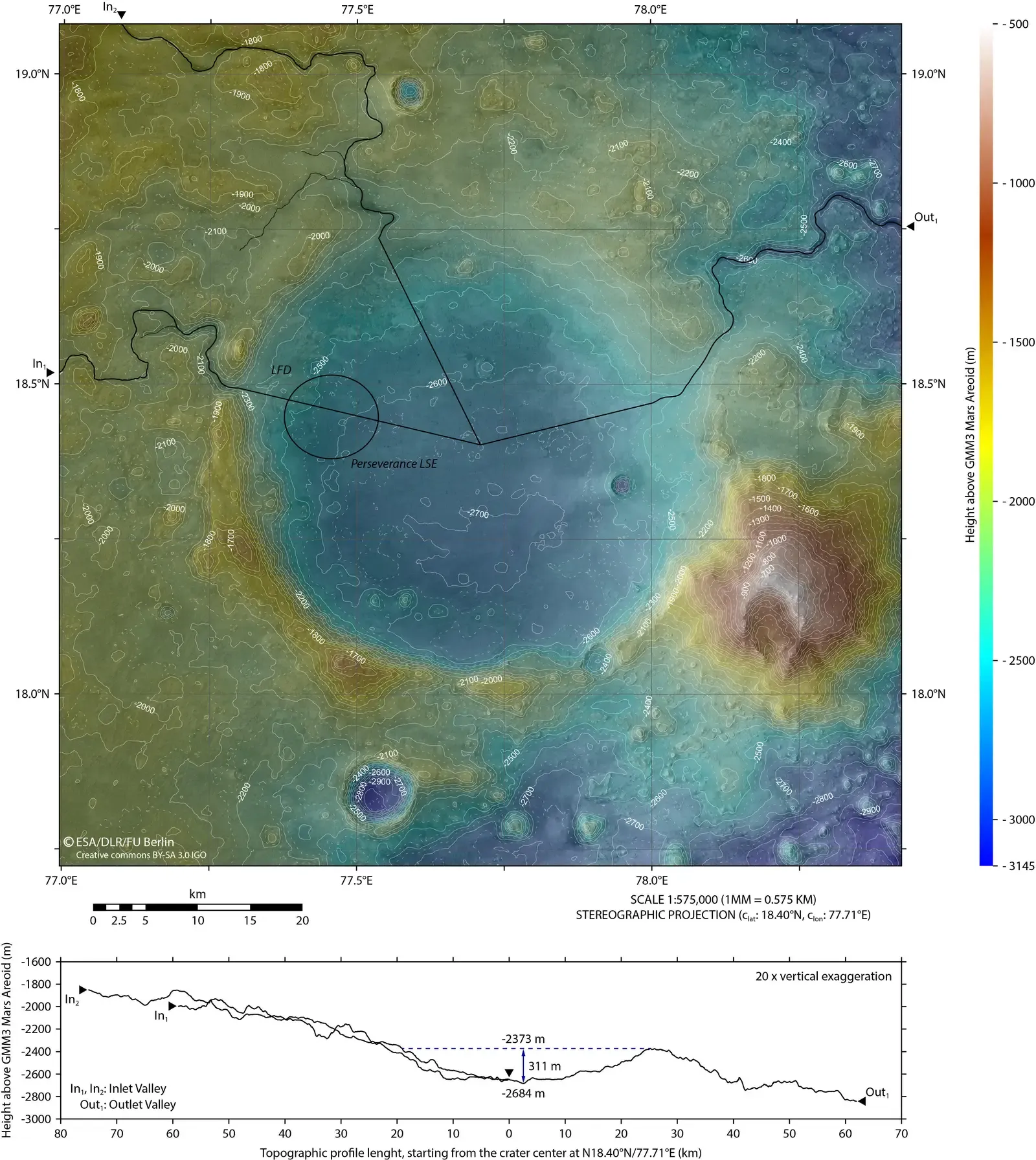
The idea that a huge ancient impact may have accelerated evolution on Earth is more than a geological curiosity; it directly shapes how scientists search for life elsewhere. When planetary scientists study Mars, Europa, or distant exoplanets, they increasingly think about not just whether these worlds are calm and habitable, but whether they have histories rich in change. Impact craters on Mars, for instance, may have once hosted long-lived lakes and hydrothermal systems, echoing the possibilities on early Earth.
Astrobiologists now talk about “impact-induced habitability,” the idea that collisions can temporarily switch on new oases of energy and liquid water. If that logic holds, then the most interesting planets might not be the most peaceful ones, but those that have taken a few hard knocks without being sterilized. Early Earth becomes a case study, teaching us that a planet’s scars can be as important as its gentle features. By reading those scars in our own rocks, we are learning how to look for similar stories written in alien landscapes.
What We Still Do Not Know – and How Scientists Are Closing the Gaps
Despite the excitement, scientists are careful about how far they push the impact-evolution connection. The rocks from three billion years ago are rare and heavily altered, which makes it extremely difficult to line up precise timelines of impacts, climate shifts, and biological changes. Did a specific impact precede a burst of new metabolic pathways, or did both unfold under broader tectonic and chemical trends? The uncertainties are big enough that most researchers present the meteor story as a strong possibility rather than a settled fact.
To tighten the picture, teams combine fieldwork in ancient terrains with laboratory analyses and sophisticated computer models. They refine dates using improved radiometric techniques, simulate how impacts of different sizes would reshape early oceans, and look for more subtle geochemical signals of microbial innovation. Each new layer of data is like adding a missing page back into a scorched history book. Slowly, the story of whether a single violent event really nudged life onto a faster evolutionary track is coming into sharper focus – but it may never become completely neat or tidy.
Why This Distant Catastrophe Matters to Us Now
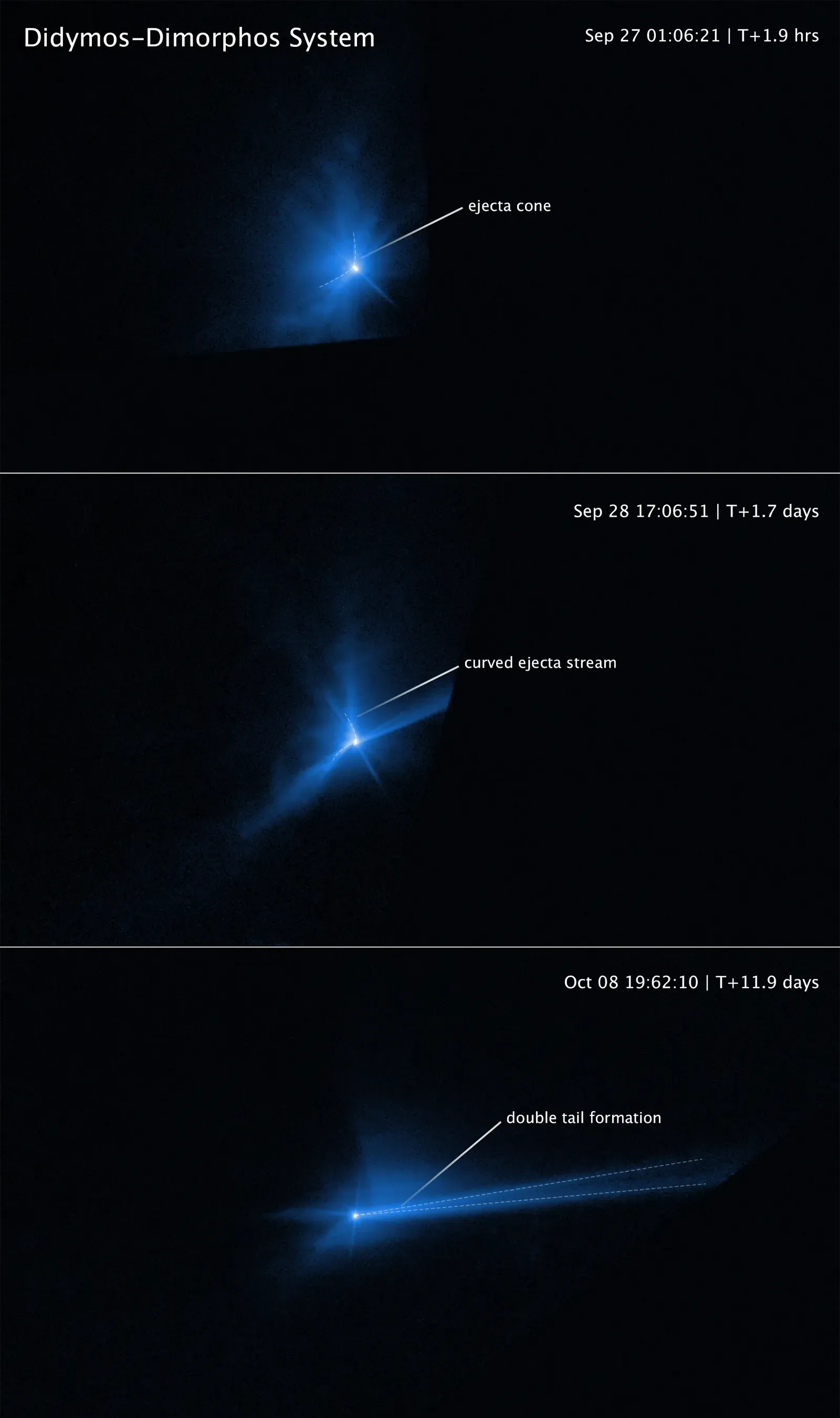
It can be tempting to treat a three-billion-year-old impact as an abstract curiosity, something so far removed from human timescales that it barely feels real. Yet the possibility that such an event helped shape the path that eventually led to animals, ecosystems, and, much later, people gives it an oddly personal weight. Our own existence may be, in part, the long echo of a rock slamming into a lifeless patch of early crust. That does not make the event “good” in any moral sense, but it does underline how deeply chance and violence are woven into the history of life.
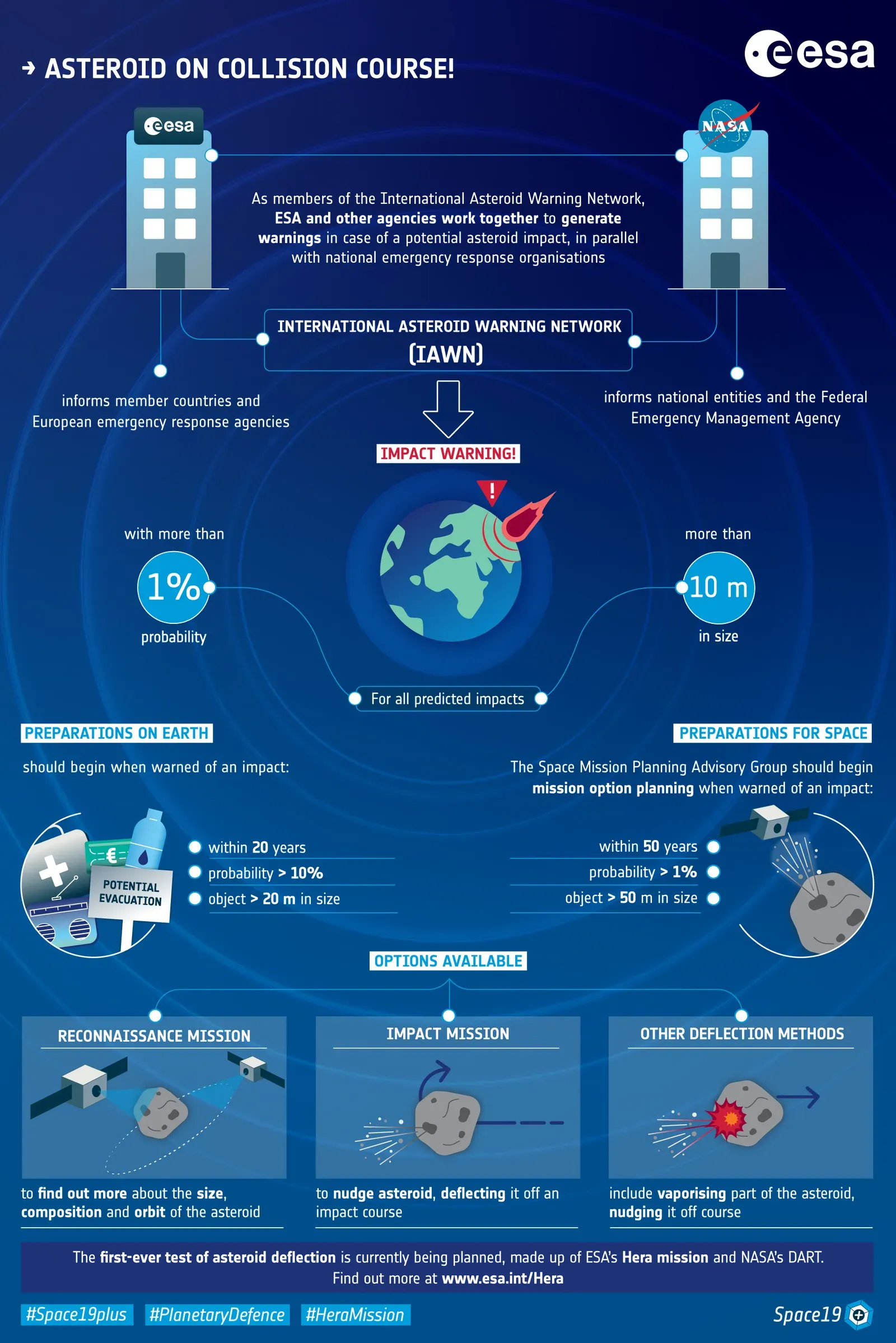
There is another, more practical angle. Modern societies track near-Earth objects and invest in planetary defense to avoid future catastrophic impacts, and that remains an urgent, sensible goal. But understanding how past impacts influenced evolution helps us see our planet as a dynamic system, not a fragile ornament shattered by every blow. It reminds us that life can be both vulnerable and astonishingly resilient, finding footholds in the rubble of disaster. In that light, the ancient meteor is not just a warning from the sky; it is also a stark reminder of how creativity and chaos have always shared the same stage on Earth.
Suhail Ahmed is a passionate digital professional and nature enthusiast with over 8 years of experience in content strategy, SEO, web development, and digital operations. Alongside his freelance journey, Suhail actively contributes to nature and wildlife platforms like Discover Wildlife, where he channels his curiosity for the planet into engaging, educational storytelling.
With a strong background in managing digital ecosystems — from ecommerce stores and WordPress websites to social media and automation — Suhail merges technical precision with creative insight. His content reflects a rare balance: SEO-friendly yet deeply human, data-informed yet emotionally resonant.
Driven by a love for discovery and storytelling, Suhail believes in using digital platforms to amplify causes that matter — especially those protecting Earth’s biodiversity and inspiring sustainable living. Whether he’s managing online projects or crafting wildlife content, his goal remains the same: to inform, inspire, and leave a positive digital footprint.


