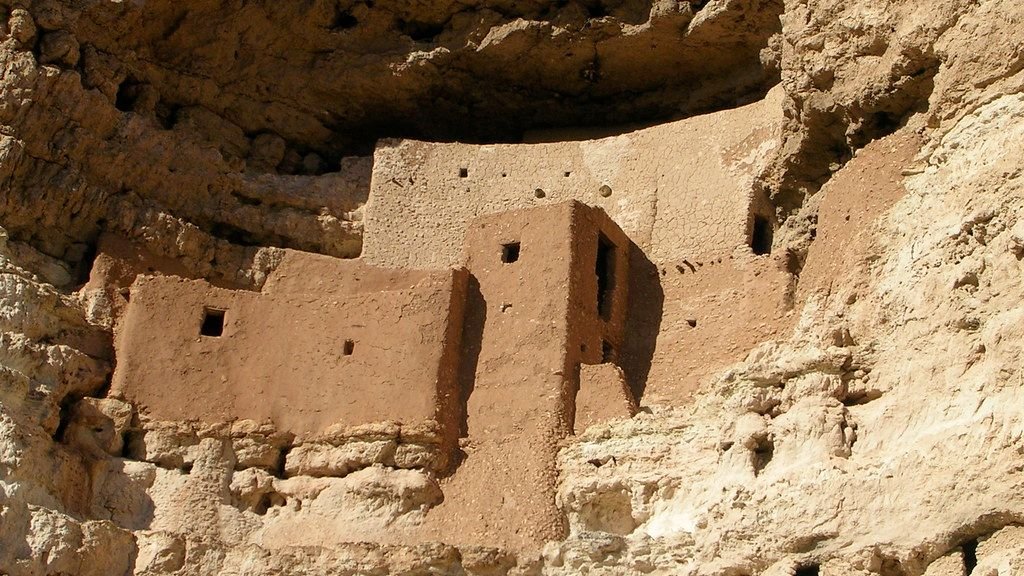

The deeper archaeologists dig into the past, the more it refuses to line up neatly with what we thought we knew. Scattered across deserts, seabeds, temple caches, and forgotten burial grounds are objects that seem to jump categories: too advanced for their era, too strange for their culture, or simply too out of place to explain easily. These are not magic relics or evidence of lost super-civilizations, but they are stubborn anomalies that keep serious researchers awake at night. This article dives into ten such artifacts, exploring what we know, what we strongly suspect, and what still refuses to make sense. Along the way, we see how genuine scientific mystery looks up close: messy, fascinating, and always just a little uncomfortable.
The Antikythera Mechanism: A Bronze Computer From the Deep
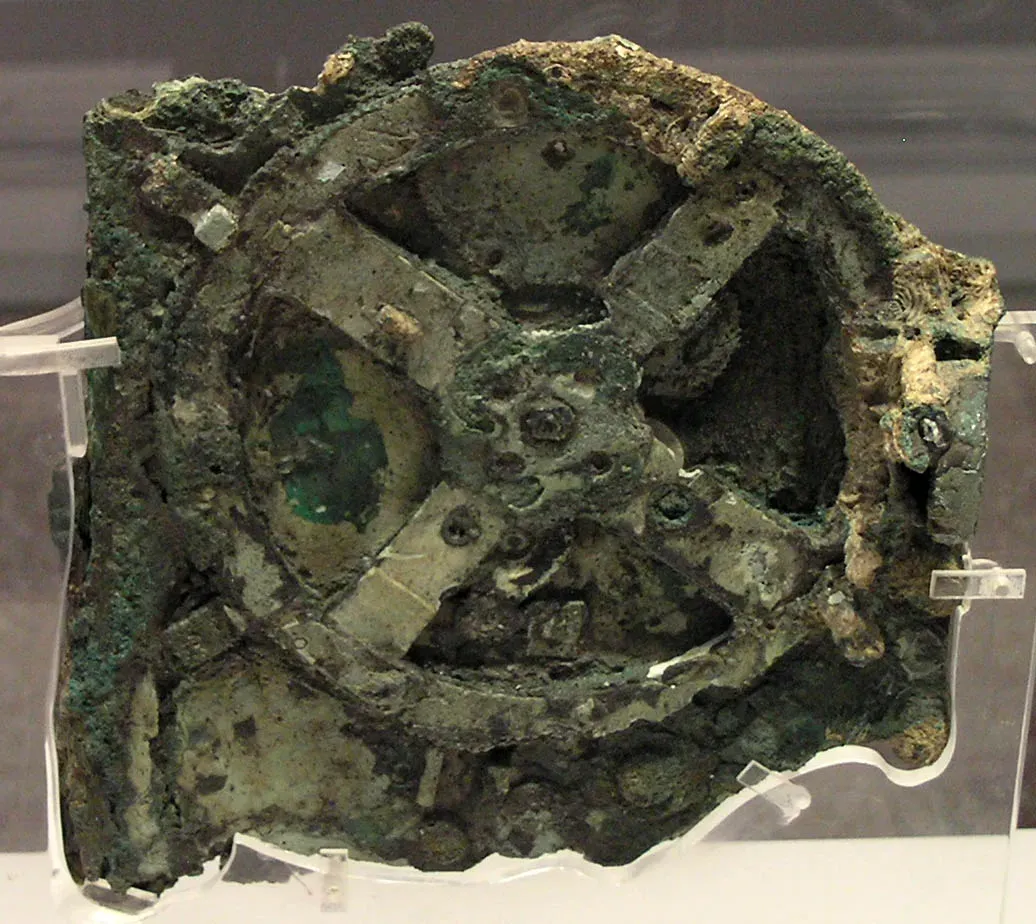
When sponge divers off the Greek island of Antikythera pulled up a corroded lump of bronze in 1901, no one expected it to rewrite the history of technology. Yet inside that lump, researchers later uncovered a compact forest of gears so intricate that it would not look out of place in a Renaissance clock, despite dating to roughly the second or first century BCE. The Antikythera Mechanism appears to model the motions of the Sun, Moon, and possibly planets, predict eclipses, and track athletic games, using interlocking gears and carefully inscribed scales. Its sophistication stunned historians, because nothing else of that mechanical complexity is securely documented again for many centuries.
Imaging techniques like X‑ray tomography have revealed internal inscriptions and gear trains, but they have not fully solved the riddle of who designed it and why such knowledge seems to vanish from the record. One plausible view is that this device came from a small circle of highly specialized craftsmen working for elite patrons, leaving almost no archaeological footprint beyond rare showpieces. Another is that our sample of surviving technology is just painfully incomplete, and that many similar devices once existed but decayed away in wood and bronze. Either way, the Antikythera Mechanism is the rare artifact that feels less like a relic and more like a taunt from the past, hinting at a lost chapter in engineering we can only partially reconstruct.
Nebra Sky Disc: A Bronze Age Map of the Heavens
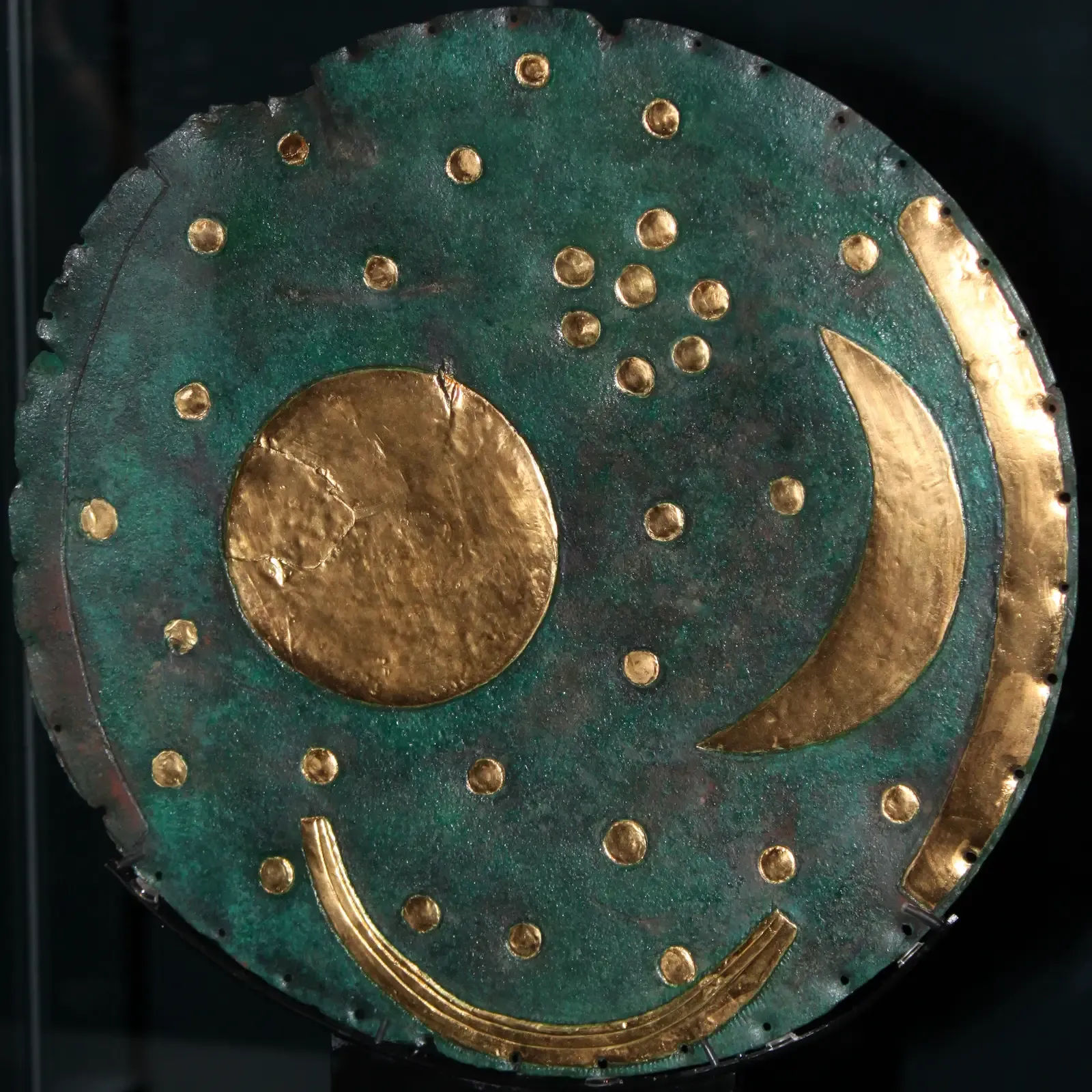
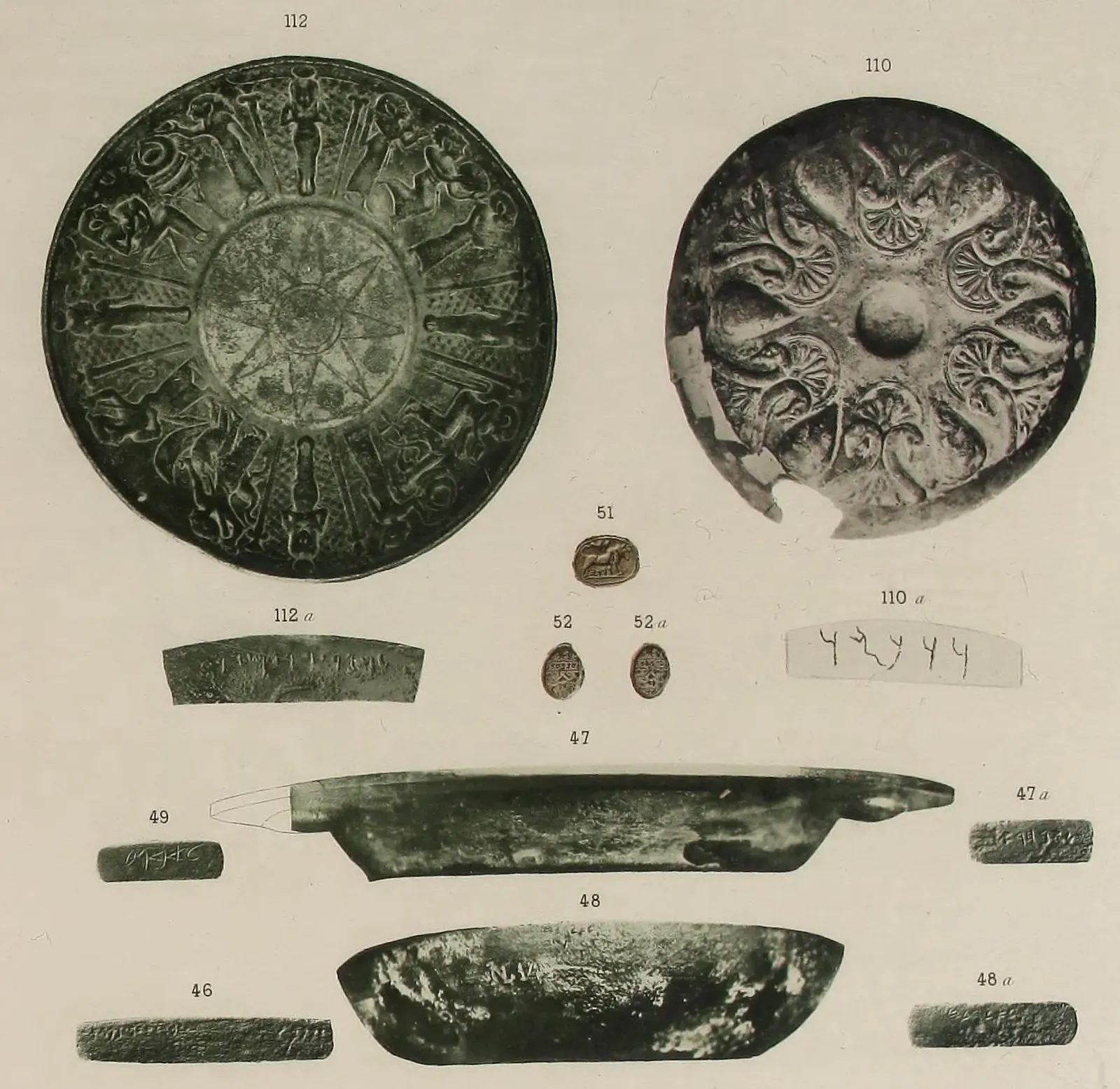
In a German forest in the late 1990s, looters stumbled on a corroded bronze disc that would ignite one of Europe’s most contentious archaeological debates. Once cleaned, the Nebra Sky Disc revealed inlaid gold symbols: a crescent, a full circle, scattered clusters interpreted as stars, and horizon arcs that seem linked to solstice positions. Radiocarbon dating of associated wooden handles and typological analysis of swords buried nearby place the disc around the early second millennium BCE, making it astonishingly old for such a complex apparent sky depiction. It challenges the neat story that precise sky mapping was the exclusive domain of later Mediterranean and Near Eastern cultures.
Some scholars argue the disc served as a portable teaching tool or ritual object for a social elite who tracked the turning year with great care, possibly aligning agricultural and religious calendars. Others caution that interpreting every symbol as precise astronomical data may be overreach, projecting modern expectations onto Bronze Age minds. There have even been disputes about the excavation’s legality and whether the find context is fully reliable, which matters a lot when trying to decode meaning. Still, the apparent alignment of certain details with real solstice positions is hard to dismiss as pure chance. The disc sits in that uncomfortable zone where evidence is strong enough to be thrilling but not strong enough to be decisive, and that tension is exactly what keeps it so gripping.
The Baghdad “Batteries”: Ancient Power or Misunderstood Jars?
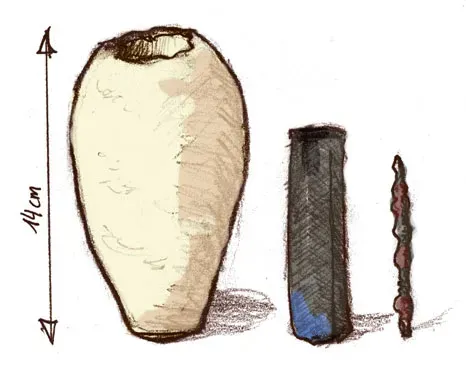
In the 1930s, excavations near modern Baghdad uncovered small clay jars with asphalt stoppers, iron rods, and copper cylinders inside. To a twentieth‑century eye tuned to electricity, these so‑called Baghdad Batteries looked eerily like primitive galvanic cells, capable of producing a small voltage when filled with an acidic liquid. Experiments with replicas have shown that such a setup can indeed generate a modest electrical current, enough to plate metal or give a faint shock. That finding inspired wild claims about ancient electric lights and advanced power systems hidden in Mesopotamia’s past.
However, there is no direct textual or contextual evidence linking these jars to electrical use, and many archaeologists see them instead as storage containers, ritual objects, or tools for something entirely different like scroll storage. The fact that no clear wires, conductors, or matching “devices” have been found alongside them weakens the electrical interpretation. At the same time, the combination of metal, sealed jars, and corrosive residues is hard to wave away as completely random. The scientific community has largely moved away from the dramatic “ancient power plant” narrative but has not fully replaced it with a satisfying alternative. These little jars sit at a crossroads between what is technically possible and what is historically plausible, and that ambiguity is exactly why they still fascinate.
Piri Reis Map: Fragments of Knowledge on a World Not Yet Known
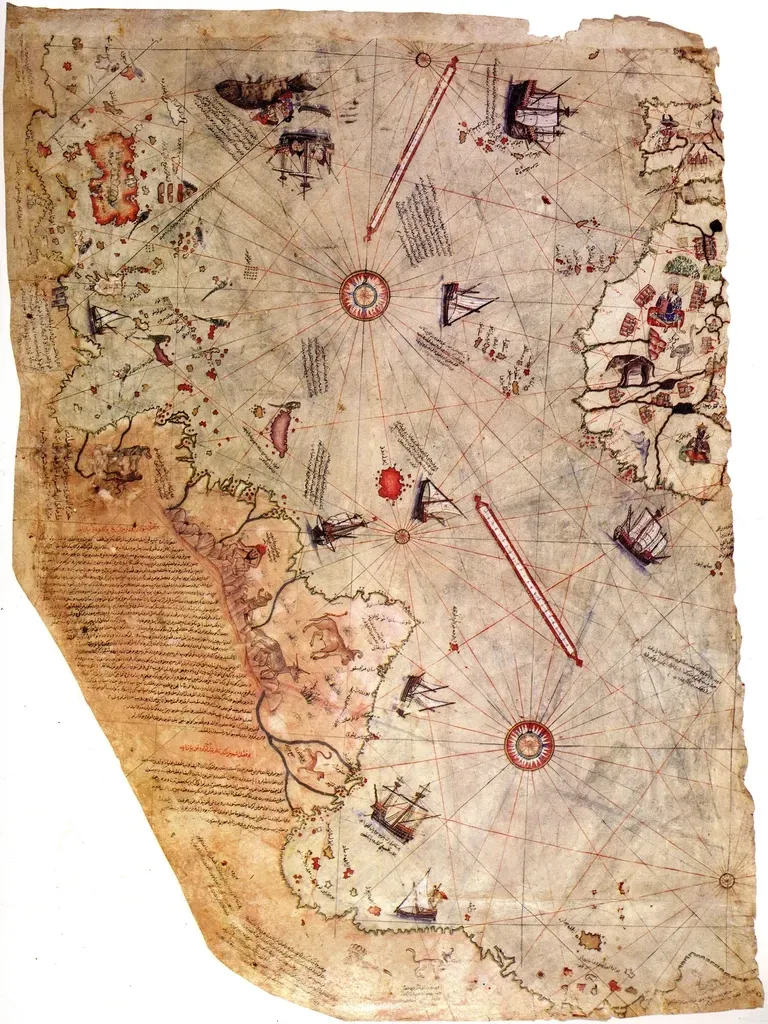
In 1929, scholars cataloging old manuscripts in Istanbul stumbled on a colorful, partly damaged world map drawn on gazelle skin. Signed by the Ottoman admiral Piri Reis and dated to 1513, it shows parts of the Atlantic with surprising accuracy for such an early date, including detailed coastlines of South America and a section of what appears to be an extended southern landmass. Piri Reis himself noted that he drew on a patchwork of earlier charts, some possibly dating back to the late medieval or even classical world. The idea that this map preserves fragments of lost geographic knowledge has been irresistible to both serious historians and speculative writers.
Careful analysis suggests the map blends fairly reliable information from early Portuguese voyages with older, less accurate traditions about a southern continent. The accuracy of some coastlines is impressive, but it stays within what would be expected from early sixteenth‑century navigation once you allow for distortions and copying errors. Claims that it shows an ice‑free Antarctica or secret global surveys have not held up under sober scrutiny. That said, the map is a vivid snapshot of how new discoveries collided with inherited ideas, forcing cartographers to stitch together a world that did not yet fully make sense. The mystery is less about alien geography and more about how knowledge survives, mutates, and resurfaces in ways that can still surprise us centuries later.
Voynich Manuscript: A Book That Refuses to Speak
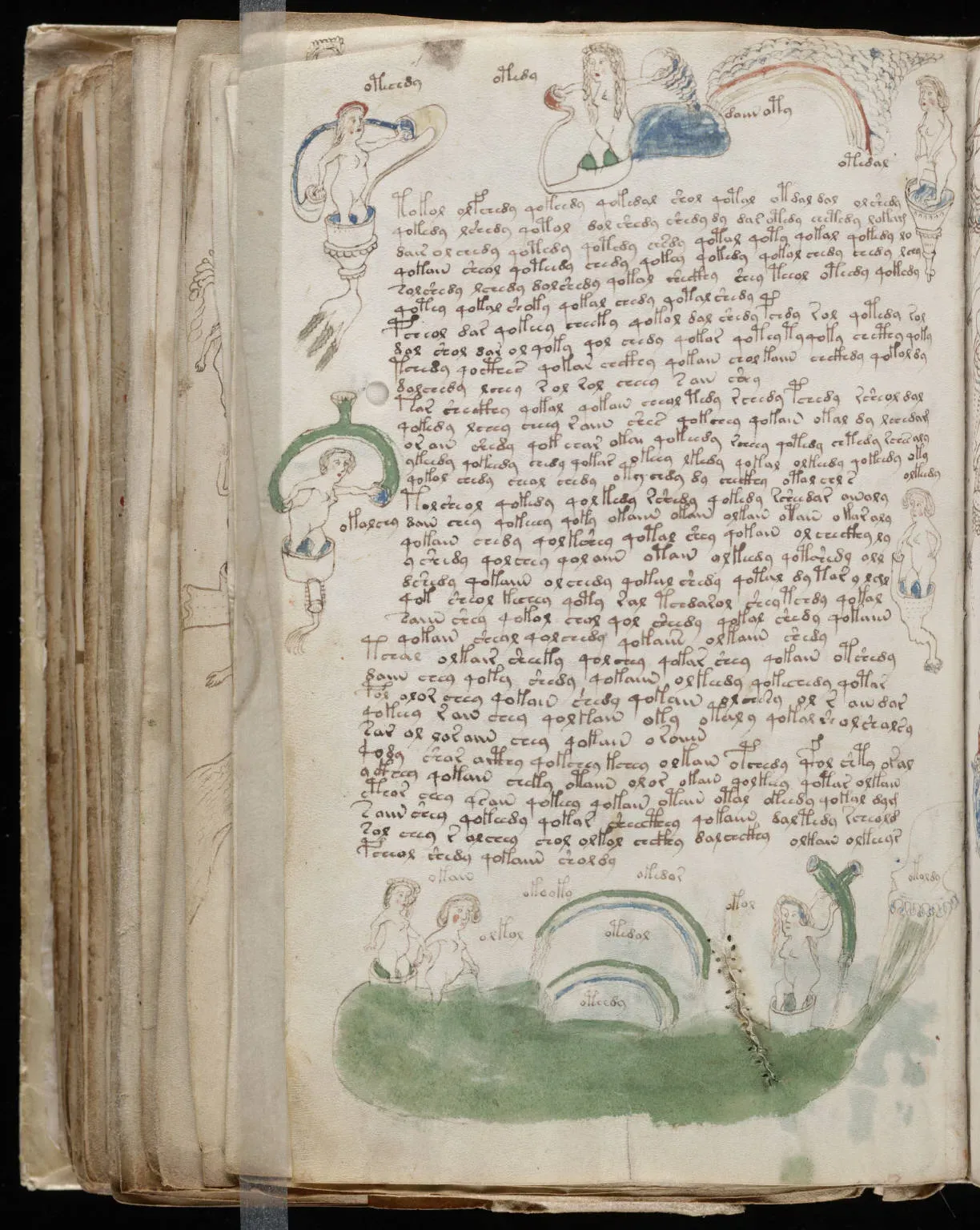
Sitting today in Yale University’s library is a fifteenth‑century codex packed with looping script and strange illustrations of plants, star charts, and nude bathing figures. The Voynich Manuscript looks like a typical European book at first glance, but its writing system does not match any known alphabet, and no one has convincingly read a single sentence. Cryptographers, linguists, and computer scientists have all taken turns at it, applying everything from frequency analysis to machine learning. The writing behaves statistically like a real language, with repeated patterns and internal structure, yet defies every attempt at decoding.
Some researchers suggest it encodes an unknown natural language in a complex cipher; others think it could be an invented script used to hide mundane medical or herbal recipes. There is also a persistent minority view that it is an elaborate hoax, but the consistency of the script over hundreds of pages makes that a demanding prank for its era. Radiocarbon dating of the parchment to the early 1400s rules out many modern forgery theories. What makes the Voynich Manuscript so maddening is not only that it is unreadable, but that the content looks so almost familiar: plants that nearly resemble known species, diagrams that nearly resemble recognizable constellations. It lives in the uncanny valley of historical documents, always promising meaning and always pulling it away at the last moment.
Sacsayhuamán’s Precision Stonework: Megaliths That Fit Like Lego
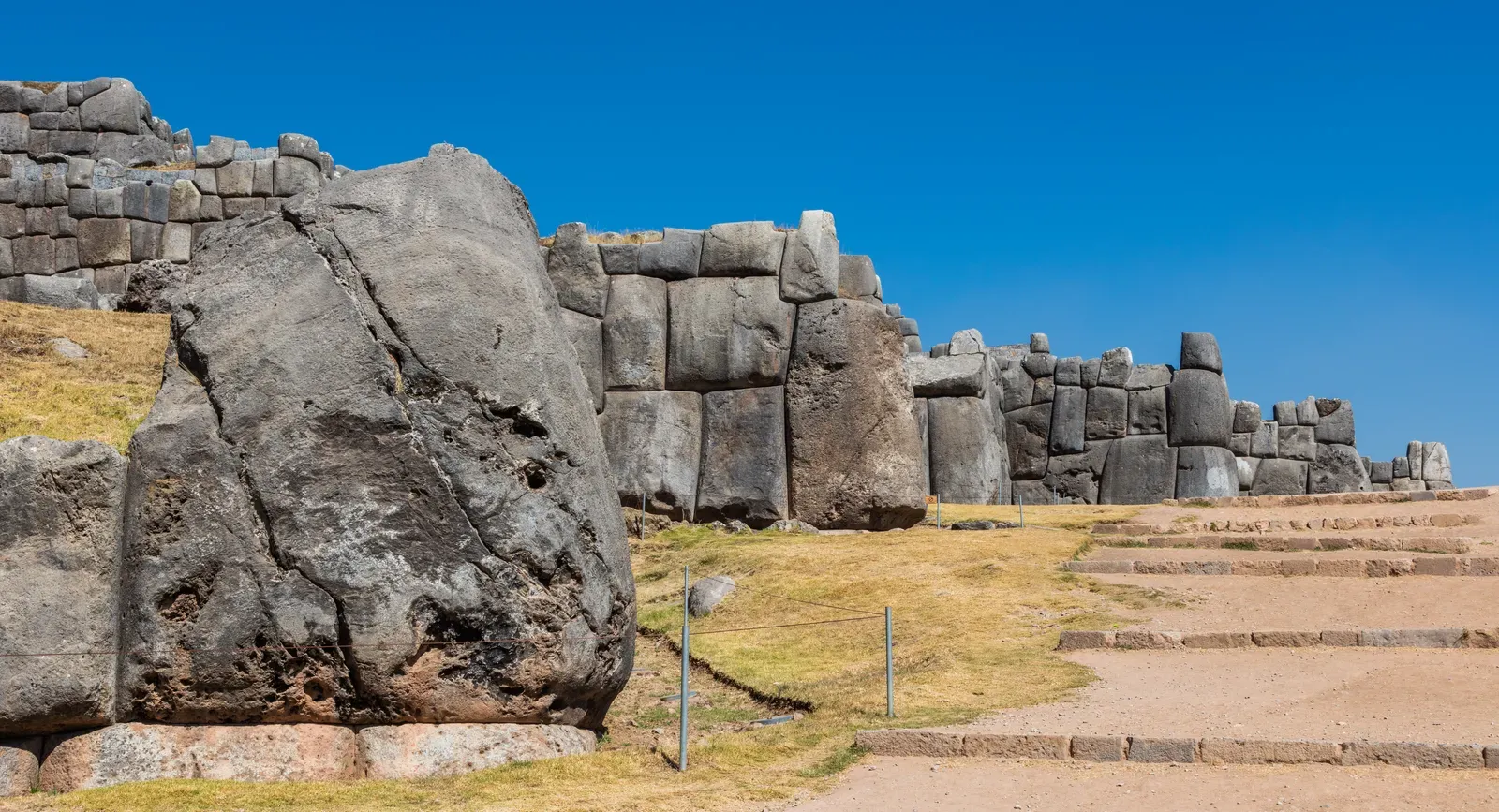
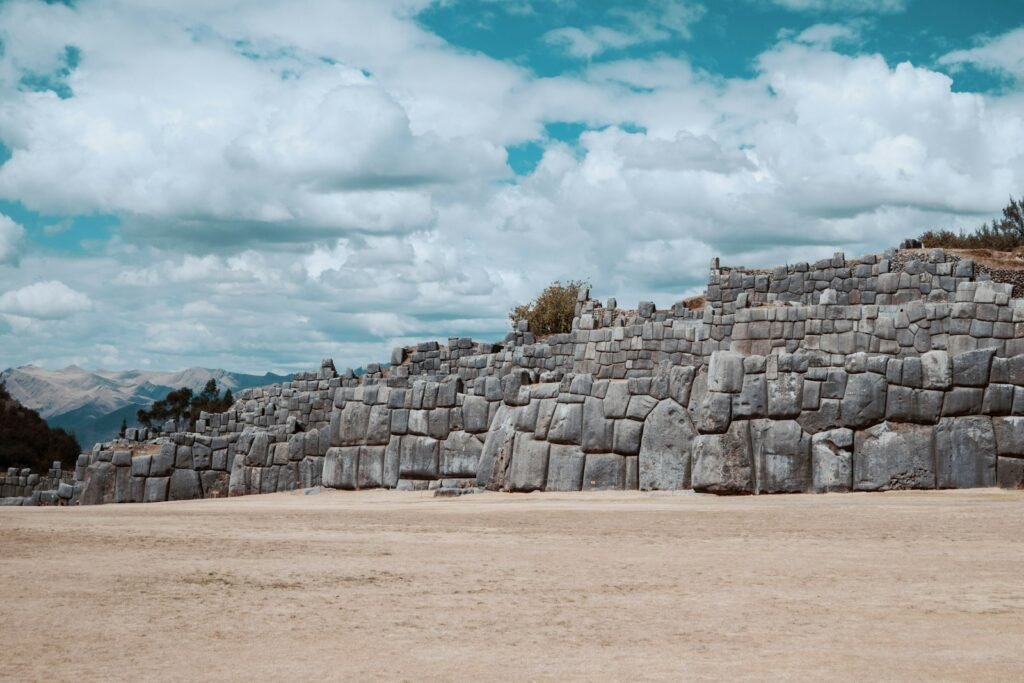
Above the city of Cusco in Peru, the Inca fortress complex of Sacsayhuamán confronts visitors with cyclopean stone walls whose blocks lock together with startling precision. Some stones weigh many tens of tons, yet their faces are so carefully dressed that they interlock with tight, multi‑angled joints, often without visible mortar. The patterns are not simple grids but complex, zigzagging lines that feel almost like stone puzzles. For centuries, observers have struggled to understand how workers without iron tools, wheels, or draft animals managed to quarry, move, and fit such massive stones on a steep hillside.
Most archaeologists now think the answer lies in sophisticated but entirely human methods: labor‑intensive shaping with stone tools, ramps and rollers, and painstaking trial‑and‑error fitting. Experiments with smaller blocks show that such techniques can produce remarkably precise joints over time. Yet actually replicating Sacsayhuamán’s largest stones at full scale remains logistically daunting, which keeps the question emotionally alive even if the basic technological explanation is sound. The Inca left no detailed construction manuals, only hints in chroniclers’ accounts and the stones themselves. Standing in front of those walls, it is hard not to feel that our mental picture of “primitive” engineering drastically underestimates what organized human labor and patience can really accomplish.
Dendera “Light” Reliefs: Symbol or Technology on Temple Walls?
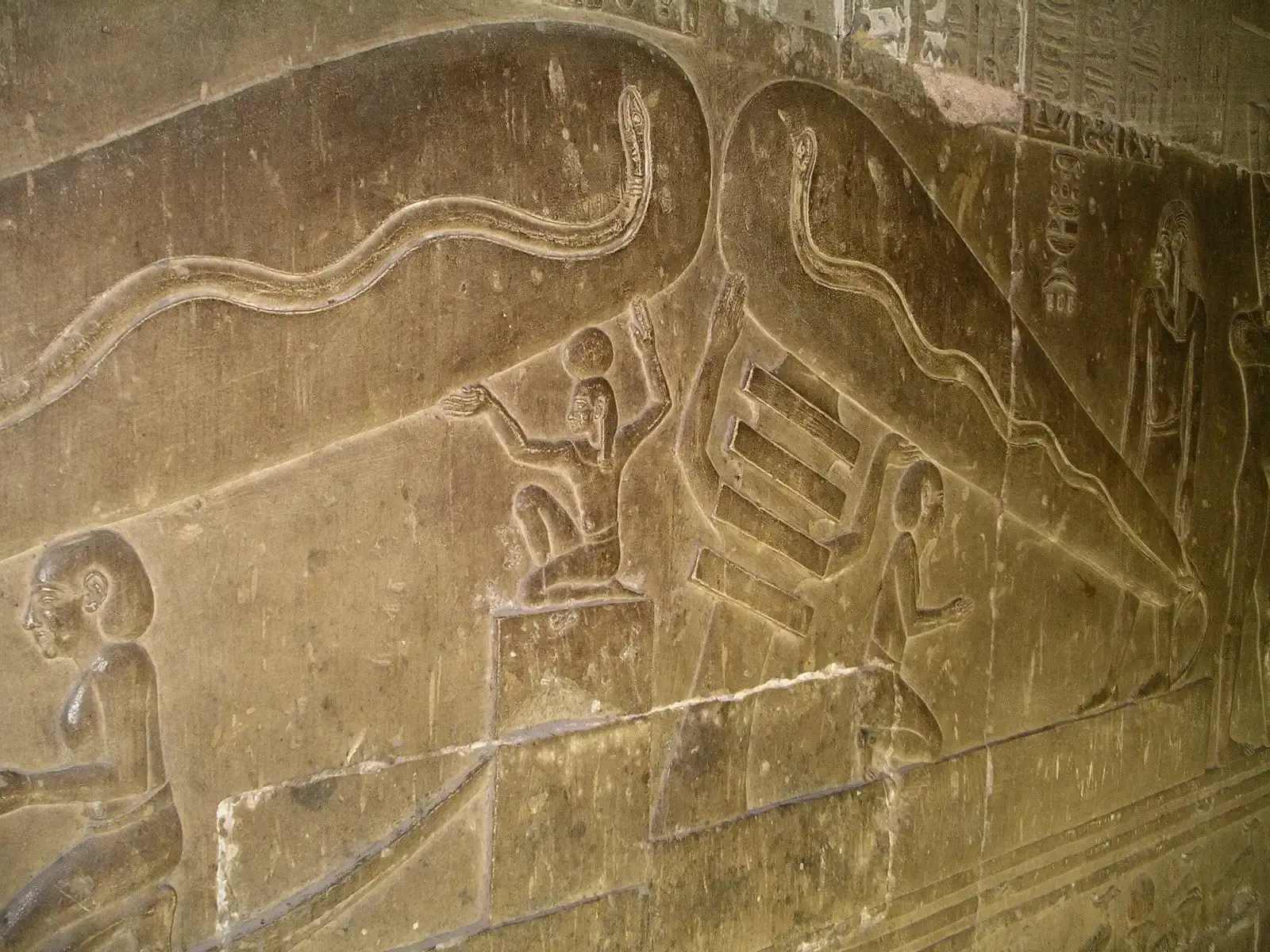
Deep inside the Hathor Temple at Dendera in Egypt, carved reliefs show what look, to some modern eyes, like giant glass bulbs connected to cables. These so‑called Dendera Light images have fueled claims that the ancient Egyptians used electric lighting in their sanctuaries, supposedly explaining the absence of soot on some ceilings. Proponents point to the snake‑like forms within the bulb shapes as glowing filaments and to nearby figures as technicians or priests operating the devices. When you are primed to see a lightbulb, the resemblance is honestly hard to unsee.
Egyptologists, however, interpret these scenes through the lens of local myth, identifying the shapes as stylized lotus flowers, serpents representing deities, and ritual barques held aloft by supporting pillars. The surrounding hieroglyphic texts reference cosmic creation and divine power, not electrical engineering. The lack of any supporting archaeological evidence for wiring, generators, or other necessary components makes the lighting hypothesis extremely weak. Yet the modern metaphor persists because it is so visually compelling and because it flatters the idea that there must be high technology hidden everywhere in the ancient world. In reality, what we are probably seeing is how a deeply symbolic visual language can be misread when pulled out of its cultural context and dropped into our technological imagination.
Plain of Jars in Laos: Megaliths Without a Clear Story
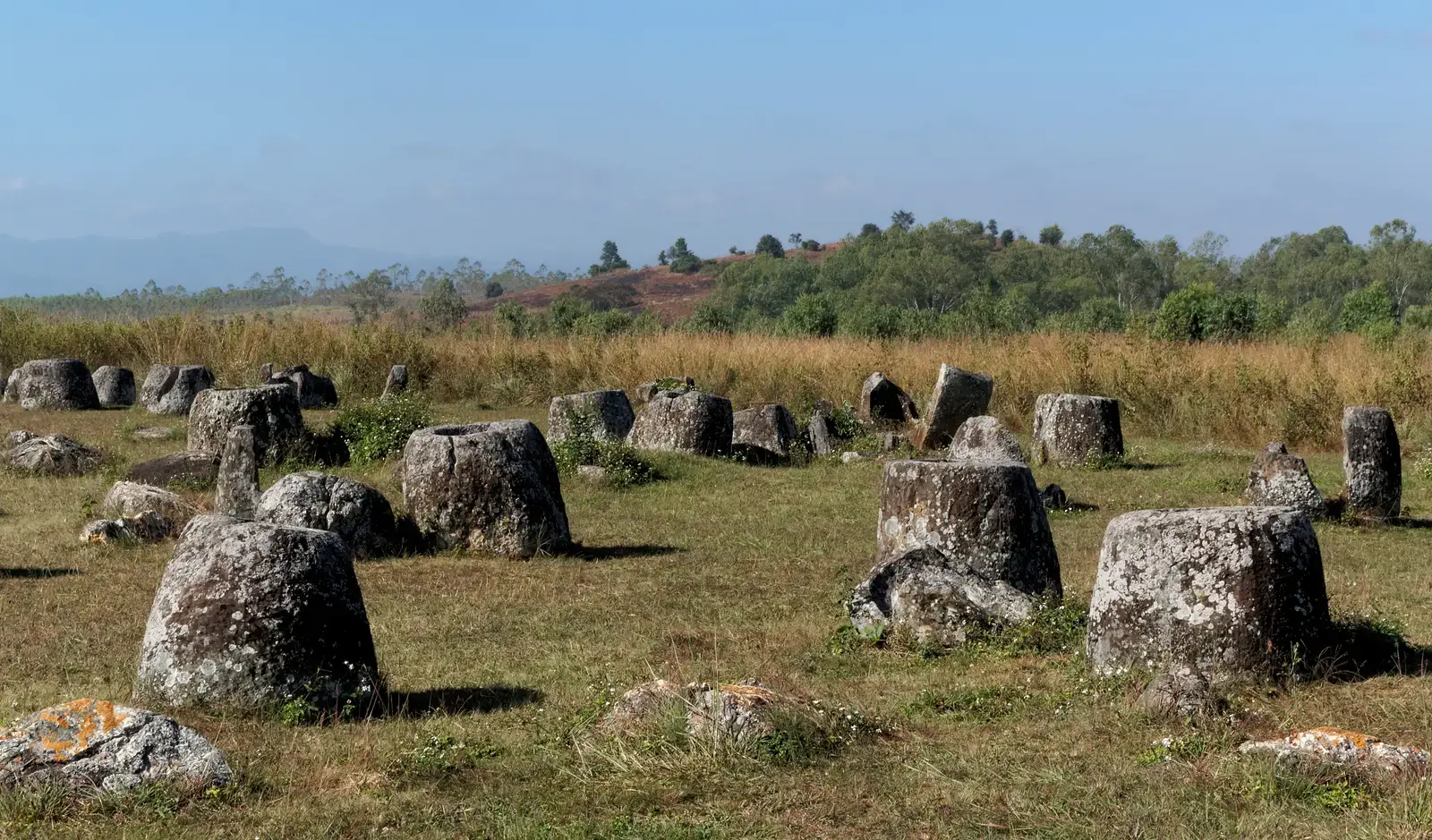
On high plateaus in Laos, thousands of massive stone jars sit scattered across the landscape, some taller than a person and weighing several tons. They are hewn from single blocks and clustered in groups, with lids or nearby discs at some sites, and they have been weathering quietly for roughly two thousand years. Archaeological work, limited for decades by unexploded ordnance from more recent conflicts, suggests they were associated with mortuary practices, perhaps serving as part of complex burial rituals. Human remains and grave goods found near many jars reinforce that interpretation.
What remains mysterious is the exact meaning of the jars, the full scope of the culture that created them, and how such large objects were carved and moved across hilly terrain with limited tools. Oral traditions collected in the region tell very different stories, from giants brewing alcohol to legendary kings storing rice wine, reflecting how communities try to make sense of imposing ruins. Scientific dating and excavation are slowly filling in pieces of the puzzle, but much of the landscape is still dangerous to investigate due to buried explosives from twentieth‑century wars. In a literal sense, modern violence has frozen our ability to fully understand ancient death rituals. The Plain of Jars is a stark reminder that the past can be obscured not only by time but by the more recent scars we leave behind.
Qin Terracotta Army’s Unusual Pigments and Craft Organization
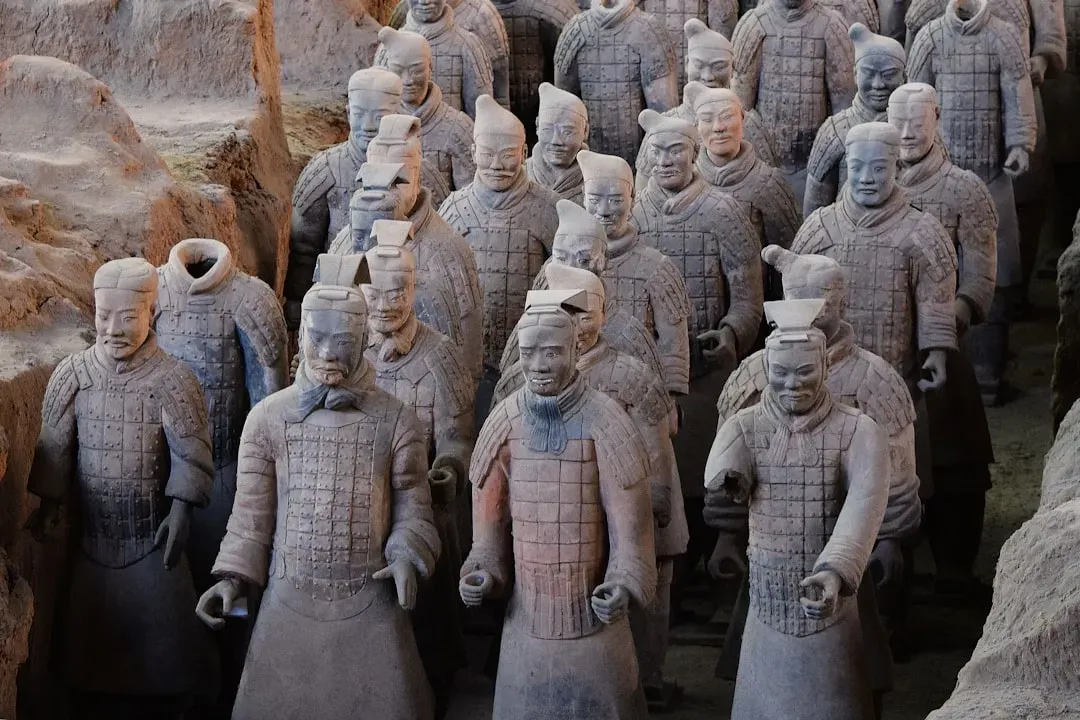
When farmers in China’s Shaanxi Province uncovered fragments of life‑size clay soldiers in 1974, they had no idea they were exposing an underground army guarding the tomb of the first Qin emperor. The thousands of terracotta figures, each with individualized facial features and once painted in vivid colors, have been studied intensely ever since. One of the most surprising scientific puzzles has been the pigments and preservation methods used on their surfaces. Traces of complex colorants, including rare synthetic compounds, suggest a sophisticated understanding of materials that had to be manufactured with careful control of temperature and chemistry.
At the same time, analysis of tool marks and molds indicates a quasi‑industrial production system, with workshops likely specializing in heads, hands, or armor, then assembling and finishing the figures. Yet the variability in details goes against a purely standardized factory model, hinting at a blend of mass production and artisanal intervention. The pigments themselves degrade rapidly when exposed to air, which is why many newly excavated figures lose their color soon after discovery despite modern conservation efforts. That creates an ethical dilemma: excavate more and risk losing crucial information, or leave large areas buried for future technologies to study. As someone who has spent years editing stories on archaeological science, I still find this balance between revelation and preservation one of the most quietly dramatic tensions in the field.
Why These Artifacts Still Matter: Rethinking Progress, Knowledge, and Mystery
Looked at together, these artifacts force us to confront how uneven and fragile human knowledge really is. The Antikythera Mechanism and the Nebra Sky Disc hint that sophisticated sky watching and calculation can bloom in small pockets, then vanish from the surviving record for centuries. Sacsayhuamán’s walls and the Plain of Jars show that massive engineering projects do not always leave behind explanatory texts, and that oral memory and physical labor can achieve feats we tend to underestimate. The Baghdad jars and Dendera reliefs expose our tendency to project modern technology backward, sometimes seeing wires and bulbs where there are myths and rituals.
Compared with earlier generations of scholars, today’s researchers have tools like high‑resolution imaging, geochemical analysis, and computational modeling that can peel back layers of corrosion and guesswork. Yet those tools also highlight the limits of what can be known when texts are missing, contexts are disturbed, or sites are too dangerous to excavate. In that sense, the mystery is not a failure of science but a map of where the evidence runs thin. Accepting that some questions may never be completely answered is not an admission of defeat; it is part of honest inquiry. For readers, embracing these unresolved puzzles is a way to see science not as a list of settled facts, but as a living, argument‑filled process that is still unfolding.
Staying Curious With the Past: How Readers Can Engage
Mysterious artifacts can easily become clickbait fodder or fuel for conspiracy theories, but they can also be an entry point into more careful, rewarding ways of thinking about the past. One simple step is to pay attention to how explanations are framed: are you being offered clear evidence, or just dramatic speculation dressed up as certainty? Visiting museums, reading excavation reports written for the public, and following archaeologists and conservators who share their work can turn vague wonder into informed curiosity. Even something as small as reading the label next to an artifact and then asking what is not yet known about it can shift your mindset from passive awe to active questioning.
If you want to go deeper, look for public lectures, online courses, and open‑access journals that tackle these topics without sensationalism. Support institutions that prioritize careful conservation over rapid excavation, because sometimes leaving an artifact in the ground is the most scientific choice. Talk about these mysteries with kids, friends, or coworkers not as proof that everything is secretly explained, but as proof that we still have a lot to learn. The next time you see a photo of some baffling old object in your feed, try pausing before you share and asking: what would count as real evidence here, and how could we actually get it?
Suhail Ahmed is a passionate digital professional and nature enthusiast with over 8 years of experience in content strategy, SEO, web development, and digital operations. Alongside his freelance journey, Suhail actively contributes to nature and wildlife platforms like Discover Wildlife, where he channels his curiosity for the planet into engaging, educational storytelling.
With a strong background in managing digital ecosystems — from ecommerce stores and WordPress websites to social media and automation — Suhail merges technical precision with creative insight. His content reflects a rare balance: SEO-friendly yet deeply human, data-informed yet emotionally resonant.
Driven by a love for discovery and storytelling, Suhail believes in using digital platforms to amplify causes that matter — especially those protecting Earth’s biodiversity and inspiring sustainable living. Whether he’s managing online projects or crafting wildlife content, his goal remains the same: to inform, inspire, and leave a positive digital footprint.