

You find yourself staring at an ancient object that defies everything you know about human history. Your hands tremble slightly as you examine its impossible precision, its mysterious purpose, and its stubborn refusal to reveal its secrets. This is the world of archaeology, where each discovery brings new questions rather than answers.
From the depths of forgotten caves to the dusty shelves of museums, these enigmatic artifacts continue to challenge our understanding of past civilizations. They whisper of lost knowledge, advanced techniques, and perhaps even contact with forces beyond our world.
The Antikythera Mechanism: The World’s First Computer
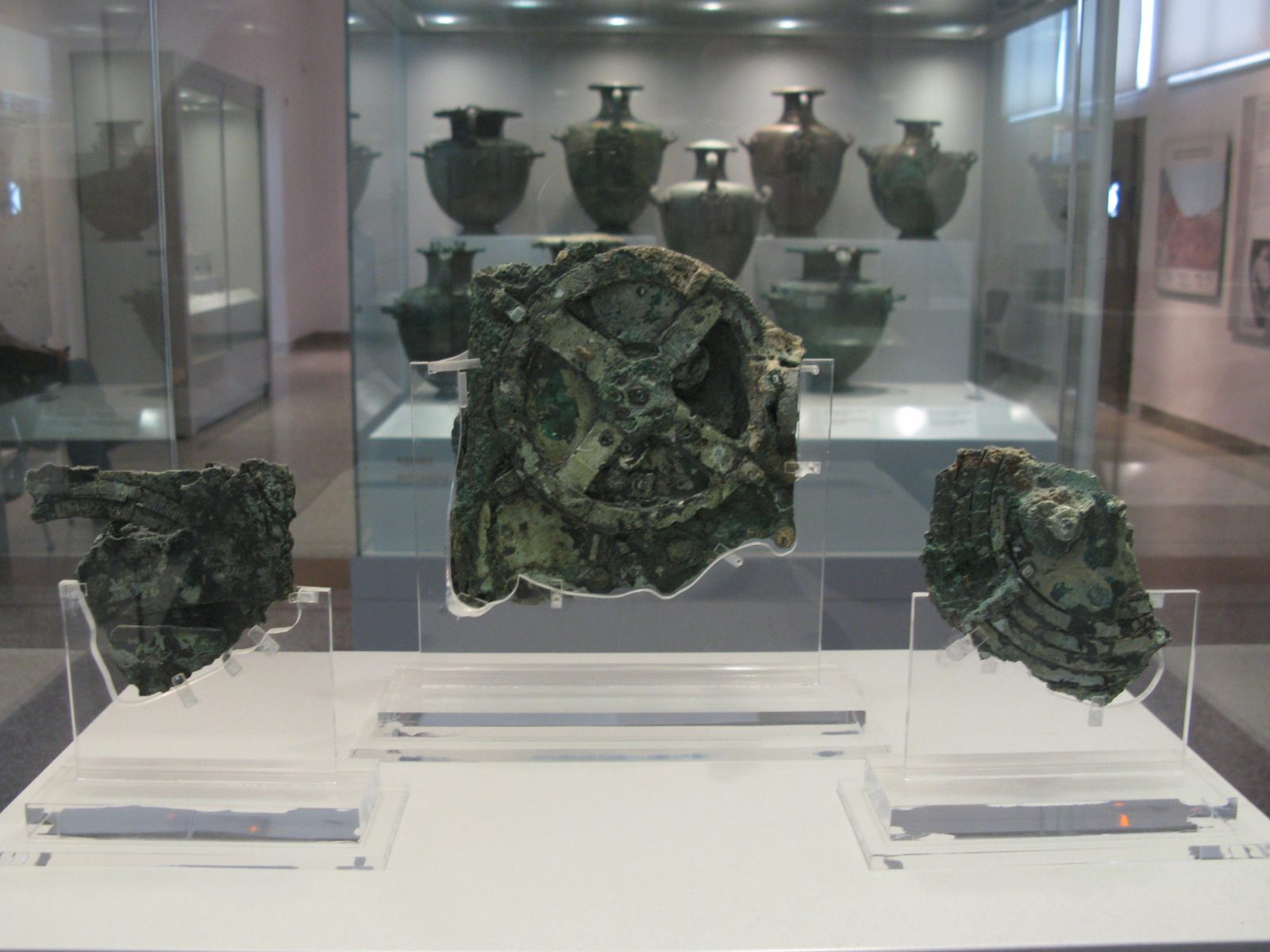
Picture this: a Greek ship sank off the coast of the island of Antikythera about 2,000 years ago, and sat on the sea bottom until it was discovered in 1900. Found in the sunken wreckage of a Greek cargo ship that is at least 2,000 years old, the circular bronze artifact contains a maze of interlocking gears and mysterious characters etched all over its exposed faces. When archaeologists first examined this corroded lump of bronze, they had no idea they’d stumbled upon something extraordinary.
It had multiple layers of brass gears that precisely fit together and were built into a wooden box. A half-century later, a science historian figured out that this weird archaeological discovery could predict the positions of the planets and stars in the sky by date. Honestly, that’s mind-blowing when you think about it.
Since then, researchers have found Greek text on the artifact that showed it could predict eclipses and moon phases, and could even track the four-year cycle of the Olympic Games. It is still the most sophisticated device ever found from that period, preceding the next appearance of similar devices by 1,000 years.
Roman Dodecahedrons: Mysterious Multi-Faced Objects
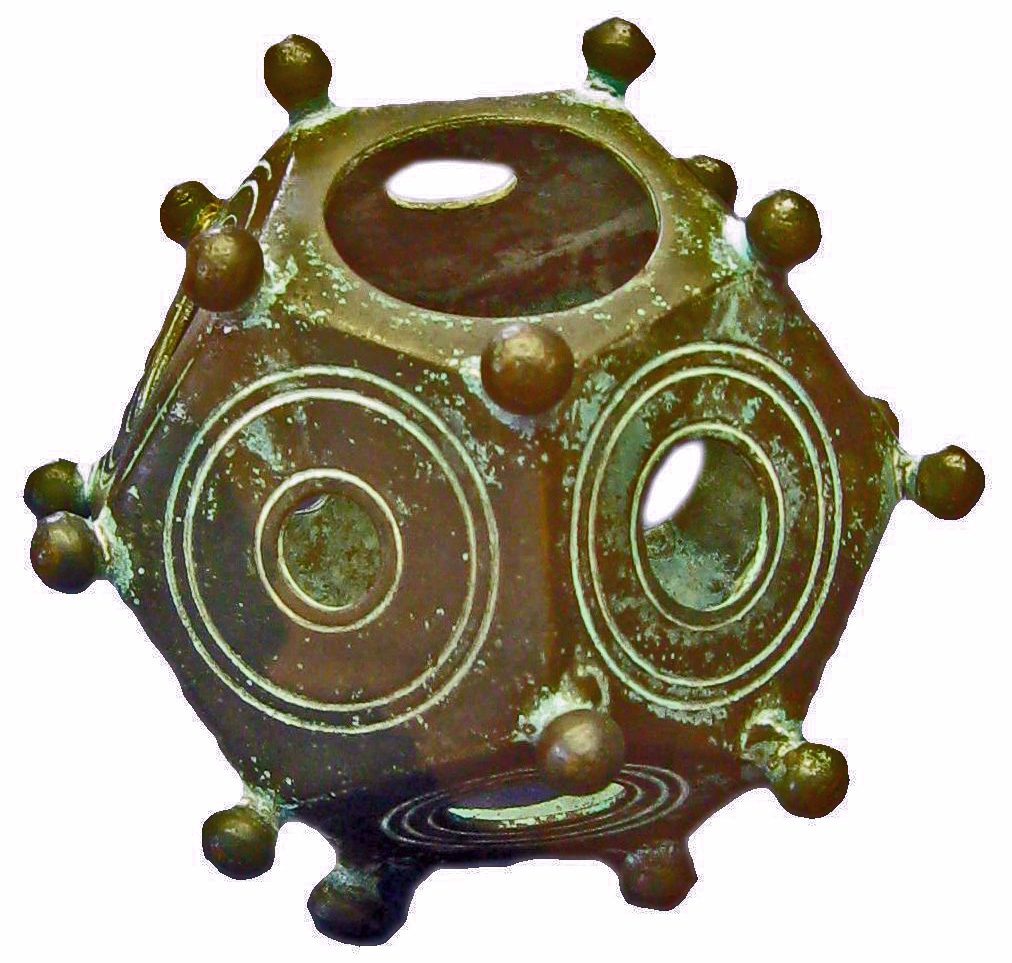
No representations of these objects are known in ancient art or literature. They do not conform to a standard size and rarely show use-wear which could hint at their purpose. These bronze artifacts, with their twelve pentagonal faces and strange knobs, have puzzled researchers for centuries.
Although armchair experts will tell you their granny used one to knit gloves, archaeologists are undecided on their intended use. I find it fascinating that something so widespread throughout the Roman Empire remains a complete enigma. Were they religious objects? Mathematical tools? Game pieces? Your guess is as good as any expert’s.
The Folkton Drums: Neolithic Chalk Mysteries
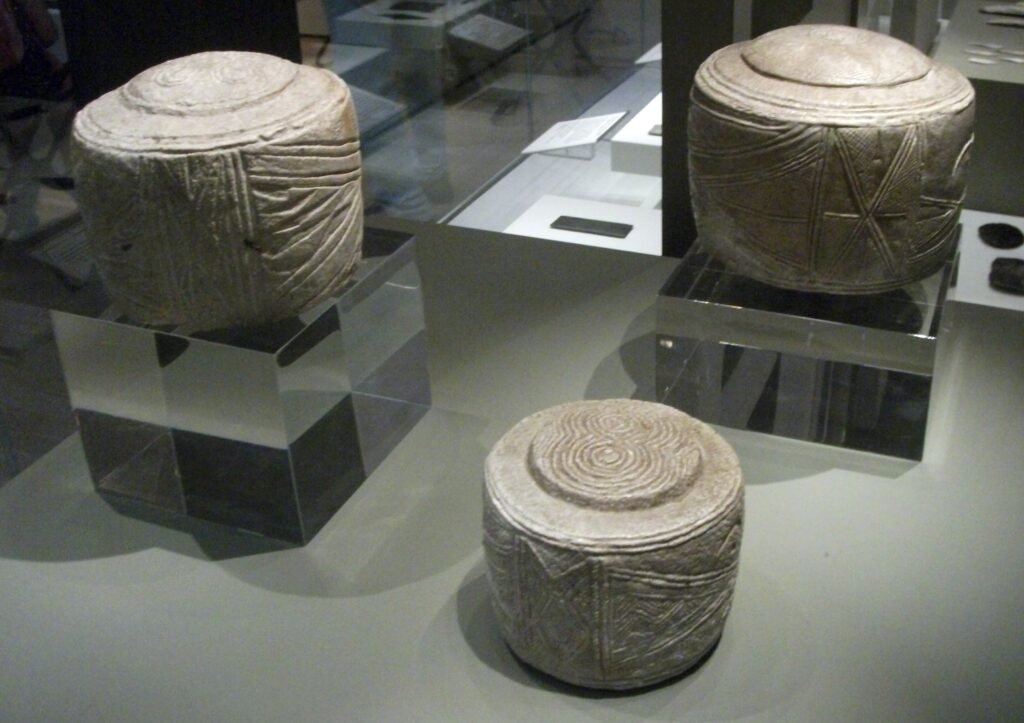
In 1889, three carved cylinders of chalk were discovered in a child’s grave in Folkton, north Yorkshire. The Folkton Chalk Drums have geometric decoration and what appear to be eyes, noses and eyebrows. These haunting faces staring up from a child’s burial site must have been quite a shock for the Victorian archaeologists.
The Burton Agnes drum was buried with a chalk ball, a bone pin and the remains of three children – dating to around 3200-2600 BCE. The connection between children and these mysterious drums suggests they held deep significance for Neolithic communities. Still, their purpose remains frustratingly unclear.
Carved Stone Balls: Scotland’s Geometric Puzzles
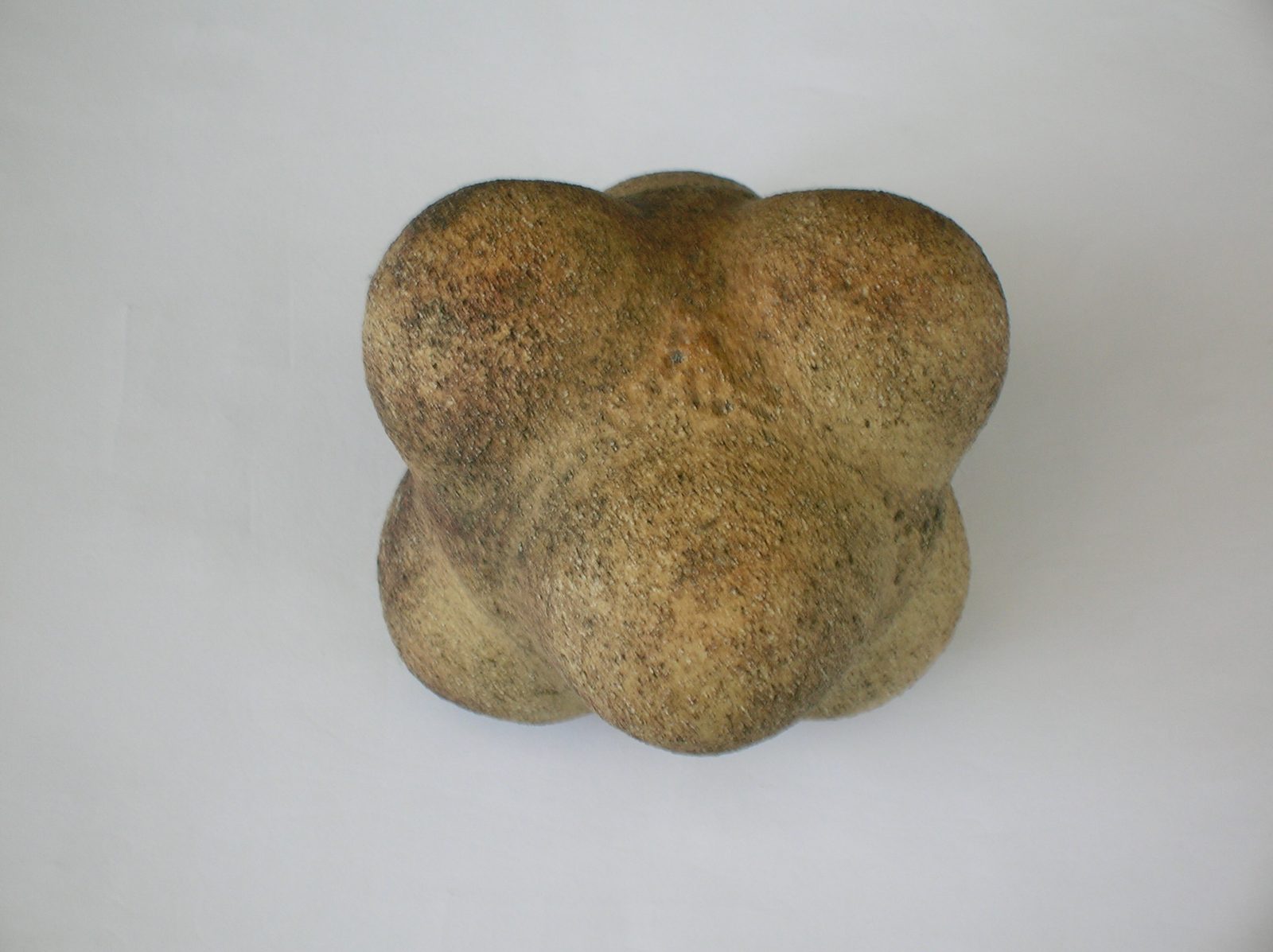
The elaborately carved stone balls found predominantly in Scotland and dating from the later Neolithic period (circa BC3200-2500) are one such mystery. Over 500 balls have been found. They are generally the size of a cricket ball and made from a wide variety of stones. Each one is uniquely decorated with intricate patterns and protruding knobs.
Here’s what makes them so puzzling: despite centuries of study, experts can’t agree on their purpose. Were they weapons? Status symbols? Measuring devices? The sheer variety of designs suggests they weren’t mass-produced tools, but rather something more ceremonial or symbolic.
The Dropa Stones: Disputed Discs from China
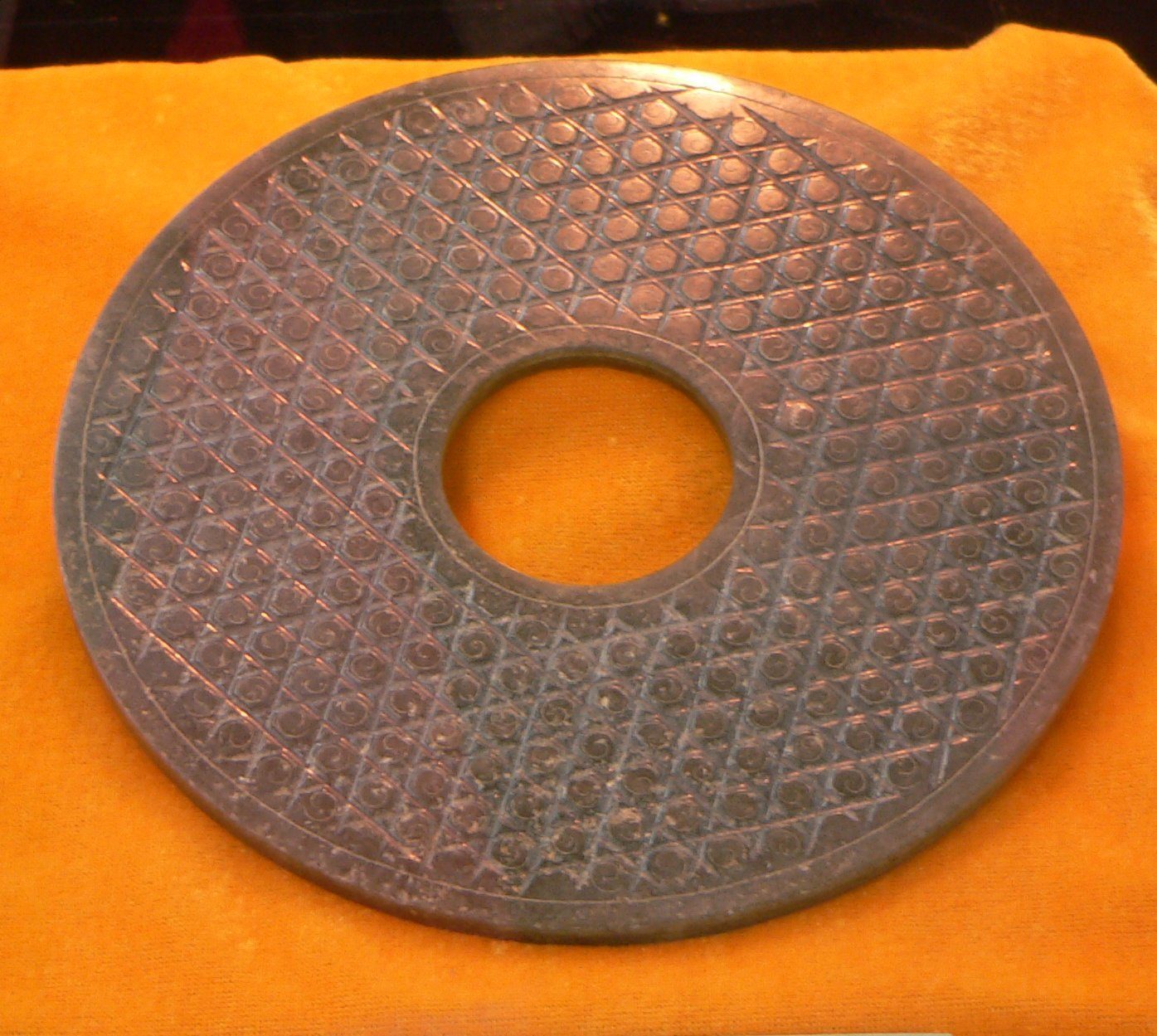
The Dropa stones are said to be a set of 716 circular stone discs dating back 12,000 years on which tiny hieroglyphic-like markings can be found. Each disc is said to measure up to 1 foot in diameter and carry two grooves, originating from a hole in their centre, in the form of a double spiral.
Tsum Um Nui allegedly managed to decipher the hieroglyphic characters after four years of study which he claimed told the story of a spacecraft that crash landed in the area of the cave and that the ship contained the Dropa people. However, the Dropa stones are regarded as a hoax, with their origins traced back to stories published in the 1960s with no credible sources or academic backing.
There’s absolutely no evidence that the Chinese archaeologist, the professor or the stones ever existed, period. Yet the legend persists, captivating those who want to believe in ancient alien contact.
Puma Punku: Precision Stone Cutting in Bolivia
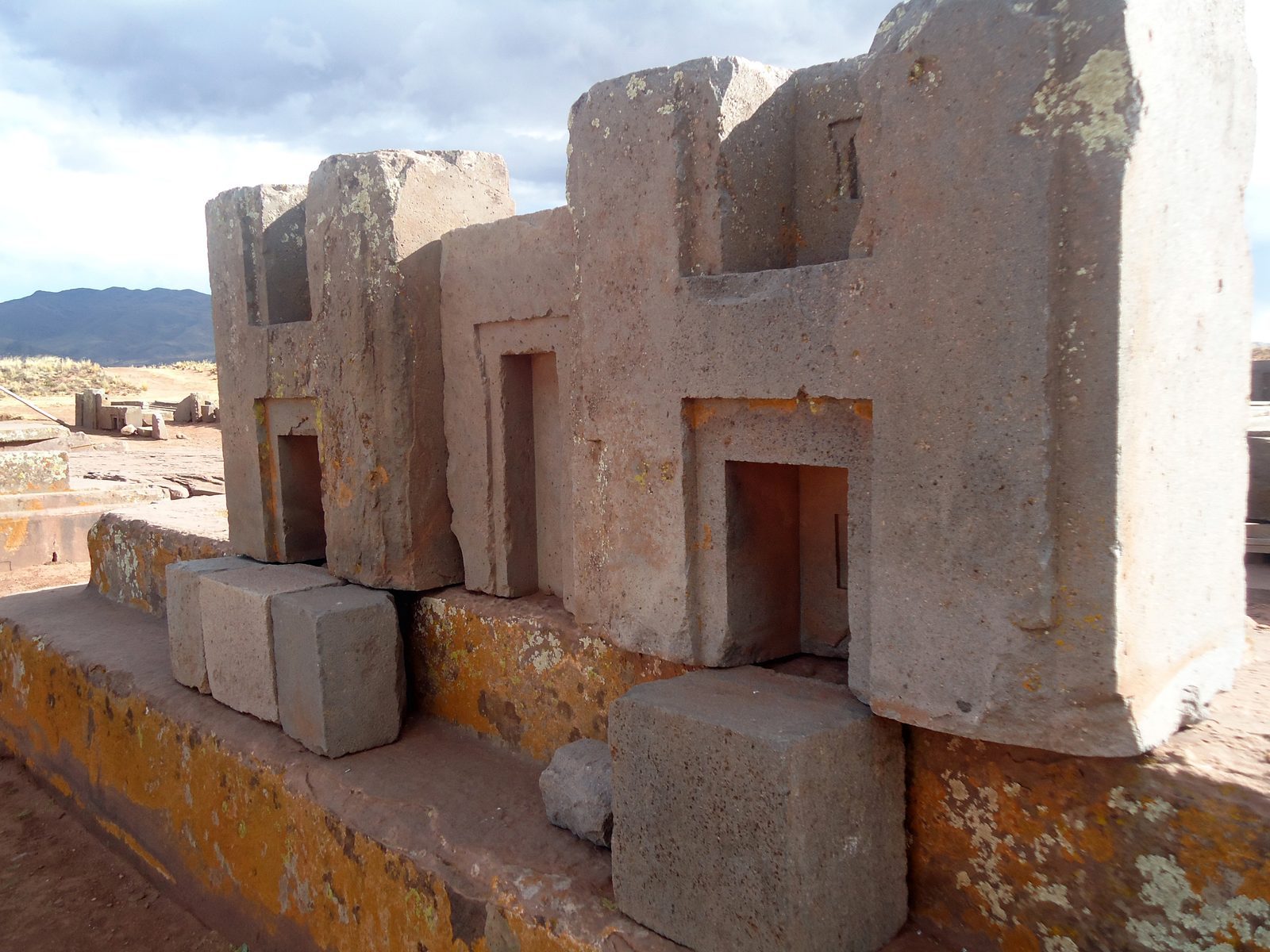
The red sandstone and andesite stones were cut in such a precise way that they fit perfectly into and lock with each other without using mortar. The technical finesse and precision displayed in these stone blocks is astounding. When you see these H-shaped blocks in person, you’ll understand why they’ve sparked so much controversy.
Many of the joints are so precise that not even a razor blade will fit between the stones. Much of the masonry is characterized by accurately cut rectilinear blocks of such uniformity that they could be interchanged for one another while maintaining a level surface and even joints.
Modern engineers have compared the precision to what we achieve today with laser technology or CNC machining – yet Puma Punku predates such tools by over a thousand years. How did ancient builders achieve such accuracy without advanced tools?
The Baghdad Battery: Ancient Electrical Device
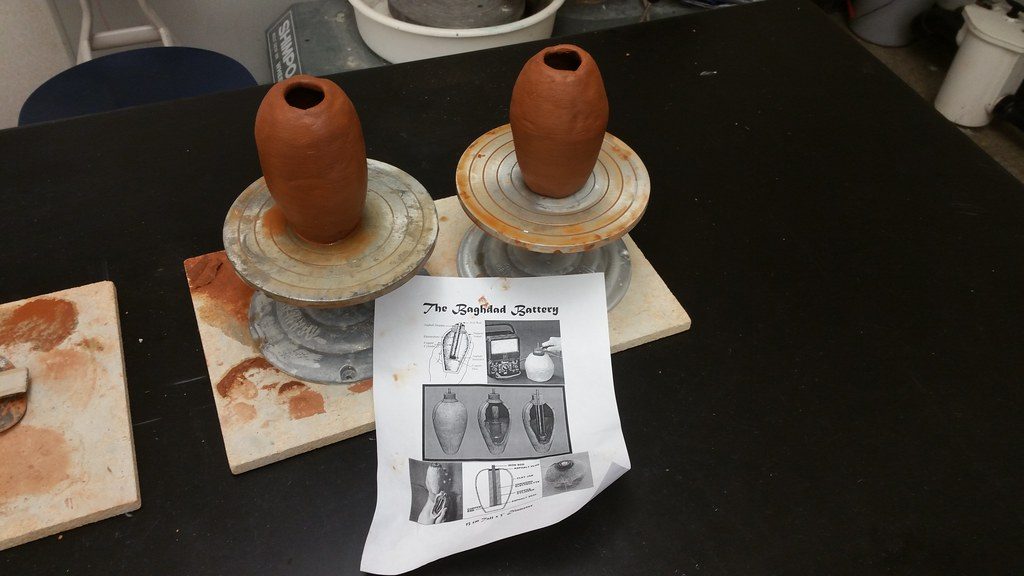
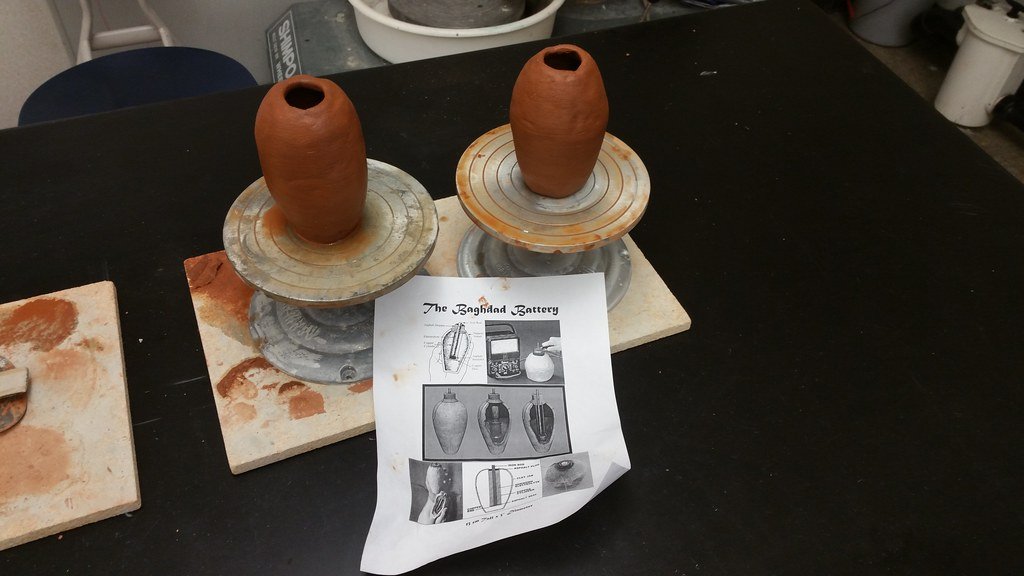
Clay jars with asphalt stoppers and iron rods made some 2,000 years ago have been proven capable of generating more than a volt of electricity. These ancient “batteries” were found by German archaeologist Wilhelm Konig in 1938 just outside of Baghdad, Iraq. Imagine discovering something that challenges everything you thought you knew about ancient technology.
“The batteries have always attracted interest as curios,” Dr. Paul Craddock, a metallurgy expert at the British Museum, told the BBC in 2003. “They are a one-off. As far as we know, nobody else has found anything like these. They are odd things; they are one of life’s enigmas.”
The Ulfberht Swords: Medieval Super Steel
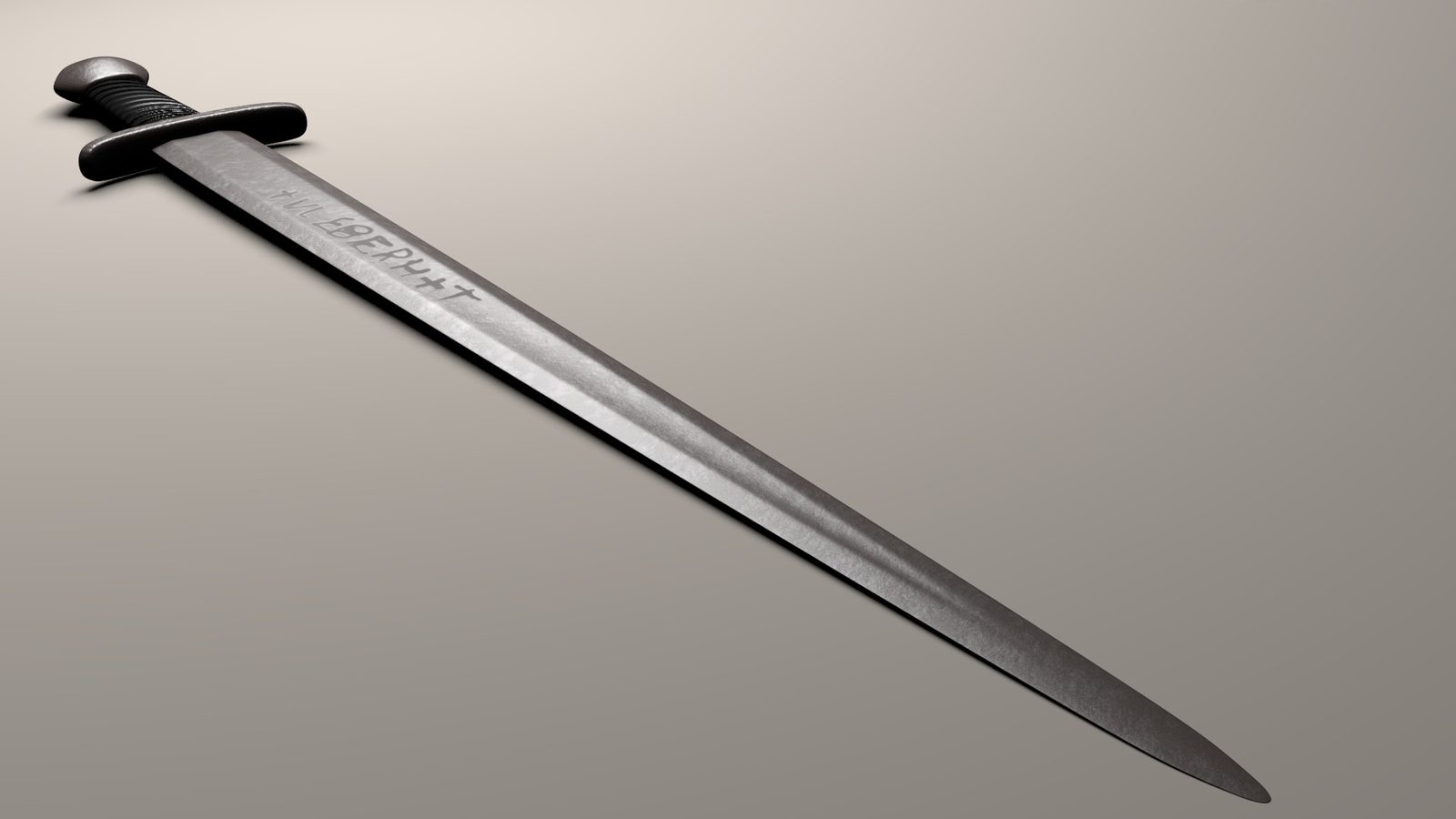
When archaeologists found the Viking sword Ulfbert, dating from 800 to 1000 A.D., they were stunned. They couldn’t see how the technology to make such a sword would have been available until the Industrial Revolution 800 years later. These weren’t your typical Viking weapons.
Its carbon content is three times higher than other swords of its time and impurities were removed to such a degree that the iron ore must have been heated to at least 3,000 degrees Fahrenheit. He said it was the most complicated thing he’d ever made, and he used methods not known to have been used by people of that time.
The Plain of Jars: Laotian Stone Vessels
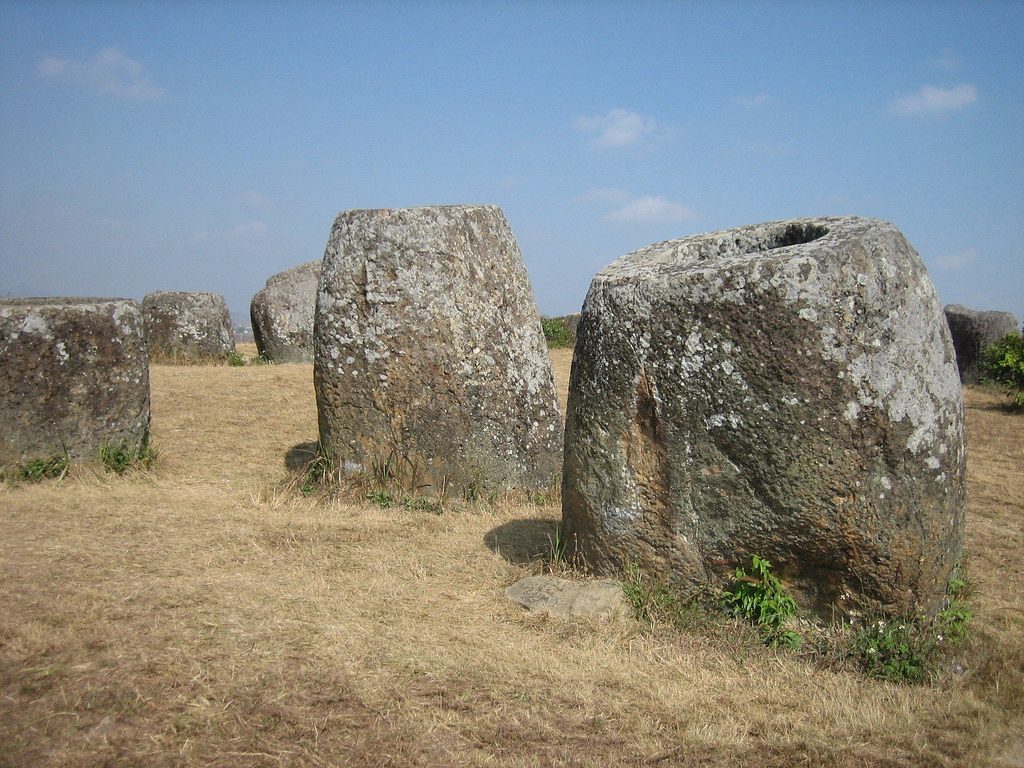
The Plain of Jars in the Xieng Khouang plain of Laos is one of the most enigmatic sights on Earth. The unusual site of thousands of megalithic stone jars scattered across nearly one hundred sites deep in the mountains of northern Laos has fascinated archaeologists and scientists ever since their discovery in the 1930s.
The unusual site known as the Plain of Jars is dated to the Iron Age (500 BC to 500 AD) and is made up of at least 3,000 giant stone jars up to 3 metres tall and weighing several tonnes. Most are made of sandstone but there are others made of much harder granite and limestone. Little is known of the people who carved the huge containers and the jars themselves give little clue as to their origins or purpose.
Crystal Skulls: Mysterious Quartz Carvings
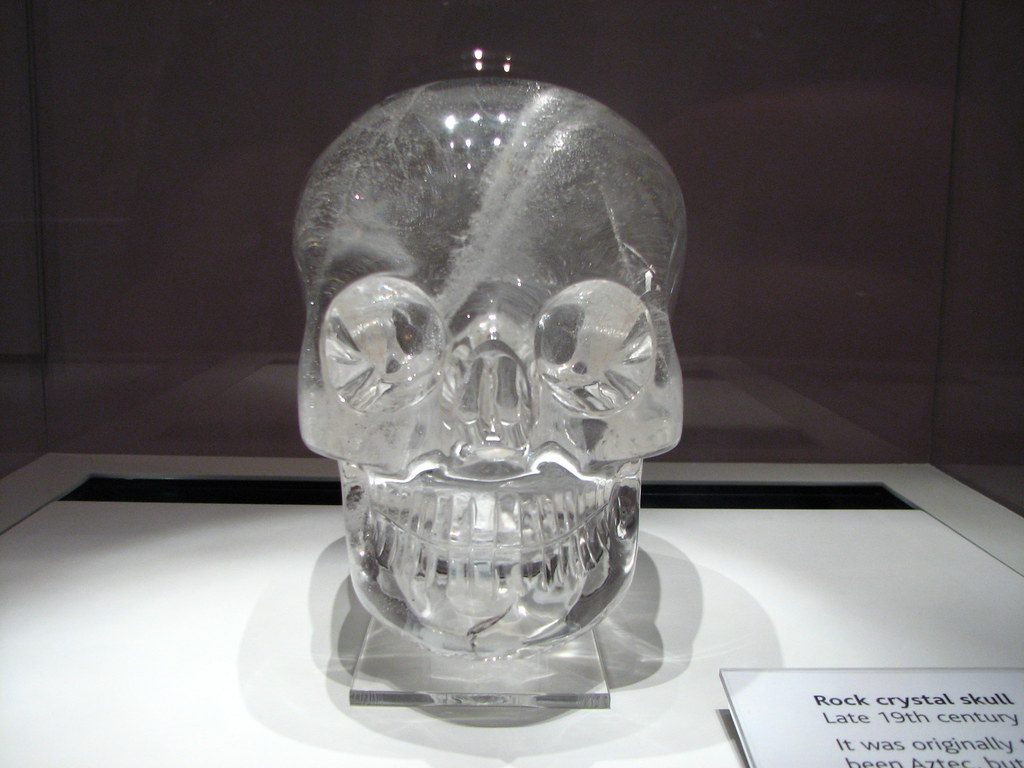
Ancient Aliens: Encoded Messages Revealed in Crystal Skulls (Season 6) | History · Ah, the infamous Crystal Skulls! These mysterious artifacts have been the subject of much speculation and intrigue. These skulls, carved out of clear or milky quartz, are believed to have originated from ancient Mesoamerican cultures, such as the Aztec or Maya, and were likely used for spiritual or ceremonial purposes.
But the real question is, do these skulls possess supernatural powers or otherworldly abilities? Some believe the skulls can heal, ward off evil spirits, or predict the future. Others have speculated that the skulls were brought to Earth by extraterrestrial beings. Let’s be real though, most examples have been proven to be modern creations.
The Enduring Mystery
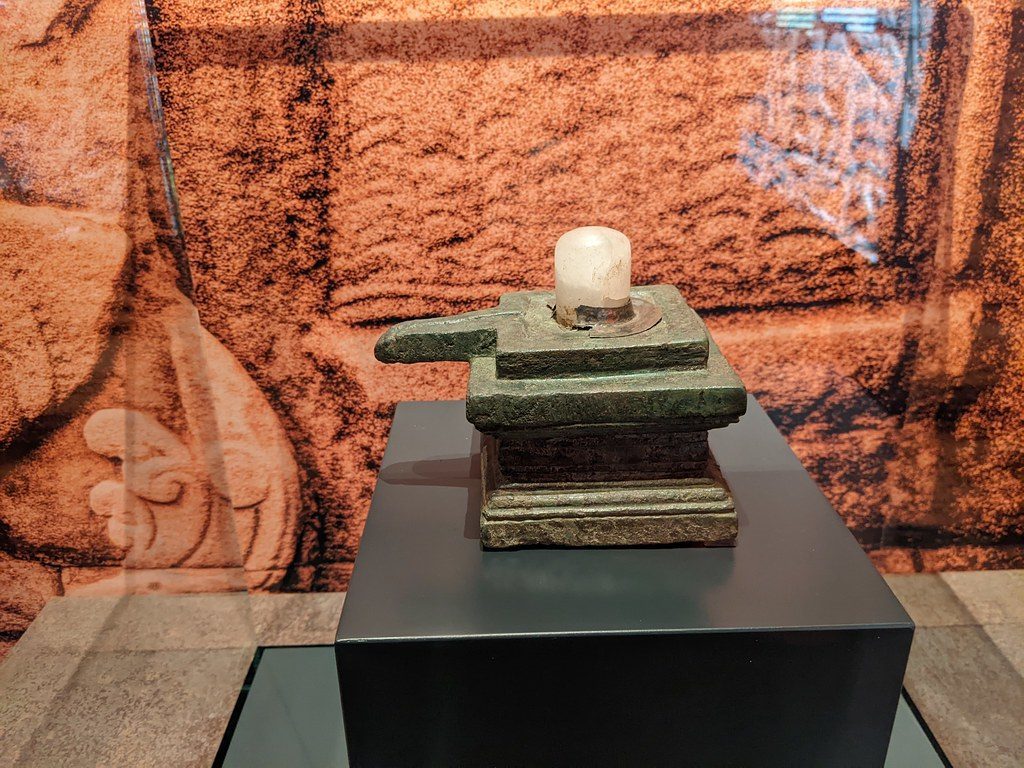
These artifacts represent more than just puzzling objects. They’re windows into lost worlds, forgotten technologies, and vanished civilizations that achieved things we still struggle to understand. Each one challenges our assumptions about human capability and ingenuity throughout history.
Whether they’re evidence of advanced ancient knowledge, lost technologies, or simply clever solutions we haven’t figured out yet, these mysterious artifacts continue to captivate researchers and enthusiasts alike. They remind us that history is far from a closed book, and that our ancestors may have been more sophisticated than we give them credit for.
What fascinates you most about these unsolved archaeological mysteries? Each artifact tells us that there’s still so much we don’t know about our past.


