
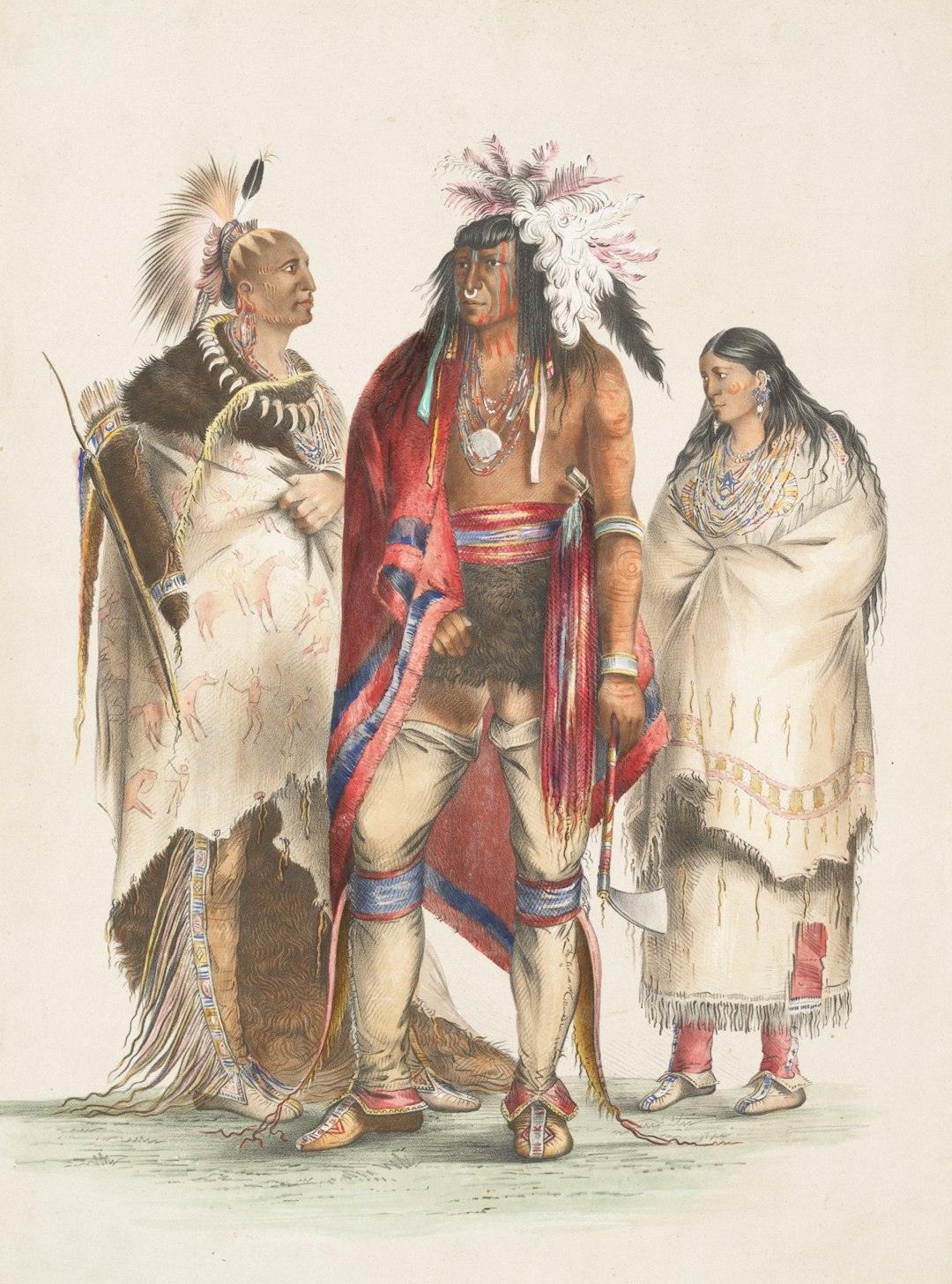
Across North America, Indigenous nations shaped vast landscapes, political systems, and scientific knowledge long before European contact, yet most of that story is still treated like a footnote. Archaeologists, geneticists, and historians are now filling in the gaps, revealing complex societies with cities, trade networks, and environmental engineering on a continental scale. At the same time, modern Native nations are fighting to protect sacred sites, revive nearly lost languages, and assert sovereignty in courtrooms and climate negotiations. The tension between erasure and rediscovery makes this a decisive moment: will these stories be frozen as museum exhibits, or recognized as living, evolving knowledge systems? To understand that choice, it helps to look closely at ten of the most historically and scientifically significant Native – and how their influence still ripples through the present.
The Hidden Cities: Mississippian Cultures and the Legacy of the Cherokee
The image of small, scattered Native villages collapses when you look at the Mississippian mound cities that once dominated what is now the southeastern United States. At sites like Cahokia, populations rivaled or exceeded many European cities of the same period, complete with planned plazas, earthen pyramids, and astronomical alignments. The ancestors of today’s Cherokee, and several neighboring nations, emerged from and interacted with this Mississippian world, inheriting political structures and trade routes that tied river valleys together. When I first walked a mound ridge in summer heat, it felt less like stepping into “prehistory” and more like wandering an unmarked capital city whose street signs have been erased. Scientists now use soil cores, ancient pollen, and isotopic analysis of bones to reconstruct diet, migration, and even social class within these societies.
For the Cherokee, that deep history collides with a much more recent trauma: forced removal along the Trail of Tears in the 1830s, a deadly relocation that scattered communities but did not end their nationhood. Today, Cherokee scholars work alongside archaeologists to reinterpret mound sites through Indigenous frameworks instead of colonial ones, asking not just what happened, but what obligations remain to ancestors buried in those places. Linguists mapping the Cherokee syllabary – devised in the early nineteenth century – see it as a rare example of a writing system created within a Native language community responding to rapid change. That combination of ancient urbanism, political endurance, and scientific collaboration makes the Cherokee story a kind of test case for how North America chooses to remember its own foundations.
From Ice Age Footprints to Modern Nations: The Deep Time of the Navajo (Diné)
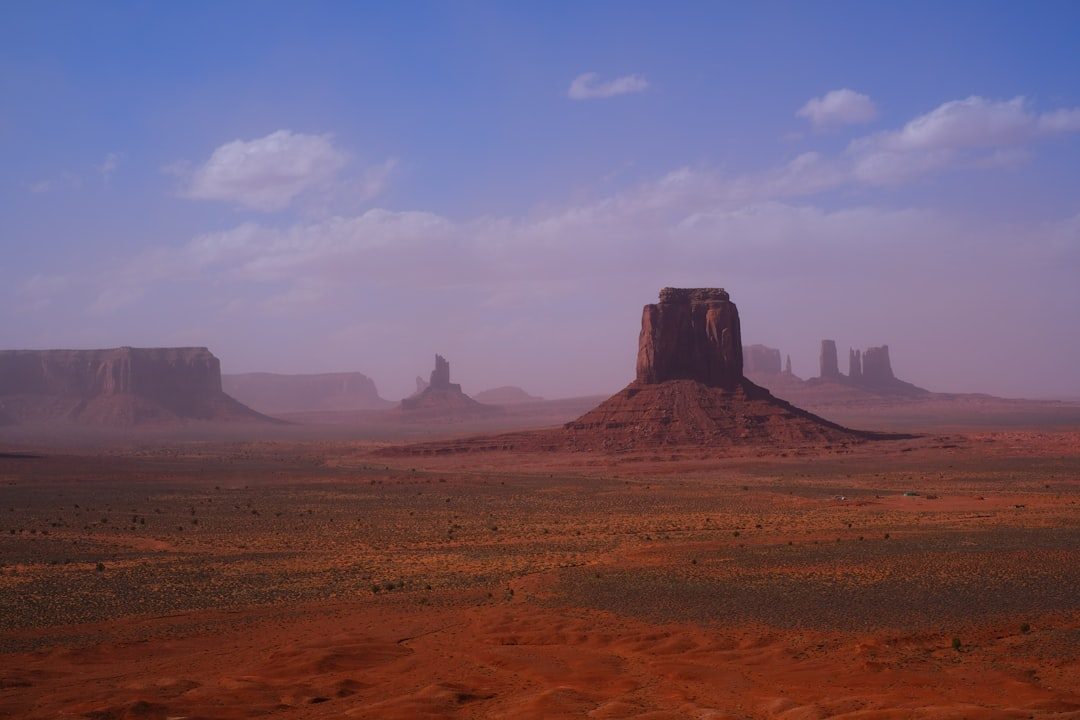
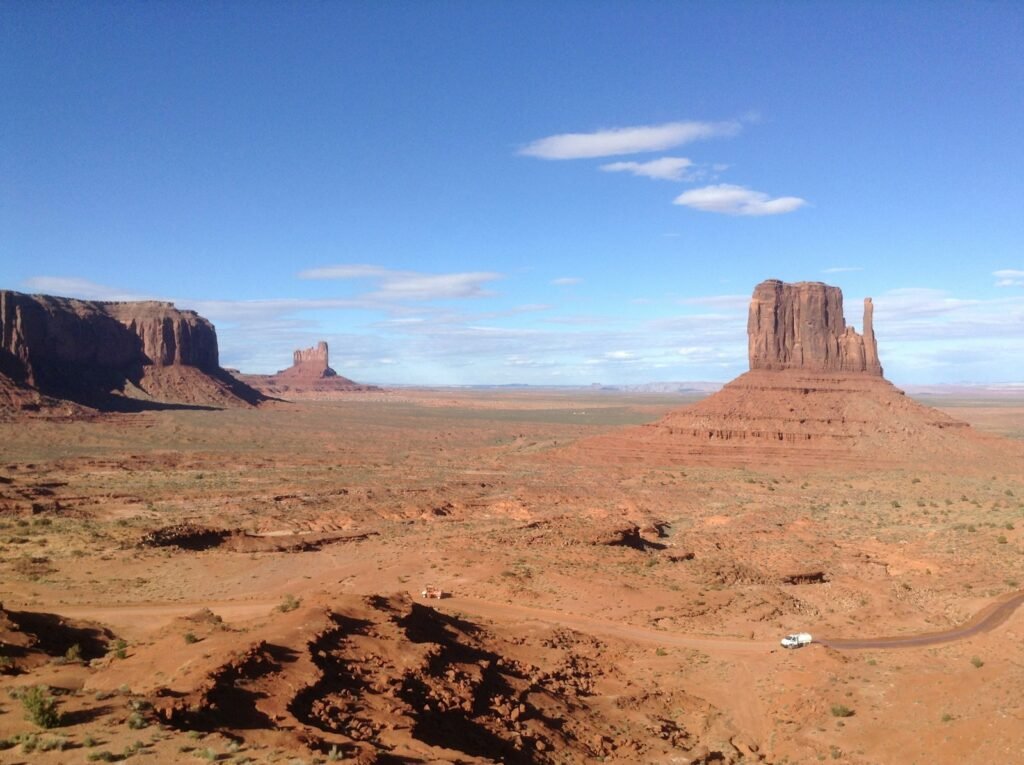
In the high deserts and canyons of the Southwest, the Navajo Nation spans a territory larger than several U.S. states, and its story stretches back into geological time. Rock art, ancient dwellings, and oral traditions link the Diné to ancestral peoples who navigated changing climates, megadroughts, and volcanic landscapes. Archaeologists and Navajo cultural experts work together to trace movements of Athabaskan-speaking peoples from the north into the Southwest, cross-checking oral histories with genetic and linguistic evidence. The result resembles a layered map, where migration paths and sacred stories line up with river corridors and mountain passes. It challenges the simplistic idea of “arrival” and instead shows a long, braided relationship with land.
Scientifically, the Navajo Nation has become a focal point in studies of environmental health and energy transition. Uranium mining during the twentieth century left a legacy of contaminated water and elevated cancer risks, and epidemiologists are still documenting those impacts while communities push for cleanup and justice. At the same time, Navajo engineers and planners are turning decommissioned coal plants into opportunities for large-scale solar development, reframing the idea of resource extraction into resource stewardship. Traditional Diné concepts of balance and harmony are increasingly part of conversations around water law and land restoration, not as nostalgic add-ons, but as practical frameworks for decision-making in arid environments.
River Engineers and Buffalo Diplomats: The Sioux (Lakota, Dakota, Nakota)
On the Great Plains, the Sioux nations – Lakota, Dakota, and Nakota – are often flattened into Hollywood images of riders chasing buffalo across endless grass. The real story is far more intricate, involving sophisticated diplomacy, ecological knowledge, and a hard-fought struggle over rivers and resources that continues into this decade. Historically, Sioux leaders negotiated with rival tribes and colonial governments using councils, gift economies, and complex kinship ties as a kind of political technology. When you read records of nineteenth-century treaty councils alongside Lakota oral histories, you see two parallel legal systems colliding, each with its own logic, and the consequences are still being argued in court.
Modern science has turned repeatedly to Sioux territories as flashpoints in environmental debates, most visibly during the Dakota Access Pipeline protests at Standing Rock. Hydrologists, climate scientists, and Indigenous water protectors stood side by side, arguing that pipeline routes threatened aquifers and river systems vital to millions downstream. Buffalo restoration projects on tribal lands function like living laboratories in rewilding: by reintroducing grazing herds, ecologists measure changes in plant diversity, soil carbon, and water retention. For many Sioux citizens, those bison are not just data points but relatives returning home, proof that cultural and ecological repair can be the same project.
Forest Scientists Before the Term Existed: The Haudenosaunee (Iroquois Confederacy)
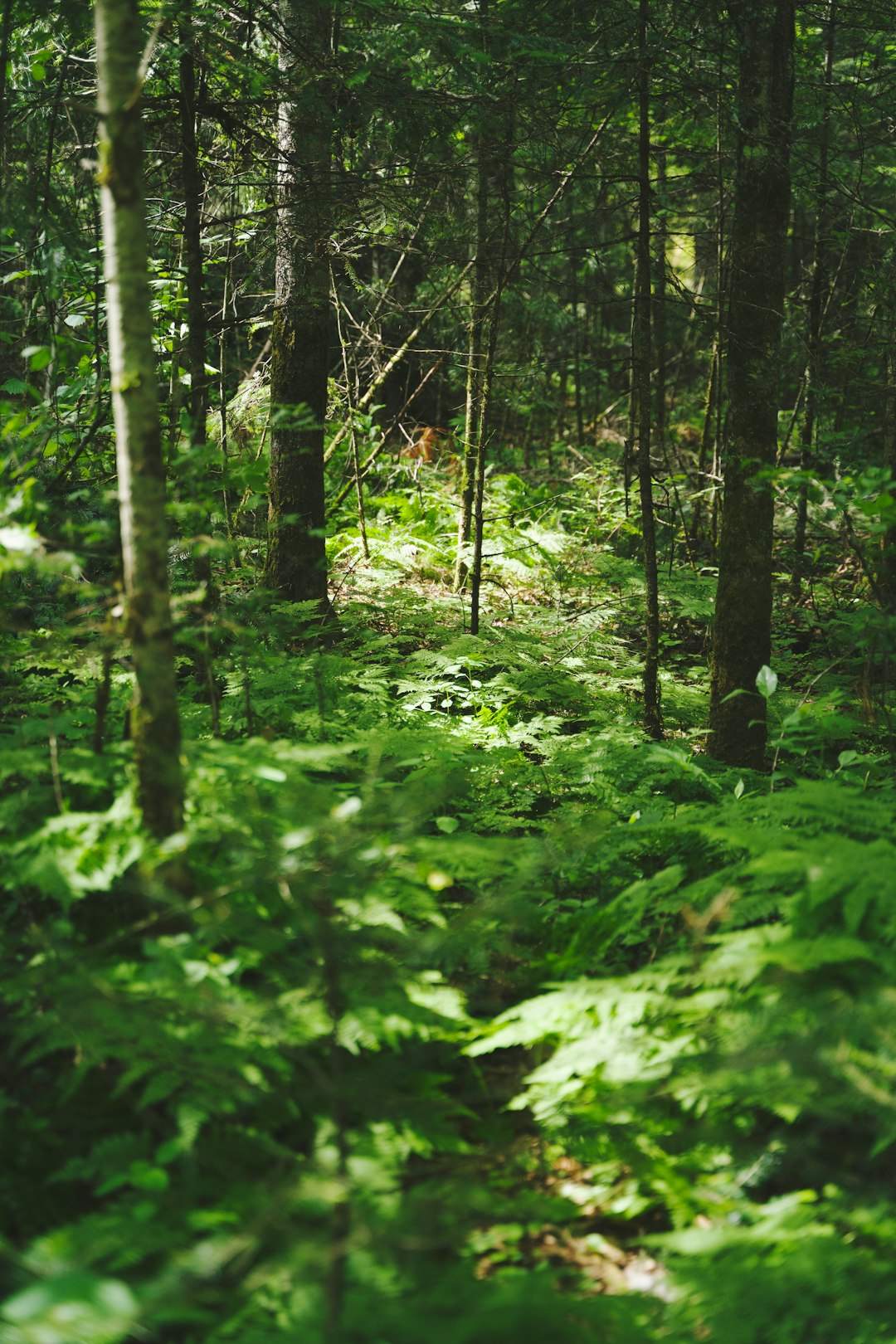
The Haudenosaunee Confederacy, often called the Iroquois Confederacy, stitched together multiple nations – including the Mohawk, Oneida, Onondaga, Cayuga, Seneca, and later the Tuscarora – into one of the most durable political alliances in North American history. Longhouse governance balanced local autonomy with collective decision-making, a structure that political theorists have compared to modern federal systems. But the Haudenosaunee were also, in a very real sense, early forest scientists. They used controlled burns, rotational agriculture, and selective harvesting to manage woodlands and fields, keeping ecosystems productive over long periods without the clear-cutting that would come later.
Contemporary ecologists studying eastern forests often find that plant distributions, tree age patterns, and soil compositions still bear the fingerprints of these precolonial management practices. When I first learned that what I thought of as “wild forest” in parts of New York and Ontario was more like an abandoned garden, it rewired my sense of what wilderness means. Haudenosaunee legal scholars now bring concepts like the “seventh generation” principle – evaluating decisions based on their impact far into the future – into environmental law discussions. That idea is not a vague spiritual metaphor; it is a rigorous time horizon that challenges short-term policymaking and corporate planning.
Ocean Highways and Cedar Science: The Haida and Pacific Northwest Coastal Nations
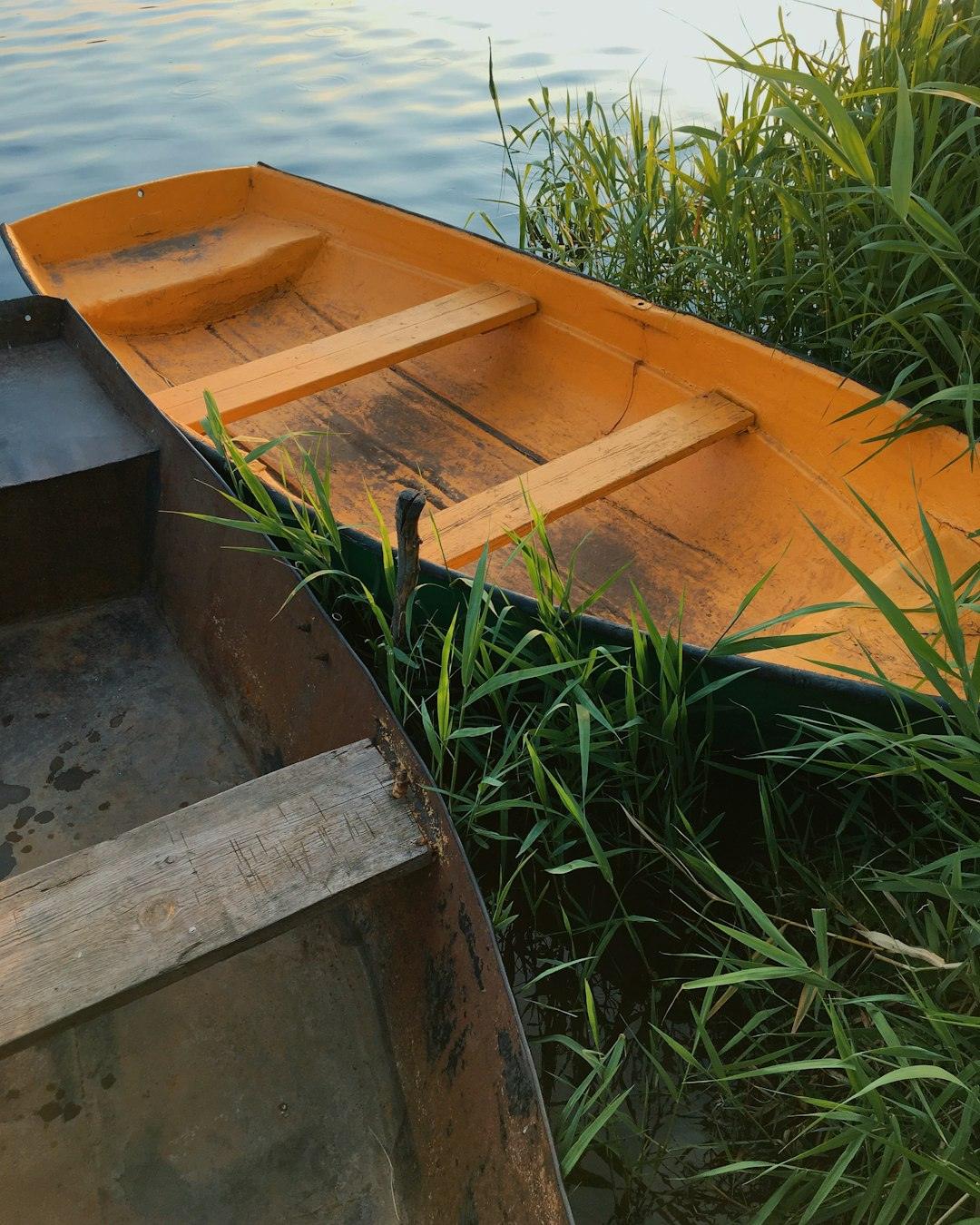
Along the misty coasts and islands of the Pacific Northwest, tribes like the Haida, Tlingit, and Coast Salish turned waterways into highways long before modern shipping lanes. Massive cedar canoes, carved from single logs, carried traders, diplomats, and warriors over distances that surprise many modern readers used to thinking of pre-industrial travel as slow and small-scale. Archaeologists have uncovered village sites with monumental architecture, social stratification, and art traditions that encode status, lineage, and ecological knowledge in form and color. The carved figures and patterns on poles and house fronts are not mere decoration; they are information systems, recording relationships between families, animals, and places.
Marine biologists and climate scientists are increasingly working with Pacific Northwest tribes to understand changing ocean conditions, from salmon runs to shellfish toxicity. Traditional knowledge of tides, spawning grounds, and seasonal cycles gives fine-grained data that satellite images alone cannot provide. You can think of it as a long-running observational study, logged not in spreadsheets but in stories, songs, and place names. As ocean temperatures rise and acidification alters coastal chemistry, tribal fisheries managers blend this inherited expertise with modern monitoring tools. The result is a form of adaptive management that recognizes humans not as outsiders to the ecosystem, but as participants with responsibilities.
Desert Engineers and Astronomers: The Ancestral Pueblo and the Hopi Connection
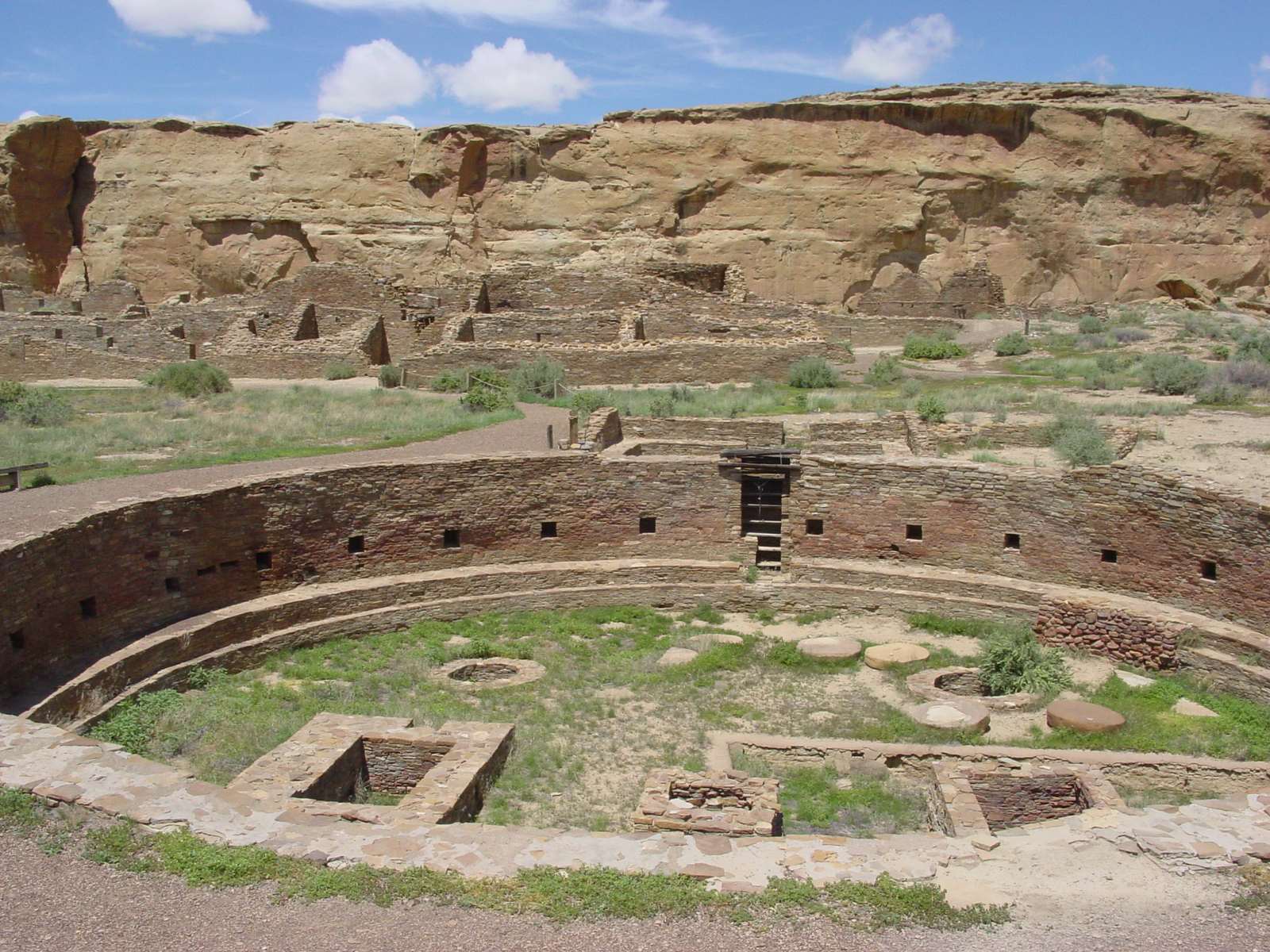
In the canyonlands and mesas of what is now the Four Corners region, stone cities like Chaco Canyon and cliff dwellings like Mesa Verde tell the story of Ancestral Pueblo peoples who engineered their world with astonishing precision. Multi-story buildings aligned with solstices and lunar standstills suggest a deep engagement with the night sky, turning architecture into a calendar you could walk through. Complex road networks radiated from Chaco like spokes on a wheel, some straight enough to be visible from space, connecting outlying communities in a regional system. When I visited a small kiva ruin for the first time, the carved niches and light shafts felt less like relics and more like carefully tuned instruments waiting for the right season.
Many modern Pueblo tribes, including the Hopi and Zuni, trace cultural and spiritual connections to these ancestral sites, blending continuity and adaptation over centuries of droughts, migrations, and colonial pressures. Hydrologists and archaeologists working together have shown how ancient check dams, terraces, and water-control structures allowed farmers to coax crops from marginal lands under highly variable rainfall. That knowledge is suddenly relevant again as western reservoirs drop and cities scramble to renegotiate water rights. Hopi farmers experimenting with traditional dry-farming practices in experimental plots are essentially running real-world climate adaptation trials, guided by teachings passed down through families. Their success or failure carries both scientific and cultural weight.
Why It Matters: Rethinking Science, History, and Who Gets to Be an Expert
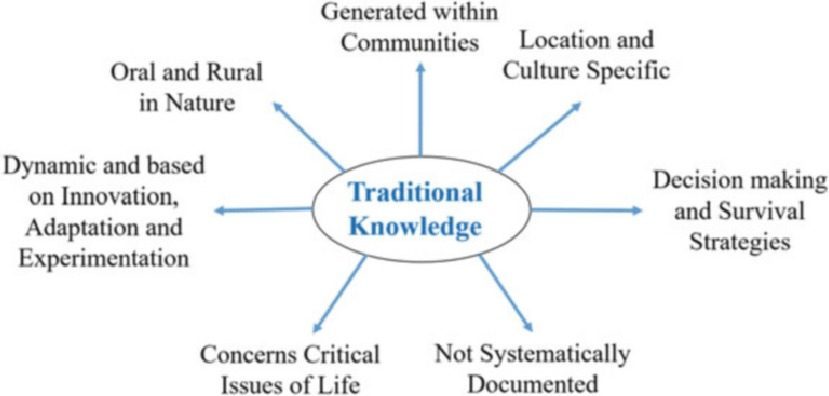
Focusing on these ten significant tribes is not about ranking cultures like sports teams; it is about exposing how narrow the usual storyline has been. For generations, textbooks framed Indigenous peoples as background characters in a European drama, briefly appearing in the “pre-contact” chapter before vanishing into the past. Yet modern research in genetics, climatology, archaeology, and linguistics keeps confirming that Native societies were not only dynamic and complex, but also active shapers of continents. Forests, rivers, and grasslands we often call “natural” turn out to be the results of long-term Indigenous management and decision-making. It is as if a supposedly untouched gallery wall suddenly revealed the signature of the artist who had been there all along.
This matters far beyond historical curiosity. When policymakers debate wildfire strategies, drought plans, or biodiversity targets, Indigenous nations bring centuries of tested practice to the table. Ignoring that knowledge is like trying to fix a plane with half the engineering manual ripped out. Comparing older, extractive approaches – clear-cut logging, rigid dam projects, monoculture farming – with relational strategies rooted in care and reciprocity shows starkly different outcomes for resilience. Recognizing Native expertise does not romanticize the past; it expands the toolbox for surviving a rapidly changing planet.
The Future Landscape: Sovereignty, Technology, and Climate Frontlines

Looking ahead, Native tribes across North America sit at the crossroads of some of the century’s biggest scientific and political questions. Climate change is hitting many reservations first and hardest, from coastal erosion in Alaska to megadrought in the Southwest, pushing communities into emergency experiments in adaptation. At the same time, renewable energy developers are eyeing tribal lands for wind, solar, and critical mineral projects, reviving long-standing tensions over who benefits and who bears the risks. Some nations are negotiating equity stakes and strict environmental standards, effectively becoming co-designers of the clean energy transition rather than sacrifice zones. The outcome will shape not only local livelihoods but also national climate trajectories.
New tools – drones, satellite imagery, genomic sequencing – are increasingly being deployed by Indigenous-led research teams rather than only by outside academics. That shift in who holds the data and frames the questions may be one of the most important, if quietly unfolding, revolutions in North American science. We may see more tribal governments asserting authority over research permits, sacred site protection, and carbon markets, treating knowledge and ecosystems as intertwined sovereignties. In that sense, the future of environmental science on this continent may depend on repairing relationships with the very nations that managed it longest.
How to Engage: From Curiosity to Concrete Support
For readers who feel both fascinated and unsettled by these stories, the next steps do not have to be abstract. One simple starting point is to learn whose land you live on and how that nation describes its own history and present, not just how it appears in older textbooks. Tribal museums, cultural centers, and online language programs often welcome non-Native visitors and learners, as long as they approach with respect and a willingness to listen more than they speak. Supporting Indigenous-led conservation or legal defense organizations, even with modest recurring donations, can amplify efforts to protect sacred sites, rivers, and species. Think of it as paying into a repair fund for systems you already rely on, whether you realized it or not.
In daily life, amplifying Native voices – by reading Indigenous authors, citing Native scientists, and sharing their work – helps shift who gets seen as an expert in public conversations. When debates arise over pipelines, national parks, or climate policy, asking whose treaties, lands, and knowledge are at stake can reframe the issue in a more honest way. The story of North America is not finished, and neither is the science emerging from its oldest nations. The question now is less about what was lost and more about what kind of future becomes possible when those long-silenced perspectives are treated as central rather than peripheral.
Suhail Ahmed is a passionate digital professional and nature enthusiast with over 8 years of experience in content strategy, SEO, web development, and digital operations. Alongside his freelance journey, Suhail actively contributes to nature and wildlife platforms like Discover Wildlife, where he channels his curiosity for the planet into engaging, educational storytelling.
With a strong background in managing digital ecosystems — from ecommerce stores and WordPress websites to social media and automation — Suhail merges technical precision with creative insight. His content reflects a rare balance: SEO-friendly yet deeply human, data-informed yet emotionally resonant.
Driven by a love for discovery and storytelling, Suhail believes in using digital platforms to amplify causes that matter — especially those protecting Earth’s biodiversity and inspiring sustainable living. Whether he’s managing online projects or crafting wildlife content, his goal remains the same: to inform, inspire, and leave a positive digital footprint.