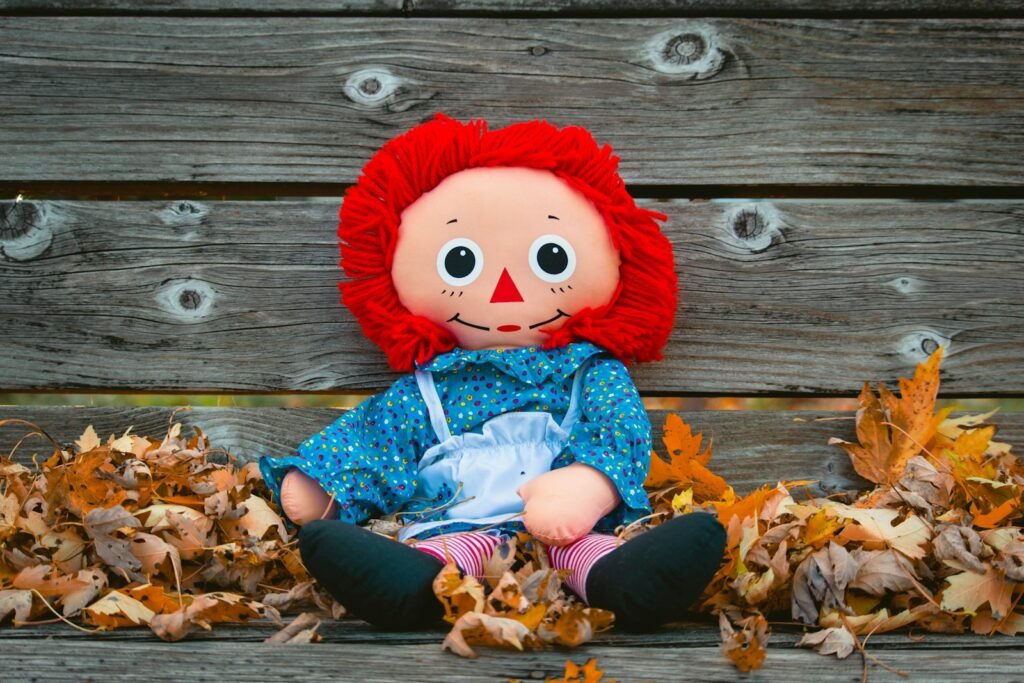

Most people think of ghosts as tied to places: a creaking house, a lonely road, a ruined hospital. But some of the most chilling stories in paranormal research cling not to buildings, but to objects small enough to sit on a shelf or hang on a wall. From dolls and chairs to paintings and stones, these items have become lightning rods for fear, folklore, and – more recently – scientific curiosity. Are they really cursed, or are they just perfect mirrors for our deepest anxieties and patterns of belief? As investigators bring sensors, psychology, and even machine learning into the haunted-object world, the line between superstition and study is getting unexpectedly blurry.
Robert the Doll: The Smiling Face That Watches Back
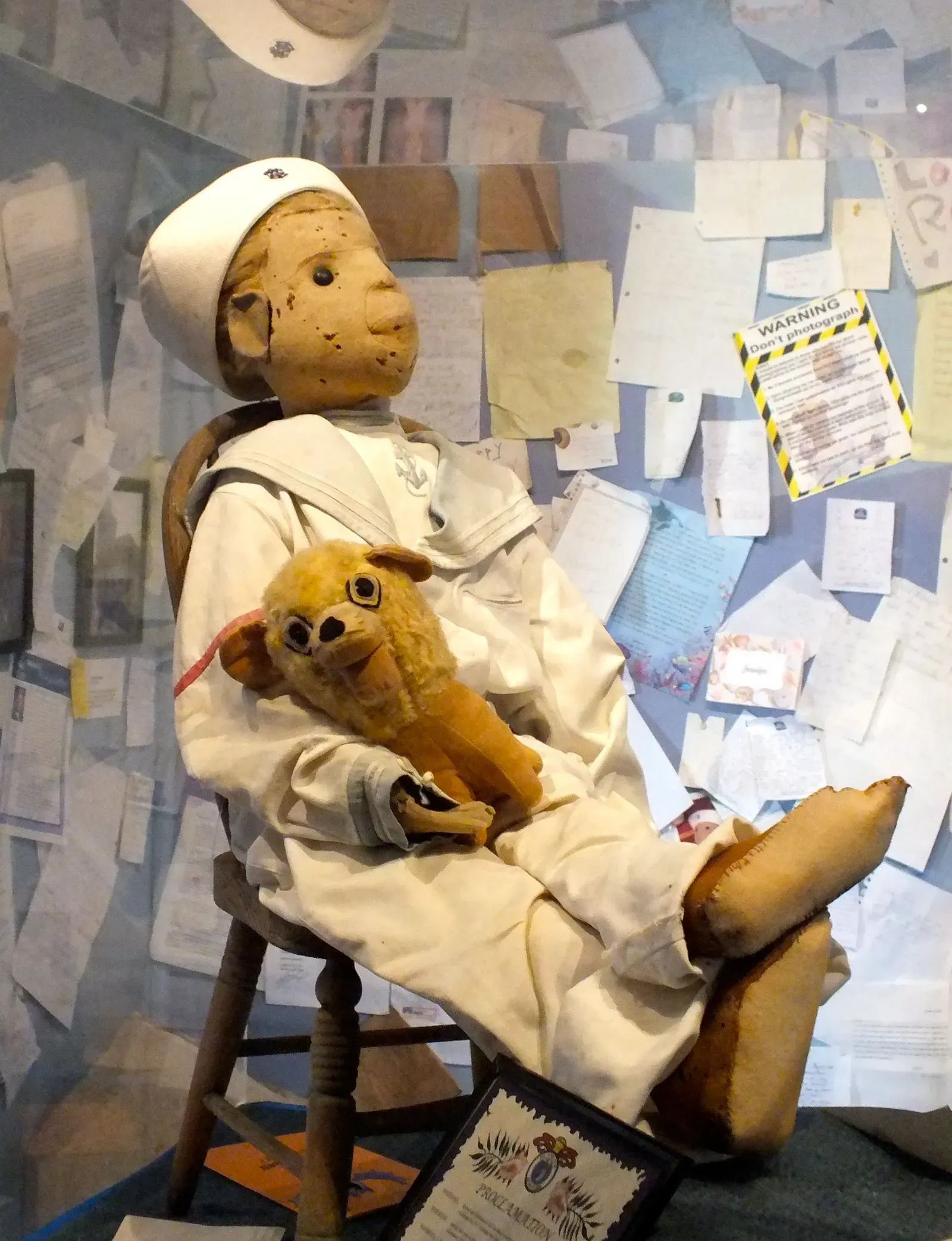
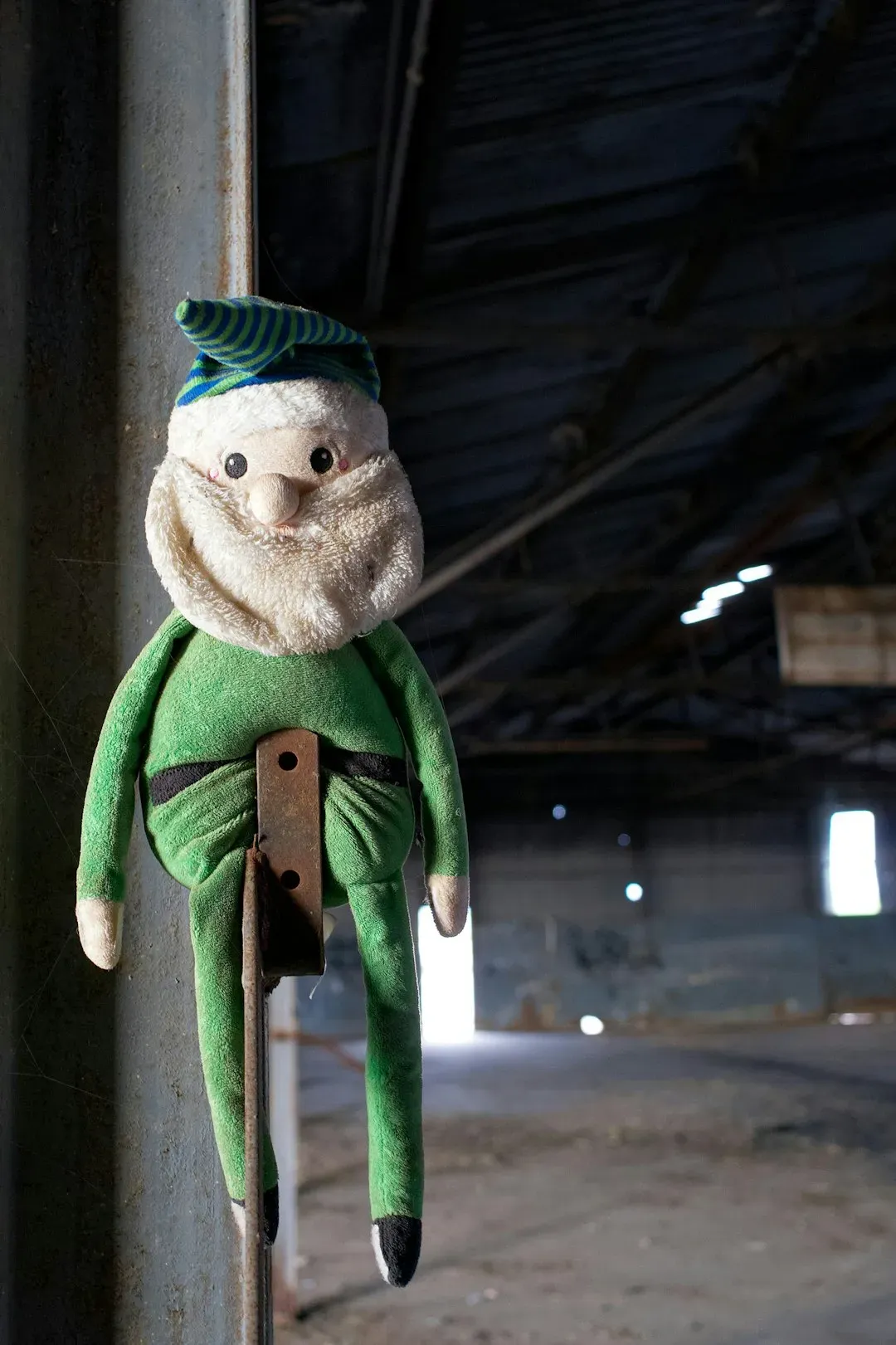
It is hard to imagine that one of ’s most feared objects is a child-sized doll dressed in a sailor suit, but anyone who has stood in front of Robert the Doll in Key West, Florida, understands why he leaves people unsettled. The early twentieth century toy, linked to artist Robert Eugene Otto, is surrounded by decades of stories about unexplained footsteps, giggles, and moving facial expressions. Museum staff report that visitors who mock or photograph Robert without “asking permission” later write back with apologies, blaming accidents, breakups, or health crises on their disrespect. Whether you take that literally or not, the pattern itself is striking – humans love to connect misfortune to a clear, tangible cause.
Paranormal researchers have used cameras, audio recorders, and electromagnetic field (EMF) meters around Robert, collecting anomalies that skeptics attribute to electrical interference and expectation bias. Psychologists, on the other hand, see Robert as a living lab in how suggestion works: if you tell someone an object is cursed, they scan their life for anything that fits the story. In a way, Robert’s power comes less from what he is and more from what people bring to him – fear, guilt, and the uneasy feeling that some childhood toys should never have survived into adulthood.
Annabelle: From Movie Monster to Locked Museum Relic
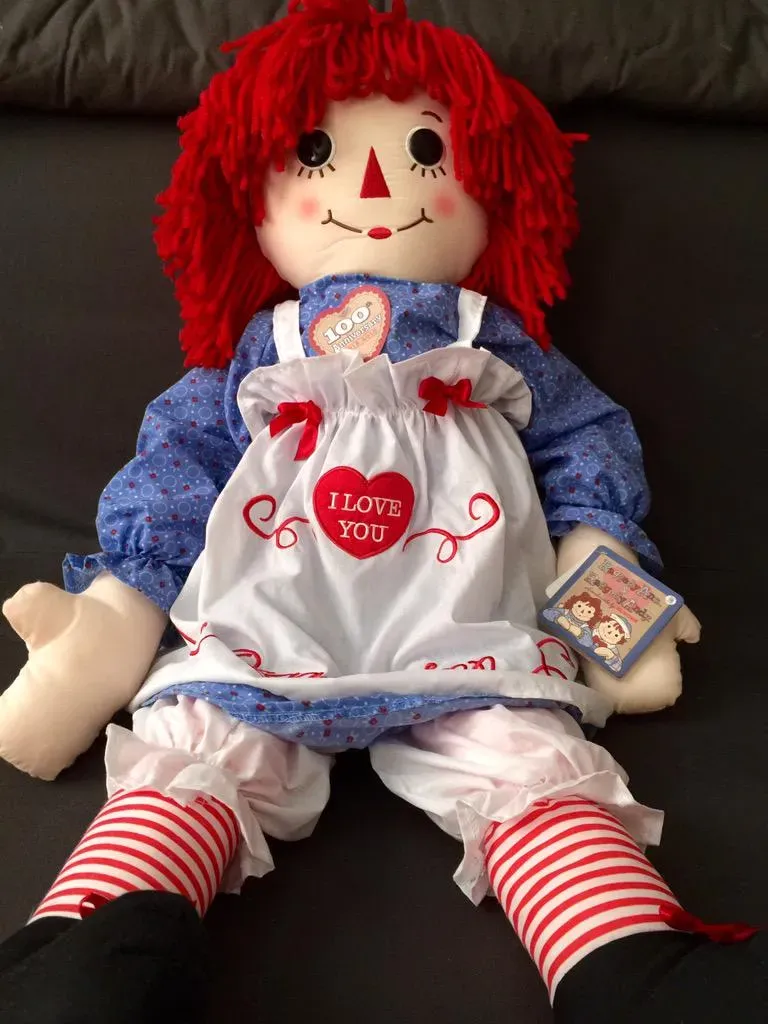
If you have seen horror films about a porcelain doll named Annabelle, the real object may surprise you: it is actually a soft, wide-eyed Raggedy Ann doll sealed in a wooden case in Connecticut. The story that grew around Annabelle in the 1970s involved a nursing student, strange notes, claims of violent attacks, and the intervention of well-known paranormal investigators Ed and Lorraine Warren. Over time, the doll became a kind of celebrity of fear, inspiring countless adaptations and internet rumors. The Warrens’ museum, now closed to the public, helped cement the idea that some items are so dangerous they must be physically contained.
From a scientific perspective, Annabelle is a textbook example of how narratives evolve when there is limited documentation and high emotional investment. Each retelling adds or sharpens details, and our brains rarely track which pieces are supported and which are embellishment. Interestingly, controlled tests in similar “haunted” environments show that many reported sensations – cold spots, the feeling of being watched, tingling – can appear simply when people are primed to expect them. That does not make believers’ experiences fake, but it does suggest that haunted objects like Annabelle sit at the intersection of environmental cues, storytelling, and brain chemistry.
The Dybbuk Box: A Wine Cabinet Turned Internet Legend
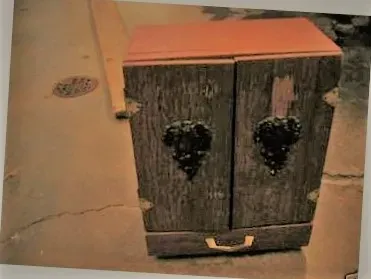
The Dybbuk Box story began with an online auction listing about an antique wine cabinet supposedly containing a malevolent spirit from Jewish folklore. The seller described a chain of misfortune, illness, and accidents that followed the object, and that narrative spread rapidly through early social media and paranormal forums. Later, researchers and journalists uncovered inconsistencies, and the original creator admitted crafting parts of the story. Still, the box now lives in a Las Vegas museum of haunted objects and continues to frighten visitors with its dark reputation and carefully curated display.
This case shows how easily modern technology can amplify haunted-object lore. A single dramatic listing can turn a random antique into a global phenomenon, with each new owner adding an extra layer of fear or skepticism. Folklorists point out that dybbuk tales traditionally focused on lessons about morality, identity, and community responsibility. In its new form, the Dybbuk Box has become a lesson in something else: how online storytelling, viral marketing, and our fascination with cursed objects can create a myth faster than traditional ghost stories ever could.
The Chair of Death: When a Seat Becomes a Sentence
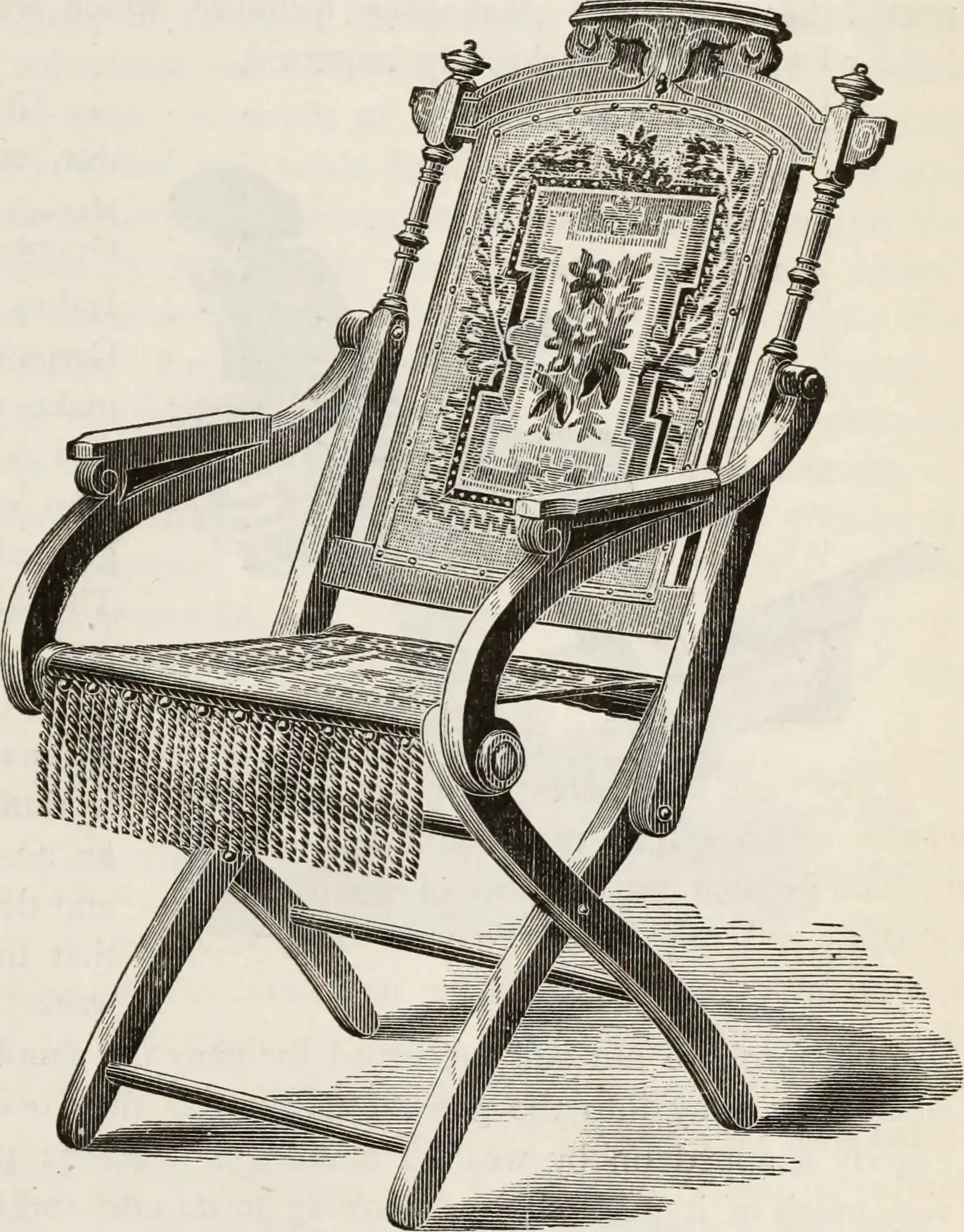
In an English pub, an old wooden chair once gained a reputation so dark that staff eventually hung it from the ceiling to prevent anyone from sitting in it. According to local legend, the original owner cursed the chair so that anyone who rested there would soon meet an untimely death. Over the decades, stories accumulated of soldiers, workers, and visitors who supposedly sat in the chair and later died in accidents or war. The list is long enough, and tragic enough, that the chair is now treated less like a piece of furniture and more like a potential weapon.
Statistically, when a popular legend lasts for generations and enough people interact with the associated object, unlucky coincidences are bound to happen. Our brains are wired to notice and remember these hits more than the many people who sat safely and lived out normal lives. At the same time, there is a subtle behavioral effect: if people who sit in the “cursed” chair act more nervously, they may make different choices, drive more anxiously, or overlook hazards, which can in rare cases lead to real accidents. In that sense, the curse operates not through the wood itself, but through the expectations it plants in anyone who knows its story.
The Anguished Man Painting: Art, Fear, and Suggestion
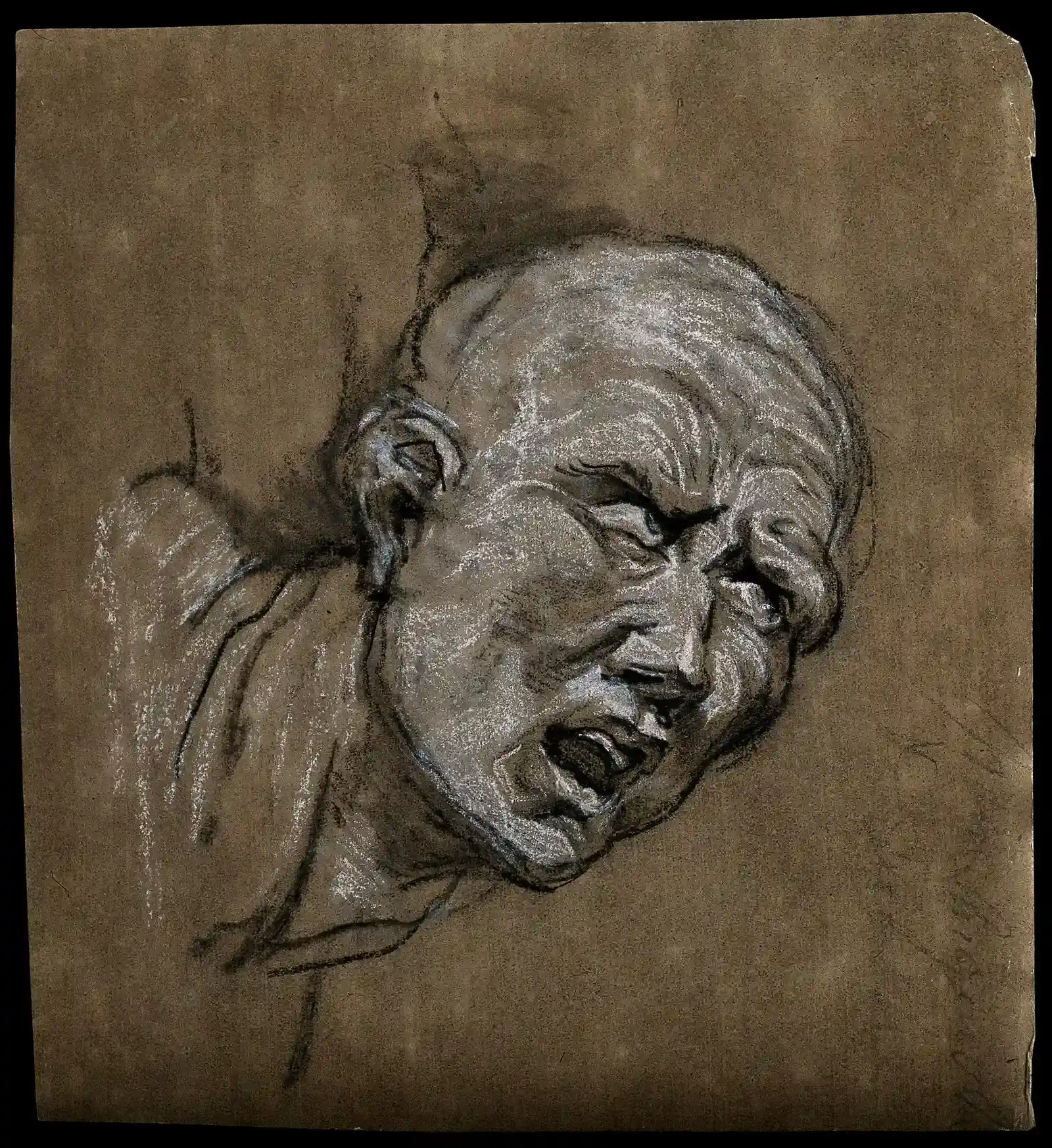
Few images spread online as eerily as the so-called Anguished Man painting, a disturbing portrait that allegedly causes strange noises, moving shadows, and feelings of dread in any home where it hangs. The owner’s story – claiming the artist mixed their own blood into the paint – was impossible to verify, but that did not stop videos, forums, and investigators from treating the canvas as a paranormal hotspot. In low light, the smeared face and raw colors play directly on the brain’s tendency to see meaning and emotion in even crude representations. When you already know that the painting is “dangerous,” every flicker of light or house creak easily feeds the fear.
Neuroscientists have shown that threatening faces and distorted expressions activate the amygdala, the brain region linked to fear, even when we are only half paying attention. That makes a painting like this a kind of emotional amplifier: it keeps viewers in a slightly elevated state of alertness. Combine that with late-night viewing, tired eyes, and the suggestion that something supernatural is happening, and sleep disruption and vivid dreams are almost guaranteed. Haunting, in this case, may be less about spirits in the paint and more about chemistry in the viewer’s brain.
Busby’s Stoop Chair: A Pub Relic Wrapped in War-Time Tragedy
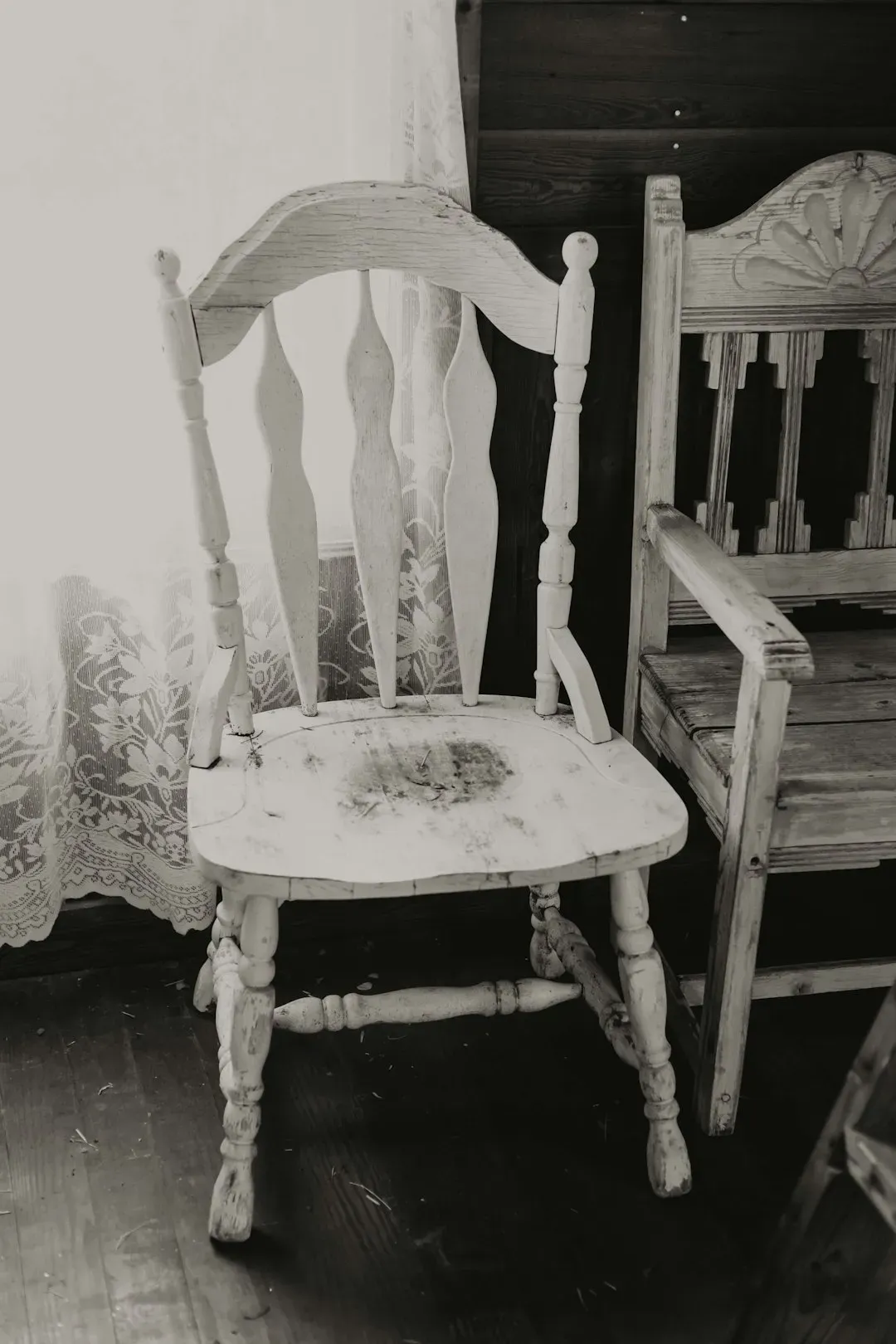
Another infamous seat, often confused with other cursed chairs, is Busby’s Stoop Chair, connected to an early eighteenth century criminal in England. The story claims that the condemned man cursed the chair in a final outburst of rage, and that later, soldiers and pilots who chose that seat in a local pub did not return from battle. During the twentieth century, as war casualties mounted, people looked back and linked certain deaths to time spent in the chair, lending it a sinister legend. Eventually, the chair was moved to a museum and suspended to prevent further use.
From a research standpoint, Busby’s Stoop Chair offers a window into how war and grief shape ghost stories. In times of large-scale loss, communities search for patterns that turn chaotic tragedy into a narrative with causes and warnings. Saying that a cursed object “claimed” someone can feel strangely comforting because it makes the loss part of a story instead of random misfortune. While there is no evidence that the wood or nails of the chair carry any unusual energy, the fear it inspires is tangible – and that fear continues to influence how the object is handled, preserved, and discussed.
Haunted Mirrors: Reflections, Hallucinations, and History
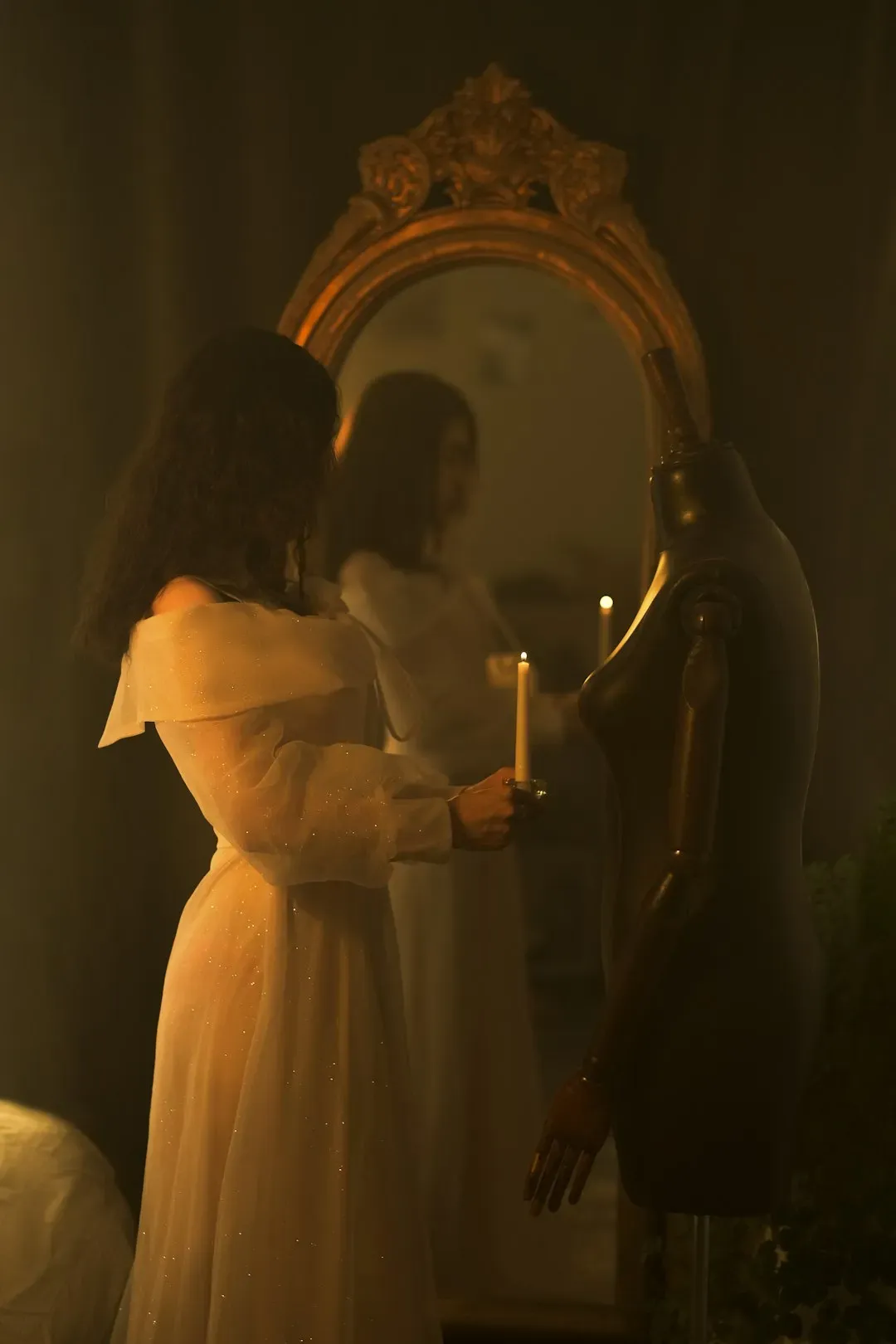
Unlike named dolls or chairs, haunted mirrors form a whole category of cursed objects reported around . People describe seeing faces behind their own reflection, shadows darting, or scenes playing out in the glass that do not match the room. Victorian death customs, which sometimes involved covering or turning mirrors after a passing, helped cement the idea that reflective surfaces could trap or reveal spirits. Antique mirrors, with their spotted glass and warped surfaces, easily create the illusion of moving shapes where none exist.
Modern experiments in low-light mirror gazing have produced surprisingly intense experiences even in controlled settings, with participants reporting distorted self-images and perceived presences after staring for ten minutes or more. Researchers attribute this to a mix of visual adaptation, pareidolia, and the brain’s constant effort to fill in missing details. When a mirror already has a reputation as haunted, those effects can feel like confirmation instead of optical and neurological quirks. The result is an object that seems to stare back, turning a simple piece of décor into a stage for the mind’s strangest tricks.
Why Haunted Objects Still Matter in a Scientific Age
On the surface, it is easy to dismiss haunted objects as leftover superstition in a world of satellites and quantum computers, but that ignores what they reveal about how humans think. Each cursed doll, chair, or painting is really a condensed story about fear, responsibility, and the craving for control when life feels random. When something terrible happens, linking it to an object – rather than pure chance – can make feel more understandable, even if it also makes it scarier. That psychological move is powerful enough that it shapes behavior, from avoiding certain heirlooms to treating museum artifacts with ritual-like care.
For scientists, haunted objects are less about proving ghosts and more about studying suggestion, memory, and the social life of stories. They provide natural experiments in how expectations change perception, and how rumors, media, and design choices influence what people feel in a space. In my own reporting, I have watched perfectly rational adults walk into a “cursed” room with visible tension, heart rates rising, simply because they knew the label on the door. Whether anything supernatural is involved or not, the impact on real bodies and decisions is unmistakable, which makes these objects relevant far beyond the paranormal community.
The Future of Investigating Cursed and Haunted Items
As ghost hunting shows fill streaming platforms, researchers are quietly upgrading their toolkits for studying alleged haunted objects. Sensitive environmental sensors now log temperature, humidity, air pressure, and electromagnetic fluctuations around artifacts, looking for natural triggers that might explain reported phenomena. Audio and video systems feed into algorithms that flag unusual spikes or patterns, helping separate equipment glitches from genuinely unexplained events. At the same time, psychologists design blind experiments where participants do not know whether an object has a haunted reputation, testing how much suggestion shapes their experience.
There is also a growing ethical conversation about how we display and market these items, especially when their stories involve real tragedies, crimes, or marginalized communities. Museums and private collectors face hard questions about whether sensational haunted branding respects the people behind the legends. In the years ahead, we are likely to see more collaborations between skeptics, believers, and academics, if only because haunted objects are such effective magnets for public curiosity. The outcome may not be a final verdict on ghosts, but a sharper understanding of how the stories we attach to things can change what we feel, fear, and even remember.
How to Engage Critically With Haunted Object Stories
For readers fascinated by haunted objects, there are simple ways to stay curious without getting lost in hype. Start by treating each new cursed-item story like an unsolved puzzle: what is known from records, what comes from first-person memory, and what only appears in later retellings. Pay attention to how your own body reacts when you see or read about these objects – does your heart rate change, do you feel a chill, do you start scanning for patterns in your life afterward. That self-observation can be surprisingly grounding, turning fear into data about your own nervous system.
It also helps to support venues and creators who present these artifacts with transparency, acknowledging both the legend and the gaps in the evidence. If you visit a museum of haunted items, ask how they verify stories, preserve objects, and protect the privacy of people involved. You can follow scientific work on perception, suggestion, and paranormal claims, which often reveals that the human brain is far stranger than most ghost plots. In the end, the most haunted object might be the mind itself, always looking for meaning in every creak, shadow, and faded face in the glass.
Suhail Ahmed is a passionate digital professional and nature enthusiast with over 8 years of experience in content strategy, SEO, web development, and digital operations. Alongside his freelance journey, Suhail actively contributes to nature and wildlife platforms like Discover Wildlife, where he channels his curiosity for the planet into engaging, educational storytelling.
With a strong background in managing digital ecosystems — from ecommerce stores and WordPress websites to social media and automation — Suhail merges technical precision with creative insight. His content reflects a rare balance: SEO-friendly yet deeply human, data-informed yet emotionally resonant.
Driven by a love for discovery and storytelling, Suhail believes in using digital platforms to amplify causes that matter — especially those protecting Earth’s biodiversity and inspiring sustainable living. Whether he’s managing online projects or crafting wildlife content, his goal remains the same: to inform, inspire, and leave a positive digital footprint.