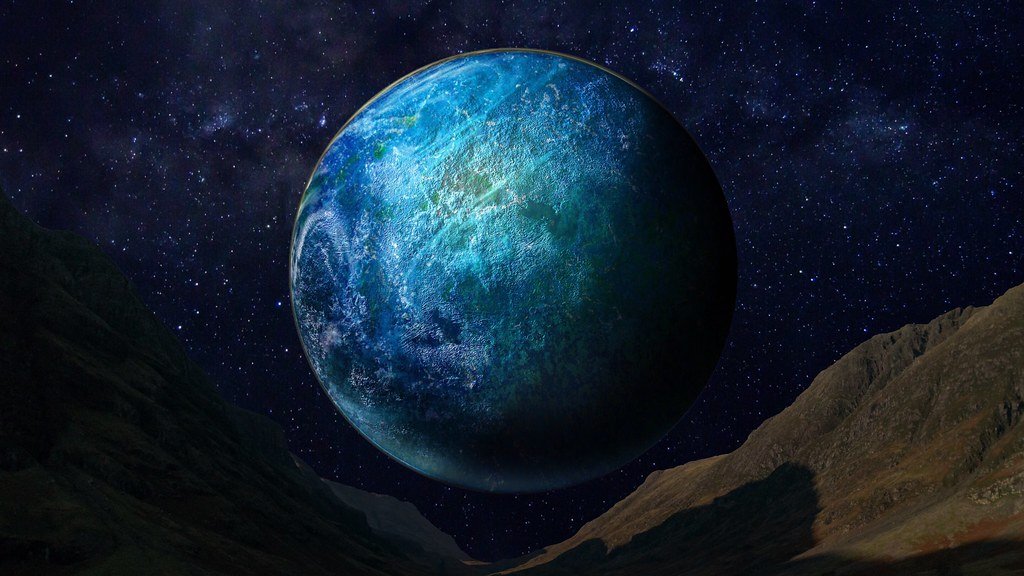

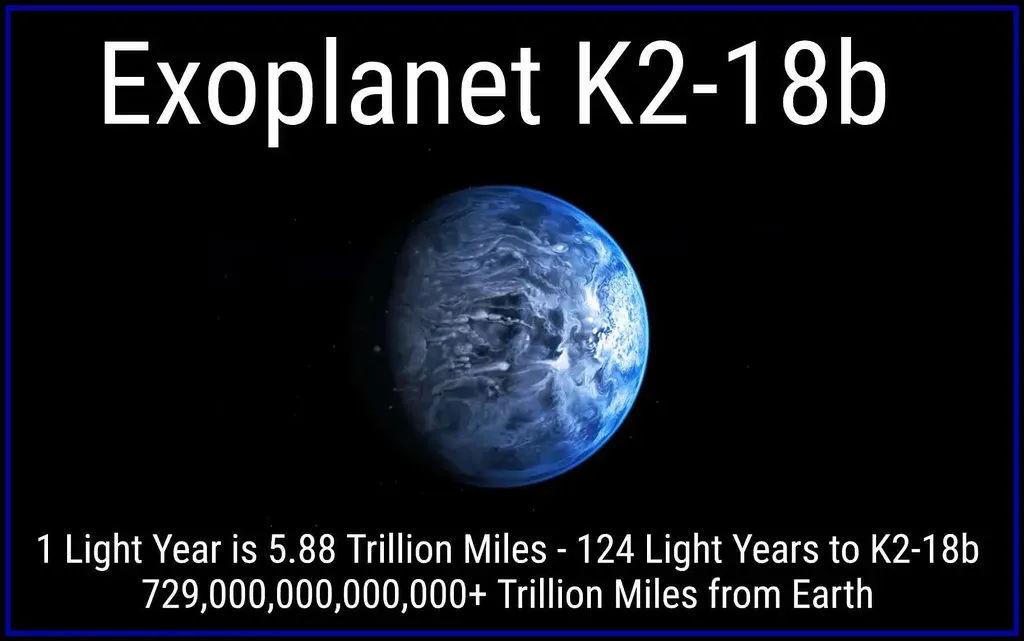
Somewhere out there, 124 light-years away in the constellation of Leo, a strange and ocean-draped world drifts quietly around a dim red star. It is not the kind of planet you would draw if someone asked you to sketch an alien world. It is bigger than Earth, smaller than Neptune, and wrapped in a hydrogen-rich atmosphere that smells faintly of the sea. Honestly, if someone had described this planet to you ten years ago, you probably would have laughed it off.
Yet here we are. Scientists using the most powerful space telescope ever built have found chemical signals in this planet’s atmosphere that, on Earth, only one thing produces: life. The world is called K2-18b, and in 2025 it became the most talked-about planet outside our solar system. It sparked headlines, fierce debates, cautious excitement, and more than a few sleepless nights for astrobiologists around the globe. So what exactly do we know? Let’s dive in.
1. K2-18b Was Discovered by a Half-Blind Telescope
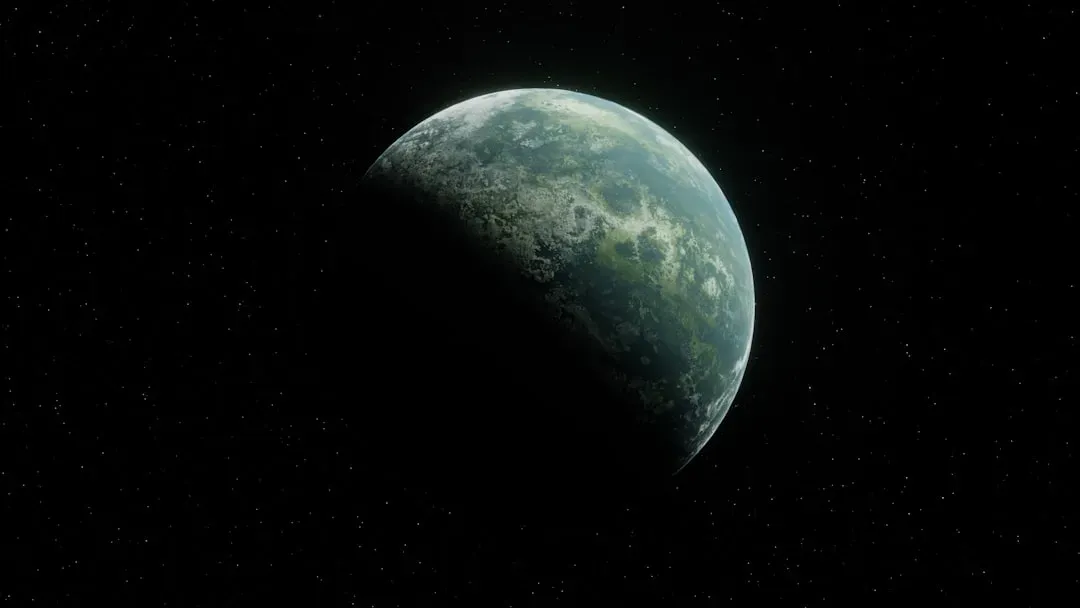
K2-18b was discovered in 2015 by the Kepler satellite during its K2 mission phase, when the satellite operated with only two of its four gyroscopes. Think about that for a moment. Humanity’s first glimpse of one of its most promising alien worlds came from a telescope that was essentially limping along, half of its stabilizing equipment gone. It is a bit like spotting a needle in a haystack while wearing only one eye patch.
The planet’s name is K2-18b, meaning it is the first planet in the 18th planetary system found by the extended NASA Kepler mission, K2. Astronomers assign the “b” label to the first planet in the system, not “a,” to avoid possible confusion with the star. A small naming detail, yes, but one that reveals how methodical and vast our catalog of exoplanets has become. The planet’s existence was later confirmed with the Spitzer Space Telescope and through Doppler velocity techniques.
2. It Is a Totally New Kind of Planet Unlike Anything in Our Solar System
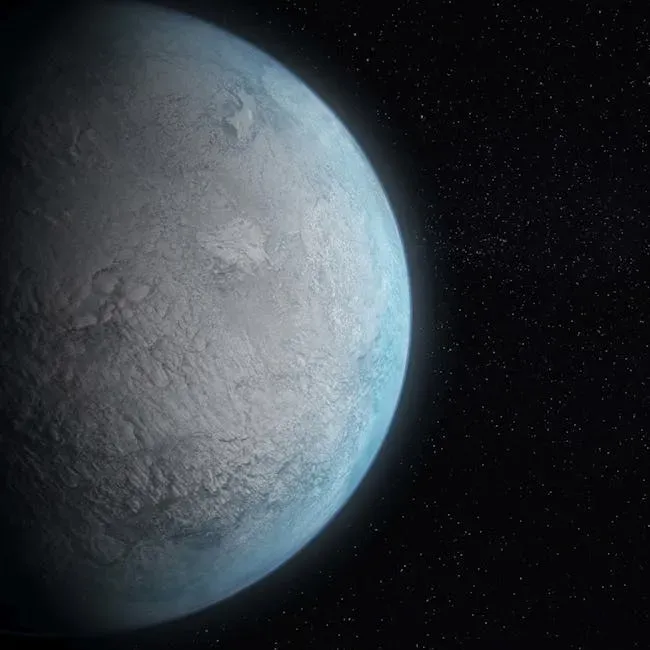
The planet is smaller than Neptune but bigger than Earth, and belongs to a mysterious class of planets not found in our own solar system. This matters enormously. We have no reference point for it. There is no K2-18b in our cosmic backyard, no planetary cousin to compare it to. Imagine being a zoologist who has only ever seen mammals suddenly encountering a creature that is half fish, half bird.
It is about eight times more massive than Earth, and it has a volume that’s about 18 times larger. This means that it’s only about half as dense as Earth. In other words, it must have a lot of water, which isn’t very dense, or a very big atmosphere, which is even less dense. K2-18b has been studied as a potential habitable world that, temperature aside, more closely resembles an ice giant like Uranus or Neptune than Earth. The more you learn about this place, the weirder and more fascinating it gets.
3. It Sits Perfectly in the Habitable Zone of Its Star
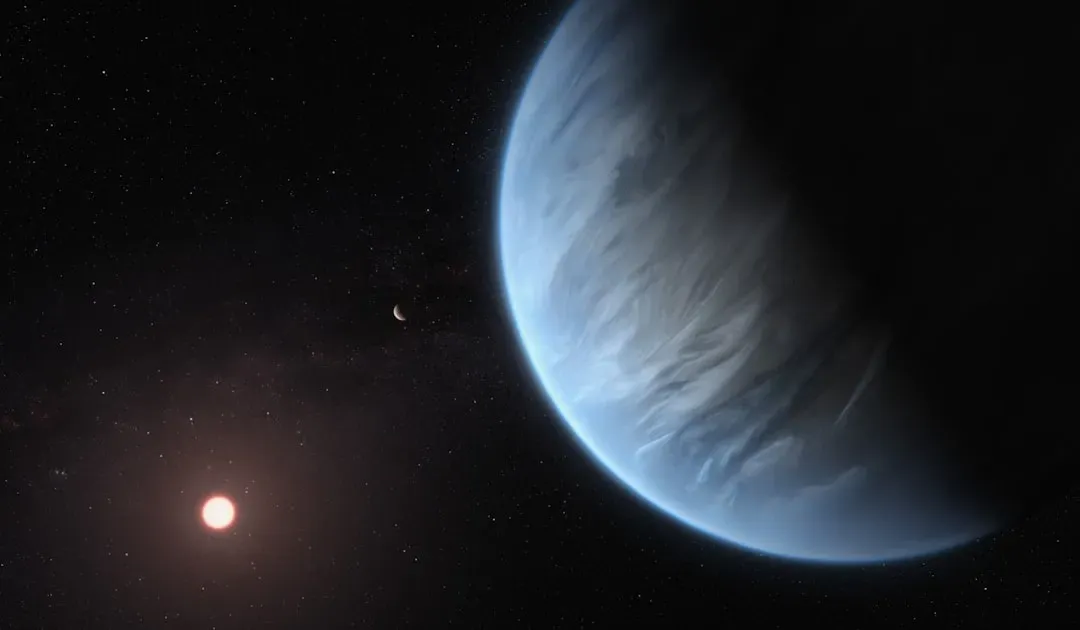
The planet is found in the “Goldilocks zone” around the star, where temperatures are not too hot and not too cold to have liquid water and, presumably, possible life. Its star, K2-18, is a cool red dwarf, far dimmer than our own Sun. The star is colder and smaller than the Sun, having a temperature of 3,457 K and a radius 45% of the Sun’s, and is not visible to the naked eye from Earth.
The planet is a sub-Neptune about 2.6 times the radius of Earth, with a 33-day orbit within the star’s habitable zone; it receives approximately a similar amount of light as the Earth receives from the Sun. A 33-day year. Wrap your head around that. You would celebrate your birthday roughly every month on this planet. This planet orbits its star in the habitable zone, sometimes called the Goldilocks Zone, which is the region around a star in which an orbiting planet might have conditions suitable for the emergence of life, such as the ability for liquid water to exist on its surface.
4. The James Webb Space Telescope Changed Everything We Thought We Knew About It
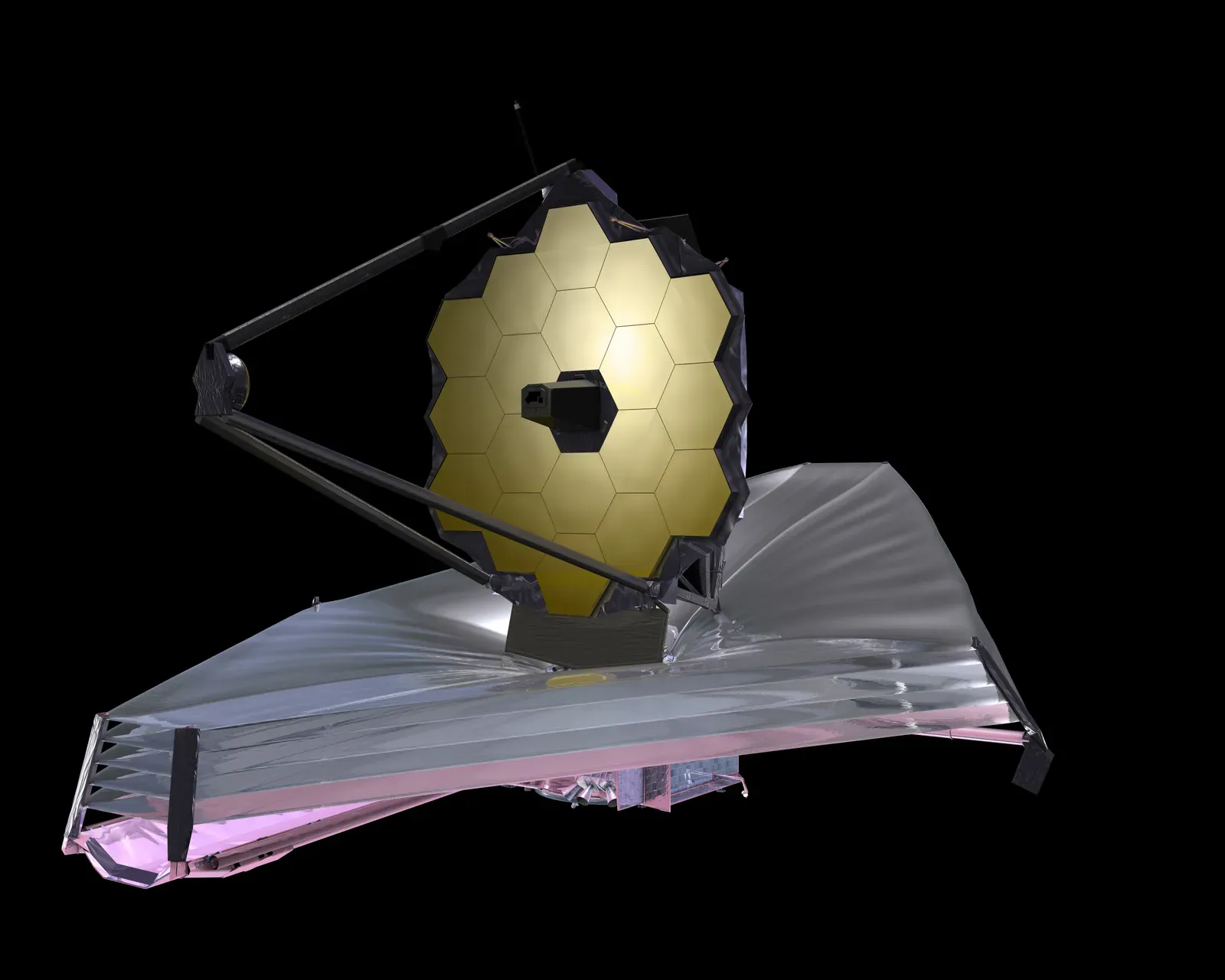
In April 2024, the James Webb Space Telescope stared at the host star of the planet K2-18b for nearly six hours. During that time, the orbiting planet passed in front of the star. Starlight filtered through its atmosphere, carrying the fingerprints of atmospheric molecules to the telescope. Six hours might not sound like a lot, but in telescope time, it is an enormous investment. Every second of JWST observation is precious, fought over by scientists worldwide.
This was the first time that carbon-based molecules were discovered in the atmosphere of an exoplanet in the habitable zone. This in itself was a huge discovery: the first time carbon-based molecules had been found in the atmosphere of an exoplanet, a planet beyond our solar system, in the habitable zone. Before this, we were just guessing. JWST turned speculation into science, and science into something close to awe.
5. Scientists Detected a Gas That on Earth Only Living Things Produce
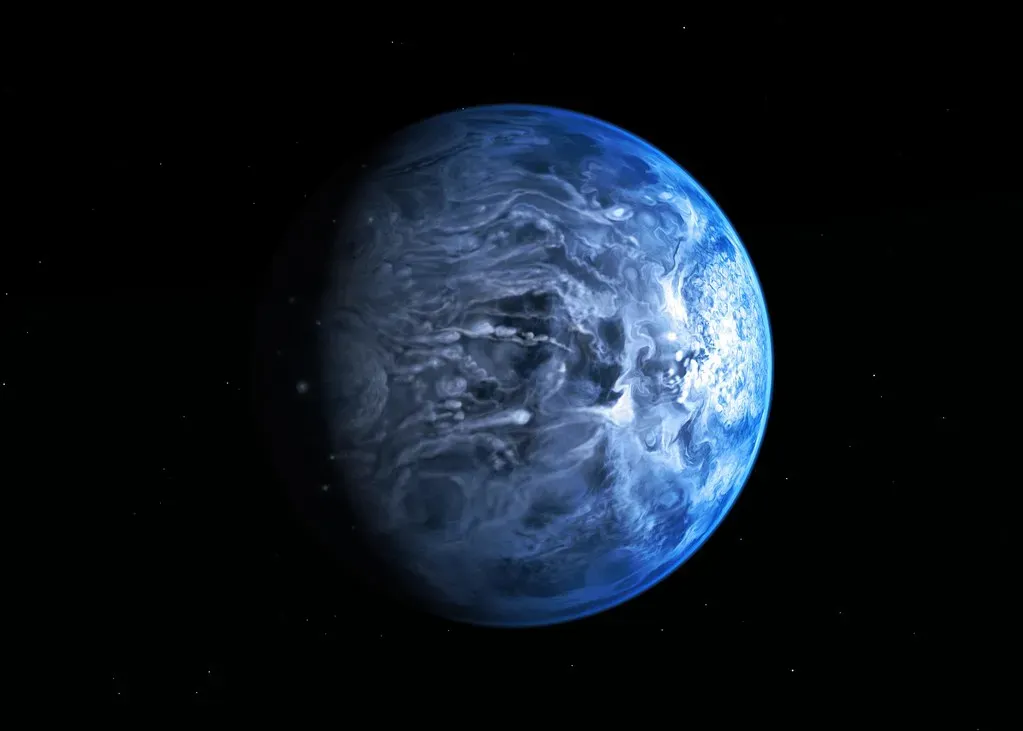
Using data from the James Webb Space Telescope, the astronomers, led by the University of Cambridge, detected the chemical fingerprints of dimethyl sulfide and/or dimethyl disulfide, in the atmosphere of the exoplanet K2-18b, which orbits its star in the habitable zone. Dimethyl sulfide, or DMS for short, is arguably the most surprising molecule you have never heard of. DMS is the gas that gives beach areas their distinctive smell. Yes, that fresh oceanic scent you associate with a day at the coast could be drifting through the skies of an alien world.
On Earth, DMS is mostly produced by phytoplankton, small organisms found in the oceans. DMS is the gas that gives beach areas their distinctive smell. DMDS is produced by bacteria. Both molecules have very short lifetimes in Earth’s atmosphere and are only present because of their continual replenishment by phytoplankton. In other words, these molecules simply do not hang around unless something is constantly making them. That “something,” as far as we know on Earth, is always alive.
6. The Concentration of This Life-Signal Is Thousands of Times Stronger Than on Earth
The concentrations of DMS and DMDS in K2-18b’s atmosphere are very different than on Earth, where they are generally below one part per billion by volume. On K2-18b, they are estimated to be thousands of times stronger, over ten parts per million. Let that sink in. You are not looking at a faint whisper of a signal here. You are looking at what would be a roar if it were happening on Earth.
On Earth, marine organisms such as plankton produce almost all the dimethyl sulfide. Several hydrocarbons can mask the dimethyl sulfide signal, and its production needs to exceed Earth’s by a factor of 20 to be detectable. Such a rate is possible for a plausible ecosystem. I think this detail is genuinely mind-bending. We are not comparing apples to apples here. We are comparing a quiet garden stream to Niagara Falls.
7. The Statistical Evidence Reached a Compelling Threshold, But Not Full Scientific Proof
The observations have reached the “three-sigma” level of statistical significance, meaning there is a 0.3% probability that they occurred by chance. To reach the accepted classification for scientific discovery, the observations would have to cross the five-sigma threshold, meaning there would be below a 0.00006% probability they occurred by chance. To frame this in everyday terms: three-sigma is like being quite confident you heard something in the dark. Five-sigma is turning on the lights and confirming what you saw.
The April 2025 paper, which was led by Nikku Madhusudhan at the University of Cambridge and has now been accepted for publication in The Astrophysical Journal Letters, made headlines by reporting a 3-sigma confidence that the atmosphere of K2-18b contained DMS. This means a likelihood of just 0.3 percent that their observations of K2-18b fit a model atmosphere that contained DMS by chance. The team concluded they were either seeing signs of life on another planet for the first time or a new chemical process for the abiotic production of DMS. Either conclusion would be extraordinary.
8. K2-18b May Be the Prototype of an Entirely New Category of World: The Hycean Planet
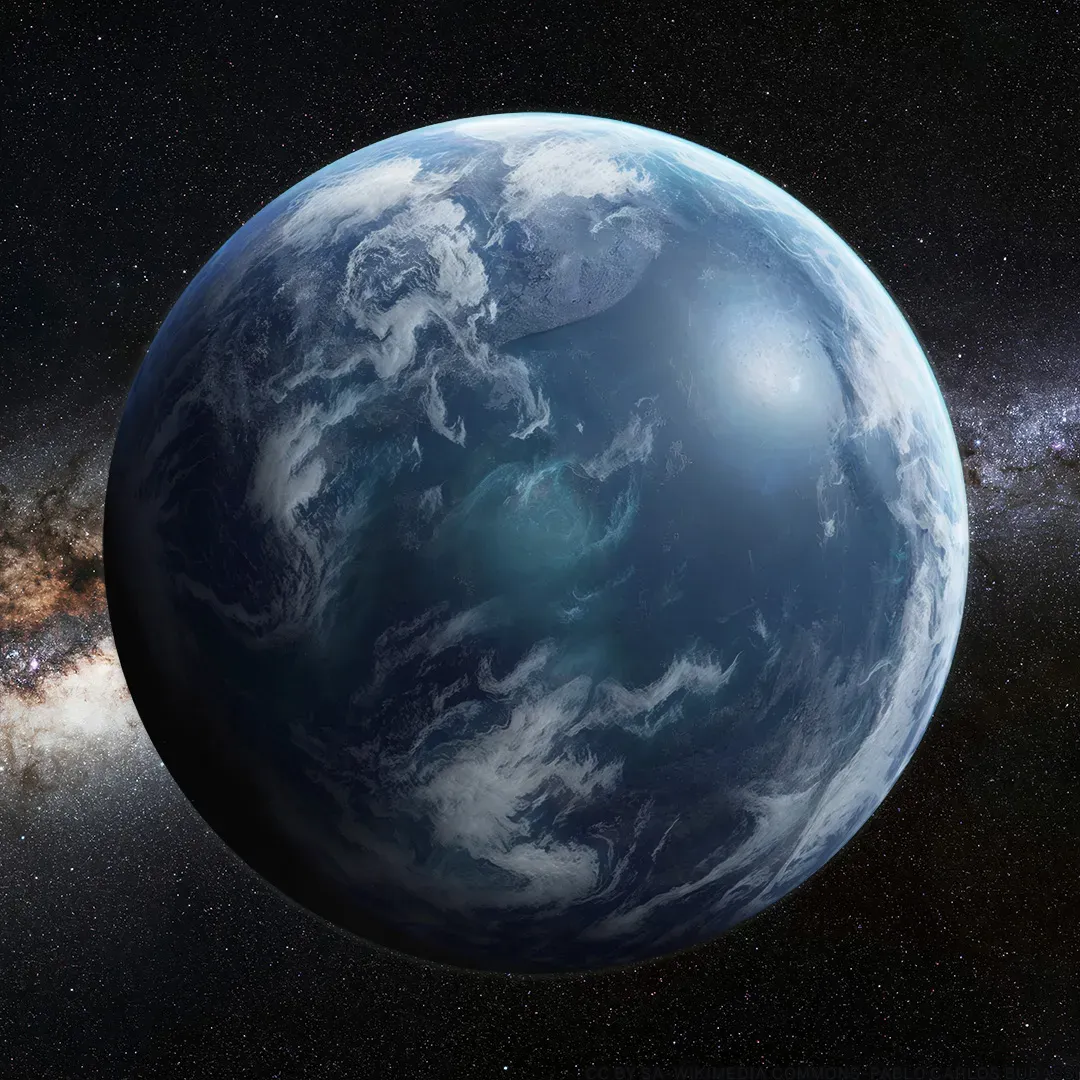
The properties of K2-18b have led to the definition of a hycean planet, a type of planet that has both abundant liquid water and a hydrogen envelope. Planets with such compositions were previously thought to be too hot to be habitable; findings at K2-18b instead suggest that they might be cold enough to harbour liquid water oceans conducive to life. This is genuinely one of the most exciting scientific paradigm shifts of recent years. An entirely new class of potentially habitable planet, named in part because of this one world.
Astronomers say the 2023 results showed K2-18b could be a “Hycean” planet, meaning a habitable world with a liquid ocean and a hydrogen-rich atmosphere. The hycean habitable zone spans much wider than the terrestrial habitable zone; hence, there are more possibilities for life to develop. If hycean planets are common across the galaxy, then habitable worlds could be far more plentiful than we ever imagined. That thought keeps many astronomers up at night, in the best possible way.
9. Not Every Scientist Is Convinced, and That Is Actually a Good Sign
Despite the promising data, discussion within the scientific community has raised questions about the legitimacy and significance of these findings. Researcher Jake Taylor from the University of Oxford conducted another study and found too much interfering noise for a conclusive result. Here’s the thing: this kind of skepticism is not a defeat. It is exactly how science is supposed to work. Extraordinary claims demand extraordinary evidence, and the scientific community is doing its job by pushing back hard.
On Earth, DMS is produced exclusively by marine microorganisms, making it a prime biosignature. The new study, supported by modeling, shows that abiotic processes can generate DMS and related molecules in hydrogen-rich atmospheres like K2-18b’s. Laboratory experiments in 2024 demonstrated abiotic DMS formation under simulated exoplanetary conditions. DMS has also been detected in cometary and interstellar environments, far removed from life as we know it. So the debate is very much alive, and that is thrilling rather than disappointing.
10. Future Telescopes May Finally Give Us the Definitive Answer
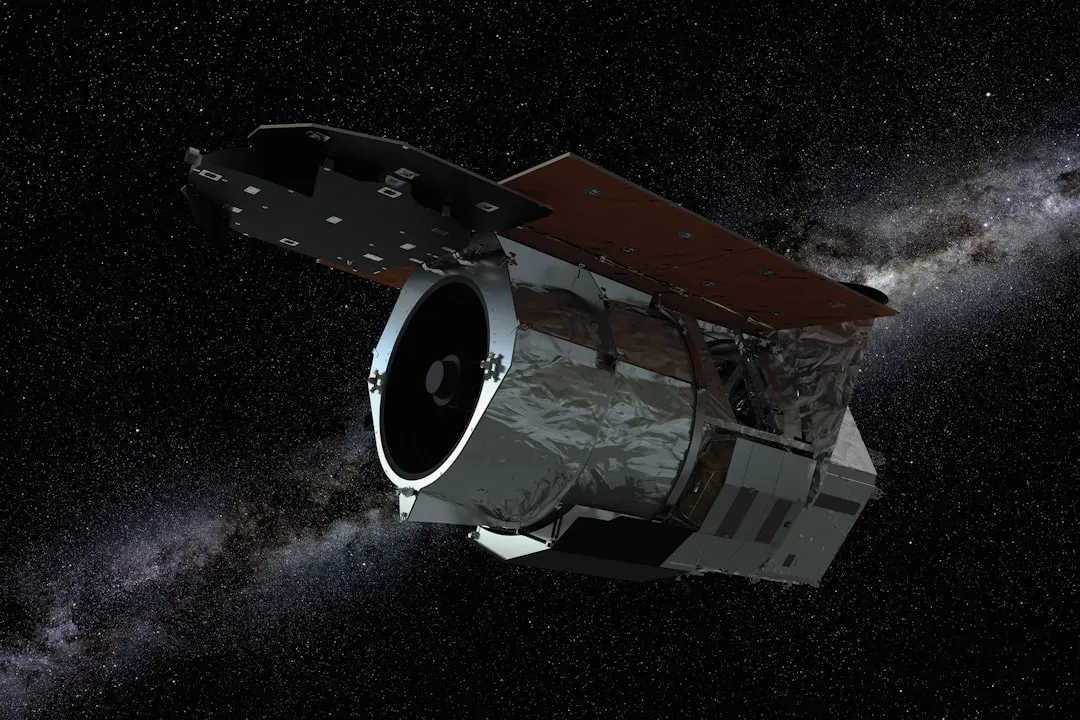
The new data from JWST’s mid-infrared spectrograph bring the detection up to a 3-sigma level, according to the team’s analysis. With 16 to 24 additional hours of observing time, they think they can hit the 5-sigma mark, a 0.00006% probability of it fitting the model by chance. That 16 to 24 hours feels agonizingly close. Imagine being within a day’s worth of telescope time from potentially confirming life on another planet. It is both thrilling and humbling.
The upcoming Habitable Worlds Observatory, slated for launch in the 2040s, will be the first space telescope optimized to search for biosignatures on Earth-sized planets in habitable zones. By directly imaging exoplanets and capturing higher-resolution spectra, HWO will help resolve questions like those surrounding K2-18b with far greater clarity. Scientists are grateful to even be at a position where these conversations are happening. We have entered a new era in the search for life beyond Earth where it is possible to detect and debate about potential biosignatures. This is unprecedented and we should make the best use of this opportunity.
Conclusion: The Universe May Be Telling Us Something
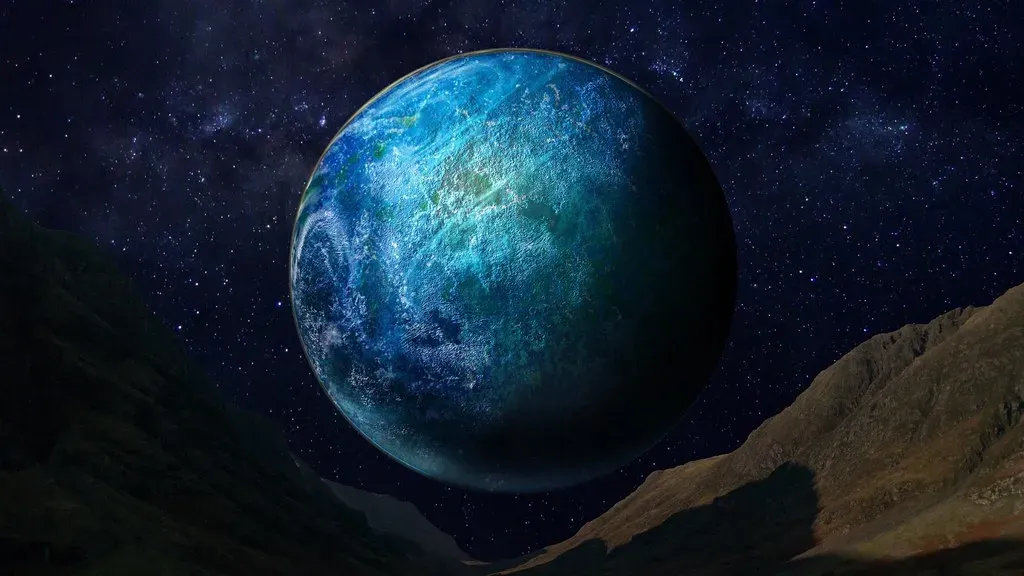
K2-18b is, by every honest measure, the most compelling exoplanet humanity has ever studied. It sits in the right zone, it carries the right chemicals, and it has sent signals back to us that have the entire scientific world in a state of cautious, electric excitement. It is not proof of life. Not yet. It is something arguably more interesting: it is the clearest invitation we have ever received to keep looking.
The universe is vast, and we are still very much beginners in reading its language. K2-18b has taught us that the ingredients for life might not be rare, and that the places worth searching extend far beyond rocky, Earth-like planets. Sometimes the most alien-seeming worlds are the ones with the most to say.
Science moves slowly and carefully, and that patience is worth respecting. Whether K2-18b ultimately turns out to harbor life or a strange new chemistry we have never seen before, either answer will forever change how we see our place in the cosmos. What do you think is really out there waiting for us to find it?