
Space has this funny way of making human problems look very, very small. One moment you’re stressing about emails, and the next you’re staring at an image from the James Webb Space Telescope, realizing our entire planet is basically a speck floating in a vast, dark ocean. The more we learn about the universe, the more it feels like reality is stranger, bigger, and more extreme than anything we could have made up.
What’s wild is that we’re living at a time when new discoveries about black holes, exoplanets, and distant galaxies are happening almost every month. Telescopes are peering farther back in time, spacecraft are flying closer to hostile worlds, and astronomers keep finding phenomena that don’t quite fit the rules. If you’ve ever wanted to feel deliciously small in the best possible way, these space facts will do the job.
Our Galaxy Alone Is Almost Impossible To Comprehend
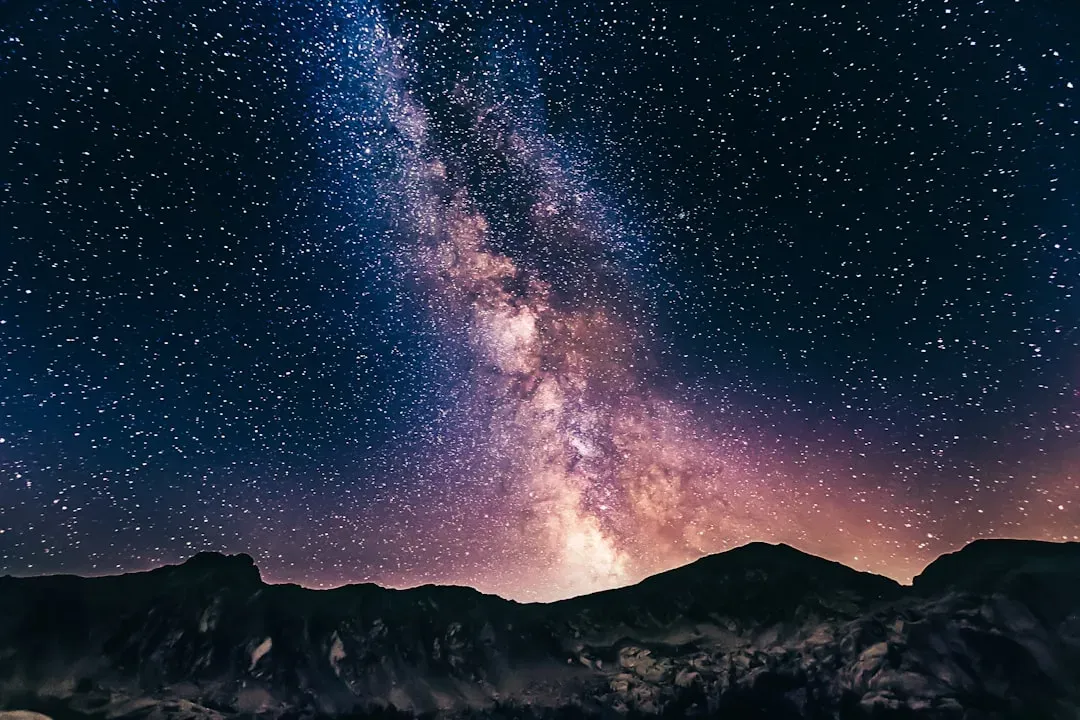
The Milky Way, our home galaxy, is so big that light itself needs about one hundred thousand years to cross it from one side to the other. Light travels incredibly fast, yet even at that speed, it would take longer than all of recorded human history just to go from one galactic edge to the other. When you picture the Milky Way, you’re imagining a disk swirling with hundreds of billions of stars, many with their own planetary systems.
What really messes with your sense of scale is that our entire solar system sits way out in one of the spiral arms, far from the center, like a tiny suburb on the outskirts of a sprawling cosmic city. If the Milky Way were shrunk down to the size of North America, our whole solar system would be about the size of a coin. All of human civilization, everything we’ve ever done, fits inside a microscopic sliver of that imaginary coin.
There Are Likely More Planets Than Stars In The Universe
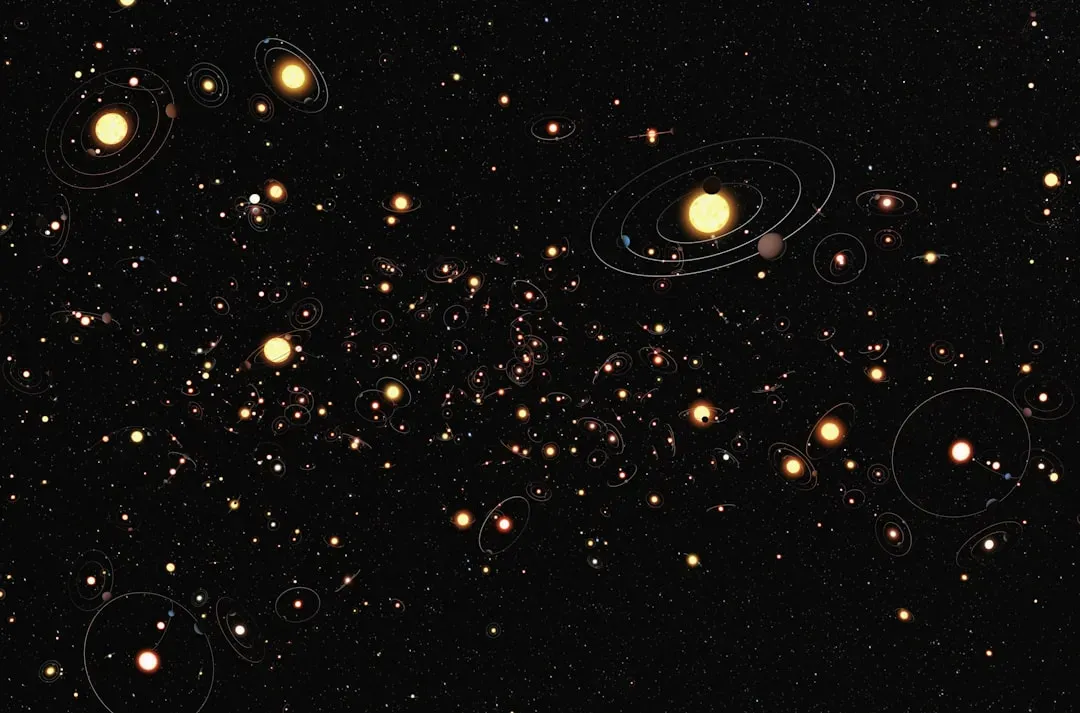
A few decades ago, we didn’t know for sure if other stars had planets at all. Now astronomers have confirmed thousands of exoplanets, and the evidence suggests that planets are not rare; they’re the norm. Most stars seem to host their own planetary systems, and many of those have multiple planets, some rocky, some gaseous, some so strange they barely fit our categories.
When you start scaling that up, things get dizzying. Our galaxy alone holds hundreds of billions of stars, and across the observable universe there are estimated to be at least hundreds of billions of galaxies. If most of those stars have planets, then there are likely far more planets than stars, probably in the range of countless trillions. Every tiny point of light in the night sky might be surrounded by entire families of worlds, each with its own story.
The Observable Universe Is So Big That We See Back In Time
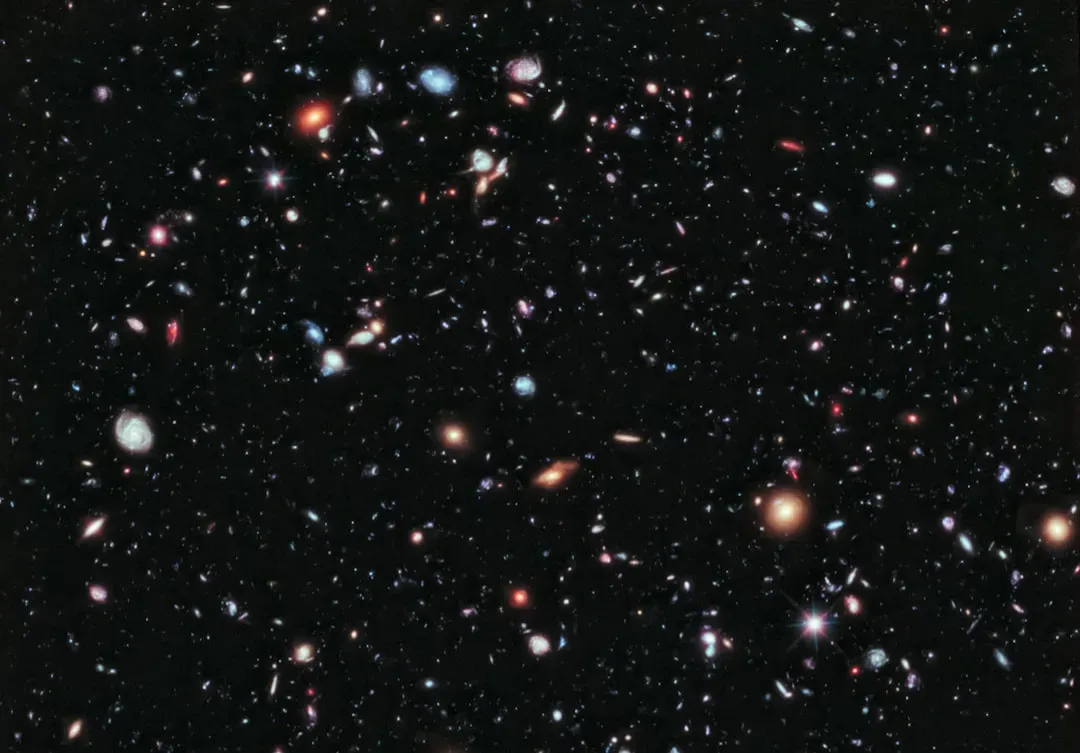
When we look into deep space, we’re not just looking far away, we’re literally looking into the past. Light takes time to travel, so the light from distant galaxies started its journey billions of years ago. Some of the faint smudges captured by the most powerful telescopes show galaxies as they were when the universe was only a small fraction of its current age.
The observable universe stretches for tens of billions of light-years in every direction from us, not because the universe is that “old” in simple years, but because space itself has been expanding. That means the farthest galaxies we can see are now much farther away than the time their light suggests. It’s like watching a very slow-motion recording of the universe growing up, except we can only see the frames that have had time to reach us.
Most Of The Universe Is Made Of Stuff We Can’t See
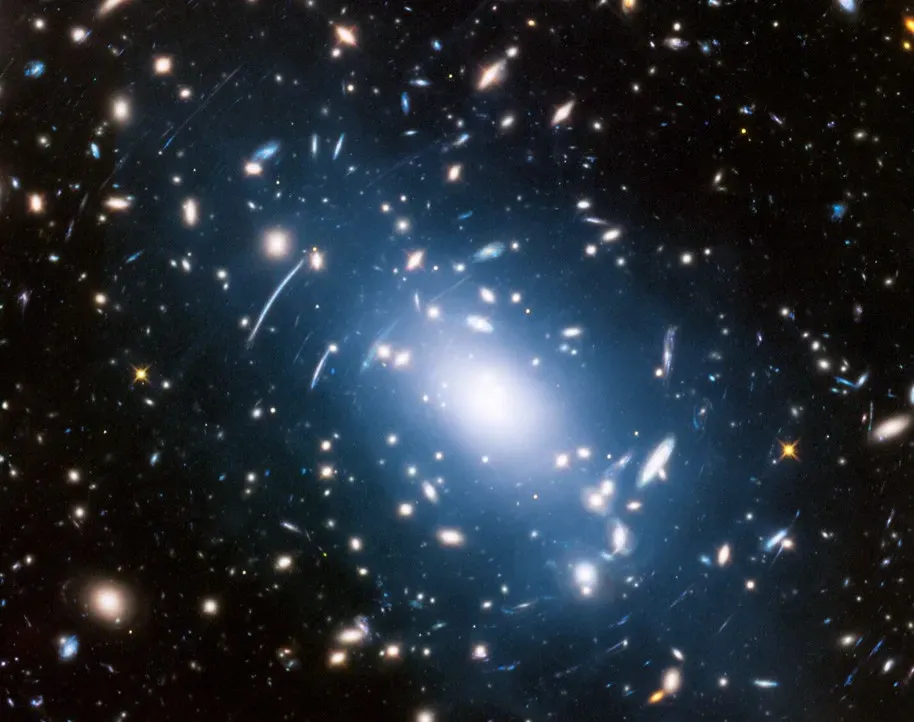
Here’s the unsettling part: everything we can see, touch, and measure directly – stars, planets, gas clouds, dust, you and me – makes up only a small fraction of the universe. The rest appears to be dark matter and dark energy, mysterious components we can’t see and don’t fully understand. Dark matter seems to act like hidden mass holding galaxies together, while dark energy behaves like a strange pressure that accelerates the expansion of the universe.
We only know these things exist because of the way they affect gravity and the motion of galaxies. It’s as if we’re in a room where almost everything is invisible, and we can only infer what’s there by the way visible objects move. The vast majority of the universe is made of this unknown stuff, which means that in a very real sense, we live in a cosmos dominated by ghosts we can’t yet explain.
Black Holes Can Be More Massive Than Entire Galaxies’ Star Populations
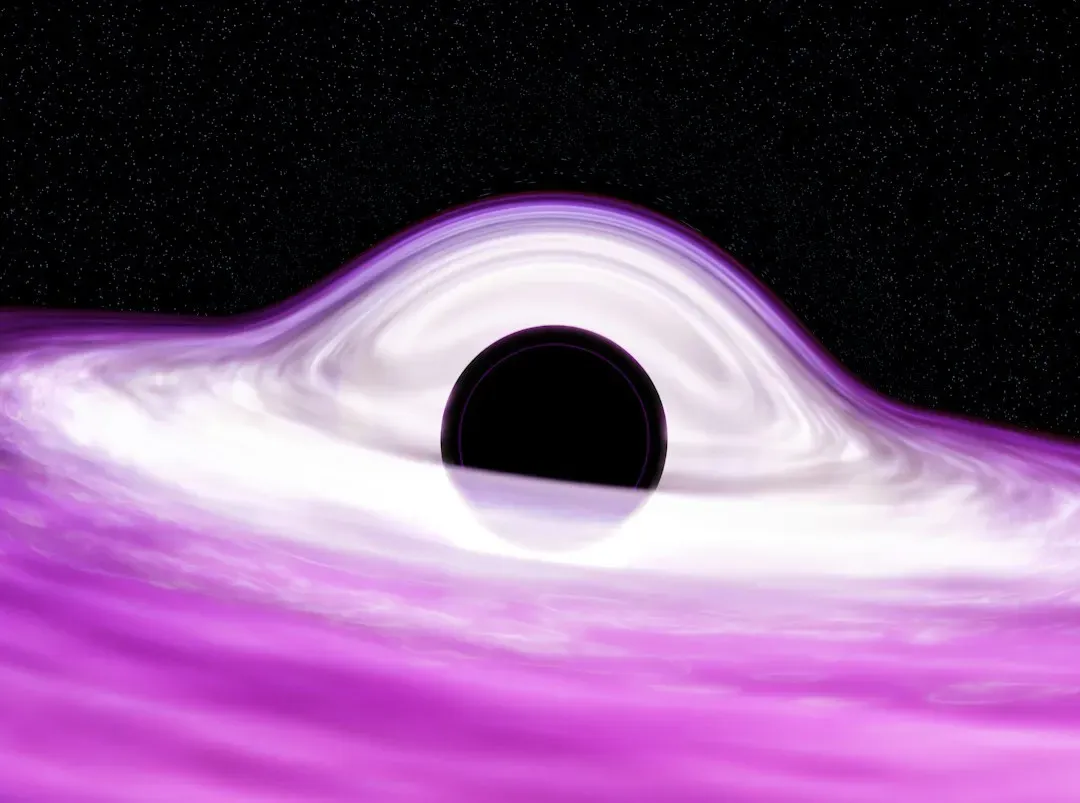
Black holes are not just hungry; they’re extreme on a scale that feels almost absurd. At the centers of many galaxies sit supermassive black holes weighing millions or even billions of times more than our Sun. Some of the biggest ones known have masses so large that a single black hole can outweigh all the stars in a typical small galaxy combined.
What’s even more mind-bending is how compact that mass is. If you somehow replaced our Sun with a black hole of the same mass, Earth’s orbit would not change, because gravity at that distance would be the same. Now imagine packing millions or billions of solar masses into a region smaller than our solar system. These objects warp spacetime so intensely that not even light can escape once it crosses the event horizon, turning them into one-way doors out of the visible universe.
Neutron Stars Are Like Atomic Nuclei The Size Of Cities
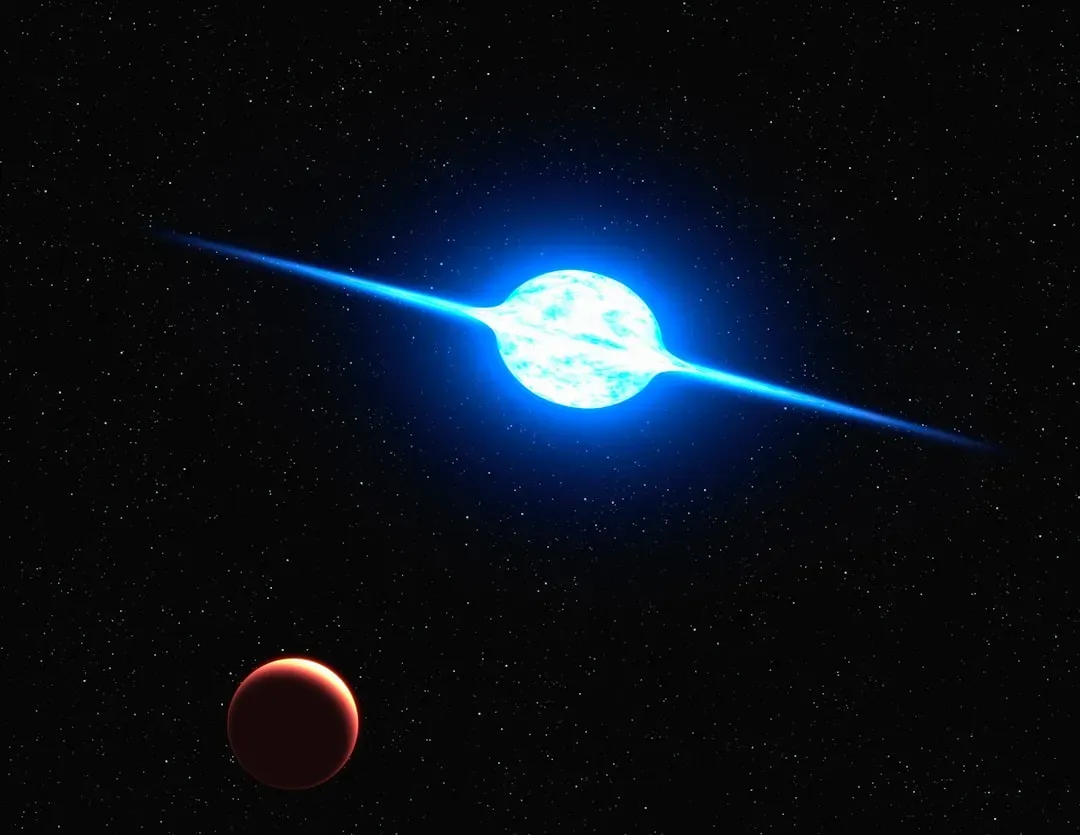
When a massive star explodes as a supernova, its core can collapse into a neutron star, one of the densest kinds of objects that we know actually exist. A neutron star squeezes more mass than our Sun into a sphere only a few tens of kilometers across. Imagine stuffing a mountain into a thimble, or compressing the entire human population into something the size of a sugar cube – that still wouldn’t come close.
The matter inside is so crushed that atoms themselves are basically gone, leaving a super-dense soup of neutrons. A teaspoon of neutron star material would weigh as much as a major mountain range on Earth. Many neutron stars also spin incredibly fast and emit beams of radiation, sweeping through space like cosmic lighthouses that we detect as pulsars.
Time Really Does Run Differently In Space
Einstein’s theory of relativity isn’t just some abstract idea; it literally changes how time works depending on where you are and how fast you’re moving. In stronger gravity, time passes more slowly than in weaker gravity, and at very high speeds, time also slows down relative to slower observers. That means time ticks slightly faster for astronauts on the International Space Station than it does for people on Earth’s surface, though the difference is tiny.
Near something as extreme as a black hole, the effect becomes almost absurdly dramatic. For someone hovering close to a massive black hole, a few hours might pass while people far away experience years. It’s not science fiction – it’s a tested consequence of how the universe works. Even the GPS in your phone needs to account for differences in the passage of time between satellites and Earth to stay accurate.
There May Be Rogue Planets Drifting Alone In The Dark
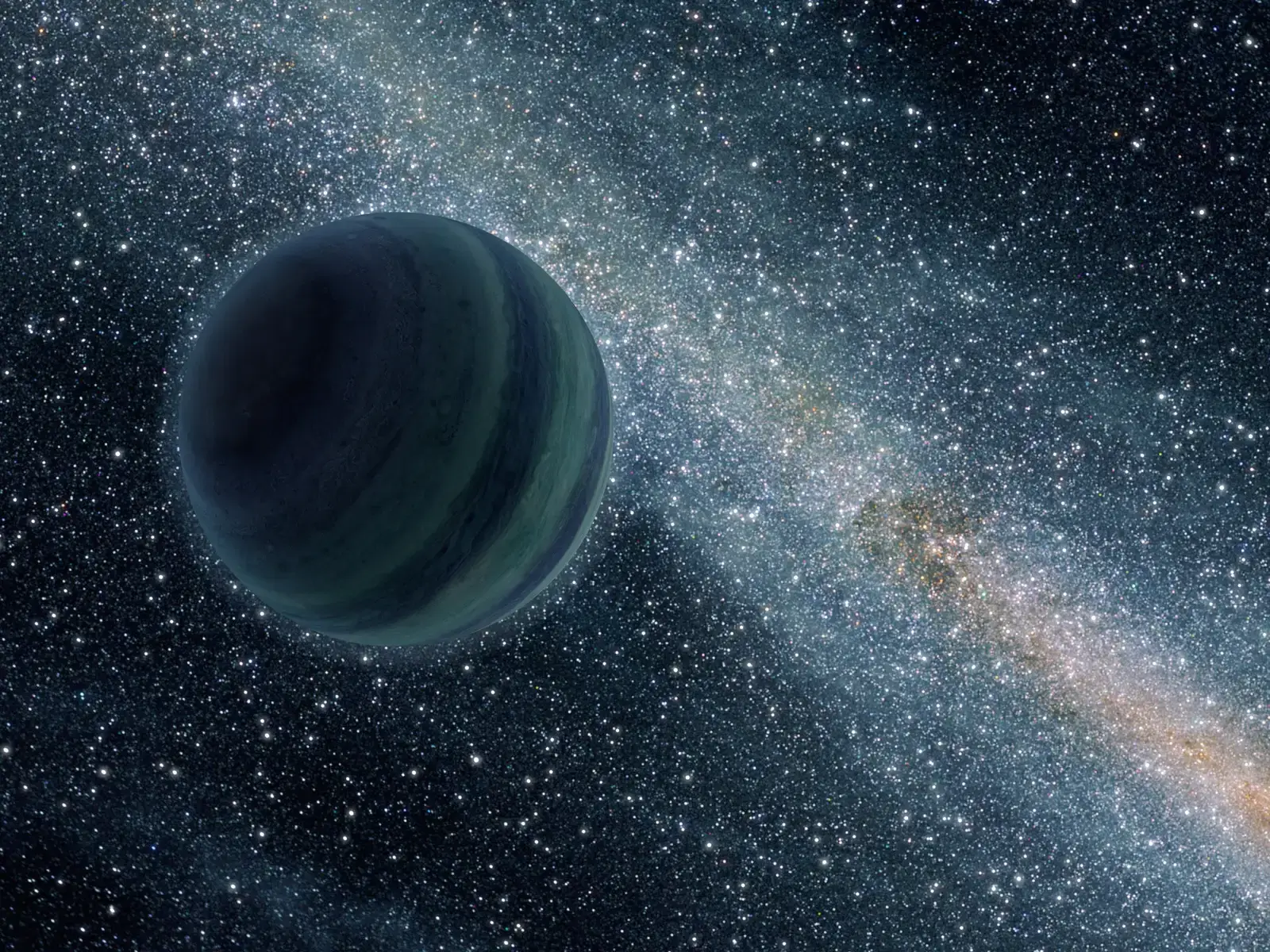
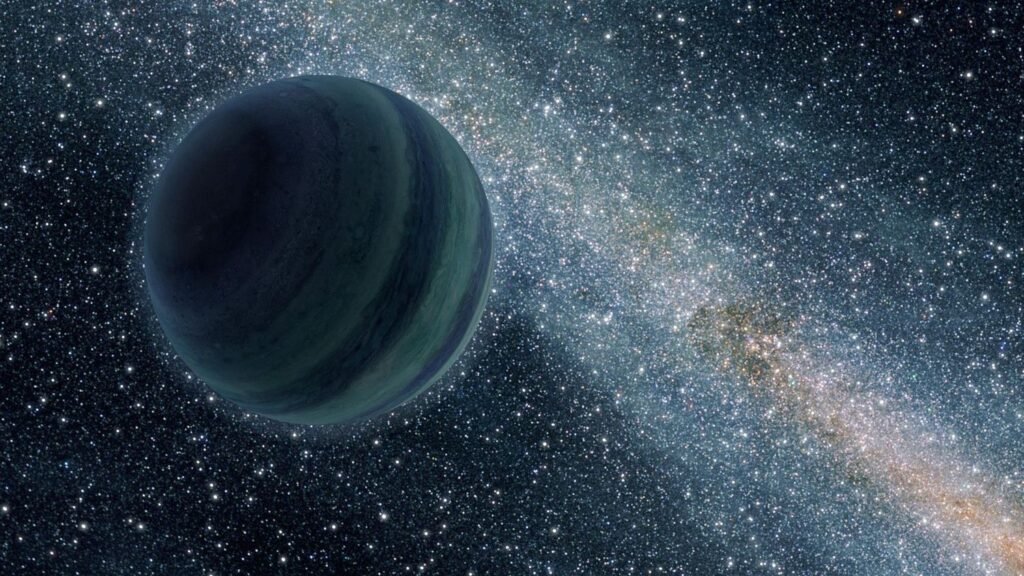
Not every planet has a warm, familiar star to orbit. Astronomers have found evidence for rogue planets: worlds that have been flung out of their original systems and now drift through interstellar space without a sun. These cold, lonely planets travel in darkness, lit only faintly by distant stars and any internal heat they might still carry.
Some of these rogue planets might be as big as Jupiter, while others could be rocky, more like Earth in size. There may be an enormous population of such worlds, potentially rivaling or even exceeding the number of planets still bound to stars. It’s strange to imagine entire worlds wandering the galaxy like lost ships on a black ocean, invisible unless we catch them passing in front of something bright or detect their faint heat.
Space Is Not Completely Empty – It’s A Subtle, Violent Sea
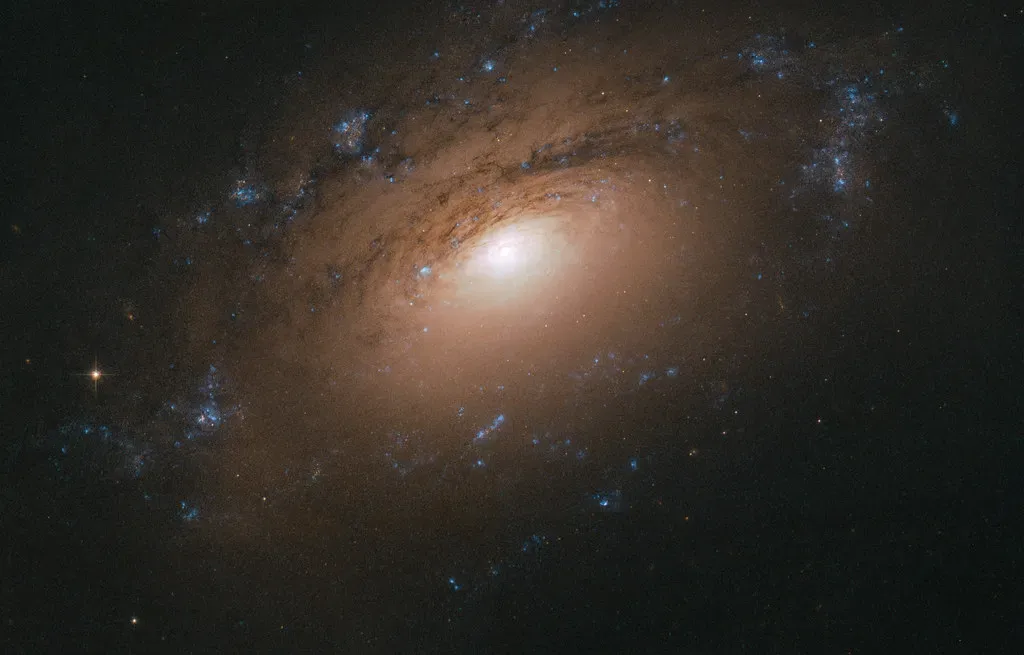
We often talk about space as a vacuum, but “empty” isn’t quite right. Even in the most barren regions between galaxies, there are still a few stray particles, plus faint radiation and ghostly neutrinos streaming through. On shorter scales, the solar wind constantly blows particles from the Sun, creating a kind of invisible weather that washes over our planet and shapes the tails of comets.
Then there are high-energy cosmic rays that zip through space at nearly the speed of light, slamming into our atmosphere all the time. Add in magnetic fields stretching across galaxies and shock waves from exploding stars, and the universe starts to look less like a quiet void and more like a churning, barely visible ocean. On human scales it feels peaceful, but on cosmic scales it’s chaotic and violent almost everywhere.
The Universe Has A Horizon Beyond Which We Can Never See
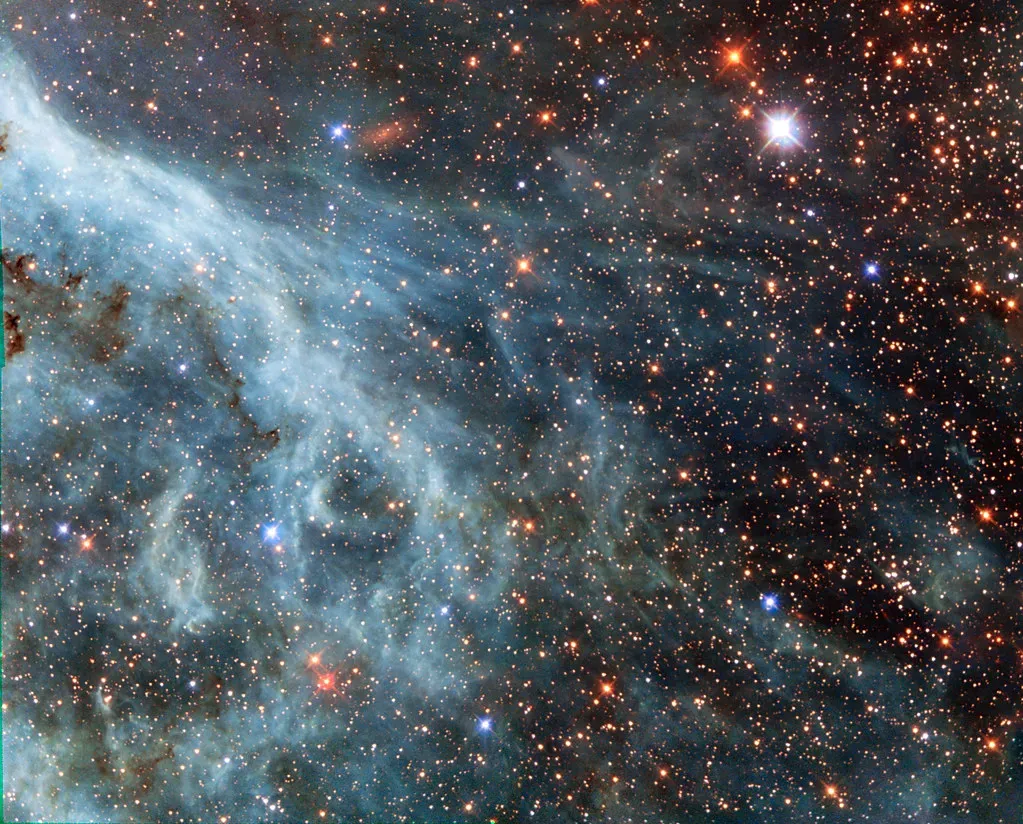
No matter how powerful our telescopes become, there is a fundamental limit to how much of the universe we can ever observe. Because the universe has a finite age and light travels at a finite speed, there is a horizon beyond which light simply has not had time to reach us. Regions beyond that horizon are effectively cut off from us forever, not because they don’t exist, but because the expanding universe keeps stretching the distance between us.
What’s quietly unnerving is that there may be far more universe beyond what we can see than within it. Our entire observable universe could be just a tiny bubble in a much larger reality, like a lit circle under a streetlamp in the middle of a gigantic dark field. We might never know how big the whole thing truly is, or what strange structures and laws might exist far beyond our cosmic horizon.
Feeling Small Can Be Weirdly Comforting
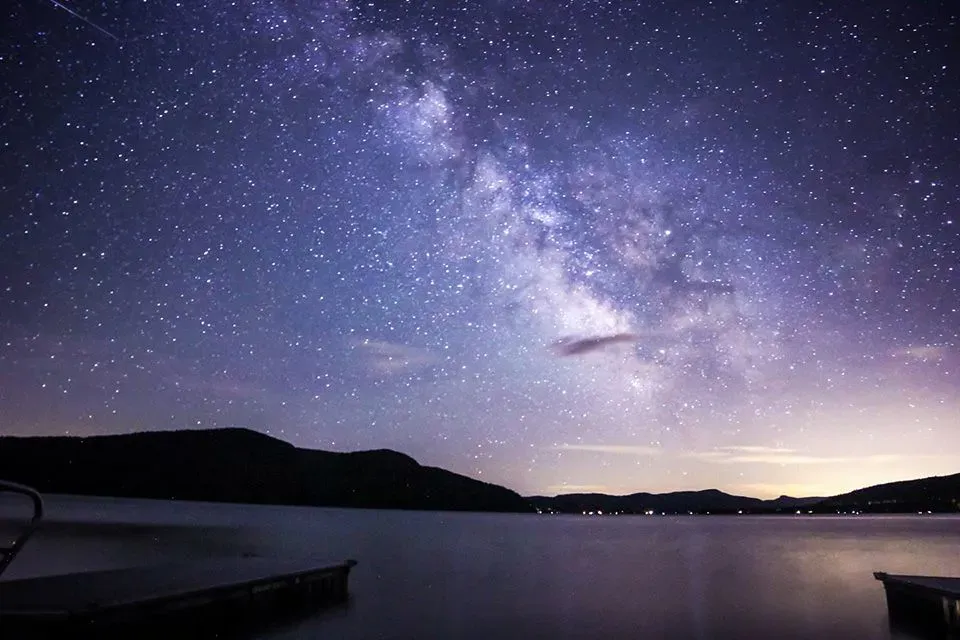
When you stack all of this together – galaxies beyond counting, invisible forms of matter and energy, black holes heavier than star swarms, planets wandering without suns – the scale of it all becomes almost too much to hold in your head. You realize that our daily worries, while very real, are playing out on a tiny, fragile stage orbiting an ordinary star in a quiet corner of one galaxy among many. It’s humbling in the best possible way, like stepping back from a painting and finally seeing how small your favorite detail really is.
At the same time, there’s something oddly uplifting about it. Against impossible odds, on a small rocky world in a vast universe, we’ve figured out how to understand at least a little of what’s going on out there. We’ve built instruments that let us watch the universe grow, die, and transform, all from this tiny perch. Knowing how small we are doesn’t make us insignificant; it just makes the fact that we can even ask these questions feel astonishing. Did you expect the universe to be this overwhelming?