
You probably think you know the Moon pretty well. It’s our closest celestial neighbor, after all. You’ve gazed at it hanging in the night sky, maybe even watched it guide the ocean tides or influence planting traditions passed down for generations. Yet despite being humanity’s constant companion for millions of years, the Moon continues to baffle scientists with puzzles that remain unsolved even in 2026.
Some of what you’re about to read will seriously challenge everything you thought you knew. There are mysteries lurking up there that researchers are only beginning to unravel, and a few facts that might make you see that familiar white orb in an entirely different light. Ready to discover what our Moon has been hiding all along?
The Moon Might Have Formed in Just Hours, Not Millions of Years
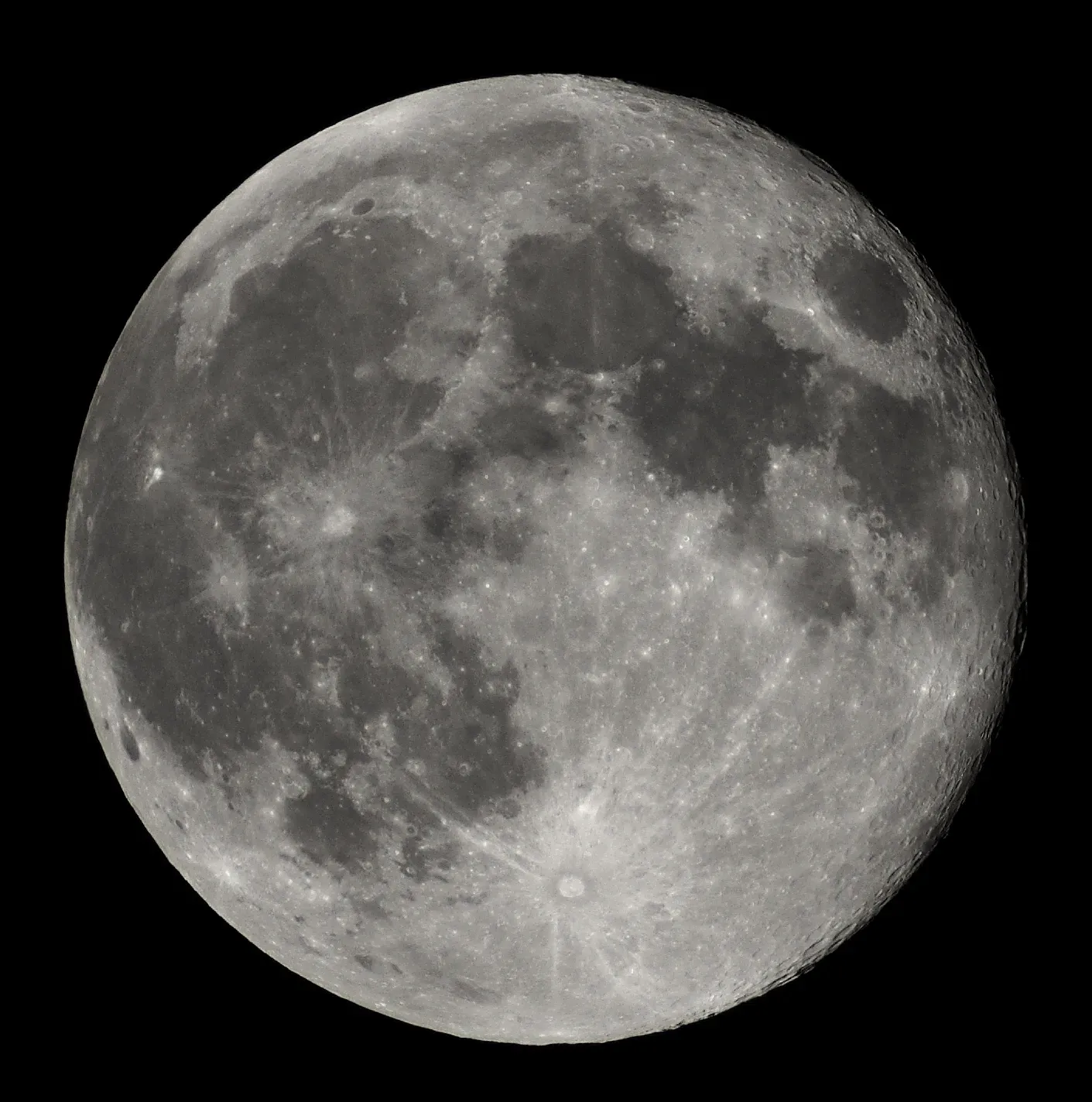
For decades, scientists believed the Moon formed gradually over months or years from debris circulating around Earth after a massive collision. This was the comfortable story we all learned. Recent simulations from NASA and Durham University now suggest the Moon may have formed in just a matter of hours, when material was launched directly into orbit after impact.
This radical rethinking comes from extraordinarily detailed computer simulations that operate at far higher resolutions than previous models. These advanced simulations revealed behaviors that lower-resolution studies completely missed. The idea that our Moon assembled itself in less than a day fundamentally changes how we understand not just lunar formation, but planetary collisions throughout the universe.
Scientists Still Don’t Actually Know How the Moon Formed
Let’s be real here. Even after half a century of intensive study, scientists still don’t have a definitive picture of how the Moon formed or even how old it is. Think about that for a second.
Most scientists agree on the general idea that a Mars-sized object smashed into Earth about four and a half billion years ago, but this mystery isn’t considered solved. One of the most problematic aspects is that scientists struggle to calculate a scenario where the impactor hits Earth with just the right amount of force. Some researchers have even proposed alternative theories, including the possibility that Earth simply captured the Moon as it wandered through space.
The Moon Is Slowly Drifting Away From Earth
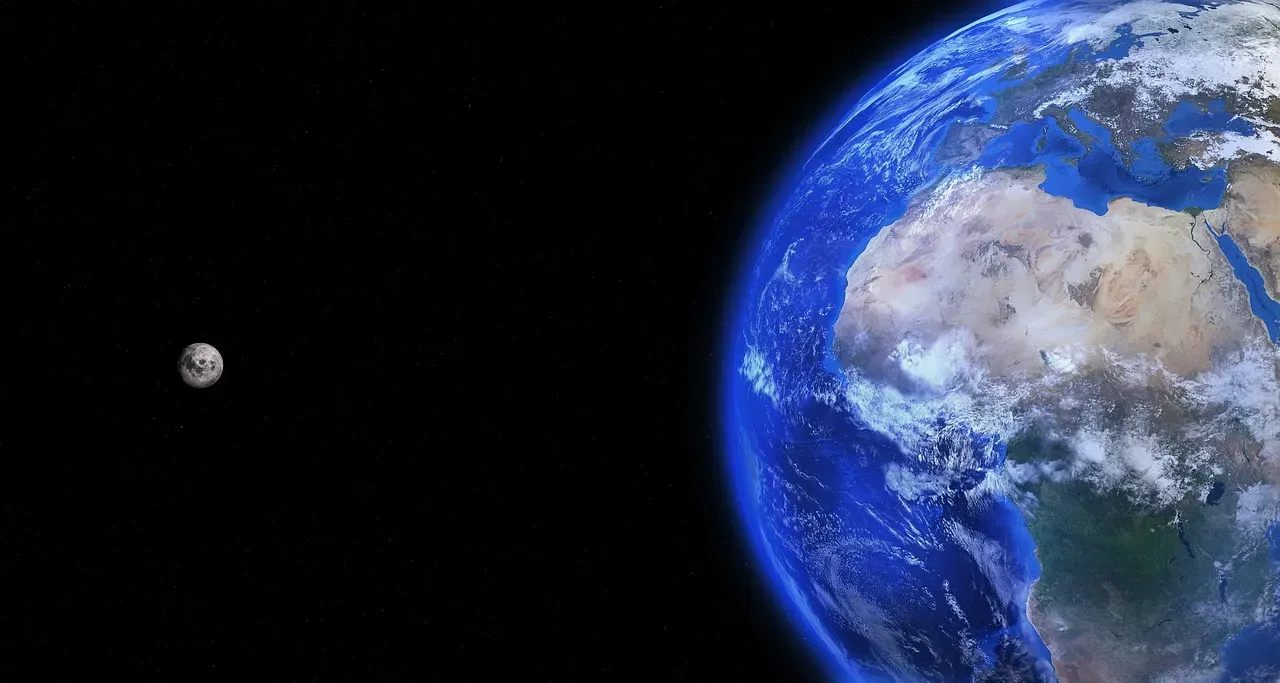
Every year, without you noticing, something extraordinary is happening. Each year, the Moon moves three centimeters farther from Earth. It doesn’t sound like much, yet over millions of years, this adds up dramatically.
At its current distance of about 239,000 miles, the Moon now feels a significant tug from the sun’s gravity, with both the sun and Earth competing for its attention. This cosmic tug-of-war means that in the distant future, the Moon’s relationship with Earth will look quite different than it does today. The tides, which the Moon currently controls, will gradually weaken their grip on our oceans.
The Moon Rang Like a Bell for Hours After Being Hit
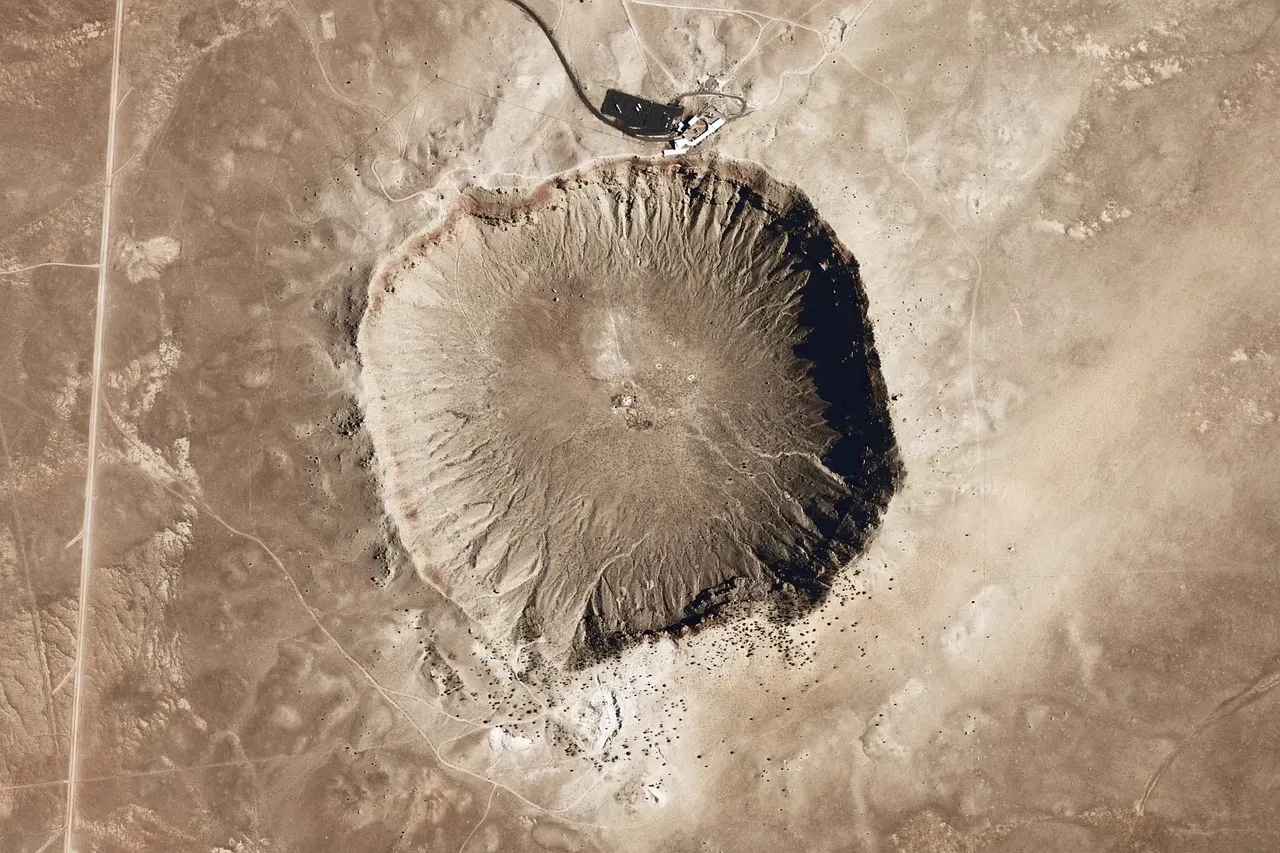
Here’s something that sounds like science fiction but actually happened. After the Apollo 12 crew deliberately crashed their lunar lander into the Moon’s surface, seismic measurements revealed that the Moon rang like a bell and continued to reverberate for over an hour.
Even stranger, during the Apollo 13 mission, an even larger object crashed into the surface, resulting in the Moon ringing for over three hours. Such prolonged reverberation doesn’t occur on Earth, where vibrations typically last only a few minutes because vibrations slow down as they move toward our planet’s denser core. What does this tell us about the Moon’s internal structure? Honestly, scientists are still trying to figure that out.
Mysterious Lights Keep Appearing on the Moon’s Surface
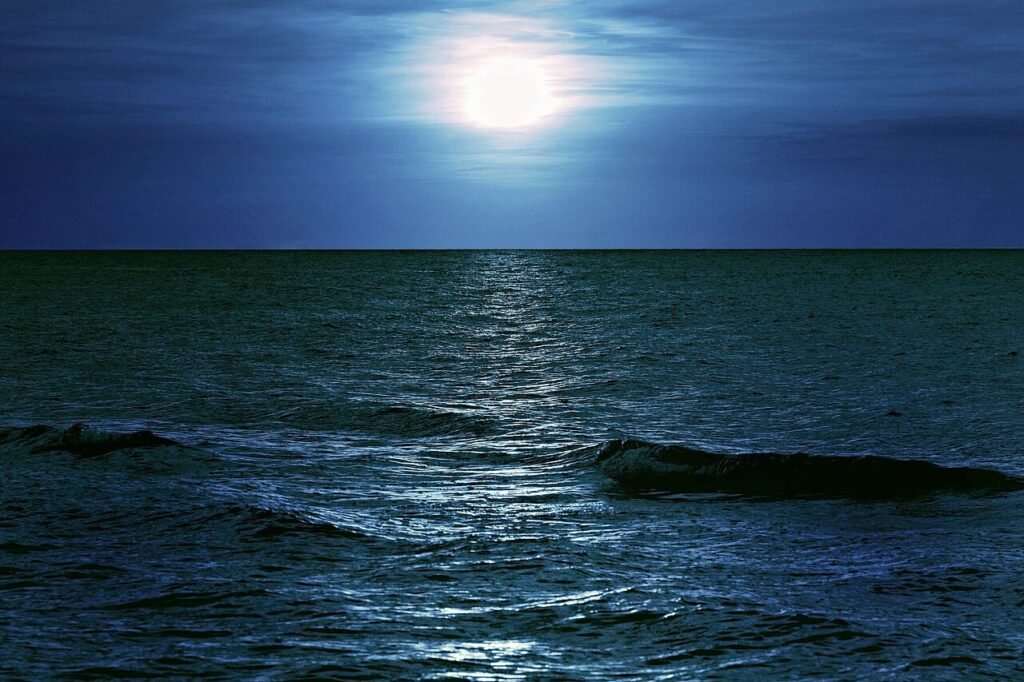
Transient lunar phenomena have intrigued people since at least the medieval period, with a bright light observed between the eyes of the man in the moon documented in Germany in November 1540. Some three thousand such events have been documented over the past two millennia.
While a plethora of physical phenomena can produce these lights, the duration hints at their cause. Lunar lights that last minutes may originate in radon gas released from the Moon’s interior, with outgassing occurring when accumulated gas is explosively released by triggers like moonquakes. The fact that we still see these mysterious flashes in 2026 suggests the Moon is far more geologically active than we once thought.
The Moon Has Water, and We’re Not Sure Where It All Came From
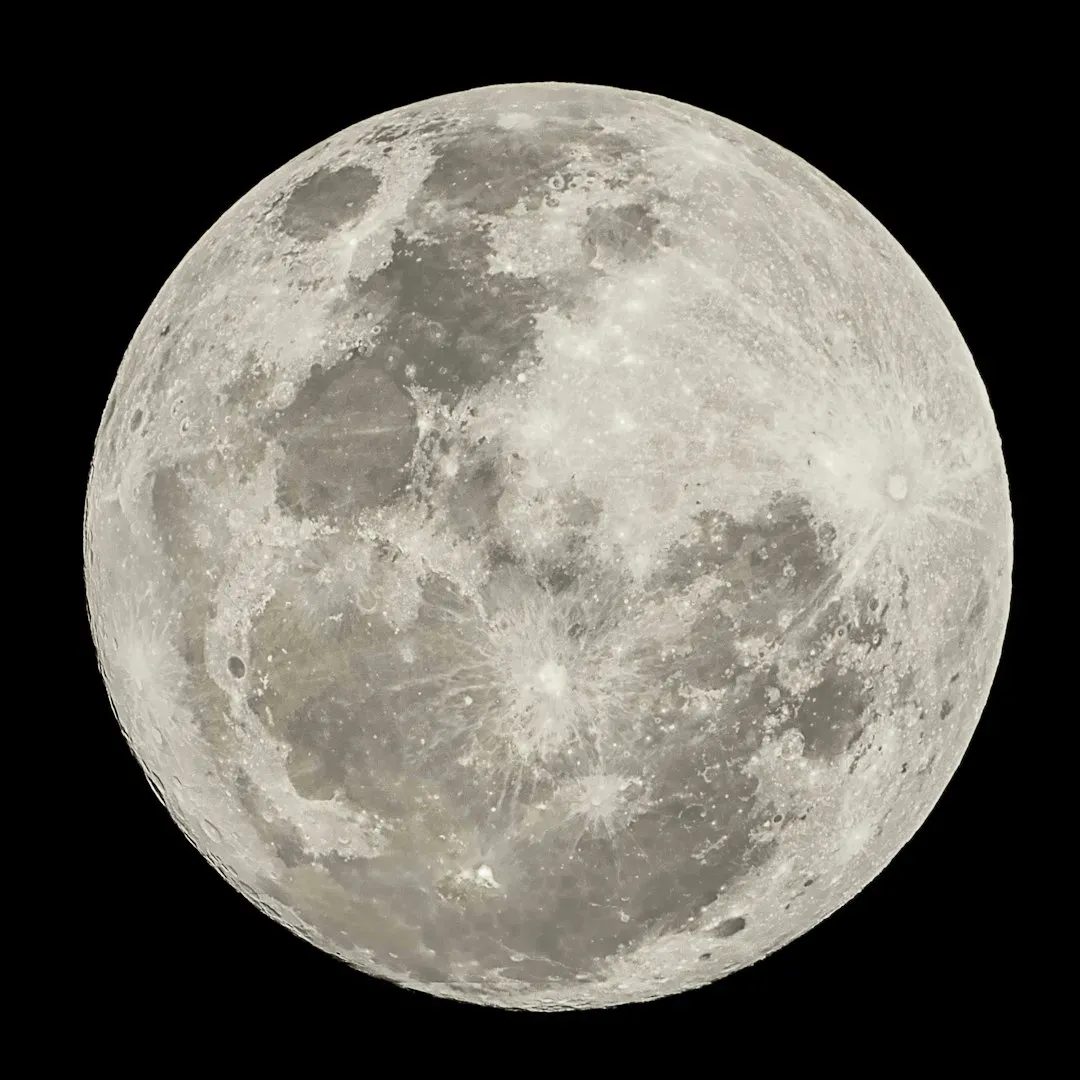
There’s water on the Moon, not just a little sprinkling but troves and troves of water-ice that could be sitting just beneath the surface, especially at the lunar poles, which could be harvested to help generate spacecraft fuel or sustain a future lunar colony. Yet here’s the head-scratcher: nobody really knows how it got there.
Theories range from outgassing reactions that pushed water embedded in the interior out toward the surface, to meteorite impacts and cometary bombardments that delivered water from outer space, to chemical interactions catalyzed by solar wind. New analysis of moon rocks from the Apollo 15 and 17 missions makes scientists think there was water in the Moon’s interior that was brought to the surface during volcanic eruptions. The answer might be that all these sources contributed, but we just don’t know yet.
The Moon Has an Invisible Tail Streaming Behind It
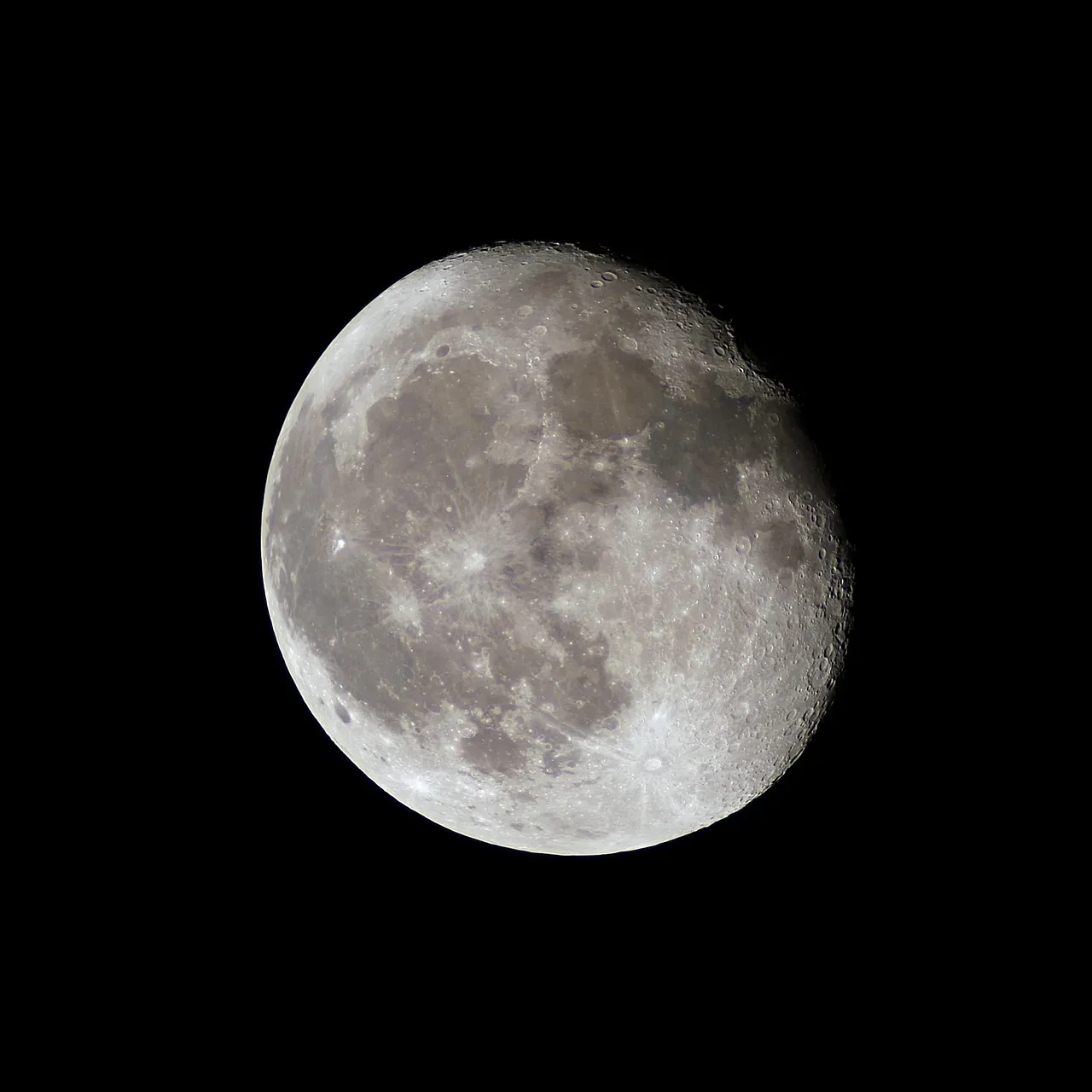
You’d never see it with your eyes, yet it’s there. The Moon sports an invisible tail of sodium and potassium atoms streaming away from the Sun like a comet’s tail, created by solar radiation and particle bombardment knocking atoms off the lunar surface.
Ground-based telescopes can actually detect this tail from Earth. This ultra-thin atmosphere, technically called an exosphere, varies dramatically depending on solar activity and location. It’s one of those features that reminds us the Moon isn’t just a dead rock floating in space, but rather a dynamic object constantly interacting with its environment.
Active Moonquakes Are Still Shaking the Lunar Surface
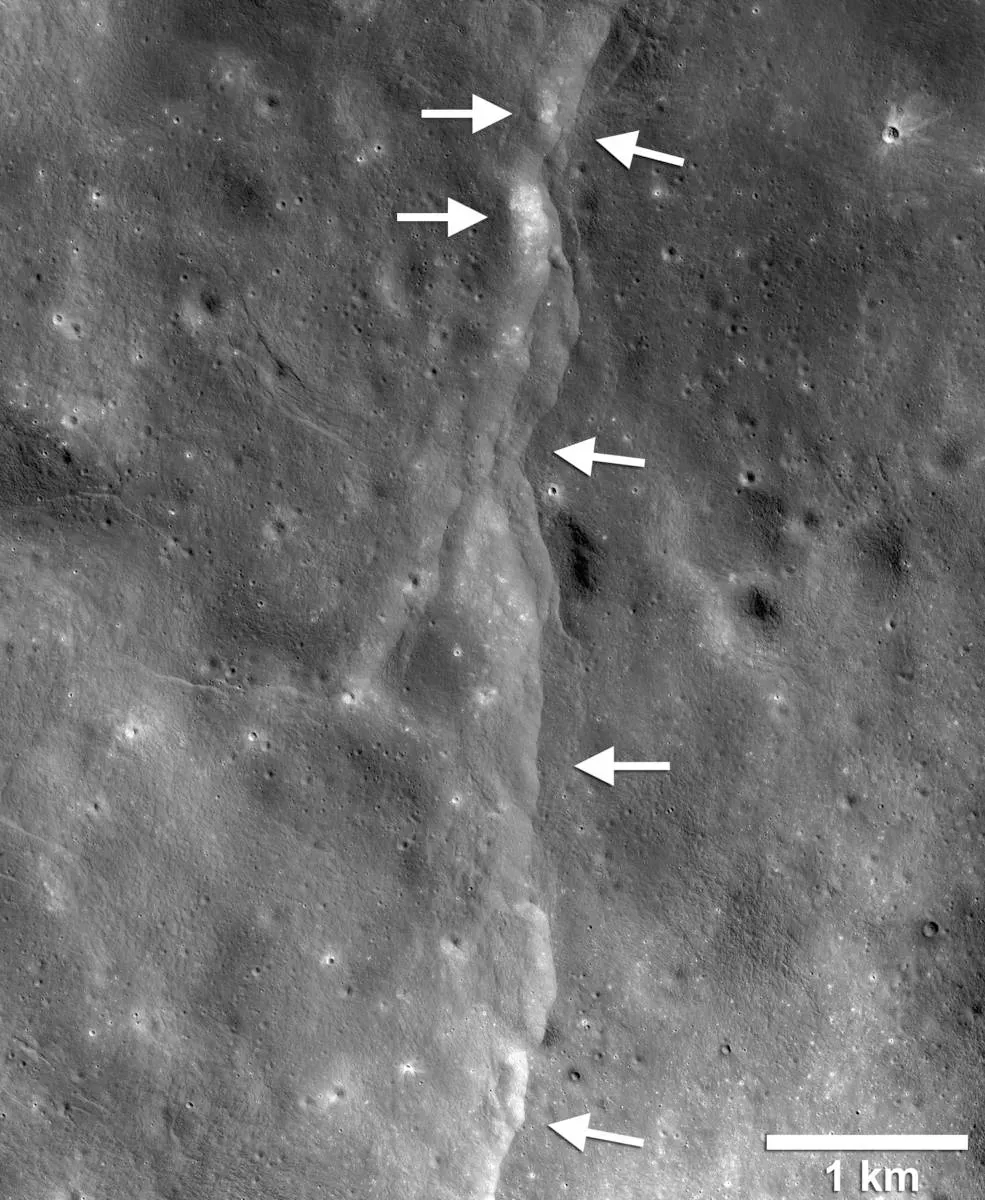
Scientists have discovered that moonquakes, not meteoroids, are responsible for shifting terrain near the Apollo 17 landing site, with analysis pointing to a still-active fault that has been generating quakes for millions of years. This discovery, made in late 2025, could actually change NASA’s plans for future Moon bases.
The Moon experiences both deep tidal quakes caused by Earth’s gravity and mysterious shallow quakes that suggest ongoing geological activity, with Apollo-era seismic data revealing long-lasting vibrations and complex internal layering. Understanding where and when these quakes occur will be crucial for establishing permanent human settlements on the lunar surface.
The Moon’s Composition Is Suspiciously Similar to Earth’s
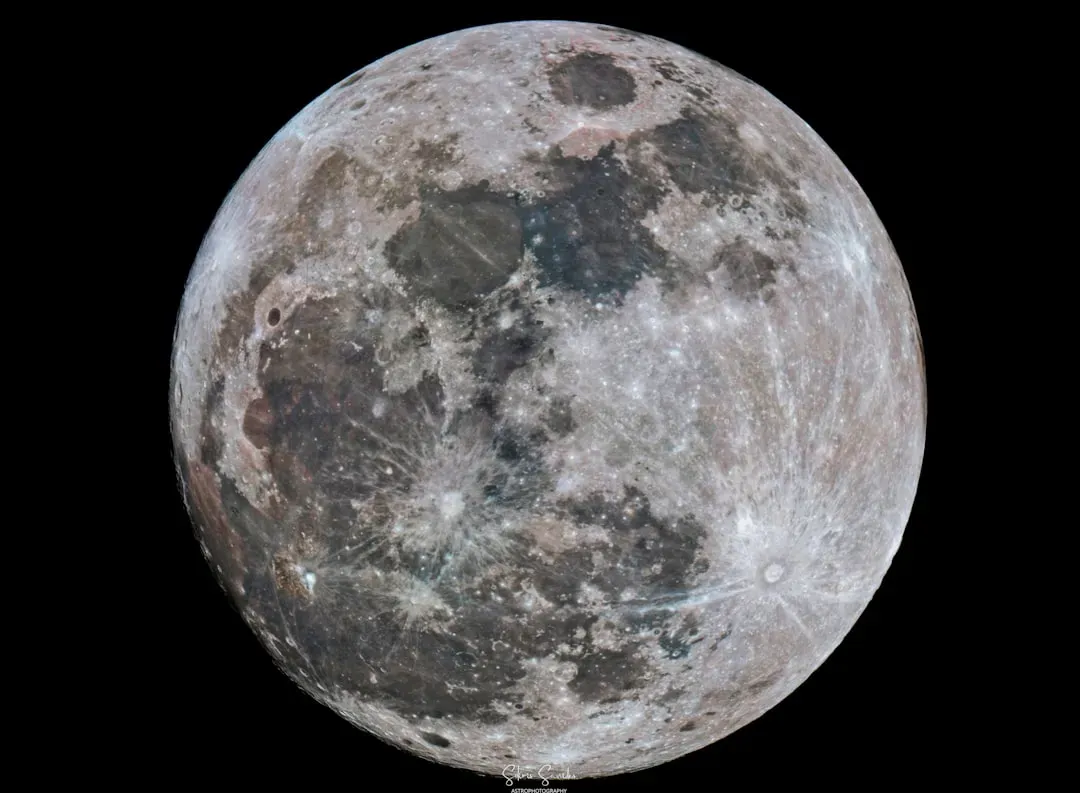
One outstanding mystery has been why the composition of the Moon is so similar to Earth’s. If the Moon formed mostly from debris from the impactor Theia, it should have a dramatically different chemical signature. The Moon’s oxygen isotopic ratios seem to be essentially identical to Earth’s, and oxygen isotopic ratios yield a unique and distinct signature for each Solar System body.
Recent analysis revealed an exceptionally close match between Earth and Moon samples for oxygen-17, a striking similarity that has long puzzled scientists who even coined the term isotope crisis to describe the difficulty in explaining it. This similarity suggests the Moon contains far more Earth material than scientists originally thought possible.
There Might Be Clues About Life’s Origins Frozen in Lunar Ice
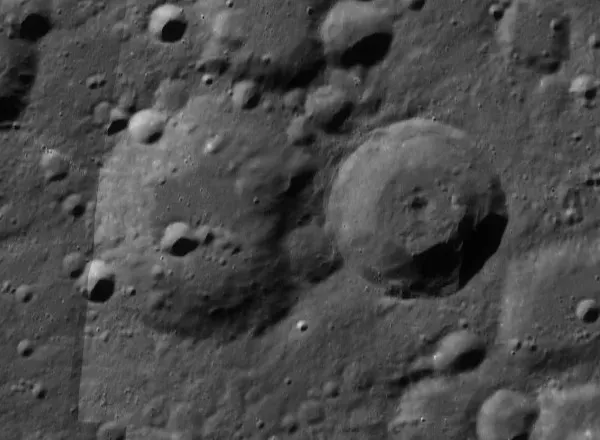
This one’s particularly fascinating. Scientists want to get a closer look at the ice hidden in polar craters on the Moon because they wonder if it might tell us something about the development of life on Earth, with one idea being that life’s building blocks were delivered by comets and remnants of those might exist in the ice on the Moon.
Tiny bits of Earth’s atmosphere have been drifting to the Moon for billions of years, guided by Earth’s magnetic field. Material from asteroid and comet collisions on Earth could have been released into space and eventually preserved on the Moon. In a way, the Moon might be holding a frozen archive of Earth’s ancient history, including the very ingredients that sparked life on our planet.
Conclusion
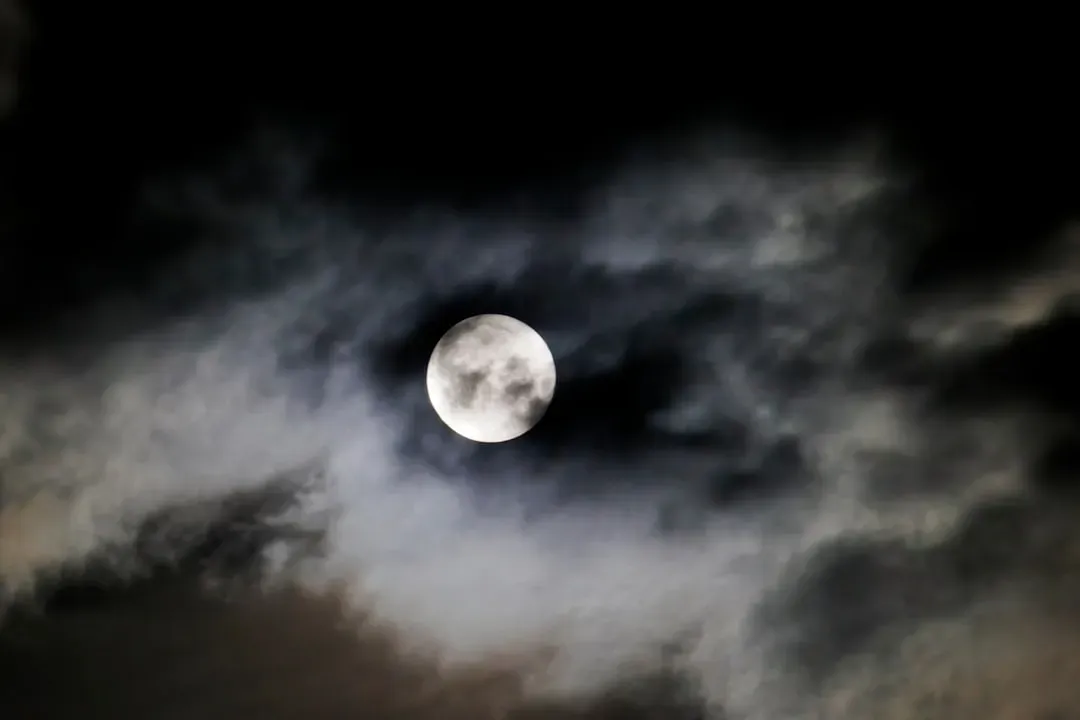
Our Moon, that familiar glowing companion we’ve gazed at since childhood, turns out to be far stranger and more mysterious than most of us ever imagined. From its uncertain origins to its invisible tail, from the eerie way it rang like a bell to the active moonquakes still shaking its surface, the Moon continues to challenge and surprise scientists in 2026.
What makes these discoveries even more exciting is that we’re on the verge of returning to the lunar surface with NASA’s Artemis missions. Future astronauts will collect new samples from unexplored regions, potentially answering questions that have puzzled researchers for decades. The Moon still has so many secrets left to reveal.
Which of these facts surprised you the most? Did you ever imagine our nearest neighbor could be quite this mysterious?