
You might think the greatest mysteries of the human story have been solved. We have satellites, AI systems, DNA testing, and CT scanners powerful enough to see inside corroded lumps of bronze that sat on the ocean floor for two thousand years. We have more tools than at any other point in history.
Yet here we are, in 2026, still scratching our heads over giant stone jars, encrypted manuscripts, and desert drawings so massive they only make sense from the sky. The ancient world, it turns out, was not in the habit of leaving instruction manuals. What it left behind instead were riddles. Some fascinating, some deeply strange, and a few that feel almost like a deliberate challenge. Let’s dive in.
The Antikythera Mechanism: A Computer That Should Not Exist
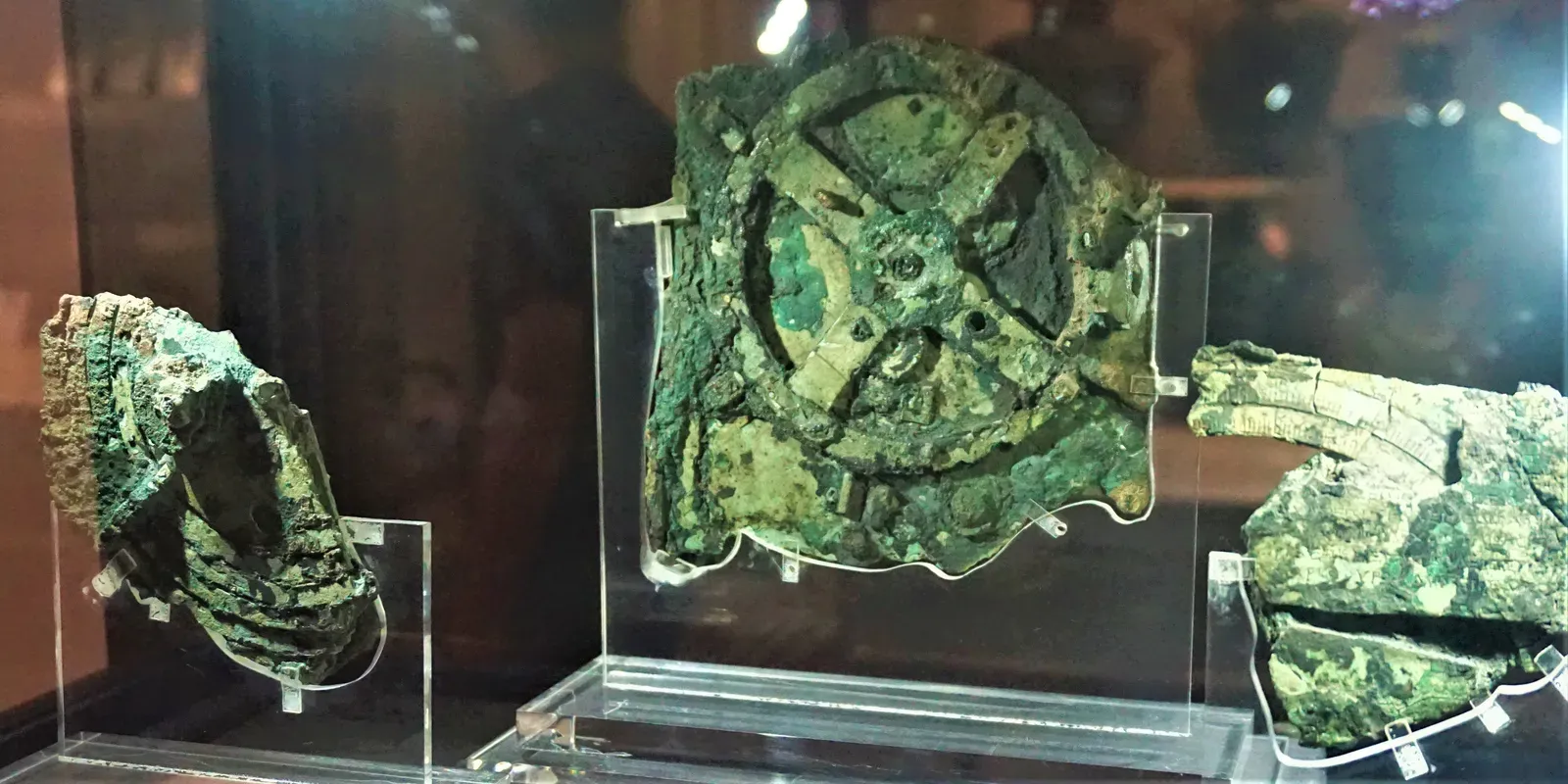
Picture a group of sponge divers sheltering from a storm near a tiny Greek island in 1900. When the weather cleared, they dove for sponges and stumbled onto something that would shake the entire foundation of what we thought we knew about ancient engineering. The diver who surfaced first came up shaking in fear, mumbling about “a heap of dead naked people.” The divers had sheltered near the island of Antikythera, between Crete and mainland Greece, and when the storm passed they discovered the most significant shipwreck from the ancient world found up to that point.
Among the statues and glassware pulled from the wreck was a corroded lump of bronze that barely got a second glance at first. Then it split open. According to the historical knowledge of the time, gears like the ones found inside should not have appeared in ancient Greece, or anywhere else in the world, until many centuries after the shipwreck. The find generated huge controversy. Thought to be the world’s oldest known analog computer, the Antikythera Mechanism predates comparable mechanical devices by more than a thousand years. Nothing of similar complexity appeared until the 14th century.
The Antikythera Mechanism was a computational instrument for mathematical astronomy, incorporating cycles from Babylonian astronomy and the Greek flair for geometry. It calculated ecliptic longitudes of the Moon, Sun, and planets, the phase and age of the Moon, the synodic phases of the planets, eclipses, and even the Olympiad cycle. That is not a navigation tool. That is essentially a pocket universe.
The debate today is not just about what it did, but whether it even worked reliably. Researchers found that the mechanism was not very useful at all – it could only be cranked to about four months into the future before it inevitably jammed, or its gears simply disengaged. The user would then have had to reset everything to get it going again, similar to trying to fix a modern printer. An ancient Greek printer that modeled the cosmos. Honestly, that feels very on-brand for 2026.
The Nazca Lines: Earth Art Meant for the Gods?
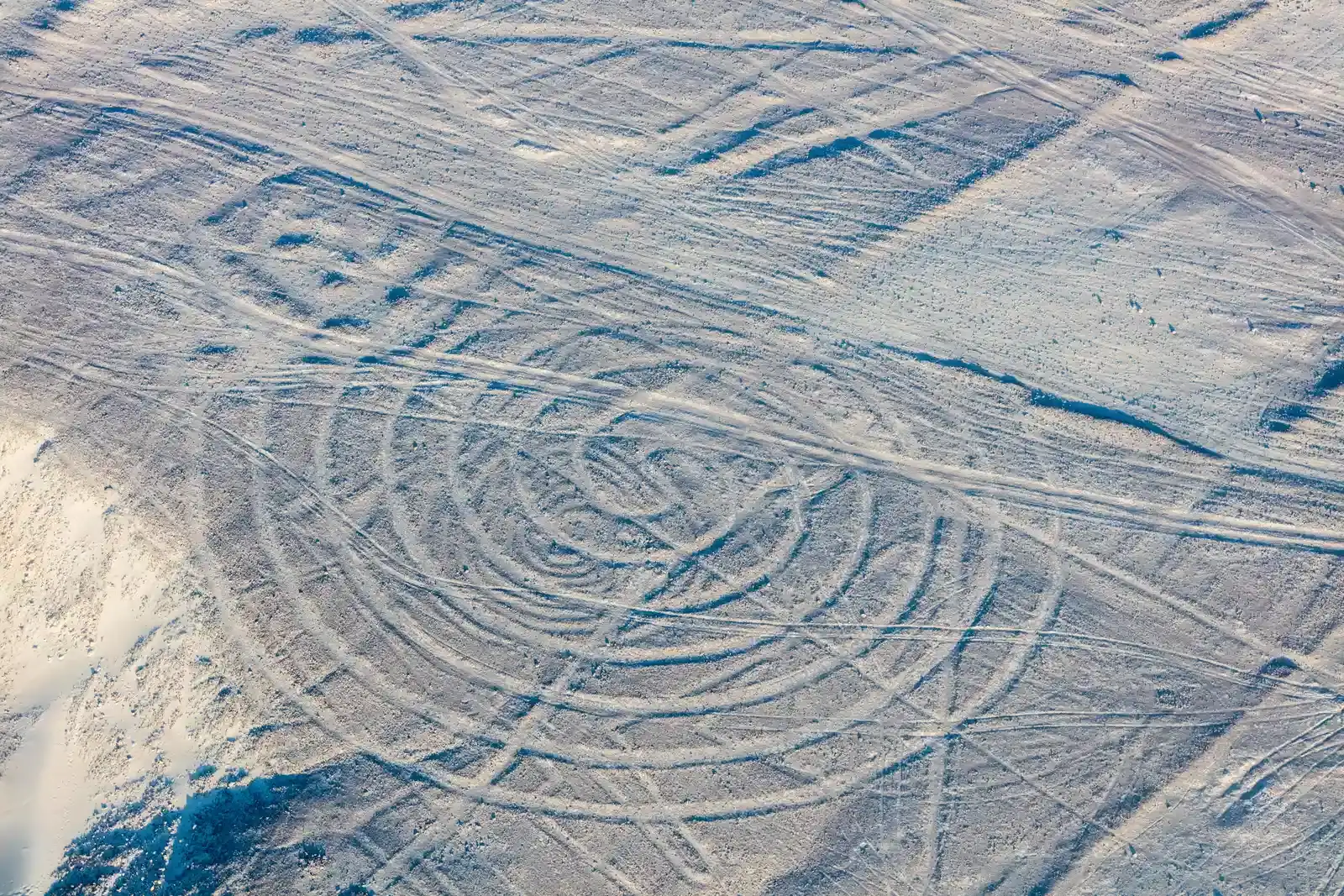
For more than a century, giant patterns and pictures scratched into the plains south of Lima, Peru, have mystified archaeologists. Named for the Nazca people who lived between 200 BC and 650 AD, the Nazca Lines remain one of archaeology’s greatest mysteries. With the arid ground as their canvas, ancient Peruvians worked on a scale so vast that many of their designs can only be fully admired from the air – ironically, a viewpoint the artists never had.
Here is the thing that gets you: these weren’t scribbles. The geoglyphs were made by removing the top 30 to 40 centimeters of brown dirt and pebbles to reveal the lighter-colored clay beneath. Research suggests that the Nazca used ancient units of measurement to achieve perfectly proportioned designs. The figures vary in complexity. Hundreds are simple lines and geometric shapes, while more than 70 are zoomorphic designs including a hummingbird, arachnid, fish, condor, monkey, lizard, dog, and a human.
It remains unclear why the ancient Nazca carved these patterns into the desert plains. There are several hypotheses ranging from water rituals to sacred pathways, but the reason remains unexplained. AI is now helping crack the case. Working with IBM scientists, European and Japanese researchers have taught artificial intelligence to spot the geoglyphs within vast swathes of aerial imagery, offering new insights into the lines’ purpose. One team discovered 303 more figurative geoglyphs in just six months, almost doubling the previous total.
Stonehenge: A Monument Without a Manual
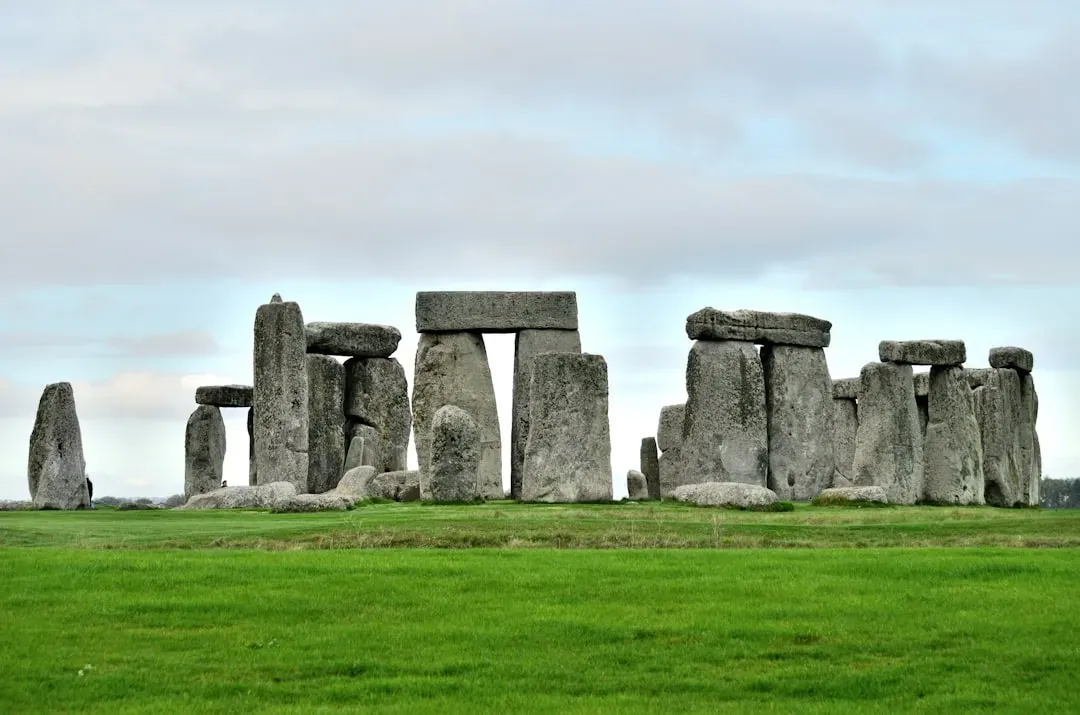
One of England’s more famous landmarks, the prehistoric wonder that is Stonehenge, remains as mysterious as the first day it was ever recorded by Roman chroniclers. Historians generally agree that early Britons constructed Stonehenge sometime around 5,000 years ago. It has never been clear as to why the structure was ever made. Think about that. We know roughly when it was built. We just have absolutely no idea why.
Despite decades of research, historians still puzzle over both its original purpose – whether as a ceremonial site, astronomical observatory, or burial ground – and the techniques used by Neolithic builders to transport and raise the massive stones. The stones used in the structure were dragged from quarries more than 150 miles away. There were no wheels. No cranes. No engines. Just human ingenuity operating at a scale that still silences engineers today. The enduring mystery of Stonehenge has never been solved, and theories about its original purpose range from an astronomical observatory to a religious temple dedicated solely for healing.
Göbekli Tepe: The Temple That Rewrote History
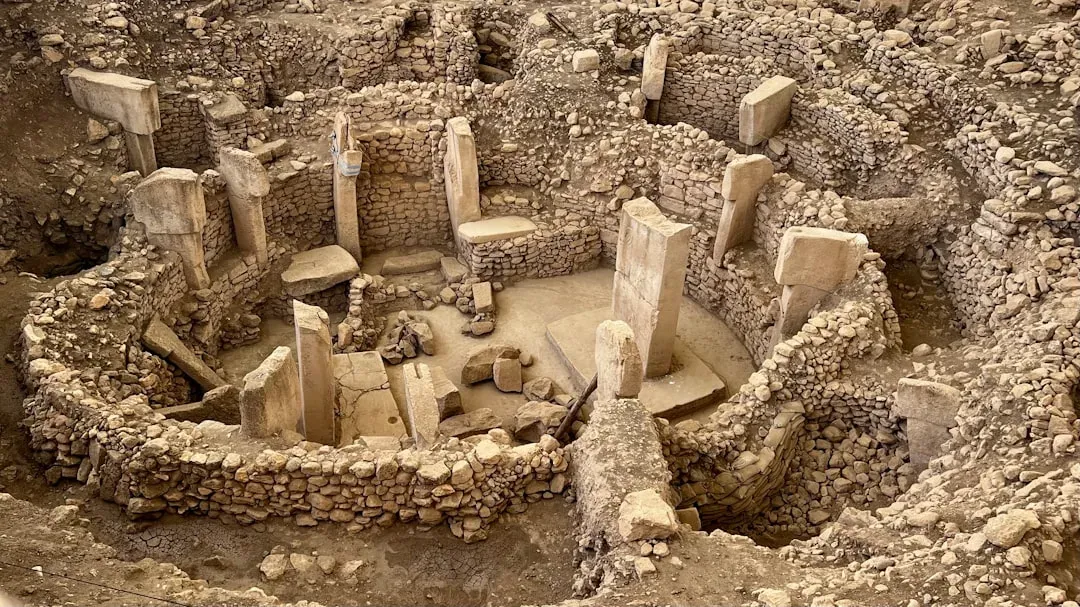
If Stonehenge makes you feel humble, Göbekli Tepe in southeastern Turkey will make you feel like we’ve been telling the story of civilization completely wrong. Discovered in the 1990s in a remote part of present-day Turkey, the massive megalith is around 11,000 years old – the oldest known significant site created by humans. Its purpose is still undetermined, but Stone Age masons created 20 circles of tall rock pillars weighing up to 20 tons.
Göbekli Tepe contains multiple rings of huge stone pillars carved with scenes of animals and dates to the 10th millennium BC, making it the world’s oldest known place of worship. Yet evidence suggests the people who built it were semi-nomadic hunters, likely unaware of agriculture, which followed in the area only five centuries later. Because of Göbekli Tepe, archaeologists now have to ask which came first. Did building projects like this lead to settlement, and not vice-versa, as always thought? That question alone should keep you up at night.
Some of the T-shaped pillars are nearly 16 feet high and bear carved reliefs of foxes, bulls, boars, reptiles, scorpions, vultures, and other creatures. Other pillars have human arms that have led experts to believe the horizontal tops might represent human heads. Some now interpret it as a ceremonial gathering site, while others suggest it functioned as a social hub where rituals helped bind together early communities. Either way, it’s extraordinary.
The Voynich Manuscript: The Book Nobody Can Read
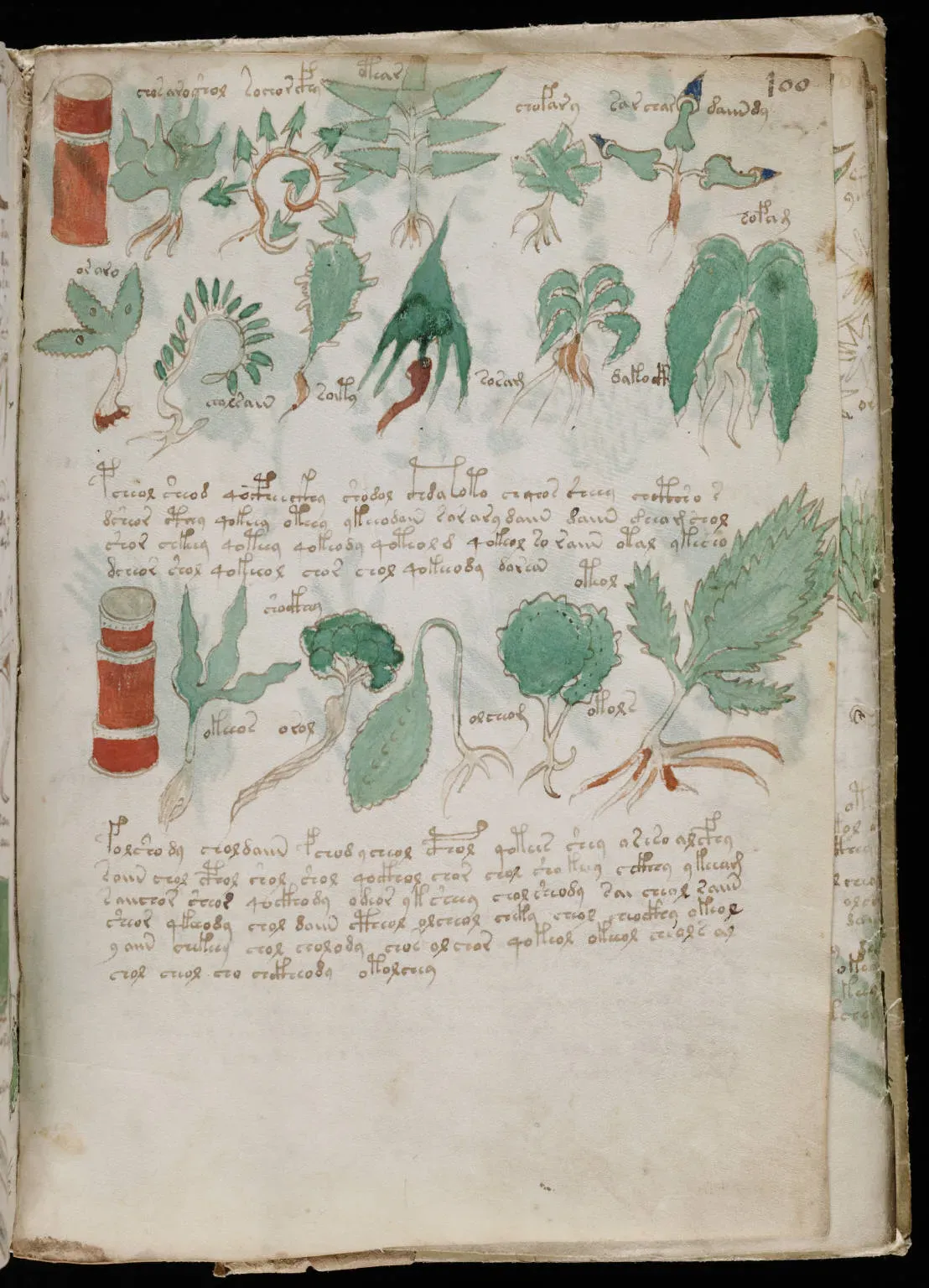
Imagine picking up a book and realizing you cannot understand a single word. Not because you haven’t studied it. Not because it’s in Latin or Greek. You can’t read it because nobody in the entire world can. In 1912, rare book dealer Wilfrid Voynich acquired a medieval manuscript that had been housed in an ancient castle in southern Europe. Written in an extinct language, or code, no one could recognize, and filled with strange illustrations of fictitious plants and naked women, it has befuddled scholars ever since, including Alan Turing and the FBI, both of whom tried and failed to crack the case.
While many ancient texts have been deciphered, the Voynich Manuscript continues to puzzle researchers and cryptographers alike. Written in an unknown script, it suggests a lost language that defies conventional analysis. Its pages are filled with cryptic illustrations depicting plants, astronomical diagrams, and unfamiliar symbols. Despite numerous attempts, no one has conclusively translated the text or understood its purpose.
While the book was dated to the early 15th century, it didn’t appear in written records until the 1600s, leaving its first two hundred years of existence shrouded in mystery. No one knows who wrote it, what it means, or even where it came from. Some suspect the whole thing is an elaborate hoax. Now housed at Yale University, the Voynich manuscript is available to the public for anyone interested in trying to solve the puzzle once and for all. Maybe you’ll be the one to crack it.
The Plain of Jars: A Laotian Field Full of Giant Stone Vessels
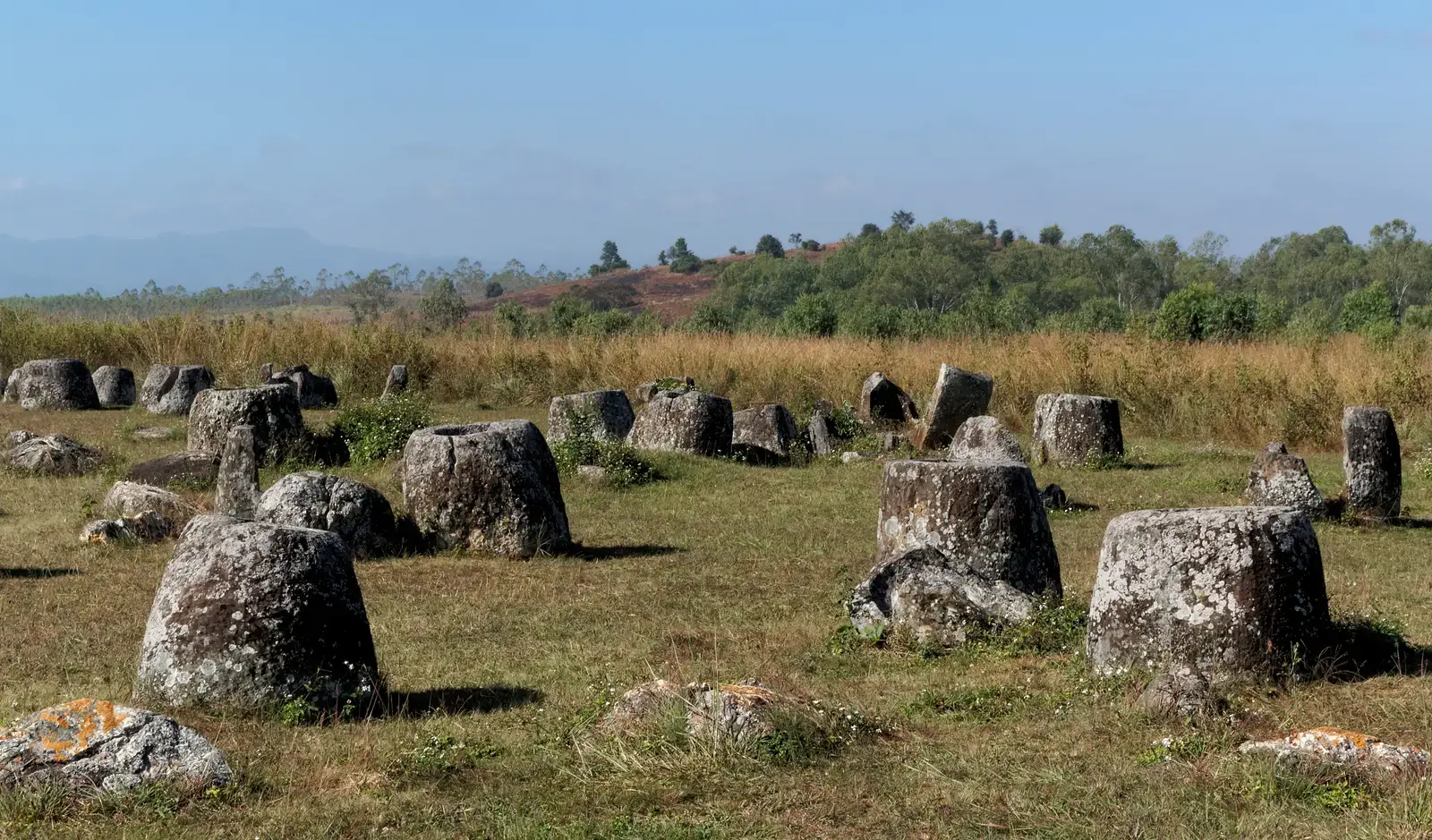
Tucked away in the misty mountains of northern Laos is one of the most bizarre archaeological sites on the planet. Thousands of lichen-covered stone jars from the Iron Age, some standing close to 10 feet tall and weighing several tons, dot the mountainous landscape of northern Laos. Carved largely from sandstone and found in groups ranging from just one to 400, legend holds that giants used them as wine glasses. Many archaeologists, on the other hand, believe they served as funerary urns, though much remains unknown about their purpose, how they were moved into place, and about the civilization that produced them.
The precise origins of the Plain of Jars remain shrouded in mystery, yet archaeological investigations have provided tantalizing clues. Radiocarbon dating suggests the jars were created during the Iron Age, roughly between 500 BC and 200 AD, though some recent studies indicate they might be even older, possibly over 3,000 years old. The nearest quarries for the stone are several kilometers away, raising questions about how these massive objects were transported and positioned. To make things even more complicated, undetonated U.S. bombs from the Vietnam War are still scattered in the area, so only seven of the 60 Plain of Jars sites are open to the public.
The Minoan Linear A Script: A Language Frozen in Time
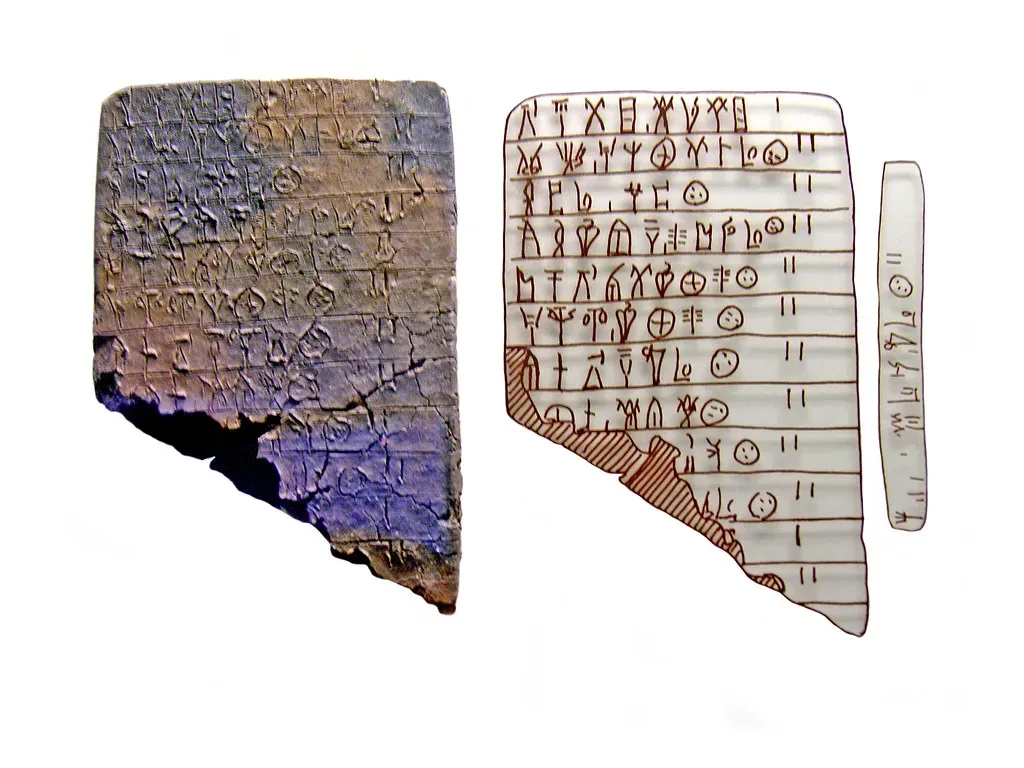
The Minoan civilization of ancient Crete produced one of the most elegant cultures the ancient Mediterranean ever saw. Beautiful pottery, stunning frescoes, complex palace architecture. They also left behind a writing system that remains completely undeciphered to this day. The only kind of written language they left behind was something researchers call Linear A. If Linear A can be cracked, it could open the door to a better understanding of the Minoan people and their untimely fate.
Greek-based Linear B was cracked in 1952 and represents syllables rather than letters. Still, that knowledge hasn’t opened the door to deciphering Linear A, which was used between 1800 and 1450 BC and remains an unsolved ancient mystery. Think of it like having the key to one door and discovering it won’t open the one right beside it. The Minoan civilization disappeared almost as quickly as it appeared. Many of their cities were destroyed in a series of floods, earthquakes, and tsunamis. Their story is locked inside a script the world has not yet learned to read.
The Costa Rica Stone Spheres: Perfect Balls From a Lost Culture
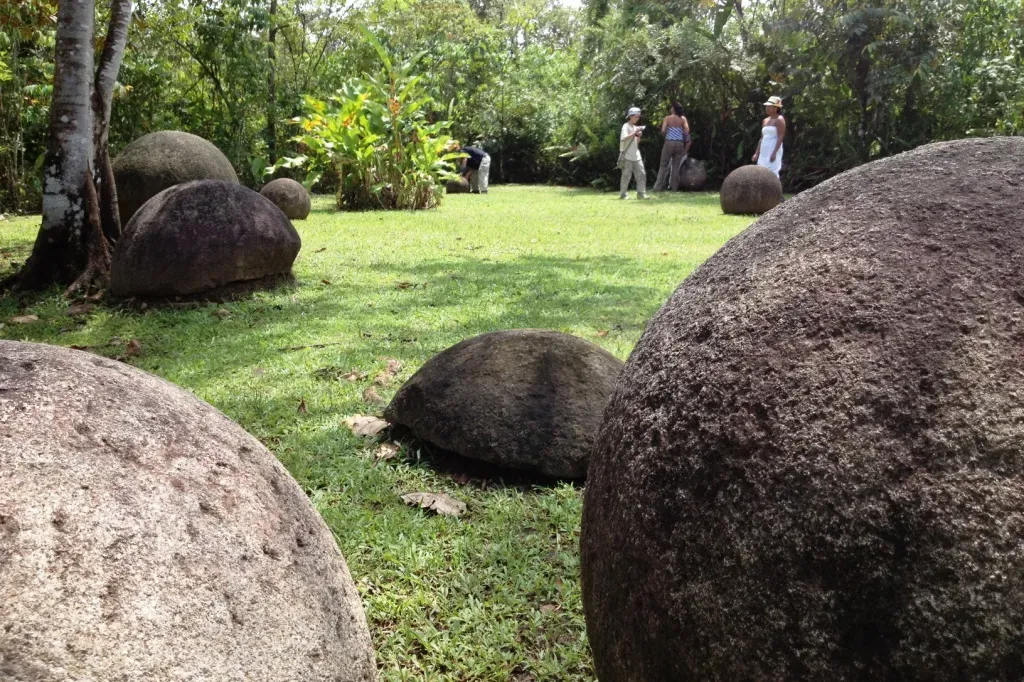
This one honestly sounds like it was invented for a movie set. While clearing the jungle for banana plantations in 1940 in Costa Rica’s Diquis Delta region, employees of the United Fruit Company uncovered numerous large stone spheres partly buried in the forest floor. Around 300 spheres are known to exist, with the largest weighing 16 tonnes and measuring eight feet in diameter, and the smallest being no bigger than a basketball. Almost all of them are made of granodiorite, a hard, igneous stone.
Here is what makes these objects truly mind-bending: they are almost perfectly spherical. Not close to perfect. Nearly perfect. Pre-Columbian people, with no power tools, no laser levels, and no modern measuring instruments, produced rounded stone forms with a precision that leaves modern engineers puzzled. Since their discovery, the true purpose of the spheres, which still eludes experts, has been the subject of speculation ranging from theories about navigational aids to relics related to Stonehenge, the product of an unknown ancient civilization, or visits from extraterrestrials. The people who carved the stones into their perfectly spherical shapes likely did so using other small stones, according to archaeologists who study the ancient rocks.
The Phaistos Disc: A Spiral Message Nobody Can Decode
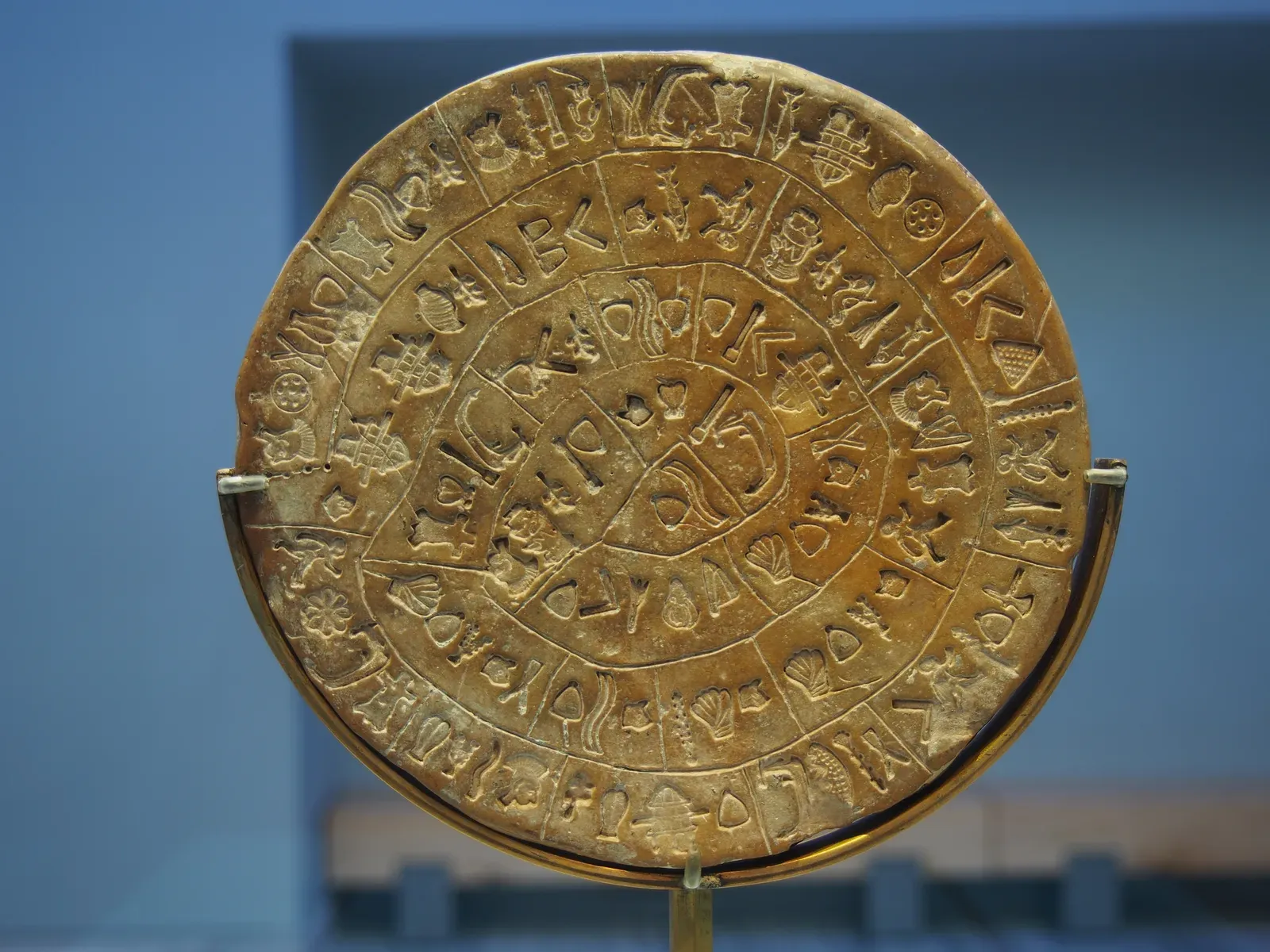
Unearthed on the island of Crete in 1908, the Phaistos Disc is a fired clay object about the size of a dinner plate, covered on both sides with stamped symbols arranged in a spiral pattern. It is, in the simplest terms, a circular message from the Bronze Age that no one alive has ever been able to read. The mysterious Phaistos Disc, covered in spiraling ancient symbols, stands as a remarkable artifact from Crete’s Bronze Age. Unearthed in 1908 on Crete, it is a fired clay object inscribed with spiraling, stamped symbols.
What makes the disc so maddening is that the symbols appear to have been stamped with individual seals pressed into wet clay, suggesting a kind of ancient typeface. Whoever made it had a system. They had intention. Theories abound, from astronomical calendars to communication with deities – or even ancient aliens. It’s hard to say for sure, but the fact that this is the only known object of its type in the world means linguists have nothing to compare it against. No Rosetta Stone exists for the Phaistos Disc. You’re working with a single page from a book that may never have had another.
The Baghdad Battery: Did Ancient Persia Know About Electricity?
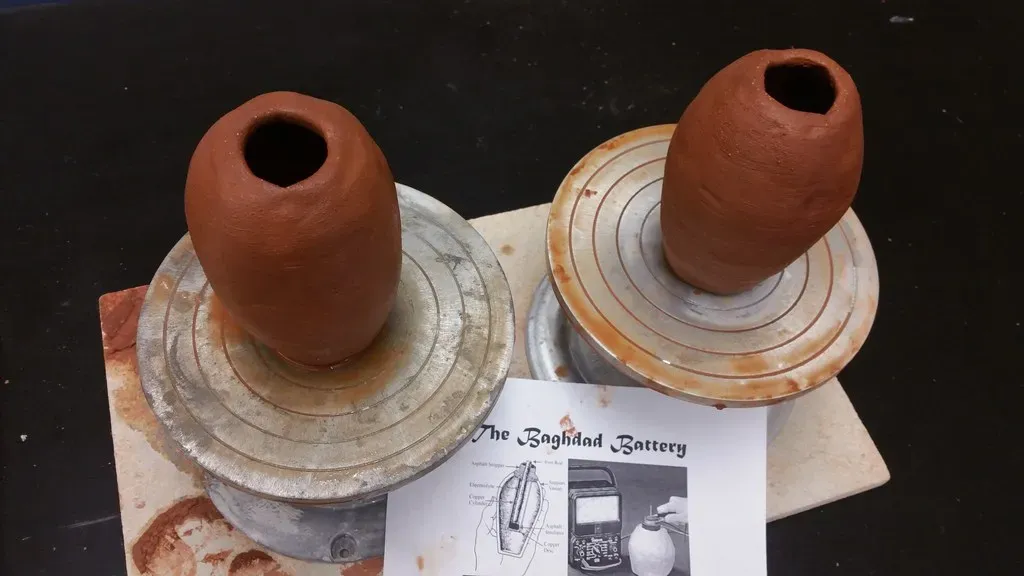
Let’s end on something that sounds almost too wild to be real. In the 1930s, archaeologists discovered a peculiar artifact near Baghdad: a small clay jar containing a copper cylinder wrapped around an iron rod. The components, when filled with an acidic liquid like vinegar or grape juice, can produce a weak electrical charge. Unearthed near Baghdad, this ancient artifact features a clay jar, copper cylinder, and iron rod – components that resemble a primitive battery. Some researchers suggest it could have produced a weak electric current, hinting at lost knowledge of electricity in antiquity. However, its actual use – whether for electroplating, medicine, or ritual – remains uncertain, fueling ongoing debate among historians and scientists.
The object dates to around 200 BC, give or take, which would place it well before Alessandro Volta built the first battery in 1800. Honestly, the idea of ancient Parthian craftsmen experimenting with electricity feels almost too good to be true, and many archaeologists remain deeply skeptical. The most mainstream argument is that the jar was simply used to store sacred scrolls, and that the “battery” interpretation is one giant coincidence of chemistry. Still, the possibility lingers. What if someone figured it out, millennia ahead of their time, and the knowledge simply didn’t survive them? That question is more chilling than any theory about aliens or giants.
Conclusion: The Past Is Still Speaking
What strikes you most, when you line these ten mysteries up side by side, is how human they all feel. Not alien. Not supernatural. Human beings building, writing, carving, computing, and creating – at a scale and sophistication that the centuries that followed somehow failed to preserve or even understand. Plenty of examples throughout history were considered unsolvable mysteries, only to be cracked wide open decades later aided by technological breakthroughs or new archaeological discoveries. There has never been a point in modern history where humans know more about ancient civilization than now. Thanks to the tireless work of scientists, historians, and archaeologists, new discoveries and breakthroughs are being made each day.
Yet for all that progress, these ten puzzles remind you that the ancient world was not simply a rough draft of ours. It was its own vast, complex, creative world – one that had things to say that we still haven’t fully heard. The application of AI in archaeology is still in its early stages, but its potential is already becoming clear. As these technologies improve, they will enable archaeologists to uncover hidden civilizations, lost artifacts, and long-forgotten landscapes. The combination of AI, machine learning, and remote sensing is not only accelerating discoveries but also ensuring that endangered sites are identified and preserved before they are lost forever.
The ancient world didn’t run out of answers. We ran out of questions good enough to ask it. Which of these ten mysteries haunts you the most – and do you think we’ll ever truly solve them? Share your thoughts in the comments.