
Every time we think we’ve finally figured out how the universe works, nature throws us a curveball. Hidden inside ordinary things like light, time, ants, and even trees are puzzles so strange they sound almost like riddles. Yet these are not science fiction ideas or thought experiments; they are real phenomena that scientists can observe, measure, and sometimes even use – but still don’t fully understand.
These paradoxes live in that uncomfortable space between what we see and what we think should be true. They force us to admit our mental models are too simple for a universe that is anything but. Let’s walk through ten of the most brain-twisting paradoxes in nature – things that literally happen in the real world, right now, that still leave researchers scratching their heads.
The Quantum Double-Slit: Does Reality Change When We Look?
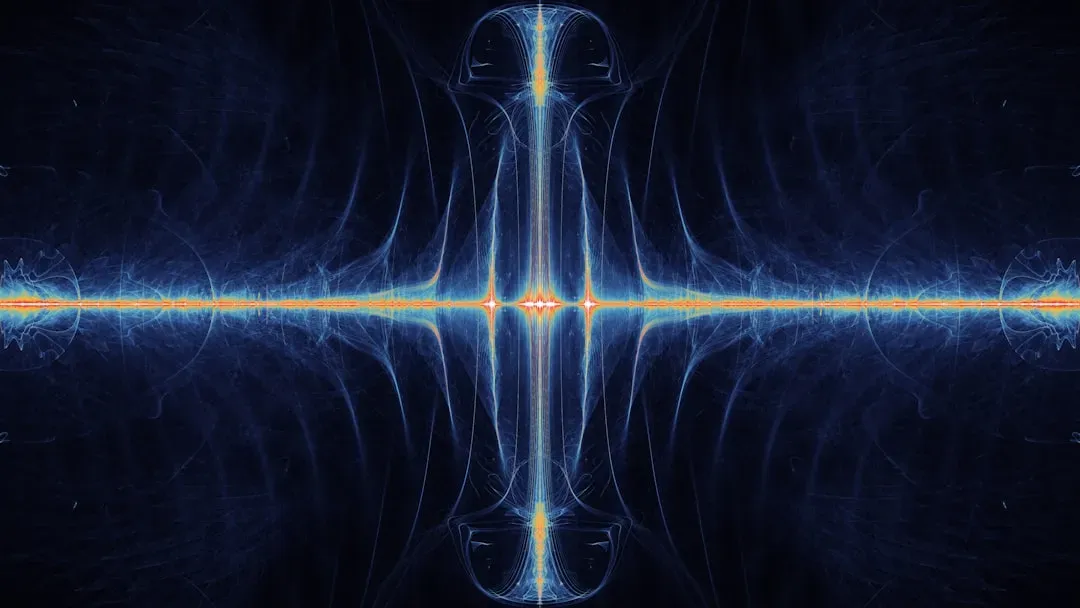
Imagine firing tiny particles – like electrons or photons – at a wall with two narrow slits, and behind that wall is a screen to catch where they land. When both slits are open and no one is “watching” which slit they pass through, the particles create an interference pattern on the screen, as if each one behaved like a wave and went through both slits at once. It’s as if reality is spread out and undecided, a blurry “both at the same time” situation that shouldn’t make sense for solid particles.
Now here’s the kicker: when scientists set up a measurement to detect which slit each particle goes through, the interference pattern disappears and the particles behave like regular little bullets. The only thing that changed is that they tried to find out what happened, and somehow the act of measuring seems to force nature to “pick a lane.” Physicists can predict the pattern of results with incredible accuracy, but why observation changes the outcome remains one of the deepest open questions in science.
Quantum Entanglement: Spooky Links Across the Universe
In quantum entanglement, two particles become linked so that what happens to one instantly affects the other, no matter how far apart they are. You can separate them by meters, kilometers, even light-years, and still when you measure a property of one, the result for the other is locked in as if they’re sharing secret information faster than light. Experiments over the last decades have repeatedly confirmed this strange nonlocal connection.
The paradox is that relativity says no signal or influence can travel faster than the speed of light, yet entanglement correlations appear to operate with no delay at all. Physicists know entanglement doesn’t allow you to send useful messages faster than light, so it doesn’t violate relativity in a simple way, but it still shreds our usual idea that objects only affect each other through local, step-by-step interactions. Nature behaves as if separate things are not really separate, and we still don’t fully grasp what that implies about the fabric of reality.
The Arrow of Time: Why Does Time Only Flow One Way?

The fundamental laws of physics work almost the same forward and backward in time. If you watch two billiard balls collide, the equations don’t really care whether the scene is playing normally or in reverse. But our everyday experience is brutally one-way: you remember the past, not the future; a broken glass does not reassemble itself; your coffee cools down but never spontaneously heats up. This is the arrow of time, and it feels absolutely real.
The usual explanation points to entropy, the measure of disorder in a system, which tends to increase. Yet this just shifts the paradox: why did the universe start in such a low-entropy, incredibly ordered state in the first place? No one has a universally accepted answer. Time’s arrow seems tied to the expansion and initial conditions of the cosmos, but we don’t truly know why time, which looks so symmetric in the equations, feels so stubbornly one-directional in our lives.
The Black Hole Information Paradox: Does Information Ever Truly Die?
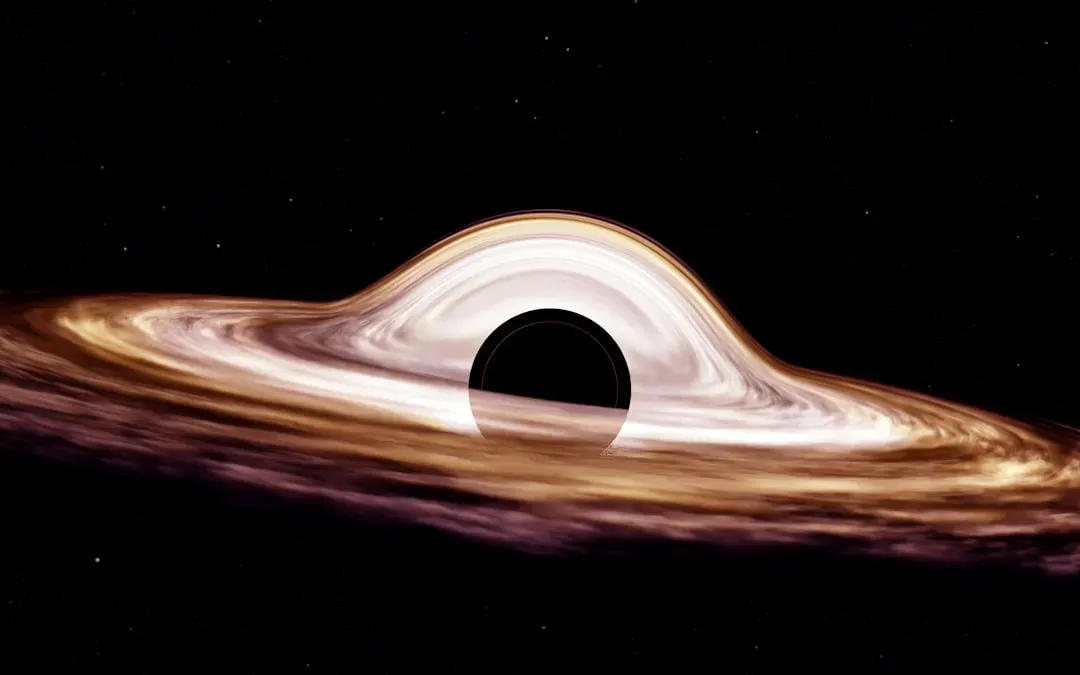
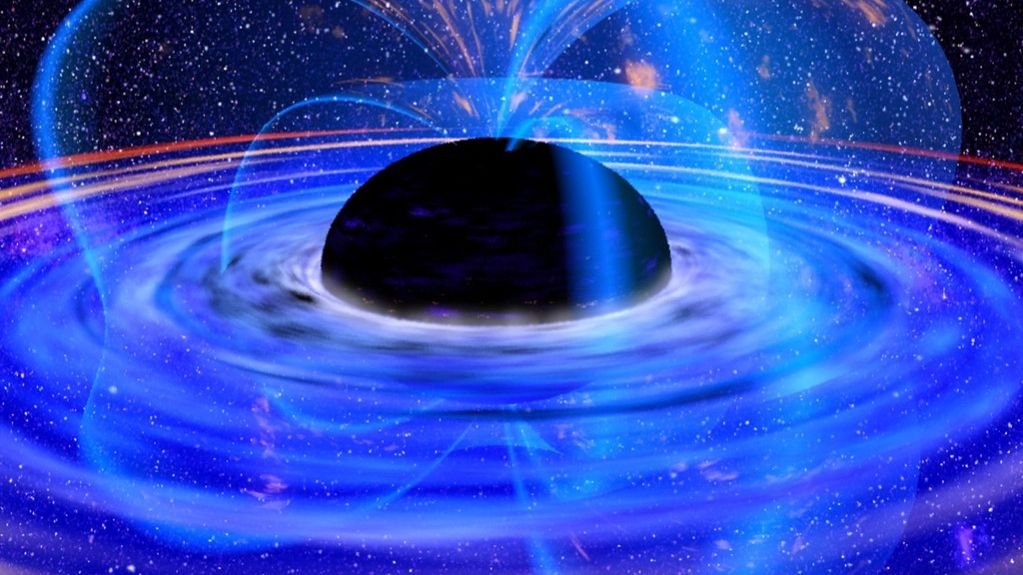
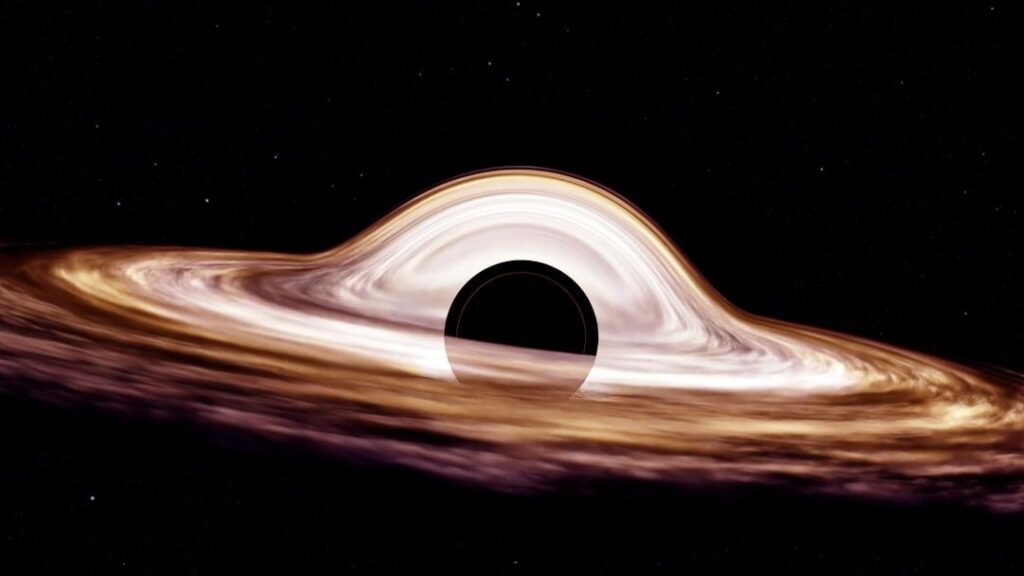
Black holes are cosmic traps so dense that not even light can escape once it crosses the event horizon. According to classical physics, anything that falls in is gone to the outside universe forever – destroyed in any recognizable form. But quantum mechanics insists that information about the exact state of a system can’t simply vanish. This clash leads to the black hole information paradox, a long-running headache at the heart of theoretical physics.
Stephen Hawking showed that black holes can slowly evaporate via quantum effects, emitting what’s now called Hawking radiation. That raises a brutal question: when the black hole completely evaporates, where did the information about everything that fell in actually go? Some theories suggest it’s somehow imprinted in subtle patterns on the event horizon or encoded in the radiation itself, others lean on ideas like holography and quantum gravity, but there’s still no fully accepted, experimentally confirmed resolution. The universe seems to be asking whether it is allowed to forget.
The Cosmological Constant: Why Is Empty Space So Weirdly Light?
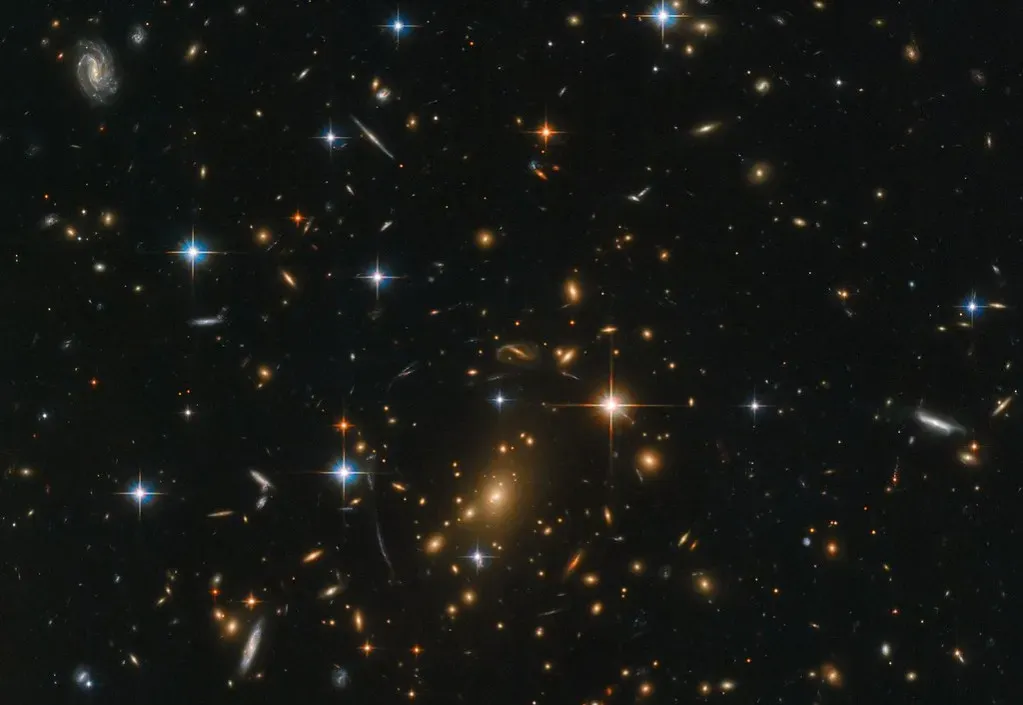
Observations of distant galaxies show that the expansion of the universe is speeding up, driven by something we call dark energy. In Einstein’s equations of general relativity, this can be represented by a term called the cosmological constant, which acts like an energy density of empty space. Measured from astronomical data, this energy is incredibly small – but not zero. It’s just big enough to slowly push galaxies apart over billions of years.
Here’s the paradox: when physicists try to calculate the energy of the vacuum using quantum field theory, the naive result is wildly larger than what we see – off by many, many orders of magnitude. It’s often described as one of the worst theoretical predictions in physics. Either our understanding of quantum fields, gravity, or both is missing something huge, or there is some ultra-precise cancellation mechanism built into nature that we don’t yet understand. The fact that empty space has such a tiny but nonzero energy looks almost absurdly fine-tuned.
The Fine-Tuning of the Universe: Are We an Accident or Inevitable?
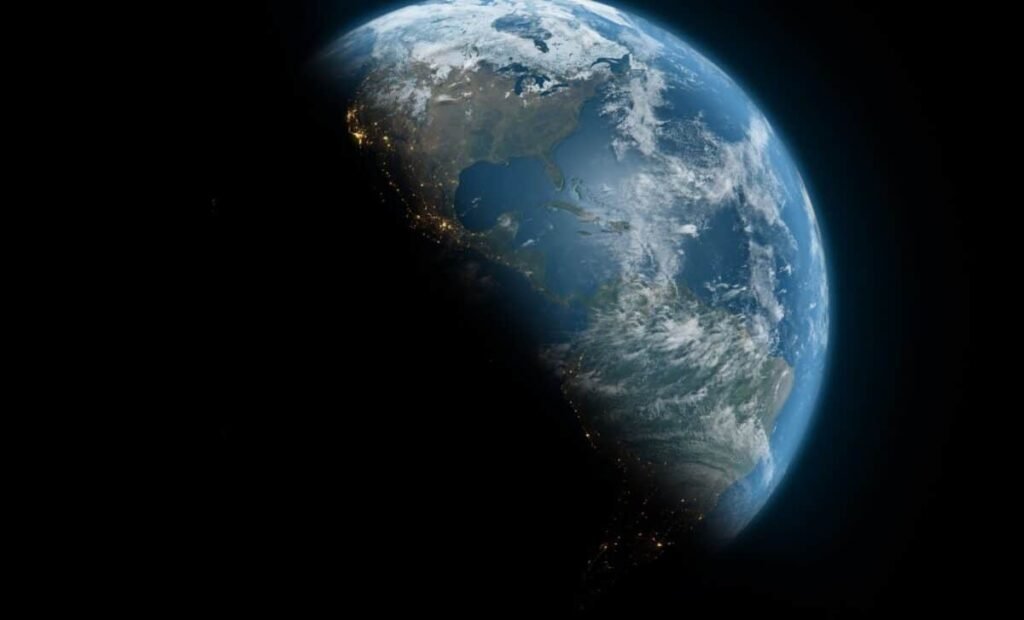
If you tweak many of the fundamental constants of nature – like the strength of gravity or the charge of the electron – even slightly, complex structures like stars, planets, and chemistry as we know it might never form. The range of values that still allow long-lived stars or stable atoms often seems surprisingly narrow. The universe appears to sit in a sweet spot that allows life, or at least complexity, to exist at all.
This leads to an uncomfortable question: is this precise balance just an unbelievable coincidence, or is there some deeper reason? Some scientists lean on the anthropic principle and the idea of a vast multiverse, where we naturally find ourselves in a rare pocket where conditions happen to permit observers. Others hope for a future theory that forces these constants to the values we see, removing the “lucky accident” feeling. Right now, the universe looks eerily tailored, and that unsettles a lot of people, scientists included.
The Mpemba Effect: When Hot Water Freezes Faster Than Cold
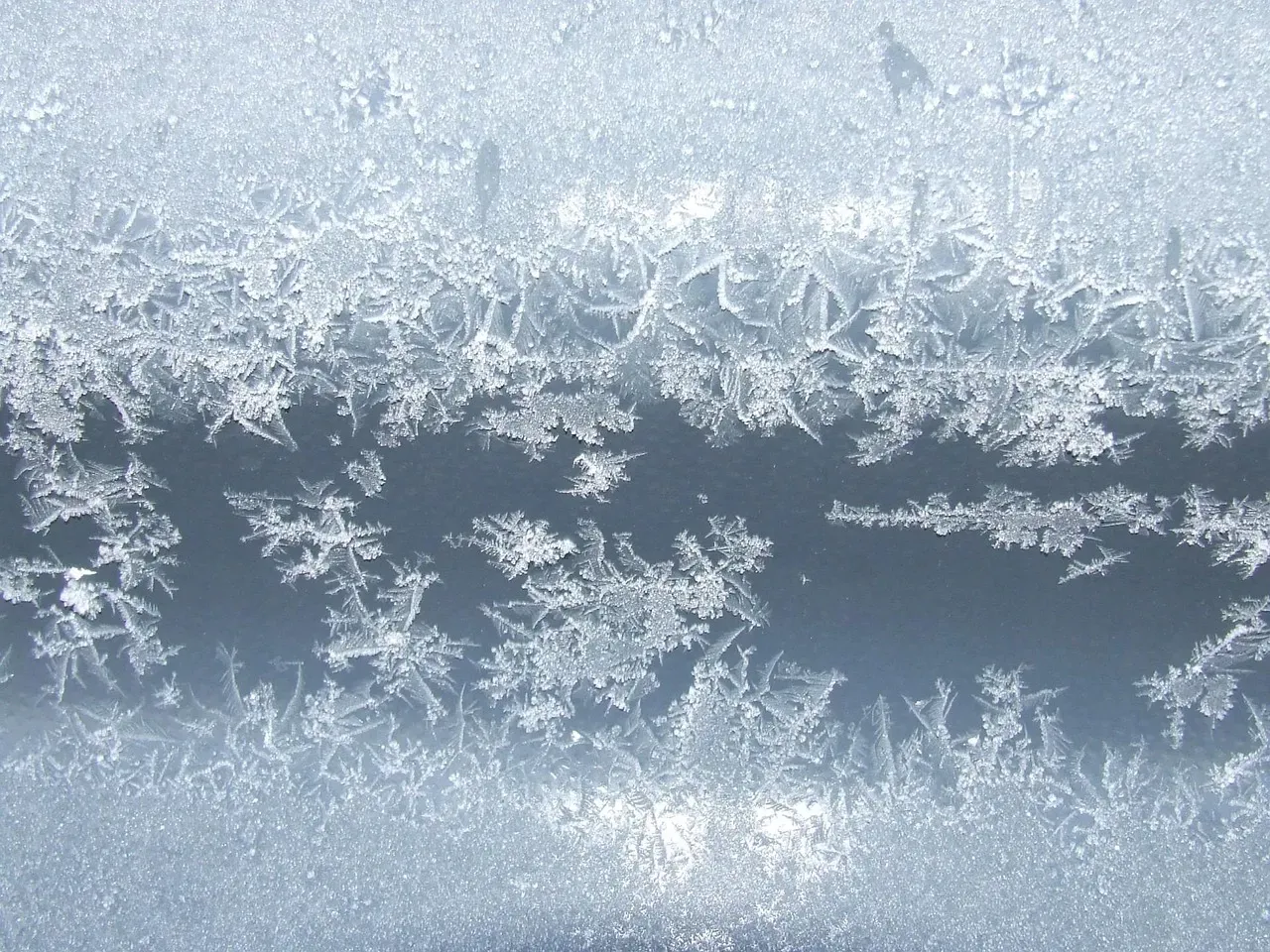
On the surface, freezing water is one of the simplest processes you could imagine: colder water should freeze before warmer water, end of story. Yet in some conditions, very hot water has been observed to freeze faster than cooler water, a phenomenon known as the Mpemba effect. It has been reported since ancient times and rediscovered in modern experiments, usually under specific setups involving particular containers, volumes, or starting temperatures.
Several explanations have been proposed: faster evaporation from hot water, different convection patterns, dissolved gases escaping, or subtle differences in how ice crystal structure begins to form. But no single explanation fully accounts for all the experimental results, and sometimes the effect doesn’t appear at all, even when you think it should. The paradox is that something as basic as water freezing – something you’d expect to be completely nailed down – still hides behavior that refuses to be fully pinned to a simple rule.
The Monty Hall of Evolution: When Survival Strategies Look Illogical
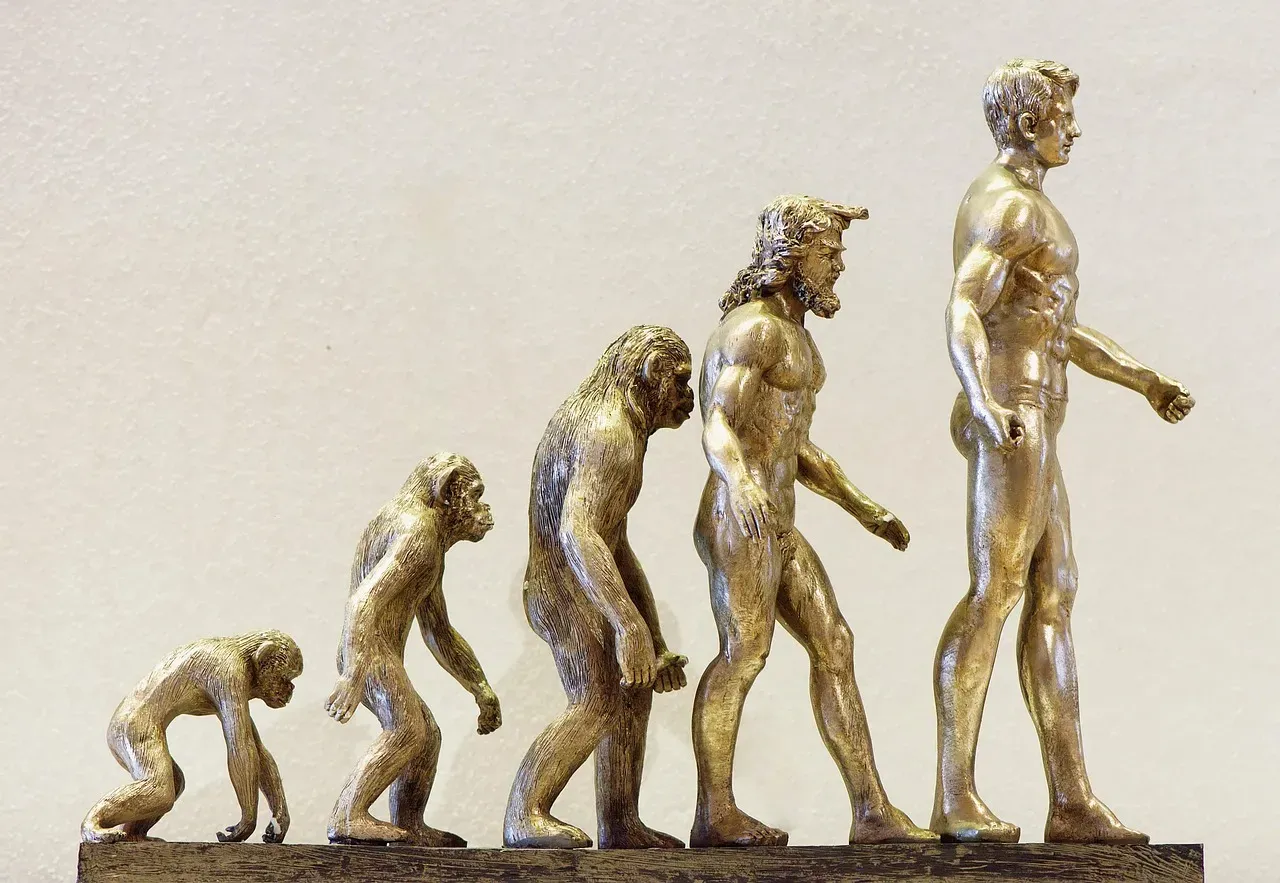
In evolution, you might expect natural selection to always favor what looks like the “strongest” or most individually efficient strategy. But nature is full of behaviors that seem to make no sense at first glance. Worker ants give up reproduction entirely and spend their lives helping the queen produce offspring. Some birds share food with unrelated individuals that might later compete with them. On paper, these moves look like losing lottery tickets.
Yet when scientists model these systems, they often find that counterintuitive strategies can be favored in the long run. Concepts like inclusive fitness, game theory, and frequency-dependent selection show that what looks irrational on the surface can be highly adaptive in a complex environment. The paradox is that nature’s “logic” doesn’t line up with our everyday human intuitions about winning and losing. It’s more like a weird, evolving version of a game show puzzle, where the best move only becomes obvious when you zoom way out.
The Faint Young Sun Paradox: How Was Early Earth Not Frozen Solid?
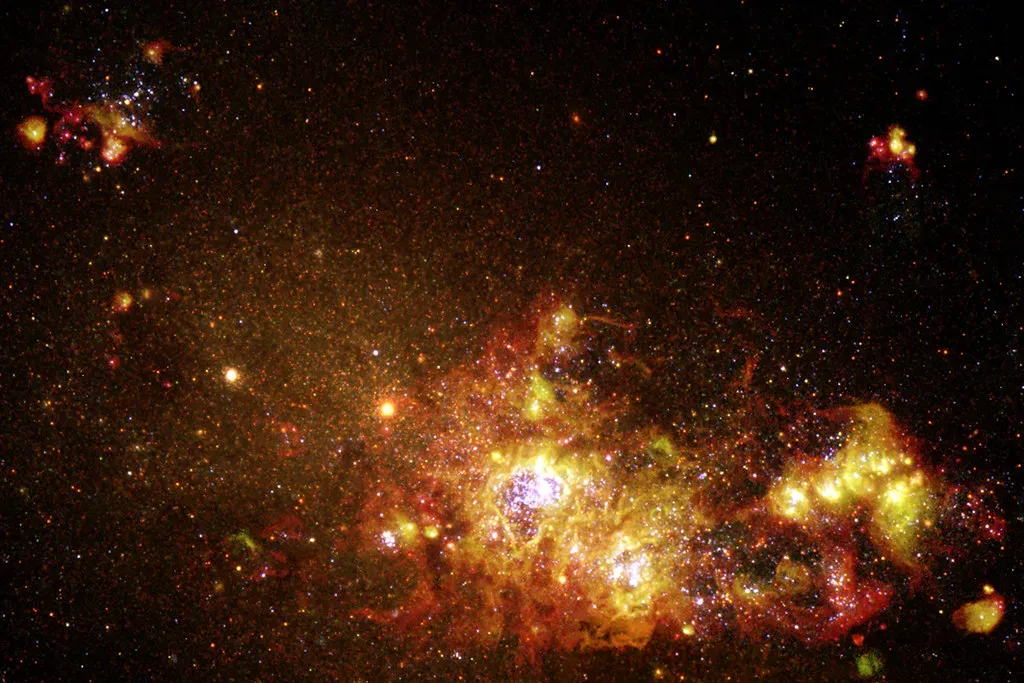
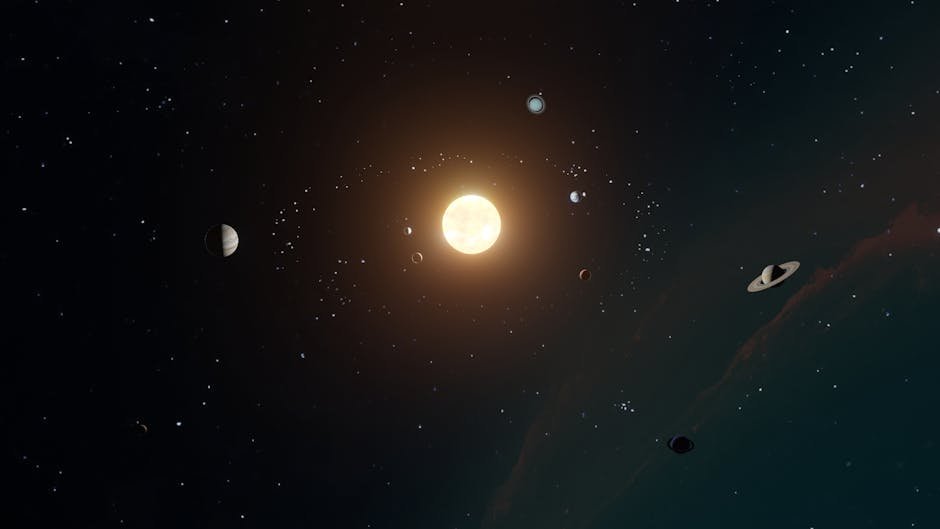
Astrophysics tells us that the young Sun, billions of years ago, was significantly dimmer than it is today. With that weaker sunlight, Earth should have been a frozen snowball, making liquid water and early life almost impossible. Yet geological evidence points to flowing water on the surface and signs of microbial life fairly early in Earth’s history. This contradiction between what the Sun’s output should have been and what Earth’s climate appears to have been is the faint young Sun paradox.
One popular idea is that Earth’s early atmosphere had much higher levels of greenhouse gases like carbon dioxide or methane, trapping more heat. Others suggest lower land area, different cloud behavior, or even changes in how much sunlight the oceans and rocks reflected back to space. None of these explanations are perfectly nailed down, and the details are still actively debated. The fact that our own planet’s past climate is still mysterious shows how tricky it is to understand planetary habitability anywhere else.
The Tree of One: How a Single Organism Can Be a Forest

Some of the largest “forests” on Earth are actually single organisms, genetically speaking. Aspen groves, for example, can sprout hundreds or thousands of trunks that look like separate trees, but below the surface they’re connected by a single, massive root system. The famous Pando aspen clone in Utah spans dozens of hectares and may weigh thousands of tons, all sharing essentially one genome. To the eye, it’s a forest; biologically, it’s arguably one giant individual.
This raises a strange question: what is an individual in nature? The same puzzle shows up in coral reefs, fungal networks spreading through soil, and even in your own body, where your “self” is a partnership of human cells and vast communities of microbes. Our instinct is to draw neat lines around organisms, but nature constantly blurs them. The paradox is that we talk about life in units – one tree, one animal, one person – while the living world works more like overlapping, nested systems than tidy, separate things.
Living With a Universe That Refuses to Be Simple
These paradoxes are not just clever riddles for scientists to argue about in quiet offices; they are signs that our picture of reality is still unfinished. From strange quantum behaviors to the way ecosystems and planets work, nature keeps reminding us that our neat stories and simple rules only go so far. Each of these puzzles marks a boundary where our current understanding hits a wall and something deeper waits on the other side.
What makes them so compelling is that they are grounded in real observations, experiments, and data that refuse to fit comfortably into old frameworks. Instead of neat answers, they offer tension, mystery, and the sense that the universe is far richer and stranger than we usually admit. When you look at the world around you now, how many other paradoxes might be hiding in plain sight, just waiting for someone curious enough to notice?