
Stare at the right picture for long enough, and reality starts to wobble a little. Lines that are perfectly straight look crooked, still images seem to move, and colors appear that aren’t really there. Optical illusions feel a bit like harmless glitches in the brain’s software, and that’s exactly why they’re so addictive to look at and so fascinating to study.
But these illusions aren’t just party tricks. They quietly expose how the brain edits, compresses, and sometimes flat-out invents what we see. Under every “how is that even possible?” moment, there’s a story about attention, memory, and the shortcuts that usually help us survive but occasionally fool us. Let’s walk through ten of the most mind-bending examples and unpack what your brain is really doing behind the scenes.
The Müller-Lyer Illusion: When Arrows Bend Your Sense of Size
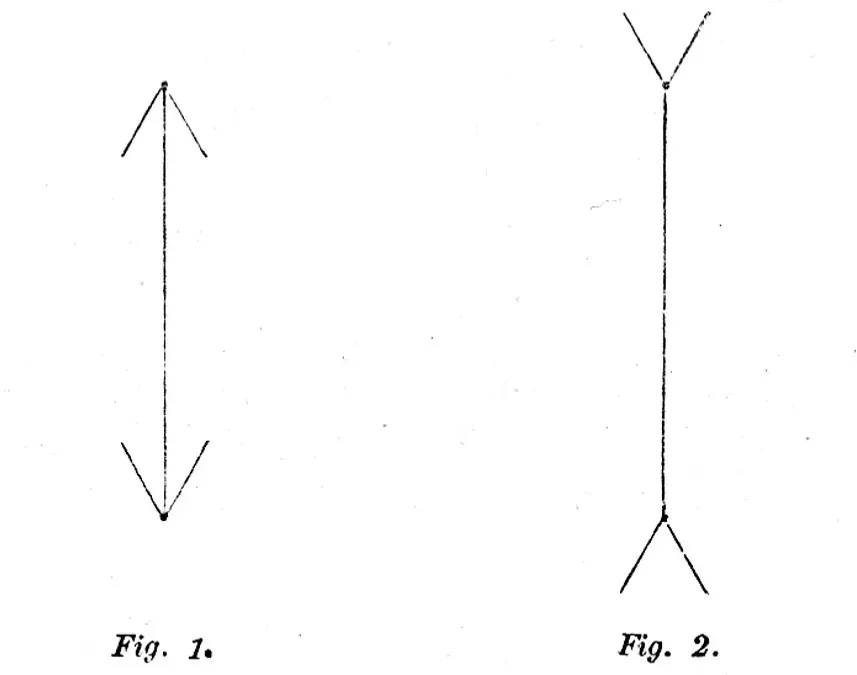
Have you ever seen two lines of the same length where one just stubbornly looks longer? In the classic Müller-Lyer illusion, each line has tiny arrow-like fins at the ends, one pointing inward and the other outward, and the line with the outward fins seems longer even though it isn’t. The weird part is that even when you know they’re equal, the illusion doesn’t really go away. Your brain keeps doubling down on being wrong.
Scientists think this illusion taps into how your visual system interprets depth and perspective from everyday life. In the real world, corners that point inward often signal the inside of a room, while outward corners suggest the outside of a building or an edge. Your brain has spent years learning that context, so when it sees these arrow shapes, it silently “corrects” what you see based on its past experience. The result: those two simple lines become a battle between raw data and interpretation, and interpretation usually wins.
The Ponzo Illusion: How Backgrounds Trick Your Depth Perception
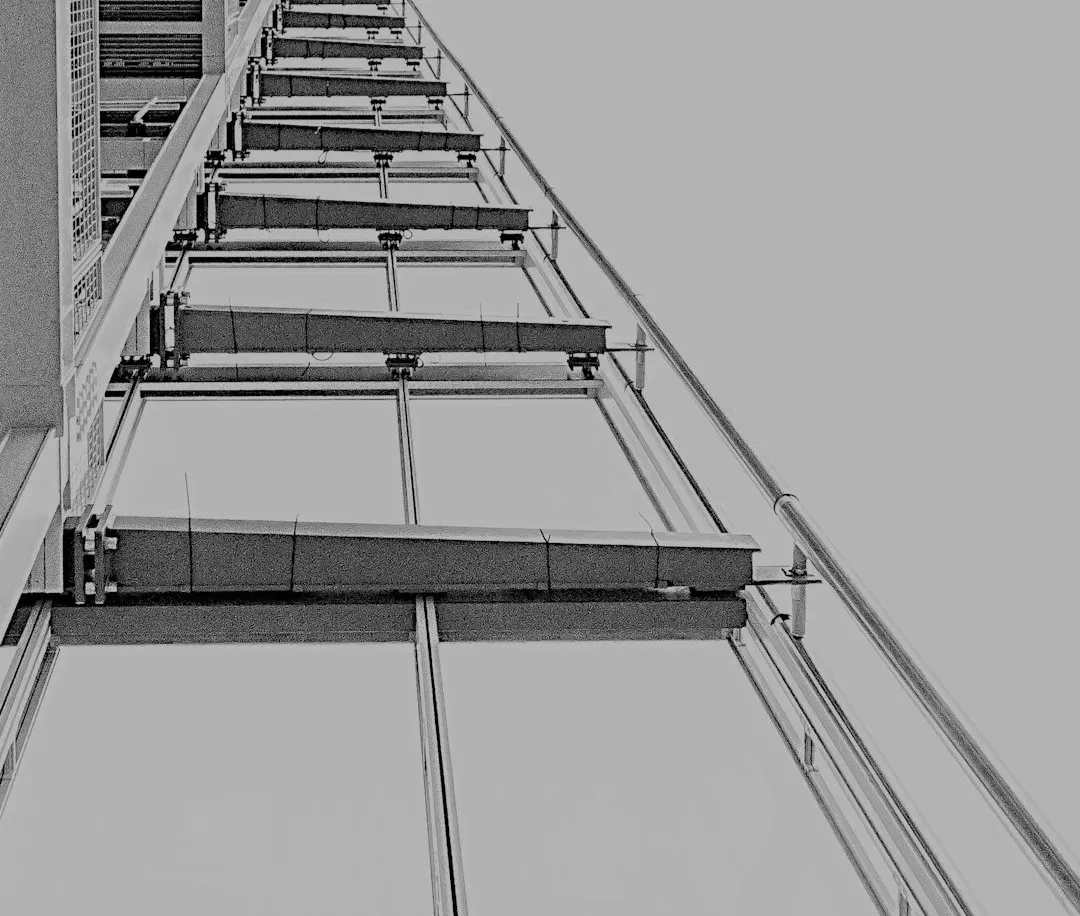
Picture two identical horizontal bars placed on a drawing of railroad tracks that converge in the distance. The bar closer to the “farther away” end looks bigger, even though both bars are exactly the same size. This is the Ponzo illusion, and once you notice it, you start seeing softer versions of it all over your daily life, from photos to street views.
The key here is something called size constancy: your brain knows that objects farther away take up less space on your retina, so it “corrects” for distance to keep their perceived size stable. When the background suggests depth, like converging lines or a road perspective, anything higher in the scene is automatically treated as farther away. Your visual system quietly resizes it upward to compensate, and suddenly you see one bar as larger. It feels like a simple mistake, but it’s actually your brain doing its job a little too enthusiastically.
The Kanizsa Triangle: Seeing Edges That Don’t Exist
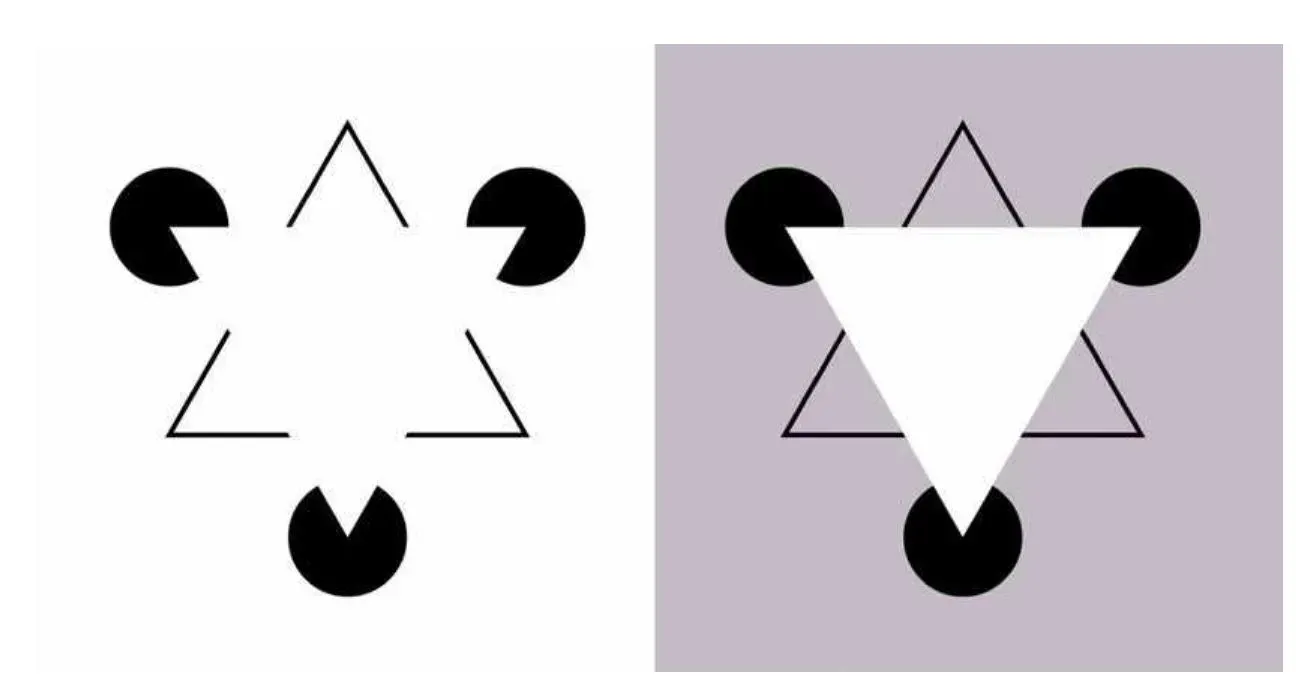
Look at three Pac-Man-like shapes arranged just right, and a bright white triangle appears in the middle, floating on top of everything else. The catch: that triangle isn’t really drawn at all. There are no lines, no real edges, just carefully placed gaps that your brain insists on connecting. This is the Kanizsa triangle illusion, and it’s one of the clearest examples of the brain inventing something that isn’t there.
What’s happening is called illusory contours: your brain fills in missing edges because it prefers complete, meaningful shapes over random fragments. Visual processing doesn’t just read what hits your eyes; it aggressively predicts and completes patterns based on experience. In everyday life, this helps you recognize objects in fog, low light, or clutter. In illusions like this, that same helpful habit turns into a magic trick where a ghostly triangle seems as real as anything actually drawn on the page.
The Hermann Grid: Ghostly Grey Dots in a Black-and-White World
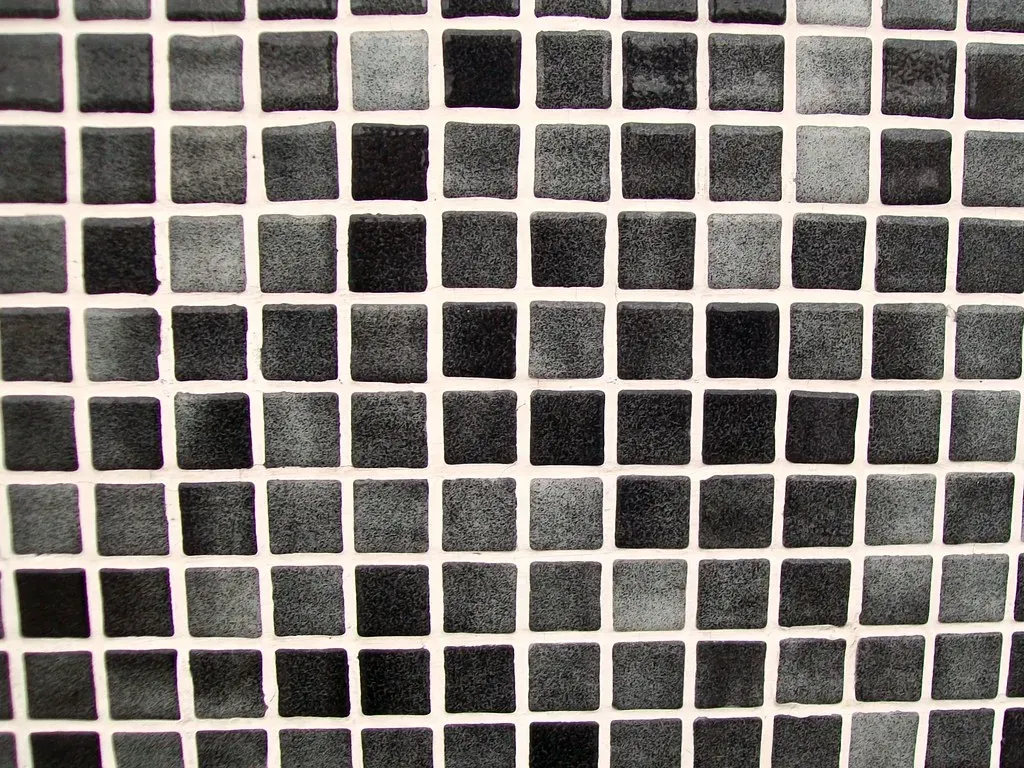
Imagine a white grid of streets laid over a black background. When you look at the intersections, you start seeing little grey smudges or shadowy dots pop in and out, even though the image only contains clean black and white. The moment you stare directly at one intersection, the grey dot disappears, then reappears somewhere else. It’s strangely unsettling, like your eyes are quietly gaslighting you.
This effect, known as the Hermann grid illusion, has a lot to do with how your retina responds to contrast. Specialized cells in your eyes don’t just record light levels; they compare neighboring areas, strengthening edges and transitions. At the intersections, the surrounding white areas stimulate more of these cells than along the straight lines, which leads your visual system to slightly “dampen” the brightness there. That tiny adjustment feels like a ghostly grey spot, flickering as your gaze shifts around the image.
The Café Wall Illusion: Straight Lines That Slant and Sway
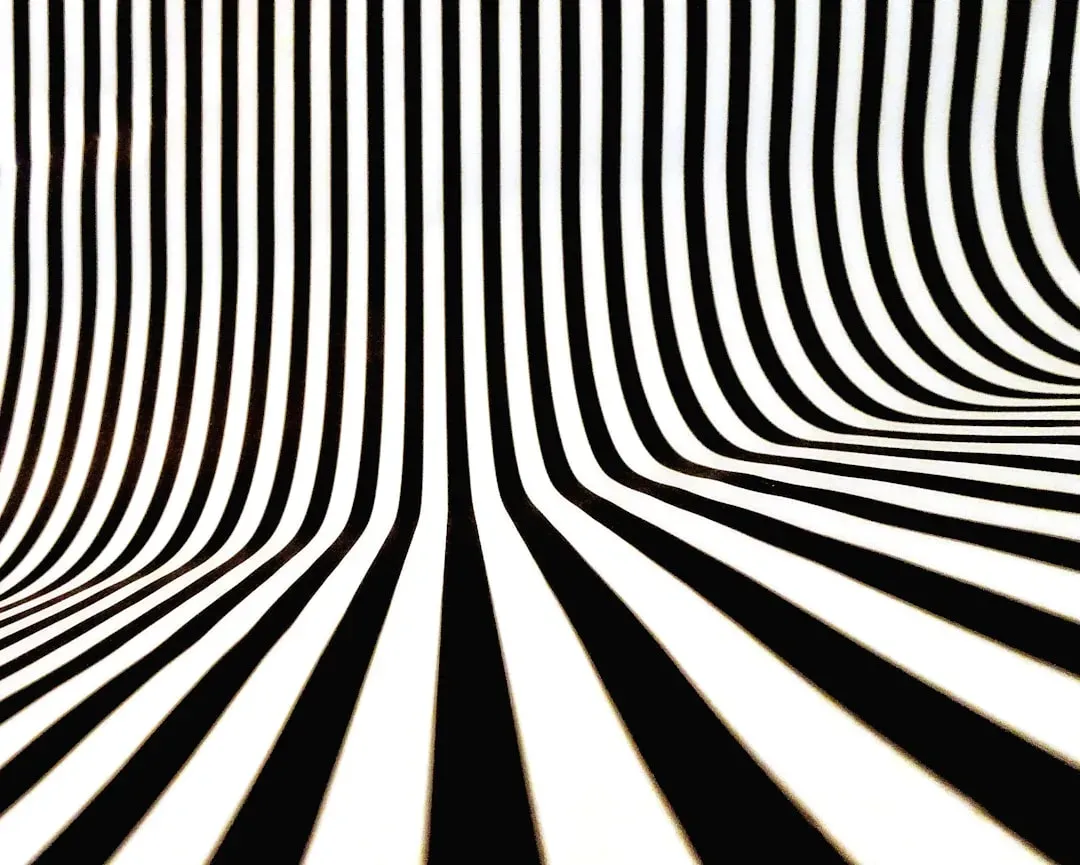
The café wall illusion looks like something a mischievous architect would design just to mess with people. Rows of offset black and white “bricks,” separated by thin grey lines, create the strong impression that the horizontal lines are sloping up and down. Measure them, though, and you’ll find every single one is perfectly straight and parallel. Your eyes insist on tilt where none exists.
Researchers think this illusion arises from how the brain handles sharp contrasts and small offsets in patterns. The alternating tiles and their slight misalignment push your visual system to exaggerate edges to make sense of the layout. The grey lines between the tiles add another layer of confusion, creating small differences in brightness that make the edges of the rows seem to lean. You get a kind of visual “shearing” effect, where the overall picture stays still but your perception keeps tugging the rows out of alignment.
The Checker Shadow Illusion: When Lighting Rewrites Reality
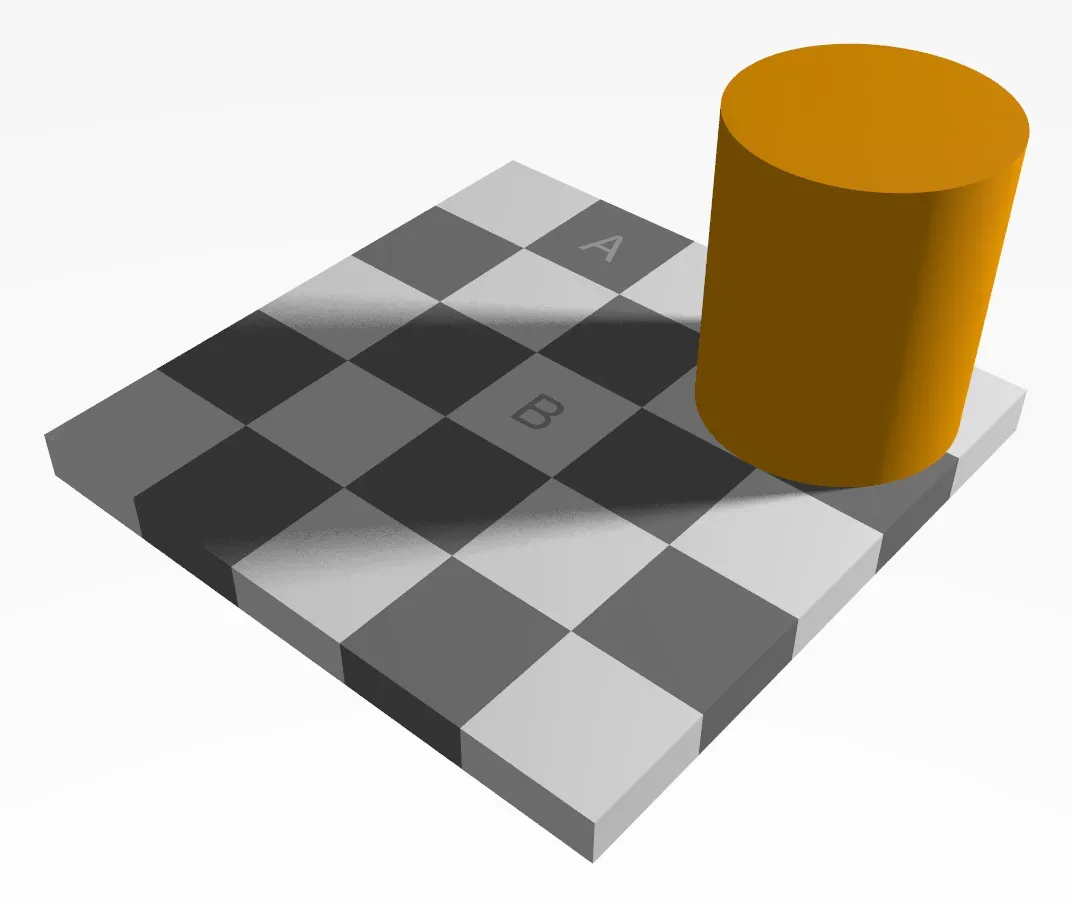
In the checker shadow illusion, two squares on a checkerboard appear to be totally different shades of grey, one light and one dark. When you isolate them, they’re precisely the same color. Most people flat-out don’t believe this until they see the squares connected by a strip or tested with a color picker. That’s how powerful this illusion is: it overrides your logical understanding of what’s on the screen.
This one exposes how deeply your visual system compensates for lighting, shadows, and context. Your brain knows that objects in shadow usually look darker than they “really” are, so it mentally boosts the brightness of anything in a shadowed area. At the same time, it tones down areas in direct light. On the checkerboard, your brain is so busy correcting for the shadow from the cylinder that it pulls apart two identical shades and presents them as different. It’s a reminder that what you see isn’t raw data, but a heavily edited guess about the world.
The Spinning Dancer: One Silhouette, Two Realities
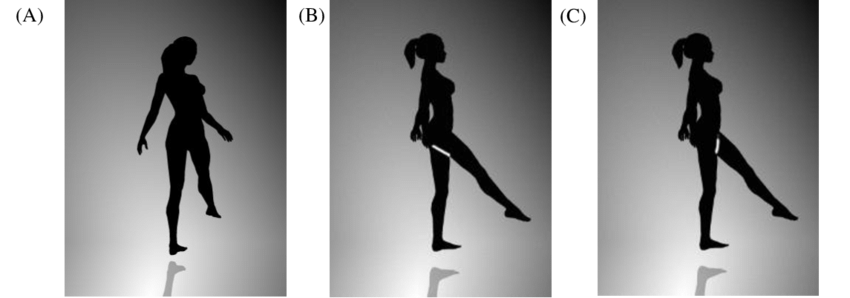
The spinning dancer illusion shows a dark, featureless silhouette of a ballerina turning on one foot. Most people initially see her spinning in one direction, but with some effort, they can flip the direction in their mind, and then suddenly it feels like she’s turning the other way. Nothing in the animation actually changes; your brain switches its interpretation. It feels a little eerie when it happens, as if your mind just glitched.
This is a bistable illusion, similar to the famous duck-rabbit drawing where you can switch between two valid interpretations but never see both at once. With the dancer, the lack of depth cues leaves your brain guessing which leg is in front, which side is closer, and which way she’s rotating. Because the silhouette is so ambiguous, your visual system can “lock onto” either solution, and attention or even mood can nudge it from one to the other. It’s a vivid reminder that perception is not just about what’s out there, but also about what your brain chooses to favor in the moment.
The Lilac Chaser: Vanishing Dots and an Invented Green Phantom
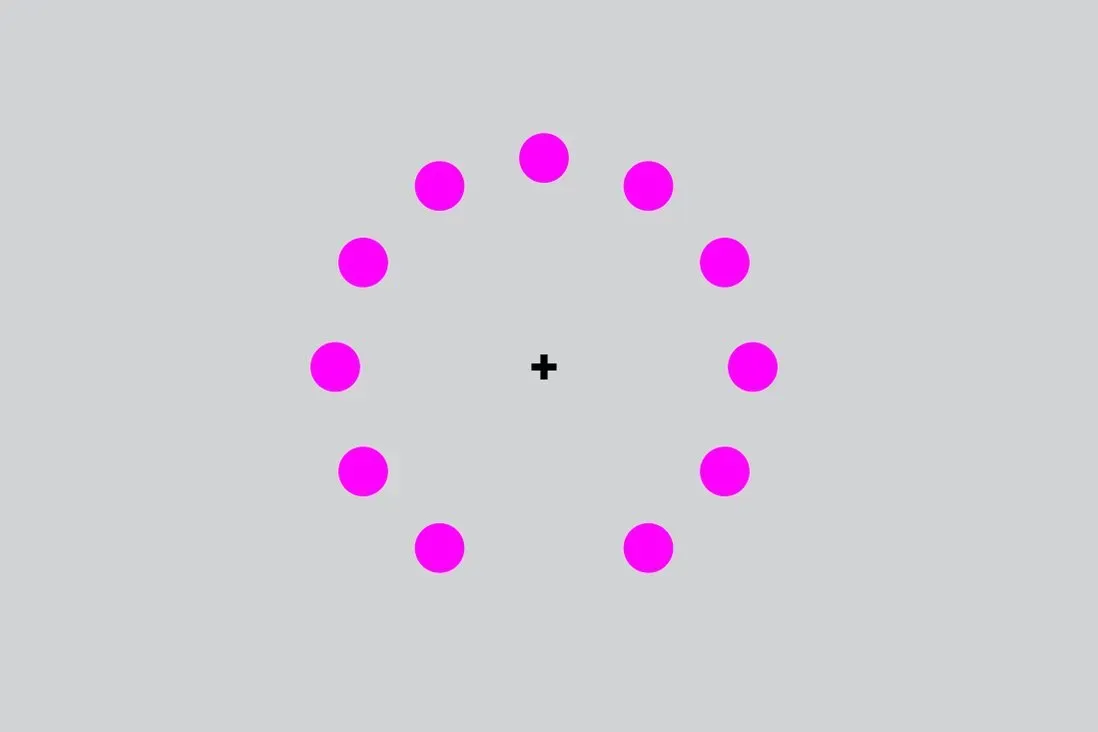
In the lilac chaser illusion, a ring of lilac-colored dots is shown with one dot disappearing in sequence around the circle. If you stare at the center for a few seconds, the lilac dots start to fade, and a single green dot seems to chase around the ring instead. Eventually, the lilac dots can vanish completely, leaving only the fast-moving green “ghost.” The first time I saw it, I honestly thought the animation had changed.
This illusion combines several brain quirks: afterimages, motion detection, and something called Troxler fading. As you fixate on the center, your visual system starts to ignore the unchanging lilac dots, causing them to fade from awareness. Meanwhile, each disappearing dot leaves a momentary afterimage in the complementary color, which looks green against the background. Your brain strings these green afterimages together into a single moving object, turning a simple flicker into a smooth green chaser racing around the circle.
The Fraser Spiral: Circles That Refuse to Stay Circular
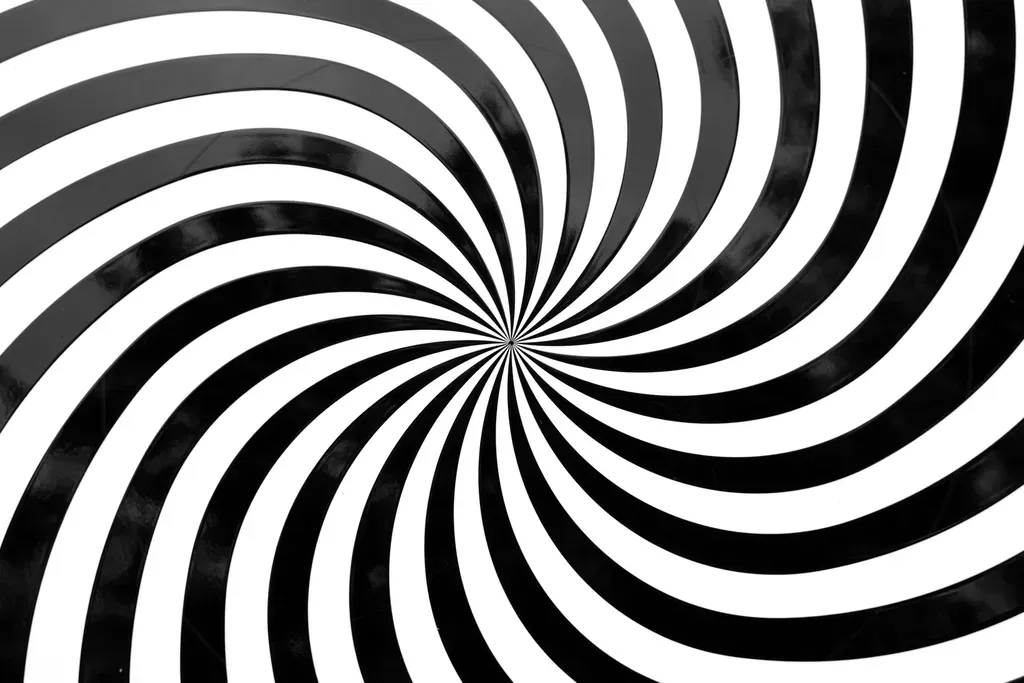
The Fraser spiral illusion looks like a swirling spiral diving into the center of the page, but if you trace it carefully, you’ll find it’s actually made up of a series of circles. The pattern of wavy lines and intersecting arcs tricks your sense of geometry, making closed loops feel like they’re endlessly winding inward. It’s disorienting in a strangely satisfying way, like watching a magic trick even after you know how it works.
The illusion relies on the interaction between local and global perception. Locally, your brain follows short segments of the pattern that are slightly angled, and globally it tries to stitch them together into a single coherent path. Because those local segments lean just enough in one direction, your visual system “upgrades” the circles into a spiral to make sense of the tilt. The tension between what your eyes detect (circular arcs) and what your brain prefers to see (a continuous spiral) creates that unmistakable sense of being pulled inward.
The Ames Room: A Room That Shrinks People in Real Time
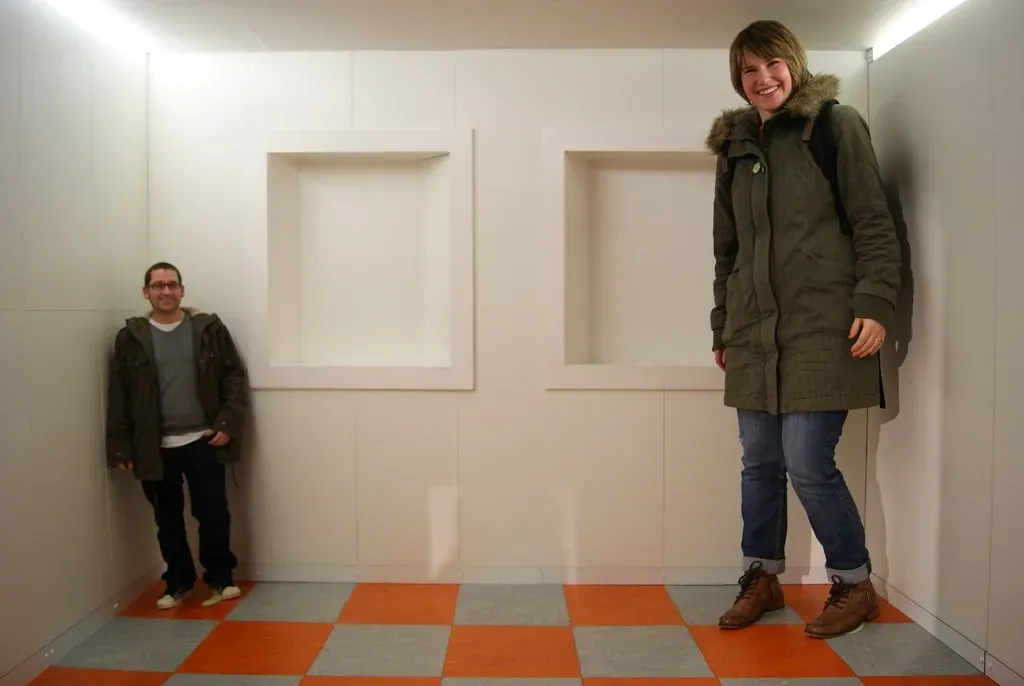
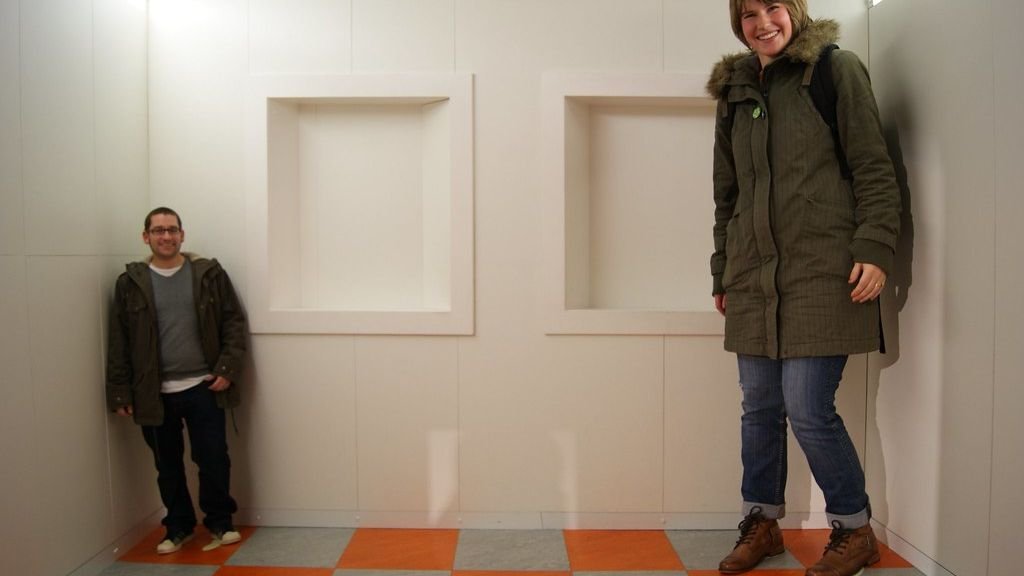
In an Ames room, two people stand in opposite corners of what looks like a normal rectangular room when viewed from a specific peephole. One person appears giant, the other tiny, and as they swap sides, they seem to grow or shrink in real time. Videos of this illusion feel almost fake, like editing tricks, until you realize it’s all happening in a carefully distorted space.
The secret is that the room isn’t rectangular at all; it’s built as a skewed, trapezoidal shape, with one corner much farther from the viewer than the other. The floor and ceiling are slanted, and the windows and tiles are strategically arranged to maintain the appearance of normality from that single viewpoint. Your brain assumes the room has standard geometry and interprets the two people as standing at equal distances. Since one person is actually much farther away, the only way your brain can reconcile the smaller image on the retina is to treat that person as tiny, turning simple perspective into a live-action size illusion.
Conclusion: What Optical Illusions Reveal About Your Brain
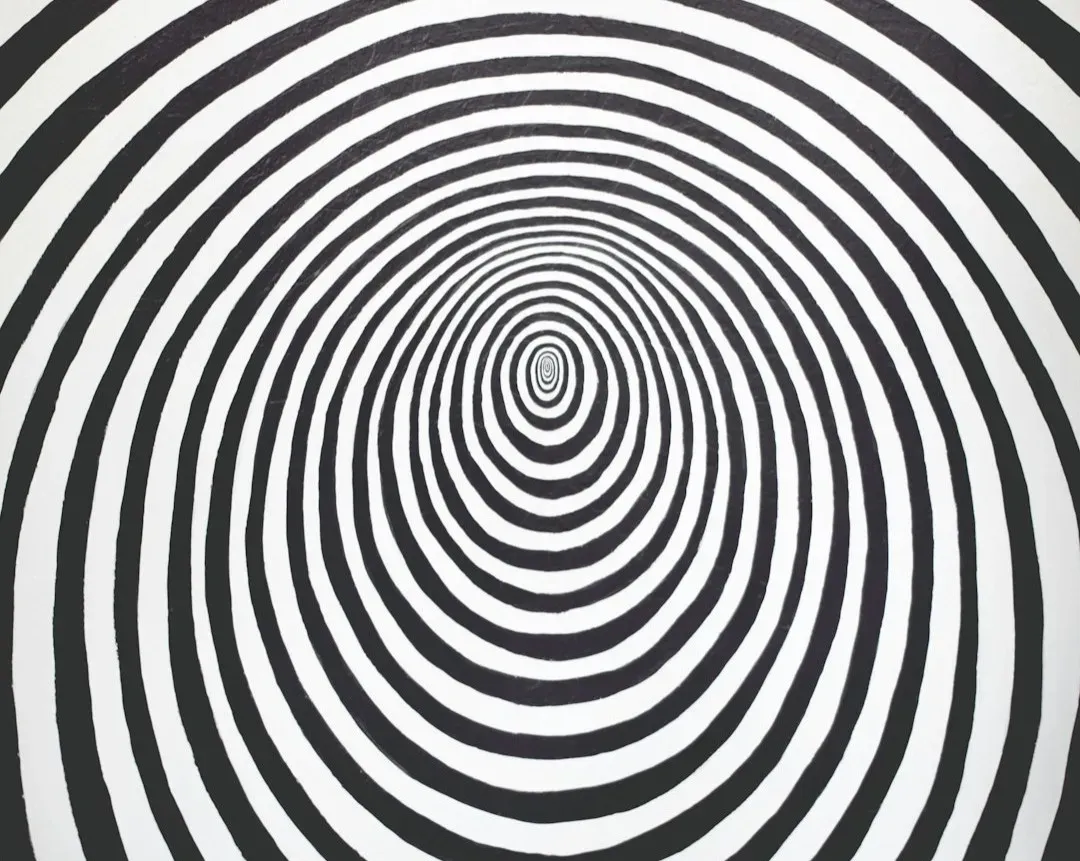
Optical illusions feel like little pranks the world plays on you, but they’re really moments when your brain’s usual shortcuts are laid bare. From phantom triangles and crooked lines to impossible rooms and shifting dancers, each illusion in this list exposes a different strategy your visual system uses to deal with a noisy, complex world. Most of the time those strategies serve you well; in these carefully designed images, they get pushed just far enough to break.
Once you start to see illusions as windows into the brain rather than just curiosities, they become even more compelling. They remind you that perception is not a camera recording reality, but a storyteller constantly guessing, correcting, and sometimes inventing. The next time an image makes you say, “There’s no way that’s right,” it might be worth pausing and asking: if my eyes can be fooled this easily, what else is my brain quietly editing every day?